

Photo by Dmitry Rodionov on Unsplash
If you have ever tried to lose weight while eating better, you already know the challenge: not every food that looks healthy actually helps you feel lighter, fuller, and more in control. That is where organic food can become more than a trend. When used thoughtfully, it can support a healthy diet, make clean eating easier to maintain, and help you build a routine that feels practical instead of restrictive.
The idea is not to treat organic food as magic. It is to use high-quality ingredients to reduce guesswork, improve nutrition, and create meals that keep hunger steady and energy stable. That matters because weight loss is rarely about one dramatic change. It is usually the result of dozens of small choices made consistently: what you buy, how you cook, how you snack, and how well your meals satisfy you. Would you rather rely on willpower all day, or build a kitchen that quietly supports your goals?
In this guide, we will look at the best organic foods for weight loss, how to build balanced meals, which clean eating habits actually help, and how to avoid the common mistakes that make a healthy lifestyle harder than it should be. Along the way, you will find practical ideas, simple swaps, and a realistic way to think about nutrition that feels both modern and sustainable.
Why Organic Food Can Support Weight Loss
Organic food does not automatically contain fewer calories, and that distinction matters. A bag of organic chips is still a processed snack, and a slice of organic cake is still a dessert. What organic food can offer is a cleaner starting point for a healthy diet: fewer synthetic pesticide residues, fewer artificial additives in many products, and often fresher, more minimally processed options at the center of the plate.
For people focused on weight loss, those benefits can make a real difference in daily behavior. When meals are built around simple ingredients, it becomes easier to recognize satiety, control portions, and avoid the blood sugar swings that often lead to overeating. Clean eating works best when your food is satisfying enough that you are not constantly searching for the next snack. That is one reason many people find organic meals easier to stick with over time.
Cleaner ingredients can make better habits easier
Think about the typical weekday eating pattern. If breakfast is rushed, lunch is taken on the go, and dinner happens late, convenience usually wins. Organic food helps shift that pattern when you keep easy staples on hand: organic eggs, greens, beans, berries, yogurt, oats, and vegetables. These foods are versatile, nourishing, and much harder to overconsume than ultra-processed convenience snacks.
Another advantage is psychological. When people choose organic food, they often become more intentional about what they eat overall. That mindset can support healthier grocery choices, better meal planning, and a more consistent approach to nutrition. In other words, the label is not the main benefit; the behavior it encourages often is.
Weight loss depends on balance, not extremes
A healthy diet for weight loss should never feel like a punishment. The most successful approach usually includes protein, fiber, healthy fats, hydration, and enough volume to keep meals satisfying. Organic ingredients can make that balance easier to achieve because they often bring more flavor, better texture, and a stronger connection to whole foods. That may sound simple, but simple is what lasts.
If your meals are built from ingredients you enjoy, it becomes much easier to stay consistent. And consistency is the foundation of every meaningful change in body composition, energy, and overall well-being.
Best Organic Foods for Weight Loss
The best organic foods for weight loss are not mysterious. They are the foods that help you feel full, support stable energy, and provide a wide range of nutrients without piling on empty calories. These are the foods that make clean eating realistic rather than rigid.
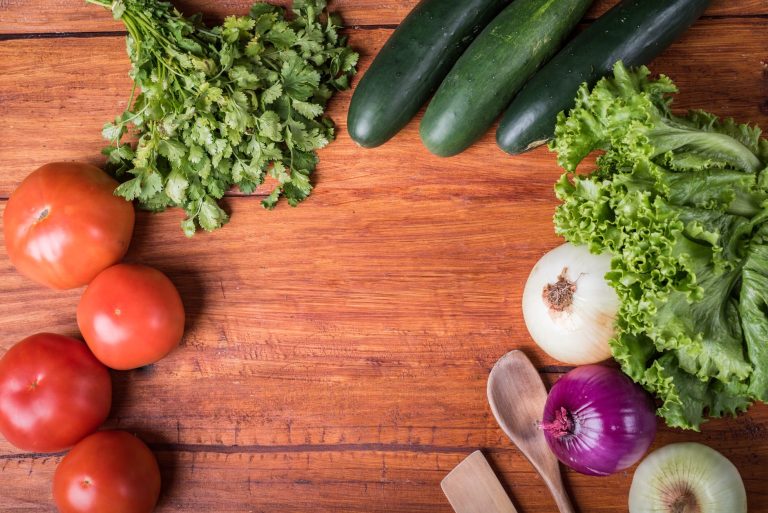
[IMAGE: organic vegetables]
1. Leafy greens
Organic spinach, kale, arugula, romaine, and mixed greens are powerful because they provide volume with very few calories. You can eat a generous portion and still keep your meal light. They are rich in fiber, folate, vitamin C, and antioxidants, making them an excellent base for salads, wraps, soups, and smoothies.
Try adding greens to multiple meals instead of saving them for dinner. A spinach omelet, a lunch salad, or a handful of arugula on top of grain bowls can all help you increase nutrition without feeling heavy.
2. Cruciferous vegetables
Broccoli, cauliflower, Brussels sprouts, cabbage, and bok choy are some of the most useful foods in a clean eating plan. They are filling, nutrient-dense, and versatile enough to be roasted, steamed, stir-fried, or blended into soups. Their fiber content supports digestion, which is especially helpful when you are trying to keep meals satisfying while maintaining a calorie deficit.
For a simple fat-loss dinner, roast organic broccoli and cauliflower with olive oil, garlic, and black pepper, then pair them with a clean protein source such as eggs, fish, tofu, or chicken.
3. Berries
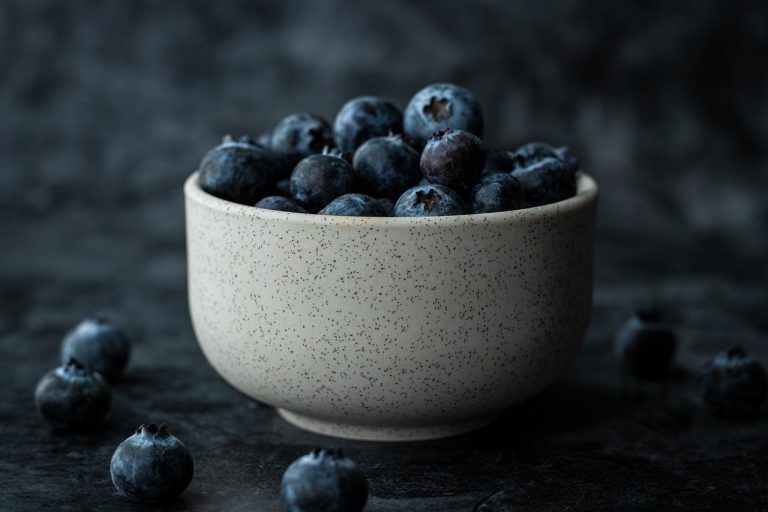
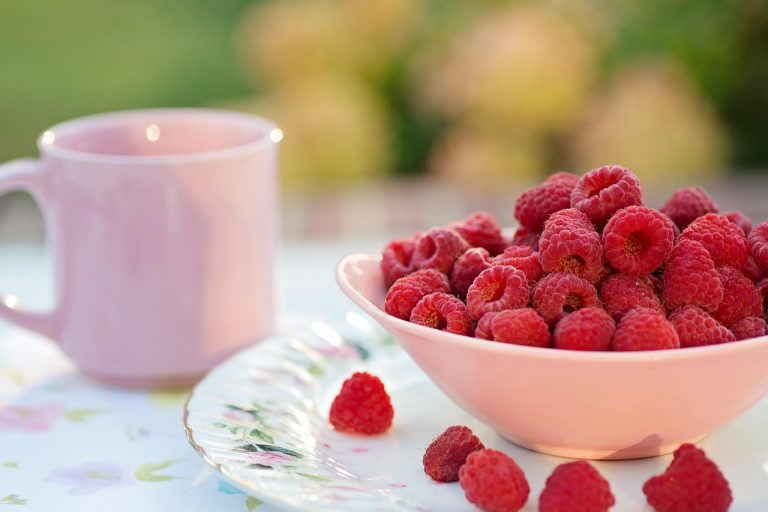
Organic blueberries, strawberries, raspberries, and blackberries are ideal when you want something sweet without overdoing sugar. Berries are naturally lower in calories than many fruits and are packed with antioxidants and fiber. They can satisfy dessert cravings while still fitting into a healthy diet.
Use berries in yogurt bowls, overnight oats, or chia pudding. They also make excellent snacks when paired with a protein or fat source, such as almonds or unsweetened yogurt, because the combination keeps you fuller longer.
4. Apples and pears
These fruits are classic weight-loss allies because they are crisp, hydrating, and easy to portion. An organic apple or pear can be a convenient snack that helps you bridge the gap between meals without reaching for something more processed. The fiber in the skin adds to the feeling of fullness, especially when you eat them slowly.
If you often feel hungry midafternoon, try pairing an apple with nut butter or a few walnuts. It is a far more stable choice than a refined snack that spikes and crashes your appetite.
5. Organic eggs
Eggs are one of the most efficient weight-loss foods you can buy. They are high in protein, easy to cook, and incredibly flexible. A breakfast rich in protein helps many people control hunger throughout the day, which is why eggs are often featured in smart clean eating plans.
Scrambled, boiled, poached, or baked into vegetable muffins, organic eggs can anchor breakfast or lunch without requiring complicated preparation. If you are trying to reduce mindless snacking, this is the kind of food that helps.
6. Beans and lentils
Organic lentils, black beans, chickpeas, and kidney beans are budget-friendly nutrition powerhouses. They provide plant protein, fiber, iron, and slow-digesting carbohydrates that help you stay satisfied. For many people, legumes are one of the most reliable ways to support weight loss without feeling deprived.
Use them in soups, salads, grain bowls, and veggie-based stews. If you are moving toward a more plant-forward healthy lifestyle, beans and lentils can keep your meals filling enough to stay satisfying between meals.
7. Organic Greek yogurt or unsweetened alternatives
Plain yogurt offers protein, probiotics, and a creamy texture that can make healthy eating feel indulgent. If you choose dairy, look for organic versions with minimal added sugar. If you prefer non-dairy options, unsweetened almond, coconut, or soy yogurt can work well when fortified and paired with fiber-rich toppings.
What matters is the full picture. A yogurt bowl topped with berries, seeds, and nuts is very different from a flavored yogurt dessert disguised as breakfast.
8. Avocados
Avocados contain healthy fats that can help with satiety and make meals feel more complete. Because fat slows digestion, a little avocado goes a long way toward keeping you satisfied. That makes it easier to avoid unnecessary snacking later in the day.
Use avocado as a topping for eggs, salads, and whole-grain toast. Keep portions reasonable, though, because healthy fats are calorie-dense. In a weight loss plan, the goal is not to fear fat but to use it wisely.
9. Seeds and nuts
Chia seeds, flaxseeds, pumpkin seeds, almonds, and walnuts are excellent for clean eating. They deliver fiber, minerals, and healthy fats in a compact form. A small portion can improve a meal’s texture and staying power, which is helpful when you are focused on appetite control.
The key is portion awareness. Nuts and seeds are easy to overeat, so measure them when possible instead of eating straight from the bag.
10. Organic protein sources
Chicken, turkey, eggs, fish, tofu, tempeh, and legumes all support a weight-loss plan because protein helps preserve lean tissue and reduce hunger. Organic options can fit well into a clean eating approach when you choose minimally processed preparations and avoid heavy sauces or breading.
Protein is especially important if you are increasing exercise, because it supports recovery and helps the body maintain a strong metabolic rate while losing fat.
How to Build Clean Eating Meals That Keep You Full
The best healthy diet is one you can repeat. That means learning how to assemble meals that actually satisfy you, not just meals that look good in a photo. A truly effective clean eating plate should combine protein, fiber, color, and enough healthy fat to keep hunger under control.
[IMAGE: healthy meal]
Use the plate method
A simple visual guide works better than strict rules for many people:
- Half the plate: non-starchy vegetables such as leafy greens, broccoli, cauliflower, peppers, or zucchini
- One quarter of the plate: protein such as eggs, fish, chicken, tofu, lentils, or Greek yogurt on the side
- One quarter of the plate: smart carbohydrates such as quinoa, brown rice, sweet potato, or beans
- Small addition: healthy fats such as avocado, olive oil, nuts, or seeds
This structure helps you eat enough to feel satisfied while still supporting weight loss. It also makes portion control easier because you do not have to count every bite to stay on track.
Include protein in every meal
If your meals are mostly fruit, salad, or grains, hunger will often come back too soon. Protein is one of the strongest tools for appetite control, and it plays a major role in a sustainable detox diet or fat-loss plan. Even a breakfast smoothie should contain protein from yogurt, protein powder, silken tofu, or nut butter if the goal is staying full until lunch.
Ask yourself a useful question before eating: does this meal contain enough protein to support my energy for the next few hours?
Do not fear carbs; choose better carbs
Carbohydrates are not the enemy of weight loss. The issue is usually the type and quantity. Organic oats, potatoes, squash, beans, and whole grains can all be part of a healthy lifestyle when portions are appropriate. These foods provide fiber and energy, which can actually support better adherence to your plan.
The biggest difference comes from choosing carbohydrates that are minimally processed and more satisfying. A baked sweet potato with salmon and greens will usually keep you fuller than a refined pastry, even if the calorie difference is not dramatic.
Keep flavor high
People often abandon clean eating because the food tastes bland. That problem is easy to fix. Use herbs, citrus, garlic, mustard, vinegar, chili flakes, ginger, turmeric, and fresh spices to make organic food taste exciting. Flavor increases satisfaction, and satisfaction makes weight loss easier.
In practice, that means roasted vegetables with lemon, grilled proteins with herbs, and grain bowls dressed with tahini or a simple olive oil vinaigrette. Small upgrades create big differences in adherence.
Smart Organic Snacks for a Healthy Lifestyle
Snacking is not inherently bad. In fact, the right snacks can prevent overeating later in the day. The mistake is relying on snacks that are too low in protein, too high in sugar, or too easy to overeat. Clean eating snacks should support nutrition, not replace meals or trigger cravings.
Good snack choices include:
- Organic apple slices with almond butter
- Plain yogurt with berries and chia seeds
- Carrot sticks and hummus
- Hard-boiled eggs with sea salt
- Roasted chickpeas
- Cucumber slices with guacamole
- A small handful of walnuts or pumpkin seeds
If you notice that snacking becomes automatic instead of intentional, ask whether you are actually hungry or simply tired, bored, or dehydrated. That small pause can save a lot of unnecessary calories over the course of a week.
For busy professionals, snack planning is one of the easiest ways to protect a healthy diet. Keep a few portable organic foods in your bag, office, or car so the convenient choice is also the better one.
A Simple Organic Meal Framework for Weight Loss
One of the biggest myths about organic food is that you need expensive or complicated recipes to eat well. You do not. You need a framework. Once you know how to combine a few core foods, your meals become easier, faster, and much more consistent.
Breakfast ideas
- Organic eggs scrambled with spinach and mushrooms
- Plain Greek yogurt topped with berries, flaxseed, and chopped walnuts
- Overnight oats made with chia seeds, cinnamon, and sliced pear
- Green smoothie with spinach, cucumber, protein, and unsweetened almond milk
Lunch ideas
- Mixed greens topped with chickpeas, avocado, cucumber, tomato, and grilled chicken
- Lentil soup with a side of roasted vegetables
- Quinoa bowl with salmon, broccoli, and lemon-tahini dressing
- Turkey lettuce wraps with shredded carrots and hummus
Dinner ideas
- Baked fish with Brussels sprouts and sweet potato
- Tofu stir-fry with cauliflower rice and mixed vegetables
- Organic chicken breast with roasted carrots and a green salad
- Bean-based chili served with avocado and herbs
A simple pattern like this removes decision fatigue, which is one of the hidden obstacles to weight loss. When you no longer have to invent every meal from scratch, it becomes much easier to stay consistent.
What a Realistic Day of Organic Eating Can Look Like
If you want a practical example, here is what an average day might look like for someone focused on clean eating and weight loss. This is not a strict diet, but a realistic model that keeps nutrition high and cravings manageable.
Morning: Start with water and a protein-rich breakfast such as eggs with spinach and tomatoes, or yogurt with berries and chia seeds. This supports stable energy and helps reduce midmorning snacking.
Midday: Lunch could be a large salad with grilled chicken, beans, avocado, and colorful vegetables. Add olive oil and lemon for flavor. This is the kind of meal that feels light but still keeps you full.
Afternoon: If needed, choose a smart snack such as an apple with nut butter or carrots with hummus. A snack should support your day, not derail it.
Evening: Dinner might include salmon, roasted broccoli, and quinoa, or tofu with vegetables and brown rice. Keep portions balanced and eat slowly enough to notice when you are satisfied.
Hydration: Water, herbal tea, and mineral-rich fluids matter too. Many people mistake thirst for hunger, especially late in the day.
This is where weight loss starts to feel manageable. Not perfect. Not extreme. Just structured enough to help your body cooperate.
Detox Diet Thinking: What Helps and What Does Not
The term detox diet is often used in a way that creates confusion. Your body already has natural detox systems, especially the liver, kidneys, digestive tract, and skin. No juice cleanse can replace them. What clean eating can do is reduce the load by making food choices that support normal elimination and reduce unnecessary inflammation.
That means focusing on fiber, hydration, antioxidants, and minimally processed organic food rather than chasing quick-fix detox promises. A real detox-friendly approach looks like this:
- Plenty of vegetables and leafy greens
- Enough water throughout the day
- Fiber-rich foods such as beans, oats, flax, and berries
- Limited added sugar and highly processed snacks
- Moderate alcohol, not daily excess
So yes, a detox diet can be part of a healthy lifestyle when it means supporting your body with better nutrition. No, it should not mean starving, over-restricting, or living on lemon water. Why make your body work harder when the better approach is simply giving it better inputs?
Common Organic Diet Mistakes to Avoid
Even with the best intentions, people make mistakes that slow progress. These are some of the most common ones to watch for if your goal is weight loss and long-term clean eating.
Thinking organic automatically means low calorie
Organic cookies, organic granola, organic chips, and organic frozen desserts can still be calorie-dense. Organic does not mean unlimited. If the food is highly processed, it can still work against your goals. Read labels and look beyond the marketing.
Overeating healthy fats
Avocados, nuts, seeds, and olive oil are healthy, but they are also energy-dense. A few extra spoonfuls or handfuls can quietly add up. Healthy eating still requires awareness, especially if weight loss is the goal.
Not eating enough protein
Many people focus so much on produce that they forget to include enough protein. Without it, hunger rises and cravings become harder to manage. The solution is simple: make sure each meal has a solid protein anchor.
Drinking calories without noticing
Smoothies, fancy coffee drinks, fruit juices, and sweetened plant milks can disguise a lot of calories. If you want clean eating to support fat loss, pay attention to what you drink as much as what you eat.
Going too hard, too fast
It is easy to start with a rigid plan and burn out within two weeks. A healthier approach is to improve one or two habits at a time. Maybe you start by swapping processed breakfast foods for an organic protein-rich option. Then you improve snacks. Then dinner. Progress compounds.
How to Make Organic Food Affordable
One reason people hesitate to commit to organic food is cost. That concern is real, but it does not mean organic eating is out of reach. A smart healthy diet is built on priority, not perfection. You do not need every item in your cart to be organic to benefit from a cleaner routine.
Start with the foods you eat most often and the produce you eat with the skin on, such as apples, berries, greens, and peppers. Prioritize organic versions of eggs, dairy, and the staples that appear several times a week in your kitchen. For everything else, choose the best quality you can afford and keep your meals centered on whole ingredients.
Helpful budget strategies include:
- Buying frozen organic vegetables and berries
- Using beans and lentils as protein-rich meal bases
- Cooking in batches to reduce waste
- Shopping seasonally for produce
- Buying store brands when quality is strong
Organic eating becomes much more sustainable when you treat it like a system rather than a luxury. The goal is not status. The goal is a healthier lifestyle that you can actually maintain.
Movement, Sleep, and the Bigger Picture
Food matters, but it is not the whole story. If you want the best results from organic food and clean eating, support your nutrition with movement and recovery. Weight loss is easier when your body feels strong, rested, and regulated.
[IMAGE: fitness lifestyle]
Movement supports consistency
You do not need intense workouts every day. Walking, strength training, cycling, yoga, and short home routines can all help. Movement improves insulin sensitivity, supports muscle retention, and often reduces stress eating. It also reminds you that your healthy lifestyle is bigger than the contents of a plate.
Sleep controls appetite more than most people realize
Sleep deprivation tends to increase cravings and reduce self-control, especially around sugary or refined foods. Even the best organic diet can be undermined by poor sleep. If your body is exhausted, it will ask for quick energy. Protecting sleep is one of the simplest ways to make nutrition choices easier.
Stress shapes eating patterns
High stress often leads to skipped meals, overeating at night, or reaching for comfort foods when energy drops. Create a routine that includes calming habits such as a walk after dinner, a screen-free break, or a few quiet minutes before meals. Small stress-management habits can improve adherence far more than people expect.
A Weekly Clean Eating Grocery List to Start With
If you want to simplify your shopping, begin with a basic list of organic food staples that work in multiple meals. This makes it easier to assemble breakfasts, lunches, dinners, and snacks without wasting time.
- Organic spinach or mixed greens
- Broccoli, cauliflower, or Brussels sprouts
- Berries, apples, and pears
- Eggs
- Plain Greek yogurt or unsweetened alternative
- Chicken, salmon, tofu, or lentils
- Chickpeas, black beans, or quinoa
- Avocados
- Chia seeds, flaxseeds, almonds, or walnuts
- Oats, sweet potatoes, and brown rice
- Olive oil, vinegar, lemons, garlic, and herbs
With these foods in your kitchen, you can create meals that support weight loss without feeling repetitive. That flexibility matters because boredom is one of the fastest ways to abandon a healthy diet.
What Success Looks Like Beyond the Scale
It is tempting to measure progress only by weight, but that narrow view can be misleading. When your organic food choices start working, you may notice other signs first: steadier energy, less bloating, fewer cravings, clearer digestion, and a more stable mood. These improvements are often the first proof that your nutrition strategy is moving in the right direction.
Ask yourself: do your meals leave you calm, satisfied, and energized, or do they leave you hunting for the next snack an hour later? That question often tells you more than a number on the scale. Clean eating should make daily life feel easier, not more complicated.
Over time, the best healthy lifestyle is the one that becomes almost automatic. You know what to buy. You know how to build a plate. You know how to handle hunger without panic. You stop seeing food as a constant decision and start seeing it as a reliable source of nourishment.
If you keep your meals anchored in organic food, focus on high-quality nutrition, and make your routine realistic enough to repeat, weight loss becomes less about chasing perfection and more about creating momentum. That is the kind of change that lasts, and it is exactly the kind of clean eating approach worth building day after day. If you want more practical guidance, explore more articles on DietOrganic and keep refining the version of healthy living that works best for you.
About the Author