
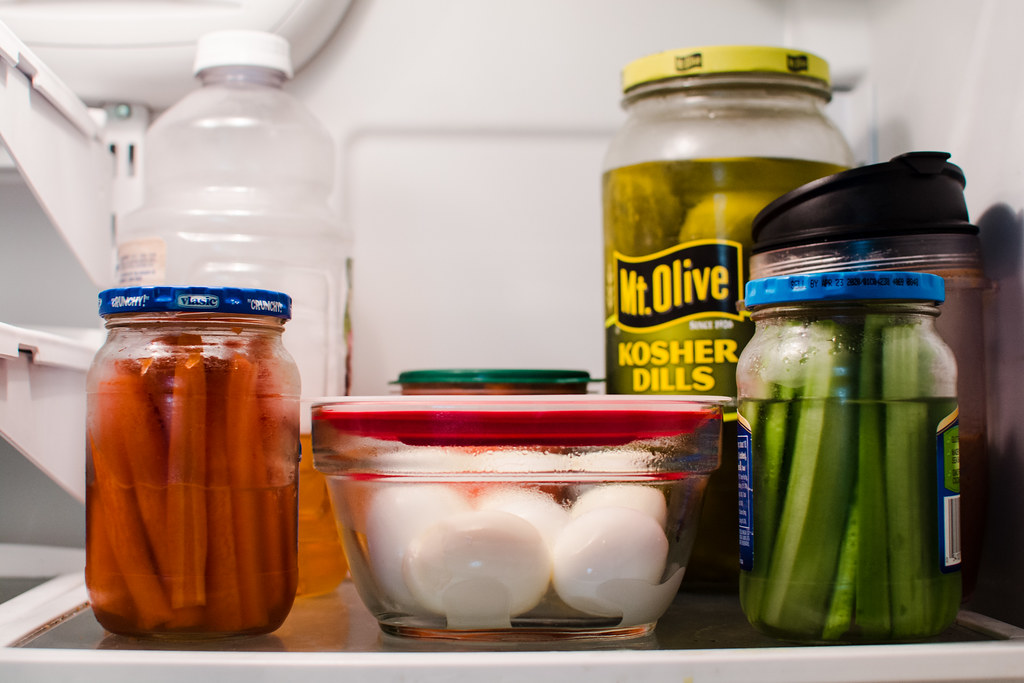
Photo by Angelia's Photography on Openverse
If you have ever wondered whether organic food can actually support weight loss, the answer is less about a miracle ingredient and more about the way it changes your daily habits. Organic eating often leads people toward cleaner choices, fewer ultra-processed foods, more fiber, and a more mindful relationship with nutrition. That combination can be powerful. When your kitchen fills with fresh produce, simple proteins, and whole ingredients, healthy lifestyle changes become easier to maintain—and consistency is what truly drives results.
This guide explores how to use organic food as part of a practical healthy diet for weight loss without turning meals into a chore. Rather than chasing extreme restrictions, you will learn how to build clean eating habits that feel realistic, satisfying, and sustainable. What should you eat more of? Which organic foods help with fullness and energy? And how can you create meals that support fat loss while still tasting like something you would choose again and again?
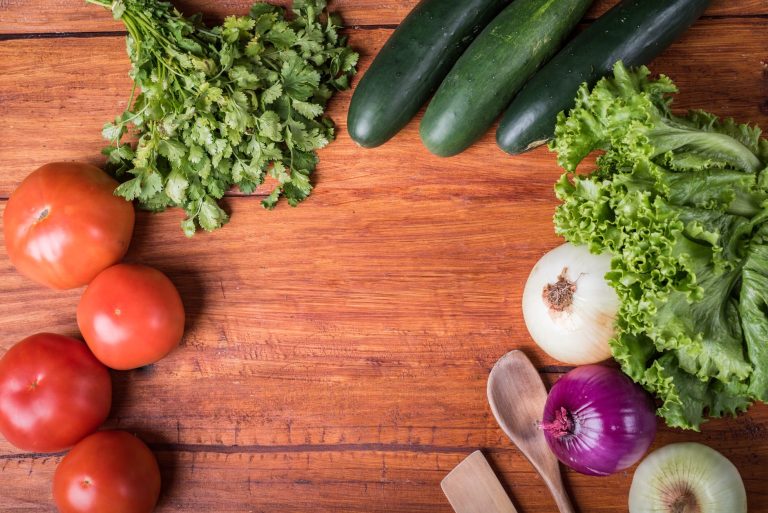
[IMAGE: organic vegetables]
Why Organic Food Can Support Weight Loss
Organic food does not automatically burn fat, and no honest nutrition expert would claim otherwise. But it can create a better environment for weight loss by making it easier to choose whole, nutrient-dense foods over heavily processed options. That shift matters. When your meals are built around vegetables, fruits, legumes, nuts, seeds, and lean proteins, you naturally increase fiber, improve satiety, and often reduce excess calories without feeling deprived.
Many people notice that organic shopping changes how they think about food. Instead of reaching for packaged snacks, they may prepare more meals at home. Instead of buying sweets
About the Author