

Photo by Ahimsa - OM on Pexels
If you want to feel lighter, more energized, and more in control of your appetite, your gut may be the best place to start. The truth is that a healthy lifestyle does not begin with strict rules or dramatic restrictions. It begins with nourishing food choices that work with your body instead of against it. That is why organic food has become such an important part of the modern clean eating conversation. When you choose high-quality produce, simple ingredients, and a more thoughtful way of eating, you are not just supporting digestion; you are also creating a better foundation for weight loss, steadier energy, and long-term nutrition.
Have you ever noticed how some meals leave you feeling calm and satisfied while others create bloating, cravings, or sluggishness? That difference is often about more than calories. It is about fiber, freshness, food quality, and how your digestive system responds to what you eat. An organic diet can make those responses easier to manage because it emphasizes foods that are closer to their natural state, with fewer unnecessary additives and more room for nutrient density. For many people, this is where weight loss becomes less about fighting the body and more about supporting it.
In this guide, we will look at how organic food can support gut health, which foods deserve a place on your plate, and how clean eating can feel realistic rather than restrictive. You will also find practical meal ideas, smart shopping strategies, and gentle habits that support digestion without turning daily eating into a stressful project. If you have been looking for a simple, sustainable way to improve nutrition while moving toward your weight loss goals, this is where the conversation gets useful.
Why Gut Health Matters in Clean Eating
Your gut is far more than a place where food is broken down. It is a central hub for digestion, nutrient absorption, immune function, hormone signaling, and even mood balance. When the gut is functioning well, you are more likely to feel satisfied after meals, maintain regular digestion, and experience fewer energy crashes. When it is struggling, the effects can ripple outward in frustrating ways. That is why clean eating is not just a trend. It is a way of giving your digestive system the conditions it needs to perform well.
The modern diet can overwhelm the gut in subtle ways. Highly processed foods, excess added sugar, artificial ingredients, and very low-fiber meals can make digestion feel sluggish or inconsistent. Some people also react strongly to certain foods because their routine has become too repetitive or too dependent on convenience foods. Organic food supports a cleaner eating pattern by making it easier to focus on fresh produce, simple proteins, whole grains, nuts, seeds, and natural fats. These foods tend to be more satisfying and easier to build into balanced meals.
What a Healthy Gut Often Feels Like
It is easier to make smart food decisions when you know what you are aiming for. A healthy digestive system usually feels calm, predictable, and resilient. While everyone is different, many people notice common signs when their gut is in good shape:
- Regular bowel movements without discomfort
- Less bloating after meals
- Better appetite control and fewer intense cravings
- Steadier energy throughout the day
- Improved tolerance for a wider variety of foods
- A more comfortable, lighter feeling after eating
If those benefits sound appealing, ask yourself a simple question: what would it look like if every meal gave your body more support and less stress? That is the mindset behind a gut-friendly organic diet. It is not about perfection. It is about reducing the friction between your food choices and your body’s natural processes.
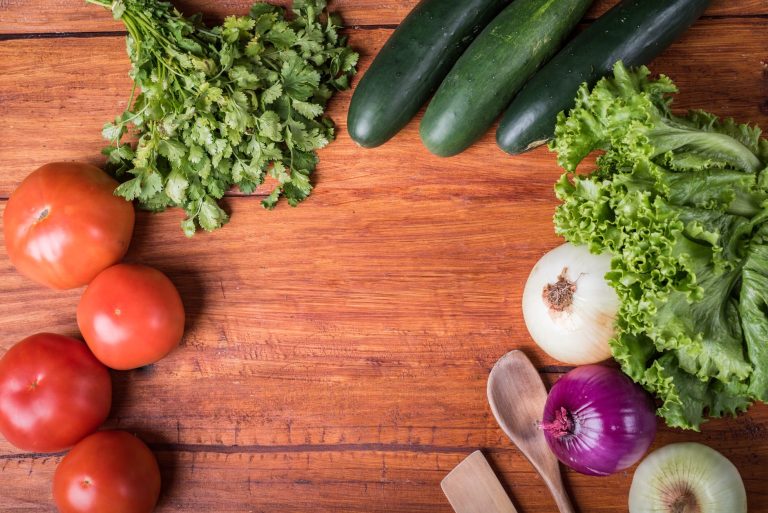
[IMAGE: organic vegetables]
How Organic Food Can Support Digestion and Weight Loss
Organic food is not a miracle cure, and it should never be treated like one. Still, it can play a meaningful role in a healthy diet because it often encourages better food quality and more intentional eating. When your pantry and refrigerator are filled with organic vegetables, fruit, grains, and protein sources, you naturally begin to rely less on ultra-processed foods. That alone can have a powerful effect on digestion and weight loss.
1. More Fiber-Rich Whole Foods
Fiber is one of the most important nutrients for gut health. It helps feed beneficial bacteria, supports regular elimination, and can improve feelings of fullness after meals. Many organic foods, especially vegetables, berries, beans, lentils, seeds, and whole grains, are naturally rich in fiber. These foods help stabilize blood sugar, reduce overeating, and promote a more balanced digestive rhythm.
2. Fewer Unnecessary Additives
Many packaged foods contain emulsifiers, preservatives, artificial sweeteners, and flavor enhancers that can be difficult for some people to tolerate. Not everyone is sensitive to them, but for those with an easily irritated digestive system, fewer additives can make a noticeable difference. A clean eating approach built around organic food often cuts back on these extras almost automatically.
3. Better Meal Quality and More Satiety
Weight loss becomes more manageable when meals are filling enough to prevent constant snacking. Organic food supports this by making it easier to create meals with real structure: protein for satiety, fiber for fullness, and healthy fats for stability. Instead of chasing low-calorie foods that leave you hungry, you can build plates that satisfy the body and the brain at the same time.
4. A Better Relationship with Food
There is also a psychological side to clean eating. When you choose organic food intentionally, you often become more mindful about what you eat and why. This awareness can reduce impulsive eating, improve portion control, and help you tune in to hunger and fullness signals. Those are powerful skills for weight loss that do not depend on extreme dieting.
Best Organic Foods for Gut Health
Not every organic food contributes equally to digestion, so it helps to know which categories give you the most benefit. The goal is not to create a perfect list and obsess over every item. The goal is to fill your kitchen with foods that support your body naturally and make healthy choices easier throughout the week.
Leafy Greens and Cruciferous Vegetables
Organic spinach, kale, arugula, romaine, broccoli, cauliflower, cabbage, and Brussels sprouts are excellent choices for a gut-friendly clean eating plan. They are rich in fiber, antioxidants, and plant compounds that support overall nutrition. Many people find that lightly cooked greens are easier to digest than large raw salads, especially if they are just beginning to improve their gut health.
How to use them
- Blend spinach into smoothies with fruit and chia seeds
- Roast broccoli or cauliflower with olive oil and herbs
- Add shredded cabbage to grain bowls for crunch
- Wilt kale into soups, omelets, or stews
Berries and Low-Sugar Fruit
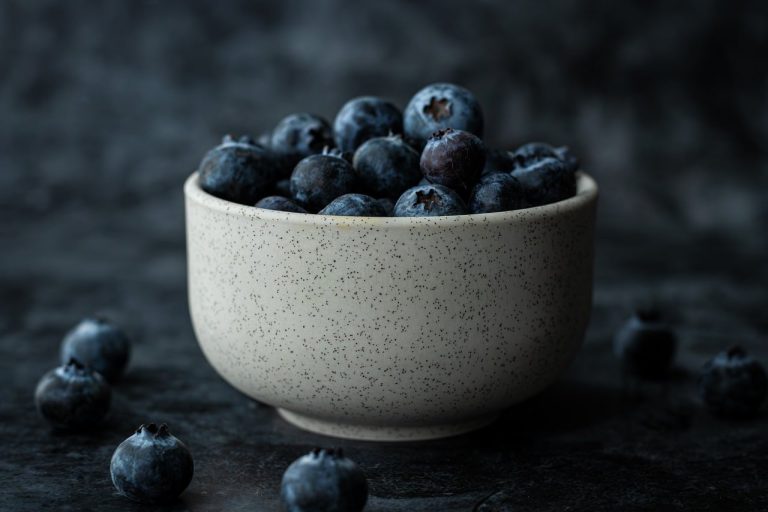
Organic berries are especially valuable because they combine fiber with antioxidants and a naturally lower sugar load than many other fruits. Blueberries, raspberries, blackberries, and strawberries can support a healthy lifestyle without sending your blood sugar on a roller coaster. Apples, pears, and kiwi are also excellent choices for digestion, especially when eaten with the skin on, if tolerated.
Want a simple habit that improves nutrition without adding complexity? Keep washed berries ready in the refrigerator and use them as a daily snack or breakfast topping. Small habits often create the biggest long-term changes.
Fermented Foods
Fermented foods can be a valuable part of an organic diet because they introduce beneficial bacteria that may support a more balanced gut environment. Organic yogurt, kefir, sauerkraut, kimchi, miso, tempeh, and certain pickled vegetables can all fit into a clean eating routine. Start slowly if you are not used to fermented foods, since some people need time to adjust.
Tips for getting started
- Add one small serving per day rather than several at once
- Choose lower-sugar, unsweetened versions when possible
- Combine fermented foods with fiber-rich meals
- Pay attention to how your body responds and adjust accordingly
Organic Oats, Chia, and Flax
Whole grains and seeds are often overlooked when people talk about gut health, yet they can make a major difference. Organic oats provide soluble fiber that supports a gentler digestive rhythm. Chia seeds absorb liquid and help create a more satisfying texture in meals. Ground flaxseed offers fiber and healthy fats that can support regularity. These are small ingredients with a big role in clean eating.
Legumes and Plant Proteins
Beans, lentils, chickpeas, and black beans offer a combination of protein and fiber that is especially useful for weight loss. They help you stay full longer and can replace more processed protein sources in a healthy diet. If legumes feel heavy at first, start with smaller portions and make sure they are cooked thoroughly. Soaking and rinsing canned beans can also improve digestion.
Ginger, Turmeric, and Fresh Herbs
Fresh herbs and spices do more than add flavor. Ginger, turmeric, peppermint, parsley, dill, fennel, and cilantro can all support a more enjoyable digestive experience. Ginger tea after meals, turmeric in roasted vegetables, and fresh herbs in salads or grain bowls can transform a basic meal into something that feels both nourishing and calming.
[IMAGE: healthy meal]
How to Build Gut-Friendly Organic Meals
The best organic food plan is the one you can actually repeat. Instead of chasing complicated recipes or restrictive rules, focus on a structure that makes meal planning easy. When each plate includes the right combination of nutrients, your body tends to respond more positively, and your healthy lifestyle becomes easier to maintain.
The Simple Plate Formula
Think of each meal as a balanced composition rather than a calorie puzzle. This formula works well for most people:
- Half the plate: organic vegetables
- One quarter: quality protein such as organic eggs, tofu, yogurt, fish, chicken, or legumes
- One quarter: whole grains or starchy vegetables
- Plus: healthy fats from avocado, olive oil, nuts, or seeds
This approach supports digestion because it balances fiber, protein, and fat. It also helps with appetite control, which matters if your goal is weight loss without feeling deprived.
Breakfast Ideas That Feel Light but Satisfying
Breakfast can set the tone for the day. A sugar-heavy breakfast often leads to cravings before lunch, while a balanced organic breakfast can create steadier energy. Here are some gut-friendly options:
- Organic oats topped with berries, chia seeds, and cinnamon
- Greek yogurt with flaxseed, sliced kiwi, and walnuts
- Vegetable omelet with spinach, herbs, and avocado
- Smoothie with greens, frozen berries, protein, and unsweetened kefir
Which of these would you actually enjoy in the morning? The best clean eating routine is built around flavor as much as function.
Lunch Ideas for Steady Energy
Lunch should help you avoid the afternoon slump, not create one. A heavy, greasy meal can slow you down, while an overly light meal can leave you rummaging for snacks an hour later. Try one of these combinations:
- Quinoa bowl with roasted vegetables, chickpeas, and tahini dressing
- Large salad with organic greens, cucumber, salmon, pumpkin seeds, and olive oil
- Lentil soup with side vegetables and a slice of sprouted grain bread
- Brown rice bowl with tofu, broccoli, carrots, and fermented vegetables
Dinner Ideas That Support Digestion Overnight
Many people feel better when dinner is nourishing but not overly heavy. Smaller portions of cooked vegetables, moderate protein, and simple carbs can make evening digestion easier. A few examples include:
- Baked wild fish with roasted sweet potatoes and asparagus
- Organic chicken with sautéed greens and millet
- Tempeh stir-fry with ginger, vegetables, and rice
- Vegetable soup with beans and herbs
As a rule, the closer dinner is to whole foods and the farther it is from excess sugar or fried ingredients, the more likely your gut will thank you the next morning.
Clean Eating Habits That Improve Digestion and Support Weight Loss
Food quality matters, but habits matter too. Even the best organic food cannot fully help if your eating pattern is rushed, chaotic, or disconnected. These practical habits make a big difference without asking you to live like a monk.
Eat More Slowly
Digestion begins in the mouth. When you eat too fast, you tend to swallow more air, miss fullness cues, and overload your stomach before it has time to signal satisfaction. Slowing down is one of the simplest and most underrated weight loss habits available. Try putting your fork down between bites or taking a few breaths before starting a meal.
Hydrate Without Flooding Meals
Water is essential for digestion, but timing matters. Sipping water throughout the day supports bowel regularity and overall nutrition, while chugging large amounts during meals may feel uncomfortable for some people. A balanced approach is usually best. Keep water nearby, but listen to how your body feels.
Use Meal Timing to Your Advantage
Late-night eating, irregular meal patterns, and constant grazing can make it harder for the digestive system to settle. Many people feel better when they create a loose rhythm around meals and snacks. That does not mean rigid schedules are required. It simply means your body may appreciate some predictability.
Support Gut Health Through Movement
Nutrition is central, but movement also plays a role. Gentle walking after meals can support healthy digestion and reduce that heavy feeling that sometimes follows dinner. Strength training, yoga, stretching, and consistent daily activity all contribute to a healthy lifestyle. This is where the connection between organic food and fitness lifestyle becomes especially powerful.
[IMAGE: fitness lifestyle]
A Gentle Detox Diet Using Organic Foods
The phrase detox diet is often used in ways that are exaggerated or misleading. Your body already has sophisticated detoxification systems through the liver, kidneys, gut, lungs, and skin. No juice cleanse can replace that. Still, there is value in a gentle detox diet when it means reducing overload and increasing nutrient support. In other words, think of it as clean eating that gives your body more of what helps and less of what hinders.
What a Smart Detox Approach Looks Like
A sensible detox diet is not about starvation or extreme cleansing. It is about choosing organic food that supports elimination and reduces unnecessary strain. That typically means:
- More vegetables and leafy greens
- Enough water and herbal teas
- Fiber-rich meals to support bowel regularity
- Less alcohol, added sugar, and heavily processed foods
- Simple meals with fewer ingredients and more nutrient density
This kind of reset can be refreshing, especially if your eating habits have drifted into convenience mode.
One-Day Reset Example
Here is what a gentle, organic food-based reset might look like in real life:
- Morning: warm water, herbal tea, oats with berries and chia
- Midday: vegetable soup with lentils and a green salad
- Snack: apple with almond butter or plain yogurt with flaxseed
- Evening: roasted vegetables, quinoa, and tempeh or fish
The goal is not to punish your body. The goal is to give digestion a calmer, cleaner environment while still eating enough to feel satisfied and supported.
Smart Shopping: Building an Organic Kitchen That Works
Healthy eating becomes much easier when your kitchen reflects your goals. If your shelves are filled with convenient but low-quality food, your habits will drift that way too. If your kitchen is stocked with organic ingredients that make quick meals possible, clean eating starts to feel automatic.
Produce to Prioritize
Start with organic fruits and vegetables that you use frequently. If budget matters, prioritize the produce you eat most often or items that are known to carry more pesticide residue in conventional form. Popular staples include:
- Spinach
- Kale
- Apples
- Berries
- Leafy salad greens
- Grapes
- Bell peppers
- Celery
Pantry Staples Worth Keeping
A good pantry turns healthy eating from theory into practice. Keep these items on hand:
- Organic oats and brown rice
- Lentils, beans, and chickpeas
- Chia seeds and ground flaxseed
- Olive oil and avocado oil
- Nuts and seeds
- Herbs, spices, and vinegars
- Low-sodium broth and canned tomatoes
Protein Choices That Fit a Clean Eating Plan
Protein helps regulate appetite and preserve lean tissue during weight loss. Organic eggs, plain yogurt, cottage cheese, tofu, tempeh, fish, chicken, turkey, and legumes are all useful options depending on your preferences. The best choice is the one that fits your digestion, your schedule, and your values.
Common Organic Diet Mistakes to Avoid
Even a well-intentioned clean eating plan can go off track when people make a few predictable mistakes. The good news is that these are easy to fix once you notice them. Ask yourself honestly: are you eating to nourish your body, or are you unknowingly creating new stress around food?
Eating Too Little
Some people try to eat as little as possible in the name of weight loss, only to end up exhausted, irritable, and obsessed with food. Undereating can slow down energy, increase cravings, and make digestion feel less stable. A sustainable organic diet should support, not drain, your body.
Overdoing Raw Foods
Raw vegetables are healthy, but too many can be hard on sensitive digestive systems. If you notice bloating or discomfort after large salads, consider cooking more of your vegetables. A warm, simple meal may be more supportive than a cold, high-volume plate.
Assuming Organic Automatically Means Healthy
Organic cookies, organic chips, and organic desserts still deserve moderation. Organic does not mean unlimited. Clean eating still requires awareness of sugar, portions, and how often processed snacks show up in your routine.
Forgetting to Eat Enough Variety
Your gut benefits from diverse plant foods. If your meals are always the same, your microbiome may not get the broad range of fibers and nutrients it needs. Rotate vegetables, grains, seeds, and proteins whenever possible. Variety is one of the simplest nutrition upgrades you can make.
How Organic Food Supports a Healthy Lifestyle Beyond Digestion
Gut health is often the first visible benefit of clean eating, but it is not the only one. Over time, a more organic, whole-food approach can shape the rest of your healthy lifestyle in meaningful ways. Energy may become steadier. Cravings may become easier to manage. Movement may feel more natural. Even your relationship with food may become calmer and more confident.
Better Energy for Daily Life
When your meals include more nutrients and fewer empty calories, you often experience more reliable energy. That does not mean you will feel hyper or artificially stimulated. Instead, you may feel less dependent on caffeine and sugar to get through the afternoon. That stability matters if you are trying to build a lifestyle that lasts.
More Consistent Weight Management
Weight loss is easier to maintain when you are not constantly fighting hunger or cravings. Organic food supports this by making it easier to build meals around real nutrition rather than empty calories. The result is often a more natural calorie balance, which is much easier to sustain than a punishing diet.
A More Mindful Relationship with Food
Clean eating can become deeply satisfying when it is approached as care rather than control. Many people find that the process of choosing organic food, cooking more often, and paying attention to how meals feel helps them reconnect with hunger, fullness, and enjoyment. Food becomes something you use to support life, not something that dominates it.
Practical Weekly Routine for Organic Gut Health
If you want this approach to stick, create a rhythm that is simple enough to repeat week after week. You do not need a perfect plan. You need a practical system that keeps good choices easy and poor choices less automatic.
Weekly Planning Checklist
- Choose three to five vegetables you will actually eat
- Pick two or three breakfast options
- Prep one grain or starch in advance
- Cook one protein batch for lunches or dinners
- Wash fruit and greens as soon as you shop
- Stock one fermented food you enjoy
- Keep a simple snack ready for busy days
Example of a Balanced Day
Here is what one realistic day of organic clean eating might look like:
- Breakfast: oats with blueberries, chia, and cinnamon
- Lunch: quinoa salad with greens, chickpeas, cucumber, and olive oil
- Snack: apple with walnuts
- Dinner: salmon with roasted broccoli and sweet potato
- Optional evening tea: ginger or peppermint
Simple? Yes. Boring? Not necessarily. When the ingredients are fresh and the combinations are thoughtful, simple food can feel deeply satisfying.
Who Benefits Most from an Organic Food Approach?
Almost anyone can benefit from cleaner eating habits, but certain people may notice the difference more quickly. If you struggle with bloating, inconsistent energy, frequent snacking, or a strong reliance on processed food, an organic food focus could be especially helpful. It may also be a smart choice if you are trying to improve your nutrition without jumping into a restrictive diet.
You May Notice Extra Benefits If You
- Want a gentler way to approach weight loss
- Prefer whole foods over packaged meals
- Feel better when meals are simple and fresh
- Are building a more mindful healthy lifestyle
- Want to reduce reliance on added sugar and processed ingredients
- Are looking for a sustainable detox diet rather than a crash cleanse
In the end, organic eating is not reserved for a certain type of person. It is a practical strategy for anyone who wants better food quality, more stable digestion, and a clearer path toward healthy habits.
Making Clean Eating Feel Enjoyable
One of the biggest reasons diets fail is that they become too mechanical. If every meal feels like an obligation, it is hard to stay consistent. Clean eating works best when it includes flavor, texture, color, and enough flexibility to fit your real life. Organic food can actually make that easier, because fresh ingredients often taste better and require less effort to feel satisfying.
Ways to Keep It Enjoyable
- Use herbs, spices, lemon, and vinegar to brighten flavor
- Mix cooked and raw vegetables for texture
- Rotate recipes so meals do not become repetitive
- Choose one or two favorite breakfasts and keep them simple
- Make your kitchen feel inviting with visible fresh produce
Healthy eating should feel like an upgrade, not a punishment. If you cannot imagine yourself continuing a plan for months, it probably needs to be simpler, more satisfying, or both.
Organic food is most powerful when it becomes part of a bigger pattern: a calm gut, a balanced plate, a realistic routine, and a healthier relationship with eating. If you focus on those pieces instead of chasing extreme rules, you give yourself a genuine chance to change how you feel day after day. Keep exploring more articles on DietOrganic for practical ideas, trustworthy nutrition guidance, and clean eating strategies that fit real life.
About the Author