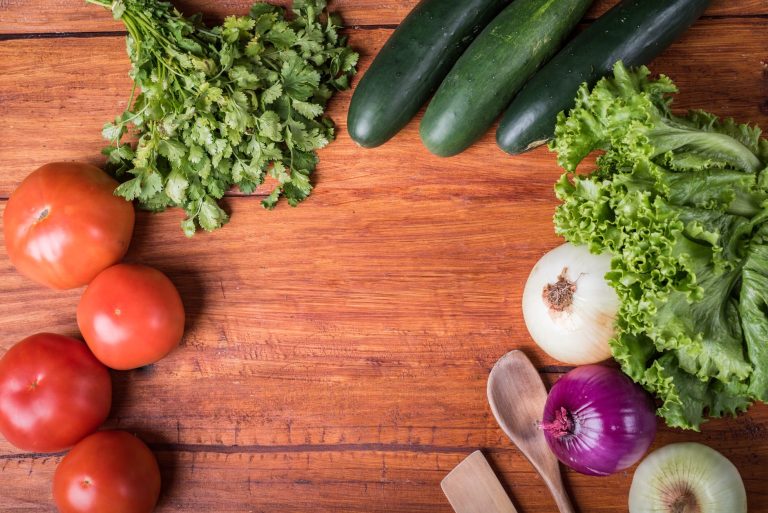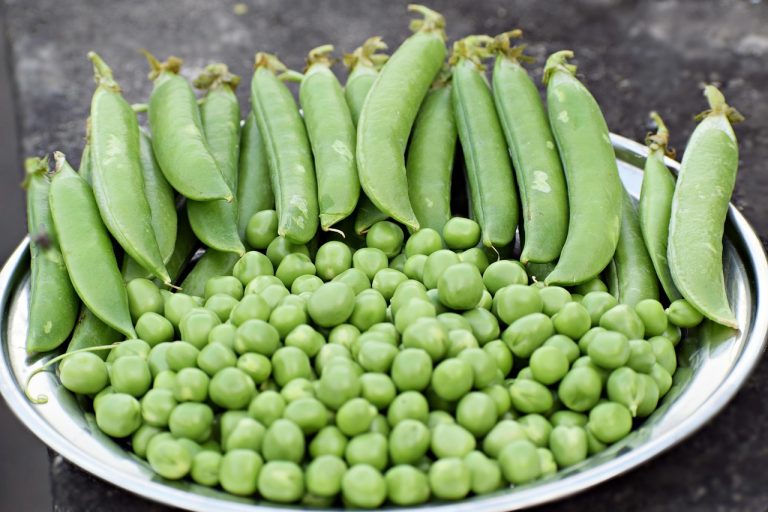


Photo by www.kaboompics.com on Pexels
Your gut influences far more than digestion. It shapes how you absorb nutrients, how much energy you feel each morning, how often cravings show up, and even how easily your body releases excess weight. That is why choosing the right organic food can become one of the most powerful steps in a clean eating routine. When the goal is better digestion, stable energy, and long-term wellness, the conversation should move beyond calories and into the quality of the food you place on your plate.
Organic eating is often discussed as a lifestyle choice, but for gut health it can feel more like a strategy. Fresh organic vegetables, fiber-rich grains, fermented foods, and minimally processed ingredients can support a healthier digestive environment while reducing the burden of additives and pesticide residues. Could a simple shift toward cleaner meals really help with bloating, sluggishness, and weight loss? For many people, the answer is yes. The key is learning which foods help your microbiome thrive and how to build a way of eating that feels realistic, nourishing, and sustainable.
This guide explores the connection between organic food and gut health through a practical lens. You will learn which foods deserve a place in your pantry, how to put together meals that support digestion, and what habits can improve results without complicated rules. If you have been looking for a clean eating approach that supports your healthy lifestyle instead of making it harder, this is where to begin.
Why Gut Health Matters More Than Most People Realize
The digestive system is not just a tube that processes food. It is an active, intelligent system that interacts with hormones, immunity, mood, and metabolism. Inside the gut lives a vast community of microorganisms known as the microbiome. When this ecosystem is balanced, digestion tends to feel easier, energy is steadier, and the body often responds better to nutrition. When the microbiome becomes disrupted, people may notice bloating, irregularity, cravings, low energy, or a sense that weight loss is harder than it should be.
That is why gut health deserves attention in any serious nutrition plan. A healthy gut can influence how well your body breaks down food and extracts nutrients. It can also affect how inflammation behaves in the body, which matters for anyone trying to improve comfort, reduce puffiness, or create a more resilient metabolism. Have you ever felt tired or heavy after meals that seemed harmless on paper? Sometimes the problem is not how much you ate, but how your digestive system handled the ingredients.
Organic food can fit beautifully into this conversation because it often emphasizes freshness, whole ingredients, and thoughtful preparation. Clean eating is not about perfection; it is about giving the body more of what it recognizes and less of what it struggles to process. When that shift becomes consistent, the benefits often extend beyond digestion into better focus, skin appearance, and healthier weight management.
What Makes Organic Food Different for the Digestive System?
Organic food is grown and produced with methods that avoid most synthetic pesticides, artificial fertilizers, and genetically modified ingredients. While the term does not automatically guarantee better digestion, it can support a cleaner dietary pattern. The digestive system tends to respond well to foods that are less heavily processed and more closely connected to their natural form. That is one reason organic food is so often linked with clean eating and a more mindful healthy lifestyle.
Less pesticide exposure may be easier on sensitive systems
Some people notice that they feel better when they reduce exposure to certain agricultural chemicals. Research on the long-term impact of pesticide residues is ongoing, but many health-conscious eaters prefer organic produce because it feels like a gentler choice. If your digestive system is already reactive, or if you are working through a detox diet style reset that prioritizes cleaner foods, choosing organic vegetables and fruits can be a reassuring step.
Organic produce often encourages more whole-food eating
Once people begin buying more organic food, they often move away from packaged snacks and heavily refined meals. That pattern can matter more than any single ingredient. A gut-friendly diet is usually built on simple meals, fiber, hydration, and consistency. Organic produce makes it easier to create dishes around vegetables, legumes, fruit, and whole grains rather than relying on sugary or ultra-processed convenience foods.
Better food choices often lead to better digestion habits
There is also a behavioral effect worth noticing. When you invest in higher-quality food, you may naturally become more intentional about how you eat. You might sit down for meals instead of grazing, cook more often, or pay greater attention to portion sizes. Those habits are valuable for digestion because they reduce stress on the body and support healthier meal timing. Clean eating works best when it becomes a rhythm, not a punishment.
[IMAGE: organic vegetables]
The Best Organic Foods for Gut Health
Not all organic food serves the same purpose in a gut-supportive diet. Some ingredients help feed beneficial bacteria, some bring soothing texture and hydration, and others reduce inflammation or keep bowel movements regular. Building a strong foundation means choosing foods from several categories instead of relying on a single superfood. The more variety you include, the more you support a diverse microbiome and a stronger overall nutrition profile.
Fermented foods that add beneficial cultures
Fermented foods are often the first place nutrition experts look when gut health is the goal. Organic yogurt, kefir, sauerkraut, kimchi, miso, and tempeh can introduce live cultures that support microbial diversity. These foods are not magical, but they can be powerful when eaten consistently in small amounts. A spoonful of sauerkraut with lunch or a glass of kefir in the morning may seem modest, yet these habits can become meaningful over time.
If you are new to fermented foods, start gradually. Too much too soon can cause temporary bloating, especially if your digestive system is not used to them. Choose organic varieties with minimal added sugar and as few additives as possible. Why complicate a healthy routine when the simplest version often works best?
Prebiotic vegetables that feed the good bacteria
Prebiotics are the fibers that feed beneficial gut bacteria. They help create the conditions for a healthier digestive environment. Organic onions, garlic, leeks, asparagus, artichokes, and chicory root are classic examples. These foods are especially helpful because they provide both flavor and function. You can roast them, blend them into soups, or add them to grain bowls and omelets.
Many people searching for weight loss support forget that fiber is one of the most dependable tools available. Fiber helps increase satiety, slows digestion, and can reduce the urge to snack constantly. When your meals include enough prebiotic vegetables, you may notice fewer energy crashes and more stable appetite control.
Fruits that support regularity and gentle cleansing
Organic apples, pears, berries, kiwi, oranges, and bananas are especially useful for digestion because they combine fiber, water, and plant compounds. Berries are rich in antioxidants, while kiwi and pears can support regular bowel movements. Apples bring pectin, a type of soluble fiber that is often appreciated in gut-friendly nutrition plans. These are excellent choices if you want a detox diet approach that feels natural rather than extreme.
Fruit should not be feared in a balanced organic diet. It can satisfy a sweet craving while delivering nutrients that packaged desserts do not. The goal is to choose whole fruit more often than fruit juice or candy-like snacks. When weight loss is on your mind, the difference matters.
Whole grains and legumes that provide lasting fuel
Organic oats, quinoa, brown rice, lentils, black beans, and chickpeas offer a powerful combination of fiber, minerals, and slow-release energy. They help keep digestion moving while supporting satiety. For people trying to reduce overeating, these foods can be especially valuable because they create meals that feel complete. A bowl of oats with seeds and berries or a lentil salad with roasted vegetables can carry you through hours without the energy dip that often follows refined carbs.
Legumes may cause gas for some people at first, especially if they are not used to eating enough fiber. If that happens, start with smaller portions and increase gradually. Soaking dried beans and choosing well-cooked legumes can also help. The digestive system tends to appreciate gradual transitions more than sudden overhauls.
Healthy fats that support nutrient absorption
Organic avocado, extra virgin olive oil, chia seeds, flaxseeds, walnuts, and hemp hearts all contribute to a healthy lifestyle by helping the body absorb fat-soluble vitamins. They can also support satiety and help meals feel more satisfying. A gut-friendly diet is not just about fiber; it is also about balance. Without enough healthy fats, meals can feel incomplete, and cravings may become more difficult to manage.
Use fats with intention. A drizzle of olive oil over vegetables, a spoon of ground flax in yogurt, or a few walnuts with fruit can transform a simple meal into something more nourishing. Clean eating should feel elegant in its simplicity, not restrictive.
A Practical Organic Grocery List for Better Digestion
When you walk into the store with a plan, healthy eating becomes far less overwhelming. A clear grocery list helps reduce impulse buys and keeps your kitchen stocked with ingredients that support gut health. Instead of chasing trends, focus on versatile organic food you can use in multiple meals throughout the week.
- Organic leafy greens such as spinach, kale, and arugula
- Organic cruciferous vegetables such as broccoli, cabbage, and cauliflower
- Organic onions, garlic, and leeks
- Organic berries, apples, pears, kiwi, and citrus fruit
- Organic oats, quinoa, brown rice, and buckwheat
- Organic lentils, chickpeas, and black beans
- Organic yogurt, kefir, sauerkraut, and kimchi
- Organic avocado, olive oil, chia seeds, flaxseeds, and walnuts
- Fresh herbs like parsley, cilantro, basil, and dill
- Herbal teas, especially ginger, peppermint, and chamomile
Notice how this list focuses on ingredients rather than packaged products. That is intentional. A gut-friendly organic food plan becomes easier when your pantry supports real meals. Could your kitchen use a reset? If so, begin with the categories above and build from there.
[IMAGE: healthy meal]
How to Build a Gut-Friendly Organic Plate
One of the easiest ways to improve nutrition is to simplify meal structure. Instead of asking, What diet should I follow? ask, What does a balanced plate look like today? This question removes the pressure and gives you a repeatable formula. For many people, this is where clean eating becomes practical and sustainable.
A simple plate formula
Try building your meals around three main parts:
- Half the plate: organic vegetables, especially leafy greens and cooked vegetables
- One quarter of the plate: organic protein from eggs, yogurt, legumes, tofu, fish, or poultry
- One quarter of the plate: organic whole grains or starchy vegetables
- Plus: a source of healthy fat such as olive oil, avocado, seeds, or nuts
This structure works because it delivers fiber, protein, and fat in a way the body can use efficiently. It is also flexible enough to fit breakfast, lunch, or dinner. You are not counting every bite; you are creating balance.
Examples of organic gut-supportive meals
At breakfast, you might have organic overnight oats topped with chia seeds, blueberries, and a spoonful of kefir on the side. For lunch, a salad with mixed greens, quinoa, cucumber, avocado, roasted carrots, and grilled chicken can be both satisfying and gentle on digestion. At dinner, baked salmon with sweet potatoes and sautéed garlic spinach offers a strong combination of protein, fiber, and healthy fats.
If you are trying to lose weight, these meals help because they provide volume and nutrition without depending on excess sugar or refined flour. They can also support a calmer appetite, which makes it easier to stay consistent throughout the day.
Snacks that keep your digestive system steady
Snacking is not the enemy. Poorly chosen snacks are. Organic apple slices with almond butter, carrots with hummus, plain yogurt with berries, or a small handful of walnuts can bridge the gap between meals without sending blood sugar on a roller coaster. That matters for both energy and mood.
When snack choices are too sweet or too processed, people often end up hungrier later. The right snack should feel like a small, strategic form of nutrition rather than a temporary distraction.
Foods That Can Disrupt Gut Health Even in an Organic Diet
Organic food is helpful, but not every organic product is automatically good for digestion. A cookie made with organic ingredients is still a cookie. A soda sweetened with organic cane sugar is still sugary. This is where honest clean eating matters most. If the goal is better gut health, you need to look beyond labels and into the actual effect a food has on your body.
Excess sugar and sweetened drinks
Large amounts of sugar can feed unwanted bacterial imbalance and increase cravings. Even when it comes from organic sources, too much sweetness can disrupt the stable blood sugar needed for good energy and appetite control. If you want your healthy lifestyle to feel easier, make water, herbal tea, and sparkling water your default drinks.
Ultra-processed organic snacks
It is easy to assume that organic chips, bars, and cereals are automatically gut-friendly. In reality, many still contain refined starches, added sugar, seed oils, and very little fiber. They may fit into a casual routine, but they should not become the core of your nutrition. Ask yourself: does this snack nourish me, or does it merely fill space?
Too much alcohol and fried food
Alcohol can irritate the gut lining and interfere with digestion, while fried foods may feel heavy and sluggish. These choices can be harder to tolerate when the gut is already sensitive. If your aim is better digestion and weight loss, reducing them even a few times a week can make a noticeable difference.
Clean Eating Habits That Help Organic Food Work Better
Food quality matters, but so does the way you eat. Some people buy the best organic vegetables available and still struggle with bloating because their habits work against digestion. The good news is that small changes can produce meaningful results. In many cases, healthy lifestyle progress comes from consistency, not intensity.
Eat more slowly than usual
Digestion begins in the mouth. Chewing well and slowing down allows enzymes to do their job more effectively. It also helps your brain register fullness before you overeat. If you tend to rush through meals, try setting your fork down between bites or taking a few deep breaths before you begin eating.
Stay hydrated throughout the day
Water supports every system involved in digestion. It helps move fiber through the intestines, assists nutrient transport, and can reduce the feeling of sluggishness. If plain water feels boring, add lemon, cucumber, mint, or ginger. Herbal teas can also support a calming routine, especially after meals.
Prioritize sleep and stress management
The gut and the nervous system are closely connected. Stress can change digestion almost immediately, and poor sleep can make cravings worse the next day. This is why an effective detox diet is not just about what you avoid; it is also about how well you recover. Simple habits like a short walk after dinner, an earlier bedtime, or ten minutes of quiet breathing can support better digestion than many people realize.
Move your body regularly
Physical activity supports intestinal motility and can improve mood, both of which matter for long-term wellness. You do not need extreme workouts to see benefits. A brisk walk, light strength training, yoga, or cycling can all help. Movement also supports weight loss by improving insulin sensitivity and increasing energy expenditure without stressing the body excessively.
[IMAGE: fitness lifestyle]
A Three-Day Organic Gut Reset You Can Actually Follow
People often hear the word reset and imagine a harsh cleanse. That is not necessary. A short, gentle focus on organic food can help you feel lighter and more aware of how your digestive system responds. The purpose is not to punish your body. It is to give it a break from common irritants while emphasizing nourishment, hydration, and rest.
Day one: keep meals simple
Choose easy-to-digest meals such as oats with berries, vegetable soup, grilled fish, rice, and cooked greens. Keep seasoning moderate and avoid heavy fried foods. Focus on water and herbal tea. Notice how you feel after each meal. Do you feel energized or sluggish? Observing these signals can teach you more than any rigid plan.
Day two: add more fiber and color
Increase the variety of vegetables and fruit. Include a salad, roasted vegetables, or a lentil dish. Add a fermented food in a small serving. The goal is to build diversity without overwhelming the system. If you have been eating poorly for a while, this kind of transition can be more effective than jumping into something extreme.
Day three: create a repeatable rhythm
On the third day, repeat what worked best. Maybe that was breakfast with yogurt and fruit, or dinner with quinoa, salmon, and broccoli. Keep the pattern realistic enough that you could continue it next week. A sustainable plan is the one that changes your habits without making your life feel smaller.
Common Mistakes People Make When Trying to Eat Organic for Gut Health
Even with the best intentions, it is possible to overcomplicate clean eating. Some people rely on expensive specialty products while ignoring basic fiber and hydration. Others make every meal so strict that they abandon the plan after a few days. The best nutrition strategy is one you can return to again and again.
Assuming organic automatically means healthy
Organic food is valuable, but it still needs to be chosen wisely. A balanced diet is built on whole ingredients, enough protein, sufficient fiber, and reasonable portions. If a product is organic but full of sugar or refined flour, it may not serve your gut health goals very well.
Changing too much too quickly
Sudden increases in fiber, fermented foods, and raw vegetables can cause temporary discomfort. Introduce changes gradually and let your body adapt. The digestive system prefers consistency. This is especially important for anyone recovering from a period of irregular eating or trying to shift into a cleaner routine for weight loss.
Ignoring the bigger picture
Nutrition is only one part of the equation. Sleep, movement, stress levels, and meal timing all matter. If you are focused only on the food but not on how you live, results may be limited. A healthy lifestyle works best when the habits support each other.
Who Benefits Most from a Gut-Friendly Organic Food Approach?
Almost anyone can benefit from better food quality, but some people notice the difference more quickly. If you struggle with bloating, irregular digestion, energy crashes, cravings, or a sense that weight loss has stalled, this approach may be especially helpful. It is also a smart direction for people who want a gentler relationship with food after periods of overprocessed eating.
Families often benefit too. When the home kitchen becomes centered on fresh vegetables, organic staples, and balanced meals, eating becomes simpler for everyone. Children learn by example, and adults find it easier to maintain routines when the environment supports them. Wouldn’t it be easier if the healthy option was also the convenient one?
People interested in a detox diet, clean eating, or even a more structured weight loss plan can all use the same foundation: choose real ingredients, eat them consistently, and pay attention to how your body responds. The results may be subtle at first, but they build over time.
How to Make Organic Gut Health Affordable
One barrier many people face is cost. Organic food can be more expensive, but there are practical ways to make it fit a real budget. You do not need to buy everything organic all at once. In fact, a focused approach usually works better.
- Prioritize the organic foods you eat most often, especially produce with thin skins
- Buy frozen organic vegetables and fruit for convenience and savings
- Choose seasonal produce when it is more affordable
- Build meals around beans, oats, rice, and lentils, which are budget-friendly
- Cook in batches so ingredients do not go to waste
- Use herbs, spices, and citrus to make simple meals taste vibrant
Healthy eating does not have to be luxury dining. It has to be repeatable. When you find the versions of organic food that fit your life, the habit becomes much more powerful than any temporary cleanse.
Signs Your Gut-Friendly Routine Is Working
Results are not always dramatic, but they are often noticeable. You may find that you feel less bloated after meals, your energy becomes steadier, or your cravings begin to calm down. Some people notice better regularity within days. Others see gradual improvements in skin, sleep, or appetite over a few weeks. The body often responds in quiet ways before obvious ones appear.
It is also common to feel more aware of what actually satisfies you. That awareness is valuable because it leads to better food decisions without constant effort. When your meals truly nourish you, the desire for random snacking and sugary convenience tends to fade. That is one reason gut health and weight loss are often connected: the right foods can make natural moderation feel easier.
Do not measure success only by the scale. Pay attention to digestion, energy, mood, and consistency. Those signs often reveal the real story.
Putting It All Together for Long-Term Success
The most effective nutrition plans are rarely the most complicated ones. They are the ones that align with real life, respect the body, and leave room for flexibility. Organic food can be the foundation of that approach when it is paired with enough fiber, protein, healthy fats, hydration, and sensible habits. Clean eating is not about chasing perfection or following endless rules. It is about making the next meal a little better than the last.
If you want a gut-friendly plan that supports healthy lifestyle goals, think in layers. Start with organic vegetables and fruits. Add fermented foods gradually. Make room for whole grains and legumes. Reduce highly processed products. Sleep more, stress less, and move often. These changes may sound simple, but simple does not mean insignificant. In fact, the most lasting shifts usually begin with small decisions repeated with care.
When your kitchen reflects that philosophy, your health starts to feel more manageable. You spend less time recovering from poor choices and more time enjoying meals that actually support your day. That is the promise of a clean eating routine built around organic food: not restriction, but relief. Not obsession, but confidence. And if you are ready to keep going, there is always more to discover in the DietOrganic collection of articles that make better nutrition feel both elegant and achievable.
About the Author