
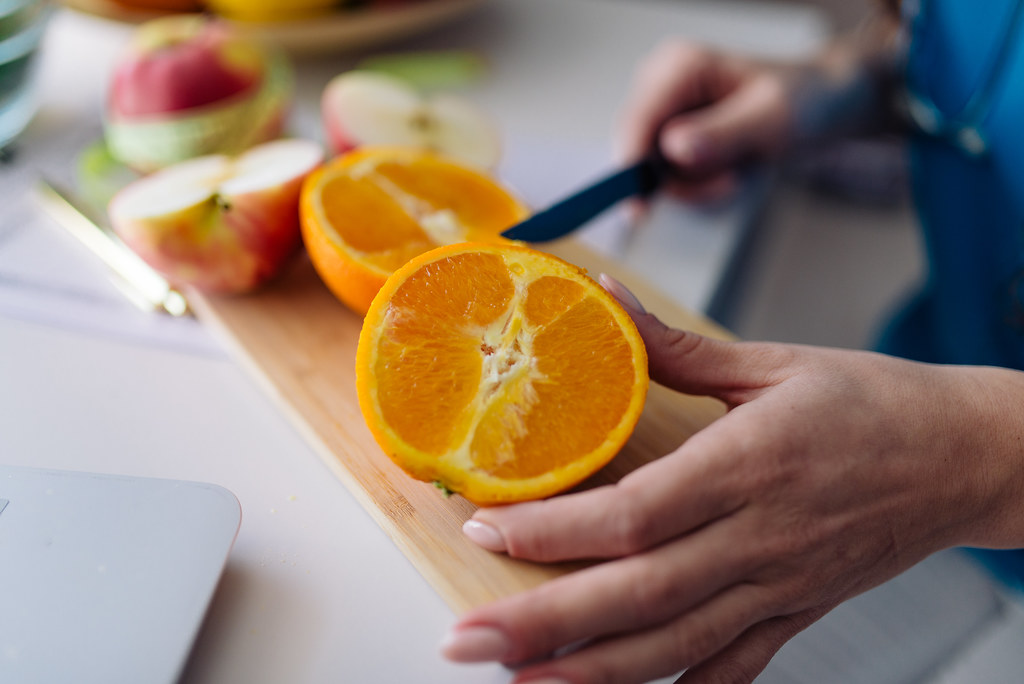
Photo by nenadstojkovicart on Openverse
If you have ever wondered whether organic food can really make a difference in weight loss, the answer is more nuanced than a simple yes or no. Organic ingredients will not magically melt body fat, but they can make healthy eating easier, cleaner, and far more sustainable. When your kitchen is built around quality produce, smart proteins, and minimally processed meals, you naturally move closer to a healthy diet that supports energy, digestion, and long-term results. And isn’t that what most people want in the first place: a plan that feels realistic, satisfying, and good for the body?
[IMAGE: organic vegetables]
In a world full of diet trends, detox diet promises, and extreme rules, the basics are still the most effective. Clean eating is not about perfection. It is about choosing foods that work with your body instead of against it. Organic food often fits beautifully into that approach because it tends to be fresher, less processed, and easier to build into balanced meals. If you are trying to lose weight without constantly feeling deprived, this style of eating can be a powerful reset for your nutrition and your lifestyle.
What makes this approach so appealing is that it does not ask you to chase numbers alone. Calories matter, yes, but food quality matters too. A diet made from colorful vegetables, whole grains, lean organic proteins, healthy fats, and naturally sweet fruits can help regulate appetite, support digestion, and reduce the urge to snack mindlessly. When your meals are satisfying, you are less likely to rebel against your own plan. Who wants a healthy diet that feels like punishment?
Why Organic Food Fits a Weight Loss Mindset
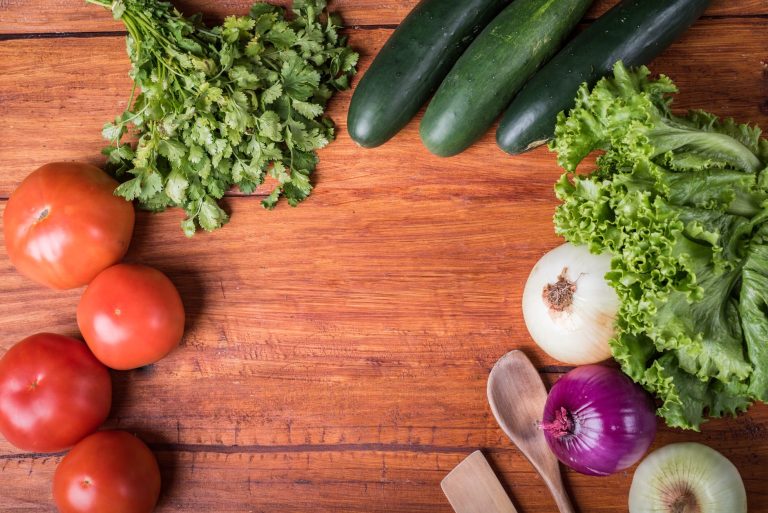
Organic food is often associated with higher quality and fewer synthetic pesticides, but its real value in weight loss is more practical than trendy. Organic produce and proteins can encourage a cleaner kitchen environment, where processed convenience foods are replaced with simple ingredients. This shift alone can change the way you eat. If your fridge is filled with washed greens, eggs, berries, yogurt, tofu, oats, and bright vegetables, you are already one step ahead.
There is also a psychological effect at play. People tend to treat organic food as more intentional. A bag of organic spinach or a bunch of organic carrots feels like a choice, not an accident. That sense of intention can ripple outward into better meal planning, more mindful portions, and stronger habits overall. Weight loss is rarely about a single superfood. It is about the patterns you repeat every day.
The link between food quality and appetite
Highly processed foods are often designed to be hyper-palatable, which can make it difficult to stop eating once you start. Organic, whole-food meals usually have a different effect. Because they contain more fiber, water, and natural texture, they help you feel full with less confusion from the body. When a meal includes crunchy vegetables, satisfying protein, and slow-digesting carbohydrates, hunger becomes easier to manage.
That does not mean every organic product is automatically ideal for weight loss. Organic cookies are still cookies, and organic sugar still behaves like sugar. The goal is not to romanticize the word organic. The goal is to build a healthy lifestyle around foods that are naturally nourishing and minimally refined.
The Best Organic Foods for Sustainable Weight Loss
Not all foods deserve equal attention when your goal is weight management. Some are helpful because they keep you full, stabilize energy, and support muscle maintenance. Others are simply delicious, which is fine in moderation, but not the centerpiece of a fat-loss strategy. Below are the organic foods that offer the strongest return for your nutrition and your waistline.
1. Leafy greens that add volume without excess calories
Organic spinach, kale, arugula, romaine, and Swiss chard are foundational foods for clean eating. They are low in calories but high in fiber, water, and micronutrients. That means you can eat a generous portion without overloading your plate. Want a simple way to feel fuller at lunch? Start with greens. Build the meal from there.
- Spinach works well in smoothies, omelets, soups, and salads.
- Kale adds structure and crunch to roasted bowls and warm salads.
- Romaine is ideal when you want a crisp, refreshing base.
- Arugula offers a peppery flavor that elevates simple meals.
These greens are especially helpful if you tend to snack because meals feel too small. A larger, vegetable-rich plate can change that pattern quickly.
2. Organic berries for sweetness without a sugar crash
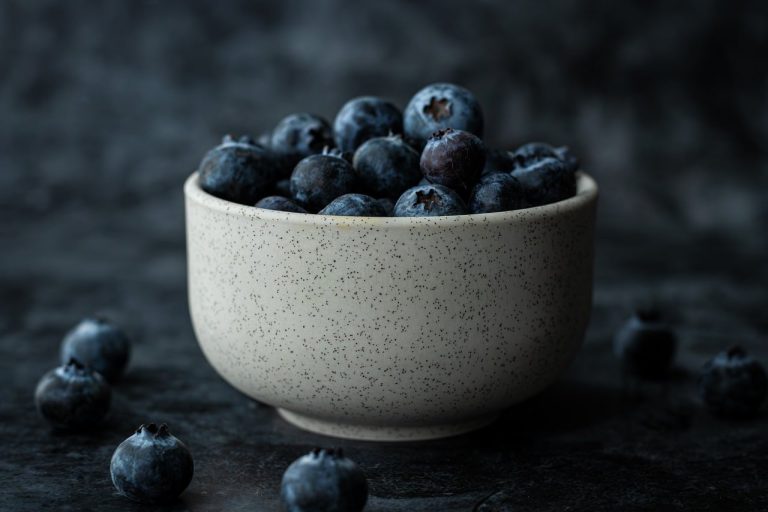
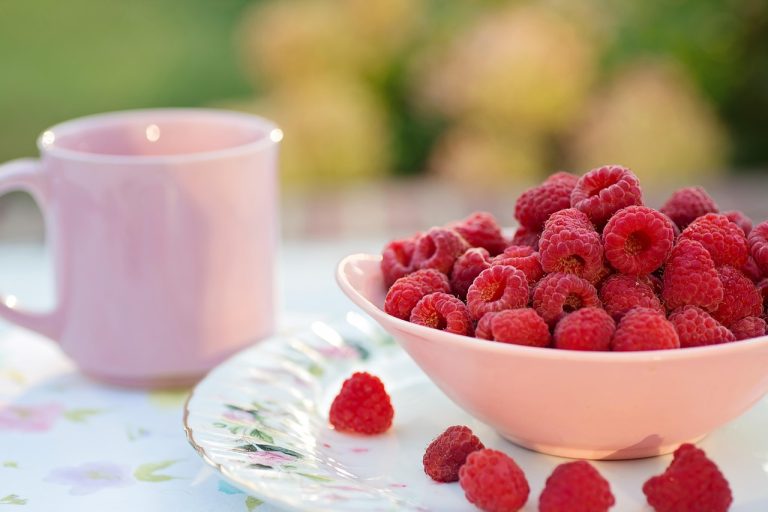
Strawberries, blueberries, raspberries, and blackberries are among the best organic foods for healthy dessert cravings. They provide natural sweetness, antioxidants, and fiber, making them a smart swap for refined treats. Add them to Greek yogurt, oatmeal, chia pudding, or simply enjoy them alone after dinner.
Berries are also easy to portion and versatile enough for breakfast or snacks. If your weakness is late-night sugar cravings, a bowl of berries with a spoonful of yogurt can be a game changer.
3. Organic eggs for protein and satiety
Eggs are one of the simplest ways to increase protein intake, especially at breakfast. Organic eggs can fit beautifully into a weight loss routine because they are filling, affordable in many markets, and easy to prepare. Protein supports muscle maintenance, and more muscle helps your body use energy efficiently. That matters when you are trying to slim down without losing strength.
Try scrambled eggs with spinach, a vegetable omelet, or boiled eggs with sliced tomatoes and avocado. These combinations deliver a balanced start to the day rather than a spike-and-crash breakfast.
4. Organic Greek yogurt for a creamy, high-protein option
Plain organic Greek yogurt can be a powerful tool for clean eating. It is rich in protein, satisfying, and easy to pair with fruit, seeds, and nuts. Because it has a thick texture, it can also help replace less nourishing creamy snacks and desserts. Just be sure to choose unsweetened varieties when possible.
What is the real advantage here? You get a snack or meal component that feels indulgent but supports your nutrition goals.
5. Organic oats for steady energy
Rolled oats are a classic healthy diet staple, especially when made organic and kept simple. They digest slowly, which helps prevent mid-morning hunger. Oats also pair well with protein and fiber, making them a reliable base for breakfast or post-workout meals.
For example, a bowl of oats with chia seeds, cinnamon, berries, and a scoop of yogurt offers steady fuel rather than a sugar rush. That is exactly the kind of breakfast that supports weight loss over time.
6. Cruciferous vegetables that support fullness and variety
Broccoli, cauliflower, Brussels sprouts, cabbage, and bok choy are excellent organic foods for anyone focused on clean eating. These vegetables are fiber-rich and surprisingly versatile. They can be roasted, steamed, blended into soups, or used as a base for bowls and stir-fries.
Cauliflower rice and broccoli-based sides can also help reduce the calorie density of a meal without making it feel empty. That balance is important. You are not trying to eat less food overall; you are trying to eat more strategically.
7. Organic avocados and olive oil for healthy fats
Healthy fats are essential, even during weight loss. They help with satiety, support hormone function, and improve the flavor of your meals. Organic avocados and extra-virgin olive oil are two of the easiest ways to incorporate fats without overcomplicating your plan. The key is portion awareness.
Avocado on toast, olive oil on roasted vegetables, or a small spoonful in a salad dressing can make a simple meal feel complete. The trick is to use these fats intentionally rather than generously by habit.
8. Organic legumes for fiber and staying power
Lentils, chickpeas, black beans, and kidney beans are outstanding foods for anyone who wants lasting fullness. They are high in fiber and plant protein, which makes them especially valuable in an organic diet or a plant-forward clean eating plan. They are also budget-friendly in many households, which helps with long-term consistency.
Need a lunch that keeps you satisfied through the afternoon? Try a lentil salad with greens, cucumber, tomatoes, herbs, and olive oil. Want a comforting dinner? Organic chickpea stew can be both nourishing and comforting.
How Clean Eating Supports Weight Loss Without Extremes
Clean eating is often misunderstood. It is not a strict list of ‘good’ and ‘bad’ foods. It is a framework that helps you make better decisions more often. When you follow a clean eating style centered on organic food, you naturally reduce the number of empty calories, artificial additives, and highly processed ingredients in your diet. That makes weight loss more achievable without relying on rigid rules.
Why does this matter? Because most people do not fail from one large mistake. They drift off course through repeated small choices that add up. Skipping breakfast, eating packaged snacks all day, drinking sugary beverages, and building meals around refined carbs can quietly sabotage progress. Clean eating helps close those gaps.
Clean eating is built on repeatable habits
Here are some of the most useful habits to build:
- Choose whole organic foods for most meals.
- Include protein at every meal.
- Fill half your plate with vegetables.
- Use healthy fats in measured amounts.
- Drink water consistently throughout the day.
- Limit ultra-processed convenience foods to occasional use.
These habits sound simple, but they are powerful. Once they become automatic, you stop needing constant motivation. The diet starts to carry itself.
A healthy lifestyle is bigger than the plate
Organic food and weight loss are only part of the story. Sleep, movement, stress, and hydration all influence how the body stores or burns energy. If you are eating well but sleeping poorly, recovering from stress, or sitting all day, your results may feel slow. A healthy lifestyle works best when food, movement, and rest support each other.
Ask yourself: are you creating the conditions your body needs to thrive? That question is more useful than obsessing over one ingredient or one meal.
[IMAGE: healthy meal]
What a Smart Organic Weight Loss Plate Looks Like
Meal structure matters as much as food selection. A balanced plate makes portion control feel natural because each component has a job. Protein preserves lean mass, vegetables add volume, carbohydrates provide energy, and fats increase satisfaction. When these pieces are in place, you are less likely to feel deprived later.
The ideal plate formula
Try this easy structure:
- Half the plate: organic vegetables or salad greens
- One quarter: lean protein such as eggs, yogurt, chicken, fish, tofu, or legumes
- One quarter: smart carbohydrates like oats, quinoa, sweet potato, or brown rice
- Small amount: healthy fat from avocado, nuts, seeds, or olive oil
This format works for breakfast, lunch, and dinner. It is flexible enough to adapt to plant-based eating, omnivore plans, or a lighter detox diet style that emphasizes whole foods and hydration.
Breakfast that actually supports fat loss
A common mistake is starting the day with refined carbs only. Pastries, white toast, sugary cereal, and flavored coffee drinks can create an energy spike followed by hunger. Instead, choose a breakfast that includes protein and fiber. That combination keeps blood sugar steadier and helps you stay focused longer.
Examples include:
- Organic eggs with spinach and tomatoes
- Greek yogurt with berries, chia seeds, and walnuts
- Oatmeal with flaxseed, cinnamon, and sliced apple
- Smoothie with kale, protein, berries, and unsweetened almond milk
A strong breakfast can reduce the need for mid-morning snacking. Isn’t that one of the most underrated weight loss wins?
Lunch that prevents the afternoon crash
Lunch should be filling enough to carry you through the workday without making you sleepy. A salad alone may not be enough unless it is built thoughtfully. Add protein, healthy fats, and a slow-digesting carb if needed. Think grilled chicken over mixed greens with chickpeas, pumpkin seeds, cucumber, and olive oil dressing. Or imagine a quinoa bowl with roasted vegetables and tofu. Those meals feel fresh, colorful, and satisfying.
Dinner that ends the day without overeating
Evening eating can make or break a weight loss plan. If dinner is too light, cravings may hit later. If dinner is too heavy or too processed, sleep and digestion can suffer. The best dinner is balanced and calm: roasted vegetables, a quality protein, and a reasonable portion of starch if you need it. Keep the meal flavorful, not chaotic.
For instance, baked salmon with broccoli and sweet potato, or lentil pasta with sautéed greens and a simple tomato sauce, can feel comforting while still supporting clean eating.
Organic Meal Prep Ideas That Make Healthy Eating Easier
Meal prep is where good intentions become real results. When healthy food is ready to eat, you are far less likely to reach for convenient junk. That is why meal prep is so important for anyone pursuing weight loss with organic food. It reduces friction. It also saves time and cuts down on decision fatigue.
Start with a short prep session
You do not need to spend your entire Sunday in the kitchen. Even 60 to 90 minutes of focused prep can change your week. Wash and chop vegetables. Cook a grain. Roast a tray of protein. Prepare a dressing. Portion snacks. That is enough to build a foundation.
Meal prep essentials
- Washed greens and chopped vegetables
- Hard-boiled eggs or cooked tofu
- Grilled chicken, beans, or fish
- Cooked quinoa, oats, or brown rice
- Berry containers for quick snacks
- Homemade dressing in a glass jar
[IMAGE: fitness lifestyle]
Build meals from mix-and-match ingredients
The beauty of organic meal prep is flexibility. A single batch of ingredients can become several meals. Roasted vegetables can go into a salad one day, a grain bowl the next, and a wrap after that. This approach keeps food interesting while minimizing waste.
Try to keep a few base combinations ready:
- Greens + eggs + avocado + seeds
- Quinoa + vegetables + chickpeas + tahini
- Brown rice + salmon + broccoli + olive oil
- Greek yogurt + berries + nuts + cinnamon
These combinations are simple, but simplicity is what makes them sustainable. A healthy diet only works if you can repeat it without resentment.
Organic Snacks for Healthy Lifestyle Momentum
Snacking is not the enemy. Unplanned snacking is. If you go too long without food, your body may push you toward quick fixes later. The best strategy is to prepare smart snacks that align with your goals and prevent impulsive eating.
Snacks that satisfy rather than spike cravings
- Apple slices with almond butter
- Organic Greek yogurt with berries
- Carrot sticks with hummus
- Hard-boiled eggs with sea salt
- Celery with peanut butter
- A handful of walnuts or pumpkin seeds
These options are portable, nourishing, and easy to portion. They also help you avoid the trap of grazing on processed snacks that never quite satisfy hunger.
Why snack quality matters more than willpower
If the snack in front of you is engineered to be addictive, willpower alone may not be enough. This is why clean eating focuses on environment as much as motivation. Keep healthy options visible. Put the ultraprocessed foods out of reach. Make the right choice the easy choice.
Can a handful of organic nuts support weight loss? Absolutely, if it prevents a large, less thoughtful snack later. Context matters more than labels.
Foods to Be Careful With, Even When They Are Organic
One of the most important lessons in nutrition is that organic does not always mean weight-loss friendly. A balanced approach requires honesty. Some organic foods are still calorie-dense, highly sweet, or easy to overconsume. You do not need to eliminate them, but you do need awareness.
Watch portions of these items
- Organic nut butters
- Organic granola
- Organic dried fruit
- Organic coconut products
- Organic baked goods and snacks
These foods can fit into a healthy lifestyle, but they should not become the base of the diet. If a product is organic yet still packed with sugar or refined flour, treat it as an occasional food rather than a daily one.
Read labels carefully
Many shoppers assume the organic label guarantees quality across the board. It does not. A packaged organic product may still contain large amounts of sodium, sugar, or saturated fat. This is where nutrition literacy becomes essential. Read ingredient lists. Check serving sizes. Compare products. Make informed choices, not emotional ones.
The Role of Hydration in Clean Eating and Fat Loss
Water is often overlooked, but it is one of the simplest tools for appetite control and energy support. Sometimes the body mistakes thirst for hunger. Other times dehydration makes you feel sluggish, which can lead to emotional eating. Staying hydrated is an easy way to support both weight loss and overall wellbeing.
Practical hydration habits
- Start the day with a full glass of water.
- Drink water before meals when appropriate.
- Keep a reusable bottle nearby.
- Flavor water with cucumber, lemon, or mint if needed.
- Limit sugary drinks that add calories without fullness.
A gentle detox diet approach often begins here: not with restrictions, but with hydration, vegetables, and rest. That is a much more realistic path than the dramatic cleanses people tend to regret later.
How Movement Enhances the Results of an Organic Diet
Diet quality is vital, but movement helps the body use that nutrition effectively. Exercise improves insulin sensitivity, supports mood, and helps preserve lean muscle during weight loss. You do not need extreme workouts to benefit. Consistency matters far more than intensity at the start.
Simple forms of movement that support weight loss
- Brisk walking after meals
- Strength training two to four times per week
- Stretching or mobility work in the morning
- Light cycling, dancing, or hiking
- Short movement breaks during long sitting periods
Movement and nutrition work best together. If your body is fueled with balanced organic food and your routine includes regular activity, the process feels less like a battle and more like a rhythm.
What about cravings after workouts?
After exercise, many people overeat because they have not planned for recovery. A smart post-workout meal or snack can prevent that. Choose protein plus a carb source, such as yogurt with berries, eggs with fruit, or a turkey-and-avocado wrap on whole grain bread. This keeps recovery steady and helps avoid the ‘I earned a binge’ mentality.
Common Organic Diet Mistakes to Avoid
Even a well-meaning healthy diet can stall if the approach is unbalanced. Let’s look at the biggest mistakes people make when trying to lose weight with organic food and clean eating.
1. Assuming organic automatically means lower calorie
Organic chocolate, organic muffins, and organic chips are still dense in energy. They may be better sourced, but they are not automatically better for fat loss. Portion control still matters.
2. Eating too little protein
Without enough protein, hunger tends to return faster and muscle maintenance may suffer. This can make weight loss feel harder than it needs to be. Include protein at breakfast, lunch, dinner, and, if needed, in snacks.
3. Overcomplicating meals
Healthy eating does not need gourmet complexity. If your meals take too much time or energy, you will eventually stop making them. Keep recipes simple, repeat favorite combinations, and use seasonings to keep things interesting.
4. Forgetting fiber
Fiber helps with fullness, digestion, and stable appetite. If your plates are full of protein but light on plants, you may still feel unsatisfied. Add vegetables, legumes, berries, chia, flax, and oats where possible.
5. Treating every slip as failure
This is one of the most damaging mistakes. A healthy lifestyle is built over weeks and months, not in a perfect day. If you eat off-plan at one meal, return to your routine at the next. Consistency is stronger than guilt.
A Simple 3-Day Reset for Organic Clean Eating
If you want to get started without feeling overwhelmed, a short reset can help you build momentum. This is not a crash diet. It is a practical way to simplify your meals, reduce processed foods, and re-center your nutrition.
Day 1
- Breakfast: Greek yogurt, berries, chia seeds
- Lunch: Big salad with eggs, avocado, cucumber, and olive oil
- Dinner: Salmon, broccoli, and sweet potato
- Snack: Apple with nut butter
Day 2
- Breakfast: Oats with cinnamon and walnuts
- Lunch: Quinoa bowl with chickpeas and roasted vegetables
- Dinner: Chicken or tofu stir-fry with greens
- Snack: Carrots and hummus
Day 3
- Breakfast: Eggs with spinach and tomatoes
- Lunch: Lentil soup with a side salad
- Dinner: Turkey lettuce wraps or bean bowls
- Snack: Berries with yogurt
This style of reset works because it is not extreme. It gives your body nutrient-dense meals while keeping the structure easy to follow.
How to Shop Smarter for Organic Food
Shopping is where results start. If your pantry and fridge are stocked with the right foods, healthy choices become automatic. That is why a little planning at the store can save a lot of struggle later.
Focus your budget on the most useful foods
If your budget is limited, prioritize the foods you eat most often. Organic leafy greens, berries, eggs, oats, yogurt, legumes, and seasonal vegetables are often the best investments. You do not need to buy every item organic to have a healthy diet. What matters is the overall pattern.
Shop the perimeter first
Most whole foods are found around the edges of the grocery store. Produce, eggs, dairy, meat, fish, and fresh items are often easier to build meals from than the packaged center aisles. When you do enter the aisles, look for simple ingredient lists and minimal added sugar.
Use a list and stick to it
An intentional shopping list is a quiet form of self-care. It helps you stay focused on clean eating and reduces impulse purchases. Try sorting your list into sections:
- Produce
- Protein
- Healthy fats
- Breakfast staples
- Snack options
That small system can make your healthy lifestyle feel much more manageable.
What Results to Expect and How to Stay Patient
When people shift to organic food and cleaner meals, they often expect fast change. Sometimes they see it quickly, especially if they were previously eating a lot of processed food. Other times the body responds more gradually. Both are normal. Sustainable weight loss is not a race; it is a recalibration.
Some early benefits may include better digestion, fewer cravings, improved energy, and less bloating. These changes matter even before the scale moves. In fact, they often create the consistency needed for lasting fat loss. Are you paying attention only to the scale, or are you noticing how your clothes fit, how your energy feels, and how easily you stick to your plan?
Look for these signs of progress
- More stable hunger
- Better meal satisfaction
- Improved digestion
- Fewer processed food cravings
- Greater energy during the day
- More confidence in your routine
These are meaningful wins. They indicate that your nutrition is becoming more supportive, which usually leads to better long-term weight management.
[IMAGE: fitness lifestyle]
At its best, an organic food approach is not a temporary diet but a more thoughtful way of living. It respects your appetite, your time, and your health goals all at once. Instead of chasing the latest reset or punishing yourself with impossible rules, you build a rhythm around real ingredients, balanced meals, and consistent habits. That is the kind of clean eating plan that can support weight loss without making your life smaller, and if you want more ideas like this, keep exploring DietOrganic for more expert articles on organic food, nutrition, and a healthier everyday routine.
About the Author