
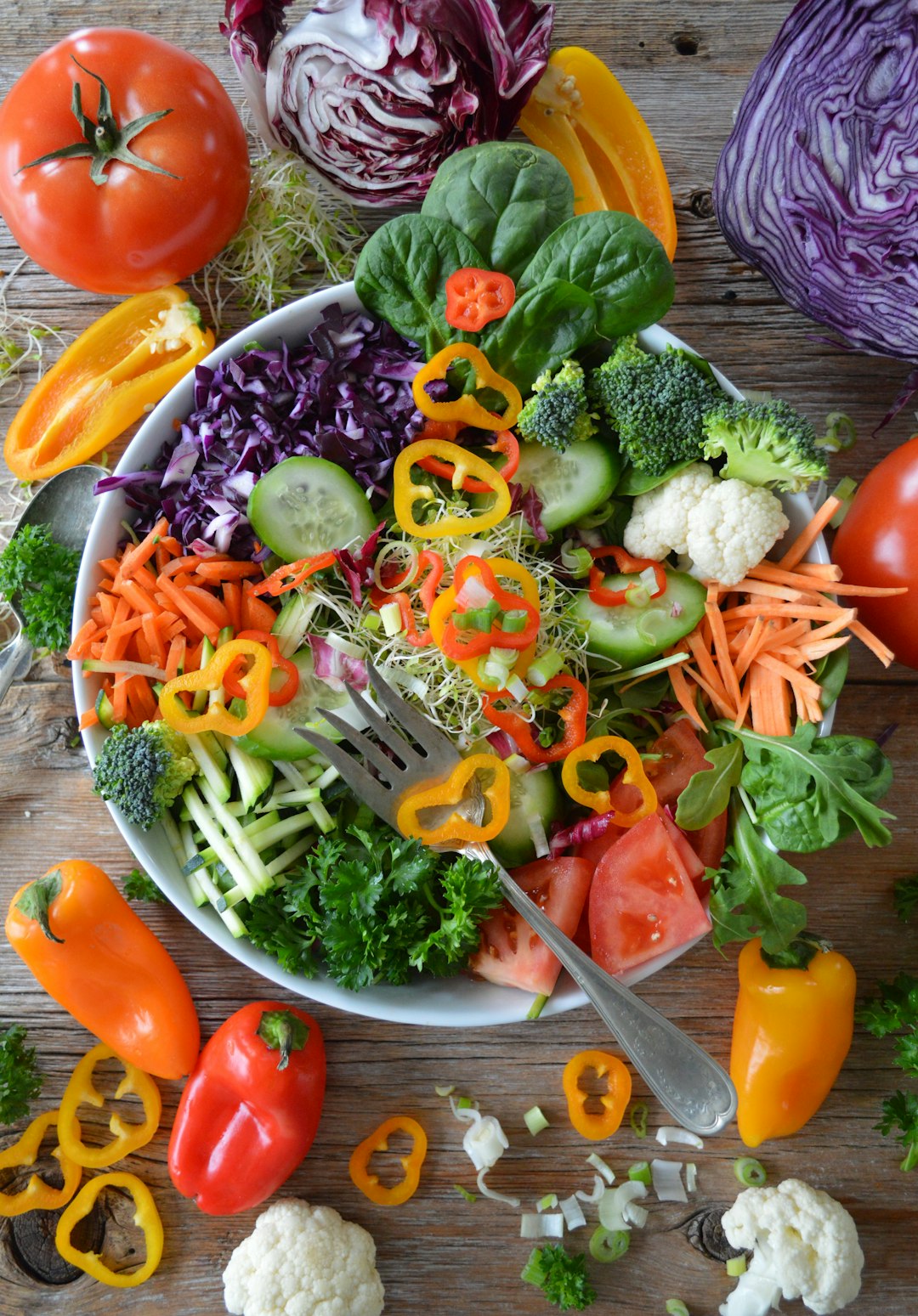
Photo by Nadine Primeau on Unsplash
Weight loss is often treated like a math problem, but anyone who has tried to eat well for more than a week knows it is really a daily lifestyle decision. The foods you choose shape your energy, cravings, digestion, and even your mood. That is why organic food has become such an important part of clean eating for people who want to lose weight without feeling deprived. When your meals are built around high-quality ingredients, it becomes easier to stay consistent, and consistency is where real results begin.
If you are trying to build a healthier routine, organic food can offer a practical and sustainable path. It is not a magic shortcut, and it does not replace portion control or movement, but it can make healthy habits feel more natural. Why? Because organic foods often lead you toward simpler ingredient lists, more whole foods, and a more mindful approach to nutrition. Instead of chasing the next extreme detox diet, you can focus on meals that nourish your body, support satiety, and fit into a realistic healthy lifestyle.
In this guide, we will look at the best organic foods for weight loss, how to use them in everyday meals, what mistakes to avoid, and how to turn clean eating into a habit you can actually maintain. If you have ever wondered, Can organic food really help with weight loss? Or how do I eat better without turning my life upside down? This article is for you.
Why Organic Food Can Support Weight Loss
Organic food does not automatically make a meal low in calories, but it can influence the way you eat in subtle and powerful ways. Many people find that once they switch to organic ingredients, they naturally begin eating more vegetables, more fiber, and fewer ultra-processed products. That shift matters. Weight loss is rarely about one superfood or one perfect meal. It is about patterns, and organic food can support better patterns with less effort.
Another reason organic food works well in a clean eating plan is that it encourages awareness. When you buy foods with fewer additives and more recognizable ingredients, you become more selective about what goes on your plate. This does not mean every non-organic item is unhealthy. It means organic choices often create a cleaner foundation for a balanced diet.
Organic food may improve food quality habits
People often start with one organic item, then gradually improve their entire kitchen. That is a helpful progression. When you buy organic spinach, organic berries, or organic eggs, you are more likely to cook at home, prepare lunches in advance, and make smarter decisions throughout the day. Those small changes can have a big effect on weight loss over time.
Think about it: if your pantry is stocked with whole foods rather than packaged snacks, what are you more likely to eat when hunger hits? The answer usually says a lot about long-term nutrition.
Cleaner ingredients can reduce mindless overeating
Ultra-processed foods are engineered to be easy to overeat. They are often high in refined starches, sugar, and salt, yet low in the fiber and protein that help you feel full. Organic food does not solve everything, but it often nudges you away from those highly processed options. When your meals are built around fresh ingredients, you tend to eat more deliberately and stop when you are satisfied rather than stuffed.
Support for stable energy and fewer cravings
One of the biggest obstacles to weight loss is not hunger itself but unstable energy. If your meals spike your blood sugar and leave you crashing two hours later, cravings follow. Organic foods like vegetables, legumes, nuts, seeds, and lean proteins can help create steadier energy. That stability makes it easier to stay on track with clean eating, even on busy days.
For many people, the real win is not just fewer calories. It is fewer random snacks, fewer late-night cravings, and more confidence around food choices. That is a much more sustainable way to lose weight.
The Best Organic Foods for Weight Loss
There is no single organic food that guarantees fat loss, but there are categories that deserve a place in almost any healthy diet. These foods are nutrient-dense, satisfying, and versatile enough to work in breakfasts, lunches, dinners, and snacks. If you are building a list of staples, start here.
1. Leafy greens and cruciferous vegetables
Organic leafy greens are among the smartest foods for weight loss because they deliver volume, fiber, and micronutrients for very few calories. Spinach, kale, arugula, romaine, cabbage, broccoli, cauliflower, and Brussels sprouts can all help you feel full without making meals heavy.
- Spinach adds volume to omelets, smoothies, and soups.
- Kale works well in salads, sautés, and grain bowls.
- Broccoli and cauliflower are excellent for roasting and meal prep.
- Cabbage is affordable, filling, and ideal for slaws and stir-fries.
If you are trying to lose weight with a clean eating approach, these vegetables should be on repeat. They make plates look abundant, which is psychologically helpful too. Who feels deprived eating a colorful bowl of roasted vegetables?
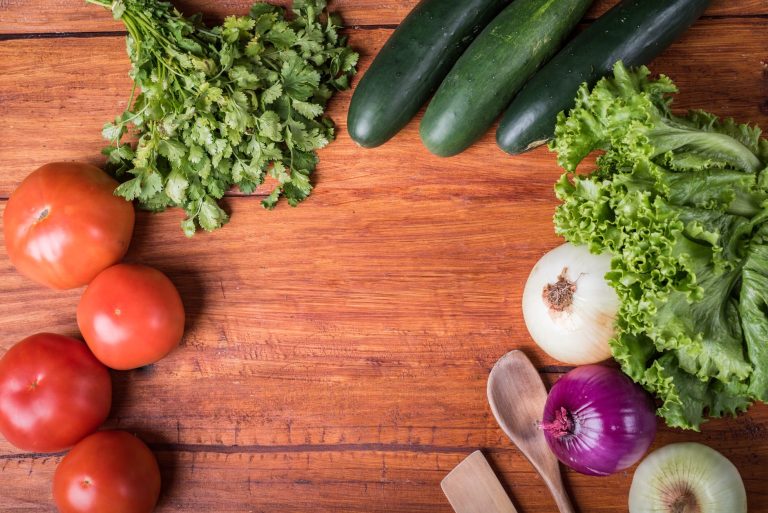
[IMAGE: organic vegetables]
2. Berries and low-sugar fruits
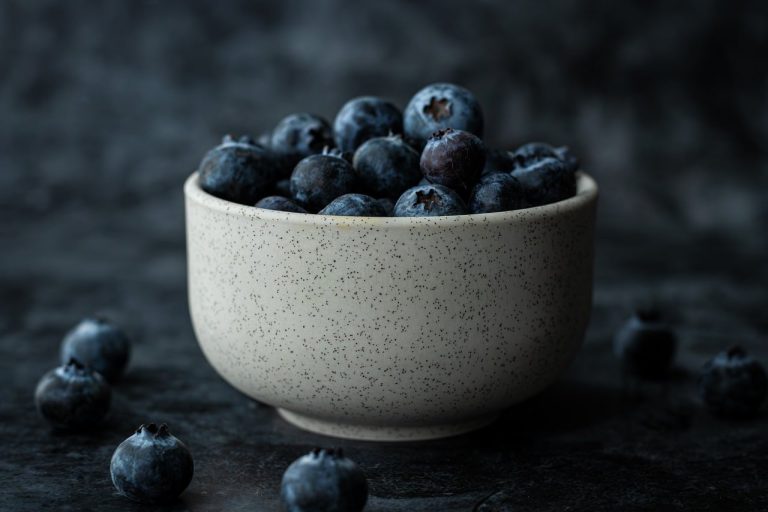
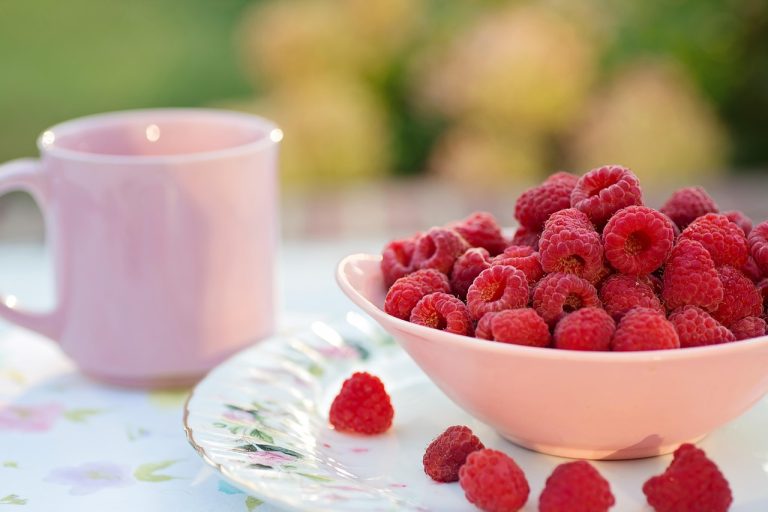
Organic berries are a standout choice because they satisfy a sweet tooth while keeping sugar relatively moderate. Blueberries, raspberries, blackberries, and strawberries all bring antioxidants, fiber, and bright flavor. Apples, pears, grapefruit, and kiwi are also smart options for a weight-conscious organic food plan.
Fruit can absolutely fit into weight loss. The key is choosing whole fruit over juice and pairing it wisely. For example, berries with Greek yogurt or apple slices with almond butter give you more staying power than fruit alone. That combination of fiber and protein is one of the simplest nutrition strategies you can use.
3. Organic eggs and lean proteins
Protein is essential for weight loss because it supports satiety and helps preserve lean muscle during calorie reduction. Organic eggs are a convenient, affordable, and versatile source of protein. They work at breakfast, lunch, and dinner, and they pair beautifully with vegetables.
Other helpful organic protein sources include chicken breast, turkey, tofu, tempeh, cottage cheese, plain yogurt, salmon, and legumes. If your meals are consistently protein-rich, you are less likely to reach for sugary snacks later. Ask yourself: are you eating enough protein to feel satisfied, or are you trying to get by on small meals that leave you hungry an hour later?
4. Legumes and fiber-rich grains
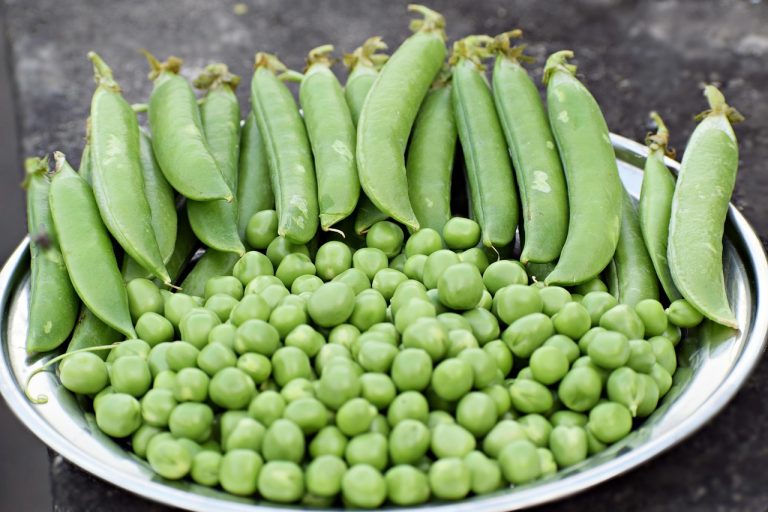
Organic lentils, chickpeas, black beans, quinoa, oats, and brown rice can be useful in a healthy diet when portions are sensible. They bring fiber, plant-based protein, and slow-digesting carbohydrates that help stabilize energy. For people who want weight loss without extreme restriction, these foods are especially valuable.
Legumes deserve special attention because they are filling, versatile, and budget-friendly. A lentil soup, chickpea salad, or black bean bowl can be both satisfying and waistline-friendly. When your meals include fiber-rich carbohydrates rather than refined ones, your body tends to respond with steadier hunger levels.
5. Nuts, seeds, and healthy fats
Healthy fats are often misunderstood in weight loss conversations. Yes, they are calorie-dense, but they are also highly satisfying and essential for hormone health, absorption of fat-soluble vitamins, and long-term satiety. Organic walnuts, almonds, chia seeds, flaxseeds, hemp seeds, avocado, and olive oil can all support a balanced approach to clean eating.
The key is moderation. A small handful of nuts or a tablespoon of seeds can add texture and staying power to salads, yogurt, and oatmeal. Instead of eliminating fats, use them strategically. That is how a healthy lifestyle becomes realistic instead of restrictive.
How to Build a Weight-Loss Plate with Organic Food
Even the best organic food can work against you if portions are unbalanced. A weight-loss plate should make you feel nourished, not deprived, and it should be easy enough to repeat on a busy weekday. The simplest strategy is to use a visual formula that keeps calories in check while preserving satisfaction.
The half-plate rule
Start with vegetables. Fill half of your plate with organic non-starchy vegetables such as leafy greens, zucchini, broccoli, asparagus, peppers, or cauliflower. This approach gives you volume, fiber, and nutrition for relatively few calories. It also makes the meal feel substantial, which can reduce the urge to snack afterward.
The quarter-plate protein rule
Use one quarter of your plate for protein. Organic chicken, turkey, fish, tofu, tempeh, eggs, Greek yogurt, or lentils are all strong options. If you are active, protein is even more important because it helps support recovery and maintain muscle mass. Muscle matters in weight loss because it supports a more efficient metabolism over time.
The final quarter for smart carbohydrates
Use the remaining quarter of your plate for fiber-rich carbohydrates such as quinoa, sweet potato, brown rice, or beans. These foods give you energy and help round out meals. When eaten in appropriate portions, they can absolutely be part of a weight-loss plan. The goal is balance, not fear.
Simple plate examples
- Grilled organic chicken, roasted broccoli, and quinoa with olive oil and herbs.
- Salmon, cabbage slaw, and sweet potato with lemon.
- Tofu stir-fry with mixed vegetables and brown rice.
- Egg scramble with spinach, mushrooms, and a side of berries.
When you use a plate structure like this, healthy eating becomes more automatic. You no longer have to wonder whether a meal is enough or too much. The balance is built in.
[IMAGE: healthy meal]
Organic Foods That Help You Avoid Cravings
Cravings are one of the main reasons people abandon a diet. The problem is not always lack of willpower. Often it is poor meal composition. If your food lacks fiber, protein, or healthy fats, hunger returns quickly and the desire for sweets or salty snacks becomes stronger. Organic foods can help, but only when they are chosen with purpose.
Fiber-rich foods keep you fuller for longer
Fiber slows digestion and helps stabilize blood sugar. That means fewer dips in energy and fewer urgent cravings. Organic oats, apples, pears, berries, chia seeds, flaxseeds, beans, lentils, and vegetables should be part of a weight-loss-friendly kitchen. The more often you eat fiber-rich meals, the easier it becomes to stay in control of your appetite.
Protein reduces the need to snack
A breakfast built around protein can change the whole day. Compare a pastry and coffee with a veggie omelet and fruit. Which one do you think will keep you satisfied longer? Protein is especially helpful in the morning and after exercise, when the body needs steady fuel.
Try adding one protein source to every meal and snack:
- Greek yogurt with berries
- Apple slices with almond butter
- Boiled eggs with cherry tomatoes
- Hummus with cucumber and carrots
Hydration makes clean eating easier
Sometimes hunger is really thirst. A hydration habit can make a surprising difference in weight loss and digestion. Water, herbal tea, sparkling water, and even water-rich produce like cucumber and melon help keep the body balanced. If you are also exploring a detox diet, hydration is one of the safest and most effective foundations you can build on.
Before reaching for a snack, pause and ask: am I truly hungry, or do I need water, rest, or a meal with more balance?
Organic Meal Ideas for Clean Eating and Fat Loss
Healthy eating becomes much easier when you have a few repeatable meals you actually enjoy. Organic food shines here because it works well in simple recipes that do not require complicated cooking. The goal is to create meals that feel satisfying, look beautiful, and support your nutrition goals without adding stress.
Breakfast ideas that support energy
Breakfast should help you start strong, not trigger a crash an hour later. Organic breakfast choices for weight loss often combine protein, fiber, and slow carbs.
- Organic oatmeal with chia seeds, berries, and cinnamon
- Veggie omelet with spinach, mushrooms, and tomatoes
- Greek yogurt with flaxseed, walnuts, and sliced strawberries
- Overnight oats with almond milk and blueberries
These options are simple, satisfying, and easy to prepare ahead of time. If mornings are rushed, build breakfast the night before so your healthy lifestyle does not depend on motivation alone.
Lunch ideas that keep cravings away
Lunch is often where the day starts to wobble. If you eat too little, you will hunt for snacks later. If lunch is too heavy, you may feel sluggish. Aim for a middle ground that keeps you focused and comfortable.
- Organic chicken salad with greens, cucumber, avocado, and seeds
- Lentil soup with a side salad
- Quinoa bowl with roasted vegetables and tofu
- Turkey lettuce wraps with hummus and shredded carrots
The best lunch is the one that helps you make smart choices in the afternoon. When your blood sugar is steady, you are far less likely to enter the vending machine danger zone.
Dinner ideas for a lighter evening
Dinner does not need to be tiny to support weight loss. It needs to be balanced. A dinner made from organic vegetables, lean protein, and a sensible serving of carbohydrates can help you finish the day satisfied without feeling overfull.
- Baked salmon with asparagus and roasted sweet potato
- Chicken stir-fry with broccoli, peppers, and brown rice
- Stuffed bell peppers with turkey, beans, and herbs
- Tofu and vegetable curry with cauliflower rice
Notice how these meals rely on real food instead of diet products. That is the beauty of clean eating: it feels nourishing, not punishing.
Snack ideas that fit a weight-loss plan
Smart snacking can prevent overeating later, especially if you have long gaps between meals or a physically active day. The best snacks are small but satisfying.
- Celery with almond butter
- Organic apple with cottage cheese
- Carrot sticks with hummus
- A handful of walnuts and a few berries
When you snack with intention, you are far less likely to drift toward packaged foods that do not support your goals. That is a quiet but powerful form of self-care.
Clean Eating Tips That Make Organic Food Work Better
Buying organic food is only one part of the equation. To see real weight loss results, you need a few habits that support your choices day after day. These habits do not have to be extreme. In fact, the best ones are the simplest.
Cook more than you buy
Home cooking gives you control over portions, ingredients, and seasoning. Even basic meal prep can change your results. Roast a tray of vegetables, cook a grain, prepare a protein, and store them separately. Suddenly, healthy meals become fast and convenient. That convenience matters because convenience usually wins when you are tired.
Keep your kitchen visible and organized
Out of sight often means out of mind. If your fridge is packed with washed greens, cut fruit, and ready-to-eat protein options, healthy eating becomes easier. If your counters are crowded with snacks, it becomes easier to eat mindlessly. The physical environment affects the healthy lifestyle you can sustain.
Choose foods with shorter ingredient lists
One of the quiet strengths of organic food is its simplicity. A short ingredient list often means fewer additives and a clearer understanding of what you are eating. This does not mean every packaged item is bad, but it does mean simpler is usually better when your goal is weight loss.
Ingredient label red flags
- Long lists of unfamiliar additives
- Multiple forms of sugar
- High sodium with low fiber or protein
- Health claims that hide a highly processed product
When in doubt, ask a practical question: would this food still look like food if it came without packaging?
What to Avoid in an Organic Weight Loss Plan
It is easy to assume anything labeled organic is automatically helpful for weight loss. That is not always true. Some organic products are still calorie-dense, sugar-heavy, or highly processed. Clean eating is not about blind trust in labels. It is about choosing foods that support your goals in reality, not just in marketing.
Organic junk food is still junk food
Organic cookies, chips, sugary cereals, and desserts may be made with better ingredients than conventional versions, but they can still be poor choices for fat loss if they are consumed often. Organic does not cancel out excess calories or low satiety. If you are trying to lose weight, treat these foods as occasional extras rather than daily staples.
Watch the sugar in so-called health foods
Some organic granolas, yogurts, smoothies, and protein bars contain more sugar than you might expect. Even products that look wholesome can become calorie traps if portion sizes are large or if the ingredient list leans heavily on syrups and sweeteners. Always check the label, especially when a product markets itself as natural or clean.
Do not overeat healthy fats
Avocado, nuts, seeds, and olive oil are all excellent foods, but they are still energy-dense. That makes them useful, not unlimited. If your weight loss has stalled, take a closer look at portions of fats, dressings, and snacks. A small adjustment can create a meaningful difference over time.
A Simple Organic Grocery Strategy for the Week
A smart grocery routine can save time, money, and mental energy. Instead of shopping randomly, build your cart around a few categories so you always have the basics for clean eating. The more prepared your kitchen is, the less likely you are to fall back on convenience food when your schedule gets busy.
Your weekly organic grocery list
- Two to three leafy greens
- Three colorful vegetables
- Two fruits, preferably one berry option
- One or two protein sources
- One fiber-rich grain or legume
- One healthy fat source
- Herbs, lemon, garlic, and spices for flavor
How to prep without spending all Sunday in the kitchen
You do not need an elaborate detox diet or a complicated meal-prep system. You only need a few smart steps. Wash and chop vegetables, cook one grain, roast one sheet pan of produce, and prepare one protein. That gives you enough building blocks to mix and match meals for several days.
A good prep routine should reduce stress, not create it. If your plan is too demanding, it will not last. Keep it simple, repeatable, and realistic.
A sample day of organic eating for weight loss
Here is what a balanced day might look like:
- Breakfast: Oatmeal with berries, chia seeds, and Greek yogurt
- Lunch: Chicken salad with avocado, cucumber, and olive oil dressing
- Snack: Apple slices with almond butter
- Dinner: Salmon, broccoli, and quinoa
This is not a rigid formula. It is a template. You can swap ingredients as needed while keeping the same nutritional structure.
[IMAGE: fitness lifestyle]
Organic Food and Exercise: A Better Match Than You Might Think
Weight loss becomes more effective when nutrition and movement work together. Exercise does not have to be intense to make a difference. In fact, regular walking, strength training, yoga, cycling, or any enjoyable activity can complement an organic food plan beautifully. The goal is to support the body, not punish it.
After exercise, your body benefits from protein and carbohydrates. A recovery meal with organic chicken and vegetables, Greek yogurt and fruit, or tofu with rice and greens can help you feel restored rather than drained. This is especially important if your workouts are part of your healthy lifestyle rather than a separate obligation.
What to eat before and after a workout
Before a workout, choose something light and digestible if you need fuel, such as a banana, a small bowl of oats, or yogurt with berries. After a workout, focus on replenishing protein and energy. If you are active consistently, your food choices should support performance, energy, and recovery, not just calorie reduction.
When organic food is paired with exercise, the relationship often feels more positive. You are not just trying to eat less. You are giving your body what it needs to function well.
Common Questions About Organic Food and Weight Loss
People often ask similar questions when they start exploring clean eating. The answers are usually more practical than dramatic.
Do you need to eat 100 percent organic to lose weight?
No. Weight loss depends on total dietary pattern, portions, consistency, sleep, activity, and stress management. Eating more organic food can be beneficial, but perfection is not required. Many people succeed by choosing organic for the foods they eat most often, such as produce, eggs, dairy, and staple proteins, while being flexible elsewhere.
Is organic food lower in calories?
Not necessarily. Organic food is not automatically lower in calories than non-organic food. A handful of organic nuts has the same basic calorie structure as a handful of non-organic nuts. The advantage comes from quality, simplicity, and the way organic choices can steer you toward more whole-food meals.
Can organic food help with a detox diet?
If you use the term detox diet in a sensible way, organic food can absolutely support the process by reducing exposure to unnecessary additives and encouraging nutrient-dense meals. But the body already has powerful detoxification systems in the liver, kidneys, lungs, and skin. The smartest approach is not extreme cleansing. It is eating enough fiber, drinking water, and choosing wholesome foods consistently.
Will clean eating make weight loss easier?
For many people, yes. Clean eating can reduce decision fatigue because the food rules are simpler: prioritize vegetables, proteins, fruits, legumes, whole grains, and healthy fats. When your meals are built from foods that support fullness and energy, weight loss often feels less like a battle and more like a rhythm.
Putting It All Together in a Realistic Way
The beauty of organic food is not that it turns weight loss into something effortless. The beauty is that it helps create a healthier framework. A framework where meals are simpler, ingredients are easier to trust, and clean eating feels like a natural extension of your healthy lifestyle rather than a temporary challenge. That is the difference between short-lived effort and lasting change.
Start with a few high-impact swaps. Add organic vegetables to dinner. Choose organic berries for breakfast. Replace one processed snack with a protein-rich option. Make one lunch at home instead of buying it on the go. These choices may look small, but they build momentum. And momentum is what turns intentions into results.
If you want weight loss that feels calm, sustainable, and aligned with real nutrition, organic food can be one of your most valuable tools. Keep your plate colorful, your meals satisfying, and your habits simple enough to repeat. The more you focus on nourishment instead of restriction, the more natural healthy eating becomes. Explore more articles on DietOrganic for practical ideas, clean eating inspiration, and the kind of food guidance that helps you stay consistent long after the initial motivation fades.
About the Author