

Photo by Pezibear on Pixabay
If you have ever felt that your energy, cravings, mood, and digestion are all connected, you are already thinking like a nutrition expert. Gut health is not a fringe wellness trend; it is the foundation of how the body absorbs nutrients, manages inflammation, and supports a healthy lifestyle. And when the focus shifts to organic food, the benefits can become even more compelling. Cleaner ingredients, higher-quality produce, and a more intentional approach to clean eating may help create the kind of internal environment where digestion feels calmer and weight loss becomes more sustainable. What would change if every meal supported your microbiome instead of working against it?
This article explores how to use organic food to build a gut-friendly routine that feels realistic, satisfying, and deeply nourishing. You will discover which organic foods are especially supportive of digestion, how to combine them into meals that promote balance, and why a gentle, consistent approach often works better than extreme detox diet tactics. If you have been searching for a healthy diet that supports comfort, energy, and long-term wellness, the answer may be simpler than you think.
Why Gut Health Is the Hidden Engine of a Healthy Lifestyle
The gut does far more than digest food. It communicates with the immune system, helps regulate hormones, influences cravings, and plays a major role in how the body uses nutrition. A thriving gut microbiome can support better regularity, more stable energy, and fewer uncomfortable bloating episodes. When digestion feels off, the effects often show up everywhere: in your skin, your mood, your sleep, and even your motivation to stay active.
That is why a healthy diet should not be measured only by calories or macros. A truly supportive eating pattern also considers how food interacts with the digestive tract. Organic food can be an especially smart choice here because it often reduces exposure to synthetic pesticides, makes produce-centered clean eating easier, and encourages a more whole-food-based plate. For people seeking weight loss, this matters because the most effective approach is usually the one that is sustainable, satisfying, and supportive of the gut.
Signs Your Gut May Need More Support
People often look for one dramatic answer, but gut imbalance usually shows up in smaller, persistent patterns. Have you noticed your body sending subtle signals after meals or during stressful weeks? Those signals matter.
- Bloating that appears frequently after eating
- Irregular bowel movements or a feeling of incomplete digestion
- Cravings for sugar or ultra-processed snacks
- Low energy after meals instead of steady focus
- Skin changes that seem linked to diet or stress
- A sense that your stomach is sensitive to many foods
If several of these feel familiar, a gut-focused organic food plan may be worth exploring. The goal is not restriction. The goal is to make your meals work harder for you.
What Makes Organic Food Different for Digestion?
Not every digestive issue is solved by choosing organic, but the shift can still matter. Organic farming standards limit many synthetic pesticides and herbicides, which may be appealing for people who want a cleaner eating pattern and a more intentional relationship with food. For a sensitive digestive system, fewer chemical residues can feel like one less variable to manage.
Organic food also tends to encourage a more plant-forward plate. And that is valuable because the gut microbiome thrives on diversity. Different fibers, polyphenols, and plant compounds feed different beneficial bacteria. The result is not just a healthier stomach in the moment, but a more resilient digestive system over time.
Less Exposure, More Intention
Many people choose organic produce because they want fewer unnecessary additives in their routine. That choice can support a healthy lifestyle in a practical way: you spend less time worrying about what is hidden in your food and more time focusing on nourishment. When a healthy diet feels clean and reassuring, it is easier to stay consistent.
More Plant Diversity, Better Microbial Diversity
The gut microbiome loves variety. A plate filled with vegetables, legumes, grains, herbs, seeds, and fruit can help feed different strains of beneficial bacteria. Think of it as giving your digestive system a broader menu to work with. Why settle for one-note nutrition when your body responds so well to variety?
Organic Foods That Support a Healthier Digestive System
There is no single magic food for gut health, but there are categories that deserve a regular place in your kitchen. When these foods are chosen in organic form whenever possible, they fit naturally into a clean eating routine that supports nutrition, weight loss, and long-term wellness.
Leafy Greens and Bitter Vegetables
Spinach, kale, arugula, chard, romaine, and dandelion greens deliver fiber, magnesium, and plant compounds that help keep digestion moving. Bitter greens in particular can encourage digestive secretions and create a fresher, lighter meal profile. If your plates have started to feel heavy and overly rich, leafy greens can restore balance.
- Use organic spinach in smoothies or omelets
- Toss arugula with olive oil and lemon for a simple salad
- Steam chard and season with garlic for a savory side
- Blend kale with cucumber, apple, and ginger for a bright green drink
These foods are especially useful for weight loss because they are low in calories but high in volume and micronutrients. That combination helps you feel satisfied without overloading the digestive system.
Fermented Foods with Live Cultures
Fermented foods are one of the most direct ways to support gut health through nutrition. Yogurt with live cultures, kefir, sauerkraut, kimchi, miso, tempeh, and some probiotic-rich pickles can help introduce beneficial microbes and encourage microbial diversity. The key is to start slowly and choose high-quality options with minimal added sugar.
Not everyone tolerates every fermented food equally well. If your gut is sensitive, begin with small portions and observe how you feel. A tablespoon of sauerkraut may be enough at first. Could a modest, consistent approach be the reason your system adapts better than it does with dramatic changes?
How to Use Fermented Foods Wisely
- Add a spoonful of sauerkraut to eggs or grain bowls
- Choose plain organic yogurt with berries and chia seeds
- Stir miso into warm, not boiling, broth
- Use kefir as a base for a smoothie with banana and flaxseed
Prebiotic-Rich Fruits and Vegetables
Prebiotics are the fibers that feed beneficial gut bacteria. Organic bananas, onions, garlic, asparagus, leeks, apples, and slightly green bananas are especially useful here. These foods help create the right conditions for healthy microbes to thrive.
When prebiotic foods are paired with fermented foods, you create a powerful synergy: one feeds the bacteria, and the other helps introduce them. That pairing is one reason clean eating can be so effective when it is built intelligently rather than obsessively.
- Cook onions and garlic gently into soups and sautés
- Add sliced apples to oatmeal with cinnamon
- Roast asparagus with olive oil and sea salt
- Use bananas in smoothies for natural sweetness and texture
Organic Whole Grains and Legumes
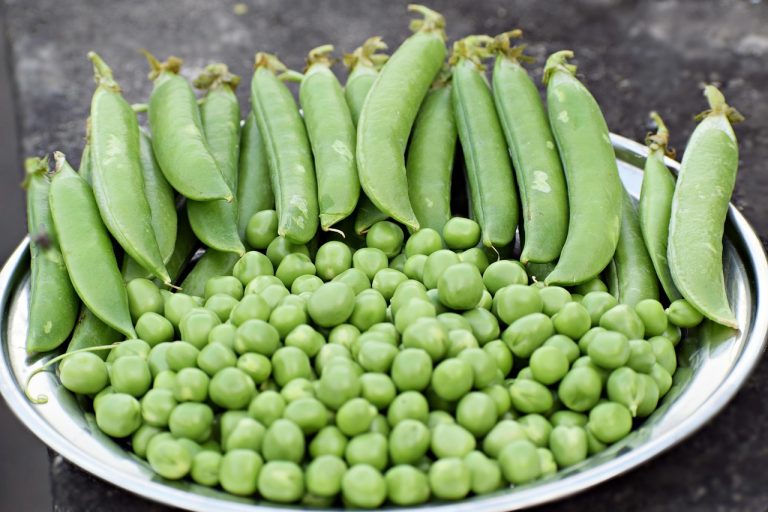
Oats, quinoa, brown rice, lentils, chickpeas, and black beans provide fiber and plant protein that keep meals balanced. For many people, they also support healthier blood sugar control, which can be helpful for weight loss and appetite regulation. If you have ever found yourself hungry again an hour after eating, a more fiber-rich meal may be the missing piece.
Whole grains and legumes can be easier on digestion when they are prepared with care. Soaking, rinsing, pressure cooking, and seasoning with herbs can make them more comfortable to digest. Organic choices may also feel better for people who want fewer residues in everyday staples.
Simple Preparation Tips
- Soak beans overnight before cooking
- Rinse canned organic beans thoroughly
- Combine grains with vegetables and healthy fats for better satiety
- Season with cumin, fennel, turmeric, or ginger to support comfort
Berries, Citrus, and Other Antioxidant-Rich Fruit
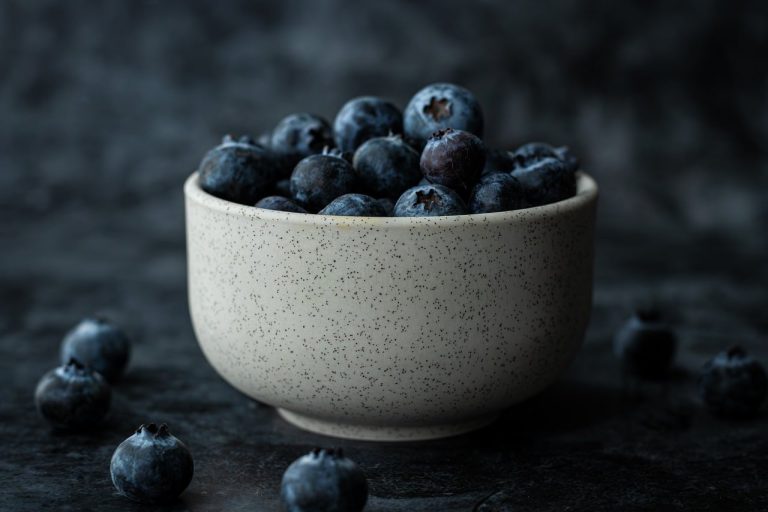
Organic blueberries, raspberries, strawberries, oranges, kiwi, and grapefruit deliver antioxidants that help protect cells from oxidative stress. They also provide fiber and hydration, which can support digestion in a gentle, satisfying way. A bowl of berries can feel like dessert while still supporting a healthy diet.
These fruits are especially useful if you are trying to reduce reliance on refined sugar. Their natural sweetness can calm cravings while still supporting clean eating goals. Is there a better example of a food that feels indulgent but still works hard for your health?
- Top plain yogurt with berries and hemp seeds
- Serve citrus segments with mint as a bright snack
- Blend frozen berries into a high-fiber smoothie
Herbs, Spices, and Soothing Botanicals
Ginger, turmeric, peppermint, fennel, cinnamon, and chamomile have all earned their place in gut-friendly routines. While they are not cures, they can contribute to a calmer digestive experience and make healthy meals far more enjoyable. Flavor matters, especially when you want to stay committed to an organic food lifestyle.
For many people, digestion improves when meals are not bland or repetitive. Herbs and spices add complexity without the need for excess sugar, salt, or heavy sauces. That is one reason they are so valuable in a detox diet or clean eating plan.
Easy Ways to Use Them
- Grate fresh ginger into tea or stir-fries
- Add turmeric and black pepper to roasted vegetables
- Use cinnamon on oats, apples, or chia pudding
- Brew peppermint tea after dinner
Healthy Fats That Support Satisfaction
Avocados, extra virgin olive oil, walnuts, almonds, chia seeds, flaxseeds, and pumpkin seeds help make meals more satisfying. That matters because appetite balance is a major part of sustainable weight loss. When meals contain enough healthy fat, you are less likely to feel deprived and more likely to stick with a healthy lifestyle.
Healthy fats also help the body absorb fat-soluble vitamins from vegetables. A salad with olive oil, avocado, and seeds is not just delicious; it is nutritionally smarter than a dry bowl of greens. Small details like this turn simple ingredients into a powerful nutrition strategy.
How to Build a Gut-Friendly Organic Plate
Creating meals for gut health does not require strict rules. It requires structure. A practical plate often includes fiber, protein, healthy fat, and plenty of plants. This balance helps stabilize blood sugar, reduce overeating, and support more comfortable digestion.
Think in layers. First choose a base of vegetables or whole grains, then add protein, then add a source of healthy fat, and finally finish with herbs, citrus, or fermented foods if tolerated. This kind of clean eating is flexible enough for real life and effective enough to matter.
- Half the plate: non-starchy organic vegetables
- One quarter: protein such as eggs, tofu, beans, fish, or yogurt
- One quarter: whole grains or starchy vegetables if desired
- Plus: healthy fats, herbs, seeds, or a small fermented side
A plate built this way can support both digestion and weight loss because it naturally emphasizes fiber and satiety. You do not have to count every bite when your meals are designed intelligently.
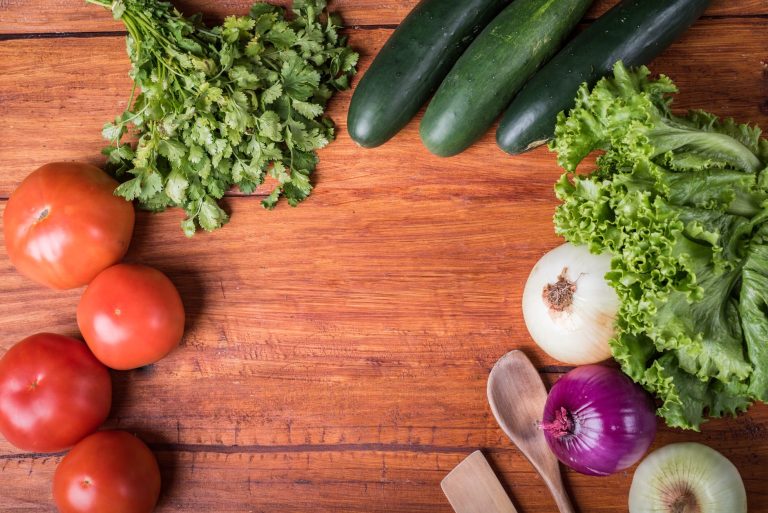
[IMAGE: organic vegetables]
Breakfast Ideas That Feel Light but Filling
Breakfast can set the tone for the entire day. If your first meal is too sugary or too sparse, hunger often surges later. A gut-friendly organic breakfast should be satisfying without being heavy.
- Organic oats cooked with chia, cinnamon, and blueberries
- Greek yogurt with berries, flaxseed, and a drizzle of honey
- Vegetable omelet with spinach, mushrooms, and avocado
- Smoothie with kefir, banana, ginger, and almond butter
If mornings feel rushed, prepare ingredients the night before. Overnight oats, prewashed greens, and ready-to-blend smoothie packs can make healthy eating much easier.
Lunch and Dinner Ideas for Stable Energy
Lunch and dinner should support digestion without leaving you sluggish. Whole foods prepared simply often work best. Roasted vegetables, grains, legumes, soups, and lightly cooked proteins can all fit beautifully into a gut-friendly organic routine.
- Quinoa bowl with roasted broccoli, chickpeas, herbs, and tahini
- Salmon with asparagus, brown rice, and lemon
- Lentil soup with carrots, onions, garlic, and kale
- Stir-fried tofu with bok choy, mushrooms, and ginger
Meals like these provide a balance of nutrition and comfort. They feel clean without feeling punishing, which is exactly what makes them sustainable.
Snacks That Support the Microbiome Instead of Disrupting It
Snacking is not the enemy. Unplanned, sugar-heavy snacking is the problem. Organic snacks can help bridge the gap between meals while supporting digestion and energy.
- Apple slices with almond butter
- Carrot sticks with hummus
- Plain yogurt with flaxseed
- A handful of walnuts and a few berries
- Cucumber slices with sea salt and lemon
The best snacks are the ones that leave you more stable, not more depleted. That is a small but meaningful distinction.
[IMAGE: healthy meal]
Organic Foods to Approach Carefully If Your Gut Is Sensitive
Even the healthiest foods can cause discomfort if your digestive system is already irritated or if you increase fiber too quickly. Sensitivity does not mean a food is bad; it simply means your body may need a slower introduction or a different preparation method.
Common Foods That May Need a Gentler Approach
- Large portions of raw cruciferous vegetables
- Very spicy foods if you are prone to reflux
- Fermented foods in large amounts too early
- Beans and lentils without proper soaking or rinsing
- Sugar alcohols in packaged snacks marketed as healthy
Notice the theme: the issue is usually dose, preparation, or timing. A food that feels uncomfortable today may be perfectly manageable later once your gut is calmer. Listening to your body is one of the most advanced nutrition skills you can develop.
Clean Eating Habits That Matter More Than Perfection
Many people try to improve digestion by becoming more rigid, but rigid plans often fail. Clean eating works best when it is consistent, not extreme. If your routine is too complicated, you are less likely to keep it up, and the digestive benefits never fully arrive.
Focus on patterns rather than perfection. A few thoughtful changes repeated most days can transform the way you feel. That is true for weight loss, energy, and gut health alike.
- Eat enough fiber, but increase it gradually
- Drink water throughout the day, not just at meals
- Chew slowly and stop eating before you feel overfull
- Build meals around whole foods instead of packaged shortcuts
- Plan ahead so healthy choices are the easy choices
Why Slower Eating Helps Digestion
Digestion begins in the mouth. When you rush meals, you often swallow more air, miss satiety cues, and give your body less time to process food comfortably. A slower pace can change how a meal feels almost immediately. Could one simple habit like this deliver more relief than another complicated supplement routine?
Can a Detox Diet Support Gut Health?
The term detox diet is often used in misleading ways. Your body already has sophisticated detoxification systems, including the liver, kidneys, skin, and digestive tract. Extreme cleanses and restrictive plans usually do not improve gut health for long. In some cases, they can create stress, trigger cravings, and disrupt the microbiome.
A smarter approach is a gentle detox diet built around organic food, hydration, fiber, and rest. Instead of trying to force the body to do more, you support the systems it already uses. That kind of strategy is kinder, more sustainable, and more aligned with real wellness.
What a Gentle Detox Actually Looks Like
- More vegetables and fruits, especially high-fiber options
- Plenty of water, herbal tea, and mineral-rich foods
- Less alcohol, refined sugar, and ultra-processed food
- Enough protein to keep energy and muscle supported
- Regular sleep and movement to assist natural recovery
Notice how this is not about deprivation. It is about subtracting what overwhelms the body and adding what helps it function smoothly. That is the difference between a fad and a lifestyle.
Organic Food and Weight Loss: Why the Gut Connection Matters
Weight loss becomes much easier when your digestion is working well. If meals leave you bloated, hungry, or unstable, consistency becomes a battle. Organic food can support weight loss indirectly by improving satiety, making meals more nutrient-dense, and encouraging a cleaner overall pattern of eating.
Fiber-rich vegetables, legumes, berries, and whole grains help you feel full with fewer calories. Protein and healthy fats keep cravings in check. Fermented and prebiotic foods can support the microbiome, which some research suggests may influence appetite regulation and metabolic health. The point is not that one ingredient will transform your body. The point is that a supportive pattern makes healthy results easier to maintain.
Why This Approach Works Long-Term
Most diets fail because they focus on short-term restriction. A gut-friendly organic food plan focuses on nourishment, which is more sustainable. When you feel well, you are more likely to keep going. When you keep going, the results compound.
- You eat more filling foods naturally
- You reduce random snacking and energy crashes
- You support better digestion, which can reduce bloating
- You create a routine that feels livable instead of harsh
That is a far more elegant path to weight loss than trying to force control through willpower alone.
Shopping and Meal Prep Tips for Busy Weeks
Healthy eating is easier when your kitchen is prepared for success. The best organic diet in the world will not help much if the ingredients are unavailable when you need them. This is where meal prep becomes a quiet superpower.
Build a Simple Organic Grocery List
- Leafy greens, broccoli, carrots, zucchini, and cucumbers
- Berries, apples, bananas, lemons, and avocados
- Oats, quinoa, brown rice, and whole grain bread
- Lentils, chickpeas, organic yogurt, eggs, or tofu
- Olive oil, chia seeds, flaxseeds, walnuts, and almonds
- Ginger, garlic, turmeric, cinnamon, and peppermint tea
Prep Once, Eat Well All Week
Wash and chop vegetables as soon as you bring them home. Cook one grain, one protein, and one tray of roasted vegetables at the start of the week. Keep a fermented item, a fresh fruit, and a healthy snack ready in the fridge. This reduces decision fatigue and makes clean eating feel effortless.
Meal prep does not need to be a Sunday marathon. Even twenty focused minutes can shift the week in your favor. The more you remove friction, the easier it becomes to stay aligned with your healthy lifestyle.
[IMAGE: fitness lifestyle]
Daily Lifestyle Habits That Protect Digestion
No organic food plan can fully compensate for chronic stress, poor sleep, and long periods of inactivity. Gut health is deeply connected to lifestyle, which is why the most effective nutrition strategies are always broader than the food itself.
Stress, Sleep, and Movement
Stress can change how the digestive tract functions. Sleep deprivation can increase cravings and reduce self-control around food. Even light movement after meals can support digestion and blood sugar balance. These are not small details; they are core parts of a healthy lifestyle.
- Take a 10-minute walk after meals when possible
- Prioritize a steady sleep schedule
- Use breathing exercises or quiet time to reduce stress before dinner
- Avoid eating in a frantic state whenever you can
If your goal is better digestion, think beyond the plate. The body absorbs nourishment best when it feels safe, rested, and regulated.
How to Start This Week Without Overwhelm
There is no need to overhaul your entire diet in one day. In fact, gradual change is often more effective because it gives your body and habits time to adapt. Start with the simplest improvements and build from there.
A Practical 5-Step Beginning
- Choose one organic vegetable to add to every meal
- Replace one packaged snack with fruit, nuts, or yogurt
- Include one fermented food several times per week
- Drink more water and herbal tea throughout the day
- Notice which foods make you feel lighter, calmer, and more energized
Small steps create confidence. Confidence creates consistency. Consistency is what changes your digestion, your energy, and the way your body responds to food over time.
The most beautiful part of a gut-friendly organic food routine is that it does not ask you to fight your life. It asks you to design it more intelligently. When you choose clean eating, nourishing foods, and habits that support your microbiome, you give your body a chance to feel steady instead of strained. That steadiness can influence everything from weight loss to mood to the simple comfort of waking up with a calmer stomach, and if you are ready for more practical ideas that make healthy living feel elevated and realistic, keep exploring the articles on DietOrganic.
About the Author