
When people talk about better digestion, steady energy, and sustainable weight loss, the conversation often circles back to one powerful idea: what you put on your plate shapes how you feel every day. That is especially true with organic food, which many health-conscious readers choose as part of a cleaner, more intentional approach to nutrition. But can organic eating really support gut health, healthy weight management, and a more balanced lifestyle? Absolutely—and the benefits go beyond a simple trend.
The gut is home to trillions of bacteria that influence digestion, immunity, metabolism, and even mood. If your meals are heavy in ultra-processed ingredients, synthetic additives, and low-fiber foods, your digestive system may struggle to function at its best. On the other hand, a diet centered on organic vegetables, fruits, legumes, whole grains, fermented foods, and quality proteins can help create a more supportive environment for your microbiome. And when your digestion improves, doesn’t everything else feel easier too?
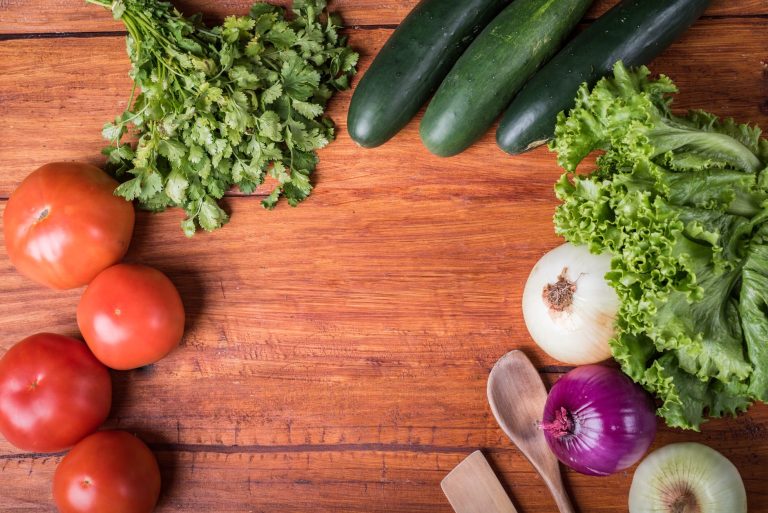
This guide explores how organic food can fit into a healthy diet focused on gut health, clean eating, and weight loss. You will learn which foods support digestion, what habits may be working against you, and how to build a realistic eating style that feels nourishing rather than restrictive. Whether you are just beginning your clean eating journey or refining a long-term nutrition plan, this article will give you practical steps you can use immediately. [IMAGE: organic vegetables]
Why Gut Health Matters More Than Most People Realize
Your gut does much more than process food. It helps absorb nutrients, supports your immune system, and communicates with the rest of your body through an intricate network often called the gut-brain connection. When digestion is balanced, you may notice fewer bloating episodes, more stable energy, better appetite control, and even improved mood. When it is not, the signs can show up in subtle ways: irregular bowel movements, cravings, discomfort after meals, low energy, and a general feeling that something is off.
That is why gut health is not just a wellness buzzword. It is a foundation for a healthy lifestyle. If your digestive system is struggling, even the most disciplined weight loss plan can feel frustrating. You may be eating less but still feel sluggish, or you may be choosing “healthy” foods that are actually irritating your system. The right organic food choices can help simplify this problem by reducing exposure to synthetic chemicals while increasing fiber, antioxidants, and beneficial nutrients.
The gut microbiome and daily nutrition
Your microbiome thrives on variety, especially from plant-based foods rich in fiber. Different beneficial bacteria feed on different types of fiber, which means the more diverse your plates are, the more resilient your gut ecosystem can become. Organic food is often a natural fit for this approach because it encourages eating whole, minimally processed ingredients in their most nutrient-dense form.
Think about a salad built from organic greens, carrots, cucumber, avocado, pumpkin seeds, and a spoonful of fermented cabbage on the side. That is not just a meal; it is a microbiome-supporting combination of fiber, healthy fats, and live cultures. Isn’t that a much more compelling picture than an overly processed snack bar or a sugar-heavy lunch on the run?
How digestion affects weight loss
Weight loss is often discussed in terms of calories, but digestion matters just as much. If your body is not absorbing nutrients efficiently, or if inflammation is interfering with appetite regulation, metabolism, or insulin response, losing excess weight can become harder. A gut-friendly organic diet can help by emphasizing foods that are more filling, more nutrient-dense, and easier to build into balanced meals.
Fiber-rich organic foods can improve satiety, helping you feel satisfied with reasonable portions. Fermented foods can support a healthy gut environment. And high-quality proteins can help preserve lean muscle while you lose fat. This is the kind of nutrition strategy that supports weight loss without the burnout that often comes from extreme dieting.
What Makes Organic Food Different in a Gut-Friendly Diet?
Organic food is grown and processed with standards designed to reduce exposure to synthetic pesticides, herbicides, fertilizers, antibiotics, and genetically modified ingredients in many categories. While “organic” does not automatically mean “healthier” in every case, it often aligns more closely with clean eating and a lower-additive lifestyle. For people focused on digestive wellness, that can matter more than many realize.
The reason is simple: the fewer unnecessary chemicals and artificial ingredients you consume, the less likely your body is to have to deal with irritants that may contribute to discomfort. Many people choose organic produce because they want food that feels closer to its natural state. For a gut-focused approach, that preference makes sense.
Why organic produce is often the smartest starting point
Organic fruits and vegetables are the backbone of a healthy diet because they bring fiber, vitamins, minerals, and antioxidants to the table. These are exactly the nutrients your digestive system needs to function well. Leafy greens, berries, apples, carrots, zucchini, broccoli, beets, and cucumbers are all excellent choices for a clean eating plan.
If your budget is limited, prioritize organic versions of produce that tends to carry more pesticide residue when conventionally grown. Many people choose organic for strawberries, spinach, apples, grapes, peaches, cherries, and peppers. You do not have to make everything perfect. You just need a sustainable strategy that supports your goals.
How organic whole foods support a healthy lifestyle
Organic whole foods tend to make meal planning easier because they encourage simplicity. A bowl of oats, a tray of roasted vegetables, a lentil soup, or a yogurt parfait with seeds and berries is straightforward, nourishing, and less likely to trigger overeating. Clean eating becomes less about rules and more about rhythm: real food, regular meals, and better awareness of how your body responds.
That shift matters. When food feels satisfying and stable, you are less likely to chase energy through sugar or to snack mindlessly when digestion is already under stress. A healthy lifestyle becomes more natural when your meals work with your body instead of against it.
The Best Organic Foods for Gut Health
Not all foods support the gut in the same way. Some provide prebiotic fiber, some contain live probiotics, and others help calm inflammation or improve digestion. The goal is to combine these foods in a balanced routine rather than treating any single ingredient as a miracle cure.
Organic vegetables that feed beneficial bacteria
Vegetables are among the most important foods for digestive health because they provide fiber, water, antioxidants, and plant compounds that nourish the microbiome. Focus on organic options such as:
- Broccoli
- Cauliflower
- Spinach
- Kale
- Zucchini
- Carrots
- Beets
- Asparagus
- Artichokes
- Sweet potatoes
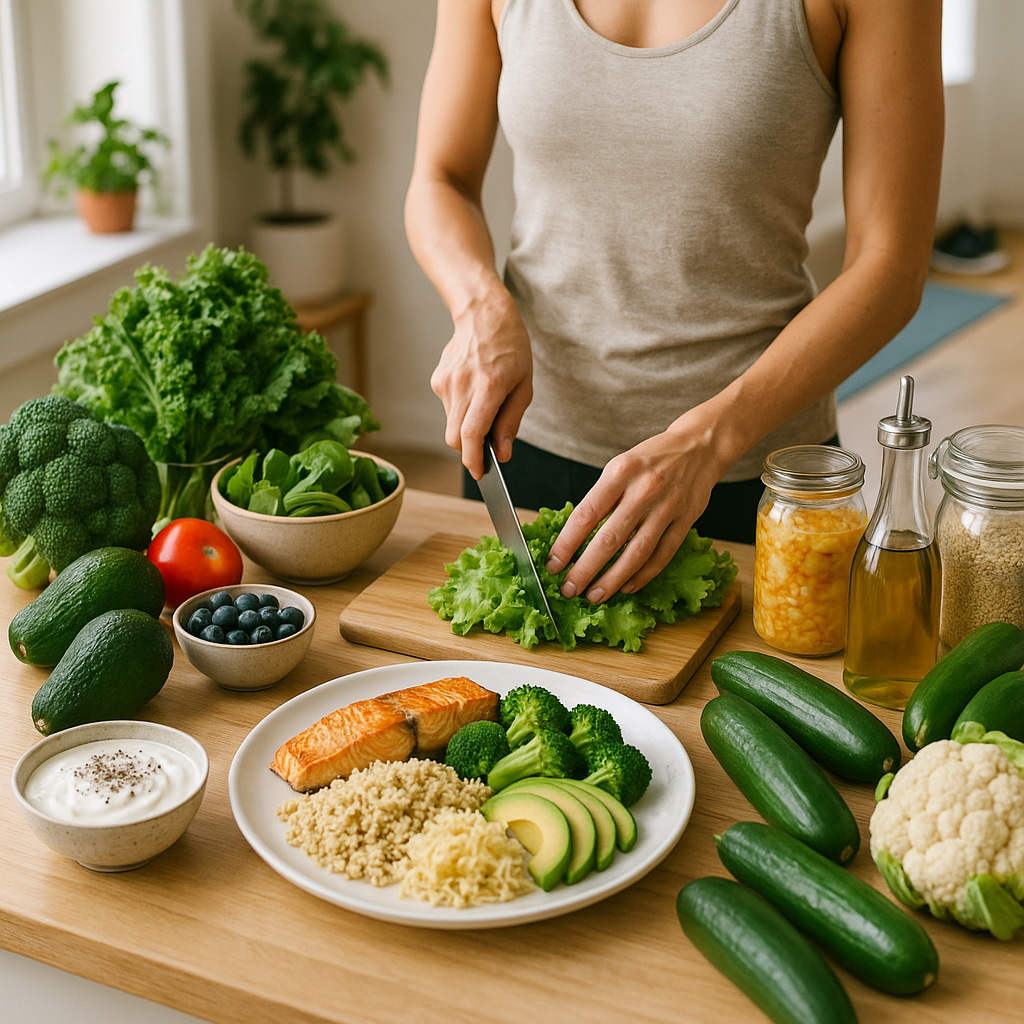
Asparagus and artichokes are especially valuable because they contain prebiotic fibers that help feed beneficial bacteria. Broccoli and cauliflower may also support detox pathways in the body, which can be useful in a broader detox diet approach. [IMAGE: healthy meal]
Organic fruit for fiber and digestive ease
Fruit can be a sweet, satisfying way to support gut health without relying on refined desserts. Choose organic berries, apples, pears, kiwi, oranges, and bananas. These offer fiber and phytonutrients that support a healthy digestive rhythm. Berries are especially valuable for their antioxidant content, while kiwi is often praised for helping support regularity.
If you are aiming for weight loss, portion awareness still matters. Fruit is nutritious, but pairing it with protein or healthy fat can help prevent blood sugar swings. For example, try organic berries with plain yogurt, or apple slices with almond butter. Why eat fruit in a way that leaves you hungry an hour later?
Fermented organic foods that add beneficial cultures
Fermented foods can be a game-changer for digestive balance when they are well tolerated. Consider incorporating small portions of organic options such as:
- Plain yogurt with live cultures
- Kefir
- Sauerkraut
- Kimchi
- Miso
- Tempeh
These foods may help diversify the bacteria in the gut and support a more resilient digestive environment. Start slowly, especially if you are sensitive to fermented foods, and pay attention to your body’s response. Clean eating is not about forcing your system into a pattern it hates; it is about learning what truly supports you.
Organic grains and legumes for steady digestion
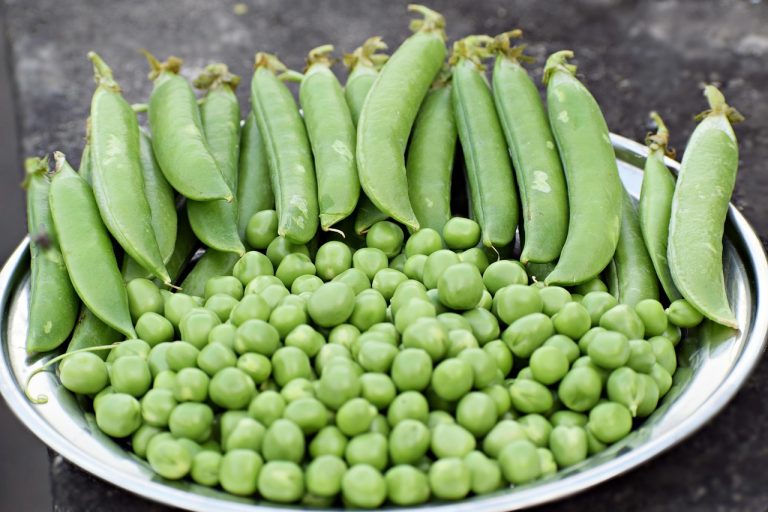
Whole grains and legumes are often misunderstood in diet culture, yet they can be excellent foods for gut health and weight loss when they fit your personal tolerance. Organic oats, quinoa, brown rice, lentils, chickpeas, and black beans provide fiber and sustained energy. They help create meals that feel grounded rather than spiky in blood sugar.
If beans have caused bloating in the past, start with smaller portions, rinse canned legumes thoroughly, or cook dried beans carefully. Many people find that better preparation improves digestion over time. A healthy diet should be adaptable, not rigid.
Healthy fats and protein that support balance
Healthy fats do more than add flavor. Avocados, chia seeds, flaxseeds, walnuts, olive oil, and organic eggs can support satiety and help with nutrient absorption. High-quality protein sources—such as organic poultry, eggs, Greek yogurt, tofu, tempeh, and wild fish—also play an essential role in weight loss and digestive stability.
Protein helps preserve muscle, which is important for metabolism. It also helps reduce the kind of constant hunger that leads people to overeat at night. If your meals are missing protein, ask yourself: are you nourishing your body, or merely feeding it enough to get by?
How Organic Eating Can Support Weight Loss Without Extreme Restriction
Weight loss becomes more sustainable when it focuses on nutrient density rather than deprivation. Organic food supports this approach because it often encourages better meal quality and a more mindful relationship with eating. Instead of counting every bite with anxiety, you build meals that naturally help you feel full and satisfied.
The biggest mistake many people make is treating weight loss like punishment. They slash calories, eliminate whole food groups, or rely on products that promise fast results but leave them tired and hungry. A cleaner approach works better in the long run because it respects the body’s real needs.
Why fiber is your ally
Fiber is one of the most powerful nutrients for both gut health and weight management. It slows digestion, supports regularity, and helps create fullness after meals. Organic vegetables, fruits, legumes, seeds, and whole grains can all help raise your daily fiber intake in a natural way.
When you consistently eat more fiber, you may notice fewer cravings and better control over portions. That can make a meaningful difference if your goal is gradual fat loss rather than rapid, unsustainable changes. The key is to increase fiber gradually and drink enough water so your digestion stays comfortable.
How clean eating reduces decision fatigue
One of the hidden benefits of clean eating is simplicity. The more your meals are built around whole organic food, the easier it becomes to make good choices. You do not have to debate every ingredient label or wonder whether a packaged snack is truly “healthy.” Real food makes the decision simpler.
This matters for weight loss because willpower is not infinite. When your kitchen is stocked with healthy organic options, you are less likely to default to less nourishing foods. In that sense, the environment you create at home can influence your results just as much as your workout routine.
Portion awareness without obsession
Organic food is not a license to overeat, and healthy eating is not about eating tiny portions all day. It is about creating balanced meals that satisfy hunger, stabilize energy, and fit your body’s needs. A plate built with vegetables, protein, healthy fat, and a measured portion of whole grains often works better than a random assortment of “healthy” snacks.
Try this simple question before eating: will this meal leave me nourished, or merely full? There is a meaningful difference. When your meals are truly nourishing, you tend to eat with more calm, less urgency, and fewer cravings later on.
Building a Gut-Friendly Organic Plate
If the idea of changing your diet feels overwhelming, start with the structure of your plate. That is where healthy habits become practical. You do not need to redesign your entire life overnight. You need a pattern that is easy to repeat.
A simple plate formula
For most people, a gut-friendly plate can look like this:
- Half the plate: organic non-starchy vegetables
- One quarter: quality protein
- One quarter: whole grains or starchy vegetables
- Added fats: olive oil, avocado, nuts, or seeds
This approach works because it provides fiber, protein, and healthy fats in a balanced way. It supports digestion and helps prevent energy crashes. It also gives you structure without creating rigid food rules.
Meal examples that feel realistic
A healthy meal does not have to be complicated. Here are a few examples of organic meals that support gut health and weight loss:
- Organic oatmeal topped with berries, chia seeds, and plain yogurt
- Grilled organic chicken with roasted broccoli, quinoa, and olive oil
- Lentil soup with carrots, celery, kale, and a side of sauerkraut
- Tofu stir-fry with asparagus, zucchini, brown rice, and sesame seeds
- Salmon with mixed greens, avocado, cucumber, and lemon dressing
These meals are not flashy, but they are effective. They provide the kind of steady fuel your body can use efficiently. That is the essence of clean eating: choosing foods that do more than fill a plate.
Snacks that help instead of hinder
Snacking is not the enemy. Unplanned, low-nutrient snacking is. If you need snacks between meals, make them purposeful. Good options include:
- Apple slices with almond butter
- Plain Greek yogurt with berries
- Carrot sticks with hummus
- A small handful of walnuts and pumpkin seeds
- Cucumber slices with guacamole
These choices support a healthy diet because they help maintain energy and satisfaction without flooding the body with sugar or refined starches. They can also prevent the extreme hunger that often leads to overeating later in the day.
The Role of Hydration in Digestion and Detox Diet Goals
Hydration is often overlooked, yet it is essential for healthy digestion. Water helps move fiber through the digestive tract, supports nutrient transport, and aids in the body’s natural detox processes. If you are eating more organic vegetables, whole grains, and legumes, but not drinking enough fluids, you may still experience bloating or sluggishness.
A balanced detox diet does not require extreme cleansing products or harsh restrictions. In many cases, the body simply needs enough water, fiber, rest, and consistent nourishment to do its job well. That is a much more sustainable approach than short-term detox trends.
Best hydration habits for a cleaner routine
Consider these simple practices:
- Start the day with a glass of water
- Drink water before meals to support appetite awareness
- Include herbal teas such as ginger, peppermint, or chamomile
- Eat water-rich organic foods like cucumber, lettuce, melon, and zucchini
- Limit sugary drinks that can disrupt gut balance
Hydration is one of the easiest ways to support a healthy lifestyle, and yet it is often the first habit people neglect. Could something so simple be one of the most powerful changes you make?
Natural digestive support from herbs and spices
Many herbs and spices can enhance flavor while supporting digestion. Ginger, fennel, turmeric, cinnamon, peppermint, and cumin are popular choices in organic kitchens for good reason. They can make meals more satisfying and may help reduce the heaviness that sometimes follows eating.
For example, ginger tea after a meal can feel soothing, while turmeric added to roasted vegetables or soups can add depth and a comforting warmth. These are small touches, but clean eating is often built from small, consistent actions rather than dramatic shifts.
Common Organic Diet Mistakes That Can Disrupt Gut Health
Even a well-intentioned organic diet can go off track if it becomes too narrow, too expensive, or too focused on trends. The goal is not to chase perfection. It is to avoid the mistakes that quietly sabotage progress.
Relying too heavily on packaged organic foods
Organic cookies, chips, frozen meals, and snack bars may sound healthier than conventional versions, but they are still often highly processed. Too many of these foods can crowd out the fiber, micronutrients, and beneficial compounds your gut needs. Clean eating works best when packaged foods are the exception, not the foundation.
If you read labels carefully, you may notice that some products are organic but still low in protein, high in sugar, or loaded with oils and additives. The organic label is helpful, but it is not the same as a nutrient-dense meal.
Cutting carbs too aggressively
Carbohydrates are not the problem when they come from quality sources. Your body and brain need them, and your gut bacteria often thrive on them. Removing too many carbs can lead to low energy, cravings, and digestive irregularity. Organic oats, sweet potatoes, beans, lentils, and fruit can all fit beautifully into a healthy diet.
If weight loss is your aim, focus on portion balance rather than elimination. Sustainable nutrition is usually more effective than drastic restriction.
Ignoring food tolerance and individual needs
What works for one person may not work for another. Some people do beautifully with yogurt and fermented foods, while others feel bloated or irritated. Some thrive on more legumes, while others need to introduce them slowly. Listening to your body is not optional—it is essential.
Pay attention to patterns. Which foods leave you energized? Which ones trigger discomfort? Which meals help you feel stable for hours? Those answers are more valuable than generic rules.
Not eating enough overall
Under-eating is a common issue in weight loss diets, especially when people try to be “good” all day and then end up ravenous at night. If your meals are too small, your body may respond with cravings, fatigue, and stress signals that can make healthy habits harder to maintain. A healthy lifestyle should feel sustainable, not depleting.
Organic food can help here because it often comes in satisfying, whole-food forms. But even the healthiest ingredients must be eaten in amounts that actually support your energy needs.
A Sample Day of Organic Eating for Gut Health and Weight Loss
Sometimes the best way to understand a strategy is to see it in action. Here is a simple, realistic day built around organic food, clean eating, and digestion-friendly choices.
Breakfast
Organic oatmeal cooked with cinnamon, topped with blueberries, chia seeds, and a spoonful of plain Greek yogurt. This meal gives you fiber, protein, and antioxidants to start the day with steady energy.
Lunch
A large salad made with organic spinach, cucumber, carrots, avocado, roasted chickpeas, and grilled chicken or tofu, finished with olive oil and lemon. This is light enough to digest comfortably but substantial enough to keep you satisfied.
Snack
An apple with almond butter or a small bowl of kefir with berries. This keeps hunger in check and adds more gut-friendly nutrients.
Dinner
Organic salmon, roasted broccoli, and quinoa with herbs. If you prefer a plant-based meal, lentil stew with vegetables is an excellent alternative. Both options support satiety, recovery, and digestive balance.
Evening support
Herbal tea, such as peppermint or chamomile, may help you wind down. A calm evening routine matters because stress can influence digestion as much as food choices do.
This type of day is not extreme, expensive, or difficult. That is precisely why it works. The best nutrition plan is the one you can repeat tomorrow.
The Connection Between Stress, Digestion, and Clean Eating
Stress can affect digestion in powerful ways. It may slow the digestive process, increase cravings, alter appetite, and make bloating more likely. This means that even if you eat excellent organic food, chronic stress can still interfere with how you feel. A truly healthy lifestyle addresses both nutrition and nervous system support.
Sleep, movement, breathwork, and time away from constant stimulation all help the body shift into a more digestively favorable state. When you eat in a rush, in front of a screen, or while mentally overloaded, your body may not process food as efficiently. Slowing down is a digestive strategy, not a luxury.
Simple stress-support habits
- Eat meals without multitasking when possible
- Take three slow breaths before you begin eating
- Chew thoroughly instead of rushing through meals
- Walk after meals to support digestion
- Prioritize sleep to regulate hunger and recovery
These habits do not cost anything, but they can change the way your body responds to food. That is the kind of nutrition support most people never hear about, even though it can be just as important as what is on the plate.
How to Make Organic Eating Affordable and Sustainable
Many people assume that organic food is out of reach, but a thoughtful approach can make it much more manageable. You do not need to buy everything organic at once. Start with the foods you eat most often or the produce you prefer raw. Then build from there.
Practical budget strategies
- Buy organic frozen vegetables and berries for convenience and value
- Shop seasonally for lower prices and better freshness
- Choose store brands that meet organic standards
- Use bulk bins for oats, seeds, rice, and legumes
- Plan meals before shopping to reduce waste
Meal prep can also save money and support consistency. When you prepare a tray of vegetables, a pot of grains, and a protein source in advance, healthy choices become easier during busy days. [IMAGE: fitness lifestyle]
Focus on progress, not perfection
A sustainable healthy diet is one you can maintain without feeling deprived. If you can only afford a handful of organic items each week, that still matters. If you begin by replacing one processed meal a day with a whole-food alternative, that still counts. Progress builds confidence, and confidence supports consistency.
This is especially important for weight loss. Extreme plans often fail because they are too difficult to maintain. A moderate, food-first approach has a better chance of becoming a long-term healthy lifestyle.
What a Gut-Friendly Clean Eating Routine Really Looks Like
Clean eating is not about living on plain chicken and steamed vegetables. It is about choosing nourishing foods in forms your body can use well. In practice, that means a routine built around regular meals, adequate protein, abundant produce, fermented foods when tolerated, and enough healthy fats to keep you satisfied.
It also means making space for real life. Meals with family, travel, social events, and occasional treats can all fit into a healthy plan when the overall pattern is strong. The goal is not a flawless week; it is a reliable pattern that supports digestion, energy, and your relationship with food.
Signs your routine is working
- Less bloating and discomfort after meals
- More stable energy throughout the day
- Improved regularity
- Fewer intense cravings
- Better satisfaction from balanced meals
If you are seeing some of these changes, your body is likely responding well to the new rhythm. If not, it may be time to adjust portion sizes, food choices, meal timing, or hydration. Nutrition is personal, and your plan should evolve with you.
Building Long-Term Results With Organic Food
The beauty of organic food lies in its ability to support more than one goal at once. It can help you improve digestion, reduce exposure to certain chemical residues, build a cleaner kitchen, and create a more mindful approach to eating. For many people, those benefits spill over into better weight management, steadier energy, and a deeper sense of control around food.
That is why a gut-friendly organic eating pattern is so appealing. It is not a quick fix. It is a framework that respects both health and enjoyment. When meals are colorful, satisfying, and based on real ingredients, healthy eating becomes less of a chore and more of a form of daily care.
So ask yourself: what would change if your plate consistently supported your gut, your energy, and your goals? That is the promise of a well-planned organic diet—not perfection, but momentum. And momentum, repeated day after day, is what turns a clean eating intention into lasting results.
If you are ready to keep building a healthier routine, explore more expert articles on DietOrganic for practical guidance on nutrition, detox diet strategies, organic meal ideas, and simple ways to make clean eating part of everyday life. The next step does not need to be dramatic; it only needs to be consistent.
About the Author