
If you have ever felt bloated after a meal, sluggish by midafternoon, or constantly hungry even though you are eating regularly, your gut may be asking for a different kind of care. A clean eating approach built around organic food can do more than support digestion; it can help you feel lighter, more energized, and more in control of your appetite. That is why so many people looking for a healthy diet and sustainable weight loss are turning to organic, minimally processed meals instead of chasing restrictive trends.
The idea is simple, but the results can be profound. When you fill your plate with organic vegetables, fiber-rich grains, gut-friendly fermented foods, and nourishing fats, you create an internal environment that supports better nutrition and everyday well-being. And the best part? This does not require extreme rules or a complicated detox diet. It starts with a few thoughtful changes that are realistic, satisfying, and easy to repeat.
So what does an organic food plan for gut health actually look like in real life? How can it fit into a busy schedule without feeling bland or expensive? And can a cleaner way of eating genuinely help with weight loss while still feeling generous and enjoyable? Let’s explore the science, the practical habits, and the meals that can help you build a healthier relationship with food from the inside out.
Why Gut Health Matters More Than Most People Realize
Your gut is not just where food gets processed. It is one of the body’s most important systems for energy regulation, immune support, hormone balance, and nutrient absorption. If your digestion is off, everything can feel a little harder. You may notice cravings, unstable energy, skin issues, or a sense that your healthy lifestyle efforts are not fully paying off.
A well-supported digestive system helps you absorb more from the food you eat. That means the vitamins, minerals, antioxidants, and amino acids in your organic food are more likely to be used effectively. It also means your body may be better equipped to regulate appetite and maintain steadier blood sugar levels, both of which matter when your goal is weight loss without burnout.
The gut and the microbiome
Your gut houses trillions of microbes, often called the microbiome. Some of these microbes are associated with better digestion and more stable metabolism, while others become problematic when they are overfed by highly processed foods, excess sugar, and poor dietary variety. The more diverse and plant-forward your nutrition is, the more likely your gut ecosystem is to thrive.
That is where clean eating becomes especially powerful. Organic fruits, vegetables, legumes, seeds, and whole grains provide the kind of fiber that feeds beneficial bacteria. Fermented foods add naturally occurring cultures. Together, they support a more resilient digestive environment. Have you noticed how a varied plate often feels more satisfying than a narrow one? That is not just a psychological effect; your body often responds positively to real nutritional diversity.
Digestion, cravings, and energy
Many people assume cravings are purely about willpower. In reality, they are often connected to blood sugar swings, stress, sleep quality, and incomplete meals. When your diet lacks enough fiber, protein, and healthy fats, hunger can return quickly, and you may reach for convenience foods that do not leave you feeling truly nourished.
A cleaner pattern of eating can change that cycle. Meals built around organic food tend to be more filling because they are naturally richer in water, fiber, and micronutrients. That can translate into fewer energy crashes and more stable appetite control. If your goal is weight loss, that matters. Sustainable progress usually comes from feeling satisfied enough to stay consistent, not from constant restriction.
Why Organic Food Can Be a Smart Choice for the Gut
Choosing organic food does not mean every bite will magically transform your health. But it can reduce exposure to certain pesticides, encourage a more whole-food-based eating pattern, and make it easier to prioritize quality ingredients. For many people, that shift is enough to improve daily digestion and support a healthier lifestyle.
There is also an important behavioral effect. When people commit to buying more organic produce and minimally processed staples, they often start cooking more at home. They read labels more carefully. They snack more intentionally. In other words, the choice to go organic often supports clean eating in a broader sense, which can be just as valuable as any single food.
Lower exposure, cleaner choices
While research is ongoing and the details can be nuanced, many consumers prefer organic produce because it is grown without synthetic pesticides and is often less likely to carry residues associated with conventional farming practices. Whether your main concern is environmental stewardship or personal nutrition, the organic aisle can help you make choices that feel more aligned with a clean eating philosophy.
For someone focused on a detox diet or a gut-friendly reset, reducing unnecessary additives and emphasizing simpler ingredients can be a meaningful step. Your body already has powerful detoxification systems through the liver, kidneys, lungs, skin, and digestive tract. The role of diet is not to force cleansing through extremes, but to support those systems with nutrients, hydration, and balance.
Fresher meals, better habits
Organic food often encourages a fresher style of cooking. You are more likely to shop for seasonal produce, make meals from scratch, and eat foods closer to their natural state. These habits are associated with better nutrition overall because they shift the focus away from packaged products and toward real ingredients.
There is also a psychological benefit. Cooking with fresh vegetables, herbs, and whole foods can make healthy eating feel more rewarding and less like a chore. When food tastes vibrant, you are more likely to stick with the pattern. And when you stick with the pattern, results often follow—whether your goal is weight loss, improved digestion, or simply feeling better every day.
Fermented organic foods and digestion
Fermented foods deserve special attention in any gut health discussion. Organic yogurt, kefir, sauerkraut, kimchi, miso, and tempeh can all contribute beneficial bacteria or fermentation byproducts that support digestive balance. Not everyone tolerates every fermented food the same way, so start slowly and pay attention to how your body responds.
If you are new to fermented foods, begin with a small serving. A spoonful of sauerkraut alongside lunch, a small glass of kefir with breakfast, or a few bites of kimchi with dinner can be enough to begin. Gut health is not built in one dramatic day; it is shaped by steady, sensible choices over time.
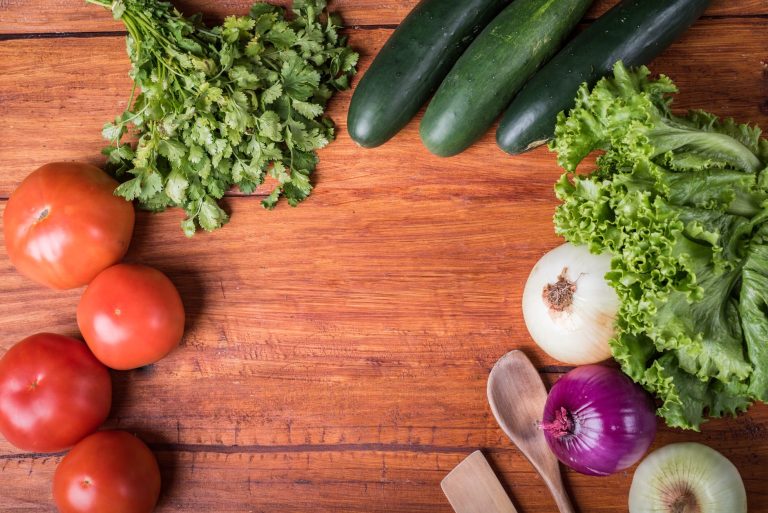
[IMAGE: organic vegetables]
Best Organic Foods for Gut Health and Clean Eating
When people hear the word healthy diet, they often imagine complicated recipes or long lists of rules. In practice, the most effective food choices are usually the simplest ones: real produce, whole grains, quality proteins, legumes, and fermented foods. These are the ingredients that support digestion without making meals feel stripped down or unsatisfying.
Below are some of the most valuable organic foods for gut health and weight loss support. Each one contributes something slightly different, which is exactly why variety matters so much.
1. Leafy greens
Spinach, kale, arugula, Swiss chard, and romaine are easy wins for clean eating. They are low in calories but rich in fiber, folate, magnesium, and antioxidants. They also pair well with proteins and healthy fats, which makes them easy to use in salads, sautés, smoothies, and soups.
Try adding one extra handful of leafy greens per day. It may sound small, but consistency beats intensity. Over time, that habit supports better nutrition and helps meals feel more balanced.
2. Cruciferous vegetables
Broccoli, cauliflower, Brussels sprouts, cabbage, and bok choy are often praised for their nutrient density. They provide fiber and compounds that support overall cellular health. For some people, these vegetables may be a little gassy at first, especially if digestion is sensitive. The solution is usually not to avoid them forever, but to cook them gently and introduce them gradually.
Roasted cauliflower with olive oil, steamed broccoli with lemon, and cabbage slaw with a yogurt-based dressing can all be delicious ways to include them without overcomplicating dinner.
3. Berries
Blueberries, raspberries, strawberries, and blackberries are among the best organic foods for anyone seeking a healthy lifestyle. They deliver fiber, antioxidants, and natural sweetness without the sugar load of many processed snacks. A bowl of berries can satisfy a sweet craving while still fitting into a weight loss-friendly eating pattern.
They are especially useful in breakfast bowls, yogurt parfaits, and simple desserts. When you want something refreshing and light, berries are hard to beat.
4. Oats and other whole grains
Organic oats, quinoa, brown rice, buckwheat, and millet offer slow-digesting carbohydrates that help support energy and satiety. Oats are particularly valuable because they contain soluble fiber, which can help feed beneficial gut bacteria and promote smoother digestion.
For a clean eating breakfast, overnight oats with chia seeds, berries, and plain yogurt can be a strong choice. For lunch or dinner, a grain bowl with greens, vegetables, and protein creates a meal that feels complete instead of skimpy.
5. Chia seeds and flaxseeds
These tiny seeds pack a serious nutritional punch. They contain fiber and healthy fats that support digestion and help meals feel more satisfying. Chia seeds absorb liquid and form a gel-like texture, which can be useful for breakfast puddings or thick smoothies. Ground flaxseeds are easy to mix into oatmeal, yogurt, or baked goods.
If you are trying to improve digestion, remember that more fiber is not always better all at once. Start with small amounts and increase gradually, especially if your diet has been low in fiber for some time.
6. Organic yogurt and kefir
Plain organic yogurt and kefir can be excellent additions to a gut-friendly diet, provided you tolerate dairy well. They offer protein, calcium, and often live cultures that support the microbiome. Choose unsweetened versions when possible so you can control the flavor with fruit, cinnamon, or a touch of honey.
If dairy does not work for you, unsweetened coconut or almond-based fermented options can still fit a clean eating plan. The goal is to choose foods that your body can use comfortably and consistently.
7. Garlic, onions, and leeks
These aromatic vegetables add depth to meals and also contain prebiotic compounds that can help nourish beneficial gut bacteria. They are small ingredients with big potential. Sauté them at the start of soups, stir-fries, and sauces to build flavor without relying on excess salt or packaged seasonings.
For sensitive stomachs, you may need to cook them thoroughly or use smaller portions. You do not need to force intensity to enjoy their benefits.
8. Legumes
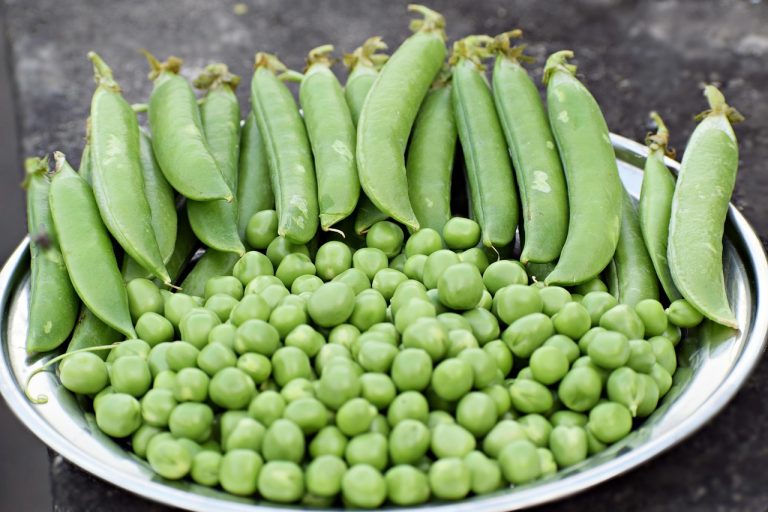
Lentils, chickpeas, black beans, and white beans are affordable, filling, and rich in fiber and plant-based protein. They are a foundational food for anyone interested in organic meal planning, especially if weight loss is part of the goal. Beans can help reduce the need for constant snacking because they create a slower, steadier release of energy.
If legumes are new to your routine, begin with smaller servings and rinse canned versions well. You can also pair them with digestive-friendly herbs like ginger, cumin, or fennel.
A simple gut-friendly shopping priority list
- Organic leafy greens for salads and smoothies
- Seasonal vegetables for roasting and soups
- Fresh berries for snacks and breakfast
- Oats or quinoa for easy meal bases
- Plain yogurt or kefir for breakfast and snacks
- Lentils, chickpeas, or beans for filling meals
- Seeds and nuts for texture and healthy fats
- Fresh herbs, garlic, and onions for natural flavor
[IMAGE: healthy meal]
How Clean Eating Supports a Healthier Digestive Rhythm
Clean eating is not about perfection. It is about lowering the noise in your diet so your body can focus on nourishment rather than processing too many additives, excess sugar, and highly refined ingredients. When meals become more recognizable, digestion often feels easier too.
This does not mean every meal needs to be ideal. It means the overall pattern should lean toward whole foods most of the time. Think about your week, not just your next bite. If most meals contain organic food, quality protein, fiber, and healthy fats, the occasional treat is much less likely to throw you off.
Build a plate that works for you
A simple clean eating plate often includes three elements: vegetables or fruit, a quality protein, and a smart carbohydrate or fat source. That balance supports satiety, blood sugar stability, and a calmer digestive experience.
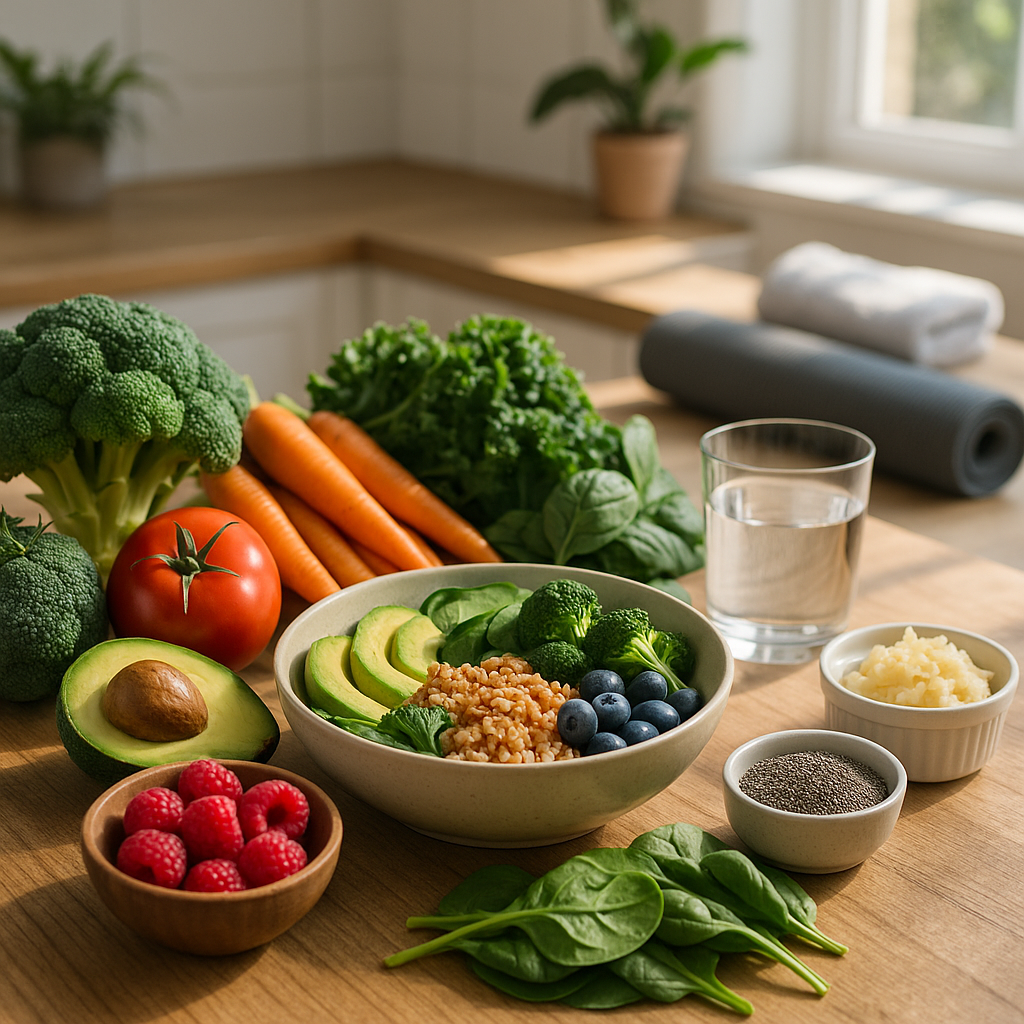
For example, a lunch of quinoa, roasted vegetables, chickpeas, avocado, and a lemon-herb dressing is both practical and satisfying. It is also easier to prepare than people often assume. Does a meal like that feel more complicated than your usual lunch? In reality, it can be assembled in minutes with basic prep.
Breakfast, lunch, and dinner ideas
Organic breakfast ideas for energy may include overnight oats with chia and berries, an egg scramble with greens, or yogurt with fruit and seeds. Lunch could be a grain bowl, soup and salad, or a tuna and avocado plate with vegetables. Dinner might be salmon with roasted broccoli and sweet potato, tofu stir-fry with brown rice, or lentil soup with a side salad.
These meals are not flashy, but they work. They give your body what it needs without creating the heavy feeling that often follows ultra-processed foods.
Easy swaps that support digestion
- Replace sugary cereal with oats or chia pudding
- Swap creamy packaged dressings for olive oil and lemon
- Choose plain yogurt instead of sweetened dessert-style cups
- Use whole fruit instead of fruit snacks or juice
- Trade chips for roasted chickpeas or sliced vegetables
- Choose sparkling water with citrus instead of sugary drinks
Why meal timing matters too
Even the best organic food can feel heavy if meals are rushed, irregular, or eaten in a stressed state. Digestion is influenced by more than ingredients. Your posture, breathing, pace of eating, and stress level all matter.
Try sitting down for meals when possible. Chew thoroughly. Avoid scrolling through work emails while you eat. These are not glamorous habits, but they help your body recognize that it is time to digest rather than stay in fight-or-flight mode.
[IMAGE: fitness lifestyle]
A Detox Diet That Supports the Body Instead of Shocking It
Detox diet headlines often promise rapid transformation, but most extreme cleanse plans are unnecessary and unsustainable. Your body already has a sophisticated detox system. What it needs from food is support, not punishment. That support comes from hydration, fiber, antioxidants, adequate protein, and steady movement.
Think of a gut-friendly detox diet as a reset, not a cleanse in the dramatic sense. You are reducing the burden of ultra-processed foods, alcohol, excess sugar, and constant snacking, while increasing the foods that help your system work smoothly. That is a very different proposition from starving yourself or relying on trendy powders.
What to emphasize during a reset
- Water and herbal teas to support hydration
- Vegetable-heavy meals for fiber and volume
- Protein at each meal to stabilize hunger
- Fermented foods in small amounts if tolerated
- Healthy fats like olive oil, avocado, and seeds
- Gentle movement such as walking or stretching
What to reduce without being extreme
If you want to feel lighter and improve digestion, begin by reducing the foods most likely to cause discomfort: heavy fried meals, large amounts of added sugar, alcohol, and ultra-processed snacks. You do not need to ban them forever. You simply need more space on your plate for food that truly nourishes you.
Ask yourself this: after you eat, do you feel energized and clear, or foggy and overfull? That simple question can help you identify which foods help and which ones tend to drag you down.
Hydration is not optional
Many digestive complaints are made worse by dehydration. Fiber needs fluid to do its job properly. Without enough water, a high-fiber diet may feel uncomfortable instead of supportive. If you are eating more vegetables, legumes, and seeds, be sure to drink enough throughout the day.
Plain water is excellent, but herbal teas, cucumber water, and warm lemon water can also help create a soothing routine. The aim is consistency, not a magic potion.
Common Organic Diet Mistakes to Avoid
Even people with the best intentions can fall into patterns that make healthy eating harder than it needs to be. The most common mistake is assuming that organic automatically means balanced. A bag of organic chips is still a processed snack. Organic sugar is still sugar. Clean eating depends on context, not labels alone.
Another common issue is trying to change too much too fast. A sudden increase in fiber, a large jump in fermented foods, or an overly strict detox diet can create discomfort. When the body feels shocked, it is harder to stay consistent. A better approach is gradual improvement with room for adjustment.
Watch for these pitfalls
- Buying organic versions of highly processed foods and assuming they are automatically healthy
- Skipping protein and relying only on salads or smoothies
- Increasing fiber too aggressively without enough water
- Using restrictive rules that create stress and rebound eating
- Ignoring sleep, movement, and stress management while focusing only on food
Do not forget the bigger picture
Nutrition is powerful, but it is not the only piece of the healthy lifestyle puzzle. Sleep, stress, and movement all influence digestion and weight loss. If you are eating clean but not sleeping enough, your cravings may still be intense. If you are eating organic but living in a constant state of stress, your gut may still feel unsettled.
So the real question becomes: what simple habit can you improve this week? More sleep? A daily walk? Fewer packaged snacks? Better hydration? Small wins accumulate faster than people expect.
How Organic Food Can Support Weight Loss Without Making You Miserable
Weight loss works best when the plan is sustainable. Organic food can support that process because it tends to be less calorie-dense and more nutrient-rich than ultra-processed convenience meals. When your plate is built around vegetables, lean proteins, legumes, and whole grains, you usually feel more satisfied with fewer empty calories.
That does not mean you should eat tiny portions or fear fat. In fact, healthy fats are important for flavor and satiety. The goal is not to eat less food in a dramatic sense; it is to eat better-quality food that helps your appetite regulate naturally.
Why satiety matters more than strict control
A satisfying meal prevents the kind of hunger that leads to overeating later. Organic food can help here because it often comes in forms that are easier to build into balanced meals: vegetables, fruit, legumes, eggs, nuts, seeds, and whole grains. These foods keep digestion active and help meals last longer in your system.
When a meal leaves you stable for several hours, you are less likely to reach for random snacks or sugary drinks. That is how a healthy diet supports weight loss in a real-world way: by making the next choice easier.
Smart portions without obsessing
You do not need to count every leaf of spinach. Instead, focus on a structure that feels intuitive. Fill half your plate with vegetables or fruit, a quarter with protein, and a quarter with whole grains or starchy vegetables, then add a little healthy fat. This approach can be adjusted for your appetite, activity level, and personal goals.
If you are active or trying to maintain energy for training, you may need more carbohydrate than someone who is more sedentary. If your digestion is sensitive, you may need smaller meals more often. Clean eating should adapt to you, not force you into a rigid template.
Movement helps the digestive story
Even a brisk 20-minute walk after meals can support blood sugar balance and digestion. Combined with an organic food pattern, regular movement can make weight loss feel more achievable and less exhausting. You do not need an intense fitness regime to support your gut, but you do need enough movement to keep the body responsive and engaged.
Think of food and movement as partners. One nourishes, the other helps use that nourishment effectively. Together they can create a powerful foundation for lasting change.
Organic Meal Prep Ideas for Busy People
One of the biggest reasons people struggle to eat well is not a lack of knowledge. It is a lack of preparation. When you are tired, busy, and hungry, the easiest option usually wins. Meal prep closes that gap by making healthy choices convenient before the week gets hectic.
The best meal prep is simple, repeatable, and flexible. It should not feel like you are spending your entire Sunday cooking. Instead, focus on preparing ingredients that can be mixed and matched into different meals.
Prep once, build several meals
Start by roasting a tray of vegetables, cooking one grain, preparing one protein source, and washing greens. That alone can give you the base for multiple lunches and dinners. Add a sauce or dressing, and the flavor profile changes enough to keep things interesting.
For example, roasted sweet potatoes, quinoa, chickpeas, and greens can become a warm bowl one day and a salad the next. Swap tahini dressing for lemon-olive oil vinaigrette, and the meal feels new without requiring more effort.
One-hour prep checklist
- Wash and dry greens
- Roast two or three vegetables
- Cook a grain like oats, rice, or quinoa
- Prepare a protein such as eggs, beans, chicken, tofu, or salmon
- Make one simple dressing
- Portion fruit, yogurt, or nuts for snacks
Snack smarter, not endlessly
Healthy snacking can support energy, but grazing all day often backfires. A better strategy is to choose snacks that contain fiber or protein so they actually satisfy you. Organic food makes this easy when you keep the right ingredients on hand.
Good options include an apple with nut butter, plain yogurt with berries, hummus with vegetables, roasted pumpkin seeds, or a small handful of nuts. These snacks support clean eating without turning into a second lunch.
How to Make This Approach Sustainable for the Long Term
The real test of any healthy diet is not whether it works for three days. It is whether you can live with it. That is why sustainability should guide your choices more than perfection or trends. A gut-friendly organic food pattern should feel nourishing, flexible, and realistic for your budget and schedule.
Start with the habits that give you the biggest return. For many people, that means better breakfasts, more vegetables, fewer sugary drinks, and a weekly meal prep session. You do not need to overhaul everything at once.
Choose progress over perfection
If you eat out one night, that does not cancel a week of good choices. If you skip a meal prep session, that does not mean your healthy lifestyle has failed. The most effective nutrition plans are forgiving enough to survive real life. They are built on pattern, not punishment.
Ask yourself: can I repeat this on a busy Tuesday? Can I enjoy this when I am tired? Can I afford it, at least most of the time? If the answer is yes, you are probably onto something sustainable.
Make your kitchen do more work for you
Keep a few core organic staples on hand at all times: oats, greens, eggs, beans, berries, yogurt, olive oil, frozen vegetables, and one or two easy proteins. When your kitchen is stocked well, healthy choices become less dependent on motivation and more dependent on routine.
This is one reason many people see progress when they switch to a more organized eating style. Their environment changes, and their habits follow.
As your meals become simpler, cleaner, and more satisfying, you may notice that your digestion feels calmer and your energy becomes more reliable. That is the quiet power of organic food, clean eating, and a healthy diet built around real nourishment rather than restriction. Keep experimenting, keep listening to your body, and keep making the next meal a little better than the last. If you want more practical guidance on organic nutrition, weight loss, and a healthier lifestyle, there is plenty more to explore across DietOrganic.
About the Author