
When people think about improving digestion, they often focus on probiotics, fiber, or cutting back on heavy meals. Those ideas matter, but there is a bigger story behind gut health that many healthy diet plans overlook: the quality of the food itself. Choosing organic food can make clean eating feel more intentional, more satisfying, and in many cases, easier on the digestive system. If your goal is better nutrition, a calmer stomach, more energy, and even steady weight loss, the foods you buy may be just as important as the recipes you make.
Your gut is constantly working. It breaks down food, absorbs nutrients, communicates with the immune system, and helps regulate how you feel throughout the day. Have you ever noticed that one meal leaves you light and energized while another leaves you bloated and sluggish? That difference is often tied to ingredient quality, food freshness, and how much your body has to work to process what you eat. A well-built organic diet does not promise perfection, but it can reduce unnecessary exposure to pesticides, additives, and overly processed ingredients that often interfere with a balanced healthy lifestyle.
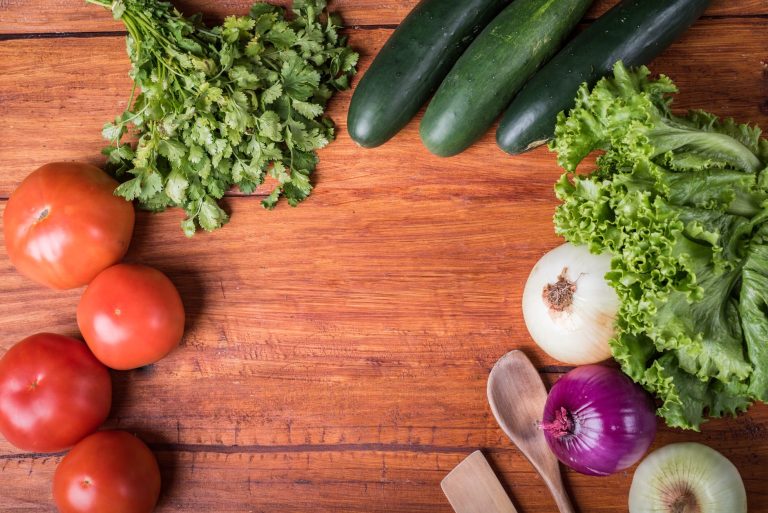
[IMAGE: organic vegetables]
For readers who are trying to lose weight or reset their eating habits, gut health is a powerful place to begin. When digestion is steady, appetite becomes easier to manage, cravings often feel less intense, and meals can be more satisfying without being excessive. That is one reason clean eating is so closely linked with weight loss success. Instead of chasing a strict detox diet or a trendy plan that feels impossible to maintain, many people find better results by focusing on organic food choices that support the digestive system every single day.
In this guide, you will discover how organic food supports gut health, which foods deserve a place on your plate, what to limit, and how to build a practical eating routine that feels realistic rather than restrictive. Whether you want to improve digestion, support a healthy lifestyle, or simply make smarter choices at the grocery store, this is the kind of nutrition guidance that can genuinely change how you feel.
Why Gut Health Matters More Than Most People Realize
The digestive system does far more than process lunch and dinner. It influences how well you absorb vitamins and minerals, how stable your energy feels, and how your body responds to inflammation. A healthy gut environment can also support mood, immunity, and metabolism. That means gut-friendly eating is not just a wellness trend; it is a foundation for long-term health.
Think of the gut as a busy command center. When it is overwhelmed by poor-quality food, highly refined sugars, artificial additives, or ingredients that are difficult to digest, the entire system can become less efficient. Bloating may increase, bathroom habits may change, and hunger signals may become unreliable. On the other hand, when the digestive system is supported with organic food, fiber, hydration, and balanced meals, many people notice better comfort and more predictable energy.
The Gut and Weight Loss Connection
Many people approach weight loss with a narrow focus on calories alone. Calories matter, but so does how food affects digestion, appetite, and satiety. A gut that is consistently irritated or imbalanced may send mixed signals that make overeating more likely. Poor digestion can also lead to discomfort that discourages movement, meal planning, and consistency.
That is where clean eating becomes valuable. When meals are built around whole organic food, your body receives more natural nutrients and fewer ingredients that may disrupt digestive comfort. This can make it easier to stay consistent with a weight loss plan because the food feels nourishing instead of draining. Have you ever tried to stick with a healthy diet only to feel tired, bloated, or hungry an hour later? That is often a sign that the meal composition, not your willpower, needs to change.
How Organic Food Can Help Support Digestion
Organic food is not magic, but it often offers practical advantages. Organic fruits and vegetables are typically grown without synthetic pesticides and with more attention to soil quality. For many people, this means fewer residues and a cleaner overall eating pattern. Organic dairy, eggs, grains, and proteins may also fit more comfortably into a gut-friendly plan because they are usually chosen more intentionally than ultra-processed convenience foods.
The real benefit comes from the whole pattern. A diet rich in organic food tends to be more plant-forward, more fiber-rich, and less dependent on additives that can make digestion unpredictable. This is why many nutrition experts recommend an organic approach as part of a long-term healthy lifestyle rather than a short-lived detox diet.
The Best Organic Foods for Gut Health
If you want to build a meal plan that supports digestion, start with foods that are naturally nutrient-dense and easy to turn into balanced meals. The goal is not to eat perfectly. The goal is to eat in a way that gives your gut the raw materials it needs to function well.
1. Organic Leafy Greens
Spinach, kale, arugula, and romaine are all excellent additions to a gut-friendly plate. These greens provide fiber, water, and key micronutrients that help keep digestion moving. They are also light enough to pair with nearly any meal, from smoothies to salads to omelets.
Why choose organic? Leafy greens are among the produce items most likely to carry pesticide residue when grown conventionally. Going organic can be a wise choice if you eat them often, especially in raw salads or smoothies where there is no cooking process to reduce exposure.
- Add spinach to morning eggs or smoothies
- Use kale as a base for grain bowls
- Mix arugula into sandwiches for a peppery bite
2. Organic Berries
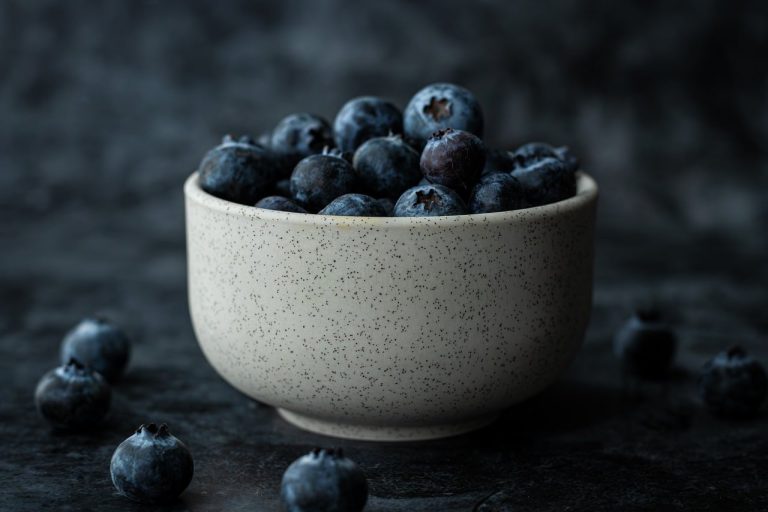
Blueberries, raspberries, blackberries, and strawberries are rich in antioxidants and fiber, which makes them excellent for both gut health and clean eating. Their natural sweetness can also help reduce reliance on sugary snacks that may destabilize energy and digestion.
Berries work beautifully in yogurt bowls, overnight oats, salads, and smoothies. If you are trying to support weight loss without feeling deprived, berries are one of the best organic food choices you can make. They feel indulgent while still aligning with a healthy diet.
3. Organic Apples and Pears
Apples and pears provide soluble fiber that helps keep digestion regular. They are portable, affordable, and versatile, making them a smart addition to a balanced nutrition routine. Their fiber content may also help support fullness, which can be useful if your goal is long-term weight loss.
Try eating them with nut butter, slicing them into salads, or baking them with cinnamon for a simple dessert that feels comforting without being heavy.
4. Organic Fermented Foods
Fermented foods are often discussed in gut health conversations for good reason. Foods like sauerkraut, kimchi, kefir, and plain yogurt can contain beneficial cultures that support digestive balance. Not all fermented foods are created equal, however, so look for versions with minimal ingredients and no unnecessary sugar.
Organic fermented foods are especially appealing because they combine a cleaner ingredient profile with gut-friendly preparation. If you are sensitive to heavily processed foods, this combination can feel especially supportive.
5. Organic Oats
Oats are a simple, affordable, and filling foundation for a healthy breakfast. Their fiber content can help support regularity and satiety, making them useful for both digestion and weight loss. Organic oats are an easy upgrade because they are widely available and can be used in breakfast bowls, baked goods, and savory recipes.
To make oats more gut-friendly, pair them with berries, seeds, or unsweetened yogurt. That combination provides fiber, healthy fats, and protein, which helps create a more stable blood sugar response.
6. Organic Seeds and Nuts
Chia seeds, flaxseeds, pumpkin seeds, almonds, and walnuts bring fiber, healthy fats, and satisfying texture to meals. Chia and flax in particular can support regular digestion because of their fiber content. Seeds are also easy to add to smoothies, salads, oatmeal, and yogurt bowls.
When shopping, choose raw or lightly roasted options without excessive salt, sugar, or refined oils. Simple ingredients are often better for gut comfort and long-term healthy lifestyle habits.
7. Organic Root Vegetables
Carrots, sweet potatoes, beets, and squash are nourishing, naturally sweet, and easy to digest for many people. They provide fiber and a satisfying texture that works especially well in roasted dishes and soups. If you are easing into clean eating, root vegetables can help make meals feel hearty without relying on processed starches.
Organic root vegetables are also a smart choice because they grow in soil, which makes people more conscious about pesticide exposure and soil quality. Roasting them with olive oil and herbs creates a meal that is simple, comforting, and gut-friendly.
8. Organic Herbs and Spices
Fresh herbs like parsley, cilantro, basil, and mint can do more than enhance flavor. Spices such as ginger, turmeric, cinnamon, and fennel may support digestion and make healthy meals more enjoyable. When food tastes satisfying, you are more likely to stay consistent with a nutrition plan.
Have you ever found yourself reaching for takeout because homemade food felt boring? Often, the issue is not time or effort but flavor. Herbs and spices can transform basic ingredients into meals you genuinely look forward to eating.
Foods That May Disrupt Gut Comfort
Supporting gut health is not just about adding the right foods. It also involves reducing the foods that make the digestive system work harder than necessary. You do not need to eliminate every indulgence forever, but being selective can make a meaningful difference.
Highly Processed Snack Foods
Packaged snacks often contain refined flour, excess sodium, artificial flavors, and ingredients that offer little nutritional value. These foods are easy to overeat and rarely keep you satisfied for long. They may also crowd out the fiber and nutrients needed for regular digestion.
Excess Added Sugar
Too much sugar can affect blood sugar stability, cravings, and overall energy. Over time, a high-sugar pattern may make it harder to maintain a healthy diet because hunger returns quickly and meals feel less balanced. Choosing organic food does not automatically mean sugar-free, so read labels carefully when buying yogurt, granola, sauces, and beverages.
Artificial Sweeteners and Additives
Some people tolerate these ingredients well, but others notice bloating or discomfort. If your goal is a cleaner eating pattern, simplifying ingredient lists can be a useful experiment. Focus on foods that are easy to recognize and easy to digest.
Heavy Fried Foods
Deep-fried meals are not ideal for a gut-focused routine because they can feel heavy and slow to process. If you enjoy crunchy textures, consider baking, roasting, or air-frying organic vegetables and proteins instead. You can still enjoy satisfying meals without making digestion work overtime.
How to Build a Gut-Friendly Organic Plate
One of the most practical ways to improve digestion is to use a simple meal formula. This removes guesswork and makes clean eating easier to repeat day after day. A balanced plate does not need to be complicated. It only needs to combine the right textures and nutrients in a way your body can handle comfortably.
The Ideal Plate Formula
Try building meals with the following structure:
- Half the plate: organic vegetables or leafy greens
- One quarter: organic protein such as eggs, yogurt, tofu, chicken, fish, or legumes
- One quarter: organic whole grains or starchy vegetables
- Small add-on: healthy fats from avocado, olive oil, nuts, or seeds
This approach works because it provides fiber, protein, and steady energy without overwhelming the digestive system. It also supports weight loss by helping meals feel satisfying without becoming oversized.
A Sample Gut-Friendly Meal
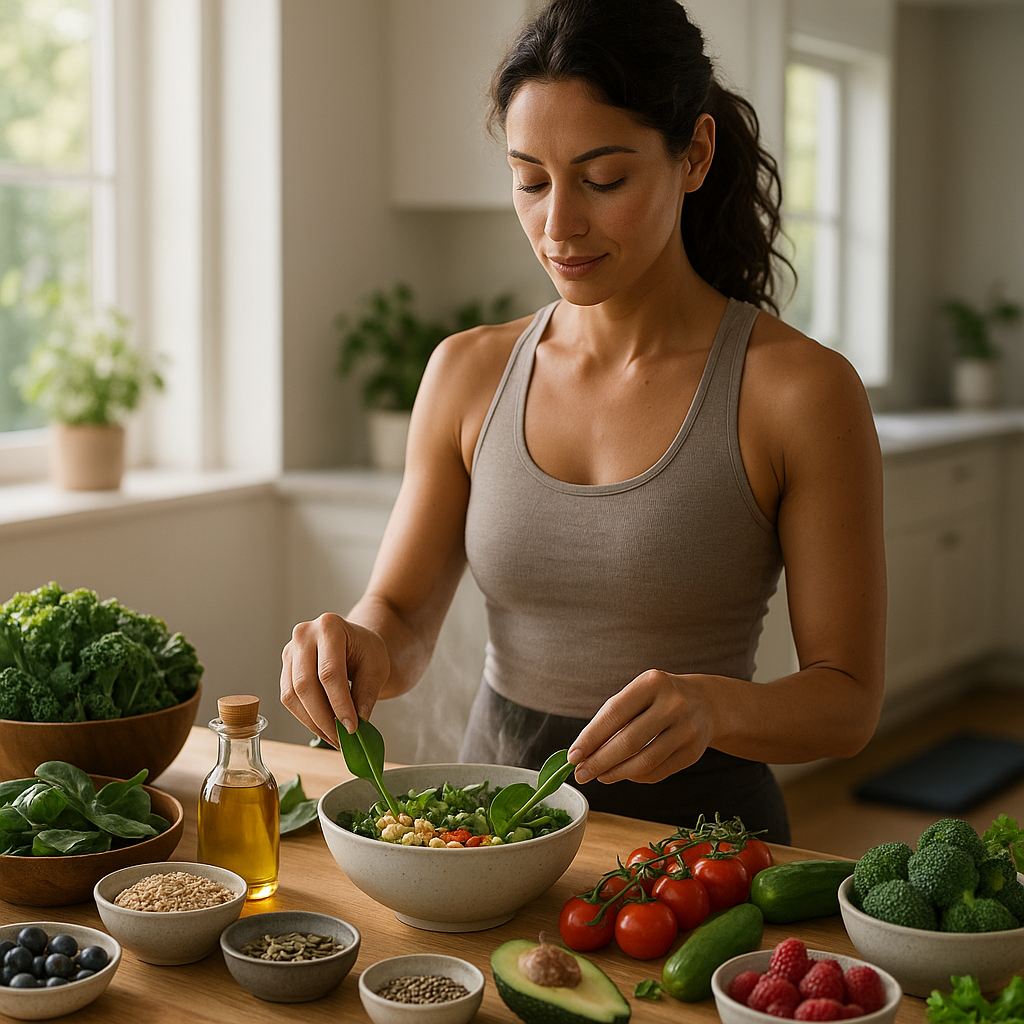
[IMAGE: healthy meal]
Imagine a bowl made with quinoa, roasted sweet potatoes, grilled salmon or chickpeas, spinach, cucumber, avocado, and a lemon-olive oil dressing. This kind of meal is colorful, filling, and nutrient-dense. It feels like a real meal, not a diet punishment. That matters, because sustainable nutrition depends on meals you actually want to eat.
Why This Works Well
The vegetables provide fiber and micronutrients. The protein supports fullness and repair. The fats help with satiety and flavor. The grains or starches provide energy without the crash that often follows refined carbohydrates. Together, these elements create a balanced meal that supports gut health and a stable healthy lifestyle.
Organic Meal Ideas for Better Digestion
People often say they want to eat better, but what they really need is a few reliable meal ideas they can repeat without stress. Consistency beats novelty when it comes to nutrition. Here are some practical options that make organic food easy to enjoy.
Breakfast Ideas
- Organic oats topped with berries, chia seeds, and cinnamon
- Greek yogurt with flaxseed, sliced pear, and walnuts
- Spinach and mushroom omelet with a side of avocado
- Smoothie with organic greens, frozen fruit, yogurt, and ginger
A good breakfast should leave you energized, not sluggish. If your current morning meal makes you hungry again within an hour, it may be too low in protein or fiber. Better balance can improve both digestion and focus.
Lunch Ideas
- Mixed greens with roasted vegetables, lentils, and pumpkin seeds
- Chicken or tofu grain bowl with quinoa, cucumber, carrots, and tahini
- Vegetable soup with a side salad and whole-grain toast
- Turkey or hummus wrap with spinach and shredded cabbage
Lunch is the perfect time to add a wide variety of organic vegetables. The more colors you include, the more nutrients you tend to get. That is not just a visual trick; it is one of the easiest ways to improve nutrition without obsessing over numbers.
Dinner Ideas
- Roasted salmon, asparagus, and sweet potatoes
- Stir-fried tofu with broccoli, carrots, and brown rice
- Turkey chili with beans and tomatoes
- Baked chicken with cauliflower mash and green beans
Evening meals should feel nourishing and steady, not so heavy that they interfere with sleep or digestion. If your dinner often leaves you bloated, try reducing the portion size slightly and adding more vegetables instead.
Snack Ideas
- Apple slices with almond butter
- Carrots and hummus
- Plain kefir or yogurt with seeds
- Handful of walnuts with a few berries
Smart snacking can support a healthy diet by preventing the energy dips that lead to overeating. The best snacks are simple, portable, and satisfying enough to keep you on track between meals.
What a Gut-Friendly Organic Shopping List Looks Like
Grocery shopping can make or break clean eating. If your cart is full of random convenience foods, even the best intentions will fade by midweek. The easiest way to stay consistent is to shop with a plan and keep your kitchen stocked with foods that work together.
Produce
- Spinach
- Kale
- Broccoli
- Carrots
- Sweet potatoes
- Apples
- Pears
- Berries
- Lemons
- Avocados
Protein
- Organic eggs
- Plain yogurt or kefir
- Chicken breast
- Salmon
- Tofu
- Lentils
- Chickpeas
Pantry Staples
- Organic oats
- Quinoa
- Brown rice
- Chia seeds
- Flaxseeds
- Walnuts
- Olive oil
- Cinnamon
- Ginger
- Turmeric
Stocking these ingredients creates flexibility. You can assemble a breakfast, lunch, or dinner without feeling trapped by a complicated recipe. That kind of simplicity supports long-term nutrition better than ambitious meal plans that collapse after two days.
Common Organic Diet Mistakes That Can Hurt Digestion
Buying organic food is a strong move, but even the healthiest ingredients can be used in ways that do not support your goals. If your digestion still feels off, one of these mistakes may be the reason.
1. Eating Too Much Fiber Too Quickly
Fiber is important, but increasing it dramatically overnight can cause bloating and discomfort. If you are transitioning to clean eating, add fiber gradually and drink enough water. Your body often needs time to adjust.
2. Forgetting Protein
A meal built only on vegetables may sound healthy, but it may not keep you satisfied long enough. Protein is essential for fullness, steady energy, and muscle support. It also matters for weight loss because it helps reduce the urge to snack mindlessly later.
3. Overdoing Healthy Treats
Organic cookies, granola, sweetened nut butters, and energy balls can still be calorie-dense and sugar-heavy. Just because something is organic does not mean it automatically supports gut health. Always check whether the food actually aligns with your goals.
4. Ignoring Food Sensitivities
Some people struggle with dairy, gluten, beans, or certain raw vegetables. A healthy lifestyle is personal. If a food consistently leaves you uncomfortable, it may be worth experimenting with alternatives rather than forcing yourself to tolerate it.
5. Relying on Detox Diets Instead of Daily Habits
Many people search for a detox diet when they feel sluggish, but the real solution is usually more ordinary and more effective: sleep well, hydrate, eat balanced meals, and choose high-quality organic food consistently. Your body already has detoxification systems. Your job is to support them, not starve them.
[IMAGE: fitness lifestyle]
How Organic Food Supports a Healthy Lifestyle Beyond Digestion
Gut health is the main focus here, but the benefits of organic food extend into nearly every part of your day. Better digestion often leads to clearer thinking, smoother energy, and fewer random cravings. Those changes matter because a healthy lifestyle is built from daily experiences, not just long-term goals.
More Consistent Energy
When meals are balanced and less processed, energy tends to feel more stable. That can make it easier to work, exercise, and stay active without reaching for constant caffeine or sugar. People are often surprised by how much lighter they feel once their meals become more nutrient-dense.
Better Food Awareness
Clean eating encourages you to pay attention. You start asking better questions: Is this meal giving me energy or draining me? Does this snack support my goals? Am I eating because I am hungry or because I am stressed? These questions are powerful because awareness leads to better decisions.
Support for Long-Term Weight Loss
Weight loss does not have to mean extreme restriction. In fact, overly aggressive diets often backfire because they are too hard to maintain. Organic food, when used in a balanced way, supports a more sustainable approach. You can eat well, feel well, and gradually create the calorie balance needed for progress without feeling constantly deprived.
Simple Habits That Make Clean Eating Easier
Knowing what to eat is helpful, but habits are what turn knowledge into results. If you want your organic diet to feel realistic, focus on a few repeatable behaviors rather than trying to overhaul everything at once.
Prep a Few Ingredients in Advance
Wash the greens. Roast the vegetables. Cook the grains. Prep the protein. When components are ready to use, healthy meals become much more accessible on busy days. This is one of the most underrated strategies for maintaining clean eating.
Keep Gut-Friendly Snacks Visible
Put fruit, nuts, yogurt, and cut vegetables at eye level in the fridge or pantry. When healthier options are visible, they are more likely to be eaten. Convenience is not the enemy of nutrition; it can be one of its strongest allies.
Hydrate with Intention
Digestion relies heavily on hydration. Water helps fiber do its job and supports general metabolic function. If plain water feels boring, try adding lemon, cucumber, mint, or a splash of juice to make it more appealing.
Slow Down at Meals
Eating too quickly can make you swallow more air and miss the satiety signals that tell you when enough is enough. Take a few breaths before you begin, put the fork down between bites, and notice the flavors. That small shift can improve comfort and help with weight loss over time.
Eat Regularly Enough to Avoid Extreme Hunger
Long gaps without food can push people toward overeating later. A steady rhythm of meals and planned snacks often works better than strict rules. If your hunger becomes intense, your choices may become less intentional. Consistency is a form of self-respect.
Can Organic Food Really Make a Difference?
This is the question many readers quietly ask. Is organic food truly worth it, or is it just a marketing label? The honest answer is that organic food is not a cure-all, but it can be a meaningful part of a smarter nutrition strategy. If organic options help you eat more vegetables, choose fewer processed products, and feel more confident about what you are putting on your plate, then they are doing real work in your life.
For some households, buying everything organic is not practical. That is perfectly fine. The most useful approach is often strategic: prioritize the foods you eat most often, especially produce that is used raw or with skins you eat. Over time, this mindset can improve your healthy diet without making your grocery bill feel impossible.
What Matters Most
The biggest wins come from patterns, not perfection. If organic food helps you build more nutritious meals, it is supporting your gut health. If it helps you reduce processed snacks, that is supporting clean eating. If it helps you stay full and avoid mindless overeating, that can support weight loss. The value is in the combined effect, not in chasing a flawless cart every week.
Building a Sustainable Plan You Can Actually Live With
A sustainable healthy lifestyle should feel supportive, not punishing. The more food rules you add, the more likely you are to abandon the plan when life gets busy. Instead of trying to be perfect, focus on repeatable choices that feel natural. Could you add one more organic vegetable to dinner? Could you swap a processed snack for fruit and seeds? Could you make breakfast more protein-rich? Small upgrades accumulate quickly.
That is the real power of a gut-focused organic diet. It teaches you to make food choices that are practical, nourishing, and satisfying enough to keep going. If your current routine leaves you tired, bloated, or constantly chasing snacks, a cleaner approach may be the reset you need. And if you are already on a healthy path, these adjustments can deepen the results without creating unnecessary stress.
When you treat your digestion with care, your whole life tends to respond. Meals feel lighter, energy becomes steadier, and healthy eating stops feeling like a temporary project. That is why the best organic food habits are not flashy at all; they are steady, grounded, and deeply supportive of the life you want to build. If you found this guide useful, explore more articles on DietOrganic to keep refining your nutrition, clean eating routine, and long-term wellness with practical ideas you can use every day.
About the Author