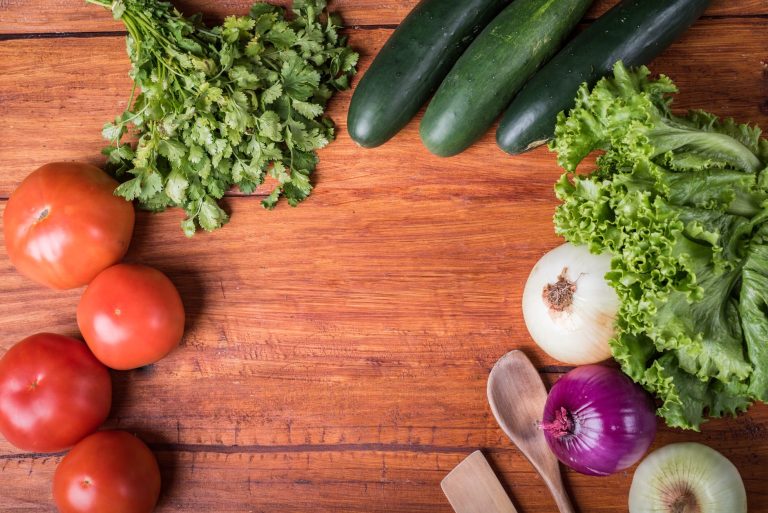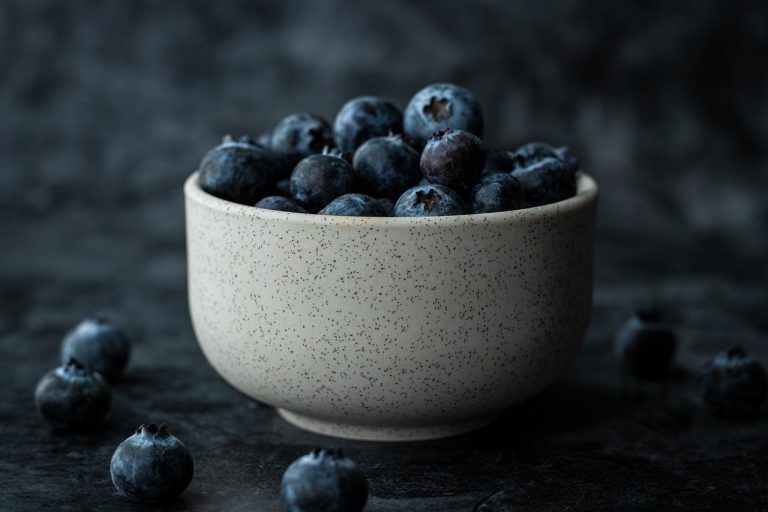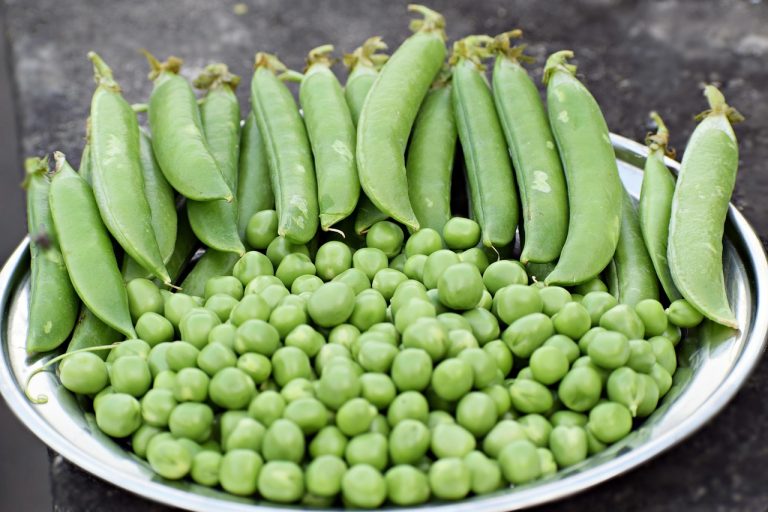


Photo by stevepb on Pixabay
Your gut influences far more than digestion. It can shape your energy, your cravings, your comfort after meals, your skin, and even the way your body responds to weight loss efforts. Have you ever eaten what looked like a healthy lunch, only to feel bloated, sluggish, or strangely hungry an hour later? That is often the sign that nutrition is not just about calories or trends, but about what your digestive system can actually use well. Organic food can play a powerful role here because clean eating is not only about avoiding clutter on the plate. It is also about giving your body the kind of food that feels simple, nourishing, and easier to process.
This guide explores how organic food can support gut health in a practical, realistic way. You will learn which organic foods deserve a place in your kitchen, how they fit into a healthy lifestyle, and why a gut-friendly approach often makes weight loss feel more natural. If your goal is to eat better without turning meals into a complicated project, you are in the right place. What if the missing piece in your routine is not another restrictive detox diet, but a calmer, more balanced way of eating?
Why Gut Health Is the Real Starting Point for a Healthy Diet
When people talk about clean eating, they often focus on avoiding sugar, reducing processed foods, or choosing more vegetables. All of that matters, but gut health sits underneath those choices like the foundation of a house. Your digestive system breaks down food, absorbs nutrients, and communicates with the rest of the body in ways that affect mood, immunity, and metabolism. When your gut is working well, healthy habits tend to feel easier. When it is struggling, even good meals can leave you uncomfortable.
The gut also houses a diverse community of bacteria, often called the microbiome. Some of those microbes help break down fiber, produce helpful compounds, and support a balanced immune response. Others become less helpful when your diet is low in plant variety, too high in refined sugar, or overloaded with highly processed ingredients. That is why organic food matters in a larger sense. It is not a magic solution, but it often helps create a cleaner, more consistent eating pattern that your digestive system can appreciate.
Signs Your Gut May Need More Support
Have you been brushing off symptoms because they seem minor? A stressed digestive system does not always announce itself dramatically. Sometimes it shows up in subtle ways that are easy to normalize.
- Bloating after meals, even when portions are moderate
- Irregular digestion, constipation, or loose stools
- Frequent sugar cravings or feeling hungry soon after eating
- Low energy in the afternoon despite sleeping enough
- Skin issues that seem to flare without a clear reason
- Feeling heavy, puffy, or uncomfortable after richer meals
If several of these sound familiar, the answer may not be a harsh detox diet or a dramatic cleanse. It may be a smarter nutrition strategy built around organic food, gentle fiber, hydration, and meals that are easier to digest. That is where clean eating becomes more than a buzzword and starts becoming a tool for real change.
Why Organic Food Can Make Digestion Feel Easier
Organic food is not automatically healthier in every possible way, but it often supports a more mindful, less chemically burdened eating pattern. Many people choose organic produce because they want fewer pesticide residues and a more natural approach to nutrition. Others choose it because the ingredients list is shorter and the taste often feels fresher. For someone focused on gut health, those details can matter more than they first appear.
When meals are built around organic vegetables, organic fruit, organic grains, and organic proteins, you are often naturally eating more whole foods and fewer fillers. That can help reduce the digestive strain that comes from heavily processed meals. It can also make it easier to stick with a healthy lifestyle because the food itself feels more satisfying and less artificial. Could that be one reason why clean eating feels easier when it is built around simple, high-quality ingredients?
What Organic Food Is Best at Providing
Organic food is not only about what is removed. It is also about what is preserved: the integrity of the ingredient, the flavor, the texture, and often the variety of plant foods in your diet. From a gut health perspective, that means more opportunities to feed beneficial bacteria and fewer chances of overloading your system with additives that do not belong in a balanced nutrition plan.
- Cleaner ingredient profiles that make meals easier to understand
- High-quality plant foods with natural fiber and antioxidants
- Options that support a more consistent clean eating routine
- Better flavor that encourages you to eat more vegetables and fruit
- A practical way to reduce dependence on heavily processed snacks
What Organic Does Not Mean
It is important to keep expectations realistic. Organic food does not cancel out overeating, it does not replace sleep, and it does not automatically create weight loss. It is a supportive choice, not a miracle fix. The real benefit comes from how it fits into the rest of your habits. A diet built on organic food, enough water, quality protein, fiber-rich plants, and balanced portions is much more likely to help than a rigid detox diet that leaves you hungry and frustrated.
Think of organic food as one of the cleanest building blocks available. The more thoughtfully you stack those blocks, the stronger your nutrition foundation becomes.
The Best Organic Foods for Gut Health
Some foods do especially well when your goal is better digestion. They either bring beneficial bacteria, feed the good bacteria you already have, or help keep things moving with less discomfort. Choosing organic versions of these foods can strengthen the clean eating approach and make your kitchen feel like a place of real support rather than restriction.
Fermented Foods That Add Beneficial Bacteria
Fermented foods are one of the most interesting tools in a gut-friendly diet because they can introduce live cultures and create a more diverse meal pattern. If you are new to them, start slowly. Your digestive system may need time to adjust, especially if you are not used to probiotic-rich foods.
- Organic yogurt with live cultures
- Organic kefir for a tangy, drinkable option
- Organic sauerkraut with simple ingredients
- Organic kimchi for a spicy, flavorful boost
- Miso added to soups or dressings
- Tempeh as a plant-based protein source
Best Ways to Eat Them
Use fermented foods as a side, a topping, or a small part of the meal rather than the entire focus. A few spoonfuls of sauerkraut beside roasted vegetables or a serving of yogurt with berries and chia can be enough to make a difference. Are you tempted to eat more because a food is healthy? In this case, smaller amounts often work better, especially if your gut is sensitive.
Prebiotic Foods That Feed Good Bacteria
Prebiotics are the fibers and plant compounds that feed beneficial bacteria. This is where organic food really shines, because a plant-forward plate naturally gives you more of the fuel your microbiome prefers. Prebiotic foods can support regular digestion, better satiety, and a more balanced appetite.
- Organic garlic and onions
- Organic leeks and asparagus
- Green bananas or slightly underripe bananas
- Organic oats and barley
- Apples with the skin on
- Chia seeds and ground flaxseed
- Chicory root and dandelion greens
Try This Simple Swap
Instead of a refined breakfast pastry, try organic oats with chia, cinnamon, and sliced banana. Instead of a heavy, sugary snack, choose an apple with almond butter. These swaps may look small on paper, but they can completely change how steady your energy feels throughout the day. That steadiness matters for weight loss because fewer blood sugar swings usually mean fewer impulsive cravings.
Fiber-Rich Organic Staples for Regularity
Fiber is one of the most important nutrients for gut health, yet many people do not get enough of it. Organic foods naturally encourage higher fiber intake because they often replace refined products with whole, minimally processed options. The goal is not just to eat more fiber. The goal is to eat it in a way your body can handle comfortably.
- Leafy greens such as spinach, kale, and arugula
- Organic berries, especially raspberries and blackberries
- Beans and lentils, if you tolerate them well
- Quinoa and other intact whole grains
- Sweet potatoes with the skin when possible
- Ground flaxseed and hemp seeds
If fiber has felt intimidating in the past, increase it gradually and drink enough water. Jumping from low-fiber meals to a very high-fiber routine overnight can leave you more bloated instead of less. That is not a failure. It is simply a sign that your gut prefers a slower, more respectful approach.
Healthy Fats and Soothing Ingredients
Not every gut-friendly food has to be high in fiber or fermented. Healthy fats can help meals feel satisfying, and certain herbs and spices may make digestion more comfortable. Organic avocados, extra virgin olive oil, walnuts, pumpkin seeds, ginger, turmeric, and fresh mint can all fit beautifully into a clean eating pattern.
- Avocado on whole grain toast
- Olive oil drizzled over roasted vegetables
- Walnuts added to salads or breakfast bowls
- Fresh ginger in tea or stir-fries
- Turmeric in soups, dressings, and rice dishes
- Mint in yogurt, tea, or fruit bowls
[IMAGE: organic vegetables]
When you combine these ingredients thoughtfully, the result is not just a healthy diet on paper. It is a meal pattern that feels nourishing, calming, and easier to live with day after day.
How to Build a Gut-Friendly Organic Plate
People often imagine healthy eating as a long list of rules, but the simplest method is usually the most sustainable. A balanced organic plate can help you support digestion without measuring every bite or counting every gram. Ask yourself a simple question before each meal: does this plate contain enough plants, enough protein, and enough color to keep me satisfied?
Use the Three-Part Plate Method
- Half the plate: organic vegetables or a mix of vegetables and fruit
- One quarter of the plate: organic protein such as eggs, tofu, fish, yogurt, tempeh, or beans
- One quarter of the plate: organic whole grains, starchy vegetables, or legumes
This method works because it keeps meals balanced. You are not relying on a giant portion of pasta with a little salad on the side. You are creating a plate where every part has a purpose. That balance supports digestion, appetite control, and a more stable energy curve through the day.
Make Hydration Part of the Routine
Water plays a surprisingly large role in gut health. Fiber needs water to work well, and many people who feel constipated are also underhydrated. Herbal teas, infused water, and soups can all support a more comfortable digestive rhythm. If plain water feels boring, add cucumber, lemon, mint, or berries to make it easier to drink consistently.
A Helpful Habit
Try drinking a glass of water when you wake up and another before your first meal. This small change can gently wake up your digestive system and make it easier to stay on track with clean eating throughout the day.
A Sample Organic Day for Better Digestion
[IMAGE: healthy meal]
Here is what a simple gut-friendly day can look like when organic food is the focus. Notice that it is balanced, realistic, and far from restrictive.
- Breakfast: Organic yogurt with blueberries, chia seeds, ground flaxseed, and a spoonful of oats
- Mid-morning: Green tea or ginger tea with a handful of walnuts
- Lunch: Mixed greens, quinoa, roasted vegetables, avocado, and grilled salmon or tofu
- Snack: An organic apple with almond butter or carrot sticks with hummus
- Dinner: Lentil soup with side salad, olive oil dressing, and a small serving of roasted sweet potato
- Evening: Peppermint tea if you want something soothing after dinner
Does this feel more doable than a strict detox diet? It should. Sustainable nutrition usually looks calm, repetitive in a good way, and easy enough to repeat without stress.
How Organic Clean Eating Can Support Weight Loss
Weight loss is often more successful when it happens as a side effect of better habits rather than as the only goal. Organic food can help because it naturally moves your choices toward whole foods, steady meals, and fewer ultra-processed distractions. That does not mean every organic product is low in calories, but it does mean your plate is more likely to contain foods that help you feel full with fewer empty extras.
Fiber-rich vegetables, protein, healthy fats, and whole grains can all help reduce mindless snacking. At the same time, better digestion can make you feel lighter and more comfortable, which often improves motivation. When bloating goes down and energy goes up, people tend to move more, sleep better, and stay more consistent. Could that be why clean eating often feels more effective than chasing the newest quick fix?
Why Gut Health and Weight Loss Are Connected
A well-fed gut may help regulate appetite signals more effectively. That means you are less likely to feel ravenous soon after a meal. Balanced blood sugar can also reduce the crash that triggers sugary cravings. When you build meals around organic food that digests smoothly, you are not only supporting your microbiome. You are also making it easier for your behavior to match your goals.
- Better satiety after meals
- Fewer cravings for highly processed snacks
- More stable energy for movement and exercise
- Less bloating, which can improve confidence and motivation
- More consistent habits that support long-term weight loss
Why a Gentle Detox Diet Works Better Than a Harsh One
The word detox is often used in a misleading way. Your body already detoxifies through the liver, kidneys, and digestive tract. A smart detox diet does not starve you or rely on extremes. It removes the clutter: excess sugar, artificial additives, poor hydration, and chaotic eating habits. In their place, it adds more organic vegetables, high-quality protein, supportive fats, and enough fiber to keep things moving.
If you have ever tried a rigid cleanse and felt exhausted, you already know that less food is not always better. Real detox support is about consistency. It is about giving your body what it needs so it can do its job well.
Fitness and Gut Health Work Best Together
[IMAGE: fitness lifestyle]
Exercise is another key part of the picture. A healthy lifestyle is not built in the kitchen alone. Walking after meals, strength training, yoga, and even short bursts of movement can help digestion and support weight loss. You do not need intense workouts every day. What matters is regular movement that fits your life. Have you noticed how a short walk after dinner can sometimes ease bloating and settle your body for the evening?
Common Organic Diet Mistakes to Avoid
Even a good plan can go off track if it becomes too complicated or too restrictive. Clean eating should give you more freedom, not less. If you want your organic food strategy to support gut health and weight loss, avoid these common mistakes.
- Buying organic junk food: Organic cookies are still cookies, and they do not replace real nutrition
- Eating too little fiber: A gut-friendly diet needs plants, not just protein
- Skipping protein: Balanced meals are more satisfying and more stable
- Changing too much too quickly: Your gut may need time to adjust
- Ignoring hydration: Fiber works best with enough water
- Using detox language as pressure: Real progress comes from habits, not punishment
- Expecting perfection: One meal does not define your health
The most successful healthy diet is one you can actually repeat. That means making room for real life, busy days, family meals, and occasional flexibility. The goal is not to eat perfectly forever. The goal is to build a pattern that your body can trust.
Smart Shopping Tips for a Gut-Friendly Organic Kitchen
Good nutrition starts before you cook. A stocked kitchen makes it much easier to stick with clean eating, especially on days when you are tired or busy. When you shop with intention, you are less likely to reach for random processed food just because it is convenient.
- Choose a few reliable organic vegetables for the week, such as spinach, carrots, broccoli, and zucchini
- Keep organic fruit on hand for easy snacks and breakfast bowls
- Buy one or two fermented foods you actually enjoy, not every probiotic product on the shelf
- Stock protein options such as eggs, yogurt, tofu, tempeh, beans, or fish
- Keep pantry staples like oats, quinoa, chia seeds, olive oil, and nuts
- Use fresh herbs, garlic, ginger, and lemon to make meals taste lively without heavy sauces
If you walk into your kitchen and already have the ingredients for a nourishing meal, healthy choices stop feeling like effort and start feeling like the normal way to eat. That shift is powerful, especially for anyone trying to improve digestion and support weight loss without stress.
How to Make This Lifestyle Easy to Keep
The most effective nutrition plan is not the one you admire for a week and abandon on day ten. It is the one that quietly becomes part of your identity. When organic food is always available, clean eating becomes less about willpower and more about routine. That is where the real transformation happens.
Start with one small commitment. Maybe it is adding a fermented food twice a week. Maybe it is choosing organic greens for lunch. Maybe it is preparing a simple breakfast so you are not starting your morning with sugar and regret. Small habits stack quickly when they are repeated with intention. What would happen if you focused on just one better choice per meal instead of changing everything at once?
For many people, the best approach is to build momentum in visible, practical steps: a better grocery list, a cleaner snack drawer, shorter ingredient lists, and more meals that leave you comfortably full. Those changes are not dramatic, but they are the kind that stick. And when habits stick, your digestion, your energy, and your confidence tend to improve together. Keep exploring more articles on DietOrganic for deeper ideas on organic food, healthy diet strategies, clean eating, nutrition, and realistic weight loss support that feels good enough to keep living every day.
About the Author