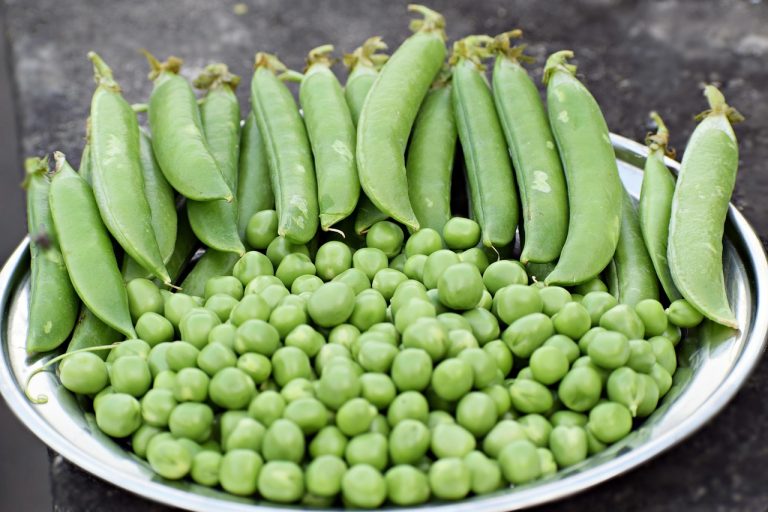

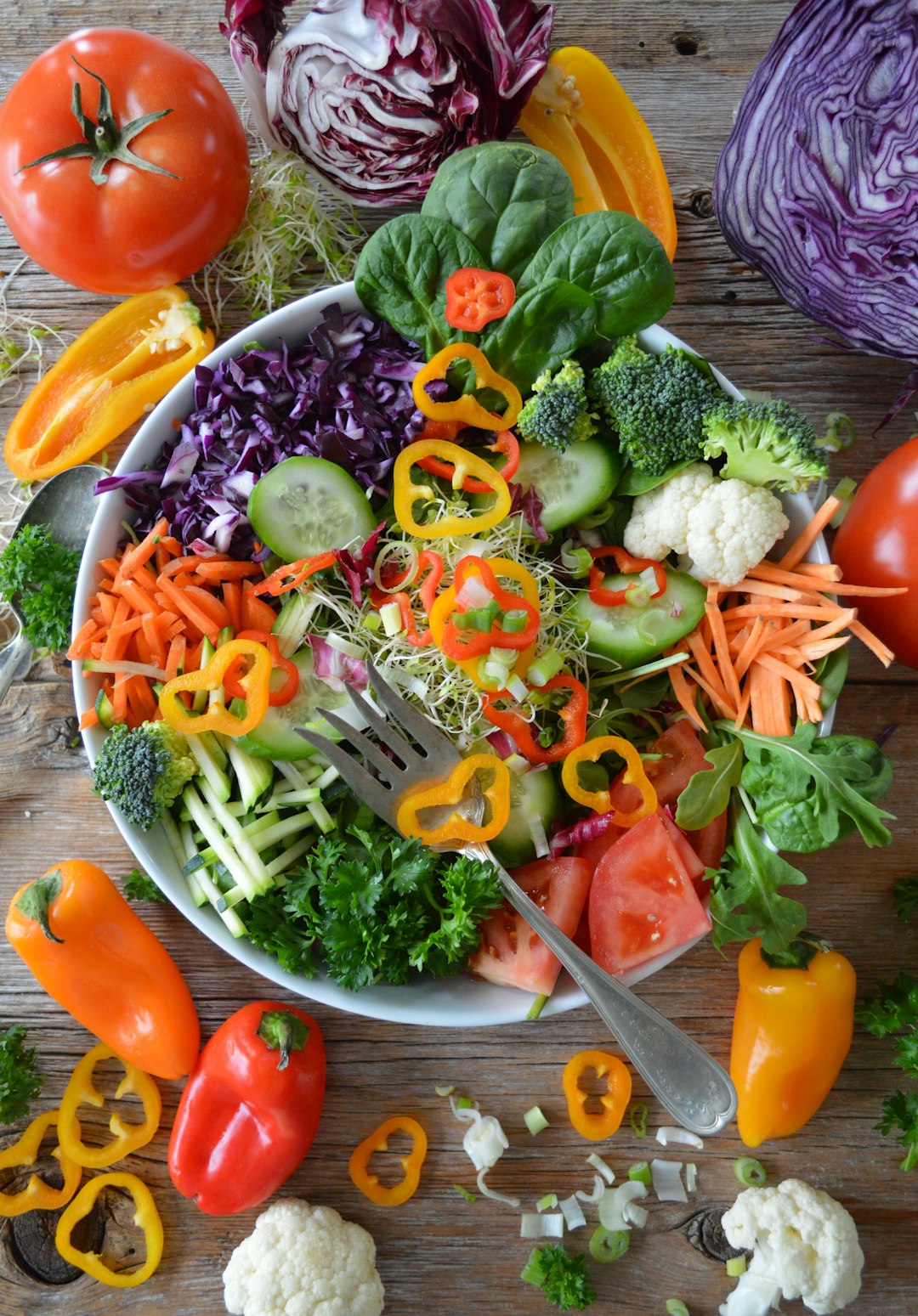
Photo by Nadine Primeau on Unsplash
If you have ever tried to improve your digestion, reduce bloating, or make weight loss feel more natural, you already know that food quality matters just as much as calorie count. The right organic food can do more than fill your plate; it can support a healthier gut, steady energy, and a cleaner approach to nutrition that feels realistic instead of restrictive. That is why a gut-friendly healthy diet built around clean eating is one of the most practical long-term strategies for wellness. It is not about chasing a perfect detox diet or following a trend for a week. It is about choosing foods that help your body feel calm, nourished, and balanced day after day. Have you noticed how much better you feel when meals are simple, fresh, and satisfying? That is the difference a thoughtful organic food routine can make.
Why Gut Health Deserves a Place at the Center of Your Healthy Lifestyle
Your gut is doing much more than digesting dinner. It helps regulate nutrient absorption, supports immune function, influences cravings, and plays a major role in how comfortably you move through your day. When digestion is off, everything else can feel harder too. Energy dips. Hunger becomes unpredictable. Skin can look dull. Even motivation for weight loss can fade when your system feels sluggish. That is why gut health deserves attention in any serious clean eating plan.
Think of your digestive system as an ecosystem. When that ecosystem is fed with organic food rich in fiber, minerals, and natural compounds, it has the raw material it needs to function well. When it is overloaded with ultra-processed foods, excess sugar, and low-nutrient meals, it can become less efficient. The result is often a cycle of bloating, cravings, and frustration. A healthy lifestyle becomes much easier to sustain when digestion is working with you instead of against you.
Signs Your Gut May Need More Support
You do not need a complicated test to begin paying attention. In many cases, your body gives clear clues that your digestive system wants a reset. These signs are not a diagnosis, but they are worth noticing if you want better nutrition and more stable energy.
- Frequent bloating after meals
- Irregular bowel movements or discomfort
- Cravings that feel intense or hard to control
- Low energy after eating
- Skin that seems reactive or dull
- Feeling uncomfortably full even after moderate portions
- Difficulty staying consistent with weight loss goals
If several of these sound familiar, it may be time to review what is on your plate and how often your meals include organic food, fiber, and real variety. Small changes can have a big effect when they are repeated consistently.
Why Organic Food Can Be a Smart Choice for Digestive Wellness
Not every healthy diet must be organic to be effective, but choosing organic food can offer meaningful advantages when your goal is gut comfort, clean eating, and long-term nutrition. One of the biggest benefits is that organic produce is grown without many of the synthetic pesticides and herbicides commonly used in conventional farming. For people who want a cleaner approach to eating, that difference can feel important. It is one more way to reduce unnecessary exposure while building meals around nutrient-dense ingredients.
Organic food also tends to support a more intentional way of shopping. When you focus on organic fruits, vegetables, grains, dairy, and proteins, you are more likely to buy whole foods instead of packaged items with long ingredient lists. That shift alone can improve digestion. Fewer additives, less added sugar, and more natural ingredients often mean less strain on the gut. It is a practical form of clean eating, not a rigid rulebook.
Another reason organic choices matter is freshness. Many organic foods are purchased and prepared as simple ingredients rather than highly processed products. That encourages variety, and variety is crucial for gut health because a diverse diet feeds a more diverse microbiome. Would your digestive system benefit from a wider mix of plant foods, fermented items, and fiber-rich meals? For many people, the answer is yes.
What Organic Eating Does Well for the Body
- Supports a more nutrient-rich healthy diet
- Encourages cleaner ingredient choices
- Can reduce exposure to synthetic farm chemicals
- Makes it easier to build meals around whole foods
- Often leads to more mindful eating habits
- Fits naturally into weight loss and clean eating goals
None of this means organic food is magical. It means it is often a better foundation for a realistic healthy lifestyle. When the foundation is strong, the rest becomes easier to maintain.
The Best Organic Foods for Gut Health
The most effective gut-friendly plan does not rely on one superfood or one supplement. It is built on a variety of organic food groups that work together to support digestion, feeding beneficial bacteria, and improving overall nutrition. The following categories deserve a regular place in your kitchen.
Fermented Organic Foods
Fermented foods are one of the most direct ways to support gut health because they contain beneficial microbes that may help balance the digestive environment. If you are easing into clean eating, start with small portions and see how your body responds.
- Organic yogurt with live cultures
- Organic kefir
- Sauerkraut
- Kimchi
- Miso
- Tempeh
These foods are not meant to replace every other part of your healthy diet. Instead, they complement fiber, protein, and hydration. A few spoonfuls can go a long way, especially if your digestive system is sensitive.
Prebiotic Vegetables and Fruits
Prebiotic foods help feed the beneficial bacteria already living in your gut. In other words, they give your microbiome the fuel it needs to thrive. Organic produce is especially valuable here because these foods are often eaten frequently and in larger amounts.
- Garlic
- Onions
- Leeks
- Asparagus
- Bananas
- Apples
- Artichokes
- Oats
Notice how many of these foods also support weight loss. They are filling, fiber-rich, and versatile. That is one reason a gut-friendly organic food routine often overlaps with a successful healthy diet for people who want to manage appetite naturally.
Fiber-Rich Staples That Make Clean Eating Easier
Fiber is one of the quiet heroes of nutrition. It helps promote regular digestion, supports fullness, and contributes to a more stable blood sugar response. When meals are high in fiber, they tend to feel more satisfying without needing excess calories.
- Organic chia seeds
- Ground flaxseed
- Brown rice
- Quinoa
- Lentils
- Black beans
- Chickpeas
- Leafy greens
These ingredients are especially useful if you want your clean eating routine to be practical. They store well, pair easily with proteins, and can be used in breakfast bowls, salads, soups, and grain dishes.
Colorful Organic Vegetables and Berries
Antioxidants and plant compounds matter because they help create a more balanced internal environment. That is one reason colorful produce should appear often in any gut-health plan. A plate with different colors usually means a wider range of nutrients.
[IMAGE: organic vegetables]
- Blueberries
- Raspberries
- Spinach
- Kale
- Broccoli
- Carrots
- Beets
- Sweet potatoes
These foods fit beautifully into a detox diet style of eating when the goal is to reduce heaviness and increase freshness without falling into extremes. Real detox support comes from what your body can actually use: fiber, water, micronutrients, and consistently nourishing meals.
Healthy Fats and Proteins That Keep Meals Satisfying
Gut health is not only about plants. A smart healthy diet also includes enough protein and healthy fat to keep meals balanced. If you skip these, you may find yourself hungry again too quickly, which can lead to overeating later.
- Organic eggs
- Wild-caught salmon
- Organic chicken
- Avocados
- Walnuts
- Pumpkin seeds
- Olive oil
- Natural nut butters
When paired with fiber, protein and healthy fats help create the steady energy that makes weight loss more sustainable. Instead of feeling deprived, you feel nourished.
How to Build a Gut-Friendly Organic Meal
The simplest way to succeed is to stop overcomplicating meals. A balanced plate does not need fancy recipes or long prep sessions. It needs the right structure. When you combine protein, fiber, color, and healthy fat, you create meals that support digestion and help you stay consistent.
A Simple Formula That Works
- Half the plate: non-starchy organic vegetables
- One quarter: quality protein
- One quarter: fiber-rich carbohydrates or legumes
- Small addition: healthy fats such as olive oil, seeds, or avocado
This structure supports clean eating because it naturally reduces the space for refined products. It also helps with nutrition by making sure every meal has enough substance to satisfy you. Have you ever eaten a meal that looked healthy but left you hungry an hour later? That usually means the plate needed more protein, more fiber, or more fat.
What a Healthy Meal Can Look Like
[IMAGE: healthy meal]
Imagine a bowl of organic quinoa topped with roasted broccoli, chickpeas, avocado, pumpkin seeds, and a spoonful of sauerkraut on the side. Add a drizzle of olive oil and a handful of herbs. That meal is colorful, comforting, and rich in digestive support. It also fits easily into a healthy lifestyle because it is satisfying without being heavy.
Another simple option is a breakfast plate with organic yogurt, chia seeds, blueberries, flaxseed, and oats. Or a lunch salad with grilled salmon, mixed greens, beets, cucumbers, and olive oil dressing. Simple foods, prepared well, often work better than complicated recipes when your goal is consistency.
Easy Organic Meal Ideas for Different Times of Day
Breakfast
- Organic yogurt, berries, chia, and oats
- Veggie omelet with spinach and avocado
- Warm oatmeal with flaxseed, banana, and walnuts
Lunch
- Quinoa bowl with chicken, greens, and tahini
- Lentil soup with a side salad
- Salmon with roasted vegetables and brown rice
Dinner
- Turkey lettuce wraps with fermented vegetables
- Tempeh stir-fry with broccoli and mushrooms
- Baked sweet potato with beans, avocado, and herbs
When you repeat meals like these, you build a strong nutrition rhythm. That rhythm is what supports long-term success, not short-lived motivation.
Organic Foods to Limit if Your Gut Feels Inflamed or Sensitive
Even the best organic food plan can be held back if it includes too many ingredients that irritate digestion. Sometimes the issue is not what you are adding, but what you are still eating too often. A healthy diet works best when it removes the foods that create unnecessary strain.
Foods That Often Disrupt Digestion
- Highly processed snack foods
- Large amounts of added sugar, even from organic products
- Fried foods
- Alcohol in excess
- Sugar alcohols and artificial sweeteners for some people
- Meals low in fiber and high in refined starches
Notice that organic does not automatically mean gut-friendly. Organic cookies are still cookies. Organic soda is still soda. Clean eating works best when you look beyond labels and ask a simple question: does this actually help me feel better?
A gentle detox diet philosophy can be helpful here, not because your body needs a dramatic cleanse, but because giving your digestive system a break from ultra-processed foods allows it to do its job more efficiently. The goal is to simplify, not punish yourself.
How to Read Labels Like a Pro
If you want to support gut health with better nutrition, the label matters. A short ingredient list is often a good sign, especially when the ingredients are familiar and real. Try to prioritize foods that are as close to their natural form as possible.
- Choose products with minimal added sugar
- Look for fiber content when buying packaged foods
- Check for live cultures in fermented dairy products
- Avoid long lists of additives when possible
- Prefer unsweetened versions of yogurts, milks, and snacks
This kind of label awareness makes clean eating feel empowering instead of restrictive. You are not counting every detail; you are simply choosing better options more often.
How Gut-Friendly Organic Eating Supports Weight Loss
Many people begin exploring organic food because they want to lose weight, but the bigger transformation often comes from how they feel, not just what the scale says. A gut-friendly healthy diet can support weight loss in several indirect but powerful ways. When digestion improves, it becomes easier to manage appetite, stay full, and avoid the random cravings that derail progress.
Why Better Digestion Helps the Scale
- High-fiber meals help you feel full longer
- Stable meals reduce energy crashes and snack attacks
- Whole foods are usually less calorie-dense than processed foods
- Better digestion can reduce bloating and discomfort
- Steadier blood sugar may make cravings easier to manage
This is one reason clean eating often works better than extreme dieting. It is not based on deprivation. It is based on giving the body what it actually needs. When you eat enough protein, enough fiber, and enough healthy fat, you are less likely to overeat later.
What Weight Loss Looks Like in a Realistic Healthy Lifestyle
[IMAGE: fitness lifestyle]
True progress rarely comes from obsessing over one meal. It comes from repeating the same smart choices often enough that they become automatic. You might walk more. Sleep better. Feel lighter after meals. Reach for fruit instead of processed snacks. These small changes can add up to visible weight loss over time, especially when they are paired with movement, hydration, and stress management.
Ask yourself this: would you rather follow a plan that feels exhausting for a few days, or one that feels manageable for months? A good healthy lifestyle should not feel like punishment. It should feel like a better way to live.
A Practical Detox Diet Mindset Without the Extremes
The phrase detox diet is often used in a way that sounds dramatic, but your body already has natural detox systems. Your job is not to force a cleanse. Your job is to support the systems your body already uses. That means helping your liver, gut, kidneys, and cells do their work with good nutrition, hydration, and rest.
Organic food helps because it can reduce exposure to unnecessary additives and create a cleaner daily routine. But the real detox-friendly habits are simple:
- Eat more fiber-rich vegetables and fruit
- Drink enough water throughout the day
- Choose fermented foods in moderation
- Limit alcohol and excess sugar
- Sleep enough to recover properly
- Move your body regularly
These habits are not flashy, but they work. And when they become normal, your clean eating routine starts to feel like a natural extension of your life rather than a temporary project.
Common Mistakes People Make When Trying to Eat for Gut Health
It is easy to get excited about a new healthy diet and then accidentally make it harder than it needs to be. Avoiding the most common mistakes can save you time, money, and frustration.
1. Adding Too Much Fiber Too Fast
Fiber is helpful, but sudden increases can create more bloating instead of relief. If your current diet is low in fiber, increase gradually and drink enough water.
2. Relying on Smoothies and Juices Too Often
Even when made from organic food, juices and heavily blended drinks can be low in satiety. They are not wrong, but they should not replace every meal.
3. Forgetting Protein
A meal built only on vegetables may be nutritious, but it may not keep you satisfied. That can lead to overeating later. Protein is essential for a balanced healthy lifestyle.
4. Buying Packaged Organic Snacks
Organic does not automatically mean healthy. Many packaged products are still high in sugar, refined flour, or low-quality fats. Keep clean eating focused on whole ingredients whenever possible.
5. Expecting Immediate Results
Gut health changes gradually. You may feel better in a few days, but lasting improvements take consistency. That is true for digestion, weight loss, and overall nutrition.
How to Start This Way of Eating Today
You do not need a full pantry overhaul to begin. Start with a few focused upgrades that make your next week easier. The goal is progress, not perfection.
Your First Smart Grocery List
- Organic leafy greens
- Broccoli, carrots, and zucchini
- Berries and apples
- Organic yogurt or kefir
- Chia seeds and flaxseed
- Quinoa, oats, and brown rice
- Eggs, chicken, salmon, or tofu
- Avocados, olive oil, walnuts, and pumpkin seeds
- Sauerkraut or kimchi
With those ingredients, you can create a week of breakfasts, lunches, dinners, and snacks that support digestion and fit into a real schedule.
A Simple One-Day Example
Breakfast could be organic yogurt with berries, oats, and chia seeds. Lunch might be a quinoa bowl with roasted vegetables, chickpeas, and olive oil dressing. A snack could be an apple with walnuts or carrots with hummus. Dinner might be salmon, steamed broccoli, and brown rice with a spoonful of sauerkraut on the side. This is clean eating in practice: simple, satisfying, and repeatable.
Keep hydrated as well. Water helps fiber do its job, supports digestion, and can reduce confusion between thirst and hunger. A healthy lifestyle is often built on these quiet basics, not dramatic changes.
How to Make Organic Food Sustainable, Not Stressful
One of the biggest reasons people stop eating well is that they make the plan too complicated. A sustainable healthy diet should fit your budget, schedule, and preferences. If you hate elaborate recipes, do not use elaborate recipes. If you are busy, rely on meal templates. If your budget is tight, prioritize the organic foods that matter most to you, especially the produce you eat most often.
It can also help to think in terms of rotation rather than perfection. Repeat breakfasts. Batch-cook grains. Roast vegetables in advance. Keep fermented foods in the fridge. Use a few dressings or sauces you enjoy. This is how clean eating becomes effortless. Not because every meal is perfect, but because the healthy choice is the easy choice.
And if your motivation starts to fade, return to the basics: better nutrition, calmer digestion, more energy, and a stronger foundation for weight loss. Those are meaningful reasons to keep going, especially when the results show up in how you feel every day.
When organic food is used thoughtfully, it becomes more than a trend; it becomes a practical way to support gut health, reduce stress around meals, and create a healthy lifestyle that lasts. The beauty of this approach is that it does not ask for extremes. It asks for awareness, consistency, and a willingness to choose foods that help your body work better. If you want to keep building on that foundation, explore more DietOrganic articles on clean eating, nutrition, detox diet ideas, and weight loss strategies that make healthy living feel both elegant and achievable.
About the Author