

Photo by Pexels on Pixabay
Gut health is no longer a niche wellness trend reserved for nutrition enthusiasts. It has become one of the most important foundations of energy, digestion, mood, skin clarity, immunity, and even weight management. If you have ever wondered why you feel sluggish after certain meals, why cravings seem stronger during stressful weeks, or why your stomach seems to react to almost everything, the answer may be hiding in your daily food choices. This is where organic food can play a meaningful role. When used thoughtfully, it supports clean eating, helps reduce exposure to unnecessary additives, and makes it easier to build a healthy diet that feels satisfying rather than restrictive.
For readers who want real-life results instead of rigid food rules, the path to better digestion is often simpler than it seems. A gut-friendly routine does not require extreme detox diet programs or complicated supplements. It starts with nutrition that works with the body rather than against it. Organic vegetables, fruits, grains, legumes, fermented foods, and healthy fats can help nourish the gut microbiome, improve digestive comfort, and support sustainable weight loss by promoting satiety and balanced blood sugar. Could your pantry use a cleaner reset? Could your meals be doing more to support your metabolism and digestive system? Those are the questions worth asking before chasing another quick fix.
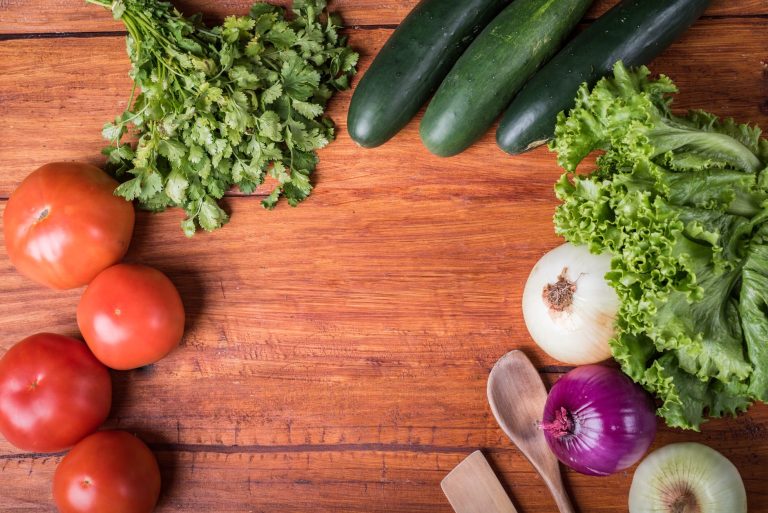
[IMAGE: organic vegetables]
Why Gut Health Deserves a Place at the Center of Your Healthy Lifestyle
Your gut does much more than process food. It helps absorb nutrients, supports immune function, influences inflammation, and communicates with the brain through a complex network known as the gut-brain axis. When digestion is balanced, people often notice better energy, fewer bloating episodes, more regularity, and a calmer relationship with food. When it is out of balance, the signs can be far-reaching: cravings, irregular bowel movements, fatigue after meals, skin issues, and a general sense that the body is working harder than it should.
That is why any serious healthy lifestyle plan should begin with the digestive system. You can exercise regularly, drink enough water, and sleep well, but if your meals are low in fiber, high in ultra-processed ingredients, and inconsistent in nutrient quality, your gut may still struggle. Organic food offers one practical way to make your nutrition more supportive. It is not a magic solution, but it can reduce the noise in your diet so your body can do what it is designed to do: digest, repair, and thrive.
Think of your gut as a garden. The beneficial bacteria in that garden need the right environment to flourish. They respond well to diverse plant foods, fermentable fibers, and fewer synthetic disturbances. They do not need perfection. They need consistency, variety, and enough nourishment to stay resilient. That is the heart of clean eating: not deprivation, but deliberate choices that support the body every day.
Why Organic Food Can Be a Smart Choice for Digestion and Weight Loss
There is a reason so many nutrition experts recommend organic food as part of a long-term healthy diet. The appeal is not only about avoiding pesticides, though that matters for many people. It is also about the broader effect of choosing foods that are typically less processed, more nutrient-dense, and closer to their natural state. When your kitchen is filled with fresh produce, whole grains, nuts, seeds, and minimally altered ingredients, you naturally move toward cleaner patterns of eating.
For people focused on weight loss, the relationship is especially helpful. Organic food often becomes part of a diet that is richer in fiber and lower in empty calories. Fiber helps you feel full longer, stabilizes appetite, and supports more predictable digestion. That means fewer snack attacks, less mindless eating, and a better chance of staying aligned with your goals without feeling deprived. Have you noticed how a nourishing lunch can carry you through the afternoon, while a highly processed one leaves you searching for snacks an hour later? That difference matters.
Organic choices can also make it easier to build meals around whole ingredients instead of packaged ones. Even if a food is technically organic, it still needs to be chosen wisely. Organic cookies are still cookies. Organic chips are still chips. The goal is not to replace one label with another, but to make better decisions overall. Clean eating works best when organic food is used as a foundation, not a marketing shortcut.
What matters most is the pattern, not perfection
One organic apple will not transform your digestion. One bowl of kale will not erase a week of poor eating. But when organic fruits, vegetables, grains, legumes, and fermented foods show up consistently, the cumulative effect can be impressive. Over time, your meals become more nutrient-rich, your gut gets more usable fiber, and your body gets a steadier stream of the ingredients it needs to function well. That is the kind of nutrition plan that lasts.
For readers who want a detox diet without the nonsense, this is the better route. True detoxification is supported by the liver, kidneys, digestive tract, and lymphatic system. These systems work best when they are fed, hydrated, and not overloaded with ultra-processed foods. Organic food helps create that environment naturally.
Best Organic Foods for Gut Health
If you want to improve digestion without making your meals complicated, start by choosing foods that feed beneficial bacteria, reduce digestive stress, and add natural variety to your plate. Not every gut-friendly food is organic, but when these items are organic, they align beautifully with a clean eating approach.
1. Leafy greens and cruciferous vegetables
Organic spinach, kale, arugula, romaine, broccoli, cauliflower, cabbage, and Brussels sprouts are some of the best foundations for a digestion-friendly menu. They are rich in fiber, antioxidants, and micronutrients that support normal bowel function and help your body process meals efficiently. Cruciferous vegetables also provide compounds that support the body’s natural detox pathways, which is one reason they are so often included in nutrition plans focused on vitality.
Try adding them to:
- Breakfast omelets or tofu scrambles
- Lunch bowls with grains and legumes
- Soups, stews, and stir-fries
- Simple side dishes with olive oil and herbs
When people think of organic food, they often picture a bag of salad greens. That is a good place to start, but the real benefit comes from regular rotation. A varied plant intake helps the gut microbiome stay diverse and adaptable.
2. Fermented organic foods
Fermented foods deserve a special place in any gut health conversation. Organic yogurt, kefir, sauerkraut, kimchi, miso, and tempeh can introduce beneficial microbes and create a more supportive environment in the digestive tract. These foods are especially useful when eaten in small, steady amounts rather than in large, rushed servings.
Not sure where to begin? Add a spoonful of sauerkraut to a grain bowl, a small glass of kefir to breakfast, or a little miso into a warm broth. The key is consistency. Fermented foods work best when they become a normal part of your healthy diet, not a one-time experiment.
Start slowly if your digestion is sensitive
Some people feel great after adding fermented foods, while others need time to adjust. If you are new to them, begin with small portions and notice how your body responds. Clean eating should support your life, not make meals feel like a science project. Listening to your body is part of smart nutrition.
3. Prebiotic fruits and vegetables
Prebiotics are the fibers that feed beneficial gut bacteria. Organic bananas, apples, onions, garlic, asparagus, leeks, and slightly green bananas can all help nourish the microbiome. Unlike probiotic foods, which contain live organisms, prebiotic foods serve as fuel for those organisms. You need both.
Try these simple combinations:
- Oats with sliced organic banana and chia seeds
- Roasted asparagus with salmon or tofu
- Apple slices with almond butter and cinnamon
- Vegetable soups with garlic and leeks as flavor bases
If you are using organic food as part of a weight loss strategy, prebiotic foods are especially valuable because they are filling and naturally lower in calorie density. That means you can eat satisfying portions while still keeping your meals balanced.
4. Whole grains and legumes
Organic oats, quinoa, brown rice, lentils, chickpeas, black beans, and kidney beans offer a strong blend of fiber, plant protein, and slow-release energy. These foods help maintain steadier blood sugar and provide the kind of satiety that makes it easier to avoid overeating later in the day. For gut health, that is a major win. For anyone seeking sustainable weight loss, it is even better.
Many people avoid grains and legumes because they worry about bloating. But the answer is not necessarily to eliminate them. Often, the better approach is to prepare them properly, start with moderate portions, and combine them with vegetables and healthy fats. Soaking beans, rinsing them well, and choosing simple recipes can make a big difference.
5. Healthy fats that support digestion
Organic avocados, extra-virgin olive oil, walnuts, flaxseeds, chia seeds, and hemp seeds contribute to a more balanced meal pattern. Fats slow digestion in a helpful way, making meals more satisfying and reducing the urge to snack too soon. They also help your body absorb fat-soluble vitamins from vegetables, which is one of the reasons a salad becomes far more nourishing when paired with oil, seeds, or avocado.
A clean eating plan is not low-fat by default. It is intelligent about fat. The goal is to choose quality fats in amounts that support energy and satiety without tipping meals into excess. That balance is one of the simplest ways to support long-term nutrition and weight management.
6. Easy-to-digest organic proteins
Protein matters for gut health because it supports muscle maintenance, stable energy, and appetite control. Organic eggs, plain Greek yogurt, tofu, tempeh, chicken, turkey, fish, and lentils can all fit into a digestive-friendly routine. The best choice depends on your preferences and tolerances, but the guiding principle is the same: choose minimally processed protein sources that pair well with vegetables and whole foods.
Some readers are surprised to learn that eating enough protein can actually improve a healthy lifestyle plan by making it easier to keep meals structured. Instead of constantly battling hunger, you stay more satisfied and focused. That can be a game changer when your goals include clean eating and weight loss.
[IMAGE: healthy meal]
How to Build a Gut-Friendly Organic Plate
You do not need a complicated meal plan to eat in a way that supports digestion. In fact, the simplest plates are often the best. If every meal includes vegetables, a quality protein source, a healthy fat, and a smart carbohydrate, your body tends to respond with better energy and fewer cravings. That is the beauty of a practical healthy diet: it should be easy to repeat on busy days.
A useful plate formula looks like this:
- Half the plate: organic vegetables or a salad mix
- One quarter: protein such as eggs, fish, tofu, beans, or yogurt
- One quarter: whole grains or starchy vegetables
- Small finishing touch: olive oil, avocado, nuts, or seeds
That structure supports digestion because it offers fiber, protein, and fat in the right proportions. It also supports weight loss because it makes portions more intuitive and less dependent on calorie counting. You can still eat generously. You simply eat with more intention.
Here is a simple example: a bowl with quinoa, roasted broccoli, cucumber, chickpeas, avocado, pumpkin seeds, and a lemon-tahini dressing. It looks beautiful, tastes fresh, and gives your gut a wide range of beneficial nutrients. You can build the same pattern with breakfast, lunch, or dinner. Why make healthy eating harder than it needs to be?
If you are trying to transition from processed food to clean eating, do not overhaul everything at once. Replace one meal a day first. Then two. Then focus on snacks. Small changes are easier to sustain, and sustainability is what matters most when you want lasting results.
Organic Foods That May Support Weight Loss Naturally
Weight loss is often framed as a battle of willpower, but the body responds better to steady nourishment than to constant restriction. Organic food can support weight loss by making meals more filling, more nutrient-dense, and less dependent on sugar-heavy or ultra-processed ingredients. When you eat in a way that calms hunger rather than provoking it, everything gets easier.
Here are the main reasons this approach works:
- Fiber improves fullness and helps regulate appetite
- Whole foods often have fewer hidden calories than packaged items
- Balanced meals reduce blood sugar spikes and crashes
- Better digestion can reduce bloating and discomfort
- Consistent nutrition supports more energy for movement and exercise
That last point is often overlooked. A healthy lifestyle is not only about what you eat, but also about how food supports your day. If your meals leave you energized, you are more likely to walk, train, stretch, and stay active. That activity supports weight management naturally, creating a positive cycle.
It is also worth noting that weight loss becomes much more realistic when you are not fighting constant cravings. Organic snacks such as fruit with nut butter, yogurt with berries, or vegetables with hummus can help keep hunger in check between meals. The goal is not to snack endlessly. The goal is to prevent the kind of extreme hunger that leads to overeating later.
Common Mistakes People Make When They Try to Eat for Gut Health
Even a well-intentioned organic food plan can fall short if it is built on extremes. Many people accidentally make gut health harder by moving too quickly, eating too narrowly, or assuming that every healthy-sounding food is automatically right for their body. Awareness helps you avoid that trap.
Some common mistakes include:
- Adding too much fiber overnight, which can cause bloating or discomfort
- Eating the same few foods every day instead of varying nutrients
- Relying on expensive detox diet products instead of real food
- Choosing organic versions of heavily processed snacks and calling it clean eating
- Ignoring hydration, which is essential for digestion and regularity
- Skipping protein and then feeling hungry, tired, and frustrated later
Another mistake is expecting immediate results. Gut health changes gradually. You may notice some improvements in a few days, but meaningful shifts usually happen over weeks or months. Patience matters. So does consistency. The body often responds best when it feels safe, nourished, and well-fed rather than shocked into change.
Ask yourself this: are your habits supporting your digestive system, or are they only checking a wellness trend box? That question can reveal more than any quick-fix plan ever will.
Simple Shopping and Meal Prep Habits That Make Clean Eating Easier
Healthy eating becomes much more realistic when your kitchen is set up for success. The easiest way to stay consistent is to reduce decision fatigue. If your fridge already contains washed greens, chopped vegetables, cooked grains, and a few reliable proteins, then assembling meals takes minutes instead of energy you do not have.
A smart organic grocery list might include:
- Leafy greens such as spinach, kale, and romaine
- Crunchy vegetables such as carrots, cucumbers, and celery
- Fiber-rich fruits such as apples, berries, and pears
- Whole grains such as oats, quinoa, and brown rice
- Fermented foods such as yogurt, kefir, sauerkraut, or kimchi
- Proteins such as eggs, lentils, tofu, chicken, or fish
- Healthy fats such as olive oil, avocado, walnuts, and chia seeds
Meal prep does not need to look like a Sunday marathon. Even thirty minutes can change your week. Wash produce, roast a tray of vegetables, cook a grain, prepare one protein, and make a simple dressing. That is enough to build several lunches or dinners with very little effort. A healthy diet should feel accessible, not theatrical.
When you prep this way, you also become more aware of what your body actually likes. Some people feel best with more cooked foods and fewer raw salads. Others do well with plenty of raw produce and fermented sides. Your version of clean eating should respect your digestion, schedule, and appetite instead of forcing a one-size-fits-all plan.
[IMAGE: fitness lifestyle]
How an Organic Gut-Friendly Plan Fits Into a Detox Diet
The phrase detox diet is often used carelessly, but the underlying idea is not wrong. The body does benefit from foods that support its natural cleansing systems. The liver, kidneys, skin, lungs, and digestive tract all play a role in removing waste and processing compounds the body no longer needs. The question is not whether detoxification happens. It is whether your daily habits support it.
An organic food approach helps by emphasizing foods that are naturally high in water, fiber, vitamins, minerals, and antioxidants. Leafy greens, cruciferous vegetables, berries, citrus fruits, herbs, garlic, onions, and legumes can all support a more balanced internal environment. Combined with enough water, sleep, movement, and stress management, they create the conditions in which the body can function well.
What should you avoid? Extreme juice cleanses, all-liquid programs, and severe calorie cuts that leave you drained and irritable. Those approaches may look dramatic, but they rarely build lasting health. Clean eating should make you feel more capable, not more fragile. A real detox diet is less about punishment and more about giving your body the raw materials it needs to do its job.
A practical rule is this: if a plan removes more than it nourishes, it probably is not the right plan. The best routines are the ones you can sustain long after the initial motivation fades.
Where Movement and Digestion Meet
Gut health is not just about food. Movement is part of the picture too. Walking after meals, stretching, strength training, and regular physical activity can help support healthy digestion and improve how the body uses nutrients. That is one reason the most successful healthy lifestyle plans combine food, movement, and recovery rather than focusing on a single factor.
You do not need intense workouts to get benefits. A brisk walk after lunch, a few mobility exercises in the morning, or a consistent strength routine can all help. For people aiming for weight loss, movement also reinforces the benefits of clean eating by improving insulin sensitivity, supporting energy balance, and helping maintain lean muscle.
Consider the relationship between what you eat and how you move. A balanced organic meal before training can provide stable energy. A post-workout meal with protein and carbohydrates can support recovery. A fiber-rich dinner can help you feel satisfied without overeating. When food and movement work together, your body tends to respond more predictably and positively.
Good nutrition makes movement feel easier, and movement helps your body use nutrition better. That is the kind of synergy that leads to real, lasting results.
What a One-Day Organic Gut-Friendly Menu Can Look Like
Sometimes the most helpful thing is simply seeing a full day of eating laid out in a realistic way. A gut-friendly menu should be simple, colorful, and flexible enough to fit real life.
Breakfast: Organic oats cooked with chia seeds, topped with blueberries, sliced banana, and a spoonful of plain yogurt. Add cinnamon for flavor and a handful of walnuts for crunch.
Lunch: A large salad with spinach, roasted sweet potato, chickpeas, cucumber, avocado, pumpkin seeds, and olive oil-lemon dressing. Serve with a small portion of quinoa for extra staying power.
Snack: Apple slices with almond butter or kefir with berries.
Dinner: Salmon or tofu with roasted broccoli, carrots, and brown rice. Add a side of sauerkraut or a light miso broth for a fermented element.
Optional evening choice: Herbal tea and a small piece of fruit if you are genuinely hungry.
This is not a rigid formula. It is an example of how organic food, clean eating, and nutrition can come together in a way that feels satisfying rather than complicated. The meals are balanced, but they are also approachable enough for busy weekdays.
How to Stay Consistent Without Burning Out
One of the biggest reasons people struggle with healthy eating is that they try to do too much at once. They change every meal, remove every favorite food, and expect instant transformation. That usually ends in frustration. A better strategy is to build momentum.
Start with one or two habits, such as:
- Eating organic produce at two meals each day
- Adding one fermented food to your routine
- Preparing a protein source in advance
- Keeping water nearby throughout the day
- Swapping one processed snack for a whole-food option
Once these feel natural, add the next layer. That could mean more vegetables, more meal prep, or fewer packaged items. The point is not speed. The point is staying in motion. Sustainable weight loss and gut support happen when your habits are repeatable, realistic, and aligned with your actual life.
It also helps to notice what makes your routine easier emotionally. Do you feel calmer when meals are planned? Do you eat better when snacks are visible and ready? Do you need simple recipes instead of elaborate ones? A healthy lifestyle is personal. The more you understand your own rhythm, the more successful your nutrition plan will be.
The Bigger Picture: Clean Eating That Feels Worth Keeping
Organic food is most powerful when it becomes part of a bigger philosophy: eat in a way that supports digestion, energy, and confidence. That means using fresh produce, whole grains, quality proteins, and healthy fats to create meals that feel generous and balanced. It also means understanding that wellness is not about perfection or punishment. It is about making the next meal a little better than the last one.
When your diet is built on foods that support the gut, the benefits tend to spill into other areas of life. You may sleep better, recover faster from workouts, and feel less dependent on sugar for quick energy. Your appetite may become more stable. Your meals may feel more satisfying. And as your body begins to trust the routine, your relationship with food often becomes calmer and more intuitive.
The most useful question is not, What can I remove? It is, What can I nourish? That shift changes everything. It turns clean eating from a restrictive concept into a practical system for better health. It also makes weight loss less about struggle and more about alignment with the way your body is designed to work.
If you want to feel lighter, clearer, and more energized without chasing extremes, begin with the foods you choose every day. Build around organic vegetables, fiber-rich grains, fermented foods, and quality proteins. Keep your meals simple enough to repeat, colorful enough to enjoy, and balanced enough to support your goals. Then keep learning, keep experimenting, and keep refining your routine by exploring more expert-led articles on DietOrganic, where better nutrition meets a truly sustainable healthy lifestyle.
About the Author