
Photo by Clark Douglas on Unsplash
Your digestive system does far more than process meals. It influences energy, cravings, immune function, skin clarity, mood, and even how easily your body manages weight. When your gut feels calm and balanced, clean eating becomes simpler, meals feel more satisfying, and healthy habits begin to compound in a way that feels almost effortless. That is why organic food for gut health has become such a powerful focus for people who want a healthier lifestyle without extreme rules or punishing diets.
Think about the last time your digestion felt off. Did you feel bloated, sluggish, distracted, or strangely hungry even after eating? Those signals are easy to ignore, yet they often point to a digestive system that needs more support from whole nutrition, fiber, hydration, and gentler food choices. Organic foods can play an important role here because they often fit naturally into a clean eating pattern built around fresh produce, simpler ingredient lists, and fewer unnecessary additives.
This is not about chasing a trendy detox diet or cutting entire food groups for the sake of short-term results. It is about choosing foods that help your body do what it already wants to do: digest efficiently, absorb nutrients properly, and maintain a healthy relationship with food. Could a few smart organic swaps make a real difference in how you feel each day? For many people, the answer is yes.
In this guide, you will learn which organic foods support gut health, how to build meals that feel satisfying and balanced, and how those choices can support healthy weight loss without obsession. You will also discover simple meal-prep ideas, common mistakes to avoid, and practical ways to turn clean eating into a lifestyle that actually lasts.
Why gut health matters more than most people realize
Gut health is often described as the foundation of overall wellness, and that is not an exaggeration. Your digestive tract is home to a complex community of bacteria and microorganisms that influence everything from nutrient absorption to appetite signaling. When this ecosystem is thriving, your body is more likely to feel steady and resilient. When it is out of balance, you may notice bloating, irregularity, low energy, sugar cravings, or discomfort after meals.
For anyone interested in weight loss, gut health deserves special attention. Why? Because the gut influences how well you digest fiber, how effectively you regulate blood sugar, and how full you feel after eating. A balanced gut also helps support a more stable metabolism, which means your meals can work with your body rather than against it. That is one reason why organic food, especially organic produce and minimally processed staples, often fits so well into a healthy diet.
Modern eating patterns can make digestion harder than it needs to be. Highly processed snacks, excess sugar, large portions, artificial flavors, and inconsistent meal timing can all interfere with the natural rhythm of your digestive system. Clean eating offers a different path. It does not have to be complicated. In fact, the most effective approach is often the simplest one: more plants, more fiber, more hydration, and fewer ingredients you cannot recognize at a glance.
When your meals are built around organic food and whole nutrition, your gut is no longer working overtime to sort through unnecessary extras. Instead, it gets a steady supply of the nutrients and plant compounds it needs to keep your digestion running smoothly. That is the real appeal of an organic diet. It is not perfection. It is support.
What organic food changes inside the digestive system
Organic food is not a magic cure, but it can create a cleaner nutritional baseline. Many people choose organic produce because it is grown without synthetic pesticides and often comes with a stronger sense of freshness and quality. When you are focused on clean eating, that matters. The less clutter you bring into your food choices, the easier it becomes to pay attention to how your body responds.
There is also a practical reason organic food can feel better for the gut. A diet rich in organic fruits, vegetables, legumes, whole grains, seeds, and fermented foods tends to be naturally higher in fiber and micronutrients. Fiber feeds beneficial bacteria. Beneficial bacteria help support regularity. Regularity helps reduce bloating and discomfort. It is a simple chain reaction with far-reaching effects.
Some people notice that once they switch to a more organic, whole-food approach, they feel lighter after meals and less prone to midafternoon crashes. Is that because organic food is inherently superior in every situation? Not necessarily. But the pattern usually reflects something important: the food is less processed, the meals are more balanced, and the body is getting nutrients in a more usable form.
For a healthy lifestyle, that kind of consistency matters more than dramatic extremes. A well-designed detox diet, for example, should not rely on starvation or harsh cleanses. It should focus on supporting the liver, gut, and digestive system with foods like leafy greens, beets, citrus, herbs, and plenty of water. Organic versions of these foods can make the approach feel even cleaner and more intentional.
Cleaner ingredient lists can reduce digestive strain
One of the clearest benefits of an organic food pattern is simplicity. Many conventional packaged products contain preservatives, refined oils, excess sodium, sweeteners, and texture agents that do very little for digestion. When you swap these for organic whole foods, you often remove multiple sources of strain at once. That is useful not only for gut health but also for clean eating and weight loss.
Ask yourself a simple question before eating: does this food help my body, or just fill space? A bowl of organic berries with chia seeds supports nutrition in a very different way than a heavily processed granola bar. The first option offers fiber, antioxidants, hydration, and satiety. The second may still taste good, but it often lacks the same digestive benefits.
Plant diversity feeds beneficial bacteria
Your microbiome loves variety. Different plants provide different fibers and phytonutrients, and those compounds help nourish a diverse digestive environment. That is one reason organic food can be so effective in a healthy diet. When you buy seasonal organic produce, you naturally vary what appears on your plate: leafy greens in one week, cruciferous vegetables the next, then berries, herbs, roots, and legumes.
The result is more than visual appeal. Diversity on the plate means diversity in the gut. A wide range of plant foods helps beneficial microbes thrive, and that can support digestion, immunity, and even mood. Clean eating is not just about removing things. It is about adding the right things back in.
Better blood sugar balance can support weight loss
Stable blood sugar is one of the most underrated drivers of weight loss. When you eat meals that combine organic protein, fiber, and healthy fats, your energy tends to stay steadier and cravings often become easier to manage. That steadiness can make it easier to stay consistent, and consistency is what truly changes body composition over time.
Think about what happens after a sugary breakfast or a refined snack. You may feel a short burst of energy followed by a crash, which often leads to more hunger. In contrast, an organic breakfast built around oats, berries, seeds, and plain yogurt or a plant-based alternative can support fuller, calmer mornings. That is the kind of small shift that makes clean eating feel sustainable rather than restrictive.
The best organic foods for gut health
When people ask which organic foods are best for digestion, the answer usually depends on how your body responds. Still, there are categories that stand out because they consistently support the microbiome, help regulate bowel movements, and make healthy meals more satisfying.
Fermented foods that bring beneficial bacteria to the table
Fermented foods are some of the most valuable foods for gut health because they contain live cultures or compounds that support microbial balance. Organic yogurt, kefir, sauerkraut, kimchi, miso, and tempeh can all play a role in a clean eating routine. If dairy does not agree with you, look for plant-based fermented alternatives without added sugar.
Start slowly if you are new to fermented foods. Your gut may need time to adjust. A spoonful of sauerkraut with lunch, a small glass of kefir at breakfast, or a few slices of kimchi with dinner may be enough to begin. More is not always better. The goal is comfort and consistency, not overload.
- Organic yogurt with live cultures for breakfast or snack time
- Unsweetened kefir for a light, probiotic-rich drink
- Sauerkraut or kimchi as a tangy side dish
- Miso added to soups for a savory gut-friendly boost
- Tempeh as a plant-based protein with fermented benefits
Prebiotic vegetables that feed your good bacteria
Prebiotics are fibers that feed the microbes living in your digestive system. Organic prebiotic vegetables are especially useful because they offer both fiber and plant compounds in a form your body can use well. Garlic, onions, leeks, asparagus, artichokes, dandelion greens, and Jerusalem artichokes are some of the best-known examples.
These foods do not simply pass through the gut. They create an environment where beneficial bacteria can flourish. If your meals currently rely on a lot of refined grains and packaged snacks, adding more prebiotic vegetables can be a game changer. Have you noticed how a simple soup with onions, garlic, greens, and herbs can feel deeply satisfying? That is the kind of nourishment your gut tends to appreciate.
Fiber-rich fruits that help keep things moving
Fruit is often underappreciated in clean eating, especially by people chasing rapid weight loss. Yet organic fruit can be one of the easiest and most enjoyable ways to support digestion. Apples, pears, berries, kiwi, oranges, prunes, and slightly green bananas provide fiber, water, and helpful plant compounds that support regularity and satiety.
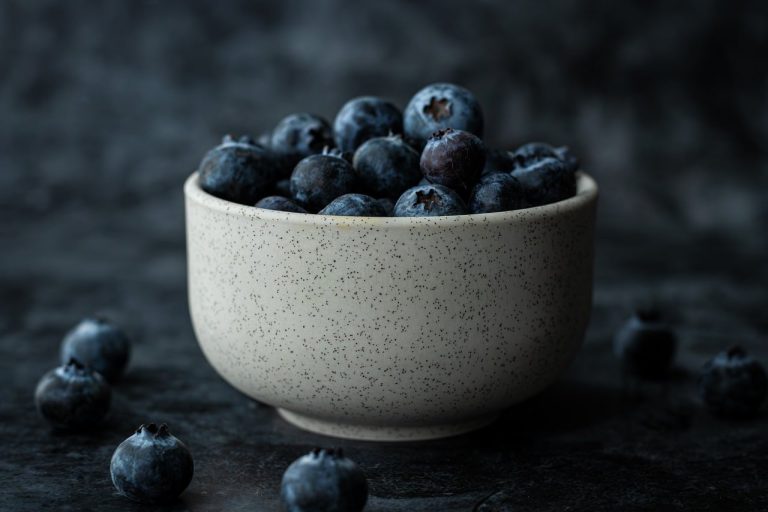
Berries deserve special attention. They are rich in antioxidants and low in sugar relative to many other sweet foods, which makes them a smart fit for a healthy diet. A handful of organic blueberries, raspberries, or strawberries can transform a plain bowl of oats, yogurt, or chia pudding into a satisfying, gut-friendly meal.
Whole grains and legumes that offer lasting fullness
If your digestion handles them well, organic whole grains and legumes can be central to a balanced organic food routine. Oats, quinoa, brown rice, lentils, black beans, chickpeas, and split peas offer fiber and slow-digesting carbohydrates that support energy and fullness. They are especially useful when weight loss is the goal because they help you feel satisfied without relying on highly processed calories.
For some people, legumes need to be introduced gradually. Soaking, rinsing, and cooking them thoroughly can improve tolerance. You can also start with smaller portions and pair them with herbs like cumin, fennel, ginger, and turmeric to make them easier to digest. Clean eating should support your body, not fight against it.
Seeds, nuts, and healthy fats that calm the meal
Healthy fats help slow digestion just enough to keep you satisfied, which is useful for both gut health and weight loss. Organic chia seeds, flaxseeds, walnuts, pumpkin seeds, avocado, and extra virgin olive oil can round out meals in a way that feels elegant and complete. Chia and flax are especially important because they provide fiber as well as fats.
Try a simple formula: add a spoonful of chia to yogurt, sprinkle flaxseed over oatmeal, toss pumpkin seeds into salads, or finish roasted vegetables with olive oil and herbs. These tiny additions can change how a meal feels in your body. Instead of leaving the table hungry an hour later, you stay more stable and more satisfied.
Herbs, spices, and calming drinks
Gut-friendly nutrition is not limited to big servings of food. Herbs and spices can make a meaningful difference too. Ginger, turmeric, peppermint, fennel, cinnamon, and cumin are all popular choices in a detox diet or clean eating routine because they add flavor while supporting digestion in subtle ways.
Warm liquids can also be soothing. A mug of ginger tea after dinner, peppermint tea in the evening, or a light vegetable broth on a cooler day can support hydration and comfort without adding much complexity. These small rituals matter. They remind your body that meals are not something to rush through.
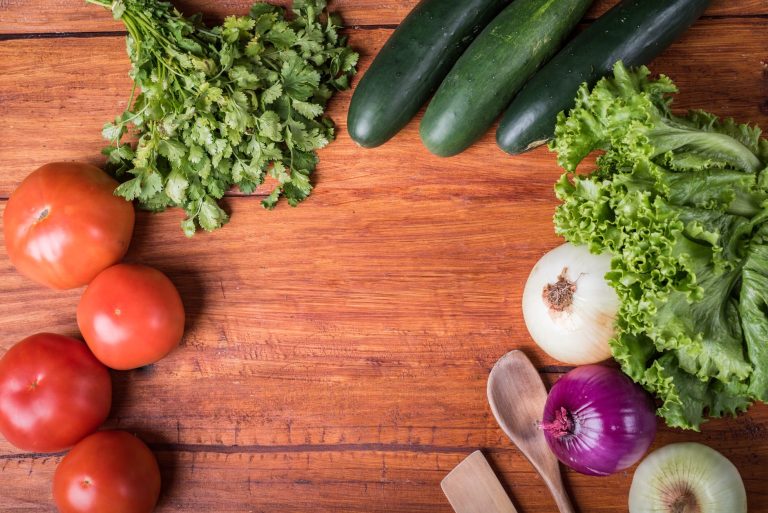
[IMAGE: organic vegetables]
How to build a gut-friendly plate every day
Once you understand which foods help, the next step is turning them into meals that are easy to repeat. That is where many healthy diets succeed or fail. People do not need more complicated rules. They need a structure that feels doable on a busy weekday and still supportive on a slow weekend.
Breakfast that supports digestion instead of derailing it
A gut-friendly breakfast should combine fiber, protein, and a small amount of healthy fat. That combination keeps energy steady and reduces the odds of a midmorning crash. Good examples include organic oats with berries and chia, plain organic yogurt with flaxseed and sliced pear, or a veggie omelet with sautéed greens and avocado.
If you prefer a lighter breakfast, try a smoothie made with organic spinach, a small banana, berries, unsweetened kefir or yogurt, and a spoonful of flax or chia. Keep the sugar content modest. The goal is not to create a dessert in a glass. It is to give your gut something nourishing and easy to use.
Simple breakfast formula
- One source of protein such as yogurt, kefir, eggs, or a plant-based alternative
- One or two sources of fiber such as oats, berries, or chia seeds
- One source of healthy fat such as nuts, seeds, or avocado
- Optional greens or vegetables for extra micronutrients
Lunch that keeps blood sugar and cravings steady
Lunch is where many people lose momentum. They either skip it, grab something rushed, or overdo refined carbs that leave them sleepy later. A better option is a plate built around organic vegetables, a solid protein source, and a slow-digesting carbohydrate if you need one. Think grilled salmon with roasted broccoli and quinoa, lentil soup with a side salad, or a big bowl of mixed greens topped with chickpeas, cucumbers, avocado, and seeds.
If you need something portable, meal prep helps enormously. Prepare a base of roasted vegetables, cook a grain or legume, keep a protein ready, and store a flavorful dressing separately. Lunch then becomes assembly rather than decision fatigue. That alone can reduce stress, which matters because stress affects digestion more than many people realize.
Dinner that supports rest and recovery
Dinner should be satisfying without being overly heavy. This is especially important if you want to support better sleep and a calmer digestive rhythm. Organic soups, roasted vegetables, light grain bowls, and simple protein plates are all excellent choices. A warm meal often feels more soothing than a cold, chaotic one at night.
Try dishes like vegetable soup with miso, roasted carrots and Brussels sprouts with baked tofu, salmon with asparagus and sweet potato, or a chickpea stew with tomatoes and herbs. If you enjoy a detox diet approach, dinner is the perfect time to emphasize leafy greens, cruciferous vegetables, and hydrating soups.
Snack rules for a calmer gut
Snacking can help or hurt, depending on what and how you eat. The best gut-friendly snacks are simple and purposeful. They should contain enough fiber or protein to be satisfying, but not so much sugar that they trigger another craving cycle.
- Organic apple slices with almond butter
- Plain yogurt with berries
- Carrots, cucumbers, and hummus
- A small handful of walnuts or pumpkin seeds
- Boiled eggs with sea salt and herbs
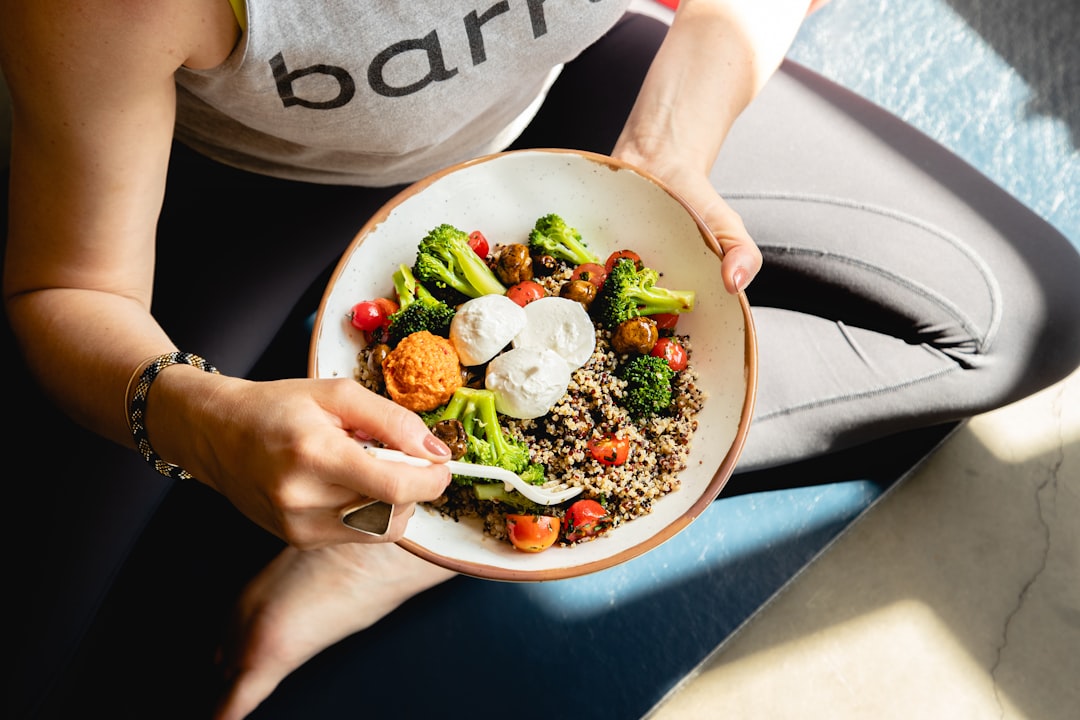
[IMAGE: healthy meal]
A realistic detox diet using organic foods
The word detox is often used in exaggerated ways, but your body already has powerful systems for detoxification. The liver, kidneys, skin, and digestive tract are constantly working to process waste and support balance. Your job is not to force a miracle cleanse. Your job is to make those systems easier to do their work.
That is where organic food can be especially useful. A sensible detox diet focuses on hydration, fiber, mineral-rich vegetables, and fewer processed ingredients. It is less about deprivation and more about reducing friction. Think of it as a reset for your digestion rather than a punishment for your habits.
What a real detox looks like
A real detox diet does not rely on starving yourself or drinking only juice. Those approaches may feel dramatic, but they are rarely sustainable and can leave you tired, hungry, and frustrated. A better detox strategy includes whole organic foods that naturally support elimination and balance.
Useful choices include leafy greens, broccoli, cauliflower, cabbage, cucumber, beets, lemons, herbs, berries, chia, flax, and plenty of water. These foods support regularity and provide antioxidants and fiber that help your body function smoothly. If you want to feel lighter, start there. Not with restriction, but with nourishment.
A one-day organic reset you can actually follow
If you want to feel the effect of clean eating without overcomplicating your week, try a one-day reset built around organic whole foods. It should be gentle, satisfying, and easy to repeat.
- Morning: Warm water with lemon, followed by oats with berries and chia or a veggie omelet with greens
- Midday: Big salad with organic greens, cucumbers, avocado, chickpeas, and olive oil dressing
- Snack: Apple slices with nut butter or kefir with cinnamon
- Evening: Vegetable soup with lentils, or salmon with roasted broccoli and sweet potato
- Before bed: Peppermint or ginger tea
This is not about shrinking your meals to nothing. It is about choosing foods that let digestion breathe. Would a single day like this fix everything? Of course not. But it can remind you how much better simple food often feels.
How organic eating supports healthy weight loss
Weight loss becomes much easier to manage when you stop fighting hunger and start building meals that satisfy you. Organic food supports that process by encouraging a pattern of eating that is naturally closer to whole nutrition. The less processed your meals are, the more likely you are to eat in a way that promotes fullness and reduces mindless snacking.
The connection between gut health and body weight is significant. A stable gut can support better digestion, more predictable appetite, and a calmer response to food choices. When your meals contain enough fiber, your body often sends clearer fullness signals. When they lack fiber, you may keep looking for something else even after you have eaten enough calories.
That is why a healthy diet built around organic food can be so effective. It gives you structure without rigid counting. It helps you eat in a way that is more satisfying and less reactive. If you have tried intense plans that worked briefly and then collapsed, this gentler approach may feel like a relief.
Signs your meals are helping weight loss naturally
- You feel full for several hours after eating
- You have fewer intense cravings between meals
- Your digestion feels calmer and more regular
- You have steadier energy rather than dramatic crashes
- You do not feel the need to snack constantly at night
If those signs are missing, your meals may need more protein, more fiber, or a better balance of fats and carbohydrates. The answer is rarely to eat less and less. More often, the answer is to eat more intelligently.
[IMAGE: fitness lifestyle]
Common organic diet mistakes that can slow gut progress
Even with the best intentions, people often make a few predictable mistakes when trying to improve digestion through clean eating. The good news is that these mistakes are easy to correct once you know what to look for.
Adding too much fiber too quickly
Fiber is helpful, but your gut may need time to adapt if your previous diet was low in plants. A sudden jump from processed meals to massive salads, bean bowls, and raw crucifers can create bloating rather than relief. Start with moderate amounts, increase gradually, and pay attention to how you feel.
Relying on supplements instead of food
Probiotics and digestive supplements may help some people, but they are not a substitute for a nourishing plate. Organic food gives you the full package: fiber, water, minerals, antioxidants, and natural compounds that work together. Supplements can support a plan, but they should not define it.
Buying organic but ignoring balance
Organic does not automatically mean healthy if the overall meal is unbalanced. Organic cookies are still cookies. Organic chips are still chips. Clean eating works best when organic choices are paired with thoughtful portions, enough protein, and plenty of vegetables. The label matters less than the structure of the meal.
Forgetting about stress and sleep
Your gut does not operate in isolation. Poor sleep, chronic stress, and rushed meals can all affect digestion, even when food quality is high. If you want better gut health, build routines that calm the nervous system. Sit down to eat. Take a few breaths before your first bite. Sleep enough for your body to recover. These habits are not extras. They are part of nutrition.
How to shop organic without overspending
One of the biggest objections to organic eating is cost, and it is a fair one. Yet there are practical ways to keep a healthy diet affordable without sacrificing quality. You do not need every item in the grocery cart to be organic. You need a smart strategy.
Many shoppers choose to prioritize produce they eat often or items that are typically consumed with the skin on. Others focus on seasonal vegetables and fruits, which tend to be cheaper and fresher. Frozen organic vegetables are also a smart solution because they are convenient, budget-friendly, and nutritionally solid.
- Buy organic versions of the foods you eat most often
- Choose seasonal produce for better prices
- Use frozen organic vegetables and berries when needed
- Build meals around oats, beans, lentils, rice, and eggs if they fit your diet
- Prepare simple dressings and sauces at home instead of buying packaged versions
Smart shopping makes clean eating feel achievable. When the routine is realistic, it becomes easier to stay consistent long enough to see changes in digestion, energy, and weight.
Meal prep ideas that make gut health easier all week
Meal prep is not about spending an entire Sunday cooking elaborate containers of identical food. It is about making healthy decisions easier on the days when time, energy, and patience are limited. A little preparation can keep you on track with organic food and save you from last-minute choices that do not support your gut.
Start with a few simple anchors: one roasted vegetable tray, one cooked grain, one protein, one fermented side, and one or two snacks. That is enough to build multiple meals. For example, roasted sweet potatoes and broccoli can become a lunch bowl, a dinner side, or part of a breakfast hash.
Smart prep staples to keep in the fridge
- Washed greens and chopped vegetables
- Roasted carrots, squash, broccoli, or cauliflower
- Cooked quinoa, brown rice, or oats
- Pre-cooked lentils, chickpeas, or grilled chicken if you eat meat
- Sauerkraut, kimchi, or plain yogurt
- Chia pudding or overnight oats
- Simple dressing made with olive oil, lemon, and herbs
With these ingredients ready, you can assemble breakfast, lunch, or dinner in minutes. That convenience matters because the best healthy diet is the one you can repeat on your busiest weeks.
What an ideal organic day might look like
If you want a practical picture of how all of this comes together, imagine a day built around balance rather than deprivation. This is not a rigid prescription. It is a model you can adapt to your needs, your appetite, and your schedule.
Morning: Warm lemon water, then a breakfast of organic oats topped with blueberries, chia, walnuts, and a spoonful of plain yogurt or a plant-based alternative.
Midmorning: A kiwi or apple with a handful of pumpkin seeds.
Lunch: A grain bowl with quinoa, roasted vegetables, greens, chickpeas, avocado, and olive oil dressing, plus a side of sauerkraut.
Afternoon: Peppermint tea and cucumber slices with hummus if you need a snack.
Dinner: Baked salmon or tempeh with asparagus, carrots, and sweet potato, finished with herbs and lemon.
Evening: Ginger tea and a quieter pace to let digestion settle.
That kind of day does not feel extreme, yet it quietly supports weight loss, clean eating, and a happier gut. It is the opposite of a crash diet. It is a rhythm your body can trust.
Why this approach is easier to sustain than restrictive plans
Many diets fail because they are built on urgency rather than nourishment. They promise rapid change, but they ignore the human need for enjoyment, flexibility, and realism. An organic food strategy for gut health works better because it is grounded in everyday decisions rather than heroic effort.
You do not need to be perfect. You need to be consistent enough to let your body respond. Maybe one week you choose organic produce more often. Maybe the next week you add fermented foods at breakfast. Maybe you batch-cook a simple soup and feel the difference immediately. These smaller wins matter, because they teach you what works for your own digestion.
And is that not the goal of a healthy lifestyle? Not just to eat well for a day, but to build habits that let you feel clear, strong, and comfortable in your body over time. Clean eating becomes far more realistic when it is built around foods you enjoy and routines you can maintain.
When your kitchen is stocked with organic vegetables, simple proteins, fiber-rich grains, and a few thoughtful fermented foods, healthy eating stops feeling like a sacrifice. It becomes a form of self-respect. The next time you plan a meal, ask yourself what would truly support your gut, your energy, and your goals, then explore more expert guides on DietOrganic for fresh ideas that keep your healthy lifestyle moving forward.
About the Author