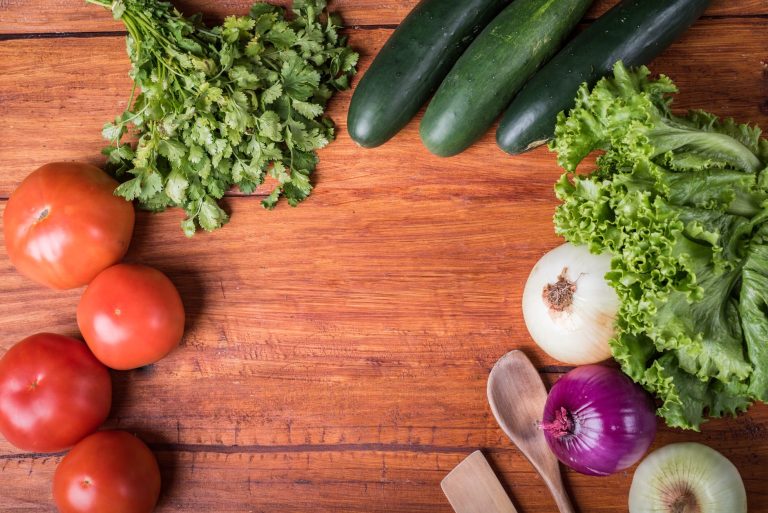


Photo by Olena Bohovyk on Pexels
Your gut does far more than digest food. It influences how you absorb nutrients, how energized you feel, how steady your appetite stays, and even how well your immune system responds to daily stress. When people talk about a healthy lifestyle, they often focus on calories, workouts, or supplements, yet the foundation of lasting wellness usually begins much earlier: in the digestive system. That is why choosing the right organic food can become a powerful part of a clean eating routine, especially if you want better digestion, more consistent energy, and a sustainable path toward weight loss.
Think about the last time you felt bloated, sluggish, or uncomfortably heavy after eating. Was it the portion size, the speed of the meal, or the quality of the ingredients? In many cases, the answer is a combination of all three. The modern diet often contains too many ultra-processed foods, too little fiber, and an overload of additives that may disrupt digestive comfort. By contrast, an organic food approach tends to emphasize fresher produce, more natural ingredients, and a cleaner nutritional profile. Could this be the missing piece in your nutrition routine?
[IMAGE: organic vegetables]
Why Gut Health Deserves More Attention
Gut health is not a trend; it is a practical health priority. Your digestive tract houses a complex ecosystem of bacteria, enzymes, and cells that help break down food and communicate with the rest of the body. When this ecosystem is balanced, many people notice better digestion, less bloating, a stronger sense of well-being, and improved appetite control. When it is out of balance, the signs can show up quickly: irregular bowel habits, fatigue, food sensitivities, cravings, or a general sense that your body is not responding well to what you eat.
Research continues to reveal that the gut microbiome interacts with metabolism, inflammation, immune defenses, and even mood. That connection matters because a healthy diet is not just about looking fit; it is about building resilience from the inside out. If your meals support the gut, your body may handle stress, recover from training, and regulate hunger more effectively. This is one reason clean eating often becomes so transformative: it removes a lot of the noise and lets your body work with simpler, more nourishing foods.
How organic food supports digestive wellness
Organic food may support gut health in several indirect but meaningful ways. First, it often reduces exposure to synthetic pesticide residues, which many people prefer to minimize as part of a cleaner eating pattern. Second, organic produce and whole foods are frequently prepared in ways that encourage freshness and nutrient density. Third, when someone shifts toward organic food, they often start replacing packaged meals with fruits, vegetables, whole grains, legumes, and seeds. That change alone can increase fiber intake, and fiber is one of the most important nutrients for digestive balance.
Fiber feeds beneficial gut bacteria, helps form healthy stools, and can support the feeling of fullness that makes weight loss more manageable. It also slows digestion, which may reduce sharp spikes and crashes in blood sugar. In other words, a gut-friendly organic food pattern does not just help one part of the body; it supports multiple systems at once.
The Best Organic Foods for a Healthy Gut
Not every organic food delivers the same digestive benefits, so it helps to know where to focus. The best choices often combine fiber, hydration, natural enzymes, and gut-friendly compounds that encourage balance. If you want a healthy diet that feels satisfying instead of restrictive, start with these categories.
1. Organic leafy greens
Leafy greens such as spinach, kale, romaine, and arugula are excellent for clean eating because they are low in calories, high in fiber, and rich in micronutrients. Their bitter compounds can also support digestion by stimulating the production of digestive enzymes and bile. A simple salad, a green smoothie, or lightly sautéed greens can give your meals more volume without making them feel heavy.
2. Organic berries
Berries are among the most powerful fruits for gut health. Blueberries, raspberries, strawberries, and blackberries are packed with antioxidants and fiber. They support a healthy lifestyle by providing sweetness without the excessive sugar load found in many desserts. Adding berries to breakfast bowls, yogurt, or chia pudding can make clean eating feel more enjoyable and sustainable.
3. Organic apples
Apples contain pectin, a soluble fiber that helps nourish beneficial gut bacteria. They are portable, affordable, and easy to include in a detox diet or everyday nutrition plan. Pair an apple with almond butter or walnuts for a balanced snack that supports stable energy and better satiety.
4. Organic fermented foods
Fermented foods are some of the most exciting additions to a gut-supportive routine. Organic sauerkraut, kimchi, unsweetened yogurt, kefir, and miso can help introduce beneficial bacteria and enzymes into the diet. Not everyone tolerates fermented foods equally, so start with small portions and notice how your body responds. Do you feel lighter, more comfortable, or more energized afterward?
5. Organic oats and whole grains
Whole grains such as oats, quinoa, brown rice, and buckwheat provide steady energy and support digestion through their fiber content. Oats in particular contain beta-glucan, a type of soluble fiber that can help feed the gut microbiome and support heart health. A warm bowl of oats with berries and seeds can be a simple breakfast that fits both clean eating and weight loss goals.
6. Organic seeds and nuts
Chia seeds, flaxseeds, pumpkin seeds, walnuts, and almonds can be excellent additions to a gut-friendly menu. They deliver fiber, healthy fats, and important minerals such as magnesium and zinc. These nutrients matter because digestion is not only about moving food through the body; it is also about supporting the enzymes and tissues involved in the process.
7. Organic root vegetables
Carrots, beets, sweet potatoes, and ginger all offer digestive advantages. Root vegetables are comforting, versatile, and easy to roast or blend into soups. Ginger in particular has a long history of use for digestive comfort, while beets provide fiber and compounds that may support circulation and detox diet goals without extreme restriction.
[IMAGE: healthy meal]
What a Gut-Friendly Organic Plate Looks Like
A healthy diet becomes easier to follow when you stop thinking in terms of
About the Author