
Photo by Arina Kuleshova on Pexels
If you have been trying to improve your digestion, support a healthy lifestyle, and make weight loss feel less like a battle, it may be time to start with your gut. The digestive system is where nourishment begins, but it is also where energy, immunity, mood, and metabolic balance are influenced every single day. That is why organic food has become such an important part of clean eating for people who want real, lasting results rather than short-term fixes. What if the most effective detox diet was not about restriction at all, but about feeding your body the kind of nutrition that helps it function beautifully?
This guide takes a gut-first approach to organic food, showing how carefully chosen meals can support digestion, reduce bloating, improve satiety, and make weight loss feel more natural. Instead of chasing extreme cleanses or confusing trends, you will learn how to build a healthy diet around organic ingredients that work with your body. The result is a cleaner way of eating that feels refined, practical, and sustainable.
Think of this as a food-focused reset for your gut, not a punishment. When your meals are rich in fiber, minerals, antioxidants, and naturally fermented ingredients, your body often responds with better regularity, steadier appetite, and more comfortable digestion. And when that happens, clean eating becomes less of a challenge and more of a lifestyle.
Why Gut Health Shapes Everything Else
Digestion affects far more than how comfortably you process a meal. The gut is closely linked to nutrient absorption, blood sugar stability, immune defenses, and even the way your body stores or burns energy. Have you ever noticed that when your digestion feels off, everything else seems to follow? Energy dips, cravings rise, and sticking to a healthy diet suddenly feels harder than it should.
A balanced gut environment supports the body in three important ways. First, it helps you break down food efficiently so nutrients can be absorbed. Second, it supports regular elimination, which matters in any detox diet or clean eating routine. Third, it helps regulate hunger and fullness signals, which can be especially valuable if weight loss is one of your goals.
When your gut is under stress from ultra-processed foods, irregular meals, chronic stress, or low-quality ingredients, your digestion can become sluggish or unpredictable. That is one reason so many nutrition experts emphasize a whole-foods approach. Organic food is not a magic cure, but it can be a powerful tool because it encourages people to eat more plants, more fiber, and fewer highly processed products.
Signs Your Digestion May Need Support
You do not need a complicated test to notice when your gut needs attention. Your body often gives clear signals. The question is whether you are listening. If you experience several of the following on a regular basis, your healthy lifestyle plan may need a stronger focus on digestive support:
- Frequent bloating after meals
- Irregular bowel movements
- Cravings that feel difficult to control
- Feeling heavy or sluggish after eating
- Low energy in the afternoon
- Skin that seems reactive or dull
- Digestive discomfort after rich or processed foods
These symptoms are not something to ignore, especially if they are persistent. They can indicate that your current eating habits are not giving your digestive system the support it needs. The good news is that small, consistent changes in nutrition often make a meaningful difference.
How Organic Food Supports a Healthier Gut
Organic food is often associated with environmental responsibility, but it can also be relevant to gut health because it tends to encourage more mindful, less processed eating. People who choose organic ingredients usually end up eating more fresh vegetables, fruits, herbs, legumes, and minimally processed proteins. That shift alone can improve the quality of a healthy diet in ways that matter to digestion.
Why does that matter? Because the gut thrives on variety. It needs fiber from plants, polyphenols from colorful produce, and a steady supply of nutrients that support the lining of the digestive tract. Organic food helps make those choices easier and more appealing, especially if you are committed to clean eating for the long term.
Another advantage is simple consistency. Many people find that when they shop organically, they become more intentional about ingredient labels, meal planning, and cooking from scratch. Those habits reduce the likelihood of relying on heavy sauces, refined grains, and packaged foods that may be difficult to digest.
More Fiber, Better Microbial Diversity
Your gut microbiome is made up of trillions of microorganisms, and they do not all respond the same way to food. Beneficial bacteria tend to flourish when they receive a steady stream of plant fiber and diverse nutrients. Organic vegetables, fruits, seeds, and legumes can be especially helpful because they encourage a broader range of plant-based meals.
That diversity matters because a diverse microbiome is often associated with better digestion and more resilient overall health. It can also support smoother weight loss, since a well-fed gut environment may help regulate appetite and improve how your body responds to meals. If you have ever wondered why a clean eating plan feels easier after a few weeks, microbiome changes may be part of the answer.
Less Processed Eating, More Natural Satisfaction
One of the most underrated benefits of organic food is that it nudges your plate toward whole ingredients. A tomato, a bunch of spinach, a handful of blueberries, a serving of oats, or a piece of wild salmon all feel more substantial when they are part of a real meal rather than a heavily processed product. This matters because satiety is a major factor in both healthy eating and weight loss.
When meals are more satisfying, you are less likely to snack mindlessly or chase sugar later in the day. That is one reason a gut-friendly detox diet should never feel like starvation. Instead, it should emphasize foods that stabilize hunger, support digestion, and give your body the raw materials it needs to function well.
The Best Organic Foods for Gut Health
Not every organic food will affect digestion in the same way. Some ingredients are especially useful because they support microbial balance, ease bowel regularity, or calm common digestive complaints. If you want a healthier gut and a more sustainable healthy lifestyle, start by building meals around these categories.
1. Leafy Greens
Spinach, kale, arugula, romaine, and Swiss chard are rich in fiber, magnesium, folate, and protective plant compounds. They are excellent staples in a clean eating plan because they are light on digestion while still delivering serious nutrition. Leafy greens also pair beautifully with healthy fats, herbs, and lean protein, making them easy to include in breakfast bowls, lunch salads, and dinner sautés.
Try to vary the greens you eat rather than relying on one type. That small shift adds more diversity to your nutrition and gives your gut a wider range of plant compounds to work with.
2. Cruciferous Vegetables
Broccoli, cauliflower, Brussels sprouts, cabbage, and bok choy are often featured in detox diet conversations, and for good reason. They contain sulfur compounds and fiber that support natural detoxification pathways in the body. When cooked gently, they can be easier to digest than many people expect.
If cruciferous vegetables tend to cause gas or discomfort, start with smaller portions and cook them well. Roasting, steaming, or adding them to soups can make them far gentler on the gut.
3. Fermented Foods
Organic yogurt, kefir, sauerkraut, kimchi, miso, and tempeh can provide beneficial microorganisms that complement a gut-friendly eating pattern. Fermented foods are not a cure-all, but they can be a valuable part of nutrition when introduced gradually and consistently.
Some people tolerate fermented foods very well, while others need to start slowly. Listen to your body. If a tablespoon of sauerkraut feels helpful, that is a useful starting point. If a larger serving causes discomfort, reduce the amount and build up over time.
4. Berries and Low-Sugar Fruits
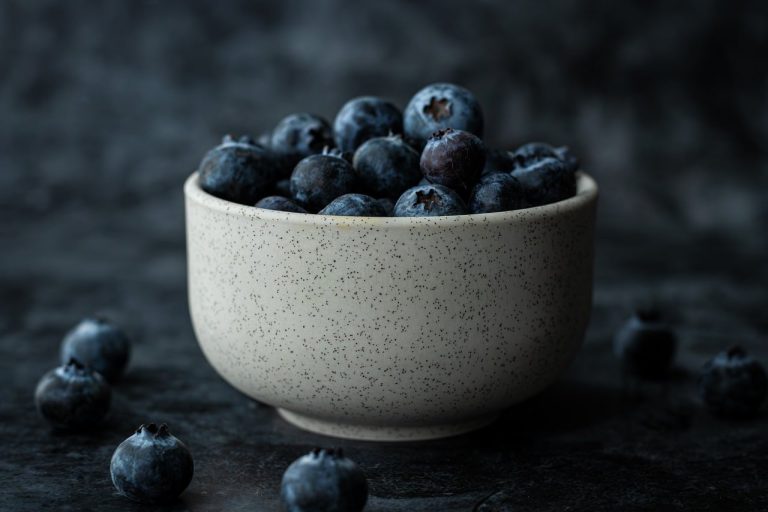
Blueberries, raspberries, blackberries, kiwi, and apples are excellent options for people who want a healthy diet without relying on excess sugar. They are rich in fiber and antioxidants, and they can help satisfy a sweet craving without derailing weight loss efforts. Their natural compounds also support the body’s broader nutritional needs, especially when consumed as part of a balanced meal.
A bowl of organic berries with plain yogurt or chia seeds can be a simple and elegant addition to your morning routine. It is nourishing, visually appealing, and easy to digest for most people.
5. Seeds, Nuts, and Healthy Fats
Chia seeds, flaxseeds, pumpkin seeds, walnuts, almonds, avocado, and olive oil contribute both flavor and nutritional density. Healthy fats help keep meals satisfying, while seeds and nuts provide fiber and minerals that support digestive function. In a clean eating plan, these ingredients are useful because they add richness without relying on processed oils or heavy additives.
Flax and chia are especially helpful for bowel regularity because they contain soluble fiber that absorbs water and forms a gentle gel. Many people find this useful when they are trying to support digestion naturally.
6. Gentle Proteins
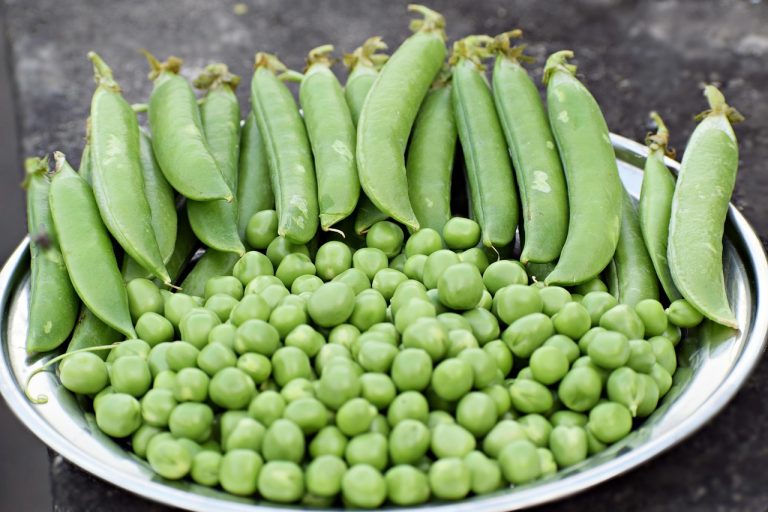
Organic eggs, plain Greek yogurt, tofu, tempeh, beans, lentils, chicken, and fish can all play a role in a gut-supportive healthy diet. Protein helps stabilize blood sugar and keeps you full, both of which are important for weight loss and appetite control. The key is choosing proteins that are easy to digest and pairing them with vegetables rather than heavy, fried, or highly processed sides.
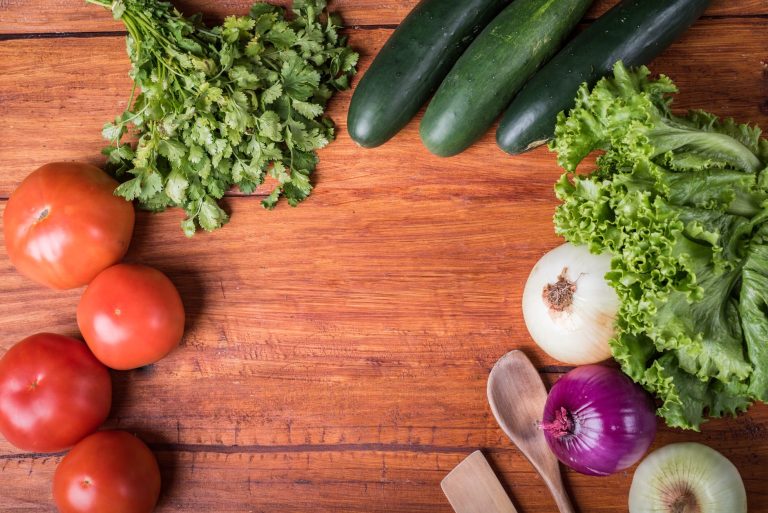
[IMAGE: organic vegetables]
How to Build a Gut-Friendly Organic Plate
Good nutrition does not have to be complicated. The easiest way to build a meal that supports digestion is to think in terms of balance. Every plate should include a source of fiber, a source of protein, a source of healthy fat, and enough color to keep your micronutrient intake varied. This structure works well for clean eating, weight loss, and general wellness because it makes portions more satisfying without feeling restrictive.
Ask yourself before you eat: does this meal actually support my body, or am I simply filling space? That question alone can change the way you shop, cook, and eat.
A Simple Formula for Meals That Work
Use this model when planning meals with organic food:
- Half the plate: colorful vegetables or leafy greens
- One quarter: lean protein or plant protein
- One quarter: whole grains or starchy vegetables if tolerated
- Small addition: healthy fats from avocado, seeds, olive oil, or nuts
This formula can be adapted for breakfast, lunch, or dinner. It is simple enough for busy days, yet flexible enough to support long-term healthy lifestyle goals.
Breakfast Ideas That Support Digestion
Breakfast is often where people either build momentum or lose it. A sugar-heavy breakfast can trigger energy swings, while a balanced meal can support focus, satiety, and smoother digestion. Organic food makes breakfast feel more refined and less rushed.
- Organic Greek yogurt with berries, chia seeds, and cinnamon
- Vegetable omelet with spinach, mushrooms, and herbs
- Warm oats with flaxseed, walnuts, and sliced apple
- Smoothie with greens, cucumber, kiwi, yogurt, and ginger
These meals work because they combine fiber, protein, and a moderate amount of natural sweetness. That balance is helpful if you are trying to reduce bloating or avoid the mid-morning crash that often sabotages clean eating plans.
Lunch and Dinner Ideas That Feel Light but Satisfying
For lunch, think fresh and simple: a salmon salad with mixed greens and avocado, a lentil bowl with roasted vegetables, or a turkey wrap with crunchy vegetables and hummus. For dinner, choose meals that are nourishing without being overly rich, such as baked fish with broccoli and quinoa, chicken with roasted carrots and greens, or tofu stir-fry with ginger and bok choy.
These are the kinds of meals that make a healthy diet feel realistic. They do not require elaborate preparation, and they leave enough room for variety so you do not feel deprived.
The Best Way to Make Meals More Digestible
If you want your gut to feel calmer after meals, pay attention to preparation methods. Steaming, roasting, light sautéing, and simmering are often easier on digestion than deep-frying or heavily spicing food. This is especially important if you are following a detox diet or trying to reduce digestive irritation.
Also consider meal timing. Eating too quickly, eating too late, or eating huge portions after a long fast can all strain digestion. A more regular rhythm often supports better comfort and better nutrition overall.
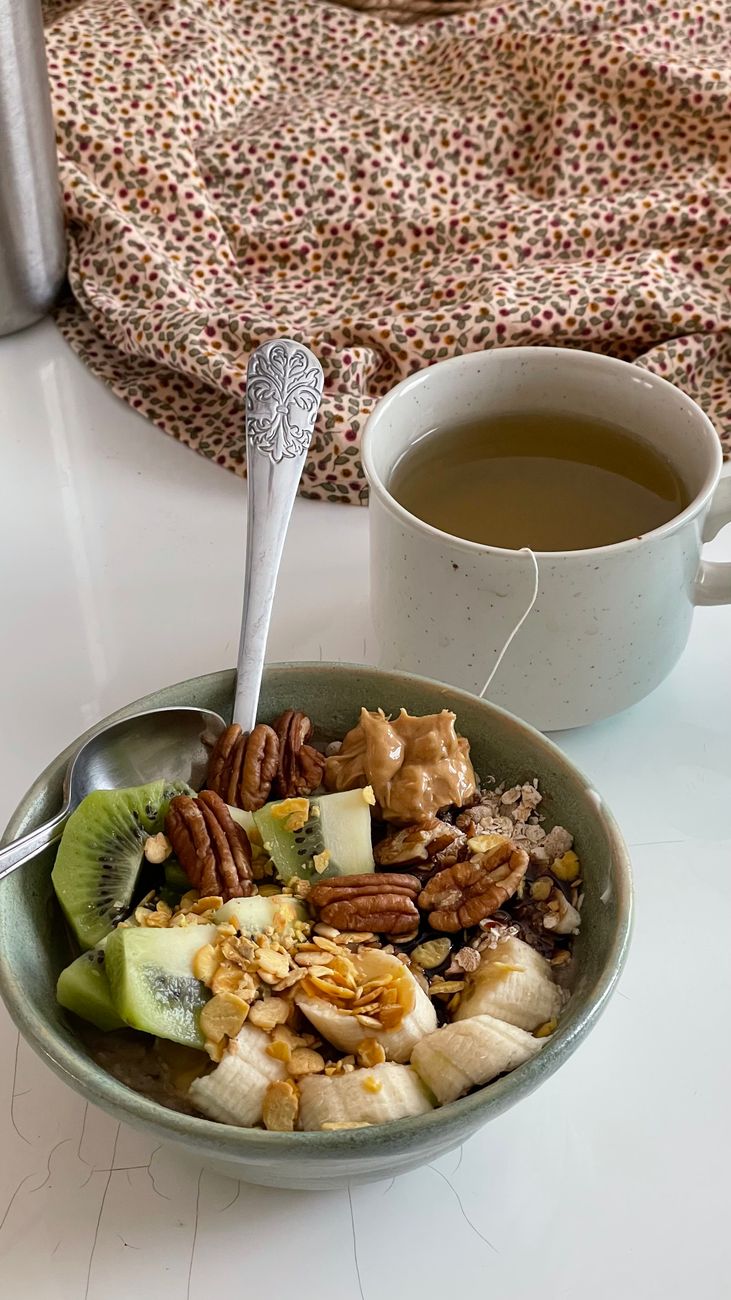
[IMAGE: healthy meal]
Clean Eating Habits That Improve Digestion
Organic food works best when it is paired with smart habits. You can buy the best ingredients in the world, but if you eat them too quickly, under stress, or in unbalanced combinations, your digestion may still suffer. Clean eating is not only about what is on the plate. It is also about how you eat.
Eat More Slowly Than You Think You Need To
Digestion begins before the first bite. When you slow down, chew properly, and avoid multitasking during meals, your body is more prepared to process food comfortably. This simple habit can reduce bloating and improve satiety. Many people underestimate how much their pace of eating affects their overall nutrition and weight loss results.
Try putting your fork down between bites. Notice the texture, the taste, and how full you feel. Would you believe how much calmer your meals can feel after just a few days of this practice?
Hydrate Strategically
Water supports digestion, but the timing matters. Sipping water throughout the day is usually more helpful than chugging large amounts with meals. If you enjoy a detox diet style routine, herbal teas and infused water can also support hydration without adding sugar or artificial ingredients.
Good options include:
- Warm water with lemon in the morning
- Peppermint tea after meals
- Ginger tea when digestion feels sluggish
- Cucumber and mint infused water
These drinks are not miracle solutions, but they can complement a clean eating approach and help you stay consistent.
Keep Stress from Hijacking Your Digestion
Stress can alter digestive function quickly. Even the healthiest organic food may not feel good if you eat it while tense, rushed, or emotionally overwhelmed. Deep breathing, short walks, and quiet meals can all help the body shift into a calmer state that is more supportive of digestion.
If you have ever felt a knot in your stomach before a difficult meeting, you already know the gut and the nervous system are deeply connected. Supporting one often helps the other.
Organic Food, Weight Loss, and a Healthy Metabolism
Many people choose organic food because they want to lose weight without feeling like they are constantly dieting. That is a smart goal. Sustainable weight loss usually depends on hunger control, energy stability, and meal quality more than any dramatic calorie-cutting strategy. When your digestion improves, it often becomes easier to notice true hunger, stop eating when satisfied, and avoid unnecessary snacking.
So how does this work in real life? Organic food supports weight loss indirectly by making nutritious meals more accessible. A plate centered on vegetables, protein, and whole ingredients often has fewer empty calories and more staying power. You feel full for longer. You crave less. Your energy becomes more predictable.
Why Gut Health Can Influence Weight Loss
The gut does not just digest food; it helps regulate how the body responds to food. When digestion is sluggish or unbalanced, appetite cues can become confusing. You may feel hungry soon after eating, or you may crave quick energy in the form of sweets and refined carbs. By improving gut health through nutrition, you give your body a better chance to manage food intake more naturally.
That does not mean every organic meal causes fat loss. It means your overall pattern becomes more supportive of the results you want. Clean eating, in this sense, is not a trend. It is a practical structure for better health.
Foods That Help You Feel Fuller Longer
Some organic foods are especially valuable because they create a strong sense of satisfaction without overloading you with calories. These include high-fiber vegetables, beans, lentils, eggs, yogurt, chia seeds, avocados, and lean proteins. When these foods are prepared well, they can help reduce the need for constant snacking and stabilize your eating pattern throughout the day.
If weight loss has felt frustrating, consider whether your meals are truly satisfying or simply low in calories. There is an important difference.
Detox Diet Myths and the Smarter Gut Reset
The phrase detox diet often brings to mind juice fasts, extreme cleanses, or very short-term restrictions. While those approaches can sound appealing, they are rarely the best way to support long-term health. Your body already has a sophisticated detoxification system that relies on the liver, kidneys, digestive tract, and lymphatic system. The real role of nutrition is to support those systems, not replace them.
A gut reset built around organic food is more effective than a harsh cleanse because it gives your body what it needs consistently. Fiber helps move waste through the digestive tract. Hydration supports elimination. Cruciferous vegetables and herbs provide compounds that aid natural processing. Fermented foods and whole ingredients help the gut remain resilient.
Instead of asking,
About the Author