
Photo by PaxNguy on Pixabay
If you have ever felt bloated after meals, sluggish in the afternoon, or strangely hungry even when you think you have eaten well, your gut may be asking for a different kind of care. More and more people are discovering that the most effective path to a healthier body does not begin with restriction; it begins with nourishment. That is where organic food, clean eating, and smart nutrition come together in a way that supports digestion, energy, and even sustainable weight loss.
Gut health is not a trend. It influences how you digest food, absorb nutrients, regulate inflammation, and maintain a healthy lifestyle over time. When your meals are built around whole organic ingredients, your body gets a cleaner foundation to work with. You may notice less bloating, steadier energy, more balanced cravings, and a lighter feeling after eating. Isn’t that the kind of result most people want from a healthy diet?
This guide explores how organic foods can support gut health in a realistic, enjoyable, and effective way. You will learn which foods to prioritize, how to build meals that feel satisfying, and how to create simple daily habits that strengthen digestion without turning eating into a chore. Whether your goal is better nutrition, a gentle detox diet, or a more effective approach to weight loss, the path often starts in the same place: the gut.
Why Gut Health Matters More Than Most People Realize
Your gut is home to trillions of microorganisms that help process food, support immunity, and communicate with the brain. This ecosystem, often called the gut microbiome, can influence everything from digestion to mood. When it is balanced, your body tends to feel more resilient. When it is out of balance, common issues such as bloating, irregular digestion, cravings, and fatigue can become daily frustrations.
Think about the difference between finishing a meal and feeling comfortably energized versus feeling heavy and drained. That experience is often connected to the quality of your food choices and how well your digestive system is functioning. A healthy gut does not happen by accident. It is built through consistent, supportive nutrition and lifestyle choices.
Organic food can play a meaningful role here because it encourages cleaner ingredient choices and often reduces exposure to synthetic pesticides and additives that may interfere with a balanced eating pattern. While organic is not a magic solution, it can be a smart part of a broader clean eating strategy. When paired with whole foods, adequate fiber, hydration, and stress management, it becomes part of a lifestyle that supports both gut health and long-term wellness.
How Organic Food Fits Into a Gut-Friendly Lifestyle
People often ask: is organic food really worth it? For gut health, the answer depends on your goals and habits, but there are strong reasons to pay attention. Organic produce is grown without most synthetic pesticides, which means your meals may contain fewer chemical residues. For someone focused on clean eating, that matters. It is easier to build a nourishing routine when your food choices feel as pure and simple as possible.
Organic foods also tend to fit naturally into a whole-food approach. Instead of relying on packaged snacks, highly refined grains, and heavily processed convenience meals, you are more likely to choose ingredients like leafy greens, oats, berries, fermented vegetables, beans, seeds, and fresh herbs. These foods deliver the kind of nutrition that feeds beneficial gut bacteria and supports healthier digestion.
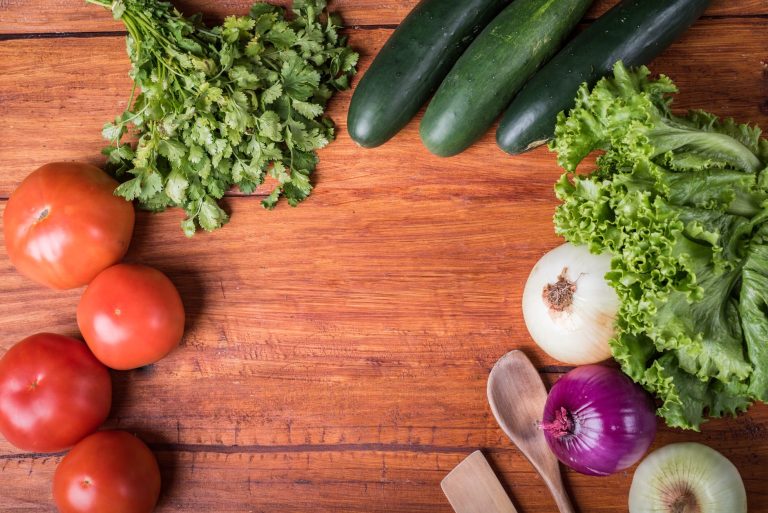
What makes organic food especially useful in a gut-health plan is not just what it removes, but what it encourages. When you buy organic apples, carrots, spinach, or cucumbers, you are more likely to eat them in their simplest form. That means more fiber, fewer additives, and a better chance of building meals that genuinely support your healthy lifestyle.
[IMAGE: organic vegetables]
Best Organic Foods for Better Digestion
Not every organic ingredient will improve digestion in the same way, but some foods are especially helpful for the gut. These foods can reduce digestive discomfort, support beneficial bacteria, and make your meals feel lighter and more satisfying. The key is consistency. A few smart choices every day can matter more than an elaborate reset plan.
1. Organic fermented foods
Fermented foods are a standout choice for gut health because they contain natural probiotics. These friendly bacteria may help support a more balanced microbiome. Examples include organic yogurt with live cultures, kefir, sauerkraut, kimchi, miso, and kombucha. If you are new to them, start small. A spoonful of sauerkraut or a few sips of kefir can be enough to begin.
Fermented foods are especially useful if your diet has been heavy in processed meals or low in variety. Have you noticed that your digestion tends to improve when you eat simpler, fresher foods? Fermented options often complement that effect beautifully.
2. Organic leafy greens
Spinach, kale, arugula, romaine, and Swiss chard bring fiber, antioxidants, and micronutrients that support digestion. They are easy to include in salads, smoothies, omelets, soups, and warm grain bowls. The more often you eat leafy greens, the easier it becomes to maintain regularity and feel satisfied without overeating.
Leafy greens are also a hallmark of a clean eating pattern because they are naturally low in calories but rich in nutrition. If your goal includes weight loss, this makes them especially valuable. You can eat a generous portion without sacrificing flavor or satisfaction.
3. Organic berries
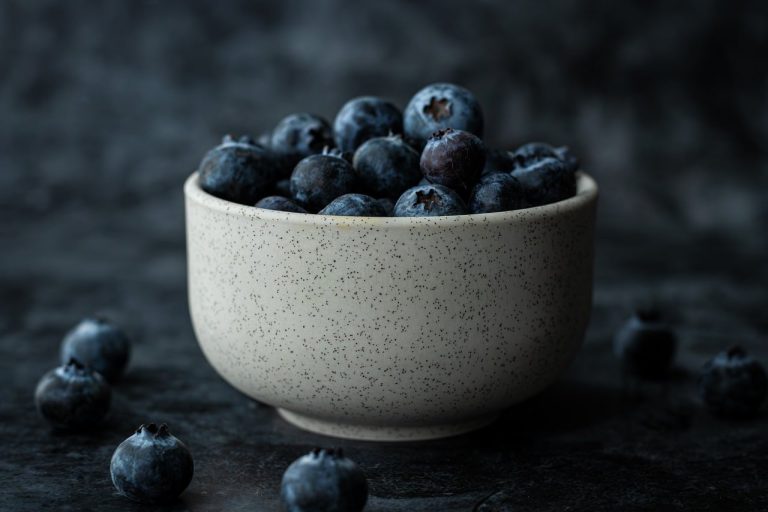
Blueberries, raspberries, blackberries, and strawberries are packed with fiber and antioxidants. They support gut health by feeding beneficial bacteria and helping protect cells from oxidative stress. Organic berries can be a smart choice because berries are often consumed with the skin intact, where residues may be more likely to remain.
Add them to yogurt, oatmeal, chia pudding, or simple snack bowls. Their sweetness can also reduce the desire for refined desserts, making them useful in a sugar-conscious healthy diet.
4. Organic oats and whole grains
Oats are rich in a soluble fiber called beta-glucan, which can support digestion and help keep you full longer. Whole grains like quinoa, brown rice, and buckwheat can also be part of a gut-friendly routine when tolerated well. They provide steady energy and help prevent the blood sugar swings that often lead to cravings and overeating.
For many people, breakfast is where the day either starts strong or falls apart. A bowl of organic oats topped with berries and seeds can set a very different tone than a sugary pastry or a processed cereal. Which version supports your goals better?
5. Organic seeds and nuts
Chia seeds, flaxseeds, pumpkin seeds, almonds, and walnuts bring fiber, healthy fats, and plant compounds that support digestive health. Ground flaxseed is especially useful because it can help promote regularity when paired with enough water. Chia seeds can be soaked into a pudding or stirred into yogurt for a thick, satisfying texture.
These foods also work well for snacking. A small handful of almonds or walnuts can prevent the kind of hunger that leads to random snacking on low-quality foods. That makes them useful for both gut support and weight loss.
6. Organic ginger, garlic, and onions
These flavorful ingredients do more than improve taste. Ginger can soothe the stomach and support digestion, while garlic and onions contain prebiotic compounds that feed beneficial gut bacteria. In a clean eating kitchen, they are foundational ingredients that add depth to soups, sautés, dressings, and roasted vegetables.
If you want meals that feel both comforting and functional, these ingredients should be in regular rotation. They support a healthy lifestyle in the most practical way: by making nutritious food taste better.
7. Organic apples and pears
Apples and pears provide fiber in a portable, affordable form. Their natural sweetness makes them a better alternative to processed snacks, and their pectin content supports digestive balance. Eat them whole, add them to salads, or bake them with cinnamon for a simple dessert that still fits a clean eating approach.
What a Gut-Friendly Clean Eating Plate Looks Like
A gut-friendly meal does not need to be complicated. In fact, the best results often come from simple combinations that are easy to digest and enjoyable to eat. The goal is not to follow an extreme detox diet. It is to consistently choose foods that support the body’s natural processes.
A balanced plate for gut health usually includes fiber-rich vegetables, quality protein, healthy fats, and a moderate portion of whole carbohydrates. This structure supports digestion, steadies blood sugar, and helps you feel satisfied for longer. When your meals are balanced, you are less likely to chase cravings later in the day.
Here is a simple formula to remember:
- Half the plate: organic vegetables, especially leafy greens and colorful produce
- One quarter: quality protein such as eggs, yogurt, lentils, fish, or tofu
- One quarter: whole grains or starchy vegetables
- Additions: seeds, avocado, olive oil, fermented foods, and herbs
This kind of structure is highly effective for clean eating because it removes the guesswork. You do not have to count every detail if your plate already reflects a thoughtful nutrition strategy.
[IMAGE: healthy meal]
Gut Health and Weight Loss: Why They Are So Closely Connected
Many people approach weight loss as a matter of willpower, but the gut has a major influence on appetite, cravings, and the way your body responds to food. When digestion is poor, it can be harder to feel satisfied, and hunger cues can become less reliable. When the microbiome is supported, eating often becomes easier to manage naturally.
Organic food can help here because it encourages more whole-food meals and fewer processed ingredients that can make overeating easier. Instead of highly refined snacks that leave you hungry again in an hour, you get meals with fiber, protein, and stable energy. That combination matters more than many people realize.
Gut-friendly eating may support weight loss in several ways:
- It helps you feel fuller for longer
- It can reduce bloating and digestive discomfort
- It encourages more mindful, less impulsive eating
- It supports stable energy, which can reduce cravings
- It often improves meal quality without making food feel restrictive
That said, sustainable weight loss comes from overall habits, not from one special ingredient. If you want to lose weight in a healthy way, think about the big picture: sleep, movement, hydration, stress, meal timing, and food quality all work together.
Simple Organic Foods to Include Every Day
If you are trying to simplify your routine, choose a few organic staples and repeat them. A consistent healthy diet is often easier than a perfect one. The best results usually come from habits you can actually maintain.
Morning staples
- Organic oats with chia seeds and berries
- Plain organic yogurt with flaxseed and walnuts
- Eggs with sautéed spinach and herbs
- A smoothie with greens, berries, and unsweetened yogurt
Lunch staples
- Grain bowls with quinoa, roasted vegetables, and avocado
- Salads topped with legumes, seeds, and olive oil dressing
- Vegetable soup with garlic, onions, and a protein source
- Wraps filled with greens, hummus, and grilled vegetables
Dinner staples
- Baked salmon with steamed broccoli and sweet potato
- Tofu or chicken stir-fry with ginger and mixed vegetables
- Lentil soup with leafy greens and a side salad
- Roasted root vegetables with a fermented side like sauerkraut
These meals are not flashy, but they are effective. They support nutrition, improve digestion, and make it easier to stay committed to clean eating over time.
A Gentle Organic Detox Diet Without Extremes
The phrase detox diet is often used in misleading ways, as if the body needs to be rescued by a temporary cleanse. In reality, your liver, kidneys, digestive system, and skin already do an impressive job of eliminating waste. What they need is support, not punishment. A gentle detox approach simply means removing excess processed foods and replacing them with nourishing organic meals that make the body’s own systems work more efficiently.
This is where organic food shines. Fresh produce, herbs, whole grains, clean proteins, and hydrating drinks help create an environment where your body can function well. Instead of juice fasts or extreme restrictions, think in terms of simple upgrades.
Helpful detox-supporting habits include:
- Drinking enough water throughout the day
- Eating fiber-rich organic vegetables and fruit
- Including bitter greens like arugula or dandelion greens
- Using ginger, lemon, and herbs to support digestion
- Reducing added sugar and ultra-processed snacks
A true healthy lifestyle is not built on deprivation. It is built on steady, supportive choices that your body can use every day.
Meal Prep Ideas That Make Clean Eating Easier
One of the biggest reasons people abandon healthy eating is inconvenience. If a nutritious meal takes too much effort, it is easy to reach for whatever is available. Meal prep solves this problem by making better choices simple and visible. When your fridge is stocked with clean ingredients, gut-friendly eating becomes almost automatic.
Here are practical organic meal prep ideas that save time while supporting digestion:
- Wash and chop vegetables in advance for easy salads and stir-fries
- Cook a batch of quinoa, brown rice, or lentils for the week
- Prepare a jar of chia pudding or overnight oats for breakfast
- Mix a homemade dressing with olive oil, lemon, and herbs
- Portion out nuts, berries, and yogurt for grab-and-go snacks
- Keep fermented foods ready to add to lunch bowls or dinners
When your fridge looks organized, healthy eating feels easier. That simple visual cue can change your choices more than motivation alone ever could. If a nourishing meal is ready in five minutes, why would you choose a less supportive option?
[IMAGE: fitness lifestyle]
Foods and Habits That Can Work Against Your Gut
Supporting gut health is not only about what you add. It is also about what you reduce. Some foods and habits can make digestion more difficult, increase bloating, or disrupt your eating rhythm. You do not need perfection, but awareness is powerful.
Common gut stressors include:
- Highly processed snacks with long ingredient lists
- Excess sugar and sweetened drinks
- Large meals eaten too quickly
- Low-fiber diets that do not feed beneficial bacteria
- Frequent eating while stressed or distracted
- Too much alcohol, which can irritate digestion
Some people also find that certain foods, even healthy ones, do not sit well with them. That is why personal observation matters. A food can be nutritious and still not be ideal for every digestive system. The smartest approach is to notice patterns. Which meals leave you energized? Which ones leave you bloated or uncomfortable? Your body often gives clear feedback if you pay attention.
Practical Gut-Health Habits Beyond Food
Food is the foundation, but it is not the whole story. A healthy lifestyle includes sleep, movement, stress regulation, and simple routines that help digestion work more smoothly. Have you ever noticed that stress can show up in your stomach? That connection is very real.
Eat slowly and intentionally
Digestion begins before food reaches the stomach. Chewing thoroughly and eating in a calm environment can improve the entire process. When you eat too quickly, you may swallow more air and overwhelm your digestive system. Slowing down can reduce bloating and help you recognize fullness sooner.
Stay hydrated
Water supports digestion and helps fiber do its job. Herbal teas, infused water, and light broths can also contribute to hydration. If you are increasing fiber through organic food, make sure your water intake rises too.
Move your body regularly
Walking after meals, gentle yoga, and regular exercise can support digestion and healthy metabolism. You do not need intense workouts to feel the benefits. Even ten to fifteen minutes of movement after eating can make a difference. This is one reason a fitness lifestyle pairs so well with clean eating: both reinforce energy, consistency, and body awareness.
Prioritize sleep and recovery
Poor sleep can affect appetite, stress hormones, and cravings. A well-rested body often digests more smoothly and makes better food choices. If your evenings are chaotic, your gut may feel the effect by morning. Protecting sleep is not a luxury; it is part of nutrition in a broader sense.
Easy Organic Snack Ideas for Better Digestion
Snacks can either stabilize your day or send you into a sugar crash. The best gut-friendly snacks combine fiber, healthy fats, and a little protein. They should be satisfying without feeling heavy.
- Apple slices with almond butter
- Plain organic yogurt with berries
- Carrot sticks with hummus
- Chia pudding with cinnamon
- A small handful of walnuts and pumpkin seeds
- Fermented vegetables with crackers made from whole grains
- Cucumber slices with avocado and herbs
These are simple, but that is exactly why they work. When a snack supports digestion, it does not create a second problem later in the day.
Common Organic Diet Mistakes to Avoid
Buying organic food is a positive step, but some people unintentionally make their healthy eating routine harder than it needs to be. If your goal is better gut health, it helps to avoid a few common mistakes.
Choosing organic junk food too often
Organic cookies are still cookies. Organic chips are still chips. The label matters, but the broader pattern matters more. Clean eating is not about replacing one processed snack with another just because the packaging looks healthier.
Not eating enough fiber
Some people focus on protein and fats but forget the vegetables, fruit, seeds, and legumes that feed gut bacteria. Without fiber, the microbiome may not get the support it needs. A gut-friendly diet should include plenty of plant diversity.
Overdoing restrictions
Extreme rules can make healthy eating feel stressful and unsustainable. If every meal feels like a test, the plan is probably too rigid. A realistic nutrition strategy leaves room for flexibility while still prioritizing whole foods.
Ignoring portion size
Even healthy foods can add up. Nuts, oils, dried fruit, and calorie-dense bowls should be portioned mindfully, especially if weight loss is one of your goals. Balance is more effective than excess.
Forgetting to listen to your body
Your gut is personal. One person may thrive on oats and yogurt, while another feels better with eggs and fruit. Some people do well with fermented foods daily, while others need to start slowly. Observation is a powerful nutrition tool.
Building a Sustainable Routine You Can Actually Keep
The healthiest plan is the one you can repeat. You do not need to overhaul your life in a single weekend. Instead, focus on one or two changes that feel manageable and then build from there. Maybe you start by swapping sugary breakfast foods for organic oats. Maybe you add a serving of vegetables to lunch and a fermented food to dinner. Small improvements can become lasting habits.
Ask yourself: what would make healthy eating feel easier this week? Could you prep vegetables on Sunday? Could you keep organic berries on hand for snacks? Could you walk for ten minutes after lunch? These small questions matter because they turn nutrition into a practical system instead of a vague intention.
Healthy routines also become more enjoyable when they are visually appealing. A bright bowl of greens, colorful vegetables, and fresh herbs can make meals feel alive and satisfying. That is one of the quiet strengths of organic food: it often looks as vibrant as it tastes.
A Sample Day of Gut-Friendly Organic Eating
If you want a clear picture of how this all comes together, here is a simple day of eating that supports digestion, clean eating, and steady energy. It is not meant to be perfect or strict. It is meant to be realistic.
- Breakfast: Organic oats with chia seeds, blueberries, and a spoonful of plain yogurt
- Mid-morning: Green tea and an apple with almond butter
- Lunch: Quinoa bowl with spinach, roasted carrots, chickpeas, avocado, and lemon dressing
- Afternoon snack: Kefir or a small portion of sauerkraut with whole-grain crackers
- Dinner: Baked salmon, steamed broccoli, and sweet potato with olive oil and herbs
- Evening: Ginger tea or warm water with lemon
This pattern offers variety, fiber, protein, and healthy fats without feeling overly complicated. It is the kind of nutrition plan that can support weight loss while still feeling generous and satisfying.
Why Organic Food Makes Clean Eating More Enjoyable
One of the underrated benefits of organic food is pleasure. When your ingredients are fresh, colorful, and flavorful, healthy meals become more enjoyable. That matters because pleasure is a powerful part of consistency. You are far more likely to stick with a healthy lifestyle if your meals taste good and make you feel good.
Clean eating does not have to be bland. Fresh basil, roasted garlic, citrus, turmeric, cinnamon, and crunchy organic vegetables can turn a basic plate into something memorable. The more flavor and texture you include, the less likely you are to feel deprived. And when you feel satisfied, your nutrition routine becomes easier to maintain.
That is the real secret: sustainable health is not about forcing yourself through a strict plan. It is about designing a way of eating that works with your body, your schedule, and your goals. Organic food can help make that possible because it encourages quality, simplicity, and awareness.
If you want a healthier gut, more stable energy, and a cleaner relationship with food, start by building your meals around organic ingredients that support digestion and satisfaction. Over time, those choices can influence not just how you eat, but how you feel throughout the day. Keep exploring better nutrition, try new recipes, and read more articles on DietOrganic to keep your clean eating routine fresh, practical, and genuinely rewarding.
About the Author