
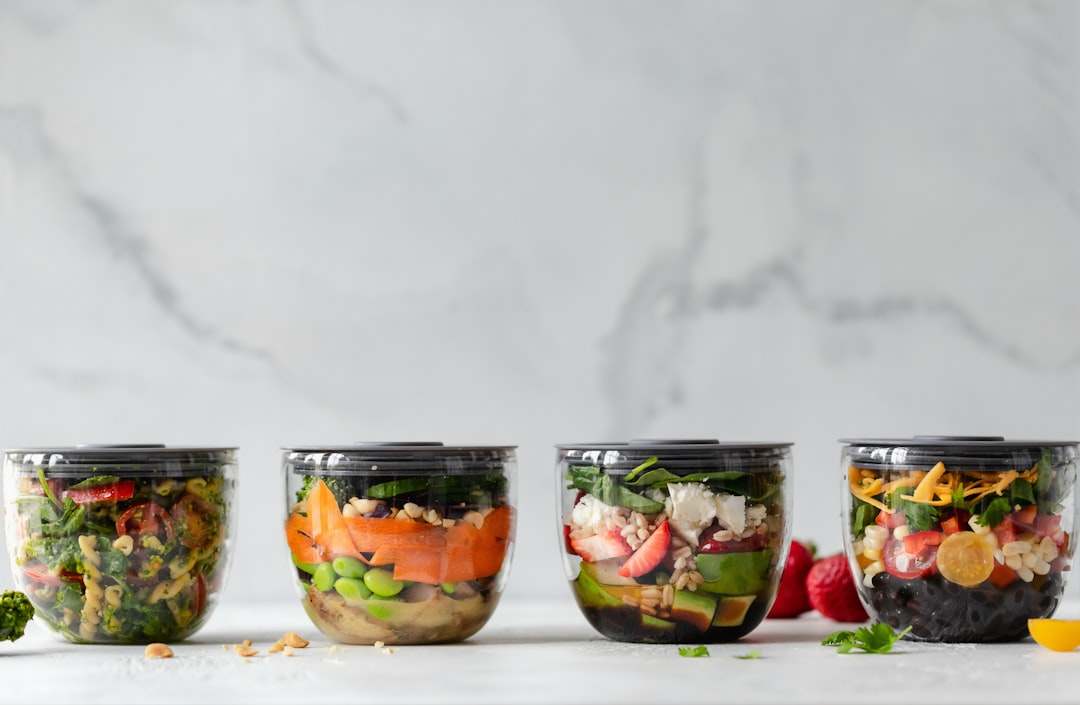
Photo by S'well on Unsplash
When people talk about losing weight, the conversation often gets stuck on calorie counting, restrictive meal plans, and short-lived motivation. But what if the better question is this: what are you actually eating every day, and how much of that food truly supports your body? That is where organic food enters the picture. For anyone who wants a more sustainable healthy diet, cleaner ingredients, and better nutrition without feeling deprived, organic eating can be a practical and powerful approach. It is not a magic solution, but it can help create the kind of clean eating routine that makes healthy choices easier to maintain.
Weight loss is rarely just about eating less. It is about choosing foods that satisfy you, stabilize energy, and help you avoid the snack-craving cycle that so often leads to overeating. Organic food can be especially useful in this process because many organic options are whole, minimally processed, and naturally aligned with a healthy lifestyle. Does that mean every organic product is automatically good for weight loss? Not at all. A bag of organic cookies is still a bag of cookies. But when you build your meals around organic vegetables, fruit, legumes, whole grains, lean proteins, and healthy fats, you give your body a better chance to thrive.
This guide explores the best organic foods for weight loss, why they work, how to use them in a clean eating plan, and how to avoid common diet mistakes. You will also find practical meal ideas, shopping strategies, and simple ways to create a more balanced organic diet without making your life complicated. If you have been asking yourself how to eat well, lose weight, and still enjoy your food, you are in the right place.
Why organic food can support weight loss
Organic food is often associated with higher quality ingredients, fewer synthetic pesticides, and more mindful farming practices. While organic certification does not guarantee fewer calories or faster fat loss, it does help many people make more conscious choices. That matters because weight loss is not only about the food on your plate; it is about the habits that shape your eating patterns.
Organic foods tend to fit naturally into a clean eating plan because they are usually less processed and closer to their original form. Think fresh vegetables, seasonal fruit, plain yogurt, nuts, seeds, eggs, legumes, and whole grains. These foods can be filling, nutrient-dense, and easier to portion in a balanced way. When your meals are built around quality ingredients, you are less likely to rely on ultra-processed products that are designed to be overeaten.
There is also a psychological effect. Many people feel more intentional when they shop for organic food. That can lead to more cooking at home, more attention to nutrition labels, and fewer impulse decisions. Could that alone transform your body? No. But paired with regular movement, adequate sleep, and hydration, it can help create the steady conditions that support healthy weight loss.
What makes organic eating different?
Organic eating is not a strict diet trend. It is a way of selecting ingredients that often encourages simpler, cleaner meals. Instead of focusing only on what you should eliminate, it shifts the emphasis to what you can add: fresh produce, satisfying proteins, fiber-rich carbs, and natural fats that keep hunger under control.
For many people, that shift is important because extreme diets often fail. They are too rigid, too confusing, or too difficult to maintain in normal life. A healthy lifestyle built on organic food can feel more realistic. You are not forcing yourself into a temporary plan; you are learning how to eat in a way that supports long-term energy and better body composition.
The best organic foods for weight loss
Not all organic foods are equally helpful for fat loss. Some are nutrient-dense and filling, while others are easy to overeat. The goal is to choose foods that deliver a lot of nutrition for a reasonable number of calories, while also keeping you satisfied enough to avoid constant cravings.
1. Organic leafy greens
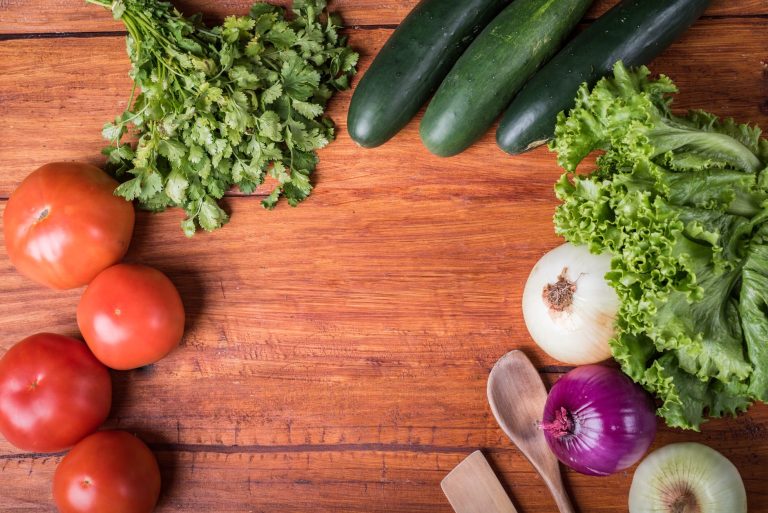
Spinach, kale, arugula, romaine, Swiss chard, and mixed greens should be at the top of your list. They are low in calories but rich in fiber, vitamins, minerals, and antioxidants. A large salad can add volume to a meal without adding much energy, which is helpful if you are trying to manage appetite.
Leafy greens also work well in smoothies, soups, omelets, grain bowls, and stir-fries. If you want to build a weight loss plate that feels abundant rather than restrictive, start with a generous base of greens.
- Add spinach to smoothies for a nutrition boost.
- Use kale in soups or lightly sauté it with garlic.
- Combine arugula with lean protein and citrus for a sharp, fresh salad.
2. Organic cruciferous vegetables
Broccoli, cauliflower, Brussels sprouts, cabbage, and bok choy are all excellent choices for a healthy diet. They are high in fiber and water, which can help you feel full while supporting digestion. Their texture also makes them satisfying to eat, which matters more than many people realize.
Cauliflower is especially versatile. It can be roasted, mashed, riced, or blended into soups. Broccoli pairs well with chicken, tofu, salmon, or chickpeas. When weight loss meals feel boring, cruciferous vegetables can bring back texture and variety without derailing your goals.
3. Organic berries
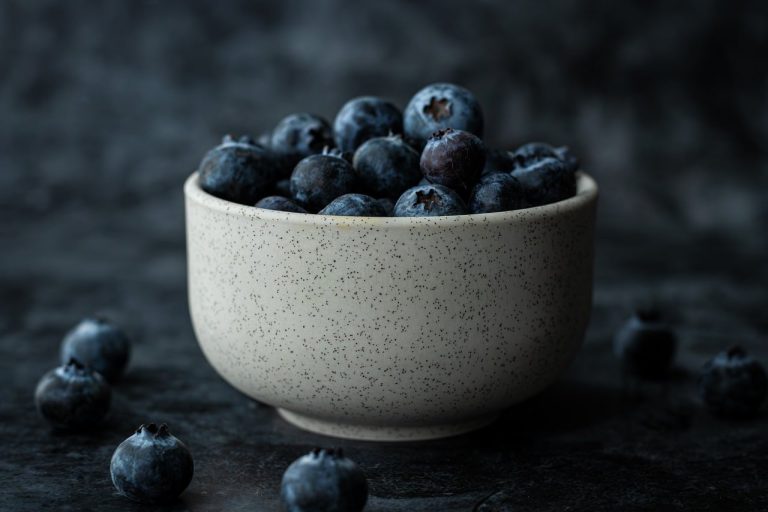
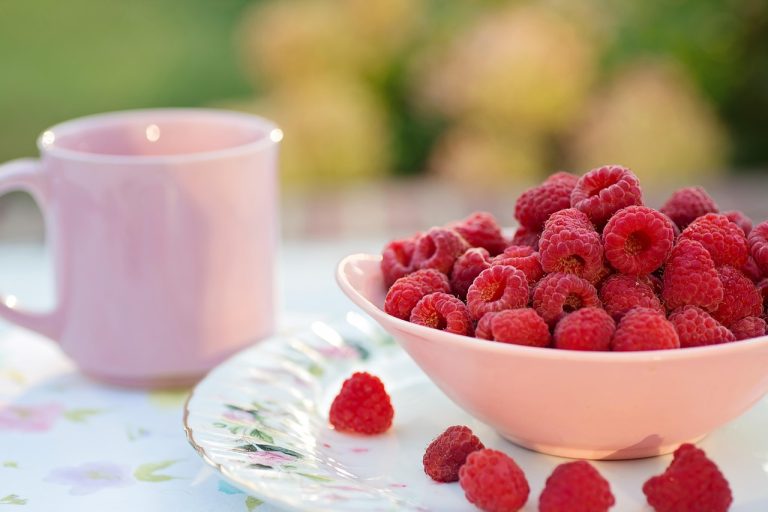
Blueberries, raspberries, strawberries, and blackberries are ideal if you want something naturally sweet without going overboard on sugar. Berries are rich in fiber and antioxidants, making them one of the smartest organic food choices for a clean eating plan.
They can satisfy dessert cravings, support hydration, and pair beautifully with yogurt, oats, chia pudding, or cottage cheese. If you find yourself reaching for processed sweets in the afternoon, try a bowl of berries first. Sometimes a simple fruit choice is enough to shift the entire day in a better direction.
4. Organic apples and pears
Apples and pears are practical, portable, and filling. Their fiber content helps slow digestion, which can prevent the rapid hunger rebound that often follows sugary snacks. They are also easy to include in a busy routine, whether you are commuting, working from home, or packing lunches.
Because they travel well, apples and pears are a smart choice for people who need a healthy lifestyle strategy that does not depend on perfect schedules. Keep them visible in your kitchen. Convenience often determines success more than willpower.
5. Organic avocados
Avocados are calorie-dense, so portion awareness matters, but they are also one of the most satisfying foods you can include in a weight loss plan. Their healthy fats help keep meals satisfying and can reduce the urge to snack soon after eating.
Try half an avocado with eggs, add slices to salads, or use mashed avocado instead of heavy sauces. The richness of avocado can make simple meals feel luxurious without requiring unhealthy ingredients.
6. Organic eggs
Eggs are a classic organic protein source and a weight loss favorite for good reason. They are convenient, versatile, and naturally filling. A protein-rich breakfast can make a noticeable difference in appetite control throughout the day.
Scrambled eggs with greens, hard-boiled eggs with vegetables, or an omelet with mushrooms and tomatoes can all fit into a clean eating routine. If you want meals that are quick but still nourishing, eggs are hard to beat.
7. Organic Greek yogurt
Plain Greek yogurt offers protein, calcium, and a creamy texture that can help reduce the desire for less nutritious snacks. Choose unsweetened versions whenever possible, then add berries, seeds, cinnamon, or chopped nuts for flavor.
It works well as breakfast, a snack, or even a base for savory sauces and dressings. For weight loss, the key is to avoid heavily sweetened yogurts that behave more like dessert than a health food.
8. Organic legumes
Beans, lentils, and chickpeas are some of the best foods for anyone trying to lose weight while staying full and energized. They are packed with fiber and plant-based protein, both of which support satiety and stable blood sugar.
Legumes are ideal for soups, salads, stews, curries, and grain bowls. If you want a budget-friendly organic diet, legumes deserve a permanent place in your pantry. They are affordable, versatile, and very effective in a clean eating meal plan.
9. Organic salmon and other clean protein choices
Protein is essential for preserving muscle during weight loss, and muscle helps support a stronger metabolic rate. Organic salmon, pasture-raised eggs, organic poultry, and plant-based proteins like tofu or tempeh can all be valuable options depending on your preferences.
Salmon is especially useful because it provides protein and omega-3 fats that support overall health. Pair it with vegetables and a modest portion of whole grains for a balanced meal that feels satisfying without being heavy.
10. Organic chia seeds and flaxseeds
These tiny seeds pack a serious nutritional punch. They add fiber, healthy fats, and a pleasant texture to smoothies, oatmeal, yogurt, and homemade puddings. Because they absorb liquid, they can help meals feel more substantial.
Need a simple trick for better appetite control? Add one tablespoon of chia or ground flaxseed to breakfast and see how your hunger changes during the morning. Small changes often create the biggest consistency gains.
11. Organic oats
Whole organic oats are a strong choice for breakfast or meal prep. They are filling, easy to customize, and support a steady release of energy. This makes them especially useful if you tend to crash midmorning and reach for snacks too early.
Choose plain oats and build your bowl with berries, yogurt, seeds, cinnamon, or a spoonful of nut butter. Avoid turning oats into a sugar bomb with syrups and sweetened toppings that cancel out their benefits.
12. Organic nuts and seeds
Almonds, walnuts, pumpkin seeds, sunflower seeds, and pistachios can support weight loss when used in proper portions. They are calorie-dense, yes, but they are also satisfying and nutrient-rich, which can help prevent overeating later.
A small handful can be an excellent snack. You can also add them to salads, yogurt bowls, or roasted vegetables for texture and flavor. The secret is not to eat them mindlessly from a large bag.
What a clean eating approach looks like in real life
Clean eating is often misunderstood as a rigid set of rules, but in practice it simply means choosing real, minimally processed foods most of the time. It does not have to be perfect to be effective. In fact, perfection is one of the biggest barriers to long-term success.
When building a weight loss plan around organic food, it helps to think in terms of structure rather than restriction. What do you want most of your meals to look like? What will keep you full, satisfied, and energized? If you answer those questions well, you are already ahead of most fad diets.
Use the plate method
A simple approach is to divide your plate into components:
- Half plate: organic vegetables, especially leafy greens and colorful produce
- One quarter plate: lean protein or plant protein
- One quarter plate: smart carbs like oats, brown rice, quinoa, or sweet potato
- Small add-on: healthy fats such as avocado, nuts, seeds, or olive oil
This structure helps keep meals balanced without requiring obsessive counting. It also makes it easier to build meals that support nutrition and stable hunger levels.
Choose foods that work for your schedule
Healthy eating has to survive real life. If your job is hectic, your mornings are rushed, or your evenings are unpredictable, the best organic diet is the one you can actually sustain. That may mean buying pre-washed greens, frozen organic vegetables, plain Greek yogurt cups, boiled eggs, or pre-cooked lentils.
Do not underestimate convenience. It is much easier to stay consistent when healthy food is ready when you are.
Organic food and detox diet ideas
The word detox gets used in many dramatic ways, but your body already has natural detox systems built in through the liver, kidneys, digestive tract, skin, and lungs. The role of an organic diet is not to
About the Author