
Photo by Goumbik on Pixabay
If you have ever committed to a clean eating routine only to feel bloated, tired, or strangely hungry an hour later, the problem may not be your discipline. It may be your gut. The digestive system influences far more than comfort after a meal. It affects energy, cravings, immunity, mood, and even how easily your body supports weight loss. That is why so many people are turning to organic food as a smarter, gentler way to improve nutrition from the inside out. Could the right organic foods be the missing link between a healthy lifestyle and a body that actually feels good day after day?
This article explores how organic food can support gut health, why clean eating works best when digestion is calm, and which foods deserve a permanent place in your kitchen. You will also see how a gut-friendly organic diet can support weight loss without harsh rules, how to build meals that feel satisfying, and how to avoid the common mistakes that leave people stuck in the cycle of inflammation, cravings, and frustration. Think of this as a practical guide to better digestion, more consistent energy, and a more sustainable relationship with food.
Why Gut Health Is the Real Starting Point for Clean Eating and Weight Loss
A lot of diet advice focuses on calories alone, but the body is not a math formula. Two people can eat nearly the same meals and experience very different results depending on their digestion, microbiome balance, stress level, and food quality. When the gut is functioning well, nutrients are absorbed efficiently, waste is eliminated more comfortably, and the body is less likely to signal constant hunger. When it is not, even healthy meals can leave you feeling heavy, puffy, and unsatisfied.
The gut microbiome, which is the community of bacteria and other microorganisms living in the digestive tract, plays a major role in how food is processed. Some microbes help break down fiber, produce beneficial compounds, and support immune resilience. Others become dominant when the diet is low in variety and high in processed foods. That imbalance can affect everything from bloating to sugar cravings. If you have been trying to lose weight but your appetite feels unpredictable, your gut may deserve more attention than your scale.
The gut-metabolism connection
People often think of metabolism as something fixed, but digestion strongly influences how efficiently the body uses energy. A healthy gut can improve blood sugar stability, reduce inflammation, and help regulate hormones connected to hunger and fullness. That does not mean organic food is a magic solution. It does mean that when the microbiome is supported with the right nutrition, weight loss often becomes more manageable and less stressful.
Have you noticed that some meals leave you energized while others trigger fatigue or cravings? That pattern is usually a clue. Meals rich in fiber, plant diversity, and fermented foods tend to support a steadier digestive response. Meals high in additives, refined sugar, and low-quality fats often do the opposite. The goal is not perfection. The goal is consistency.
Signs your diet is not supporting digestion
If you are unsure whether your current eating habits are helping or hurting your gut, pay attention to the body’s signals. Digestive discomfort does not always appear as dramatic pain. It can show up in subtle ways that many people normalize for years.
- Frequent bloating after meals
- Constipation or irregular bowel movements
- Gas, heaviness, or a slow feeling in the stomach
- Cravings for sugar or refined carbohydrates
- Low energy after eating
- Skin flare-ups that seem linked to food choices
- A strong desire to snack even when meals are large enough
These symptoms do not always mean something is seriously wrong, but they do suggest that your nutrition strategy could be improved. This is where organic food and clean eating can make a noticeable difference. Not because organic ingredients are fashionable, but because they are often less exposed to unnecessary additives and are usually chosen with fresher, more whole-food focused preparation in mind.
The Best Organic Foods for Gut Health
The most effective gut-friendly diet is not built on one superfood. It is built on variety, color, texture, and regularity. The microbiome thrives when it is fed different forms of fiber, helpful bacteria, antioxidants, minerals, and healthy fats. Organic food makes that easier because it tends to fit naturally into a cleaner, less processed eating pattern. Below are some of the best choices for a digestion-focused healthy lifestyle.
Fermented organic foods that add beneficial bacteria
Fermented foods are among the most useful additions to a gut-friendly nutrition plan. They contain live cultures or fermentation byproducts that can support microbial diversity. They also bring complexity and flavor to meals, which makes clean eating more enjoyable and less restrictive.
Organic yogurt and kefir
Plain organic yogurt and kefir can be excellent choices if you tolerate dairy well. Look for options with no added sugar and a short ingredient list. These foods offer protein, calcium, and probiotics, all of which can support digestion and satiety. Add berries, chia seeds, or ground flax for a more complete breakfast.
Sauerkraut, kimchi, and miso
These fermented foods can be added in small amounts to lunch bowls, soups, and salads. Because their flavors are bold, a little goes a long way. Choose refrigerated versions when possible, since they are more likely to contain active cultures. Organic versions can be especially appealing if you are trying to keep your kitchen aligned with a cleaner, more intentional lifestyle.
Tempeh
Tempeh is a fermented soy food with a dense texture and a naturally satisfying bite. It is high in protein and works well in stir-fries, grain bowls, and sandwiches. For people exploring plant-based nutrition, tempeh can be an especially useful organic protein source that supports digestion without feeling heavy.
Prebiotic foods that feed the microbiome
If probiotics are the beneficial bacteria, prebiotics are the food that keeps them thriving. These fibers pass through the small intestine largely undigested and then become fuel for the microbes in the colon. A gut-friendly diet needs both.
Garlic, onions, leeks, and asparagus
These vegetables are powerful prebiotic choices and easy to include in everyday cooking. Add them to omelets, soups, roasted vegetable trays, and sauces. They do more than improve flavor; they also help create a better environment for beneficial bacteria to flourish.
Green bananas, oats, apples, and chicory root
These foods are especially useful when you want to increase fiber without making meals complicated. Green bananas can be blended into smoothies, oats can be served warm with seeds and cinnamon, and apples offer a crisp, portable snack. Organic varieties are a smart choice when these are foods you eat often.
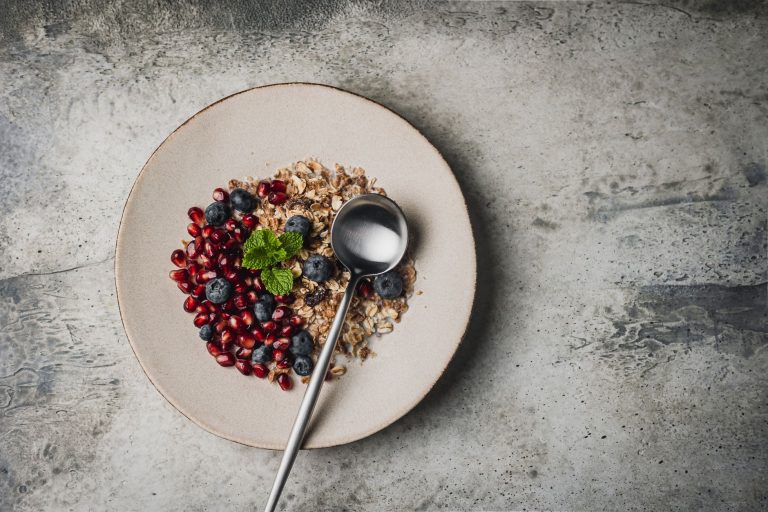
When people ask what organic food is best for digestion, the answer is often simple: the one you can eat consistently. A bowl of oats with yogurt and berries may seem ordinary, but over time it can do more for your gut than a trendy supplement ever could.
Antioxidant-rich produce that helps calm inflammation
Inflammation in the digestive tract can interfere with comfort, nutrient absorption, and the ability to maintain a healthy weight. Colorful fruits and vegetables are rich in antioxidants and polyphenols, which help protect cells from stress and support a balanced internal environment.
Berries
Blueberries, raspberries, strawberries, and blackberries are packed with fiber and plant compounds. They are also easy to add to breakfasts, snacks, and desserts. If you are building a clean eating plan, berries can satisfy a sweet craving without relying on refined sugar.
Leafy greens
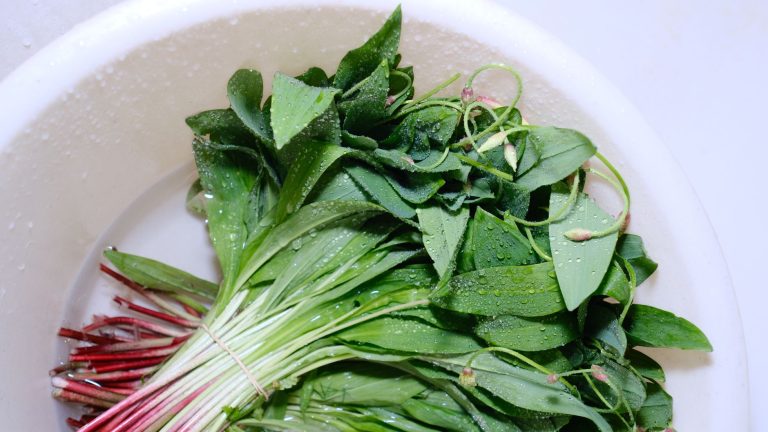
Spinach, kale, arugula, and romaine provide folate, magnesium, and fiber. They may not be the most exciting foods on their own, but they are among the most versatile. Toss them into omelets, smoothies, salads, and bowls to increase the nutritional density of your meals without adding heaviness.
Cruciferous vegetables
Broccoli, cauliflower, Brussels sprouts, and cabbage support the body’s natural detox diet processes by providing fiber and sulfur-containing compounds. Roasted, steamed, or lightly sautéed, they can become a satisfying part of lunch or dinner. If you want weight loss support without restriction, these are the kinds of foods that help you feel full on fewer calories while still nourishing the body well.
[IMAGE: organic vegetables]
Healthy fats and proteins that keep digestion steady
A gut-friendly organic food plan is not just about fiber. It also needs adequate protein and fats. Without them, many people experience blood sugar swings that lead to cravings and overeating later in the day. Balanced meals are easier to digest emotionally and physically.
Avocados, olive oil, chia seeds, and flaxseeds
These ingredients support fullness and deliver anti-inflammatory fats. Avocado can be added to toast, salads, or grain bowls. Olive oil enhances flavor and helps the body absorb fat-soluble vitamins. Chia and flax provide fiber, omega-3 fats, and a gentle texture that works well in smoothies, puddings, and yogurt bowls.
Organic eggs and clean protein choices
Organic eggs can be a convenient source of high-quality protein and important nutrients like choline. For those who eat animal foods, they are a practical breakfast staple. If you prefer plant-based meals, tofu, tempeh, lentils, and beans can offer similar support when prepared well and paired with vegetables and healthy fats.
What matters most is not forcing your meals into a trend, but building a pattern your body can handle calmly. A healthy lifestyle should feel nourishing, not punishing.
What a Gut-Friendly Organic Plate Looks Like
One of the easiest ways to make clean eating sustainable is to stop thinking in terms of rules and start thinking in terms of plate design. A good organic meal does not need to be elaborate. It needs balance, color, and enough satisfaction to keep you from hunting for snacks ten minutes later.
Breakfast ideas that support energy
A gut-friendly breakfast should offer protein, fiber, and a gentle source of energy. Instead of a sugary start that creates a crash, choose meals that help your body settle into the day.
- Organic yogurt with berries, chia seeds, and walnuts
- Oatmeal with flax, cinnamon, sliced apple, and pumpkin seeds
- Egg scramble with spinach, tomatoes, and avocado
- Green smoothie with kefir, cucumber, berries, and a handful of greens
These meals are simple, but they do something important: they give the digestive system a steady rhythm. That rhythm matters if you are trying to reduce bloating and support weight loss without feeling deprived.
Lunch ideas that keep you focused
Midday meals often determine whether the afternoon feels productive or sluggish. If lunch is too light, cravings can hit hard. If it is too heavy or processed, the body may feel foggy. The sweet spot is a balanced organic plate with protein, vegetables, and a satisfying carbohydrate source.
- Quinoa bowl with roasted vegetables, chickpeas, sauerkraut, and tahini
- Salad with greens, cucumber, avocado, lentils, herbs, and olive oil dressing
- Brown rice with tempeh, broccoli, carrots, and sesame seeds
- Vegetable soup with beans, garlic, onions, and a side of whole-grain toast
If you work long hours, this is where meal prep becomes a powerful tool. A few well-chosen organic ingredients can save time and help you stay aligned with your nutrition goals during a busy week.
Dinner ideas that encourage repair
Dinner should feel grounding. The best evening meals support digestion, promote rest, and avoid overwhelming the stomach right before sleep.
- Roasted salmon or tempeh with sweet potato and asparagus
- Stir-fried vegetables with tofu, garlic, ginger, and brown rice
- Chicken soup with carrots, celery, onions, and leafy greens
- Zucchini noodles with pesto, cherry tomatoes, and white beans
[IMAGE: healthy meal]
Snacks and drinks that help instead of hinder
Snacking is not the enemy. The wrong snacks, however, can keep blood sugar unstable and create a false sense of hunger. A smart organic snack gives you energy while still respecting your digestive system.
- Apple slices with almond butter
- Carrot sticks with hummus
- Plain kefir with cinnamon
- Handful of walnuts and berries
- Cucumber with sea salt and lemon
For drinks, water should be your base. Herbal teas such as ginger, peppermint, and fennel can feel soothing after meals. If you enjoy a detox diet approach, think of it as supporting hydration and elimination with calm, everyday habits rather than extreme cleanses.
How Organic Food Supports Weight Loss Without Extreme Restriction
Weight loss becomes more achievable when food is less inflammatory, more filling, and easier to digest. That is one reason why organic food appeals to people who are tired of dieting. It often encourages a return to real meals instead of packaged products that are engineered to be overeaten.
Fewer additives, more natural satisfaction
Many processed foods contain flavor enhancers, refined starches, added sugar, and oils that make them easy to consume in large amounts. Organic meals built from whole ingredients tend to be more satisfying because the body can recognize them more easily. When you eat real food, you are more likely to stop at a natural point of fullness.
That does not mean every organic product is automatically healthy. Organic cookies are still cookies. But when your cart centers on produce, legumes, grains, yogurt, nuts, seeds, and clean proteins, weight loss can happen in a way that feels much less forced.
Better blood sugar stability
Steady blood sugar is one of the most underrated benefits of clean eating. When meals contain fiber and protein, the body releases energy more gradually. That can reduce the sharp hunger spikes that often lead to overeating.
Ask yourself this: are you truly hungry, or are you reacting to a crash from a poor-quality meal? This question alone can change the way you approach snacking and portion size.
Gentle detox support through food
The body already has natural detox systems, especially the liver, kidneys, skin, and digestive tract. The role of food is not to force a dramatic cleanse, but to support those organs with the nutrients they need. Organic vegetables, herbs, fiber-rich fruit, and enough water all contribute to a gentler detox diet approach.
Cruciferous vegetables, garlic, leafy greens, and citrus fruits are especially helpful here. They bring vitamins, minerals, and plant compounds that assist the body in daily maintenance. In this sense, detox is less about deprivation and more about creating ideal conditions for the body to do its job well.
Better adherence means better results
The most effective weight loss plan is the one you can actually maintain. Clean eating with organic food often feels more realistic because it is built around abundance rather than obsession. You are not fighting hunger all day. You are learning how to build meals that help you feel human, focused, and stable.
That is the kind of nutrition strategy people stick with. And in the long run, consistency matters far more than temporary intensity.
Clean Eating Habits That Improve Digestion Every Day
Food quality matters, but so does the way you eat. Even the best organic diet can feel ineffective if meals are rushed, skipped, or eaten under stress. A healthy lifestyle is a combination of ingredients, timing, and behavior.
Eat slowly and chew more than you think you need to
Digestion begins in the mouth. When food is well chewed, the stomach has less work to do. This small habit can reduce bloating and help you notice fullness earlier. Try putting your fork down between bites. It sounds simple, but it changes the pace of a meal in a meaningful way.
Keep meals regular enough to create rhythm
Some people feel best with three structured meals, while others do well with an occasional snack. The key is to avoid chaotic eating patterns. Long stretches without food can lead to overeating later, and constant grazing can make digestion feel never-ending. Notice what keeps your energy stable and your stomach comfortable.
Hydrate with intention
Water supports digestion, bowel movements, circulation, and nutrient transport. If you are increasing fiber through organic food, hydration becomes even more important. Add lemon, cucumber, or mint if you enjoy more flavor. Herbal tea can also be a soothing addition, especially after heavy meals.
Move your body after eating
Gentle movement supports digestion. A short walk after dinner can help with blood sugar control and reduce the sluggish feeling that often follows large meals. Exercise also supports weight loss and overall wellness, but it does not need to be punishing to be effective. A consistent walking routine may be one of the simplest fitness lifestyle upgrades available.
[IMAGE: fitness lifestyle]
Reduce stress before it reaches the stomach
Stress changes how the body processes food. When the nervous system is in overdrive, digestion can slow down or become more reactive. Simple habits like deep breathing, turning off screens during meals, or eating in a calm space can improve how your body responds to food. Clean eating is not only about what is on the plate. It is also about the environment around the plate.
Foods and Habits That Can Upset the Gut
If you want to improve digestion, it helps to know what tends to make symptoms worse. You do not need a perfect lifestyle, but you do need awareness. Some foods may appear healthy on the surface while quietly undermining your progress.
Highly processed foods
Packaged snacks, fast food, and heavily refined convenience meals often lack fiber and contain ingredients that do not support gut balance. They can be easy to overeat, and they often leave less room for the organic foods your body actually needs.
Too much added sugar
High sugar intake can feed cravings and encourage a less balanced microbiome. It can also cause energy crashes that mimic hunger. When possible, choose fruit, cinnamon, vanilla, and naturally sweet ingredients to satisfy sweet cravings in a more stable way.
Large amounts of alcohol
Alcohol may interfere with digestion, sleep, and appetite regulation. If you are focused on weight loss or a detox diet style of eating, reducing alcohol is often one of the most effective choices you can make.
Common health-food traps
Not every food labeled healthy is truly supportive. Watch out for products that look wholesome but are loaded with sugar or starch. These include:
- Flavored yogurts with dessert-level sugar
- Granola bars that are basically candy in disguise
- Smoothies made with juice instead of whole fruit
- Store-bought salad dressings with refined oils and additives
Ask a simple question before buying anything: does this food look like something my great-grandmother would recognize as food? If the answer is no, it may not be serving your digestion well.
A Simple 3-Day Organic Gut Reset You Can Actually Follow
Sometimes the best way to restart healthy habits is with a short, focused routine. This is not a crash detox diet. It is a brief reset that emphasizes organic food, hydration, and calmer eating patterns so your digestion can settle. Use it as a template, not a punishment.
Day 1: Rebuild with light, balanced meals
Focus on meals that are easy to digest and rich in fiber and fluids. Breakfast could be oats with berries and chia. Lunch might be a vegetable soup with beans. Dinner could be roasted vegetables with tofu or eggs. Drink water consistently throughout the day and avoid overeating late at night.
- Eat three balanced meals
- Choose one fermented food
- Walk for ten to twenty minutes after one meal
- Keep snacks simple and whole-food based
Day 2: Add more plant variety
Your gut loves diversity. On the second day, include a wider range of vegetables, seeds, and fruits. A salad at lunch, roasted broccoli at dinner, and an apple with nut butter in the afternoon can make a meaningful difference. Variety is a major theme in nutrition for a reason: the more diverse your food choices, the more diversified your microbiome tends to become.
- Use at least five different plant foods
- Add garlic, onions, or leeks to a cooked meal
- Choose water or herbal tea instead of sugary drinks
- Avoid grazing all day
Day 3: Focus on consistency and comfort
By the third day, notice what your body enjoys most. Did a certain breakfast keep you satisfied? Did a walk after lunch help with bloating? Did a fermented food improve or irritate digestion? This is where clean eating becomes personal rather than generic. The best organic food plan is the one your body can tolerate and your routine can support.
- Repeat the meals that felt good
- Cook one batch of grains or legumes for the next few days
- Prepare snacks before hunger gets intense
- Pay attention to energy, cravings, and comfort
This kind of reset helps you observe patterns without obsessing over them. It is a practical way to reconnect with nutrition and stop relying on last-minute choices.
How to Build a Sustainable Organic Diet Instead of a Short-Term Fix
Lasting change comes from habits that fit real life. If your plan requires constant willpower, it will eventually collapse under stress. The good news is that an organic food-based clean eating approach can be both simple and enjoyable when you build it gradually.
Start with one meal at a time
You do not need to replace your entire pantry overnight. Begin with the meal you repeat most often. If breakfast is your biggest weakness, improve that first. If lunch is where you usually grab processed food, prep a better option in advance. Small wins are easier to repeat than grand promises.
Buy a short list of reliable staples
A practical organic kitchen does not need to be complicated. It needs a dependable core of ingredients that work in many combinations.
- Leafy greens
- Berries
- Apples and citrus
- Oats and quinoa
- Eggs, tofu, beans, or tempeh
- Avocados, olive oil, chia, and flax
- Garlic, onions, and fresh herbs
These foods help support digestion, weight loss, and steady energy without making meal planning feel like a second job.
Keep your meals satisfying
Many people quit clean eating because they accidentally make meals too small, too dry, or too bland. A satisfying plate should have flavor, texture, and enough volume to feel complete. Use herbs, lemon, vinegar, spices, and healthy fats to make your food enjoyable. When meals are satisfying, you are less likely to seek out ultra-processed snacks later.
Be patient with the process
The gut does not always change overnight. Some improvements appear quickly, such as better regularity or less post-meal heaviness. Others take time, especially if you have spent years relying on convenience foods. Stay focused on the direction, not just the speed. Every balanced meal is a signal to your body that better nutrition is becoming the norm.
And if you ever wonder whether the effort is worth it, remember this: the strongest healthy lifestyle plans are not built on short bursts of motivation. They are built on meals that make you feel clear, steady, and well fed.
Organic food can be far more than a trend. When chosen wisely, it becomes a practical tool for better digestion, steadier energy, and more sustainable weight loss. It supports a clean eating routine without turning every meal into a rulebook, and it makes a detox diet approach feel gentler and more aligned with real life. Most importantly, it helps you reconnect with how food is supposed to feel: satisfying, nourishing, and supportive of your whole body. If you are ready to explore more ways to build a healthier routine, read more articles on DietOrganic and keep shaping a nutrition plan that works with your body instead of against it.
About the Author