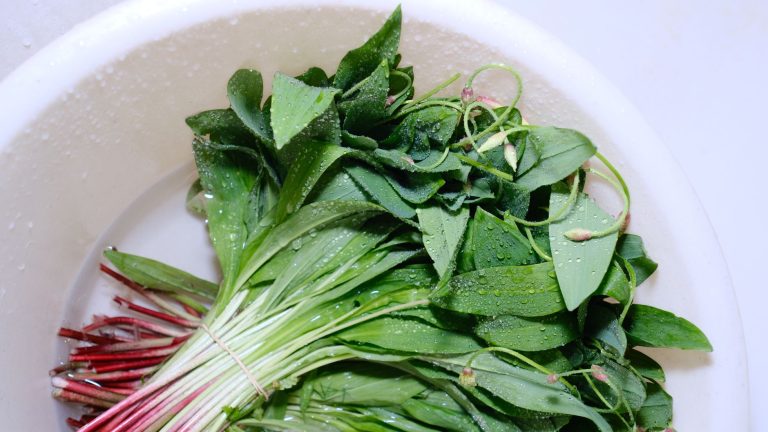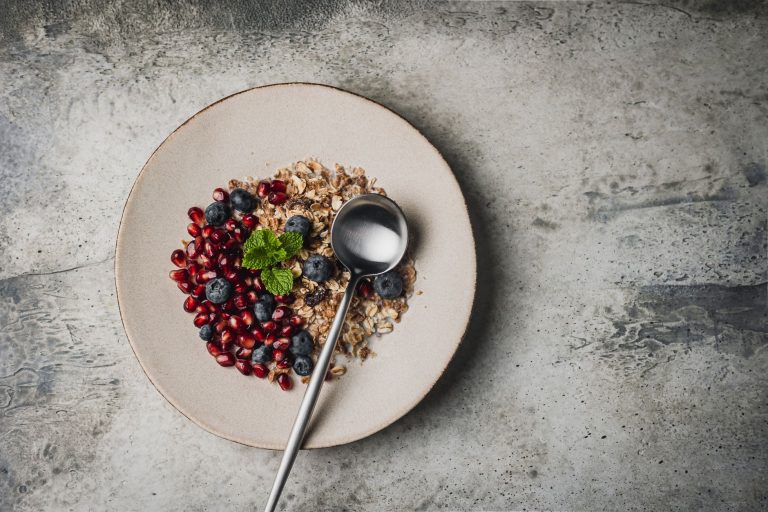


Photo by I Love Egg on Openverse
If you have ever wondered why some healthy diets feel effortless while others leave you bloated, sluggish, or constantly hungry, the answer may begin in the gut. The digestive system is far more than a place where food is broken down. It influences energy, appetite, immunity, mood, and even how efficiently your body uses nutrition. That is why organic food has become such a powerful part of the modern clean eating conversation. When your meals are built around whole, minimally processed ingredients grown with fewer synthetic chemicals, your body often responds with better digestion, steadier energy, and a healthier relationship with food.
For people focused on weight loss, the gut deserves attention for a simple reason: a well-fed digestive system tends to work more efficiently. It can help reduce cravings, support regularity, and make it easier to stick with a healthy lifestyle. And when organic food is combined with smart nutrition choices, the result is not a restrictive detox diet or an extreme reset. It is a sustainable way of eating that supports the body from the inside out. Could there be a more practical approach to clean eating than choosing foods that your body can actually recognize and use well?
[IMAGE: organic vegetables]
Why Gut Health Matters in a Clean Eating Plan
The gut plays a central role in how well you absorb vitamins, minerals, and other nutrients from the foods you eat. If digestion is slow or unbalanced, even an otherwise healthy diet may not feel as beneficial as it should. Bloating, irregularity, heavy fatigue after meals, and frequent sugar cravings can all be signs that your digestive system needs more support. This is where a thoughtful organic food strategy can make a meaningful difference.
Organic produce, whole grains, legumes, seeds, fermented foods, and high-quality proteins can create a more stable environment for digestion. These foods often provide fiber, beneficial plant compounds, and fewer artificial additives that may disrupt the gut. In a world full of quick fixes and overly processed snacks, choosing clean eating ingredients can be one of the easiest ways to improve daily nutrition without overcomplicating your routine.
People often ask: if weight loss is the goal, should gut health really come first? The answer is yes. When digestion improves, many other things improve with it. Appetite becomes easier to manage, meals feel more satisfying, and your body can make better use of the nutrients that support metabolism and energy production. That is why an organic food plan for gut health is not just about what you remove. It is about what you intentionally add.
The Organic Food Advantage for Digestion
There is no need to treat organic food as a miracle cure. Still, there are real reasons it can fit beautifully into a healthy lifestyle. Organic farming typically limits synthetic pesticides and fertilizer residues, which can be appealing for people who want a cleaner approach to nutrition. While the digestive system is remarkably resilient, many people feel more confident knowing their fruits, vegetables, and grains are grown in a way that aligns with their wellness goals.
Beyond the farming method itself, organic food often encourages better habits. If you are buying organic apples, spinach, oats, or yogurt, you are more likely to prepare whole meals rather than rely on packaged foods. That shift alone can improve fiber intake, reduce added sugar, and make a detox diet feel less like a crash and more like a reset of everyday choices. The most effective healthy diet is usually the one that is simple enough to maintain.
Another advantage is taste. Fresh, in-season organic produce often has excellent flavor, which makes healthy food feel rewarding rather than forced. When a meal tastes genuinely good, you are less likely to drift toward convenience foods that are low in nutrition and high in additives. That makes clean eating feel less like a rulebook and more like a satisfying routine.
Best Organic Foods for Gut Health
The most effective gut-friendly meals are built around foods that provide fiber, hydration, beneficial bacteria, and enough protein to keep you satisfied. Below are the categories that deserve a place in your kitchen if you want to support digestion, weight loss, and long-term wellness.
1. Organic Fermented Foods
Fermented foods are some of the best allies for the digestive system because they naturally contain probiotics, the beneficial bacteria associated with gut balance. Organic versions can offer a cleaner ingredient list and a fresher taste, making them ideal for a healthy lifestyle.
Examples include:
- Organic plain yogurt with live cultures
- Organic kefir
- Organic sauerkraut
- Organic kimchi
- Organic miso
These foods can be added in small portions to meals rather than eaten in huge amounts. A few spoonfuls of sauerkraut alongside eggs, a cup of kefir with berries, or a miso broth before dinner can make a noticeable difference. If you are new to fermented foods, start slowly and observe how your body responds. Good gut health is built through consistency, not intensity.
2. Organic Fiber-Rich Vegetables
Fiber feeds the beneficial bacteria in your gut and supports regular elimination, which is essential for digestive comfort and weight loss. Organic vegetables are often the easiest foods to prioritize because they can be used in salads, soups, stir-fries, and roasted dishes without much effort.
Some of the most supportive options include:
- Leafy greens such as spinach, kale, and arugula
- Broccoli, cauliflower, and Brussels sprouts
- Carrots, beets, and sweet potatoes
- Zucchini, cucumber, and celery
- Asparagus and artichokes
These vegetables contribute both soluble and insoluble fiber, helping your body move food through the digestive tract more comfortably. They also add volume to meals, which is a major advantage if you are aiming for weight loss without feeling deprived. A plate filled with colorful vegetables can be more satisfying than a plate loaded with refined carbs alone.
3. Organic Fruits That Support Digestion
Fruit is often misunderstood in weight loss discussions, yet the right organic fruits can be deeply supportive of digestion and nutrition. They offer water, fiber, antioxidants, and natural sweetness that can help reduce cravings for processed desserts.
Particularly useful choices include:
- Apples with the skin on
- Pears
- Berries such as blueberries, raspberries, and blackberries
- Kiwi
- Papaya
Berries are especially valuable because they are rich in fiber while remaining relatively low in sugar. Apples and pears are excellent for satiety, and kiwi is often appreciated for its digestive support. Papaya contains enzymes that many people find helpful after heavy meals. What matters most is not perfection but pattern. A handful of organic berries or a sliced apple can be a far better snack than a refined bar or pastry.
4. Whole Organic Grains and Legumes
When people hear the word “detox diet,” they sometimes imagine cutting out whole grains. In reality, moderate portions of high-fiber grains and legumes can support regular digestion and long-lasting energy. The key is choosing organic, minimally processed options that offer real nutrition.
Good choices include:
- Organic oats
- Brown rice
- Quinoa
- Lentils
- Chickpeas
- Black beans
These foods provide a mix of fiber and plant-based protein, helping stabilize blood sugar and reduce overeating. A bowl of organic oats with chia seeds and berries can be a powerful breakfast for energy. Lentil soup can be a satisfying lunch that supports fullness for hours. If you are working toward weight loss, this kind of steady nourishment often works better than aggressive restriction.
5. Organic Healthy Fats and Proteins
Digestive balance does not come from fiber alone. Protein and healthy fats also matter because they help regulate appetite and support the repair processes your body relies on every day. Many people under-eat protein when they begin a clean eating plan, only to find themselves hungry an hour later. That is rarely the recipe for success.
Useful options include:
- Organic eggs
- Organic chicken or turkey
- Organic Greek yogurt
- Wild salmon
- Avocados
- Chia seeds and flaxseeds
- Almonds and walnuts
These foods can be paired with vegetables and whole grains to build meals that feel balanced rather than restrictive. Healthy fats also help the body absorb fat-soluble vitamins, which is an important part of good nutrition. When meals contain enough protein and fat, many people notice fewer cravings and fewer energy crashes later in the day.
How Organic Foods Support Weight Loss Without Harsh Rules
Weight loss becomes much more sustainable when meals are filling, enjoyable, and based on real food. Organic food does not automatically lead to fat loss, but it can help create the conditions that make weight loss easier. A diet built around vegetables, fruits, lean proteins, whole grains, and fermented foods usually has more fiber and fewer empty calories than a diet centered on packaged products.
That difference matters. Fiber increases fullness, which can naturally lower calorie intake without obsessive counting. Protein supports muscle maintenance, which is important if you want to keep metabolism strong. And less reliance on ultra-processed foods often means fewer hidden sugars, inflammatory oils, and sodium-heavy ingredients that encourage overeating.
If you have tried a detox diet before and felt discouraged, ask yourself what made it hard to maintain. Was it hunger? Boredom? A lack of real flavor? A better approach may be to create meals that are nourishing enough to repeat. That is where organic food shines. It does not demand perfection. It simply gives you a more reliable foundation for clean eating and weight loss.
[IMAGE: healthy meal]
A Simple Gut-Friendly Organic Meal Framework
Instead of obsessing over rules, use a flexible meal framework. This keeps your routine practical while still supporting digestion and nutrition.
At Breakfast
Choose a combination of protein, fiber, and a little healthy fat. This helps your body start the day with stable energy rather than a blood sugar spike. Good options include:
- Organic oats with chia seeds, cinnamon, and berries
- Greek yogurt with walnuts and sliced pear
- Scrambled organic eggs with spinach and avocado
These meals are simple, satisfying, and easy to customize. If mornings are rushed, prepare overnight oats or hard-boiled eggs ahead of time so clean eating feels realistic.
At Lunch
Lunch should keep your energy steady and prevent afternoon cravings. Build your plate with vegetables, protein, and a smart carbohydrate source.
- Large salad with leafy greens, quinoa, chickpeas, cucumber, and olive oil
- Vegetable soup with lentils and a side of fermented cabbage
- Chicken bowl with roasted vegetables and brown rice
When lunch is balanced, the rest of the day tends to feel easier. You are less likely to reach for sweets and more likely to stay focused and hydrated.
At Dinner
Dinner should be nourishing but not overly heavy. Many people who struggle with digestion do better when their evening meal is cooked, simple, and not too greasy.
- Grilled salmon with asparagus and sweet potato
- Stir-fried organic vegetables with tofu and ginger
- Turkey lettuce wraps with avocado and cucumber
Warm, lightly seasoned meals are often easier to digest at night. If you are sensitive to large dinners, reduce the portion slightly and add a small snack earlier in the evening if needed.
Organic Snacks That Protect Digestion and Control Cravings
Snacking is not the enemy. The wrong snacks are. A smart snack can improve nutrition, prevent overeating, and keep your gut nourished between meals. The goal is to choose items that support your healthy lifestyle rather than disrupt it.
Consider these organic snacks:
- Apple slices with almond butter
- Carrot sticks with hummus
- Plain yogurt with berries
- Handful of walnuts and pumpkin seeds
- Cucumber with sea salt and lemon
- Roasted chickpeas
These options provide a mix of fiber, protein, and healthy fats. They are also portable, which makes them ideal for busy days when convenience usually wins. If you keep good snacks visible and ready, you are far more likely to stick with clean eating when hunger appears.
Foods and Habits That Can Disrupt Gut Health
Just as some foods support digestion, others can make it harder for your gut to function smoothly. Reducing these habits does not require rigid rules, but it can make a meaningful difference if your main goal is better nutrition and sustainable weight loss.
Common Gut Stressors
- Highly processed snacks with refined sugar
- Deep-fried foods eaten frequently
- Excessive alcohol
- Large amounts of artificial sweeteners
- Eating too quickly or while distracted
- Very low-fiber diets
None of these foods are “forbidden,” but too much of them can make digestion sluggish and cravings stronger. If you are trying to follow a detox diet or clean eating plan, focus on reducing the frequency of these items instead of labeling them as failures. Progress usually comes from small, repeatable shifts.
Helpful Eating Habits
- Chew food thoroughly
- Eat at a calmer pace
- Drink enough water throughout the day
- Include vegetables at every meal
- Stop eating when comfortably satisfied, not stuffed
These may sound basic, but basic habits are often the foundation of a healthy diet. The gut benefits from rhythm, not chaos.
How to Shop for Organic Food with Confidence
Many people believe eating organic means spending far more money, but that is not always true. With a little planning, you can build a smart shopping list that supports your health without creating unnecessary stress.
Start by prioritizing foods you eat often or foods that are most likely to be eaten raw. Leafy greens, berries, apples, celery, and strawberries are common choices for organic purchases. Meanwhile, thicker-skinned produce such as avocados or bananas may be lower on the priority list if your budget is tight. The goal is not to buy everything organic. The goal is to buy strategically.
Look for seasonal produce, store-brand organic staples, and frozen organic vegetables. Frozen options can be just as nutritious as fresh ones and are often more affordable. Pantry staples such as oats, beans, lentils, quinoa, and seeds are also excellent investments because they can anchor multiple meals. When your pantry is built around useful ingredients, healthy eating becomes much easier to maintain.
Practical Grocery Tips
- Write a meal plan before shopping
- Buy a mix of fresh, frozen, and pantry items
- Choose ingredients that can work in multiple recipes
- Avoid shopping when hungry
- Check labels for added sugars and unnecessary fillers
If you want organic food to fit your budget and your schedule, planning is everything. A little structure can turn healthy habits from expensive aspirations into ordinary routines.
Organic Meal Prep Ideas for Better Digestion
Meal prep does not have to mean repetitive containers of bland food. A thoughtful approach can make clean eating feel fresh all week. The trick is to prep components rather than full meals whenever possible. That gives you flexibility while saving time.
Try preparing these items in advance:
- Washed and chopped vegetables
- Cooked quinoa or brown rice
- Roasted sweet potatoes and carrots
- Hard-boiled organic eggs
- A batch of lentil soup
- Homemade vinaigrette with olive oil and lemon
- Washed berries and sliced fruit
With these basics ready, assembling meals becomes easy. You can create grain bowls, salads, wraps, breakfast jars, and soup plates without feeling like you are cooking from scratch every time. This is especially helpful for anyone balancing work, family, and fitness lifestyle goals.
[IMAGE: fitness lifestyle]
What a One-Day Organic Gut Health Menu Can Look Like
Sometimes it helps to see how everything fits together in real life. Here is a sample day that supports digestion, clean eating, and steady energy while still being realistic for weight loss.
Breakfast
Organic oats cooked with cinnamon, chia seeds, blueberries, and a spoonful of plain yogurt. This combination offers fiber, probiotics, and a slow release of energy.
Mid-Morning Snack
An apple with almond butter and water or herbal tea.
Lunch
A large salad with spinach, cucumber, roasted chickpeas, quinoa, avocado, and olive oil dressing, plus a small serving of sauerkraut on the side.
Afternoon Snack
Carrot sticks and hummus, or kefir with a few berries.
Dinner
Grilled salmon, roasted Brussels sprouts, and a baked sweet potato.
Evening Option
If needed, a small cup of herbal tea and a few walnuts.
This type of menu is not flashy, and that is the point. The best healthy diet is one that can be repeated without anxiety. It supports your gut, keeps hunger manageable, and reduces the temptation to chase quick fixes.
Do You Really Need a Detox Diet?
Many people search for a detox diet when they feel tired, puffy, or off track. But the body already has built-in detoxification systems, especially the liver, kidneys, and digestive tract. What these systems need is not punishment. They need support.
Organic food can be part of that support because it encourages a lower-processed, more nutrient-dense way of eating. Instead of extreme juice cleanses or impossible restrictions, think about daily habits that lighten the load on your body. More vegetables. Better hydration. Fermented foods. Less sugar. Fewer packaged snacks. This is how a detox diet becomes realistic and actually useful.
Ask yourself: would your body benefit more from a three-day crash plan, or from a month of consistent, nourishing meals? Most people know the answer, even if they do not always act on it. Sustainable change usually wins.
How Gut Health Can Influence Mood, Motivation, and Cravings
The link between digestion and overall well-being is stronger than many people realize. When your gut is struggling, your energy drops, your cravings rise, and your motivation can fade. When your gut is supported with the right nutrition, you may feel more emotionally stable and more capable of sticking to your healthy lifestyle goals.
That does not mean organic food is a cure for stress or fatigue. It does mean your meals can either support your resilience or undermine it. A breakfast high in sugar and low in protein may leave you irritable by mid-morning. A lunch built around vegetables, fiber, and protein can make it easier to stay focused and calm. These small differences add up across the week.
People often underestimate the power of consistency. One balanced meal will not transform your health overnight, but dozens of balanced meals can reshape your energy, appetite, and confidence. Isn’t that the kind of change most of us are actually looking for?
Building a Healthy Lifestyle Around Real Food
The strongest healthy lifestyle plans do not rely on hype. They rely on repeated, practical choices that support your body in ordinary moments. Organic food fits beautifully into that approach because it keeps the focus on quality rather than gimmicks. Instead of chasing the latest trend, you are choosing ingredients that can nourish you day after day.
Here are a few simple principles to keep in mind:
- Choose mostly whole foods
- Build meals around vegetables
- Include enough protein at each meal
- Add fermented foods in small amounts
- Use fruit strategically for snacks and desserts
- Stay hydrated and keep meals regular
- Aim for progress, not perfection
These principles support nutrition in a way that is approachable and adaptable. If you travel, work long hours, or cook for a family, you can still follow them. That flexibility is one reason organic food remains relevant to modern wellness. It meets real life where it is.
Questions to Ask Yourself Before Making Your Next Meal
If you want a practical way to improve clean eating, pause before you eat and ask a few honest questions. Are you actually hungry, or are you looking for a quick energy fix? Does this meal contain fiber, protein, and a source of healthy fat? Will it leave you satisfied, or will you need to snack again in an hour? These questions can help you make smarter choices without turning food into a moral issue.
You may also ask whether your current routine is helping your digestion or working against it. Are you eating too quickly? Are you getting enough vegetables? Is your kitchen stocked with ingredients that support a healthy diet, or mostly with processed convenience foods? The answers can guide your next grocery list more effectively than any trendy headline.
When you start looking at food this way, weight loss becomes less about chasing results and more about creating an environment where good results are more likely. That shift can be powerful, especially if you have spent years starting and stopping different diets.
Organic food is not about perfection, and gut health is not built in a day. But when your kitchen is stocked with nourishing ingredients and your meals are built with intention, the path becomes clearer, lighter, and far more enjoyable. If you want more practical ideas for clean eating, healthy diet strategies, and weight loss support rooted in real nutrition, keep exploring the articles on DietOrganic and let your next meal move you one step closer to a healthier lifestyle.
About the Author