
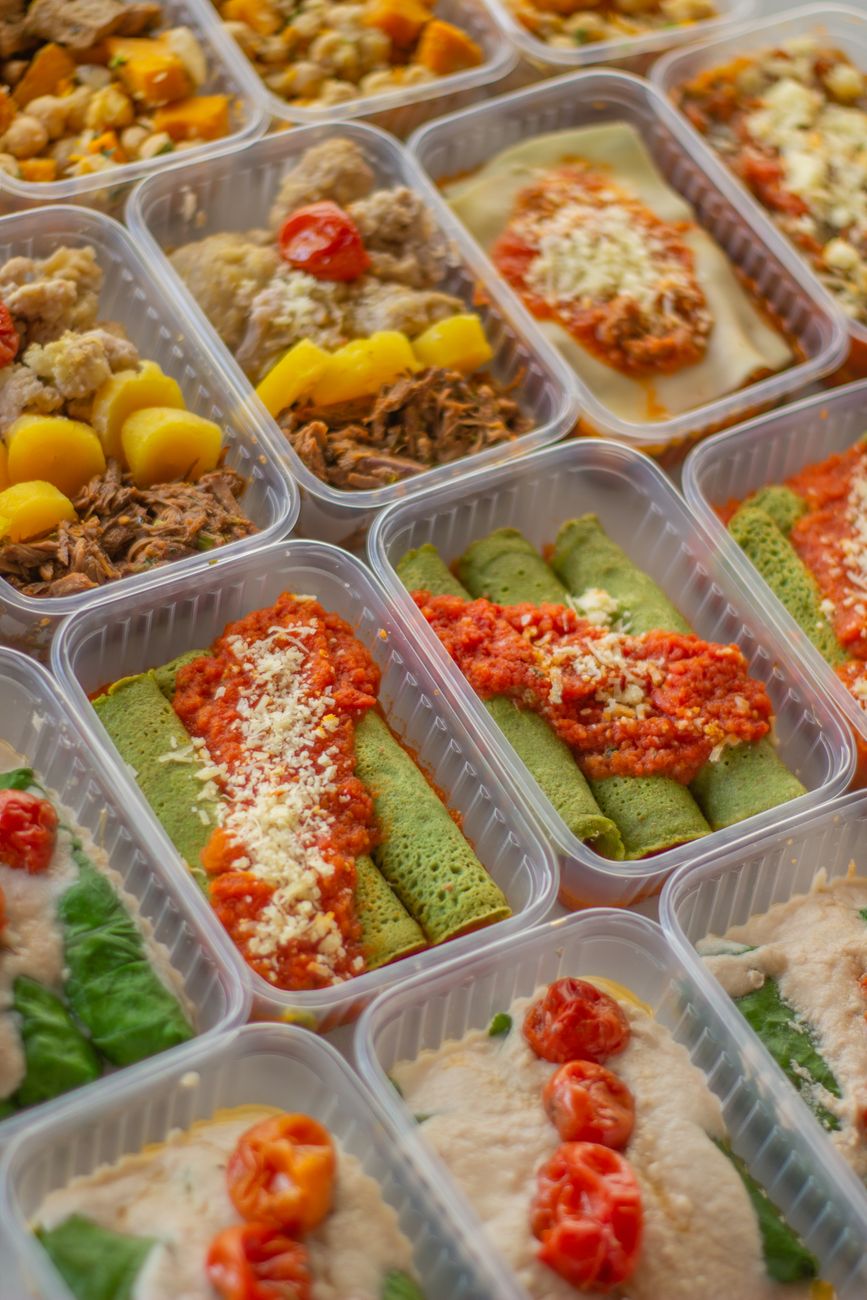
Photo by Thais Freires on Pexels
When busy weeks start to crowd out good intentions, the easiest way to protect your health is to make better meals almost automatic. That is where organic meal prep becomes powerful. Instead of deciding what to eat in the middle of a rushed afternoon, you open the fridge and see ready-to-go containers filled with colorful, nourishing food. Suddenly, clean eating feels less like a chore and more like a lifestyle you can actually sustain. And if your goal is weight loss, better energy, or simply a more balanced routine, could there be a smarter place to begin?
Meal prep is not about eating the same bland chicken and broccoli five days in a row. It is about building a system that supports your nutrition, saves time, reduces waste, and keeps you on track when cravings or schedule chaos try to take over. With the right organic food choices, you can create meals that taste fresh, look beautiful, and support a healthy lifestyle without making your kitchen feel like a production line.
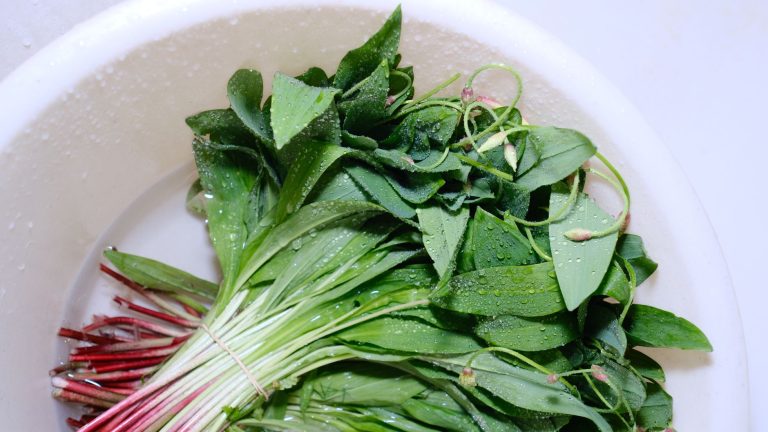
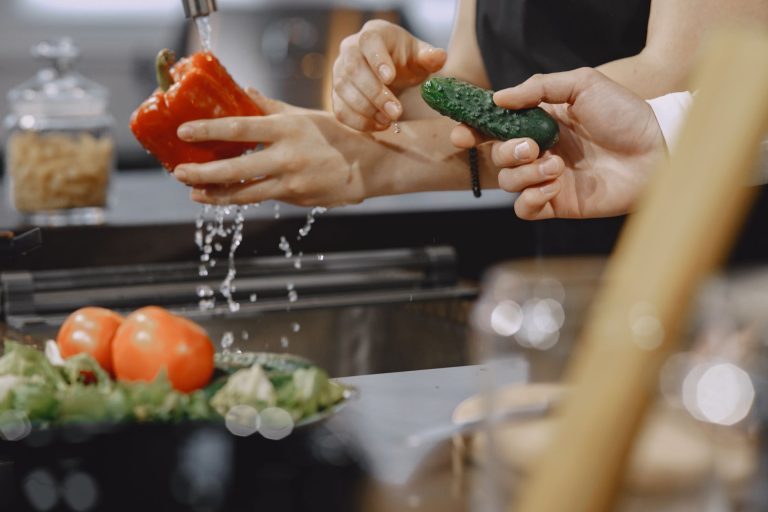
[IMAGE: organic vegetables]
Why Organic Meal Prep Supports Clean Eating and Weight Loss
Organic meal prep works because it connects two habits that naturally reinforce each other: choosing high-quality ingredients and planning them before hunger gets loud. Organic produce, grains, proteins, and pantry staples often make it easier to stay focused on whole foods instead of ultra-processed convenience items. That matters because the quality of your meals can affect everything from satiety to energy levels to how consistent your nutrition feels throughout the week.
For many people, weight loss becomes more manageable when meals are pre-decided. You do not have to negotiate with your appetite at the end of a long day or guess whether takeout will fit your goals. Your organic meal prep does the thinking for you. The result is fewer impulsive choices, more balanced portions, and a cleaner relationship with food.
How organic ingredients support a healthier routine
Organic food is often chosen for its farming practices, reduced exposure to certain pesticides, and emphasis on soil health and sustainability. While organic labels do not automatically make a meal low-calorie or magical, they can help you build a cleaner, more intentional diet. When your pantry and fridge are filled with whole ingredients, it becomes easier to create meals that are naturally rich in fiber, vitamins, minerals, and flavor.
A healthy diet is not only about what you remove. It is also about what you add. Organic vegetables, beans, grains, herbs, eggs, yogurt, fish, nuts, and seeds can create meals that feel satisfying enough to keep you away from constant snacking. If you have ever wondered why some diets fail after two weeks, the answer is often simplicity. People get tired, hungry, and bored. Organic meal prep solves all three problems at once.
Why meal prep is so effective for clean eating
Clean eating becomes much easier when you can see your options clearly. A prepped fridge gives you visual cues, built-in portion control, and a daily reminder that healthy eating is already in progress. That kind of environment shapes behavior. You are far more likely to reach for a container of roasted vegetables and quinoa when it is sitting at eye level than you are to build a meal from scratch while already tired, hungry, or distracted.
Meal prep also helps reduce food waste. Organic produce is too valuable to let it wilt in the crisper drawer. When you wash, chop, roast, and portion ingredients promptly, you are more likely to use them before they spoil. That is better for your budget, better for the planet, and better for your consistency. In other words, a little planning can make your healthy lifestyle feel both luxurious and practical.
- Less daily decision-making
- Better portion awareness
- More reliable nutrition
- Fewer impulse meals and snacks
- Reduced food waste
- Stronger support for weight loss goals
Build an Organic Meal Prep Strategy That Fits Real Life
The best meal prep system is the one you can repeat without resentment. If your plan takes all Sunday, requires ten obscure ingredients, or leaves you with containers no one wants to eat by Thursday, it is not a strategy. It is a burden. Effective organic meal prep should feel structured, but not rigid. It should make clean eating easier, not more complicated.
The good news is that a smart system can be built from a few flexible formulas. Instead of trying to prepare an entirely new menu every week, focus on creating simple components you can mix and match. This approach keeps your meals interesting while still giving you the convenience of a ready-made routine.
Start with a weekly meal map
Before shopping, take a quick look at your week. How many lunches do you need? Which dinners will be eaten at home? Do you need portable breakfasts for early mornings? What kind of energy support do you need for workouts, long meetings, or school runs? When you think in terms of your real schedule, your organic meal prep becomes more useful and less wasteful.
Try building your plan around three meal formats:
- Breakfast: Something quick, balanced, and easy to grab.
- Lunch: A satisfying bowl, wrap, or salad with protein and fiber.
- Dinner: A protein-forward meal with vegetables and a smart carb source.
From there, you can add snacks as needed. If weight loss is one of your goals, snacks should support hunger control rather than turn into extra meals. Think of them as bridges, not rewards.
Use a simple formula for each container
Instead of overcomplicating the process, use a repeatable formula. A well-built container often includes one protein, one or two vegetables, one smart carbohydrate, and one sauce or healthy fat for flavor. This balance can keep blood sugar steadier and meals more satisfying. It also helps your meals look complete, which matters more than people think. When a plate looks abundant and colorful, it feels more enjoyable and less restrictive.
Breakfast formula
Choose a base like overnight oats, chia pudding, Greek yogurt, or egg muffins. Then add fruit, nuts, seeds, or a spoonful of nut butter for staying power.
Lunch and dinner formula
Combine roasted vegetables, grains like quinoa or brown rice, and proteins such as chicken, salmon, tofu, lentils, or turkey. Finish with a dressing, salsa, or herb sauce that keeps the flavor bright.
Snack formula
Pair a protein with produce or healthy fat. Apples and almond butter, cucumber with hummus, or yogurt with berries are all simple examples that keep hunger stable between meals.
Ask the right question before you prep
Before you start chopping, ask yourself: what does success look like for this week? More energy? Fewer takeout orders? Better balance? A stronger commitment to a detox diet style of eating that emphasizes clean, whole foods? The answer will shape your prep choices. If your goal is weight loss, focus on satiety and portion control. If your goal is energy, prioritize balanced carbohydrates and enough protein. If your goal is convenience, prepare fewer recipes but larger batches.
Best Organic Foods to Batch Cook
Not every organic ingredient performs equally well in meal prep. Some foods hold their texture beautifully in the fridge, while others are best added fresh. The key is to choose ingredients that remain appealing after a few days and support your nutrition goals without too much fuss.
Organic vegetables that hold up well
Vegetables are the backbone of clean eating, but they are also the easiest thing to overlook when you are busy. Batch-cooking them makes healthy meals almost effortless. Choose sturdy vegetables that roast, steam, or sauté well and still taste good after storage.
- Broccoli
- Cauliflower
- Sweet potatoes
- Carrots
- Zucchini
- Bell peppers
- Green beans
- Brussels sprouts
- Spinach for quick wilting into warm dishes
These vegetables can be seasoned in different ways to suit several meals. One tray can become the base for lunch bowls, dinner sides, omelet fillings, or grain salads.
Organic proteins that simplify the week
Protein keeps you fuller for longer and supports muscle maintenance, especially if your healthy lifestyle includes exercise. Batch-cook one or two proteins that can be used in more than one recipe.
- Grilled or roasted chicken breast
- Hard-boiled eggs
- Salmon or white fish
- Organic tofu or tempeh
- Lentils and chickpeas
- Lean turkey
- Plain Greek yogurt for breakfasts and sauces
If your goal is weight loss, keep an eye on portion size, but do not starve your meals of protein. Feeling satisfied is what makes clean eating sustainable. What is the point of a well-planned week if you are hungry by midmorning?
Smart carbohydrates and fiber-rich staples
Carbs are not the enemy. In fact, the right carbohydrates can support energy, recovery, and focus. The key is choosing high-quality sources that bring fiber and micronutrients to the table.
- Quinoa
- Brown rice
- Farro
- Steel-cut or rolled oats
- Sweet potatoes
- Black beans
- Chickpeas
These foods can anchor bowls, salads, soups, and breakfast jars. They also help build meals that feel complete, which is important if you are using organic food to support better appetite control.
Healthy fats and flavor boosters
Fat matters for satiety and flavor. A meal that is too dry or too lean is often the one people abandon halfway through the week. Add modest amounts of:
- Avocado
- Extra-virgin olive oil
- Nuts and seeds
- Olives
- Tahini
- Nut butter
Flavor boosters also matter. Fresh herbs, garlic, lemon, ginger, turmeric, cumin, paprika, and black pepper can make a simple meal feel restaurant-worthy without relying on heavy sauces. This is where clean eating starts to feel sophisticated rather than restrictive.
A Simple 5-Day Organic Meal Prep Blueprint
If you need a practical starting point, think in terms of a five-day plan. This does not have to be identical every week. The goal is to show how a few batch-cooked ingredients can create variety without chaos. Each day can be built from the same core groceries with small changes in flavor and texture.
Monday
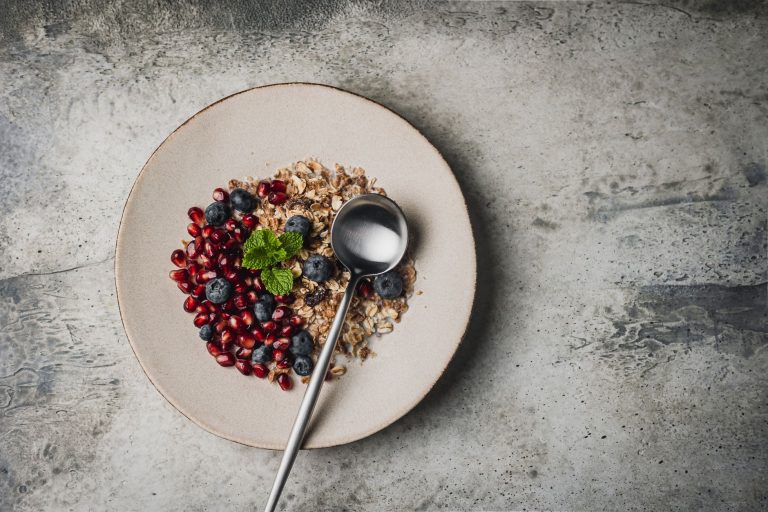
- Breakfast: Organic overnight oats with chia seeds, blueberries, and walnuts.
- Lunch: Quinoa bowl with roasted broccoli, chicken, and lemon-tahini sauce.
- Dinner: Salmon, sweet potatoes, and green beans with olive oil and herbs.
Tuesday
- Breakfast: Greek yogurt, strawberries, pumpkin seeds, and a sprinkle of cinnamon.
- Lunch: Chickpea salad with cucumber, tomato, avocado, and herbs.
- Dinner: Turkey lettuce wraps with brown rice and sautéed peppers.
Wednesday
- Breakfast: Egg muffins with spinach and feta, plus fruit on the side.
- Lunch: Farro bowl with roasted cauliflower, tofu, and salsa verde.
- Dinner: Chicken and vegetable soup served with a small side of grains.
Thursday
- Breakfast: Chia pudding with raspberries and almond butter.
- Lunch: Salmon salad with mixed greens, olives, and cucumber.
- Dinner: Roasted vegetables with lentils and a yogurt herb sauce.
Friday
- Breakfast: Oatmeal with banana, flaxseed, and chopped pecans.
- Lunch: Leftover grain bowl with whichever protein and vegetables remain.
- Dinner: A simple clean-eating plate of protein, vegetables, and a roasted starch.
This kind of structure works because it keeps the menu familiar while still allowing for variation. You are not reinventing your meals every day, but you are also not stuck eating the exact same thing. That balance is one of the biggest secrets of long-term weight loss success.
[IMAGE: healthy meal]
How to Prep in 90 Minutes Without Feeling Rushed
One of the biggest reasons people avoid meal prep is that they imagine it will consume the entire weekend. It does not have to. With a clear sequence, you can prep several days of organic food in about ninety minutes. The trick is to cook in parallel and clean as you go, instead of treating every component like a separate project.
Step 1: Start with the longest-cooking items
Put grains, roasted vegetables, or proteins in the oven or on the stove first. While those cook, wash produce and prepare sauces. This is the quiet efficiency that makes meal prep feel manageable. Once you get into the rhythm, your kitchen becomes a system rather than a mess.
Step 2: Move from dry to wet ingredients
Handle dry ingredients and shelf-stable items first, then move on to delicate produce and final garnishes. That means chopping vegetables, cooking grains, and seasoning proteins before you start assembling containers. It keeps the workflow efficient and reduces clutter.
Step 3: Assemble by recipe family
Group your food into meal families instead of individual recipes. For example:
- Three grain bowls with slightly different sauces
- Two breakfast jars and two egg-based breakfasts
- One soup or stew for quick dinners
- Pre-portioned snack boxes with fruit, nuts, and protein
This approach saves time while still giving you enough variety to stay interested. It is especially helpful if you are balancing a healthy lifestyle with work, family, or training.
Step 4: Label and place strategically
Put the oldest meals in front and the freshest ones in back. If you use labels, mark the prep date. This tiny habit can reduce waste and help you feel organized throughout the week. It also makes your fridge feel like part of your health strategy rather than a random storage box.
[IMAGE: fitness lifestyle]
Meal Prep Ideas That Support Weight Loss Without Boredom
Weight loss becomes much more sustainable when meals are satisfying, not punishing. The goal is to create enough structure to guide your choices without stripping away pleasure. If your plan feels too strict, you may stick to it for a few days and then drift back into old habits. If it feels good, you can live with it longer.
Keep texture in mind
Texture matters more than many people realize. A bowl that mixes soft vegetables, a crunchy topping, a creamy sauce, and a hearty protein feels complete. Without texture contrast, healthy food can seem monotonous. Add chopped nuts, seeds, fresh herbs, pickled vegetables, or crisp greens to keep meals interesting.
Rotate flavors from week to week
One week can lean Mediterranean with lemon, olive oil, cucumber, and chickpeas. Another week can lean savory and warming with cumin, turmeric, roasted carrots, and lentils. Another can feature bright citrus, fresh herbs, and salmon. This kind of rotation supports clean eating because it keeps you engaged with the food itself.
Ask yourself: are you bored because the food is unhealthy, or because the flavor profile never changes? Often, the answer is the second one.
Build meals around volume and satisfaction
Low-energy dieting often fails because people eat too little and become ravenous. A better approach is to build meals with high-volume vegetables, enough protein, and a controlled portion of starch or fat. This can help you stay full while naturally reducing excess calories. It is not about eating less by force. It is about eating wisely.
- Fill half the container with vegetables
- Use protein as the anchor
- Add a measured serving of grains or starchy vegetables
- Finish with a flavorful sauce or healthy fat
Make snacks work for you
Snacking is not the enemy. Random snacking is the problem. If you need between-meal support, choose snacks that fit the same organic food philosophy as your meals. That means fewer refined sugar traps and more real nourishment.
- Apple slices with almond butter
- Carrot sticks with hummus
- Hard-boiled eggs and cherry tomatoes
- Plain yogurt with berries
- Roasted chickpeas
- Cucumber slices with guacamole
Snacks should make your next meal easier, not harder. If they leave you feeling more tired or more hungry, they are not doing their job.
Healthy Sauces and Seasonings That Make Organic Food Exciting
One of the fastest ways to keep meal prep from feeling repetitive is to master a few versatile sauces. A good sauce can change the personality of an entire meal without adding much effort. It is the difference between plain and memorable, between practical and craveable.
Ideas for flavor without heaviness
- Lemon-tahini dressing: Creamy, bright, and ideal for bowls and salads.
- Yogurt herb sauce: Fresh and cooling with cucumber, dill, parsley, or mint.
- Salsa verde: Sharp and vibrant with chicken, fish, or roasted vegetables.
- Ginger-lime dressing: Excellent for grain bowls and Asian-inspired meals.
- Garlic olive oil drizzle: Simple enough for vegetables but deeply satisfying.
Notice how these sauces rely on flavor rather than sugar. That is exactly the kind of support a clean eating plan needs. If your meals taste good, you are much more likely to keep showing up for them. Nutrition should feel nourishing, not dull.
Herbs and spices that deserve a permanent place in your kitchen
Organic meal prep becomes much easier when your spice shelf is strong. Keep these on hand:
- Turmeric
- Cumin
- Smoked paprika
- Cinnamon
- Black pepper
- Oregano
- Basil
- Dill
- Rosemary
- Thyme
These seasonings do more than add taste. They can help your organic food feel warm, bright, fresh, or bold depending on what the week demands. That flexibility is one reason meal prep remains so useful for long-term weight loss and healthy lifestyle habits.
Common Organic Meal Prep Mistakes to Avoid
Even a well-intentioned plan can go sideways if the system is too ambitious or too narrow. The good news is that most mistakes are easy to fix once you can see them clearly. The aim is not perfection. It is consistency.
Prepping too much food
More is not always better. If you cook five elaborate recipes and never finish them, your fridge becomes a guilt museum. Start with a realistic amount of food and expand only after you know what you actually eat in a week.
Ignoring freshness and texture
Some ingredients are better stored separately. Add dressings, avocado, herbs, and crunchy toppings at the last minute when possible. This keeps your meals from becoming soggy and helps preserve the appeal of your clean eating plan.
Relying on one flavor profile
A healthy diet can fail not because the food is wrong, but because every meal tastes identical. Variety keeps your palate engaged and makes your routine feel more luxurious. If you like the food, you will keep eating it. If you keep eating it, your nutrition improves. That is the real chain reaction.
Choosing convenience over balance
It is easy to overdo convenience foods, even when they are organic. Granola bars, packaged snacks, and premade meals can be useful, but they should not be the foundation of your diet. Aim for mostly whole ingredients, then use convenience strategically where it truly helps.
Not planning for busy days
What happens when your afternoon explodes with meetings or the evening runs late? If you have no backup meal or snack, even the best intentions can disappear fast. Keep one or two emergency options ready: a soup in the freezer, a grain bowl in the fridge, or a simple snack kit in your bag. Preparedness is a form of self-respect.
Shopping Smart for an Organic Meal Prep Week
A strong shopping list is the quiet foundation of every successful week. It keeps you focused, prevents impulse buys, and helps you avoid the frustration of missing a key ingredient when you are ready to cook. The best lists are built around categories, not random recipes.
Produce
- Leafy greens
- Broccoli
- Bell peppers
- Carrots
- Sweet potatoes
- Tomatoes
- Cucumbers
- Avocados
- Apples, berries, citrus, and bananas
Protein
- Chicken
- Salmon
- Eggs
- Greek yogurt
- Tofu
- Lentils
- Chickpeas
Pantry and grains
- Quinoa
- Brown rice
- Oats
- Farro
- Olive oil
- Tahini
- Nuts and seeds
- Herbs and spices
Support items
- Meal prep containers
- Mason jars for breakfasts and dressings
- Reusable snack bags
- Labels or masking tape
When shopping this way, you are not buying ingredients for one perfect recipe. You are building a flexible system for several meals. That is a far better fit for a busy, modern routine and far more likely to support genuine nutrition goals.
Storage, Freshness, and Food Safety Matter More Than You Think
A beautiful meal plan can lose its value if food is stored poorly. Good storage protects taste, texture, and safety. It also helps your organic food stay appealing long enough for you to actually eat it. If a meal looks questionable by day three, you are less likely to choose it.
Use the right containers
Glass containers are often ideal because they are durable, easy to clean, and better for reheating. Divided containers can be useful for keeping sauces and crunchy toppings separate. Mason jars work well for salads and overnight oats. The container should support the food, not squeeze it into an awkward shape.
Know what lasts
Roasted vegetables, grains, soups, and cooked proteins usually keep well for several days in the refrigerator. Fresh greens, avocado, and delicate herbs are best added closer to serving time. When you know what holds up, you can prep more confidently and waste less food.
Freeze strategically
If you have made more than you can eat in four days, freeze portions before freshness declines. Soups, stews, cooked grains, and many proteins freeze beautifully. A freezer stash can be a lifesaver on weeks when your schedule is out of control. It is also a smart backup if you are serious about maintaining a clean eating rhythm.
Healthy habits are easier to repeat when they are protected by good logistics. Meal prep is not glamorous in the moment, but it creates a calm, organized kitchen that makes weight loss and nutrition goals feel far more attainable. The next time you are tempted to leave the week to chance, imagine what it would feel like to open the fridge and find a lineup of beautiful, ready-made organic meals waiting for you. That small act of preparation can shape everything that follows, and if you want more practical ideas for organic food, clean eating, detox diet inspiration, and a healthier lifestyle, there is always more to explore on DietOrganic.
About the Author