

Photo by Pezibear on Pixabay
If you have ever wondered why one week your body feels light, energetic, and balanced, while the next you are dealing with bloating, cravings, sluggishness, or unpredictable digestion, the answer may begin in the gut. The digestive system is not just a place where food is broken down; it is the center of nutrient absorption, immune function, and even mood regulation. That is why choosing organic food can be such a powerful step toward a healthier lifestyle. When your meals are built around clean eating, steady nutrition, and ingredients that support the microbiome, the effects can show up in more ways than one: better digestion, fewer cravings, improved energy, and more sustainable weight loss.
So what does a gut-friendly way of eating actually look like in real life? It is not about extreme restriction or a complicated detox diet. It is about giving your body foods that are easier to digest, richer in nutrients, and less likely to burden your system with unnecessary additives. Organic food fits beautifully into that approach because it often encourages a return to whole ingredients, mindful meal planning, and more intentional habits. If you are looking for a practical, high-quality way to support your nutrition, this guide will show you how clean eating can help you care for your gut while still enjoying food that feels satisfying, vibrant, and deeply nourishing.
Why Gut Health Shapes Everything from Digestion to Weight Loss
The gut is often described as the body’s second brain, and for good reason. It helps regulate digestion, supports immunity, influences inflammation, and communicates with hormones that affect appetite and metabolism. When the gut is thriving, you may feel lighter, more energetic, and more in control of your food choices. When it is under stress, the opposite can happen: bloating, irregular bowel movements, fatigue, and stronger cravings for sugary or processed foods. Have you noticed how hard it is to stay consistent with a healthy diet when your digestion feels off? That is not a lack of willpower. It is often a sign that your system needs better support.
The gut microbiome and why it matters
Inside the digestive tract lives a vast community of bacteria known as the gut microbiome. Some microbes help break down fiber, produce beneficial compounds, and protect the lining of the intestines. Others may contribute to imbalance if the diet is low in variety and high in refined foods. A diverse microbiome is usually associated with better digestion and more stable health overall. The good news is that the foods you eat every day can shape this environment. That means your daily organic food choices are not just meals; they are signals to your body about how to function.
A strong gut microbiome can help with:
- More regular digestion and less bloating
- Better absorption of vitamins and minerals
- Improved fullness after meals, which supports weight loss
- More stable energy and fewer crashes
- Healthier immune response
Signs your digestion may need support
Digestive issues are often subtle at first. You may not feel dramatically unwell, but the signs add up over time. Ask yourself: do you feel heavy after meals, crave sugar mid-afternoon, or experience frequent stomach discomfort after eating? Those can all be clues that your gut is asking for a cleaner, more balanced routine. Other common signs include irregular bowel habits, gas, skin flare-ups, or feeling tired even after eating enough food.
While these symptoms do not diagnose anything on their own, they are worth paying attention to. A nutrition-focused reset using organic foods can sometimes make a noticeable difference simply by reducing irritants and increasing the nutrients your digestive system needs.
Organic Foods That Naturally Support Better Digestion
The best organic food choices for gut health are the ones that provide fiber, living cultures, antioxidants, and gentle nourishment. You do not need exotic ingredients to get results. In fact, some of the most effective foods are simple, affordable, and easy to find. The key is consistency. If you regularly eat a mix of plant diversity, healthy fats, and fermented foods, your gut gets a steady supply of what it needs to function well.
Leafy greens and cruciferous vegetables
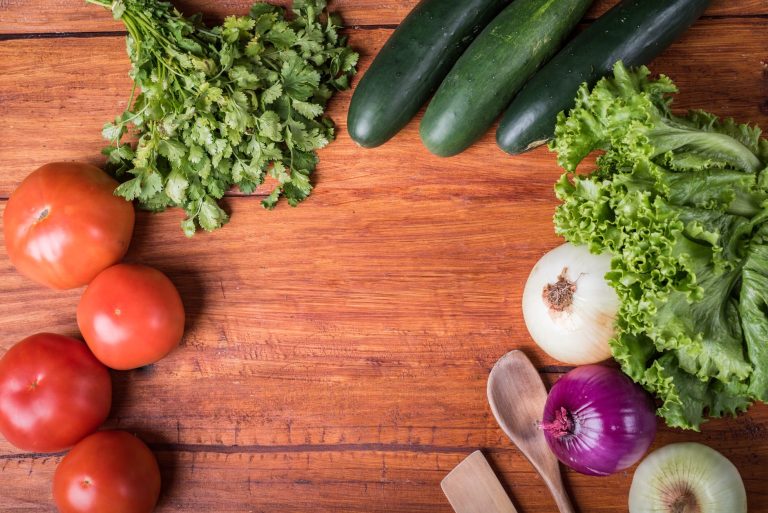
Spinach, kale, arugula, broccoli, cauliflower, and Brussels sprouts are staples in any clean eating plan. These vegetables are rich in fiber and plant compounds that support the body’s natural detox pathways. They also add volume to meals without excess calories, which can be helpful for weight loss. A large salad with organic greens, olive oil, avocado, and seeds can leave you feeling nourished without the heaviness that often follows processed meals.
How can you make them easier to digest? Start with cooked versions if raw vegetables feel too intense. Lightly steamed broccoli or sautéed spinach can be gentler on the stomach while still delivering the benefits you want.
Fermented foods with live cultures
Fermented foods are some of the most valuable additions to a gut-friendly organic diet. Yogurt with live cultures, kefir, sauerkraut, kimchi, miso, and unsweetened coconut yogurt can help increase microbial diversity. These foods introduce beneficial bacteria and may support a more balanced digestive environment. If you are just getting started, begin with small portions and observe how your body responds.
Not everyone tolerates fermented foods immediately, especially if digestion is sensitive. That is perfectly normal. The goal is not to force a trend but to build a routine that feels comfortable and sustainable. Even a spoonful of sauerkraut alongside dinner can be a meaningful habit over time.
High-fiber fruits
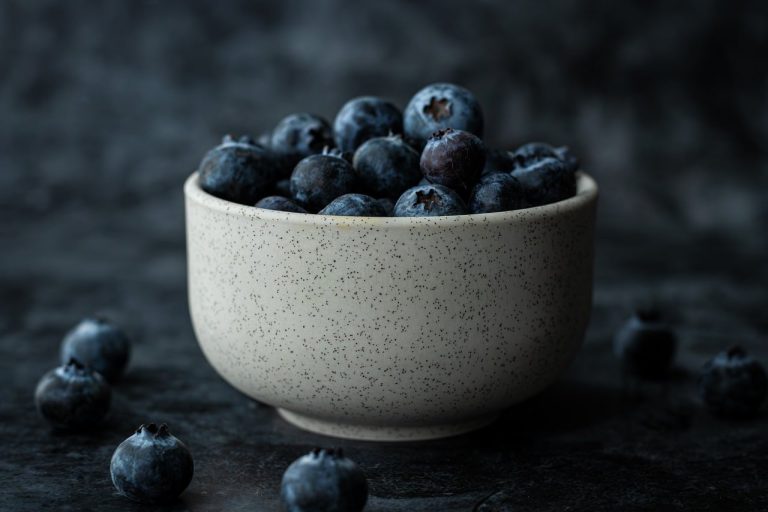
Apples, berries, pears, kiwis, and citrus fruits are excellent choices for clean eating because they provide both fiber and hydration. Berries are especially popular in nutrition-focused diets because they are nutrient-dense, lower in sugar than many other fruits, and easy to pair with protein or healthy fats. An organic berry bowl with chia seeds and plain yogurt can make a satisfying breakfast or snack that supports digestion without spiking blood sugar.
Fiber acts like fuel for beneficial gut bacteria. When those bacteria break down fiber, they produce compounds that support the intestinal lining and overall digestive comfort. That is a simple but powerful reason to make fruit a daily habit.
Legumes, seeds, and whole grains
Lentils, chickpeas, black beans, chia seeds, flaxseeds, oats, and quinoa offer a strong combination of fiber and plant-based nutrition. They can help you stay full longer, which is useful if you are working on weight loss without wanting to feel deprived. A meal based on these ingredients tends to support steadier energy and fewer cravings later in the day.
If legumes cause discomfort, start with smaller portions or choose well-cooked varieties. Soaking and rinsing beans can also improve digestibility. Clean eating does not need to be rigid; it should be responsive to your body. What foods leave you energized, and which ones seem to drag you down? Those observations matter more than perfection.
Best organic pantry staples for gut support
Keep these easy options on hand so that healthy meals are simple to build during the week:
- Organic rolled oats
- Chia seeds and ground flaxseeds
- Lentils and chickpeas
- Brown rice or quinoa
- Extra virgin olive oil
- Apple cider vinegar in moderation
- Herbal teas like ginger, peppermint, or chamomile
Why Organic Food Can Make Clean Eating Easier
Organic food is not a magic fix, but it can be a meaningful part of a healthier diet. Many people choose organic produce, grains, and proteins because they want fewer pesticide residues, fewer artificial ingredients, and a more natural relationship with food. That sense of simplicity can make clean eating easier to sustain. When your grocery cart is filled with whole foods instead of ultra-processed items, your meals tend to become more nutrient-dense almost automatically.
Less exposure to unnecessary additives
One of the reasons people feel better on a cleaner diet is that they reduce their intake of additives, emulsifiers, and refined ingredients that may be hard on sensitive digestion. Not every digestive issue is caused by packaged foods, but many people notice that they feel calmer, lighter, and less bloated when their meals are built from ingredients they recognize. A simple plate of organic vegetables, grains, and protein often delivers better nutrition than a highly processed meal with a long ingredient list.
More mindful eating habits
Buying organic food often encourages more cooking at home, more planning, and more attention to quality. Those habits matter just as much as the ingredients themselves. When you prepare your own meals, you are more likely to notice hunger signals, control portions naturally, and choose combinations that support your goals. That kind of awareness is especially valuable if your aim is weight loss without extreme dieting.
Clean eating becomes much more realistic when it is built around meals you actually enjoy. The best plan is not the strictest one; it is the one you can repeat.
How to Build Gut-Friendly Meals That Actually Taste Good
Supportive nutrition should never feel bland or punishing. A gut-friendly meal can be colorful, comforting, and deeply satisfying. The easiest method is to create balance on the plate: one source of protein, one source of fiber-rich carbohydrates, plenty of vegetables, and a healthy fat to help with satiety and absorption. This approach can help stabilize blood sugar and reduce the kind of hunger that leads to snacking on empty calories later.
The simple plate formula
Try building meals this way:
- Half the plate: organic vegetables, especially leafy greens and cooked vegetables
- One quarter: protein such as eggs, tofu, salmon, Greek yogurt, chicken, or lentils
- One quarter: fiber-rich carbs such as quinoa, sweet potato, oats, or brown rice
- Add: olive oil, avocado, nuts, seeds, or tahini for healthy fats
This structure supports digestion, helps you feel full, and makes meals more satisfying. It also avoids the common mistake of eating too little protein or too few vegetables, both of which can undermine long-term results.
A sample gut-friendly day of eating
Here is a simple example of how clean eating might look in practice. Notice that it is not restrictive, yet it remains aligned with nutrition and weight loss goals.
Breakfast: Organic oats cooked with cinnamon, topped with blueberries, chia seeds, and plain yogurt
Lunch: Quinoa bowl with roasted broccoli, spinach, chickpeas, cucumber, avocado, and olive oil dressing
Snack: An apple with almond butter or a small kefir smoothie
Dinner: Baked salmon or tofu, sweet potato, and sautéed kale
Evening tea: Peppermint or ginger tea to support gentle digestion
[IMAGE: healthy meal]
This kind of day leaves room for pleasure while still supporting your gut. And that is the real question: what if healthy eating could feel easier instead of more complicated?
Foods to Reduce When Your Digestion Feels Off
Supporting gut health is not only about what you add. It is also about what you reduce. You do not need to fear food, but certain products can make it harder for your body to feel balanced, especially if you already struggle with bloating or irregular digestion. Paying attention to these triggers can make a noticeable difference within days or weeks.
Highly processed foods
Fast food, packaged snacks, frozen meals loaded with additives, and refined baked goods often lack the fiber and micronutrients that your digestive system needs. They can also be high in sodium, unhealthy fats, and added sugars. Even if these foods are convenient, they rarely leave the body feeling nourished. If a meal gives you energy for only an hour and then leaves you craving more, it may be time to step back and rebuild around more substantial ingredients.
Excess sugar and sweetened drinks
Too much sugar can disrupt appetite signals, encourage cravings, and contribute to an unstable energy pattern. Sweetened beverages are especially problematic because they deliver a quick sugar load without the fiber or fullness of whole foods. In a healthy lifestyle, it is better to satisfy sweet cravings with fruit, yogurt, or homemade treats made from simple ingredients.
Alcohol and digestive irritation
Alcohol can irritate the digestive tract and often works against a detox diet or any effort to improve gut health. If you notice that even modest drinking makes you feel bloated, tired, or hungry for less healthy foods, reducing alcohol could be one of the most impactful changes you make. Sometimes the smallest adjustment produces the biggest shift in how you feel.
A Gentle Detox Diet Approach Using Organic Foods
The phrase detox diet is often overused, but the body does rely on the liver, kidneys, lungs, and digestive tract to process and remove waste every day. Rather than relying on extreme cleanses, a gentler detox-style routine can give your system a break from heavy, processed foods while increasing hydration, fiber, and antioxidant intake. That is a far more realistic and sustainable way to support the body.
What a gentle reset should include
A short reset period can help you become more aware of how food affects your energy and digestion. The focus should be on whole organic foods that are easy to digest and naturally nourishing. Think steamed vegetables, soups, fruit, lean proteins, probiotic foods, and plenty of water. Herbal teas and mineral-rich broths can also be helpful, especially if your routine has been chaotic or overly indulgent.
Useful habits during a gentle reset include:
- Drinking water consistently throughout the day
- Starting meals with vegetables or broth-based soup
- Choosing simple ingredients with short labels
- Eating slowly and without distraction
- Keeping protein at every meal to prevent cravings
What to avoid in an extreme detox
Very low-calorie cleanses, juice-only programs, and aggressive fasting plans can sometimes make people feel worse rather than better. They may leave you tired, irritable, or more likely to overeat later. If the goal is better digestion and sustainable weight loss, the smarter route is steady nourishment. Clean eating should support the body, not punish it.
Practical Meal Prep Ideas for Busy People
One of the biggest barriers to maintaining a healthy lifestyle is time. When your schedule is full, convenience usually wins. That is why meal prep is such a valuable tool. A few hours of preparation can set you up for an entire week of gut-friendly meals. You do not need to cook everything in advance; just preparing key components can make healthy choices much easier to stick with.
Batch-cook the basics
Start with a few versatile ingredients that can be mixed and matched. Cook a grain like quinoa or brown rice, roast a tray of organic vegetables, prepare a protein source, and wash your greens. With those components ready, you can assemble bowls, salads, wraps, and soups without much effort.
- Roasted carrots, zucchini, and broccoli for quick lunch bowls
- Boiled eggs or baked tofu for easy protein
- Chia pudding for breakfast
- Homemade hummus with sliced vegetables
- Soup made from lentils, herbs, and vegetables
[IMAGE: organic vegetables]
Keep snacks intentional
Snacking can either support or sabotage your goals. If you wait too long between meals, you may find yourself reaching for whatever is closest. A better strategy is to keep a few nourishing snacks prepared in advance. Try organic apples, walnuts, yogurt with berries, carrot sticks with hummus, or roasted chickpeas. These choices can help stabilize appetite without pulling you toward processed convenience foods.
How Gut Health Supports Weight Loss and Energy
Many people approach weight loss as if it were only about calories, but digestion plays a major role in how sustainable progress feels. If your gut is functioning well, you are more likely to absorb nutrients efficiently, manage hunger better, and avoid the kind of cravings that can derail your plan. Clean eating is powerful not because it is trendy, but because it helps your body work with you instead of against you.
Better digestion can reduce overeating
When meals are balanced and easy to digest, you tend to feel full for longer. That means fewer energy spikes and fewer impulses to snack out of boredom or frustration. Organic food rich in fiber, protein, and healthy fats helps create a sense of steadiness. Over time, that can make weight loss feel less like a battle and more like a natural shift in habits.
Energy levels improve when cravings settle
Have you ever noticed that after a few days of eating more whole foods, your mind feels clearer and your energy more consistent? That is not imaginary. A steadier intake of nutrition can reduce the peaks and crashes associated with refined foods. If your mornings have been sluggish, a breakfast built around protein, fiber, and healthy fat may do more for you than another cup of coffee ever could.
[IMAGE: fitness lifestyle]
Movement works better when you are nourished
Exercise is easier to maintain when you are fueled properly. A body supported by good digestion tends to recover more smoothly and feel less inflamed after activity. That matters whether your goal is walking more, strength training, or simply staying active enough to support metabolism. Healthy habits stack together. Clean eating can improve how you feel during movement, and movement can help keep digestion regular.
Common Mistakes People Make with Organic and Clean Eating
Even with the best intentions, people sometimes make choices that limit results. A clean eating plan should feel balanced and realistic, not stressful. If your version of healthy food leaves you hungry, bored, or overly restricted, it may not last long enough to produce meaningful change. Awareness is the first step to improvement.
Eating too little
Some people cut back aggressively in the name of weight loss, only to end up tired and obsessed with food. Undereating can slow your momentum and make it harder to maintain healthy habits. Gut health depends on nourishment, not just restriction. If you are always hungry, your plan needs more protein, more fiber, or more total food.
Assuming organic automatically means balanced
Organic cookies are still cookies. Organic chips are still chips. While organic food can be a great choice, the overall pattern matters more than one label. A truly healthy diet still needs balance, variety, and moderation. The goal is not to collect the most expensive ingredients; it is to create meals that support your biology.
Ignoring personal tolerance
Some people do well with lots of raw vegetables, while others need more cooked foods. Some thrive on fermented foods, while others need to start slowly. The best nutrition plan is one that respects your body’s feedback. If a food consistently causes discomfort, it may be wise to adjust the portion, timing, or preparation method instead of forcing it.
A Simple Organic Grocery List for Better Gut Health
Shopping becomes much easier when you know what to look for before you reach the store. A focused list keeps you from drifting into less useful purchases and makes clean eating feel more manageable. Whether you are trying to support digestion, improve energy, or move toward weight loss, your grocery cart can set the tone for the week ahead.
- Organic spinach, kale, romaine, and arugula
- Broccoli, cauliflower, carrots, zucchini, and sweet potatoes
- Blueberries, apples, kiwis, pears, and lemons
- Plain yogurt, kefir, or unsweetened plant-based alternatives with live cultures
- Lentils, chickpeas, black beans, oats, quinoa, and brown rice
- Avocados, olive oil, walnuts, chia seeds, and flaxseeds
- Ginger, turmeric, mint, chamomile, and peppermint tea
A thoughtfully stocked kitchen turns healthy behavior into the default. Instead of asking,
About the Author