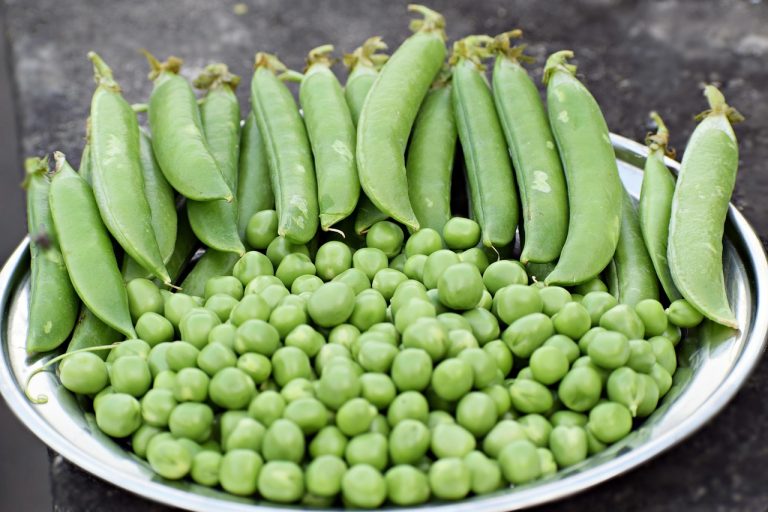


Photo by Wahyu Prabowo on Pexels
Your gut does far more than process food. It influences how you absorb nutrition, how steady your energy feels, how comfortably you digest meals, and even how confidently you manage weight loss. When people talk about a healthy lifestyle, they often focus on calories, workouts, or supplements, but the foundation usually begins in the digestive system. If your gut is out of balance, everything else can feel harder.
That is where organic food can make a meaningful difference. Choosing organic ingredients is not a magic fix, but it can support a cleaner eating pattern with fewer synthetic pesticide residues, fewer ultra-processed foods, and more attention to nutrient-dense meals. For many people, that shift alone can lead to better digestion, less bloating, improved regularity, and a more sustainable relationship with food. Could a simpler plate really change how you feel every day? In many cases, yes.
This guide explores how organic foods can support gut health, what to eat more often, what to limit, and how to build a practical clean eating routine that also fits a realistic detox diet approach. If you want a strategy that supports digestion while also aligning with weight loss and nutrition goals, this is the kind of plan that can actually hold up in real life.
[IMAGE: organic vegetables]
Why Gut Health Deserves More Attention
Your digestive system is home to trillions of microorganisms, often called the gut microbiome. These microbes help break down food, produce certain vitamins, support the intestinal lining, and communicate with the immune system. When the microbiome is diverse and well-fed, digestion tends to run more smoothly. When it is overworked by poor food choices, low fiber intake, stress, or highly processed meals, problems can appear quickly.
Common signs of an unhappy gut may include bloating, gas, constipation, loose stools, food sensitivities, fatigue after eating, cravings, and a general feeling that your body is not processing meals well. Many people accept these symptoms as normal, but they often improve when diet quality improves. That is why gut health is not a niche wellness trend; it is a central part of nutrition and long-term vitality.
Organic food can help here because a clean eating pattern naturally encourages whole fruits, vegetables, legumes, grains, herbs, and minimally processed proteins. These foods provide the fiber, antioxidants, and plant compounds that beneficial gut bacteria love. At the same time, you reduce exposure to many additives and highly processed ingredients that may work against digestive comfort.
What Makes Organic Food Different?
Organic food is produced under standards that restrict most synthetic pesticides, genetically modified ingredients, and certain artificial processing methods. That does not automatically make every organic item healthy, but it does make it easier to build a cleaner diet around whole, recognizable ingredients.
From a nutrition perspective, the best organic foods are usually the most natural ones: leafy greens, berries, cruciferous vegetables, apples, carrots, oats, beans, yogurt alternatives, eggs, poultry, and pantry staples with short ingredient lists. These are the foods that support digestion without demanding complicated meal plans.
For gut health, the appeal of organic food is not just about what is removed. It is also about what is added to your life: more vegetables, more fiber, more mindful eating, and more home cooking. That combination can support a healthier microbiome and make a weight loss plan feel less restrictive.
Organic Is Not a Shortcut, But It Can Be a Stronger Starting Point
Some people assume that buying organic automatically guarantees better health. In reality, the bigger benefit often comes from the lifestyle change itself. When you start selecting organic food, you may also start cooking more, snacking less impulsively, and reading labels more carefully. Those habits matter.
If you are trying to improve digestion, ask yourself: are you eating enough plants? Are you drinking enough water? Are you choosing foods that are easy to digest and rich in prebiotic fiber? Organic shopping can encourage better answers to all of those questions.
The Best Organic Foods for Gut Support
Some organic foods stand out because they are especially useful for digestive comfort, microbiome diversity, and regular bowel movements. The goal is not to eat perfectly; the goal is to eat consistently in a way that your gut can manage well.
1. Organic Leafy Greens
Spinach, kale, arugula, Swiss chard, and romaine are excellent sources of fiber, magnesium, folate, and plant compounds that support overall nutrition. They are also easy to add to salads, omelets, soups, and smoothies. A daily serving of leafy greens can help keep digestion moving while supporting a clean eating routine.
Try using them in raw and cooked forms. Raw greens provide freshness and crunch, while lightly cooked greens are often easier to digest for people with sensitive stomachs. If bloating is an issue, cooked greens may feel gentler at first.
2. Organic Berries
Blueberries, raspberries, blackberries, and strawberries are some of the most valuable fruits for gut health. They are rich in antioxidants and fiber, and their natural sweetness makes them ideal for breakfast or snacks. Berries can also support a healthy lifestyle by satisfying sweet cravings without resorting to added sugar.
One simple habit can make a big difference: keep a bowl of washed organic berries ready in the refrigerator. If healthy food is convenient, you are far more likely to eat it.
3. Organic Apples and Pears
These fruits contain pectin, a type of soluble fiber that can support digestive regularity and feed beneficial gut bacteria. The skin provides additional fiber, which is one reason organic versions are popular with clean eating enthusiasts. Apples and pears make practical snacks because they travel well and require no preparation.
Pair them with a handful of nuts or a spoonful of nut butter for more balanced energy and better satiety. That small addition can also support weight loss by reducing the urge to snack again too quickly.
4. Organic Fermented Foods
Fermented foods are often discussed in conversations about gut health because they contain naturally occurring probiotics. Options may include organic yogurt, kefir, sauerkraut, kimchi, miso, and tempeh. These foods can contribute to microbial diversity when eaten regularly.
Start slowly if you are new to fermented foods. A few spoonfuls or a small serving is usually enough at first. Too much too quickly can create discomfort, especially for people with sensitive digestion.
5. Organic Oats and Whole Grains
Oats, quinoa, brown rice, buckwheat, and millet provide steady energy and fiber. Oats, in particular, contain beta-glucan, which helps support a balanced digestive environment. When you choose whole grains in an organic form, you reduce reliance on refined carbohydrates and make breakfast more supportive of gut health.
Whole grains also help stabilize appetite, which matters if your goal includes weight loss. A fiber-rich breakfast can reduce midday cravings and help you stay on track without feeling deprived.
6. Organic Beans and Lentils
Beans and lentils are among the most gut-supportive foods available because they provide fiber, resistant starch, plant protein, and steady satiety. Chickpeas, black beans, lentils, and navy beans fit beautifully into soups, salads, grain bowls, and stews.
If beans are new to your routine, introduce them gradually and drink plenty of water. This helps your digestive system adapt. For many people, the initial adjustment period is worth it because beans become one of the most reliable foods for nutrition and long-term fullness.
7. Organic Ginger, Turmeric, and Herbs
Fresh herbs and spices do not always get enough attention, yet they can make meals both more flavorful and more digestible. Ginger is traditionally used to support digestive comfort, turmeric brings an anti-inflammatory profile, and herbs like parsley, cilantro, basil, and mint add freshness without heavy sauces.
If you are looking for a gentle detox diet approach, start with herbs and spices rather than harsh cleanses. A clean eating routine built on real ingredients is far more sustainable than a short-term extreme plan.
How Organic Food Supports a Cleaner Digestive Routine
People often ask whether organic food is really worth it for digestion. The honest answer is that the biggest gains come when organic choices are part of a broader pattern. A gut-friendly diet works best when it includes fiber, hydration, variety, and consistency. Organic foods support that pattern because they tend to be less processed and more likely to be eaten in their natural form.
Here are a few ways that organic food can support a cleaner digestive routine:
- It encourages more home cooking and fewer convenience foods.
- It often leads to greater vegetable and fruit intake.
- It can reduce exposure to pesticide residues, which some people prefer to limit.
- It helps you focus on ingredient quality instead of just calorie counts.
- It supports a more mindful approach to eating and meal planning.
That last point matters more than people realize. When you shop more carefully, you tend to eat more carefully. And when you eat more carefully, your digestion often benefits. Could a grocery cart really influence how your stomach feels by Thursday? Absolutely.
A Clean Eating Framework That Actually Works
Clean eating is often misunderstood. It does not need to be rigid, joyless, or based on fear. In practice, clean eating means choosing foods that are minimally processed, nourishing, and easier for the body to use efficiently. For gut health, that means meals built from whole organic ingredients, healthy fats, adequate protein, and plenty of fiber.
Build Your Plate in a Simple Way
Use this structure to make balanced meals without overthinking:
- Half the plate: organic vegetables, especially leafy greens, cruciferous vegetables, carrots, zucchini, cucumber, and peppers
- One quarter: organic protein such as eggs, fish, chicken, tofu, tempeh, beans, or lentils
- One quarter: whole grains or starchy vegetables such as quinoa, brown rice, sweet potatoes, or oats
- Plus healthy fats: avocado, olive oil, nuts, seeds, or tahini
This framework supports nutrition, keeps blood sugar steadier, and reduces the likelihood of random snacking. It is also flexible enough to fit busy days, family meals, and different taste preferences.
What to Reduce for Better Gut Health
Not every food needs to disappear, but certain items are best limited if you want your digestion to improve.
- Ultra-processed packaged snacks
- Frequent sugary drinks
- Refined baked goods
- Heavy fried foods
- Artificially sweetened products that do not sit well with your stomach
- Large portions eaten too quickly
Notice that the issue is not simply
About the Author