

Photo by ponce_photography on Pixabay
Your gut does far more than digest food. It helps regulate energy, supports immune function, influences mood, and plays a surprising role in weight loss. When your meals are built around organic food, your body has a better chance to thrive with fewer additives, fewer unnecessary chemicals, and more of the nutrients that support a healthy lifestyle. If you have been trying to clean up your diet but still feel bloated, sluggish, or out of balance, the answer may not be eating less. It may be eating smarter.
This is where a well-designed clean eating approach becomes powerful. Instead of chasing the latest fad or restrictive detox diet, you focus on organic foods that nourish the gut, support digestion, and make healthy eating feel sustainable. Have you noticed how some meals leave you energized while others leave you tired and uncomfortable? That difference often starts in the digestive tract. The good news is that your daily choices can change that.
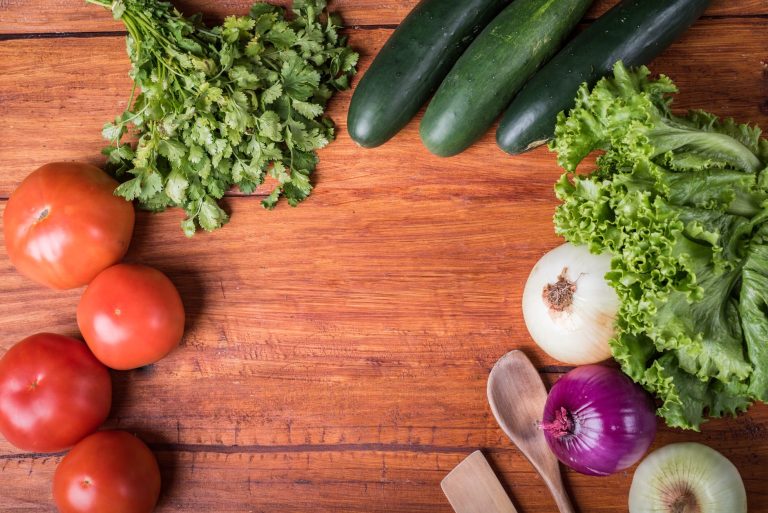
[IMAGE: organic vegetables]
Why Gut Health Is the Foundation of a Healthy Lifestyle
A healthy gut is one of the most overlooked pillars of wellness. Inside your digestive system lives a complex ecosystem of bacteria, enzymes, and other microorganisms known as the gut microbiome. When this system is balanced, it helps break down food, absorb nutrients, and keep inflammation in check. When it is out of balance, you may experience bloating, irregular digestion, cravings, low energy, skin issues, and even difficulty managing weight loss goals.
Organic food can support gut health in a meaningful way because it often reduces exposure to synthetic pesticides, artificial preservatives, and heavily processed ingredients that can burden digestion. While no single meal can transform your body overnight, a consistent pattern of clean eating can gradually improve how your gut functions. That improvement often shows up in everyday life: calmer digestion, steadier energy, and fewer afternoon crashes.
How the gut affects weight loss
If you have ever wondered why two people can eat similar meals and have very different results, gut health may be part of the answer. The microbiome influences how efficiently the body extracts energy from food, how it stores fat, and how full you feel after eating. An imbalanced gut can intensify cravings, disrupt blood sugar control, and make it harder to stick to a healthy diet.
This is why a gut-friendly organic food plan is so effective for long-term weight loss. Rather than relying on deprivation, it helps stabilize your appetite and improve nutrient absorption. You are not simply cutting calories; you are improving the quality of every calorie you eat. And that is a major difference.
Signs your gut may need support
Many people assume digestion problems are normal, but your body often sends signals when something needs attention. Common signs include:
- Frequent bloating or gas
- Constipation or loose stools
- Cravings for sugar or refined carbs
- Low energy after meals
- Skin flare-ups or dull complexion
- Brain fog or trouble concentrating
- Feeling uncomfortably full even after modest meals
If several of these feel familiar, your next step should not be a harsh detox diet. Instead, think about creating a calmer, more nourishing eating pattern with organic foods that are naturally easier on digestion.
The Best Organic Foods for Gut Health
Not all healthy foods work the same way in the body. Some are particularly valuable for gut health because they provide fiber, beneficial bacteria, antioxidants, or soothing compounds that help the digestive system function more efficiently. The best part is that these options are delicious, versatile, and easy to add to a clean eating routine.
1. Organic fermented foods
Fermented foods are among the most respected tools for supporting digestion. They contain live cultures that may help diversify the gut microbiome and improve tolerance to certain foods. Organic versions can be especially appealing for people who want to avoid unnecessary additives in products that are meant to be functional and restorative.
Look for:
- Organic plain yogurt
- Organic kefir
- Sauerkraut
- Kimchi
- Miso
- Tempeh
Start slowly if you are new to fermented foods. A few spoonfuls or a small serving is often enough at first. Too much, too quickly, can cause temporary bloating. The key is consistency, not intensity.
2. High-fiber organic vegetables
Fiber is one of the most important nutrients for digestion and weight loss. It supports regular bowel movements, feeds beneficial gut bacteria, and helps you feel satisfied longer after meals. Organic vegetables often become the cornerstone of a clean eating plan because they are simple, nutrient-dense, and easy to use in every meal.
Some of the best choices include:
- Broccoli
- Brussels sprouts
- Spinach
- Kale
- Carrots
- Cauliflower
- Zucchini
- Asparagus
These vegetables can be roasted, steamed, blended into soups, or added to grain bowls. If digestion is sensitive, cooked vegetables are often gentler than raw ones and can still offer excellent nutrition.
3. Organic fruit that supports digestion
Fruit is often unfairly reduced in conversations about healthy diet plans, but the right fruits can be excellent for gut health. They offer natural fiber, hydration, and antioxidants that support a healthier digestive environment. Organic fruit is also a practical choice when you want to reduce exposure to pesticides on produce that is often eaten with the skin.
Gut-friendly options include:
- Apples
- Pears
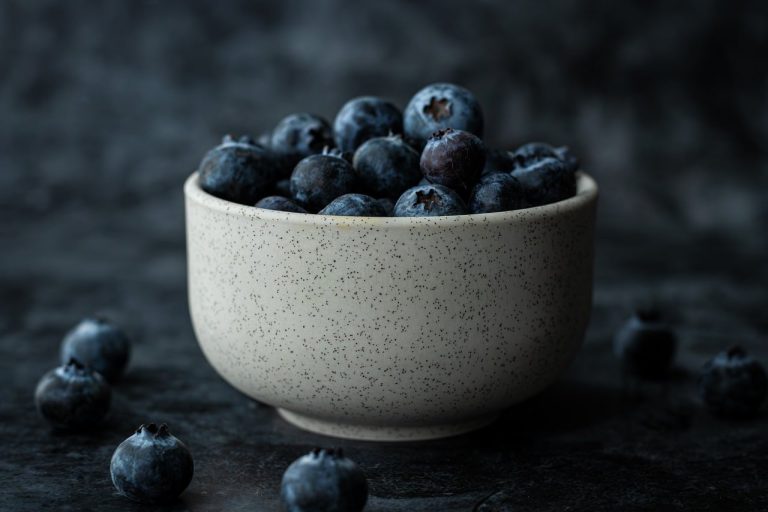
- Berries
- Kiwi
- Papaya
- Bananas
Kiwi and papaya are especially popular for digestion because they contain enzymes and fiber that may help keep the digestive process moving smoothly. Berries are another smart choice because they deliver antioxidants without excessive sugar. Why not build one snack a day around one of these fruits?
4. Seeds, nuts, and healthy fats
Many people focus on protein and forget that healthy fats and seeds can help the gut too. Chia seeds, flaxseeds, walnuts, almonds, and pumpkin seeds provide fiber and supportive fats that keep meals satisfying. They also add texture and flavor to yogurt bowls, salads, and smoothies.
Try these combinations:
- Organic yogurt with chia seeds and berries
- Oatmeal topped with flaxseed and walnuts
- Salad with pumpkin seeds and avocado
- Smoothie with spinach, banana, and almond butter
Small additions like these can make a noticeable difference in appetite control, which is one reason they are so helpful for weight loss without extreme restriction.
5. Herbs, spices, and natural flavor boosters
Organic food is not just about the main ingredients; it is also about the details that make eating enjoyable and sustainable. Ginger, turmeric, cinnamon, fennel, peppermint, and cumin can support a digestive-friendly approach while keeping meals flavorful. When food tastes good, clean eating becomes much easier to maintain.
For example, ginger tea after dinner may feel soothing, while turmeric can be added to soups or roasted vegetables. Cinnamon can bring warmth to breakfast without relying on refined sugar. These small choices create a more enjoyable healthy lifestyle.
[IMAGE: healthy meal]
What a Gut-Friendly Clean Eating Plate Looks Like
One of the simplest ways to build better digestion is to use a repeatable plate structure. You do not need to follow a complicated detox diet or count every gram to see progress. Instead, create meals that combine fiber, protein, healthy fats, and hydration-rich ingredients in balanced portions.
The ideal plate formula
A practical gut-friendly plate might look like this:
- Half the plate: organic vegetables, cooked or raw depending on tolerance
- One quarter of the plate: protein such as eggs, lentils, fish, tofu, or chicken
- One quarter of the plate: complex carbohydrates such as quinoa, brown rice, or sweet potato
- A small amount of healthy fat: olive oil, avocado, nuts, or seeds
This formula supports nutrition, satiety, and better blood sugar stability. It also prevents the all-too-common mistake of building meals that are too low in fiber or too heavy in refined carbohydrates.
Why balance matters for weight loss
Many weight loss plans fail because they focus too much on restriction and not enough on satisfaction. If your meals do not keep you full, you will eventually start searching for quick energy, often in the form of snack foods or sugary drinks. A balanced organic food plate helps prevent that pattern.
Ask yourself: do your meals leave you content for several hours, or are you counting the minutes until the next snack? The answer can reveal whether your current nutrition habits are truly working for you.
Organic Breakfast Ideas That Support Digestion and Energy
Breakfast is an opportunity to set the tone for the day. A gut-friendly breakfast should be nourishing, not heavy; satisfying, not sugary; and easy to digest, not overly processed. A thoughtful breakfast can improve focus, reduce cravings, and help you feel more stable through the morning.
Breakfast options to rotate through the week
- Organic Greek yogurt with berries, chia seeds, and cinnamon
- Oatmeal topped with flaxseed, banana, and walnuts
- Vegetable omelet with spinach, mushrooms, and avocado
- Smoothie with kale, pineapple, ginger, and almond butter
- Chia pudding made with unsweetened plant milk and fresh fruit
Each of these options supports clean eating in a different way. Some are higher in protein, some are lighter, and some are ideal for busy mornings. The most effective breakfast is the one you will actually enjoy consistently.
Breakfast mistakes that can upset the gut
Even healthy-looking breakfasts can work against digestion if they are too sugary or too processed. Be cautious with:
- Sweetened yogurt loaded with added sugar
- Highly processed granola with syrups and oils
- Breakfast pastries marketed as healthy
- Large smoothies made mostly from fruit juice
These choices can create quick blood sugar spikes and leave you hungry before lunch. A better strategy is to use real, whole ingredients that deliver lasting energy.
Lunch and Dinner Ideas That Keep Digestion Calm
Lunch and dinner are often where the day’s nutrition either strengthens or undermines your progress. If your meals are rushed, heavy, or built around ultra-processed foods, your gut often pays the price. On the other hand, a simple organic meal can feel both comforting and energizing.
Easy organic lunch combinations
- Mixed greens with grilled chicken, avocado, cucumber, and olive oil dressing
- Quinoa bowl with roasted broccoli, chickpeas, carrots, and tahini
- Turkey lettuce wraps with shredded vegetables and hummus
- Lentil soup with side salad and a piece of fruit
These meals are rich in fiber and easy to customize. You can make them more filling with protein or lighter if you are trying to reduce heavy meals during the day.
Comforting organic dinners
Dinner should be satisfying enough to prevent late-night snacking, but not so heavy that it disrupts sleep. Good options include:
- Baked salmon with asparagus and sweet potato
- Stir-fried tofu with bok choy, carrots, and brown rice
- Chicken and vegetable soup with herbs
- Stuffed peppers with quinoa, black beans, and tomatoes
These meals offer a strong mix of nutrition and comfort. They also make healthy eating feel realistic, which is essential if you want lasting results rather than short-term motivation.
The Role of a Detox Diet: Supportive, Not Extreme
The word detox diet is everywhere, but the concept is often misunderstood. Your body already has natural detoxification systems through the liver, kidneys, digestive tract, skin, and lungs. What it needs is support, not punishment. A smart organic food plan can help by reducing the burden of processed ingredients while increasing the intake of nutrients that assist those natural systems.
What real detox support looks like
Instead of juice cleanses or severe restriction, aim for habits that gently support the body every day:
- Drink enough water throughout the day
- Eat fiber-rich vegetables and fruit
- Include sulfur-rich foods like broccoli and cabbage
- Choose organic foods when possible, especially for high-residue produce
- Limit alcohol, excess sugar, and highly processed snacks
This style of detox support is far more sustainable and far less stressful on digestion. It also aligns with clean eating because it focuses on what you can add, not just what you have to remove.
Why extreme cleanses can backfire
Severe detox plans often leave people tired, irritable, and overly focused on food. They may also cause muscle loss or trigger rebound eating. If your goal is weight loss and better health, the better question is not,
About the Author