
Photo by Elias Morr on Unsplash
Your gut does far more than digest lunch. It influences energy, immunity, mood, skin, cravings, and even how easily your body maintains a healthy weight. That is why the conversation around organic food has moved beyond simple preference and into the center of modern nutrition. If you have ever wondered whether clean eating can truly change the way you feel day to day, the answer often begins in the digestive system.
Organic food offers a compelling advantage for anyone trying to support gut health with a more thoughtful approach to eating. Fresh organic vegetables, fruits, whole grains, herbs, and fermented foods can help create the kind of nourishing routine that feels sustainable rather than restrictive. Instead of chasing extreme detox diet trends or complicated wellness rules, you can focus on what your body actually responds to: real food, steady habits, and ingredients that are easier to trust.
What if the most effective path to better digestion, fewer cravings, and a calmer stomach was not a dramatic reset, but a smarter everyday diet built around quality organic ingredients? That is the idea behind this guide. You will learn which foods matter most, how to combine them, what mistakes to avoid, and how to build a clean eating lifestyle that supports both comfort and long-term wellness.
Why Gut Health Is the Hidden Engine of Wellness
The gut is often described as a second brain, and that description is not exaggerated. Inside the digestive tract lives a vast community of microorganisms that help process food, support immune defenses, and communicate with the rest of the body in surprisingly complex ways. When this ecosystem is balanced, digestion tends to feel smoother, energy feels steadier, and nutrition is absorbed more efficiently. When it is disrupted, even the healthiest intentions can feel harder to maintain.
People often think gut health only matters if they have obvious digestive issues, but the signs can be much subtler. Do you feel bloated after meals? Do sugar cravings hit hard in the afternoon? Is your energy inconsistent even when your diet looks healthy on paper? Those patterns may suggest that your digestive system needs more support than it is getting.
The Microbiome and Daily Food Choices
Your microbiome responds to what you eat every day, not just to occasional detox diet efforts. A steady pattern of nutrient-dense meals is what helps beneficial gut bacteria thrive. Organic food can be especially helpful because it often fits naturally into a diet built around fruits, vegetables, legumes, nuts, seeds, and minimally processed staples.
The goal is not perfection. It is consistency. A healthy lifestyle becomes much easier to maintain when the foods in your kitchen are simple, versatile, and satisfying. This is one reason clean eating works so well for gut health: it lowers the noise. You are not guessing whether a snack bar is helping or hurting. You are choosing ingredients that align with your nutrition goals and then eating them regularly enough to make a difference.
Signs Your Gut May Need More Support
If you are trying to improve digestion naturally, it helps to recognize the clues your body gives you. These signs do not diagnose a medical condition, but they do suggest that your current eating pattern could use attention.
- Bloating shortly after meals
- Irregular bowel movements
- Unexplained cravings for sugar or highly processed foods
- Feeling heavy or sluggish after eating
- Skin that seems reactive or inflamed
- Energy crashes even when you sleep well
- A sense that healthy food still does not fully agree with you
If several of these feel familiar, the solution may not be to eat less. It may be to eat better, with more attention to fiber, hydration, fermented foods, and the quality of your ingredients.
Why Organic Food Makes a Difference in a Gut-Friendly Diet
There are many reasons people choose organic food, from taste to environmental values, but gut health is one of the most practical. A clean eating routine built around organic produce can reduce unnecessary exposure to certain pesticide residues and make it easier to prioritize whole, minimally processed meals. That does not mean organic is magical. It means it fits well into a more intentional nutrition strategy.
When your meals are based on whole foods rather than packaged products, you are naturally reducing additives, stabilizers, and excess sugar that can work against digestive comfort. This matters because the gut does not respond only to what you include. It also responds to what you leave out.
Less Processing, More Digestive Ease
Many people discover that their stomach feels better when the diet becomes simpler. Organic food often comes in a form that is closer to its natural state, whether that means leafy greens, berries, oats, lentils, carrots, or yogurt made with live cultures. Simplicity can be powerful. A meal of roasted organic vegetables, olive oil, and herbs may be easier to digest than a heavily engineered frozen entrée, even if the calorie count is similar.
This is one reason clean eating is not just a trend; it is a practical framework. It removes layers of distraction and lets your body focus on real nutrition. For anyone pursuing weight loss, that can also be helpful, because meals built on whole foods often feel more filling and more emotionally satisfying.
Why Quality Fiber Matters So Much
Fiber feeds the gut in a way that refined foods simply cannot. It supports regularity, helps you feel full, and nourishes beneficial bacteria. Organic vegetables, beans, seeds, and fruit are some of the easiest ways to increase fiber without making meals complicated.
Still, more fiber is not always better overnight. If your current intake is low, increase it gradually and drink enough water. The body appreciates steady change far more than abrupt shifts. A successful detox diet approach is usually gentle, not aggressive.
The Best Organic Foods for Gut Health
Not every organic food has the same effect on digestion, but certain categories are especially valuable when your goal is to support the gut while keeping meals delicious and practical. Think of these foods as your everyday toolkit for better nutrition.
Fermented Organic Foods
Fermented foods are among the most talked-about options in gut health, and for good reason. They contain naturally occurring beneficial bacteria or compounds that support a healthier digestive environment. If you are building a clean eating routine, these foods can add flavor, variety, and function at the same time.
- Organic plain yogurt with live cultures
- Unsweetened kefir
- Sauerkraut made with minimal ingredients
- Kimchi with low added sugar
- Miso in warm broth
- Tempeh as a protein-rich plant-based option
Start with small portions. Fermented foods are powerful, but your gut may need time to adapt. A spoonful of sauerkraut with lunch can be a better first step than suddenly adding several servings a day.
How to Add Fermented Foods Without Discomfort
Begin with one fermented item at a time and notice how you feel over several days. Pair it with other simple foods, such as rice, vegetables, or eggs, so your digestive system is not overwhelmed. If you are sensitive, choose plain and unsweetened versions whenever possible.
Fiber-Rich Organic Produce
Vegetables and fruit give the gut both fuel and variety. Different fibers feed different microbes, which is why a colorful plate is more than a visual pleasure. It is nutrition strategy in action.
- Leafy greens such as spinach, arugula, and kale
- Cruciferous vegetables like broccoli, cabbage, and Brussels sprouts
- Root vegetables such as carrots, beets, and sweet potatoes
- Apples, pears, berries, and kiwi
- Avocados for fiber and healthy fats
- Chia seeds and ground flaxseed
These foods can support regular digestion while making meals more satisfying. If weight loss is part of your goal, fiber-rich organic food can help you stay full longer and reduce the urge to snack out of habit.
Prebiotic Foods That Feed Good Bacteria
Prebiotics are the fibers and compounds that feed the beneficial bacteria already living in your gut. Think of them as the fertilizer for your internal ecosystem. When prebiotics and probiotics work together, your diet becomes much more supportive of digestive balance.
- Onions
- Garlic
- Leeks
- Asparagus
- Bananas, especially slightly green ones
- Oats
- Legumes such as lentils and chickpeas
These foods are easy to use in soups, grain bowls, salads, and breakfast recipes. If clean eating feels intimidating, prebiotic foods are a simple place to begin because they fit into many familiar meals.
Gentle Herbs and Soothing Staples
Some of the most comforting gut-friendly ingredients are also among the simplest. Ginger can be warming and soothing. Peppermint tea may help some people feel more comfortable after meals. Fennel, turmeric, and cinnamon can bring both flavor and digestive support to everyday cooking.
Pairing herbs with organic food does more than improve taste. It turns routine meals into small wellness rituals. That is the essence of a sustainable healthy lifestyle: nourishing yourself in ways that feel calm rather than rigid.
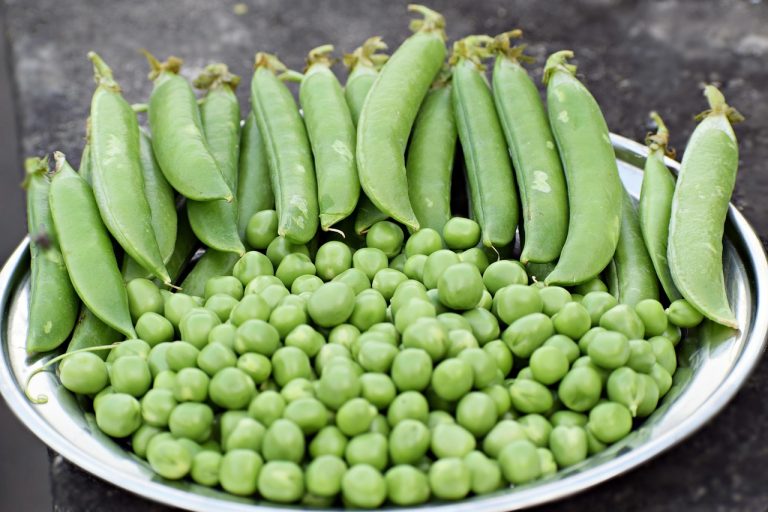
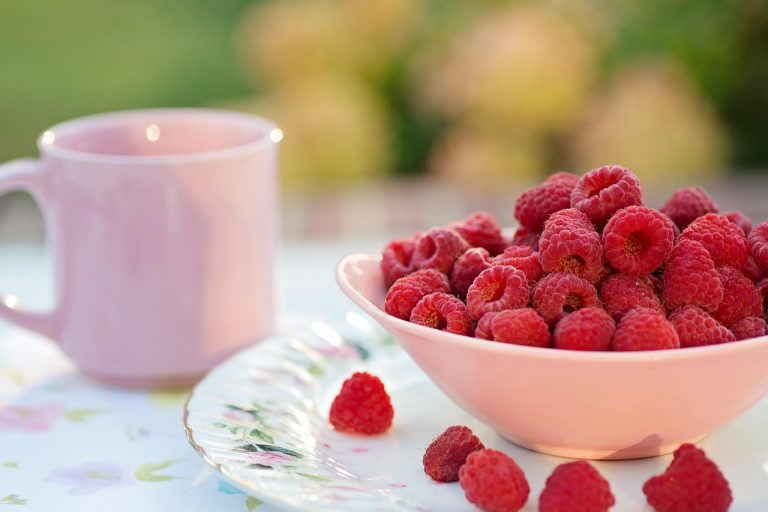
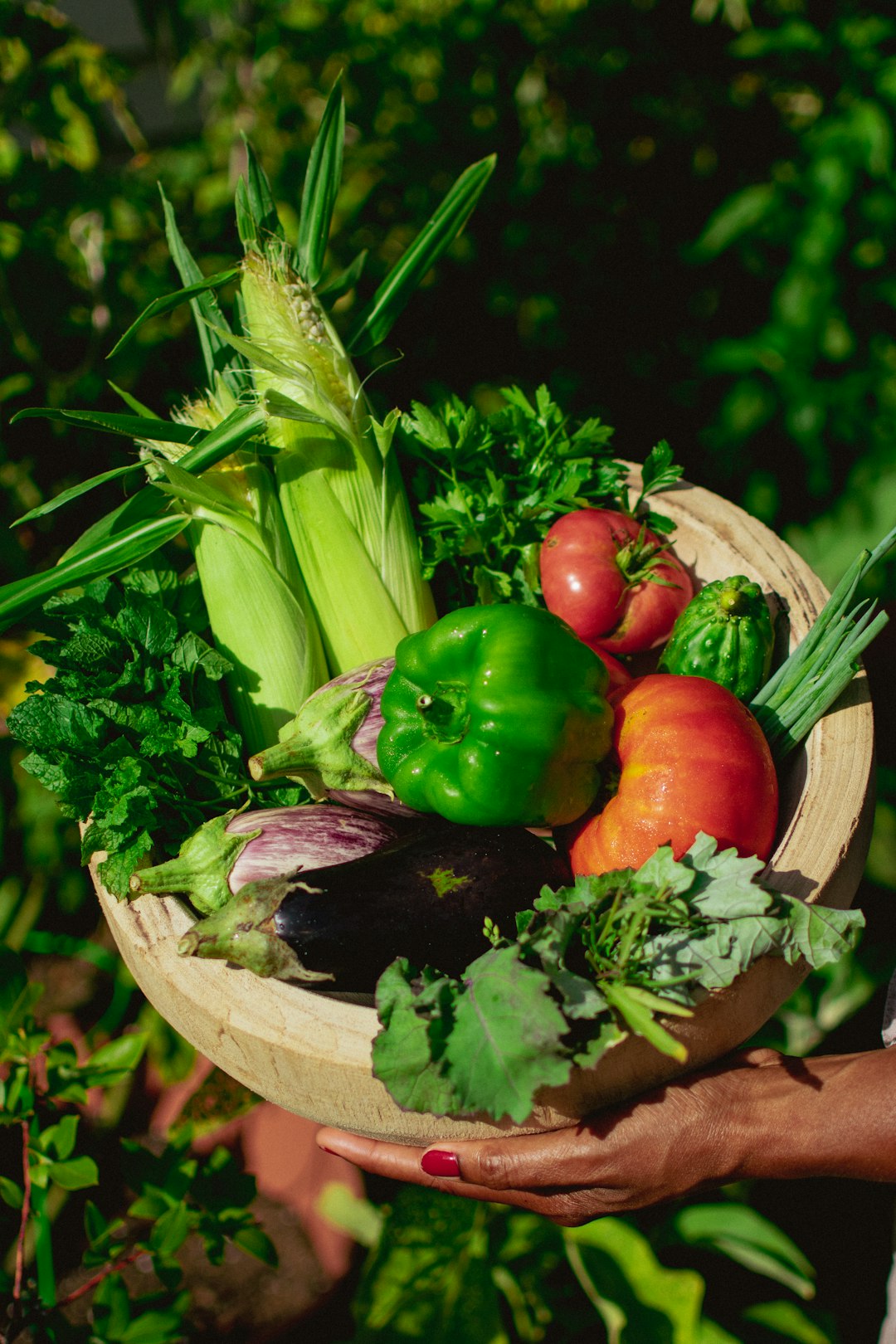
[IMAGE: organic vegetables]
Clean Eating Habits That Support Digestion Every Day
Food quality matters, but so does the pattern of eating. A gut-friendly diet works best when the habits around it are just as thoughtful. You do not need complicated rules. You need a structure that helps your digestive system feel safe and supported.
Build Meals Around a Simple Formula
One of the easiest ways to stay on track is to build meals from a balanced template. This reduces decision fatigue and keeps nutrition steady.
- A source of fiber-rich vegetables
- A quality protein, such as eggs, fish, tofu, tempeh, beans, or yogurt
- A healthy fat, such as avocado, olive oil, nuts, or seeds
- A gentle carbohydrate, such as oats, quinoa, brown rice, or sweet potato
Why does this work so well? Because balance helps stabilize blood sugar, supports satiety, and makes meals easier to digest. That combination can be especially useful for anyone hoping to reduce bloating while also improving energy and supporting healthy weight loss.
Hydration, Timing, and Meal Pace Matter Too
Nutrition is not only about what is on the plate. It is also about how and when you eat. Many people notice better digestion when they slow down, chew thoroughly, and avoid rushing through meals. If you are always eating in a hurry, your body may stay in a more stressed state during digestion.
Water matters as well, especially when fiber intake increases. Aim for consistent hydration throughout the day rather than trying to catch up only at meals. Herbal teas, infused water, and brothy soups can all support a cleaner, calmer digestion routine.
Also consider meal timing. Large late-night meals can feel heavy and may interfere with sleep quality. A healthy lifestyle often includes an eating rhythm that gives the body time to digest before bed.
Gut-Friendly Organic Meal Ideas for Real Life
It is one thing to know which foods are helpful. It is another thing entirely to turn that knowledge into meals you will actually enjoy. The good news is that organic food is naturally flexible. You can use it for quick breakfasts, satisfying lunches, easy dinners, and snacks that feel nourishing instead of random.
[IMAGE: healthy meal]
Breakfast That Starts the Day Gently
Breakfast does not need to be elaborate to be effective. In fact, the best gut-friendly breakfasts are often the simplest. A bowl of organic oats with chia seeds, berries, and plain yogurt can deliver fiber, protein, and beneficial cultures in one meal. If you prefer savory food, try eggs with sautéed spinach, tomatoes, and avocado on whole-grain toast.
Another option is a smoothie built carefully rather than sweetened aggressively. Use unsweetened kefir or yogurt, a handful of leafy greens, frozen berries, flaxseed, and a small amount of banana. This gives you the convenience of a quick breakfast without the blood-sugar crash that often comes with commercial smoothies.
Lunch That Keeps Energy Stable
For lunch, think color and texture. A grain bowl with quinoa, roasted organic vegetables, chickpeas, arugula, and tahini dressing is both filling and digestively friendly. Or make a large salad with salmon, cucumbers, carrots, pumpkin seeds, and olive oil. When lunch is satisfying, the afternoon is usually easier to navigate.
If you tend to crave snacks by midafternoon, that may be a sign lunch needs more protein or fiber. Clean eating is not about eating less food; it is about eating in a way that supports the body more effectively.
Dinner That Supports Restful Digestion
Dinner is a chance to be soothing and uncomplicated. Roasted organic vegetables with baked fish or tofu, a small serving of brown rice, and a light herb sauce can feel both elegant and comforting. Soup is another excellent choice. A lentil and vegetable soup with garlic, onions, carrots, and celery can be deeply nourishing without feeling heavy.
If you like to cook ahead, prepare a batch of vegetables and a protein on the weekend. That way, dinner becomes a quick assembly rather than a stressful decision. Sustainable nutrition often depends on this kind of quiet preparation.
Snacks That Help More Than They Harm
Not every snack needs to be treated as a temptation. In a healthy lifestyle, snacks can fill the gap between meals while still supporting gut health. Good options include:
- Apple slices with almond butter
- Plain yogurt with ground flaxseed
- Carrot sticks with hummus
- A small handful of walnuts and berries
- Cucumber slices with avocado and sea salt
- Roasted chickpeas with spices
These choices are far more supportive than ultra-processed snack foods, which often create a cycle of craving and fatigue. If your goal includes weight loss, better snacks can quietly make a huge difference.
How Gut Health Supports Healthy Weight Loss
Many people approach gut health because they want to feel better, only to discover that better digestion also supports weight loss. That is not a coincidence. When the gut is functioning well, it is easier to recognize hunger cues, manage cravings, and enjoy meals without feeling constantly on edge.
This does not mean gut health is a shortcut. It means it is a foundation. If you are building a long-term healthy lifestyle, the quality of digestion matters as much as the number on the scale.
[IMAGE: fitness lifestyle]
Why the Gut Can Influence Cravings and Appetite
A diet rich in organic food, fiber, and balanced nutrients can help stabilize the signals that tell you when you are satisfied. Meals that contain protein, healthy fats, and slow-digesting carbohydrates often keep hunger in check longer than meals made mostly of refined starch or sugar.
Have you ever eaten something technically
About the Author