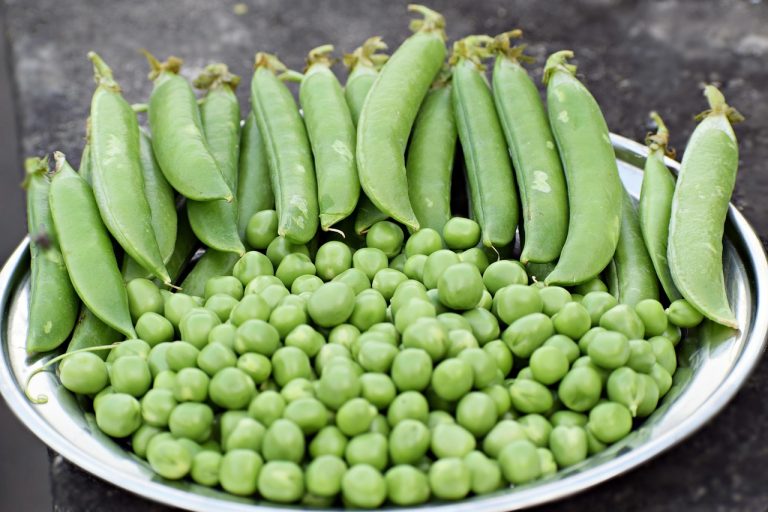


Photo by Clay Banks on Unsplash
When people talk about organic food, they often focus on pesticides, purity, or environmental benefits. But there is another reason to care about what lands on your plate: your gut. The digestive system is not just where meals are broken down; it is where energy is released, nutrients are absorbed, immune responses are shaped, and many of your daily decisions are quietly influenced. If you have ever felt sluggish after eating, struggled with bloating, or wondered why a healthy diet still does not seem to support weight loss, your gut may be asking for a different kind of attention.
A clean eating approach built around organic food can do more than feel virtuous. It can help create a steadier digestive rhythm, reduce the load of heavily processed ingredients, and support the diverse microbes that live in the intestinal tract. Those microbes are not a trend. They are part of a sophisticated ecosystem that affects everything from cravings to mood to how efficiently your body uses nutrition. And when that ecosystem thrives, healthy lifestyle goals become much easier to sustain. Could your next step toward better digestion and lasting energy begin with a simpler, more organic plate?
In this guide, we will look at how organic foods support gut health, which foods deserve a place in your kitchen, and how to build a daily routine that feels practical rather than restrictive. You will also find gentle ideas for a detox diet, realistic meal structure, and simple habits that make clean eating more effective without turning your life upside down. Think of this as a reset for your digestion and a smarter path to weight loss that is rooted in nutrition, not deprivation.
Why Gut Health Matters More Than Most People Realize
Your gut is home to trillions of microorganisms that help process food, influence inflammation, and communicate with the brain. This community, often called the gut microbiome, is highly sensitive to what you eat. A diet rich in organic food, fiber, and naturally fermented ingredients can encourage microbial diversity, while excessive refined sugar, ultra-processed snacks, and low-fiber meals can push things in the opposite direction.
Why should this matter to someone focused on healthy eating or weight loss? Because digestion affects far more than comfort after meals. It influences hunger hormones, blood sugar stability, bowel regularity, and even how full you feel after eating. If your gut is out of balance, you may find yourself craving more food, feeling tired after lunch, or battling a cycle of bloating and inconsistency that makes healthy habits harder to maintain.
For many people, the shift toward clean eating becomes more successful when it is framed as gut support rather than just calorie control. Instead of asking, How little can I eat? a better question is, What foods help my body function well every day? That simple change in perspective can transform the entire relationship with nutrition.
Signs your digestive system may need more support
Gut issues do not always appear as severe discomfort. Sometimes they show up as subtle patterns that are easy to dismiss until they become routine. If a few of these sound familiar, your eating habits may need a closer look:
- Frequent bloating after meals
- Irregular bowel movements
- Cravings for sugar or refined carbohydrates
- Energy crashes in the afternoon
- Feeling unusually full, sluggish, or heavy after eating
- Digestive discomfort when you eat out often or rely on packaged foods
- Difficulty losing weight despite trying to eat less
These signs do not automatically mean something is seriously wrong, but they can be a clue that your routine needs more fiber, more hydration, less processed food, and possibly a more thoughtful detox diet built around whole, organic ingredients.
Why Organic Food Can Be Better for Gut Health
The word organic is often associated with quality, but what does it mean in a gut health context? In simple terms, organic farming limits synthetic pesticides, herbicides, and certain artificial inputs. While no food can guarantee perfect digestion, choosing organic options may reduce your exposure to residues that some people prefer to minimize as part of a clean eating lifestyle.
Just as important, organic food often encourages a more nutrient-dense, less processed way of eating. People who buy more organic produce, whole grains, and clean pantry staples usually end up preparing more meals at home. That alone can support digestion because it puts you in control of ingredients, portions, and cooking methods. Less excess sodium, less added sugar, and fewer artificial additives often mean less work for your digestive system.
There is also an emotional benefit. Many people find that when they invest in high-quality ingredients, they naturally become more mindful about meals. They slow down. They cook more often. They pay attention to hunger and fullness. And yes, those habits matter for both nutrition and weight loss.
Food quality affects more than calories
Two meals with the same calorie count can affect your body very differently. One may be loaded with fiber, healthy fats, and plant compounds that support digestion. The other may be packed with refined starch, added sugars, and heavily processed oils that leave you hungry again within an hour. That is why a healthy diet is never just about numbers.
Organic food can be part of a smarter approach because it often shifts the focus toward ingredients that are simpler and more recognizable. Fresh vegetables, whole fruit, beans, seeds, herbs, yogurt, and fermented foods all fit naturally into a gut-friendly pattern. These are the foods that help you feel nourished instead of merely fed.
Organic foods to prioritize first
If buying everything organic is not realistic, start with the foods you eat most often and the produce types most likely to be heavily sprayed. A practical organic strategy is always better than an all-or-nothing mindset. Consider prioritizing these:
- Leafy greens such as spinach, kale, and arugula
- Berries, especially strawberries and blueberries
- Apples, pears, and grapes
- Celery, peppers, and cucumbers
- Milk, yogurt, and eggs if they are regular staples in your diet
- Grains, oats, and packaged staples when you want a cleaner pantry
When paired with a balanced routine, these foods can support a gentler detox diet and help your digestive system work more efficiently day after day.
[IMAGE: organic vegetables]
The Best Organic Foods for a Happier Gut
Not all healthy foods work in exactly the same way. Some feed your beneficial bacteria, while others ease digestion through moisture, enzymes, or soothing textures. A truly gut-friendly organic food plan includes a mix of fiber, prebiotics, probiotics, healthy fats, and plant compounds. Let us break down the most useful categories.
Fermented foods that introduce helpful bacteria
Fermented foods are a cornerstone of many traditional eating patterns, and for good reason. They can deliver live cultures that support microbiome diversity and help the digestive environment stay balanced. When choosing these foods, look for organic versions with simple ingredient lists and minimal added sugar.
- Organic yogurt: Choose unsweetened varieties with live active cultures.
- Kefir: A tangy, drinkable option that is rich in probiotics.
- Sauerkraut: Look for refrigerated, unpasteurized versions for the most beneficial cultures.
- Kimchi: A spicy, flavorful option that can make clean eating more exciting.
- Miso: Useful in soups, dressings, and marinades for a savory probiotic boost.
These foods can be especially helpful if your diet has been heavy in processed meals or if you want a reset that feels like a gentle detox diet rather than a strict cleanse.
Fiber-rich foods that keep digestion moving
Fiber is one of the most important nutrients for gut health and weight loss. It adds bulk, supports regularity, and helps feed the microorganisms that live in the large intestine. A healthy lifestyle built on organic food should make fiber a daily priority, not an occasional bonus.
- Oats: Excellent for breakfast and naturally satisfying.
- Beans and lentils: Affordable, filling, and rich in plant-based protein.
- Berries: Low in sugar compared with many fruits and high in antioxidants.
- Chia seeds and flaxseed: Easy additions to smoothies, yogurt, and oatmeal.
- Broccoli, Brussels sprouts, and cauliflower: Powerful vegetables for a balanced organic diet.
- Avocado: A fiber-rich source of creamy healthy fats.
When your meals contain enough fiber, you are more likely to feel satisfied, manage appetite naturally, and reduce the urge to snack on ultra-processed foods.
Prebiotic foods that feed beneficial bacteria
Prebiotics are the fuel that helps your beneficial gut bacteria thrive. Think of them as the preferred food source for your internal ecosystem. Without enough prebiotics, probiotic foods have less of a chance to make a lasting impact.
- Garlic
- Onions
- Leeks
- Asparagus
- Bananas, especially slightly underripe ones
- Jerusalem artichokes
- Cooked and cooled potatoes or rice in moderate amounts
These ingredients are easy to include in soups, stir-fries, salads, and roasted vegetable dishes. They bring flavor and function to the table, which is exactly what a practical clean eating plan should do.
Healthy fats that soothe and satisfy
Many people mistakenly fear fat when trying to lose weight, but healthy fats are essential for hormone balance, vitamin absorption, and satiety. If your meals are too low in fat, you may feel unsatisfied and more likely to overeat later.
- Extra-virgin olive oil
- Organic avocados
- Walnuts and almonds
- Pumpkin seeds
- Chia seeds
- Organic eggs
These fats work best when paired with vegetables and protein, creating meals that are steady, satisfying, and friendly to digestion.
[IMAGE: healthy meal]
How to Build a Gut-Friendly Organic Plate
If you want your healthy diet to feel sustainable, it helps to stop thinking in terms of perfection and start thinking in terms of structure. A good plate does not need to be complicated. It simply needs to include enough of the right components to support digestion, energy, and fullness.
A simple formula for every meal
Use this pattern as a guide:
- Half the plate: Organic non-starchy vegetables
- One quarter: Protein from eggs, yogurt, tofu, beans, fish, or lean poultry
- One quarter: Whole grains or starchy vegetables if desired
- 1-2 tablespoons: Healthy fats such as olive oil, seeds, or avocado
This is not a rigid rule. It is a helpful visual that makes clean eating easier. It also supports weight loss by making meals satisfying enough to prevent grazing between meals.
Breakfast ideas that support energy and digestion
Breakfast is an excellent place to begin a gut-friendly routine because it can set the tone for blood sugar stability and appetite control. What should your first meal of the day look like if you want better nutrition and steady energy?
- Organic Greek yogurt with berries, chia seeds, and walnuts
- Warm oatmeal topped with flaxseed, cinnamon, and sliced banana
- Vegetable omelet with spinach, onions, and herbs
- Smoothie with kefir, greens, avocado, and frozen berries
Each of these meals combines protein, fiber, and healthy fats. That combination can help you avoid the crash that often follows a sugary pastry or highly processed cereal.
Lunch and dinner ideas for calm digestion
By midday, many people start to feel rushed and reach for convenience foods. That is exactly when organic meal planning pays off. Consider meals like these:
- Quinoa bowl with roasted vegetables, chickpeas, and tahini dressing
- Salmon with steamed broccoli, brown rice, and olive oil
- Lentil soup with carrots, celery, garlic, and leafy greens
- Chicken salad with avocado, cucumber, and fermented sauerkraut on the side
- Tofu stir-fry with ginger, mushrooms, bok choy, and sesame seeds
These meals are not only supportive of gut health. They are also naturally aligned with a weight loss plan because they deliver volume, nutrients, and satiety without relying on empty calories.
Smart snacks that do not disrupt your gut
Snacking is not the enemy, but mindless snacking can quickly derail clean eating. Choose snacks that are simple and purposeful rather than salty, sugary, or ultra-processed.
- Apple slices with almond butter
- Carrot sticks with hummus
- Organic yogurt with cinnamon
- Pumpkin seeds and a small handful of berries
- Cucumber slices with guacamole
These snacks help stabilize hunger while keeping your digestive system on a gentler rhythm.
The Connection Between Gut Health and Weight Loss
Weight loss is often oversimplified as a matter of eating less and moving more. While energy balance matters, the body is not a calculator. Hormones, stress, sleep, digestion, and food quality all influence how easy or difficult it is to lose weight. That is why a gut-centered strategy can be so effective.
A disrupted microbiome may contribute to higher inflammation, stronger cravings, and poorer blood sugar management. On the other hand, a gut-friendly organic food pattern can support better satiety, more stable energy, and more predictable digestion. In plain English, that means you may feel less driven to overeat and more able to stick to your plan.
This is one reason a clean eating lifestyle often works better than a short-lived detox diet built on restriction. Instead of trying to force rapid change, you create conditions where the body can function well. When digestion improves, weight loss often becomes less of a battle and more of a natural result.
What actually helps the scale move
If your goal is healthy weight loss, focus on habits that support both the gut and your broader routine:
- Eat enough protein at each meal
- Include fiber-rich vegetables daily
- Replace sugary drinks with water, herbal tea, or sparkling water
- Cook at home more often using organic ingredients
- Eat slowly instead of multitasking through meals
- Keep late-night snacking in check by eating balanced dinners
None of these habits require perfection. They simply create a more stable foundation for nutrition and long-term results.
Gentle Detox Diet Habits That Support the Gut
The phrase detox diet can mean many things, some useful and some misleading. Your liver, kidneys, skin, and digestive tract already do the work of detoxification every day. What you can do is support those systems by removing unnecessary strain and supplying the nutrients they need to function well.
A gentle detox approach does not involve extreme juice fasts or starvation. Instead, it emphasizes hydration, fiber, whole organic foods, and simple meal patterns that make digestion easier. Ask yourself: if your body already knows how to cleanse and repair itself, why not give it cleaner inputs?
Habits that support natural detoxification
- Drink water consistently throughout the day
- Add lemon, cucumber, or mint to make hydration more enjoyable
- Eat cruciferous vegetables like broccoli and cabbage
- Choose organic herbs such as parsley, cilantro, and ginger
- Reduce alcohol and sugary beverages
- Sleep enough to allow your body to recover
These habits are far more sustainable than a crash cleanse and much more supportive of healthy lifestyle changes that last.
Natural foods that make detox feel easier
Some foods are especially useful when you want lightness without sacrificing nourishment. They can be part of a detox diet or simply a cleaner, calmer way of eating:
- Cucumbers for hydration
- Leafy greens for minerals and fiber
- Ginger for digestive comfort
- Beets for vibrant plant compounds
- Green tea for a gentle caffeine lift
- Fresh herbs for flavor without excess sodium
When these foods appear regularly in your meals, your digestive system often feels lighter and more responsive.
Common Organic Diet Mistakes That Can Upset Digestion
Even the most well-intentioned healthy diet can go off track if it becomes too narrow, too low in calories, or too focused on rules. Organic food is powerful, but it is not magic. The way you combine foods matters just as much as the label on the package.
Skipping protein in the name of clean eating
Some people load up on produce but forget protein. The result? Hunger returns quickly, muscle maintenance suffers, and cravings become harder to manage. A gut-friendly meal should include protein every time.
Going too hard on raw vegetables
Raw salads can be refreshing, but too much raw fiber can irritate sensitive digestion, especially if you are just beginning a clean eating routine. Cooked vegetables are often easier to digest and just as nourishing. A mix of raw and cooked is usually the best answer.
Replacing whole food with expensive health products
Organic bars, powders, and packaged snacks can be convenient, but they should not dominate the diet. A real healthy lifestyle is built on simple meals, not a cart full of wellness branding. If an ingredient list reads like a chemistry lab, it is probably not helping your gut very much.
Ignoring stress and sleep
Digestion does not happen in isolation. Stress can change the way your body processes food, and poor sleep can increase cravings and weaken self-control. If your meals are excellent but your schedule is chaotic, your gut may still struggle. The healthiest organic food plan works best alongside rest, movement, and emotional balance.
How to Make Clean Eating Practical Every Day
The best healthy diet is one you can actually repeat. Simplicity is not a compromise; it is a strategy. If you want organic food to become a stable part of your life, start by reducing friction. Make good choices easier to access and less healthy choices less automatic.
Build a kitchen that supports your goals
- Keep washed greens and chopped vegetables ready to use
- Store organic yogurt, eggs, and legumes where you can see them
- Batch-cook grains and soups for busy days
- Use clear containers so leftovers are easy to spot
- Limit ultra-processed snacks in visible areas
These small environmental changes can have a surprisingly big effect on nutrition and consistency.
Use meal prep to protect your digestion
Meal prep is not just for athletes or fitness influencers. It is a practical tool for anyone who wants better digestion and less decision fatigue. Prepare one or two components in advance, such as roasted vegetables, cooked lentils, or a batch of soup, and you immediately make clean eating more realistic.
For example, a Sunday prep session could include a tray of [IMAGE: healthy meal] ingredients like roasted sweet potatoes, zucchini, and onions, plus a jar of lemon-olive oil dressing. During the week, those items can become a bowl, a salad, or a quick lunch without much effort.
Pair food choices with movement
Gentle physical activity supports digestion, blood sugar balance, and mental clarity. You do not need intense workouts to see benefits. A brisk walk after meals, yoga, or even stretching can improve how you feel. [IMAGE: fitness lifestyle] moments do not have to be extreme; they simply need to be consistent.
Movement also helps you connect your healthy eating habits to a broader lifestyle rather than treating food as the only variable. When good nutrition, regular motion, and rest work together, your body usually responds with more energy and fewer digestive complaints.
Questions to Ask Before Starting Your Reset
Before launching a new detox diet or clean eating plan, it helps to pause and ask a few honest questions. What do you really want to improve? Is it bloating, cravings, low energy, or the frustration of not losing weight despite trying hard? Are you ready to cook more often, or do you need a plan that works for busy days? And perhaps most importantly, can you choose progress over perfection?
These questions matter because the best organic food strategy is personalized. Some people thrive on lots of raw vegetables and kefir, while others do better with soups, cooked grains, and fermented foods in smaller amounts. The goal is not to copy a trend. The goal is to discover what leaves you feeling lighter, clearer, and more in control.
A Sample Day of Gut-Friendly Clean Eating
If you are wondering how this all looks in real life, here is a simple day of eating that combines organic ingredients, balanced nutrition, and digestive support.
- Breakfast: Organic yogurt with berries, chia seeds, and cinnamon
- Lunch: Lentil and vegetable soup with a side salad dressed in olive oil
- Snack: Apple slices with almond butter
- Dinner: Salmon with roasted broccoli, carrots, and quinoa
- Evening drink: Ginger or peppermint tea
This kind of menu is satisfying without being heavy, and it supports both gut health and weight loss goals. It also feels like a real meal plan, not a punishment.
Why This Approach Works for Long-Term Healthy Lifestyle Change
Long-term success rarely comes from intensity alone. It comes from a system that supports your body and fits your life. Organic food is useful not because it is fashionable, but because it often encourages better habits: more cooking, more vegetables, less packaged food, and greater awareness of how different meals make you feel.
That awareness is powerful. When you understand which foods improve digestion and which ones leave you tired or bloated, your choices become easier. You stop guessing. You start observing. And once you begin noticing the connection between nutrition and how you feel, healthy eating stops being a chore and becomes a form of self-respect.
That is the real promise of a gut-friendly organic diet. It gives you a framework for clean eating that supports weight loss, reduces digestive discomfort, and helps you build a life that feels lighter from the inside out. Keep learning, keep experimenting, and keep choosing the foods that help your body do what it was designed to do. If you want more practical guidance, explore the other articles on DietOrganic and continue building a healthy lifestyle one thoughtful meal at a time.
About the Author