
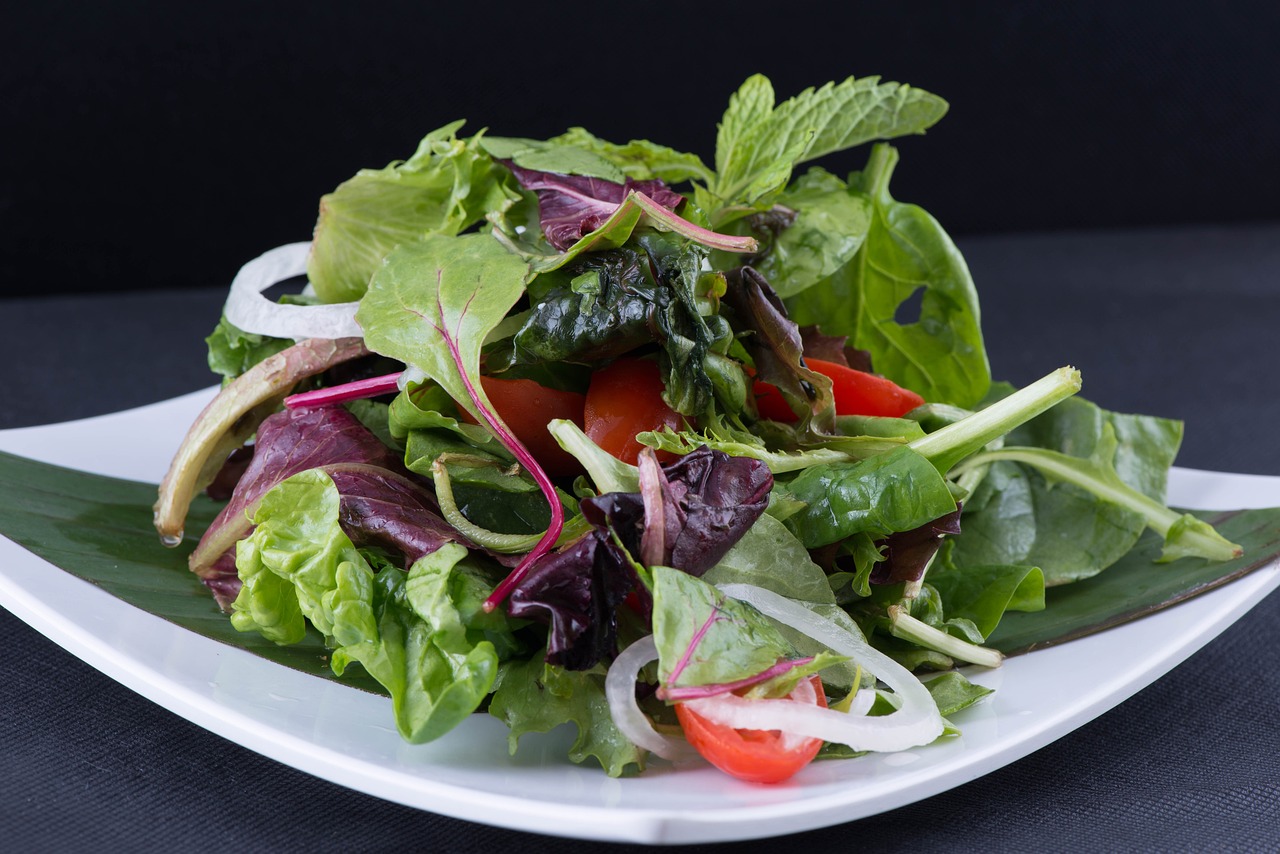
Photo by msqrd2 on Pixabay
If you have ever tried to improve your health with a cleaner plate, more disciplined meals, or a new plan for weight loss, you may have noticed something surprising: not every healthy diet feels the same. Some approaches leave you energized, while others make you feel bloated, hungry, or strangely unsatisfied. That difference often comes down to one overlooked factor, your gut health. When your digestion is working well, organic food feels easier to enjoy, clean eating becomes more sustainable, and your body responds more positively to nutrition changes. Could the key to better energy and steady weight management be as simple as feeding your gut what it actually needs?
This is where organic food becomes more than a trend. High-quality organic ingredients can support a more balanced internal environment by reducing exposure to unnecessary additives, increasing nutrient density, and making it easier to build meals that truly nourish you. In a world full of rushed meals, ultra-processed snacks, and extreme detox diet promises, a gut-friendly approach offers something more realistic: long-term improvement that fits everyday life. If you have been searching for a healthy lifestyle plan that supports digestion, reduces bloating, and helps you feel lighter without gimmicks, this article will give you a clear place to start.
[IMAGE: organic vegetables]
Why Gut Health Matters for Clean Eating and Weight Loss
Your gut does far more than process food. It helps regulate appetite, influences how nutrients are absorbed, and plays a major role in how you feel after meals. When digestion is calm and efficient, your body is better able to handle the fiber, vitamins, minerals, and natural compounds found in organic food. When it is irritated or out of balance, even a healthy diet can feel uncomfortable. That is why so many people notice that once they improve gut health, weight loss becomes less about force and more about consistency.
The gut-weight connection
The connection between the gut and weight loss is not magic, and it is not a marketing slogan. It is a combination of biology and behavior. A healthy digestive system supports more stable energy levels, which can reduce the urge to snack constantly. It also helps your body respond more appropriately to hunger and fullness signals. Have you ever eaten a meal that looked healthy on paper but still left you craving sweets an hour later? That may be a sign that your body was not satisfied in the way it needed to be.
When your meals contain enough fiber, protein, healthy fats, and natural prebiotic compounds, your gut bacteria have the fuel they need to support better digestion. In turn, this can help improve regularity, reduce bloating, and make your meals more satisfying. That is one reason clean eating works best when it is built around gut-friendly choices rather than random restriction.
Signs your gut may need support
Not every digestive issue is dramatic. Sometimes the signs are subtle, and people dismiss them as normal. If you often experience bloating, irregular digestion, heavy energy crashes after meals, or persistent cravings for sugar and refined carbs, your gut may be asking for a reset. Other common signs can include discomfort after certain foods, a feeling of sluggishness, and difficulty maintaining a healthy routine.
- Frequent bloating or abdominal discomfort
- Irregular bowel movements
- Energy dips after eating
- Cravings for sugar and processed snacks
- Difficulty feeling satisfied after meals
- Skin that seems reactive or dull
These signs do not mean something is wrong with you. They simply suggest that your current nutrition pattern may need adjustment. A more supportive organic diet can often make a noticeable difference.
The Best Organic Foods for Gut Health
When people hear the phrase organic food, they often think only of avoiding pesticides or choosing produce that looks fresher. That is part of the story, but for gut health, the bigger benefit is how well organic foods fit into a diet built on whole ingredients. The goal is not perfection. The goal is to consistently choose foods that support digestion, reduce inflammation, and keep your meals balanced.
Fermented organic foods
Fermented foods are some of the most valuable additions to a clean eating plan because they can contribute beneficial bacteria and support a healthy digestive environment. Organic versions are especially appealing because they tend to have fewer unnecessary additives and fit better into a natural nutrition approach. Think of these foods as small but powerful allies in a detox diet that focuses on nourishment instead of deprivation.
- Organic plain yogurt with live cultures
- Organic kefir
- Sauerkraut made with simple ingredients
- Kimchi without excessive sugar
- Miso in moderation
The key is to introduce fermented foods gradually. A few spoonfuls or a small serving can be enough at first. If you have been eating a low-fiber, highly processed diet, your body may need time to adjust. This is a reminder that healthy lifestyle changes work best when they are realistic, not rushed.
Fiber-rich vegetables and fruits
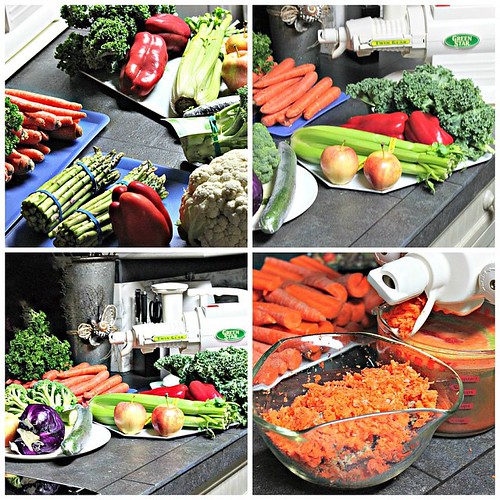
Fiber feeds beneficial gut bacteria and helps keep digestion regular, which is why it is one of the most important parts of a healthy diet. Organic vegetables and fruits can make this much easier because they are simple to prepare, versatile, and naturally satisfying. The more colorful your plate, the more likely you are to get a broad range of nutrients.
Some especially helpful choices include:
- Leafy greens such as spinach, kale, and arugula
- Cruciferous vegetables like broccoli, cauliflower, and Brussels sprouts
- Carrots, beets, and sweet potatoes
- Apples, pears, berries, and kiwi
- Avocados for fiber and healthy fats
Do you notice how many of these foods are naturally simple? That is part of the power of clean eating. You do not need complicated recipes to improve nutrition. You need more whole ingredients and fewer distractions from ultra-processed food.
Prebiotic staples that feed good bacteria
Prebiotics are a type of fiber that helps feed the beneficial bacteria in your digestive system. They are not the same as probiotics, but both matter in a balanced approach. In a gut-friendly organic diet, prebiotic foods play a quiet yet important role because they help create the conditions for healthier digestion over time.
- Organic onions
- Garlic
- Leeks
- Asparagus
- Bananas, especially slightly green ones
- Oats
These ingredients may seem ordinary, but they are exactly the type of foods that support consistency. Add them to soups, salads, grain bowls, or breakfast dishes and you will start to build a more supportive foundation for your body.
Healthy fats and protein for digestion and satiety
A gut-friendly meal is not only about plants. Protein and healthy fats help slow digestion in a good way, keeping you full and reducing the urge to overeat. That matters for weight loss because constant hunger can derail even the best intentions. Organic eggs, wild-caught fish, grass-fed dairy if tolerated, nuts, seeds, and legumes all help create well-rounded meals.
When people cut calories too aggressively, they often feel deprived and end up swinging back to unhealthy habits. A smarter approach is to create meals that are satisfying enough to prevent that cycle. This is where healthy fats from olive oil, chia seeds, walnuts, and avocado can make a meaningful difference.
What a Gut-Friendly Organic Plate Actually Looks Like
It is easy to talk about healthy eating in theory. The real question is: what does it look like on your plate? The answer is simpler than many people expect. A balanced organic meal should contain fiber, protein, healthy fats, and enough color to make it visually appealing and nutritionally complete. This is how clean eating becomes practical rather than abstract.
[IMAGE: healthy meal]
The ideal plate formula
Think in terms of structure rather than strict rules. A helpful formula is:
- Half the plate: organic vegetables or a mix of vegetables and fruit
- One quarter: protein such as eggs, fish, tofu, beans, or chicken
- One quarter: complex carbohydrates like quinoa, brown rice, oats, or sweet potato
- A small amount: healthy fat such as olive oil, seeds, nuts, or avocado
This kind of plate supports satiety, helps stabilize blood sugar, and gives your gut the fiber it needs. It also fits naturally into a healthy lifestyle because it is flexible. You can apply it to breakfast, lunch, or dinner without feeling restricted.
Sample breakfast
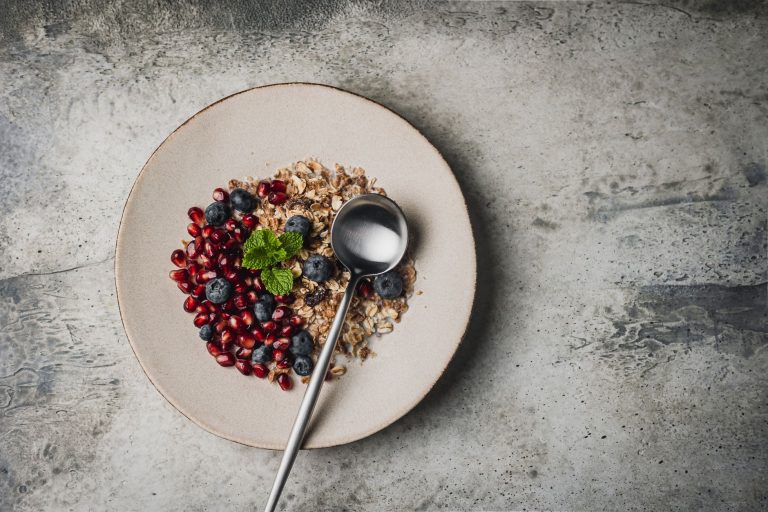
A gut-friendly organic breakfast might include Greek yogurt with berries, chia seeds, and a handful of oats. Or perhaps scrambled eggs with sautéed spinach, mushrooms, and avocado on the side. If you prefer a lighter breakfast, a smoothie made with organic kefir, banana, flaxseed, and berries can be a smart choice. The best breakfast is one that supports energy without triggering a mid-morning crash.
Sample lunch
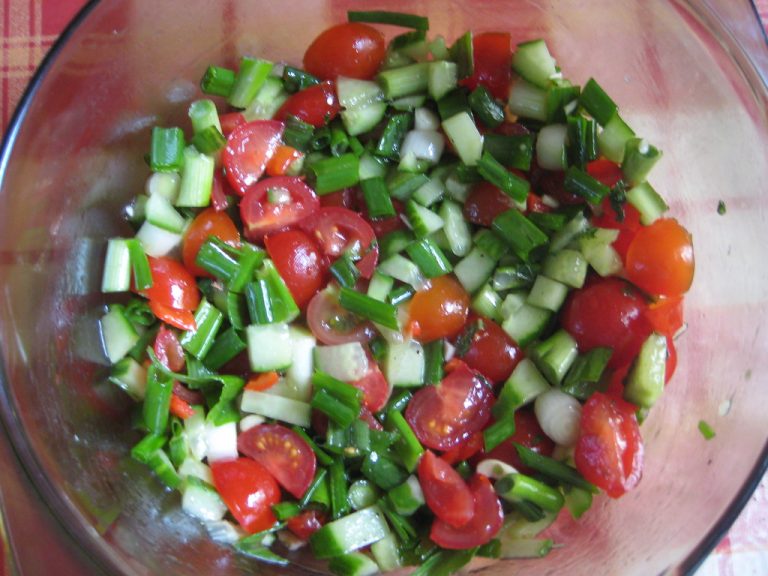
For lunch, imagine a bowl built with quinoa, roasted vegetables, chickpeas, baby greens, and a lemon-olive oil dressing. This kind of meal is colorful, filling, and aligned with both clean eating and weight loss goals. It gives you steady energy without relying on refined ingredients that leave you wanting more food too soon.
Sample dinner
For dinner, a simple salmon plate with steamed broccoli, roasted carrots, and a small serving of brown rice can feel deeply satisfying. If you follow a plant-based pattern, baked tofu with cauliflower rice, sautéed kale, and tahini dressing works just as well. The focus should always be on nourishment, not punishment.
Clean Eating Habits That Improve Digestion
It is possible to eat organic food and still struggle with digestion if your habits are working against you. The way you eat is just as important as what you eat. Many people focus only on ingredients and forget to pay attention to pace, hydration, sleep, and stress. But your gut notices all of these factors.
Eat slowly and without distraction
When you rush through meals, your body has less time to register fullness and less opportunity to begin the digestive process smoothly. Try to sit down, chew thoroughly, and pause between bites. Ask yourself: are you eating because you are hungry, or because you are overwhelmed and need a break? Slowing down can reduce bloating and improve satisfaction.
Hydrate consistently throughout the day
Water supports digestion, nutrient transport, and regularity. It does not need to be complicated. You do not have to force endless bottles of water, but you should be mindful of steady hydration, especially if you are increasing fiber. Herbal teas, water with lemon, and simple infused water can complement your routine without turning it into a detox diet gimmick.
Keep meal timing predictable
Your digestive system responds well to rhythm. Regular meal timing can help reduce random snacking and make it easier to tell the difference between true hunger and habit. This does not mean rigid rules. It means creating enough structure that your body can settle into a pattern. If your schedule is chaotic, a few predictable anchors can make healthy eating much easier.
Watch hidden irritants
Sometimes gut discomfort comes from foods that look healthy but are not ideal for your body. Artificial sweeteners, excessive alcohol, highly processed protein bars, and very large portions of raw cruciferous vegetables can be a problem for some people. A thoughtful organic diet is not about blindly trusting labels. It is about paying attention to how foods actually make you feel.
Organic Foods and the Detox Diet Conversation
The word detox is often used in confusing ways. Some products promise instant cleansing, dramatic fat loss, or a complete reset in just a few days. Real life is more grounded than that. Your body already has natural detoxification systems, including the liver, kidneys, digestive tract, and skin. What it needs from you is support, not extremes.
That is why a well-designed organic food plan can be a better kind of detox diet. It does not claim to erase everything overnight. Instead, it reduces unnecessary burdens and provides the nutrients your body needs to do its job effectively. Clean eating, in this sense, is not a short-lived challenge. It is a form of daily support.
What a true food-based detox looks like
A healthy food-based reset includes more vegetables, enough water, fewer processed ingredients, and meals that are easy to digest. It may also include fewer late-night snacks, less alcohol, and a reduction in overly salty or sugary foods. This kind of reset often feels more sustainable because it respects your body rather than trying to shock it.
- Focus on whole organic foods
- Include leafy greens and cruciferous vegetables
- Choose clean protein sources
- Cut back on refined sugar and ultra-processed snacks
- Stay hydrated with water and herbal teas
- Keep portions balanced and manageable
Notice that none of these steps require starvation. That matters, because extreme restriction can backfire and make it harder to maintain a healthy lifestyle. Sustainable weight loss is built on habits you can repeat, not on temporary intensity.
Why extreme cleanses often fail
If you have ever tried a very restrictive cleanse, you may know the pattern: initial motivation, a few uncomfortable days, and then a rebound into old habits. Why does this happen so often? Because the plan was never designed to support normal life. When a detox diet is too rigid, it usually ignores hunger, social situations, and the body’s real nutritional needs.
A better approach is to create a gentle reset using organic food that nourishes, satisfies, and supports digestion without leaving you depleted. Would you rather follow a plan that makes you miserable for a week or one that teaches you how to eat better for months and years?
A Simple Organic Routine for Better Digestion and Steady Weight Loss
If you want results, simplicity matters. The best nutrition plan is often the one you can follow without constantly thinking about it. A reliable routine allows your digestive system to stay steady while your energy becomes more predictable. This is where small, repeated actions become more powerful than dramatic changes.
Morning
Start with water, then choose a breakfast that includes protein and fiber. If you work out in the morning, a small snack with banana and nut butter may help you feel ready without causing discomfort. If you prefer a larger breakfast, combine eggs or yogurt with vegetables, fruit, and seeds. A strong morning routine supports both concentration and appetite control later in the day.
Midday
Lunch should be satisfying, not heavy. A grain bowl, large salad, soup, or wrap made with organic ingredients can be ideal. Add enough protein so that you are not desperate for snacks by mid-afternoon. If your lunch leaves you sleepy, that is a sign to rebalance the plate rather than skip meals altogether.
Evening
Dinner is a good time for calming, easy-to-digest meals. Steam vegetables, roast roots, and include a protein source that feels light but substantial. If you have a sensitive stomach, large rich meals late at night can interfere with sleep and digestion. A peaceful dinner can improve recovery, which supports a healthy lifestyle overall.
Movement and digestion
Movement is one of the most underrated tools for gut health. Gentle walking after meals can support digestion and help regulate blood sugar. Strength training and regular physical activity also play an important role in weight loss and metabolic health. [IMAGE: fitness lifestyle] The point is not to exercise intensely every day. The point is to stay active enough that your body maintains healthy rhythm and function.
Common Organic Diet Mistakes to Avoid
Even people with good intentions can struggle when they approach organic food the wrong way. A high-end health magazine might make clean eating look effortless, but real people live with time limits, cravings, stress, and budget constraints. Avoiding common mistakes can save you frustration and help your results last longer.
Thinking organic automatically means healthy
Organic cookies are still cookies. Organic chips are still chips. Organic labels matter, but they do not erase the need for balance. If your goal is weight loss or better digestion, the structure of the meal matters more than the label alone. Real food is usually the safest place to begin.
Not eating enough
Some people cut portions so aggressively that they feel tired, irritable, and constantly hungry. That can sabotage both health and motivation. A good clean eating plan should nourish you, not punish you. If you are always thinking about food, your plan may be too restrictive to sustain.
Overloading on raw vegetables too quickly
Raw vegetables are healthy, but large amounts can be difficult for some digestive systems, especially during a transition. If you are new to a fiber-rich organic diet, start with a mix of raw and cooked produce. Cooking can make many vegetables easier to digest while still preserving excellent nutrition.
Ignoring protein
Protein is essential for satiety, muscle maintenance, and stable energy. Without enough protein, even a beautifully designed healthy diet may leave you feeling unsatisfied. Organic eggs, yogurt, legumes, tofu, poultry, seafood, and seeds can all help fill that gap.
How to Build an Organic Grocery List for Gut Health
One of the easiest ways to stay consistent is to shop with intention. A thoughtful grocery list prevents last-minute choices that do not support your goals. Instead of trying to remember what feels healthy in the moment, you can stock your kitchen with dependable ingredients that make clean eating easier every day.
Produce
- Spinach
- Kale
- Broccoli
- Cauliflower
- Carrots
- Beets
- Apples
- Berries
- Bananas
- Avocados
Pantry staples
- Organic oats
- Quinoa
- Brown rice
- Chia seeds
- Flaxseed
- Olive oil
- Nut butter
- Beans and lentils
- Herbal tea
Refrigerated items
- Organic plain yogurt or kefir
- Eggs
- Tofu
- Leafy greens
- Prepared vegetables for convenience
A well-stocked kitchen makes healthy lifestyle choices feel automatic. That is one reason nutrition experts often recommend grocery planning as the first step, not the last.
Can Organic Food Help You Lose Weight More Sustainably?
Weight loss is often framed as a battle of willpower, but the real issue is usually satiety, consistency, and the quality of the foods you eat. Organic food can support sustainable weight loss because it tends to make healthier routines more attractive and more satisfying. When meals taste better, feel lighter, and digest more comfortably, it becomes easier to stay on track.
That said, no single food will melt fat away. Sustainable progress comes from habits such as portion awareness, sufficient protein, fiber-rich meals, regular movement, and reduced reliance on processed food. The goal is not to starve your body into change. The goal is to create an environment where your body can function well enough to release excess weight naturally over time.
Ask yourself a practical question: can I eat this way most days without feeling deprived? If the answer is yes, you are probably moving in the right direction. If the answer is no, the plan may look impressive but fail in real life. Better results usually come from the approach you can repeat.
A 1-Day Example of Gut-Friendly Clean Eating
If you want a clearer picture of how this all comes together, imagine a full day built around organic food and simple digestion-friendly choices.
Breakfast
Organic yogurt with blueberries, chia seeds, and oats, plus a cup of green tea.
Lunch
A quinoa bowl with roasted vegetables, chickpeas, spinach, avocado, and lemon-olive oil dressing.
Snack
An apple with almond butter or a small handful of walnuts and a kiwi.
Dinner
Grilled salmon or tofu, steamed broccoli, roasted sweet potato, and a simple side salad with herbs.
This is not an extreme plan. It is a realistic framework that supports gut health, weight loss, and energy without making you feel trapped. That is the kind of eating style most people can actually maintain.
How to Stay Consistent Without Obsessing Over Perfection
Perfection is the fastest route to burnout. If you are trying to improve your nutrition, it helps to think in terms of progress and patterns. A single meal will not make or break your healthy lifestyle. The trend across many meals is what matters.
Here are a few practical ways to stay consistent:
- Keep three to five organic meals you can make quickly
- Prep vegetables in advance when you have time
- Choose one or two fermented foods you enjoy
- Build each meal around protein and fiber
- Use snacks intentionally, not automatically
- Pay attention to how foods affect digestion and energy
The more you practice this style of eating, the more natural it becomes. You stop chasing the next short-term fix and start developing trust in your own routine.
When Clean Eating Becomes a Lifestyle Instead of a Phase
The most successful nutrition plans are not dramatic. They are dependable. Over time, a gut-friendly organic diet can help you feel lighter, support weight loss, and make healthy choices feel more intuitive. That is what makes it different from a temporary detox diet or a rigid challenge that ends as soon as motivation fades.
Organic food can be part of a genuinely satisfying way of eating, especially when it is combined with enough variety, movement, hydration, and patience. And perhaps that is the deeper message here: your body often does not need punishment, it needs consistency, whole ingredients, and a bit of respect.
When you next plan your meals, ask yourself what would make your digestion calmer, your energy steadier, and your day easier to sustain. Then build from there, one organic choice at a time. If you want more ideas for a healthier routine, explore the other premium articles on DietOrganic and keep building a cleaner, stronger, more balanced way to eat.
About the Author