

Photo by USDAgov on Openverse
If you have ever felt bloated after meals, sluggish in the afternoon, or stuck in a cycle of cravings that seem to undo your best intentions, your gut may be trying to tell you something. The good news is that you do not need a complicated plan to support better digestion. With the right organic food choices, a clean eating routine, and a few practical habits, you can nourish your digestive system in a way that also supports energy, wellness, and sustainable weight loss.
Gut health is no longer a niche topic reserved for specialists. It is at the center of modern nutrition, because the digestive tract influences how we absorb nutrients, how steady our energy feels, how well we manage inflammation, and even how satisfied we are after eating. A healthy lifestyle begins with food, and when you choose organic food more often, you reduce unnecessary exposure to pesticides, artificial additives, and highly processed ingredients that can make digestion harder than it needs to be.
This guide explores how to build a gut-friendly routine using organic foods that fit naturally into clean eating and a realistic detox diet approach. You will find practical food choices, meal ideas, shopping tips, and everyday habits that can support digestion without restriction or hype. Have you been looking for a way to feel lighter, calmer, and more in control of your nutrition? Start here.
Why Gut Health Deserves More Attention
Your digestive system does far more than break down food. It plays a key role in immunity, nutrient absorption, hormone balance, and the way your body responds to stress. When the gut is overwhelmed, even healthy eating can feel less effective. You may notice discomfort after meals, irregular bowel movements, brain fog, or cravings that make weight loss feel frustratingly slow.
The gut microbiome, which is the community of bacteria and other microorganisms living in your digestive tract, helps process fiber, produce helpful compounds, and maintain balance inside the body. When that ecosystem is supported, digestion tends to improve, and many people notice better energy, more stable appetite, and a stronger sense of well-being.
So, what does that mean in daily life? It means the foods you eat regularly matter more than any occasional cleanse. A well-designed organic food plan can provide the nutrients, fiber, and natural compounds that help your gut function smoothly while keeping your clean eating routine satisfying and sustainable.
How digestion affects the rest of your body
Digestion is connected to everything from mood to metabolism. If your body struggles to break down food efficiently, you may not absorb enough of the vitamins, minerals, and phytonutrients that support a healthy lifestyle. Poor digestion can also lead to inflammation and water retention, which can make weight loss feel more difficult even when you are making good choices.
That is why nutrition experts often recommend focusing on gut-friendly foods before trying aggressive diet trends. A steady, supportive approach is more effective than extreme restriction, especially if your goal is to improve long-term wellness.
Why a healthy gut can support weight loss
Gut health and weight management are closely linked. A balanced microbiome may help regulate appetite, improve metabolic function, and reduce the likelihood of overeating driven by cravings or unstable blood sugar. When your digestion works well, you are more likely to feel satisfied after balanced meals, which can make weight loss feel more natural and less forced.
This does not mean that organic food is a magic solution. It means that better digestion can support better habits. When your stomach feels calm, your meals are more enjoyable, your energy improves, and your motivation to stay consistent rises. That is a powerful combination for anyone pursuing clean eating and lasting progress.
Why Organic Food Makes a Difference
There are many reasons people choose organic food, but for gut health, the benefits are especially compelling. Organic produce is grown without synthetic pesticides and fertilizers, and organic animal products follow stricter standards for feed and living conditions. While no food is perfect, organic options can make a meaningful difference in how your meals support a healthy lifestyle.
One of the biggest advantages is what you do not get. By reducing exposure to certain chemicals and additives, you make it easier for your body to focus on nourishment instead of processing unnecessary extras. For many people, that is an important part of a practical detox diet, not a dramatic cleanse, but a cleaner daily pattern that gives the digestive system a break.
Cleaner ingredients, simpler digestion
Highly processed foods often contain refined sugars, seed oils in excess, artificial flavors, and long ingredient lists that can be difficult to digest. Organic foods, especially when chosen in their whole form, are usually simpler and easier to build into clean eating routines. That simplicity matters. When your meals are based on recognizable ingredients, you are more likely to feel balanced, energized, and satisfied.
[IMAGE: organic vegetables]
Think about the difference between a packaged snack and a bowl of roasted organic vegetables with olive oil, herbs, and a source of protein. One may keep you full for only a short time, while the other can support stable blood sugar, better digestion, and a more even energy curve throughout the day.
Organic produce often encourages better habits
Many people find that when they invest in higher-quality organic food, they naturally become more mindful about how they eat. They slow down. They plan meals more thoughtfully. They choose water more often. They stop relying on convenience foods that look easy in the moment but work against long-term nutrition goals.
That behavioral shift matters. Healthy lifestyle success is rarely about one perfect superfood. It is about the pattern you repeat every day. Organic foods can help create a pattern that feels more intentional and less reactive.
The Best Organic Foods for Gut Health
If you are building a gut-friendly plan, start with foods that feed beneficial microbes, soothe the digestive tract, and provide enough nutrients to keep meals balanced. The following organic foods are especially useful for clean eating and weight loss because they are nutrient-dense, satisfying, and versatile.
Fermented foods that support the microbiome
Fermented foods are one of the most valuable tools for gut health because they can introduce beneficial bacteria and create a more diverse digestive environment. When chosen carefully, they can fit beautifully into a healthy diet.
Organic yogurt and kefir
Look for unsweetened organic yogurt or kefir with live cultures. These foods can be used at breakfast, as a snack, or as a base for smoothies. They are especially helpful for people who want a creamy option without relying on sugary dessert-style products. Add chia seeds, berries, or cinnamon for extra fiber and flavor.
Sauerkraut and kimchi
These fermented vegetables are rich in flavor and can be added to bowls, salads, and grain plates. Choose organic versions with simple ingredients and minimal added sugar. A small serving is often enough to complement your meal without overwhelming your palate.
Miso and tempeh
Plant-based eaters often appreciate miso and tempeh for their gut-friendly benefits and protein content. Tempeh especially can be useful in a weight loss plan because it is filling, versatile, and easy to season in satisfying ways.
Fiber-rich fruits and vegetables
Fiber is essential for digestion, and organic produce offers a colorful way to increase your intake naturally. It helps keep bowel movements regular, supports healthy bacteria, and helps you feel fuller for longer. If you want a clean eating approach that does not feel restrictive, fiber-rich produce is your best ally.
Leafy greens
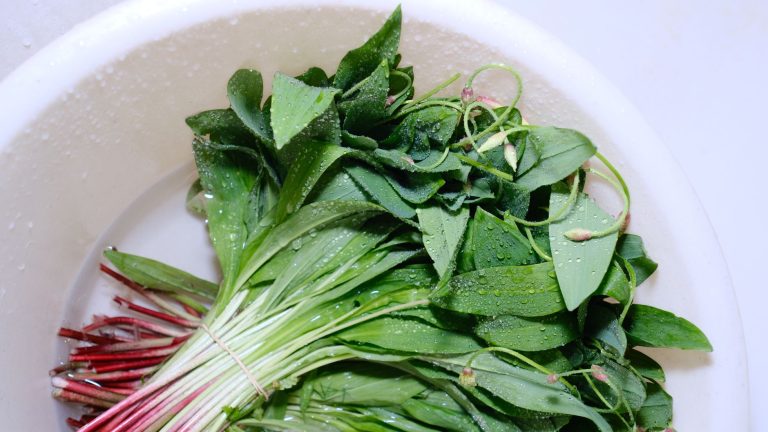
Spinach, kale, arugula, and Swiss chard are excellent choices for salads, sautés, and smoothies. They provide minerals, antioxidants, and plant compounds that support overall nutrition. The bitterness of some greens can also help balance heavier meals.
Berries
Organic blueberries, raspberries, blackberries, and strawberries are rich in fiber and antioxidants. They satisfy a sweet craving without the blood sugar spike that often comes with desserts. Try them with yogurt, oats, or chia pudding for a breakfast that supports both gut health and weight loss.
Apples and pears
These fruits contain soluble fiber that can be gentle on the digestive system while helping you feel full. They are easy to pack, simple to prepare, and ideal when you want a snack that feels fresh rather than processed.
Cruciferous vegetables
Broccoli, cauliflower, Brussels sprouts, and cabbage deserve a regular place in an organic food plan. They contain fiber and plant compounds that support healthy digestion and help create more variety in your meals. Roast them, steam them, or add them to soups for a filling side dish.
Prebiotic foods that feed good bacteria
Prebiotics are the fibers that feed beneficial gut bacteria. Without them, probiotic foods cannot do their best work. If your goal is a healthy lifestyle with real digestive support, include prebiotic foods every day.
Garlic, onions, and leeks
These aromatic vegetables are excellent flavor builders and digestive allies. They can be used in soups, sauces, eggs, roasted vegetables, and grain bowls. Their prebiotic fibers help nourish the microbiome while making meals taste richer and more satisfying.
Asparagus and artichokes
These vegetables are often overlooked, yet they are highly valuable for gut health. They pair well with fish, chicken, eggs, or plant-based proteins and add elegance to a simple clean eating plate.
Chia seeds, flaxseeds, and oats
These staples are affordable, easy to store, and incredibly useful for digestion. Chia and flax provide fiber and healthy fats, while oats offer a comforting base for breakfast or snack bowls. When people ask what to eat first when they want better digestion, these foods are among the most reliable answers.
Healthy fats and proteins that keep meals balanced
A gut-friendly meal is not just about fiber. You also need enough protein and healthy fat to stay full, stabilize blood sugar, and support nutrient absorption. Balanced meals prevent the constant hunger that can make weight loss frustrating.
Organic eggs
Eggs are versatile, affordable, and rich in protein. They work well at breakfast, lunch, or dinner. Pair them with vegetables and a source of healthy fat for a meal that is satisfying and digestively smart.
Avocados and extra virgin olive oil
These fats help meals feel more complete and enjoyable. Avocados add creaminess and fiber, while olive oil brings flavor and supports the absorption of fat-soluble vitamins. Both fit naturally into a clean eating and organic food plan.
Organic poultry, fish, and plant proteins
Chicken, turkey, salmon, lentils, and tofu can all fit into a gut-friendly routine depending on your preferences. The key is to choose minimally processed forms and prepare them in simple, nourishing ways. Grilled, baked, and lightly seasoned meals are often easier on digestion than heavy fried dishes.
How to Build a Gut-Friendly Organic Plate
Instead of focusing on a single food, think in terms of balance. A smart plate gives your gut what it needs without leaving you hungry. It also makes clean eating feel practical instead of intimidating.
Here is a simple formula to follow: build each main meal around a source of protein, add generous vegetables, include a portion of fiber-rich carbohydrates if desired, and finish with a healthy fat. This structure supports nutrition, fullness, and digestive ease.
Breakfast ideas that support digestion
Breakfast sets the tone for the day. If your first meal is overly sugary, your blood sugar may rise and fall quickly, leading to cravings. A more stable breakfast can make a major difference in how the rest of the day feels.
[IMAGE: healthy meal]
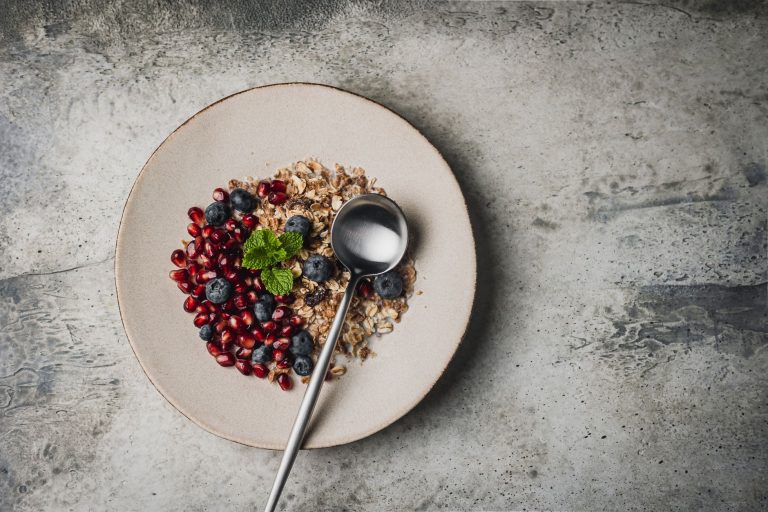
Try an organic Greek yogurt bowl with berries, ground flaxseed, and cinnamon. Or make a vegetable omelet with spinach, mushrooms, and avocado. If you prefer something warm, cooked oats with chia, walnuts, and sliced pear can be comforting and filling without being heavy.
Lunch ideas that keep energy steady
Lunch should support you through the afternoon without causing a crash. A salad with organic greens, roasted vegetables, quinoa, and grilled salmon is a strong option. Another good choice is a grain bowl with tempeh, sauerkraut, cucumber, shredded carrots, and a tahini dressing.
Ask yourself after lunch: do you feel pleasantly full, or do you feel like you need sugar within an hour? That answer can help you fine-tune your nutrition quickly.
Dinner ideas for digestion and recovery
Dinner is a chance to calm the body and prepare for rest. Keep it nourishing but not overly complicated. Baked organic chicken with roasted broccoli and sweet potato is a simple classic. For a plant-based version, try lentil stew with garlic, tomatoes, kale, and olive oil. These meals are comforting, nutrient-rich, and supportive of healthy digestion.
Simple snack formulas
Snacks are not mandatory, but when hunger shows up between meals, it helps to have better options available. Good choices include:
- Organic apple slices with almond butter
- Plain kefir with cinnamon
- Carrot sticks with hummus
- A handful of walnuts and pumpkin seeds
- Celery with avocado and sea salt
These snacks are useful because they combine fiber, fat, and sometimes protein. That combination keeps blood sugar steadier than a refined snack would, which supports both gut health and weight loss goals.
A Gentle Detox Diet Approach Without Extreme Restriction
The phrase detox diet is often misunderstood. Your body already has detox systems, including the liver, kidneys, skin, and digestive tract. The goal is not to force a miracle cleanse. It is to reduce the burden on your system and provide the nutrients that help those natural pathways work well.
A gentle detox diet based on organic food can be a smart reset when you have been eating too much processed food, sugar, or alcohol. It is not about starving yourself or cutting out entire food groups for no reason. It is about returning to simple meals, hydration, fiber, and balance.
What a gentle detox day might look like
Start with water and a breakfast that includes protein and fiber. Eat a lunch full of vegetables and a clean protein source. Choose a snack only if you are actually hungry. Finish with a dinner that is lighter than your midday meal but still satisfying.
For example, a day might include:
- Warm lemon water and a veggie omelet for breakfast
- A salad with greens, avocado, quinoa, and salmon for lunch
- An apple with almond butter in the afternoon
- Vegetable soup with lentils for dinner
This style of eating can help you feel lighter, clearer, and more in tune with hunger signals. It supports clean eating without the rebound effect that often comes from aggressive detox plans.
Hydration matters more than many people realize
If you want better digestion, drink enough water. Hydration helps fiber do its job and keeps things moving through the intestines. Herbal teas such as ginger, peppermint, and chamomile can also be soothing. If you are physically active, you may need even more fluids to support a healthy lifestyle and a stable metabolism.
A simple question to ask yourself is this: are you drinking only when you feel thirsty, or are you making hydration part of your routine? The difference can show up in your digestion faster than you expect.
Organic Foods to Limit for Better Digestion
Sometimes gut health improves more from removing a few common offenders than from adding another supplement. You do not need to fear food, but it helps to be aware of what may be irritating your digestive system.
Ultra-processed snacks and meals
Packaged foods with long ingredient lists often contain additives, emulsifiers, refined starches, and excess sugar. These ingredients can make digestion feel sluggish and leave you less satisfied. Even if a label says natural, it is worth looking closely at the nutrition facts and ingredients list.
Excess sugar
Too much sugar can feed cravings, contribute to energy crashes, and make it harder to stay consistent with clean eating. You do not have to remove all sweetness from your life, but it helps to choose organic food that is naturally satisfying rather than constantly seeking dessert-style treats.
Heavy alcohol intake
Alcohol can irritate the digestive tract and interfere with sleep, hydration, and recovery. If you are trying to improve gut health, reducing alcohol is often one of the most effective changes you can make. Even a short break can help you notice how your body responds.
Large portions of fried food
Deep-fried meals can be hard to digest and may leave you feeling heavy or uncomfortable. If you enjoy crisp textures, try roasting or air-frying instead. You can still get satisfying flavor without overloading your system.
How to Shop for Gut-Friendly Organic Food on a Real Budget
One of the most common concerns people have about organic food is cost. It is true that not every organic product fits every budget, but smart shopping can make a real difference. You do not need to buy everything organic at once. You need a strategy.
Focus on the most important items first
If your budget is limited, begin with organic produce that you eat often, especially items like berries, leafy greens, apples, and peppers. These are often used raw or in large amounts, so buying them organic can feel worthwhile. You can then expand from there as your routine becomes more consistent.
Choose frozen organic produce
Frozen organic vegetables and fruits are often less expensive than fresh options and can be just as nutritious. They are also convenient for smoothies, soups, stir-fries, and quick side dishes. Having them in your freezer makes it easier to stick with clean eating on busy days.
Buy in bulk when it makes sense
Staples like oats, chia seeds, beans, lentils, brown rice, and nuts can often be purchased in larger quantities for a better price. These ingredients form the backbone of a gut-friendly diet and reduce the temptation to buy expensive convenience foods.
Use a simple shopping checklist
A practical list can prevent impulse purchases and keep your nutrition goals focused. Consider a weekly list built around:
- 2 to 3 organic fruits
- 4 to 6 organic vegetables
- 1 fermented food
- 2 protein sources
- 1 or 2 healthy fats
- 1 to 2 fiber-rich staples
This structure keeps you organized and helps you create meals that support digestion instead of relying on random choices.
Clean Eating Habits That Strengthen Digestion
Food quality matters, but so does the way you eat. A healthy lifestyle is built from habits as much as ingredients. Even the best organic food can feel less effective if meals are rushed, stressful, or poorly timed.
Eat more slowly
Digestion begins in the mouth. Chewing thoroughly and slowing down can reduce bloating and help your body register fullness more accurately. If you often eat at a desk, in the car, or while scrolling, ask yourself whether you are giving your body enough space to process the meal properly.
Keep meal timing consistent
Regular meal timing can help support appetite regulation and reduce the urge to snack mindlessly. You do not need to eat by the clock every day, but a predictable rhythm often helps the digestive system settle into a healthier pattern.
Move your body after meals
You do not need a punishing workout to support digestion. A short walk after eating can encourage smoother digestion and help your energy stay steady. Over time, regular movement also supports weight loss and improves overall metabolic health.
[IMAGE: fitness lifestyle]
Manage stress with intention
Stress can affect the gut quickly. Breathing exercises, a quiet walk, journaling, stretching, and better sleep habits can all make a difference. If you notice that your stomach feels worse during stressful weeks, that is not a coincidence. The mind and gut are deeply connected.
Common Mistakes People Make When Trying to Eat for Gut Health
Many people start with good intentions but end up frustrated because they are following advice that is too aggressive, too vague, or too restrictive. Avoiding these mistakes can make your clean eating plan far more effective.
Adding too much fiber too quickly
Fiber is important, but suddenly increasing it dramatically can lead to gas and bloating. Build gradually. Add one or two fiber-rich foods at a time and allow your body to adjust. More is not always better right away.
Ignoring protein
Some people focus so much on vegetables that they forget protein. That can leave them hungry, tired, and more likely to overeat later. Protein is essential for satiety, stable energy, and a balanced weight loss plan.
Using a detox diet as an excuse to under-eat
Extreme restriction can backfire. If you are hungry all the time, your body will often fight back with cravings and low energy. A better approach is to eat enough whole food to feel nourished while reducing the foods that create digestive stress.
Depending on supplements instead of food
Supplements can have a place, but they should not replace the foundation of a well-built organic food plan. Real nourishment comes from vegetables, fruits, proteins, fats, and fermented foods eaten consistently over time.
Expecting overnight results
Gut health changes gradually. You may feel better in a few days, or it may take a few weeks before you notice a real shift. The key is consistency. Better digestion is usually the result of steady habits, not dramatic one-day changes.
A Practical Three-Day Reset for Better Digestion
If you want to start right away, a short reset can help you get into rhythm without feeling overwhelmed. This is not a harsh cleanse. It is a clean eating framework built around organic food, hydration, and simple meals.
Day one
Focus on eating slowly and choosing easy-to-digest foods. Begin with yogurt and berries, have a salad with protein at lunch, and finish with vegetable soup and roasted sweet potato. Keep snacks light and intentional, and drink water throughout the day.
Day two
Add more fermented food, such as kefir or sauerkraut. Include cooked vegetables to support digestion and reduce the burden of raw food if your stomach is sensitive. Go for a walk after meals and notice how your body responds.
Day three
Build balanced meals with protein, fiber, and healthy fat at every sitting. Try oats with chia and walnuts at breakfast, a grain bowl at lunch, and salmon with broccoli at dinner. By the third day, you may already feel more stable, less bloated, and more in control of your nutrition choices.
When to Listen to Your Body and Get Support
Most people can improve digestion by upgrading their food choices and daily habits, but persistent symptoms should never be ignored. If you have ongoing pain, unexplained weight changes, blood in stool, severe bloating, or significant digestive discomfort, it is important to speak with a qualified health professional.
Good nutrition is powerful, but it is not a substitute for medical care. Paying attention to your body is part of a healthy lifestyle, and getting the right support early can save you time, stress, and unnecessary guessing.
There is a reason simple, nourishing food keeps coming back to the center of every serious wellness conversation: it works. When you build meals around organic food, respect your digestion, and stay consistent with clean eating habits, you give your body a better chance to feel calm, strong, and resilient. That approach can support weight loss, improve energy, and make healthy living feel far more natural than a rigid plan ever could. If this kind of practical nutrition guidance speaks to you, keep exploring DietOrganic for more expert articles that make a healthy lifestyle feel clear, achievable, and genuinely enjoyable.
About the Author