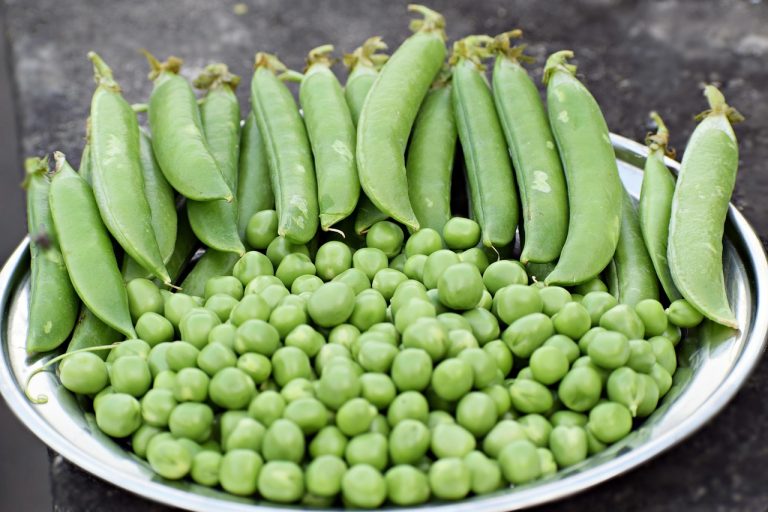


Photo by Nour Alhoda on Pexels
A healthy gut is one of the most powerful foundations of a healthy lifestyle, yet it is often ignored until discomfort forces attention. Bloating, sluggish digestion, unstable energy, cravings, and even mood changes can all be connected to the state of your digestive system. That is why an organic food approach can be so effective: it is not just about eating cleaner, it is about creating the kind of daily nutrition that helps the body feel calm, efficient, and resilient.
When people think about weight loss, they often focus on calories alone. But what if the real difference comes from how well your body absorbs nutrients, how steadily your blood sugar behaves, and how comfortable your digestion feels after each meal? Organic food can support those goals in a surprisingly practical way. By choosing foods that are closer to their natural form, you reduce unnecessary additives and make it easier to build a clean eating routine that actually feels sustainable.
This is not a detox diet based on restriction or a short-lived trend. It is a realistic, nourishing way to eat that supports digestion from the inside out. If you have ever asked yourself why some meals leave you energized while others leave you heavy and tired, the answer may be hiding in the details of your food choices, your habits, and the balance of your plate.
Why Gut Health Deserves a Place in Every Organic Food Plan
The gut is far more than a place where food is broken down. It plays a central role in immunity, hormone balance, nutrient absorption, and even mental clarity. When digestion is working well, the body has an easier time extracting vitamins, minerals, and energy from the foods you eat. When it is struggling, even a healthy diet can feel unsatisfying.
That is why gut health and organic food naturally belong together. Organic ingredients are often chosen for their freshness, purity, and simpler processing standards. When your meals are built around those foods, you are giving your digestive system a more predictable and less complicated workload. Shouldn’t nourishment feel this effortless?
The gut as your body’s command center
Your gut interacts with nearly every major system in the body. It communicates with the brain, helps regulate inflammation, and supports the bacteria that influence digestion and metabolism. A balanced microbiome can make clean eating feel easier, while an imbalanced one may trigger bloating, cravings, and irregular digestion.
Think of it as a living ecosystem. Feed it well and it responds with stability. Feed it heavily processed foods, excess sugar, and too many irritants, and it can become sluggish or unpredictable. This is one reason a steady organic food pattern often feels better than an aggressive detox diet: it works with the body rather than trying to force a dramatic reset.
- Better nutrient absorption from whole, minimally processed meals
- Reduced digestive strain from fewer artificial additives
- More stable energy throughout the day
- Greater support for healthy weight loss habits
- A stronger foundation for long-term nutrition and wellness
How poor digestion affects energy and weight
When digestion is off, the signs are not always obvious at first. You might feel tired after eating, mentally foggy in the afternoon, or hungry again soon after a meal. Sometimes the issue is not that you are eating too much, but that your body is not getting what it needs in a form it can use efficiently.
That is where a clean eating strategy becomes powerful. By choosing organic food with a balance of fiber, protein, healthy fats, and hydration, you make meals more satisfying and less likely to trigger energy crashes. Over time, this kind of nutrition can support weight loss without the stress of constant restriction.
What Makes Organic Food Different for the Microbiome
Organic food is often associated with fruits and vegetables, but the concept goes further than produce. It includes ingredients grown or raised with standards that limit synthetic pesticides, herbicides, antibiotics, and genetically modified inputs. For many people, that means fewer concerns about what is hiding behind the flavor and appearance of a meal.
From a gut health perspective, the appeal is simple: cleaner ingredients can make it easier to build meals that your digestive system recognizes and tolerates well. While organic food is not a magic solution, it can reduce the amount of unnecessary exposure that sometimes complicates a healthy diet.
Less chemical exposure, cleaner nutrition
No single ingredient determines the health of your gut, but food quality matters. Many people feel more comfortable choosing organic versions of produce that are frequently sprayed or foods they eat often, such as leafy greens, berries, apples, oats, yogurt, eggs, and nuts. The goal is not perfection; it is reducing avoidable friction in your nutrition routine.
When meals are built from high-quality ingredients, they tend to taste better, satisfy more deeply, and support a more mindful relationship with food. That is one reason organic food is often linked with clean eating. It encourages people to return to simpler meals that feel both elegant and effective.
Does organic automatically mean gut-friendly?
Not always. A box of organic cookies is still a cookie. A refined organic snack can still spike blood sugar and leave digestion feeling off. This is where smart nutrition comes in. Organic food works best when it is part of a balanced pattern that emphasizes fiber, protein, and whole ingredients instead of simply replacing one processed item with another.
Ask yourself: is this food supporting my energy for the next few hours, or is it only satisfying a craving in the moment? That one question can improve your choices more than any strict rule. Organic food should help you feel nourished, not just reassured by a label.
The Best Organic Foods for Gut Health
If your goal is better digestion, the most effective approach is to build meals from foods that naturally support the microbiome. These ingredients are not exotic or expensive in every case. Many are common, accessible, and easy to prepare. The difference lies in how consistently you use them.
1. Organic leafy greens
Spinach, kale, arugula, romaine, and Swiss chard are rich in fiber, magnesium, and plant compounds that help support digestion. Leafy greens are also light enough to work well in smoothies, soups, sautés, and salads. They can be a cornerstone of a healthy diet because they add volume without heaviness.
For sensitive digestion, lightly cooking greens can be easier than eating them raw. Try steaming spinach into eggs, folding kale into a soup, or tossing arugula into a grain bowl. Small changes can make a big difference in comfort.
2. Organic fermented foods
Fermented foods such as yogurt, kefir, sauerkraut, kimchi, miso, and unsweetened coconut yogurt can help diversify the microbes in the gut. They are especially useful in a clean eating plan because they add flavor, texture, and functional nutrition at the same time.
Start slowly if you are not used to them. A spoonful of sauerkraut or a small serving of kefir is often enough to begin. More is not always better, especially if your system is sensitive. The goal is steady support, not sudden overload.
3. Organic fruit with fiber
Berries, pears, apples, kiwi, and citrus fruit are excellent choices when you want sweetness without a nutritional crash. Their fiber helps slow digestion, while their natural antioxidants support overall wellness. In a weight loss routine, fruit can be especially valuable when it replaces refined desserts or sugary snacks.
Organic berries are particularly popular because they are small, flavorful, and often eaten with the skin intact. That means you get the whole package of fiber and antioxidants in one simple bite. Who says healthy food has to feel complicated?
4. Organic whole grains and legumes
Oats, quinoa, brown rice, lentils, chickpeas, black beans, and split peas provide slow-burning energy and the type of fiber that feeds beneficial gut bacteria. These foods are essential for anyone trying to maintain a stable appetite while supporting digestion.
Some people avoid legumes because they fear bloating, but preparation makes a major difference. Soaking, rinsing, and cooking them thoroughly can improve tolerance. Pair them with soothing spices like cumin, ginger, or fennel for a more comfortable experience.
5. Organic nuts, seeds, and healthy fats
Chia seeds, flaxseeds, walnuts, almonds, avocado, and olive oil all help support satiety and nutrient absorption. Healthy fats also make meals more satisfying, which is useful when you are trying to lose weight without feeling deprived.
Seeds can be especially helpful because they offer both fiber and omega-3 fats. Stir chia into yogurt, sprinkle flax over oatmeal, or blend walnuts into sauces for a richer, more balanced plate. This is nutrition that feels both functional and indulgent.
6. Organic herbs and soothing ingredients
Ginger, turmeric, mint, parsley, fennel, and chamomile may not be the main event, but they can strongly support digestive comfort. They bring freshness to meals and may help calm the stomach after heavier eating days.
Many people underestimate how much flavor improves consistency. The more enjoyable your meals are, the more likely you are to keep eating well. Clean eating should taste vibrant, not clinical.
[IMAGE: organic vegetables]
How to Build a Gut-Friendly Organic Plate
The easiest way to turn nutrition advice into reality is to use a repeatable plate formula. Instead of obsessing over exact numbers, focus on composition. A gut-friendly organic food plate should ideally include fiber, protein, healthy fat, and color. That structure supports digestion, helps stabilize blood sugar, and makes weight loss more realistic over time.
Before every meal, ask: does this plate contain enough plants? Is there enough protein to keep me full? Is there enough texture and flavor to make this satisfying? Those questions shift eating from guesswork to strategy.
Breakfast formulas that work
- Organic oats topped with berries, chia seeds, and plain yogurt
- Eggs with spinach, tomatoes, and avocado on whole-grain toast
- Unsweetened kefir smoothie with banana, flaxseed, and greens
- Chia pudding made with almond milk and fresh fruit
Breakfast sets the tone for the day. If your first meal is too sugary or too light, hunger can become erratic by midmorning. A balanced organic breakfast gives the gut a gentler start and often reduces the urge to snack constantly.
Lunch and dinner formulas that support digestion
- Grilled organic salmon with quinoa and roasted vegetables
- Lentil soup with carrots, celery, garlic, and herbs
- Chicken or tofu grain bowl with greens, cucumber, and tahini dressing
- Stir-fried vegetables with brown rice and ginger
Lunch and dinner should feel grounding, not heavy. A well-composed meal helps you finish the day with steady energy instead of a bloated stomach and a craving for dessert.
Smart snacks that do not derail clean eating
- Apple slices with almond butter
- Carrots and hummus
- Plain yogurt with cinnamon
- Handful of walnuts and a kiwi
- Cucumber with sea salt and lemon
Snacking is not the enemy. Mindless snacking is. When you choose snacks with fiber or protein, you keep digestion calmer and prevent the blood sugar swings that can sabotage a healthy diet.
[IMAGE: healthy meal]
Organic Foods That Support Natural Detox and Weight Loss
The phrase detox diet is often misused. True detoxification is not about surviving on juices or eliminating entire food groups for a week. The body already detoxifies through the liver, kidneys, lungs, skin, and gut. What food can do is support those systems so they function well.
Organic food is particularly helpful here because it encourages the kind of clean eating that reduces nutritional noise. Instead of flooding the body with excess sugar, refined oils, and heavily processed ingredients, you make room for foods that actually assist the process of renewal.
Why fiber matters so much
Fiber helps move waste through the digestive tract and feeds beneficial gut bacteria. It also contributes to fullness, making it one of the most important nutrients for weight loss. Many people eat less than they think because their meals are too refined to keep them satisfied.
Organic vegetables, fruit, legumes, whole grains, seeds, and nuts all help close that gap. If your plate looks colorful and textured, you are probably on the right track.
Protein keeps the body steady
A gut-friendly diet is not only about plants. Protein matters because it helps regulate appetite, preserve lean tissue, and support recovery. Organic eggs, yogurt, poultry, fish, tofu, tempeh, and legumes can all play a role in a balanced plan.
If weight loss is one of your goals, protein is especially useful because it helps you feel satisfied after meals. That satisfaction can reduce the emotional pull toward random snacking or late-night overeating.
Hydration is part of digestion too
Water supports almost every aspect of digestion, from swallowing and nutrient transport to bowel regularity. Many people focus on food but forget that hydration is part of nutrition. Herbal tea, cucumber, citrus, leafy greens, and soups can all contribute to fluid balance.
A simple rule works well: drink water throughout the day, not all at once when you already feel thirsty. Your digestion will thank you for it.
Three small habits that amplify results
- Start the day with water before coffee
- Eat meals without rushing or multitasking
- Include produce at every main meal
These habits may sound basic, but simple habits are often the ones that create the biggest shift. The body responds well to rhythm, consistency, and calm.
Clean Eating Habits That Improve Digestion Daily
Even the best organic food choices can be undermined by the way they are eaten. Digestion begins before the first bite. Stress, rushed meals, and irregular timing all influence how your body responds to food. That is why a healthy lifestyle includes meal behavior, not just meal content.
Slow down on purpose
Chewing thoroughly and eating with attention gives the digestive system a better chance to do its job. It also helps you notice fullness before you overeat. Ask yourself during meals: do I still taste this food, or am I already planning the next bite?
One of the simplest clean eating upgrades is to put the fork down between bites. It sounds almost too easy, but it can transform the entire experience of eating.
Keep meal timing consistent
The gut tends to appreciate predictability. When meals are scattered randomly all day or skipped entirely and then replaced with a very large dinner, digestion can feel strained. A regular schedule can help stabilize appetite and energy.
You do not need a rigid clock, but you do need rhythm. A breakfast, lunch, and dinner pattern with a sensible snack if needed is often enough to support a calmer digestive system.
Notice your personal triggers
Some foods are healthy for one person and irritating for another. Even organic food can trigger discomfort if you have sensitivities to dairy, gluten, garlic, legumes, or high-fiber raw foods. The best nutrition plan is the one your body tolerates well.
Keep track of meals and symptoms for a week or two if you need more clarity. Bloating after certain foods is useful information, not a failure.
Common Organic Diet Mistakes That Upset the Gut
People often assume that eating organic automatically fixes digestion. In reality, the biggest benefits come from pairing organic food with smart habits. Avoiding these common mistakes can make a dramatic difference in comfort and results.
- Eating too much raw fiber too quickly
- Replacing meals with sweet organic snacks
- Choosing processed organic products with little nutritional value
- Forgetting protein and healthy fat
- Ignoring hydration and stress management
Organic cookies, chips, and bars still behave like processed foods in the body. They may fit a label, but they do not always fit a healthy diet. The label should support your goals, not distract from them.
Too much raw fiber at once
Fiber is beneficial, but the gut can be overwhelmed if you suddenly increase salads, raw cruciferous vegetables, and seeds all in one day. If you are just starting a clean eating routine, build up gradually and include more cooked foods at first.
Steamed greens, roasted vegetables, soups, and porridges can be easier to digest while still delivering strong nutrition.
Skipping protein
Some people build meals around fruit and vegetables alone, then wonder why they are hungry an hour later. Protein is essential for satiety and blood sugar balance. Without it, even a nutrient-rich meal may fail to keep you stable.
Pair fruit with yogurt or nuts, vegetables with eggs or fish, and grains with beans or tofu. Balanced meals make healthy living easier to maintain.
Confusing organic with ultra-processed
One of the biggest misconceptions in modern nutrition is the idea that organic automatically equals healthy. The truth is more nuanced. Organic processed snacks can still be high in sugar, low in fiber, and hard on digestion. They may be better than some alternatives, but they are not the same as whole foods.
Whenever possible, choose ingredients that are as close to their natural state as practical. That is where the deepest benefits tend to show up.
A One-Day Organic Gut Health Menu
Sometimes the best way to make an idea feel real is to see it on the plate. Here is what a nourishing day of organic food could look like when the goal is better digestion, steady energy, and gentle support for weight loss.
Morning
Begin with water and a light stretch. For breakfast, try organic oats cooked with cinnamon, topped with blueberries, chia seeds, and a spoonful of plain yogurt. If you prefer savory food, choose eggs with sautéed spinach and avocado on whole-grain toast.
Midday
For lunch, build a grain bowl with quinoa, roasted carrots, leafy greens, chickpeas, cucumber, and a lemon-tahini dressing. Add herbs for freshness and a small serving of fermented vegetables on the side if you tolerate them well.
Afternoon
If you need a snack, keep it simple: an apple with almond butter, carrots with hummus, or yogurt with cinnamon. The goal is to satisfy hunger without creating a sugar spike that leaves your energy unstable.
Evening
Dinner could be baked salmon with roasted zucchini, sweet potato, and broccoli, or lentil soup with a side salad and olive oil dressing. Finish with herbal tea rather than another round of dessert if your body feels satisfied.
[IMAGE: fitness lifestyle]
How Organic Food Fits Into a Healthy Lifestyle Beyond the Plate
Gut health does not exist in isolation. Sleep, stress, movement, and hydration all affect digestion and appetite. If you are eating beautifully but living in a state of constant tension, your body may still struggle to settle. That is why the most effective nutrition plans are part of a wider healthy lifestyle.
Regular walking, light strength training, stretching, and mindful breathing can help digestion by improving circulation and reducing stress. Even a short walk after meals can be surprisingly helpful. It is not about perfection; it is about helping your body feel safe enough to digest well.
Movement supports digestion naturally
Gentle physical activity can reduce bloating, improve blood sugar response, and support healthy weight loss. You do not need extreme workouts to benefit. A consistent routine is often more useful than occasional intensity.
If you want to feel lighter, think of movement as part of your nutrition strategy. Food and activity work together.
Stress can interfere with the best food choices
High stress can change cravings, reduce meal awareness, and slow down digestion. This is one reason some people eat well during the day but still feel uncomfortable at night. If stress is a major part of your life, calming rituals matter as much as food quality.
Try deep breathing before meals, a few minutes of stretching, or a phone-free dinner. The calmer the environment, the more the gut can do its work.
When a Detox Diet Makes Sense and When It Does Not
A detox diet can be useful as a concept when it means simplifying meals, increasing hydration, and removing obvious irritants like excess alcohol, refined sugar, and ultra-processed snacks. But it becomes less useful when it turns into deprivation or promises impossible results in a few days.
The most effective version of detox is not dramatic. It is consistent. Organic food, clean eating, and smart hydration can all support the body’s natural cleansing systems without stress or extremes. That is a much better foundation for weight loss and long-term wellbeing.
Choose support over punishment
Your body is not a machine that needs to be shocked into functioning. It is an intelligent system that responds best to care. When you nourish it with whole organic ingredients, it often gives back steadier energy, better digestion, and fewer cravings.
Ask yourself: am I trying to punish my body, or am I trying to help it work better? The answer changes everything.
Signs Your Gut-Friendly Routine Is Working
The best nutrition plans produce real-life improvements. You do not need dramatic results to know you are moving in the right direction. Often the earliest signs are subtle but meaningful.
- Less bloating after meals
- More regular digestion
- Steadier energy between meals
- Reduced cravings for sugar or salty snacks
- Feeling satisfied with simpler meals
- Better consistency with healthy habits
These shifts may appear gradually, but they matter. They show that your body is responding well to the combination of organic food, clean eating, and smarter daily habits.
When to Seek More Support
Sometimes digestive discomfort is more than a matter of food choice. If you experience persistent pain, major changes in bowel habits, severe bloating, or symptoms that do not improve with dietary changes, it is important to seek professional guidance. A qualified clinician can help you identify food intolerances, medical conditions, or other issues that deserve attention.
Good nutrition is powerful, but it is not a substitute for care when something deeper may be happening. Listening early is one of the most intelligent things you can do for your health.
Questions worth asking a professional
- Could my symptoms be linked to a specific food intolerance?
- Do I need lab work or additional screening?
- Would a structured elimination plan be appropriate?
- How can I improve digestion without losing nutritional balance?
These questions can help turn confusion into a clear plan.
A Practical Way to Begin Today
You do not need to overhaul your entire kitchen to experience the benefits of organic food for gut health. Start with one meal. Choose one organic vegetable, one source of fiber, one source of protein, and one habit that slows you down at the table. That is enough to begin creating momentum.
Maybe this week you swap a refined snack for fruit and nuts. Maybe you cook vegetables instead of eating them raw. Maybe you add yogurt or kefir to breakfast, drink more water, or take a walk after dinner. Each decision sends a signal to your body that it is being supported, not deprived. And when eating feels supportive, weight loss becomes less of a battle and more of a natural result of better nutrition.
For more refined strategies, practical organic food ideas, and expert guidance on clean eating, keep exploring the articles on DietOrganic. The right habits are often simple, but when they are chosen with care, they can change how your body feels every single day.
About the Author