
Choosing an organic diet is less about chasing a trend and more about building a healthier relationship with food, energy, and daily habits. When meals are built around whole ingredients, seasonal produce, and minimally processed staples, eating starts to feel simpler and more satisfying. That shift matters because healthy living is not only about what you put on your plate; it is also about how you shop, cook, rest, and recover. A thoughtful approach to clean eating can help you feel more grounded, more consistent, and more in control of your routines.
For many people, the word organic brings to mind fresh vegetables, farmers markets, and recipes that look beautiful but may seem time-consuming. In reality, natural nutrition can be practical, flexible, and budget-conscious when you know what to prioritize. This guide breaks down the essentials of an organic diet, explains how clean eating supports a healthy lifestyle, and offers actionable tips that make everyday meals easier to plan and enjoy.
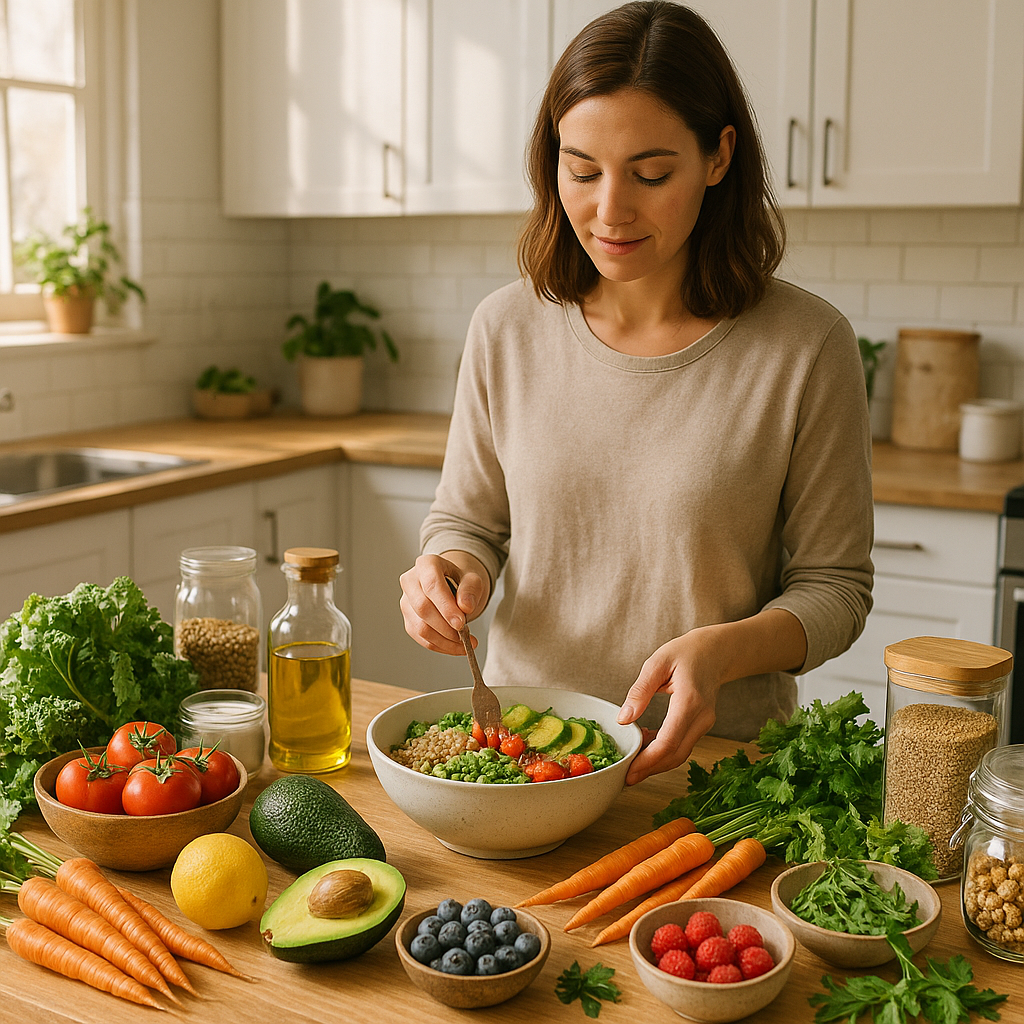
Image placeholder: A bright kitchen countertop filled with organic vegetables, fresh fruit, whole grains, herbs, olive oil, and reusable glass containers, photographed in natural daylight with a clean, modern home setting.
Why an Organic Diet Supports Everyday Well-Being
An organic diet is built around foods grown or produced with fewer synthetic pesticides, antibiotics, and artificial additives. While organic certification does not automatically make every food healthy, it often encourages a more intentional way of eating. That intention can lead to better food choices overall, especially when organic foods replace highly processed products that are low in nutrients and high in added sugar, excess sodium, or artificial ingredients.
One of the biggest benefits of an organic diet is that it naturally pushes you toward a simpler ingredient list. When you start paying attention to what is in your food, you tend to choose more vegetables, fruits, legumes, nuts, seeds, grains, and minimally processed proteins. Those foods are the foundation of natural nutrition and give your body the vitamins, minerals, fiber, and healthy fats it needs to function well.
What Makes Food Organic?
Organic farming and food production focus on methods that support soil health, biodiversity, and more natural growing conditions. In practical terms, this often means fewer synthetic chemicals, fewer genetically engineered ingredients in certified products, and more emphasis on sustainable agriculture. For shoppers, that means organic labeling can be a helpful shortcut when trying to align food choices with a cleaner, more mindful approach.
That said, the organic label should be one part of a bigger picture. A box of organic cookies is still a cookie, and a bag of organic chips is still a snack that should be eaten in moderation. Clean eating works best when you combine organic choices with balance, variety, and a focus on whole foods.
Organic vs. Ultra-Processed Foods
When comparing an organic diet with an ultra-processed one, the difference often comes down to ingredient quality and how the food is used in daily life. Ultra-processed foods tend to be designed for convenience and long shelf life, which can make them easy to overeat. Organic whole foods usually require a little more preparation, but they also offer more control over your meals and more room for nutritious habits to stick.
- Organic foods often support a cleaner ingredient profile.
- Whole, minimally processed foods are typically more filling.
- Better ingredients can make healthy lifestyle habits easier to maintain.
- Natural nutrition helps reduce the mental fatigue of complicated meal choices.
The goal is not perfection. The goal is to create meals that feel nourishing, realistic, and enjoyable enough to repeat.
Clean Eating Basics That Actually Work
Clean eating is often misunderstood as a strict list of rules, but the most effective version is actually quite simple: eat foods that are close to their natural state most of the time. That means fresh produce, quality proteins, whole grains, beans, nuts, seeds, and healthy fats. It also means limiting foods that are highly refined or filled with unnecessary additives.
A clean eating pattern works because it reduces decision fatigue. Instead of asking what special diet you need to follow this week, you can build meals from a dependable set of nourishing ingredients. Over time, that consistency supports energy, digestion, and steadier eating habits.
Build a Balanced Plate
One of the easiest ways to practice clean eating is to use a simple plate structure. This creates balance without requiring calorie counting or complicated meal plans.
- Half the plate: colorful vegetables or fruit
- One quarter: protein such as beans, fish, chicken, tofu, eggs, or yogurt
- One quarter: whole grains or starchy vegetables
- Add a healthy fat: avocado, olive oil, nuts, seeds, or tahini
This balance helps meals feel satisfying and supports better portion control naturally. It also makes an organic diet more practical because you can focus on a few core ingredients instead of hunting for complicated recipes.
Small Swaps That Make a Big Difference
You do not need to overhaul every meal at once. Small, consistent swaps can make clean eating feel manageable. For example, choose plain oats instead of sugary cereal, sparkling water instead of soda, brown rice instead of white rice sometimes, or homemade salad dressing instead of packaged versions full of additives.
- Swap flavored yogurt for plain yogurt with fresh fruit.
- Swap refined bread for whole-grain or sprouted bread.
- Swap sugary snack bars for nuts, seeds, and dried fruit.
- Swap fried takeout meals for roasted vegetables and grilled protein at home.
These changes may seem small, but they build momentum. That momentum is what turns clean eating from an idea into a lasting healthy lifestyle.
Natural Nutrition for Busy People
One of the most common excuses for abandoning healthy habits is a busy schedule. Long workdays, family responsibilities, and irregular routines can make fast food and packaged snacks feel like the only option. But natural nutrition does not require hours in the kitchen. It requires a few reliable systems that help you stay prepared when time is short.
If you want an organic diet that works in real life, focus on foods that can be assembled quickly, stored well, and repurposed into multiple meals. Think of your kitchen as a toolkit rather than a test of culinary talent. When you have the right basics on hand, healthy choices become easier even on hectic days.
Keep a Flexible Pantry
A strong pantry is one of the best tools for healthy living. It gives you backup meals, easy lunches, and quick dinner solutions when fresh ingredients run low. The best pantry items are versatile and nutrient-dense.
- Oats, quinoa, brown rice, and whole-grain pasta
- Canned beans, lentils, and chickpeas
- Nut butters, seeds, and raw nuts
- Olive oil, apple cider vinegar, mustard, and spices
- Canned tomatoes, low-sodium broth, and coconut milk
- Tea, coffee, and shelf-stable snacks with simple ingredients
With these basics, you can build soups, grain bowls, salads, wraps, and quick breakfasts without starting from scratch each time.
Prep Once, Eat Several Times
Meal prep does not have to mean cooking four containers of the same lunch. Instead, prep components that can be mixed and matched throughout the week. Roast a tray of vegetables, cook a grain, prepare a protein, wash greens, and make one or two sauces. Then combine them in different ways so meals stay interesting.
For example, roasted sweet potatoes and chickpeas can become a salad one day, a wrap filling the next, and a warm grain bowl later in the week. This is where clean eating becomes sustainable: the meals feel varied even when the effort is small.
Smart Grocery Shopping for an Organic Diet
Grocery shopping is where many healthy intentions are won or lost. A good plan can save money, reduce waste, and help you stick to an organic diet without feeling overwhelmed. The best strategy is to shop with purpose, prioritize the foods that matter most to you, and avoid wandering the aisles without a list.
It also helps to know that not every item needs to be organic. Some people choose to focus on produce that tends to have higher pesticide exposure, while buying conventional versions of other foods to keep costs manageable. This flexible approach can make natural nutrition more realistic for everyday households.
How to Read Labels Quickly
Label reading does not need to be complicated. Start by checking the ingredient list before looking at the front of the package, because marketing language can be misleading. A product labeled healthy or natural may still contain refined oils, added sugars, and preservatives that do not align with clean eating.
- Choose shorter ingredient lists when possible.
- Look for recognizable ingredients you would use at home.
- Watch for hidden sugars under different names.
- Check sodium levels in packaged soups, sauces, and snacks.
- Be cautious with terms like light, multigrain, or made with real fruit.
Label awareness helps you make faster, better choices without becoming obsessed with every detail.
Shop the Store With a Strategy
Most grocery stores are organized in a way that encourages impulse buying, so a strategy matters. A strong approach is to build most of your cart around the perimeter where fresh foods are often located, then move into the center aisles for pantry essentials.
- Start with produce, then choose proteins and dairy or plant-based alternatives.
- Buy whole grains, beans, and nuts in the center aisles.
- Keep a list of your repeat purchases so shopping stays efficient.
- Use sales to try organic produce when it is in season.
Shopping this way supports a healthy lifestyle by keeping the focus on nourishment instead of convenience alone.
Image placeholder: A realistic grocery store scene showing a shopper placing organic leafy greens, berries, eggs, oats, and nuts into a basket, with soft natural lighting and a calm, organized atmosphere.
Building a Healthy Lifestyle Around Food
Food is powerful, but it works best as part of a broader healthy lifestyle. Even the most thoughtful organic diet will feel harder to maintain if sleep is poor, stress is constant, and movement is rare. Healthy living is about rhythm, not restriction. When your daily habits support one another, clean eating becomes easier and more intuitive.
Many people notice that once they start eating better, they naturally want to move more, sleep better, and drink more water. That momentum can create a positive cycle. Better meals lead to more energy, and more energy makes it easier to keep making better choices.
Support Food Choices With Daily Habits
Simple habits often have more impact than dramatic changes. If you want your organic diet to support long-term wellness, build a routine that keeps your body and mind steady.
- Hydrate early: drink water before reaching for caffeine or snacks.
- Move daily: walk, stretch, dance, lift, bike, or do yoga.
- Protect sleep: keep a consistent bedtime whenever possible.
- Reduce stress: try breathing exercises, journaling, or a screen break.
- Eat regularly: avoid going so long without food that you overeat later.
These habits make natural nutrition more effective because your body is not constantly trying to recover from burnout.
Listen to Hunger and Fullness
Clean eating should support your body, not disconnect you from it. One useful practice is to pause before and during meals to notice how hungry you are and how satisfied you feel. This can help you avoid both under-eating and mindless overeating.
When you choose more whole foods, hunger cues often become clearer because your meals are richer in fiber, protein, and healthy fats. Over time, this can help you trust your body more and develop a more peaceful relationship with food.
Budget-Friendly Ways to Eat Organic
One of the biggest myths about an organic diet is that it is always expensive. While some products do cost more, there are many ways to save money without giving up clean eating or natural nutrition. The key is to spend strategically on foods that matter most to your routine, while using simple cooking methods that maximize each ingredient.
If you are working with a tight budget, do not try to buy everything organic at once. Start with the foods you eat most often, then gradually expand as your budget allows. A realistic plan is always better than an ambitious plan you cannot keep.
Where to Save
Saving money is easier when you focus on versatile staples and avoid waste. These approaches can help:
- Buy seasonal produce, which is often fresher and less expensive.
- Choose store brands for organic basics like oats, beans, and rice.
- Use frozen organic vegetables and fruit when fresh options are costly.
- Cook in batches so ingredients do not spoil before you use them.
- Buy larger packages of pantry staples only when you know you will use them.
Frozen produce is especially useful because it is picked at peak ripeness and can be just as convenient as fresh options for smoothies, soups, and stir-fries.
Where to Spend More
It can also be smart to spend a little more on foods that affect your routine the most. If you eat spinach every day, it may be worth buying organic spinach. If apples are a staple snack for your family, organic apples may be a good investment. Prioritize based on frequency, not perfection.
This approach keeps your organic diet aligned with reality. Rather than feeling guilty about what you cannot buy, you focus on making the best choices within the budget you have right now.
Common Mistakes That Make Healthy Eating Harder
Many people start with strong intentions but lose momentum because their plan is too rigid or too vague. Clean eating should feel supportive, not punishing. If your system is not working, the problem is usually not motivation. It is usually strategy.
Knowing the common mistakes ahead of time can help you avoid frustration and build a healthier routine that lasts.
All-or-Nothing Thinking
One missed meal, one restaurant dinner, or one dessert does not ruin your progress. A healthy lifestyle is built on consistency over time, not flawless days. When people treat every choice as a pass-or-fail moment, they often give up too quickly. A more useful mindset is to return to your routine at the next meal.
Overcomplicated Recipes
Another common mistake is making healthy food feel too difficult. If every meal requires a long ingredient list and a complicated cooking process, you are less likely to repeat it. The best meals are often the simplest ones: roasted vegetables, grains, protein, and a good sauce.
Ignoring Satisfaction
Clean eating should be satisfying, not sparse. If meals do not include enough protein, fat, or flavor, you may find yourself snacking constantly or craving less nourishing options. Add herbs, spices, citrus, fermented foods, and textures that make food enjoyable. Healthy food should taste good enough that you want it again tomorrow.
- Do not rely on willpower alone.
- Make your kitchen environment supportive.
- Plan meals around what you genuinely like.
- Keep healthy snacks visible and accessible.
- Use convenience to support, not sabotage, your goals.
When you remove friction, better choices feel more natural.
A Simple 7-Day Reset Plan for Natural Nutrition
If you want to restart your habits without turning your life upside down, a one-week reset can help you regain focus. This is not a detox in the extreme sense; it is a practical way to reconnect with an organic diet and a healthier rhythm. Use the week to simplify meals, stay hydrated, and notice how your body responds to cleaner food.
Day 1: Clean Out and Reorganize
Check your fridge, pantry, and freezer. Move healthy staples to the front and set aside foods you want to reduce. Make a shopping list based on what you already have so nothing goes to waste.
Day 2: Build a Better Breakfast
Choose one breakfast you can repeat easily, such as oats with fruit and seeds, yogurt with berries, or eggs with vegetables. A consistent breakfast helps the rest of the day feel smoother.
Day 3: Add More Plants
Try to include vegetables or fruit at every meal. The goal is not to eat more salads only; it is to make produce a visible, regular part of your plate.
Day 4: Upgrade Snacks
Replace one packaged snack with a more nourishing option like apples and nut butter, hummus and carrots, or trail mix made from simple ingredients.
Day 5: Cook a Batch Meal
Prepare one recipe that will cover more than one meal. Soup, chili, grain bowls, and stir-fries are all excellent choices because they reheat well.
Day 6: Eat More Mindfully
Spend at least one meal away from screens. Slow down, chew well, and notice flavor and fullness. This can improve satisfaction without changing the ingredients at all.
Day 7: Reflect and Adjust
Notice what felt easy and what felt difficult. Maybe you need more breakfast options, better snacks, or a shorter grocery list. Use the week to learn, not judge.
Image placeholder: A serene table setting with a week’s worth of organic meal prep containers, fresh herbs, roasted vegetables, whole grains, a notebook, and a cup of tea arranged in a warm, natural home environment.
Living Well Without Overcomplicating It
The most sustainable version of healthy living is usually the one you can maintain during ordinary life. You do not need to eat perfectly, buy every product organic, or follow a rigid routine to make real progress. What matters most is building patterns that you can repeat with confidence. When you focus on an organic diet, clean eating, and natural nutrition as everyday habits rather than temporary rules, you create a lifestyle that feels nourishing instead of restrictive.
Over time, those small choices add up: a better breakfast, a more thoughtful grocery list, a cooked meal at home, a walk after dinner, a glass of water before snacking, a little more sleep. None of these actions is dramatic on its own, but together they shape the way you feel, think, and move through the day. A healthy lifestyle is not built in one big decision. It is built in ordinary moments that gently point you toward feeling better, and the more often you choose them, the more natural they become.
About the Author