
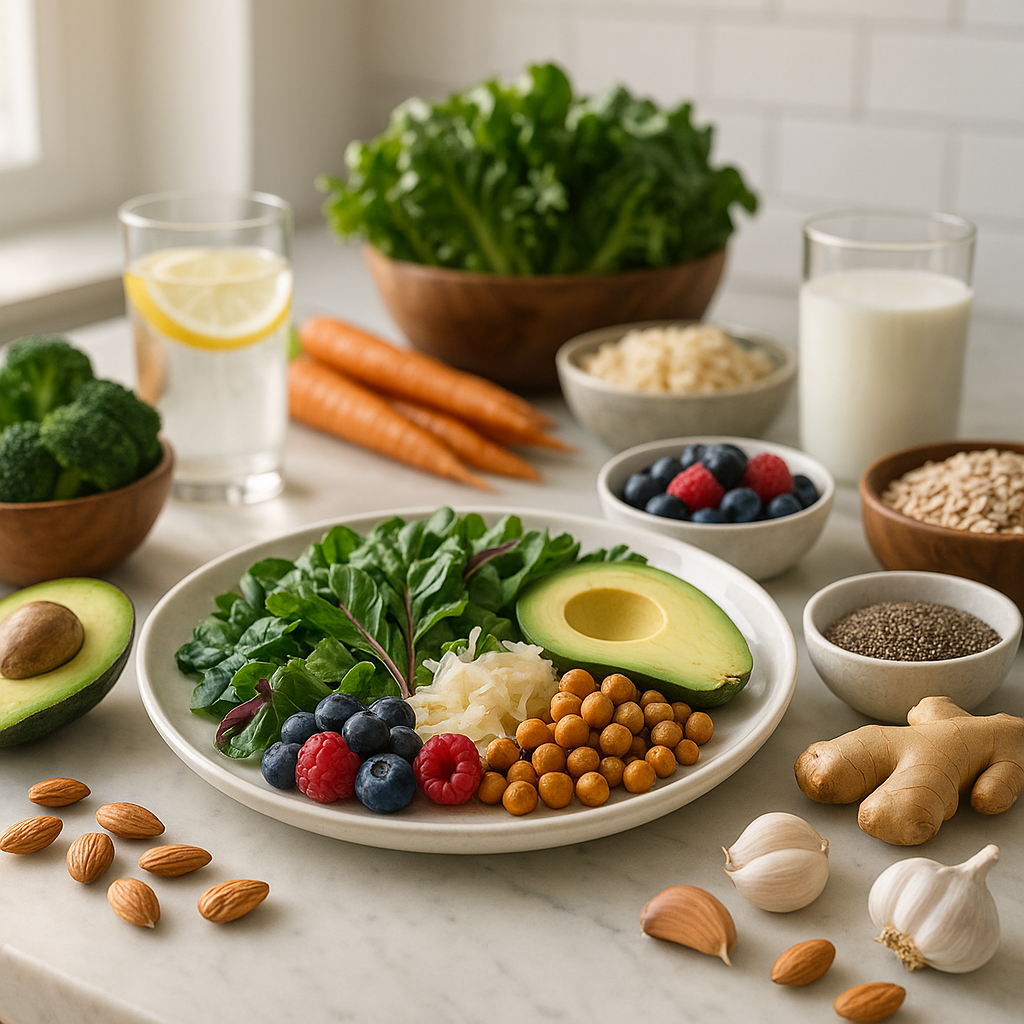
When people talk about healthy eating, they often focus on calories, protein, or the latest superfood trend. But what if the real starting point for lasting wellness is your gut? If digestion is sluggish, bloating is common, cravings feel hard to control, or energy rises and falls throughout the day, your food choices may be influencing far more than you realize. That is why organic food has become such an important part of clean eating for people who want better nutrition, easier weight loss, and a stronger healthy lifestyle.
The gut is more than a place where food is broken down. It is a living system that affects immunity, mood, inflammation, skin health, and even how efficiently your body uses nutrients. That means the quality of what you eat matters just as much as the quantity. Organic foods can be especially valuable because they are often fresher, less processed, and closer to their natural form. For anyone interested in a detox diet, reduced digestive stress, or a cleaner daily routine, organic ingredients can be a practical and sustainable place to begin.
What if your next meal could do more than satisfy hunger? What if it could help calm your digestion, support healthy bacteria, and leave you feeling lighter and more energized? This article explores the best organic foods for gut health, how they fit into clean eating, and why they may support weight loss and nutrition in a way that feels realistic instead of restrictive.
Why Gut Health Deserves a Place at the Center of Your Healthy Lifestyle
Your gut microbiome is home to trillions of microorganisms that help digest food, produce certain vitamins, and communicate with other systems in the body. When the microbiome is balanced, digestion tends to feel smoother, inflammation may be lower, and nutrient absorption can improve. When the balance is off, many people notice more bloating, irregularity, gas, food sensitivities, and cravings for sugary or highly processed foods.
This is where organic food can support a healthy lifestyle in a very practical way. Organic fruits, vegetables, grains, and fermented foods are often free from many synthetic pesticides and unnecessary additives that can complicate a clean eating plan. While no single food can “fix” the gut, a consistent pattern of nutrient-dense meals can make a remarkable difference over time.
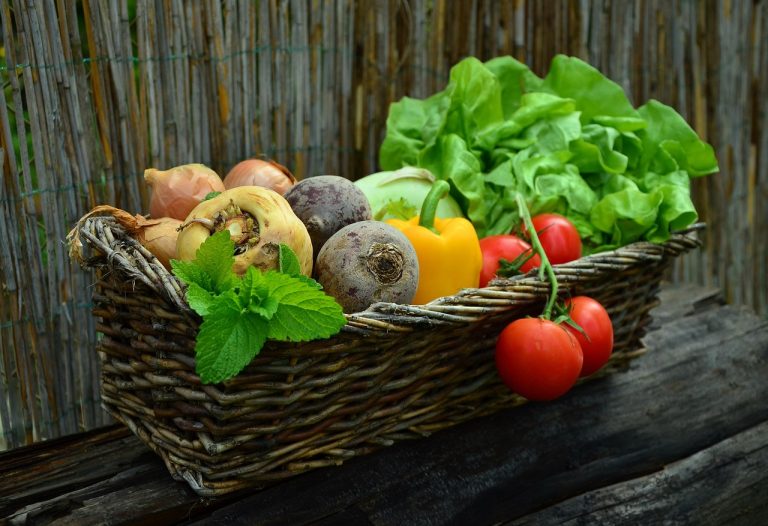
[IMAGE: organic vegetables]
Think about the last time you ate a meal that felt truly nourishing. Did you feel comfortable afterward, or heavy and sluggish? That difference matters. A gut-friendly diet is not only about what you avoid; it is about how the right foods work together to support digestion, energy, and even mood.
What the Gut Actually Needs Every Day
To thrive, the gut needs three key things: beneficial bacteria, the right kind of fiber, and enough variety to keep the digestive system adaptable. Organic food supports these needs by offering produce and whole foods in their most natural forms, making it easier to build meals that work with the body instead of against it.
-
Fiber: Helps move food through the digestive tract and feeds beneficial microbes.
-
Fermented foods: Provide natural probiotics that may support microbial balance.
-
Plant variety: Helps diversify your gut environment and improve nutritional intake.
-
Healthy fats and protein: Help stabilize blood sugar and reduce unnecessary snacking.
If your meals are built around these pillars, you are not just eating for the moment. You are investing in long-term nutrition and resilience.
Common Signs Your Digestion Needs More Support
Gut issues do not always appear dramatically. Often, the early clues are subtle. Have you noticed that certain meals leave you uncomfortable, or that your energy drops shortly after eating? Those are signs your diet may need a reset.
-
Bloating after meals
-
Irregular bowel movements
-
Frequent sugar cravings
-
Low energy after eating
-
Skin flare-ups or dull complexion
-
Feeling hungry again too quickly
These symptoms do not automatically mean something is wrong, but they do suggest your current nutrition pattern may need adjustment. In many cases, simple clean eating shifts can make everyday digestion feel much calmer.
The Best Organic Foods for Gut Health
Not every healthy food supports digestion in the same way. Some organic foods act like fuel for beneficial bacteria, while others help soothe the digestive tract or keep the gut environment more stable. The best approach is variety. Instead of chasing a single miracle ingredient, build meals around a wide range of organic foods that work together.
1. Fermented Organic Foods
Fermented foods are among the most valuable ingredients for gut health because they contain live cultures that may help support microbial diversity. They fit beautifully into a clean eating routine and can be simple to add to breakfast, lunch, or dinner.
Examples include:
-
Organic kefir
-
Organic plain yogurt with live cultures
-
Sauerkraut
-
Kimchi
-
Miso
-
Tempeh
These foods are especially useful if your diet has been heavy in ultra-processed items. They can help reintroduce beneficial bacteria while also adding flavor and texture to meals.
How to use fermented foods without overdoing it
Start with small portions. Fermented foods can be powerful, and some people experience temporary bloating when they introduce them too quickly. A tablespoon of sauerkraut or a small serving of kefir is enough to begin. Then increase gradually as your body adapts.
2. Prebiotic-Rich Organic Foods
Prebiotics are the fibers that feed beneficial bacteria. If probiotics are the seeds, prebiotics are the fertilizer. Without them, the gut may not fully benefit from the healthy microbes you are trying to support.
-
Organic onions
-
Garlic
-
Leeks
-
Asparagus
-
Bananas, especially slightly green ones
-
Oats
-
Apples
These foods are powerful because they do not just help digestion in the short term. They help create an environment where digestion can improve more consistently over time. If you are aiming for weight loss, prebiotic foods are especially helpful because they increase fullness and can reduce random snacking.
3. Fiber-Dense Organic Produce
Fiber is one of the most important parts of any organic diet, especially when the goal is better gut health. It helps regulate bowel movements, supports satiety, and slows digestion enough to prevent sharp blood sugar spikes and crashes.
Top organic fiber sources include:
-
Broccoli
-
Brussels sprouts
-
Carrots
-
Sweet potatoes
-
Spinach
-
Kale
-
Berries
-
Pears
-
Chia seeds
-
Flaxseeds
One of the easiest ways to improve nutrition is to make vegetables the most visible part of your plate. If half your plate is filled with colorful organic produce, you are automatically improving the quality of your meal.
4. Healthy Fats That Support Digestion
Healthy fats can make meals more satisfying, which matters if you are trying to support weight loss without feeling deprived. They also help the body absorb fat-soluble vitamins like A, D, E, and K. For a clean eating plan, the best options are minimally processed and naturally rich in beneficial fats.
-
Organic avocado
-
Extra virgin olive oil
-
Walnuts
-
Almonds
-
Chia seeds
-
Ground flaxseeds
Have you ever noticed that a meal with too little fat leaves you hungry too quickly? A modest amount of healthy fat can help keep digestion steady and meals more satisfying, which makes healthy eating easier to maintain.
5. Soothing Organic Herbs and Spices
Herbs and spices are often overlooked in conversations about gut health, yet they can add significant value to your diet. Many of them provide antioxidants and natural compounds that support digestion, reduce inflammation, and improve meal flavor without relying on heavy sauces or added sugar.
-
Ginger
-
Turmeric
-
Mint
-
Fennel
-
Cinnamon
-
Parsley
A simple ginger tea after a meal or a pinch of turmeric in soup can make your organic food plan more comforting and more interesting.
How Organic Food Supports Clean Eating and Weight Loss
Weight loss is often framed as a matter of willpower, but the reality is more nuanced. Hunger, cravings, digestion, and energy all influence how easy or difficult it is to maintain a healthy diet. Organic food supports weight loss indirectly by helping you build meals that are more filling, more nutritious, and less likely to trigger overeating.
When you eat more whole organic foods and fewer processed products, several things can happen at once. You may feel fuller with fewer calories. Your meals may digest more smoothly. You may crave fewer sugary snacks because your blood sugar stays more stable. That is the kind of progress that lasts because it feels sustainable.
The Gut-Weight Connection
The gut can affect appetite-regulating hormones, inflammation, and the body’s handling of certain nutrients. A healthier gut environment may help reduce the cycle of intense hunger followed by overeating. This is one reason clean eating with organic ingredients can support a more natural form of weight loss.
Instead of asking, “How do I eat as little as possible?” a better question is, “How do I eat in a way that makes my body feel satisfied and supported?” That mindset change can be transformative.
Meals That Support Fullness Without Feeling Heavy
For weight loss, the goal is not to eat bland food. It is to create meals that deliver enough protein, fiber, and healthy fat to keep you comfortable for hours.
-
Organic eggs with spinach and avocado
-
Greek yogurt with berries and chia seeds
-
Salad with quinoa, roasted vegetables, and olive oil
-
Soup with lentils, carrots, celery, and herbs
-
Apple slices with almond butter
[IMAGE: healthy meal]
These kinds of meals are effective because they are simple. They do not require extreme restriction or complicated rules. They simply give your body what it needs in a cleaner, more nourishing format.
A Gentle Detox Diet Using Organic Foods
The word detox is often used in exaggerated ways, but the body already has natural detoxification systems, including the liver, kidneys, skin, and digestive tract. What food can do is reduce the burden on those systems and support them with nutrients. That is why a gentle detox diet based on organic foods makes more sense than harsh cleanses or extreme juice fasts.
When you center your meals on whole foods, hydration, and fiber, you help your body process waste more efficiently. You also reduce the load from refined sugar, excessive sodium, and artificial additives. That creates a cleaner internal environment without forcing dramatic measures.
What a Realistic Detox Diet Looks Like
A healthy detox diet is not about starvation. It is about returning to foods that are easier for the body to process. A well-designed organic plan may include:
-
Plenty of leafy greens and cruciferous vegetables
-
Hydrating foods like cucumber, celery, and melon
-
Fiber-rich fruits such as apples and berries
-
Herbal teas and clean water
-
Lean proteins and plant proteins to keep energy stable
-
Fermented foods in modest amounts
Do you need to “cleanse” your body with extreme limitations, or would it be wiser to nourish it with foods that support its natural systems? For most people, the second option is better, safer, and easier to sustain.
Foods That Make a Detox Diet Easier to Follow
Some organic foods are especially useful because they are light, hydrating, and nutrient-dense.
-
Cucumber: Refreshing, hydrating, and easy to pair with meals.
-
Lemon: Adds brightness to water and dressings.
-
Leafy greens: Provide fiber and minerals.
-
Beets: Bring color and plant compounds to salads and roasted dishes.
-
Ginger: Adds warmth and may help soothe digestion.
-
Green apples: Offer tartness and fiber with natural sweetness.
These ingredients do not work as a quick fix, but they can help you feel more refreshed within a few days of cleaner eating.
Building a Gut-Friendly Organic Plate Every Day
One of the biggest reasons healthy diets fail is complexity. People try to follow too many rules at once. The easier strategy is to use a plate formula that keeps your nutrition balanced without requiring constant calculation.
A Simple Plate Formula
-
Half the plate: Organic vegetables, especially leafy greens and colorful produce
-
One quarter: Protein such as eggs, fish, chicken, tofu, tempeh, beans, or lentils
-
One quarter: Smart carbohydrates like quinoa, brown rice, oats, sweet potato, or legumes
-
Extra: Healthy fats from avocado, olive oil, nuts, or seeds
This structure supports digestion, helps steady blood sugar, and makes weight loss feel more manageable because it naturally encourages portion balance.
Examples of Gut-Friendly Organic Meals
Breakfast: Organic oats with blueberries, chia seeds, and plain yogurt. Add cinnamon for flavor and a spoonful of ground flaxseed for extra fiber.
Lunch: Quinoa bowl with roasted carrots, spinach, chickpeas, cucumber, and olive oil lemon dressing. Add a small serving of sauerkraut if you enjoy fermented foods.
Dinner: Baked salmon with sweet potato and sautéed kale. Finish with a side of steamed broccoli and fresh herbs.
Snack: An apple with almond butter or a small serving of kefir with berries.
[IMAGE: fitness lifestyle]
These meals are not designed to impress on social media. They are designed to work in real life, which is exactly what a healthy lifestyle should do.
Clean Eating Mistakes That Can Hurt Gut Health
Clean eating is powerful, but it can backfire if it becomes too rigid or too low in variety. Some people think that as long as the label says “healthy,” the meal must be helping. In reality, poor balance can still leave the gut stressed and the body under-fueled.
1. Eating Too Much Raw Food
Raw vegetables are nutritious, but too much raw fiber can be difficult for some digestive systems, especially when the gut is already irritated. If bloating is a problem, try adding more cooked vegetables, soups, and warm meals.
2. Forgetting Protein
Many clean eating plans focus heavily on produce but forget protein. Without enough protein, you may feel hungry soon after eating, which can interfere with weight loss and lead to snacking. Organic eggs, yogurt, legumes, tofu, fish, and poultry can help keep meals more balanced.
3. Relying on Smoothies for Everything
Smoothies can be helpful, but they are not always the best choice for gut health if they replace whole meals too often. Chewing plays a role in digestion, and whole foods tend to be more filling than blended drinks. Use smoothies strategically, not as a crutch.
4. Overdoing “Healthy” Sweeteners
Even natural sweeteners can be a problem if used excessively. A clean eating plan should still limit added sweetness so the palate can reset. Whole fruit offers enough sweetness for most people who want a healthier routine.
5. Changing Too Much Too Quickly
If you suddenly go from processed meals to large amounts of fiber, legumes, and fermented food, your digestion may protest. Introduce organic food gradually. Your gut usually responds better to consistency than to extremes.
What to Eat If You Want Better Digestion in One Week
If you are looking for a simple starting point, focus on the foods that are easiest to digest while still being nutrient-rich. The goal is not perfection; it is momentum. Small improvements can create noticeable changes in how you feel.
-
Warm oatmeal with berries for breakfast
-
Vegetable soup with lentils for lunch
-
Grilled fish or tofu with cooked greens for dinner
-
Fruit, yogurt, or nuts for snacks
-
Water, herbal tea, and plenty of hydration throughout the day
Do you need a dramatic overhaul to start feeling better? Not usually. Often, one cleaner meal leads to another, and that creates the kind of steady progress that sticks.
How Organic Foods Can Support Energy, Mood, and Skin
Gut health influences much more than digestion. Many people notice that when they improve their nutrition, their mood becomes steadier, their energy more reliable, and their skin clearer. This is not magic. It is the effect of better nourishment, less inflammation, and a more balanced internal environment.
Organic food can be part of that transformation because it encourages a diet built around real ingredients rather than highly refined products. When your meals contain more vitamins, minerals, fiber, and healthy fats, your body is better equipped to function at a high level.
-
Energy: Stable meals help avoid the post-lunch crash.
-
Mood: A healthier gut can support more balanced day-to-day wellbeing.
-
Skin: Better nutrition and digestion may contribute to a brighter complexion.
This broader effect is one reason organic food continues to be central to premium nutrition conversations. It is not simply about being trendy. It is about creating a foundation that supports daily life.
Practical Shopping Tips for a Better Organic Diet
A strong healthy lifestyle begins at the grocery store. If you want organic eating to feel easier, shop with a plan. Otherwise, even the best intentions can turn into random purchases that do not support your goals.
What to Buy First
-
Leafy greens like spinach, kale, and arugula
-
Cruciferous vegetables such as broccoli and cauliflower
-
Berries, apples, bananas, and citrus fruit
-
Organic oats, quinoa, and brown rice
-
Plain yogurt, kefir, or plant-based fermented alternatives
-
Beans, lentils, nuts, seeds, and avocado
-
Fresh herbs, ginger, garlic, and olive oil
How to Keep It Budget-Friendly
Organic eating does not have to mean wasteful spending. Focus your budget on foods you use often and that most directly support your nutrition goals. Frozen organic vegetables can be a smart choice. So can bulk oats, legumes, and seeds. The key is consistency, not perfection.
To keep meals affordable, build around seasonal produce, use leftovers creatively, and choose a few versatile ingredients you can use in multiple dishes throughout the week.
A Sample Day of Organic Clean Eating for Gut Health
If you are wondering how this all comes together in real life, here is a simple day of eating that supports digestion, weight loss, and steady energy without feeling restrictive.
Morning: Warm water with lemon, followed by organic oats topped with blueberries, chia seeds, and plain yogurt.
Midday: A quinoa salad with spinach, cucumber, roasted carrots, chickpeas, and olive oil dressing. Add a small side of fermented vegetables if you enjoy them.
Afternoon snack: An apple with a handful of walnuts or almonds.
Evening: Baked salmon or tofu with sweet potato, steamed broccoli, and sautéed kale.
Before bed: Ginger or chamomile tea.
This kind of pattern supports a calmer digestive rhythm because it combines fiber, protein, healthy fats, hydration, and fermented foods in a balanced way.
Questions Worth Asking Before You Start Another Diet
Before jumping into another rigid plan, ask yourself a few honest questions. Are you trying to support your body, or simply to shrink it? Are your current meals helping your digestion, or leaving you tired and bloated? Are you eating enough variety, or repeating a few “healthy” foods that no longer serve you?
These questions matter because the most successful nutrition plans are not built around guilt. They are built around awareness. Once you understand how your body responds, you can choose organic food and clean eating habits that feel empowering instead of overwhelming.
Why a Sustainable Approach Works Better Than a Quick Fix
There is no need to treat healthy eating like a short-term challenge. Your gut responds better to steady patterns than to dramatic extremes. A sustainable organic diet gives you enough flexibility to enjoy food, enough structure to stay on track, and enough nourishment to support your long-term goals.
This is especially true if your aim is weight loss. Rapid approaches often rely on cutting too much, too soon. A gut-friendly plan, by contrast, tends to be naturally satisfying because it focuses on food quality, better digestion, and reduced cravings.
Clean eating works best when it feels normal enough to repeat. Can you imagine eating this way most days of the week? If the answer is yes, you are probably building a plan that can truly last.
Organic food can be a powerful ally when your goal is better digestion, a lighter feeling body, and a stronger healthy lifestyle. By choosing more fiber, more variety, more fermented foods, and fewer processed ingredients, you create the conditions for better nutrition from the inside out. Start with one meal, one grocery list, or one new habit, and let that momentum build. If this approach resonates with you, keep exploring more expert articles on DietOrganic and continue shaping a clean eating routine that supports your body in the most natural way possible.
About the Author