
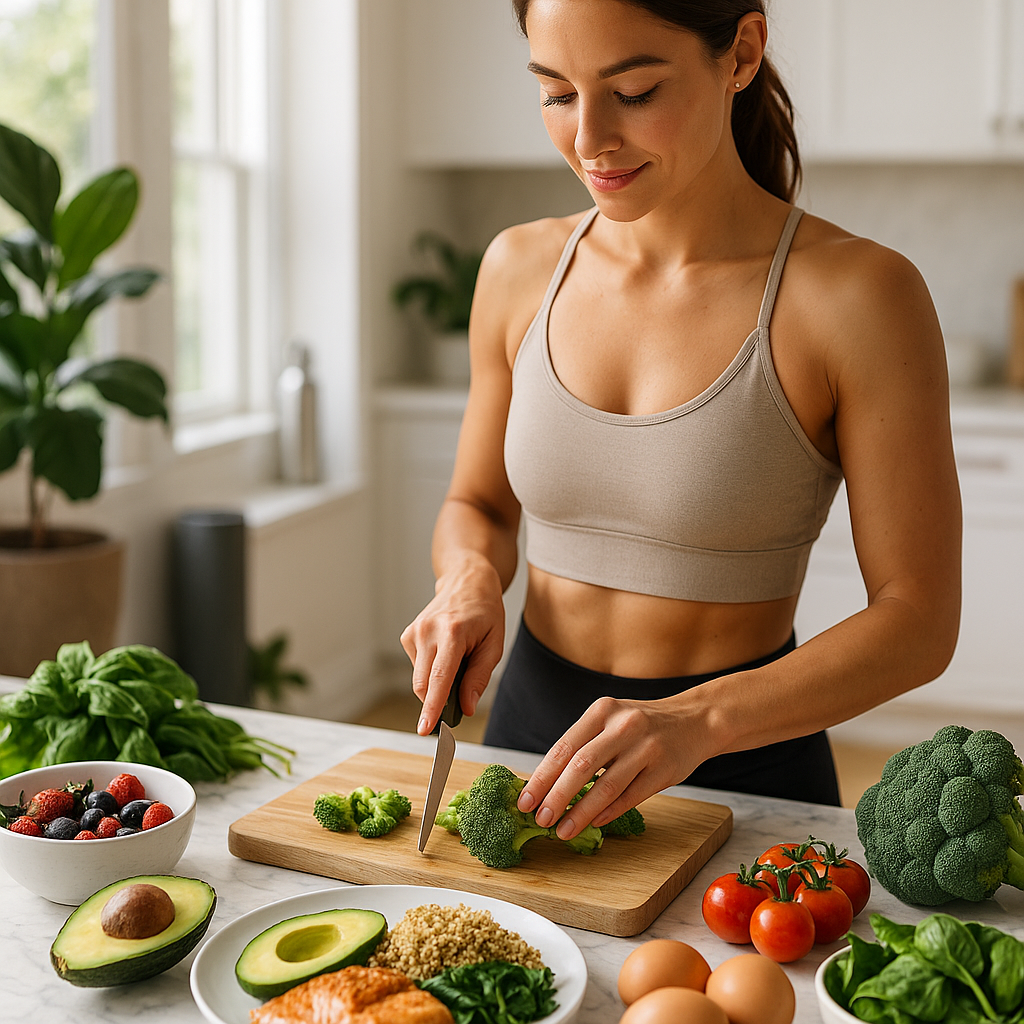
When people talk about weight loss, the conversation often turns into a debate about calories, carbs, and willpower. But real, sustainable progress usually comes from something much simpler: choosing foods that make your body feel supported instead of stressed. That is where organic food has a powerful role to play. A clean eating approach built around organic food, thoughtful nutrition, and balanced meals can make healthy habits feel less like a punishment and more like a lifestyle you can actually maintain.
What makes this approach so effective? It reduces the noise. Instead of relying on heavily processed convenience foods, you focus on whole ingredients that are naturally satisfying, easier to portion, and more aligned with a healthy diet. You may notice fewer cravings, steadier energy, better digestion, and a calmer relationship with food. And if you have ever asked yourself, can clean eating really support weight loss without feeling restrictive? the answer is yes, especially when the plan is practical, flexible, and built on organic food you genuinely enjoy.
This article takes a premium, real-world look at how organic food can support weight loss in a way that feels natural. You will learn which foods to choose, how to structure meals, which pitfalls to avoid, and how to create an organic meal rhythm that works on busy weekdays as well as slower weekends. The goal is not perfection. The goal is a healthy lifestyle that lasts.
Why organic food matters in a weight loss plan
Organic food is not a magic shortcut, and it does not cancel out the basics of energy balance. But it can make a clean eating plan easier to follow because it tends to reduce exposure to unnecessary additives, excess sodium, and highly refined ingredients that often creep into packaged foods. When your pantry and fridge are filled with whole foods, it becomes easier to build meals that are naturally high in nutrition and more satisfying for fewer calories.
That matters because weight loss is not only about eating less. It is about eating in a way that helps you feel full, calm, and consistent. The more stable your meals are, the less likely you are to chase snacks out of fatigue or frustration. Organic food supports this by encouraging simple ingredients like vegetables, fruit, lean protein, legumes, and healthy fats. Those foods create the kind of structure that makes clean eating feel manageable instead of overwhelming.
Cleaner ingredients make clean eating easier
One reason many people struggle with healthy habits is that processed foods are engineered to be easy to overeat. They are often hyper-palatable, low in fiber, and designed for convenience, which makes it difficult to stop once you start. Organic food does not automatically remove temptation, but it does help shift your environment toward whole ingredients that require a little more intention. That simple change can be transformative.
Think about the difference between grabbing a packaged snack and building a plate with organic vegetables, a source of protein, and a useful fat like avocado or olive oil. The second option takes a few more minutes, but it also gives your body a more complete nutrient profile. That is the quiet advantage of clean eating: it helps you move from reactive choices to intentional ones.
Nutrient density supports satiety
One of the biggest advantages of a healthy diet centered on organic food is nutrient density. Foods rich in vitamins, minerals, fiber, and protein tend to support satiety better than empty-calorie alternatives. That means you are more likely to feel satisfied after a meal and less likely to search for something else an hour later. If you are trying to lose weight, that feeling of satisfaction is not a luxury. It is strategy.
For example, a bowl of organic lentils, vegetables, herbs, and olive oil delivers fiber and protein that slow digestion and help control hunger. A sugary pastry may taste wonderful for a moment, but it rarely provides the same long-lasting comfort. When you build meals around nutrient density, you give your body a clearer signal that it is fed, not just stimulated.
Does organic automatically mean lower calories?
Not necessarily, and that is an important distinction. Organic food can be part of a weight loss plan, but the word organic does not equal calorie-free, low-carb, or portion-proof. Organic nut butter is still calorie-dense. Organic granola can still be sugar-heavy. Organic smoothies can still become dessert in a cup if they are loaded with fruit juice and oversized portions.
That is why clean eating works best when organic quality is paired with awareness. Ask yourself a simple question before each meal: does this food help me feel full, energized, and balanced? If the answer is yes, you are probably on the right track. If the answer is no, even a wholesome label may not be enough to support your goals.
The best organic foods for weight loss
Choosing the right foods is the foundation of a sustainable healthy lifestyle. The best organic foods for weight loss are not exotic or complicated. In fact, the most effective options are often the simplest. They are the foods that deliver fiber, protein, water content, and a satisfying texture without overwhelming your daily calorie budget.
If your goal is to eat in a way that supports fat loss while keeping energy steady, start with foods that are naturally filling. These ingredients are easy to cook, easy to pair, and easy to repeat without feeling bored. Consistency matters more than variety for the sake of variety.
Leafy greens and cruciferous vegetables
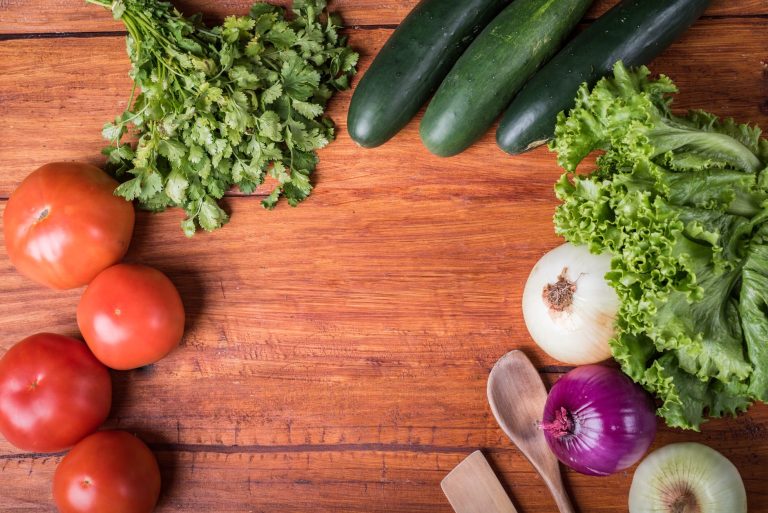
Organic leafy greens such as spinach, kale, arugula, romaine, and Swiss chard are foundational for clean eating. They are low in calories but high in volume, which makes them ideal for building larger meals that still support weight loss. Add cruciferous vegetables like broccoli, cauliflower, Brussels sprouts, and cabbage, and you gain fiber, texture, and important plant compounds that contribute to overall nutrition.
Why do these vegetables work so well? They help you eat a satisfying amount of food without overloading energy intake. A big salad with organic greens, cucumber, radish, herbs, and grilled chicken can feel abundant while remaining light. Roasted broccoli or cauliflower can replace heavier side dishes without making you feel deprived. [IMAGE: organic vegetables]
Organic berries and low-sugar fruits
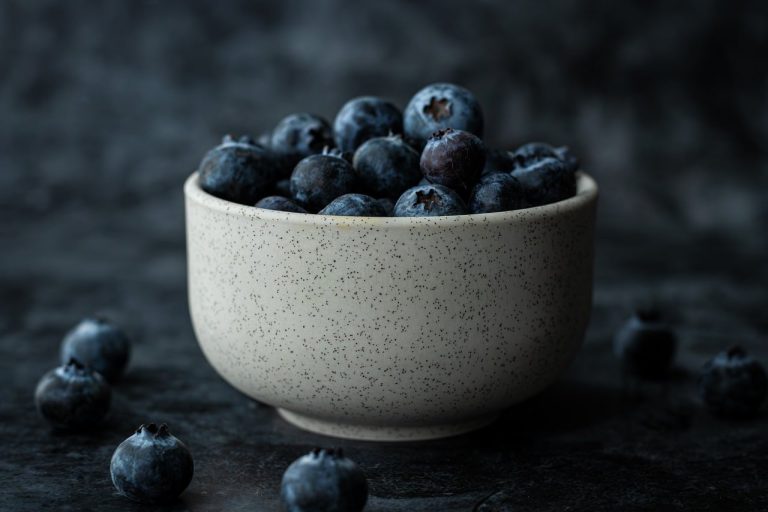
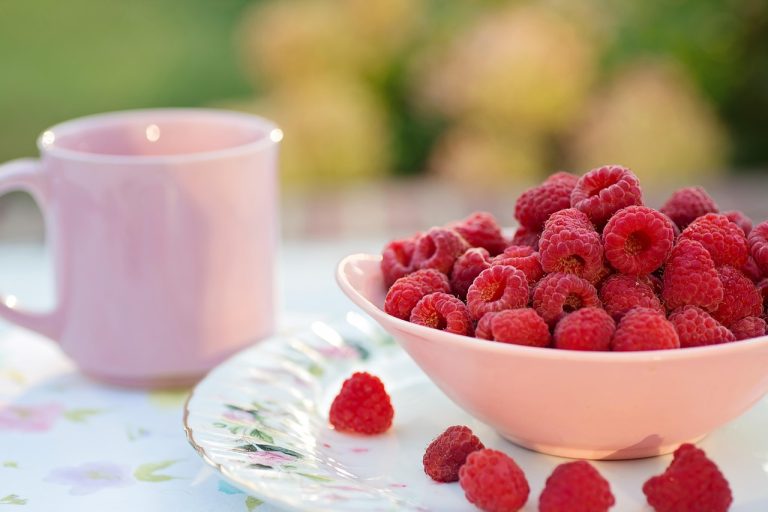
Fruit can absolutely be part of a weight loss plan, especially when you choose varieties that are naturally lower in sugar and high in fiber. Organic berries such as strawberries, blueberries, raspberries, and blackberries are excellent options. They satisfy a sweet craving, support hydration, and pair beautifully with yogurt, chia pudding, or oats.
Other smart choices include apples, pears, kiwi, grapefruit, and oranges. These fruits offer more structure and fiber than juices or dried fruit, which means they are more filling. If you want something sweet after dinner, why reach for a packaged dessert when a bowl of berries with cinnamon can deliver flavor, color, and nutrition?
Organic protein foods that keep you full
Protein is one of the most important tools in a healthy diet for weight loss because it supports muscle, helps stabilize appetite, and often reduces the urge to snack between meals. Organic eggs, plain Greek yogurt, cottage cheese, tofu, tempeh, edamame, lentils, chickpeas, turkey, chicken, and fish can all fit into a clean eating pattern.
A protein-rich breakfast can change the tone of your entire day. Instead of a blood sugar roller coaster, you get steadier energy and fewer cravings by mid-morning. Try organic eggs with spinach and tomatoes, Greek yogurt with berries and seeds, or tofu scramble with herbs and mushrooms. Which option sounds more realistic for your routine? The best one is the one you will actually make consistently.
Healthy fats in moderation
Healthy fats are not the enemy of weight loss. In fact, they are part of what makes meals satisfying and sustainable. Organic avocado, extra-virgin olive oil, walnuts, almonds, chia seeds, flaxseed, and hemp seeds all bring flavor and staying power to meals. The key is portion control. Fats are nutrient-dense, so a little goes a long way.
Instead of flooding your plate with oils and nuts, use them as accents. A drizzle of olive oil over vegetables, a few slices of avocado on a salad, or a tablespoon of seeds in oatmeal can make a meal more complete without pushing calories too high. This is the art of clean eating: enough richness to enjoy your food, not so much that the balance is lost.
A smart organic shopping list for weight loss
If you want a practical place to begin, use a simple shopping list built around staples that can be mixed and matched throughout the week. The following foods work especially well in an organic diet focused on weight loss and nutrition:
- Organic spinach, kale, romaine, and mixed greens
- Organic broccoli, cauliflower, zucchini, and asparagus
- Organic berries, apples, pears, and citrus fruit
- Organic eggs, plain Greek yogurt, tofu, tempeh, chicken, or fish
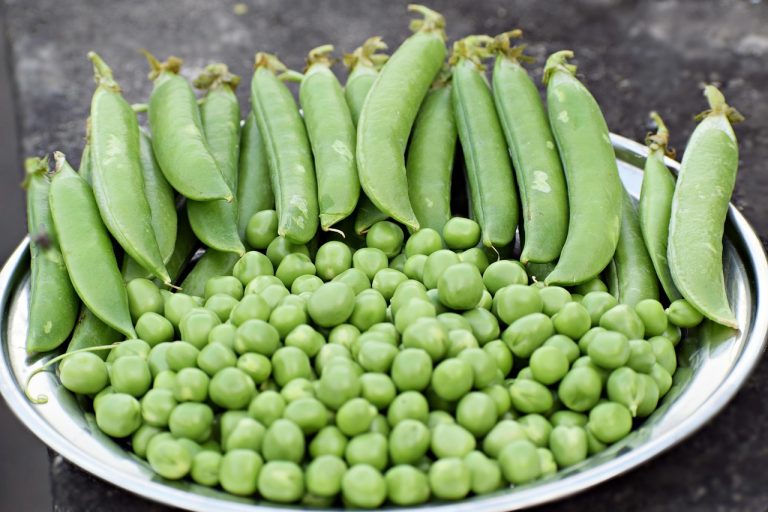
- Organic lentils, chickpeas, black beans, and edamame
- Organic oats, quinoa, brown rice, and sweet potatoes
- Organic avocado, olive oil, chia seeds, flaxseed, almonds, and walnuts
- Herbs, lemon, garlic, ginger, turmeric, and vinegar for flavor
When your kitchen is stocked with these ingredients, healthy choices become easier by default. You are no longer asking what to eat in the moment. You already have a system in place.
How to build a clean eating plate that supports weight loss
A healthy lifestyle is easier to maintain when the structure is simple. One of the most effective methods is the plate approach, which keeps your meals balanced without requiring complicated calculations. You do not have to obsess over every gram of food if you understand how to assemble a plate that naturally supports weight loss.
The idea is straightforward: fill most of your plate with vegetables, add a solid serving of protein, include a moderate portion of smart carbohydrates, and finish with a small amount of healthy fat. This creates a meal that is nourishing, satisfying, and easier to repeat day after day.
The clean eating plate method
Imagine your plate divided into sections. Half should be organic vegetables or a combination of vegetables and leafy greens. One quarter should be protein. The final quarter can be whole carbohydrates like quinoa, brown rice, sweet potato, or legumes. Add a measured source of fat, such as olive oil, seeds, or avocado.
This structure helps prevent the two most common diet problems: overeating starches because the meal is unbalanced, or feeling deprived because the plate is too small and too sparse. A complete plate is not only better for weight loss; it is better for your mood, energy, and digestion.
What a balanced organic meal looks like
A balanced organic meal might be grilled salmon with roasted Brussels sprouts, quinoa, and a lemon herb dressing. It might also be a tofu bowl with kale, cucumber, carrots, brown rice, sesame seeds, and a tamari-ginger sauce. Another option could be a big salad with chicken, avocado, berries, pumpkin seeds, and olive oil vinaigrette.
Notice the pattern? The meals are not tiny, and they are not bland. They are real meals with texture, color, and flavor. Clean eating becomes much more appealing when it feels abundant rather than restrictive. That is why food quality matters so much in a nutrition plan you want to maintain long term.
Meal timing can affect appetite
When and how often you eat can influence hunger, focus, and energy. Some people feel best with three structured meals and one snack. Others prefer a lighter breakfast and a larger lunch. The key is noticing whether your schedule supports stable energy or creates chaos. If long gaps between meals lead to overeating at night, a small protein-rich snack may help.
Ask yourself: do you feel calm and in control around meal times, or do you reach the evening feeling depleted? That answer can reveal whether your current rhythm supports your goals. Organic food works best when it fits your life instead of forcing you into an unrealistic routine.
Organic foods that can still slow progress if portions are ignored
Even the most nutritious foods can become problematic if the portions are too large or the preparation method adds extra calories. This is one of the most overlooked weight loss lessons. People often assume that if a food is organic, then more is always better. But healthy eating still depends on moderation.
Consider how easy it is to overeat foods that are usually considered wholesome. A big bowl of organic granola, multiple spoonfuls of nut butter, or a smoothie packed with banana, oats, honey, and coconut can contain far more calories than expected. These foods are not bad. They simply need to be used with awareness.
Watch these common traps
- Organic granola with added sugar or large portions
- Nut butters eaten straight from the jar
- Smoothies with too much fruit, juice, or sweetener
- Organic crackers, chips, and baked snacks eaten mindlessly
- Plant-based desserts that still deliver a high calorie load
- Salads drowned in heavy dressings or cheese
Being mindful does not mean being fearful. It means respecting the role of each food in your overall nutrition plan. When you use calorie-dense organic foods as accents rather than the main event, you protect your progress without sacrificing enjoyment.
Do not confuse healthy with limitless
One of the most useful mindset shifts in weight loss is learning that healthy does not always mean unlimited. A handful of almonds can support satiety. A giant bowl of almonds can quietly add up. A spoonful of olive oil can improve flavor. A pour-heavy dressing can overwhelm the calorie balance of an otherwise perfect meal.
This is not about guilt. It is about accuracy. Clean eating works best when you combine quality with proportion, because nutrition is shaped by both.
Organic meal ideas that feel realistic on busy days
The best healthy diet is the one you can live with on a Tuesday afternoon, not just the one that looks polished on social media. If your meals are too complicated, weight loss becomes harder because decision fatigue takes over. You need options that are easy to assemble, repeatable, and satisfying enough to prevent random snacking.
Below are simple meal ideas that keep organic food at the center without making the process feel fussy. Each one supports clean eating while leaving room for your personal taste and schedule.
Organic breakfast ideas for steady energy
- Greek yogurt with organic berries, chia seeds, and cinnamon
- Egg scramble with spinach, mushrooms, and tomatoes
- Overnight oats with flaxseed, apple, and walnuts
- Tofu scramble with peppers, onions, and herbs
- Smoothie bowl with unsweetened yogurt, berries, and pumpkin seeds
Breakfast does not need to be huge to be useful. It needs to be balanced enough to start the day without a crash. If a lighter breakfast works for you, keep it simple. If you are hungrier early in the day, add more protein and fiber.
Organic lunch ideas for clean eating
- Chicken salad with mixed greens, cucumbers, avocado, and lemon dressing
- Lentil bowl with roasted vegetables and tahini drizzle
- Turkey lettuce wraps with shredded carrots and herbs
- Quinoa bowl with chickpeas, kale, and roasted sweet potato
- Vegetable soup with a side of boiled eggs or cottage cheese
Lunch is often where healthy habits start to slip. If your afternoon energy usually dips, build lunch around protein and fiber, not just carbs. That choice alone can reduce the desire to snack aggressively later in the day.
Organic dinner ideas that support recovery
- Salmon with asparagus and cauliflower mash
- Chicken stir-fry with broccoli, ginger, and brown rice
- Tofu and vegetable curry with a modest portion of rice
- Stuffed peppers with lean turkey, beans, and herbs
- Roasted vegetables with lentils, feta, and olive oil
Dinner should leave you satisfied but not uncomfortably full. That is especially important if you are trying to support weight loss while sleeping well and waking up with stable hunger cues.
Organic snack ideas that fit a healthy lifestyle
- Apple slices with a small amount of almond butter
- Greek yogurt with berries
- Cucumber and carrot sticks with hummus
- A boiled egg and a piece of fruit
- Handful of walnuts with green tea
Snacks are most helpful when they are purposeful. Eat them because they support your energy, not because you are bored. That small difference can influence your total intake more than you may realize.
Meal prep ideas that save time and reduce stress
Meal prep is one of the strongest tools in a clean eating plan because it removes friction. When healthy food is already prepared, you are much less likely to make a reactive choice later. This is not about spending all Sunday cooking elaborate dishes. It is about giving yourself a head start.
Organic meal prep does not need to be complicated. In fact, the simplest systems often work best because they are easier to repeat. Choose a few vegetables, one or two proteins, a whole grain, and a sauce or seasoning profile. That gives you enough variety without requiring a new recipe every day.
What to prep on Sunday
Start by washing and chopping vegetables so they are ready for salads, stir-fries, and side dishes. Roast a sheet pan of organic vegetables like broccoli, carrots, zucchini, and Brussels sprouts. Cook a grain such as quinoa or brown rice. Prepare a protein source such as grilled chicken, baked tofu, lentils, or hard-boiled eggs. Make one or two dressings or sauces for flavor. [IMAGE: healthy meal]
If you have these building blocks in the refrigerator, lunch and dinner become much easier. You can mix and match based on appetite and schedule instead of ordering takeout because you feel too tired to think.
Batch cooking without boredom
A common concern with meal prep is repetition. Will you get bored eating the same thing? Not if you build variety into the components instead of the entire meal. For example, roasted vegetables can appear in a grain bowl one day, a salad the next, and an omelet the day after. Protein can be used in wraps, bowls, and soups. The ingredients stay familiar, but the experience changes.
Seasoning is your secret weapon here. Lemon, garlic, cumin, paprika, turmeric, ginger, basil, and cilantro can transform the same ingredients into completely different meals. Flavor keeps clean eating exciting, which is essential if you want your healthy lifestyle to survive beyond the first week.
Organic food, digestion, and the feeling of lightness
Weight loss is often discussed as if it were only about scale numbers, but many people first notice progress as improved digestion, less bloating, and more comfortable energy after meals. That is an important signal. When your body digests food more smoothly, you often feel lighter, clearer, and more motivated to maintain healthy habits.
Organic foods that are rich in fiber, water, and natural enzymes can support this process. Vegetables, fruits, legumes, seeds, and fermented foods all contribute in different ways. You do not need a dramatic detox diet to feel better. You need a pattern of eating that gives your digestive system a break from excess sugar, heavy processing, and constant snacking.
Foods that support digestion naturally
- Leafy greens and cooked vegetables
- Chia seeds and flaxseed
- Plain yogurt or kefir if tolerated
- Ginger, mint, and fennel
- Apples, kiwi, and berries
- Legumes in moderate portions
- Warm soups and lightly cooked meals
If your digestion is sensitive, pay attention to portion size, cooking method, and fiber increase. More fiber is not always better overnight. Build gradually so your body can adapt comfortably.
Hydration matters more than most people think
Sometimes what looks like hunger is actually dehydration. Drinking enough water can improve energy, digestion, and appetite regulation. Herbal teas, sparkling water, and water with lemon or cucumber can also help if plain water feels boring.
A clean eating plan can be supported by a gentle detox diet style of hydration, but that should never mean extreme juice cleanses or starvation. Real detox support comes from hydration, sleep, fiber, and consistently balanced meals. Your liver and kidneys do most of the heavy lifting when you give them the right conditions.
Organic food and metabolism: what really helps
Many people search for foods that boost metabolism naturally, hoping for a dramatic shortcut. The truth is more grounded. No single organic food will magically melt fat, but several habits can support the metabolic process in practical ways. Protein, movement, hydration, and sufficient sleep all matter. Organic food simply makes it easier to build those habits into daily life.
Protein has the strongest impact because your body uses more energy to digest it compared with fat or carbohydrate. Fiber also helps because it slows digestion and improves satiety. Add strength training and regular walking, and your body becomes a more efficient engine for weight management. That is why the phrase healthy lifestyle matters so much. Food is one piece of the system, not the entire system.
What to prioritize for better energy
Choose meals that combine protein, fiber, and moderate amounts of slow-digesting carbohydrates. Avoid long stretches without food if they make you overeat later. Keep ultra-sugary foods occasional rather than habitual. And do not underestimate sleep. Poor sleep can increase hunger hormones and lower your ability to make clear food decisions.
In practice, this means that an organic breakfast with eggs and vegetables can do more for your metabolism than a fancy supplement ever will. Sometimes the most effective nutrition strategy is simply eating real food consistently.
Common organic diet mistakes to avoid
There are a few mistakes that can quietly derail a weight loss plan even when the intentions are excellent. Knowing them in advance can save you time, money, and frustration. The point is not to become hypercritical. The point is to recognize the patterns that make clean eating harder than it needs to be.
- Assuming organic automatically means low calorie
- Replacing meals with smoothies too often
- Skipping protein and relying on fruit alone
- Using too much oil, nut butter, or cheese
- Buying too many specialty products instead of whole foods
- Expecting quick results from a restrictive detox diet mindset
- Not planning meals, then relying on whatever is available
Each of these mistakes is easy to make because they often look healthy on the surface. But your body responds to the full picture, not the marketing language. Ask yourself: is this helping me build a meal pattern I can repeat next month, or is it just impressive for today?
Be careful with all-or-nothing thinking
One of the fastest ways to burn out is to treat every meal like a test of discipline. Life is not that neat. Some days you will eat perfectly. Other days you will eat on the go, improvise, or make a less-than-ideal choice. That does not mean the entire plan has failed. Healthy lifestyle success comes from returning to your routine quickly, not from being flawless.
If you can make the next choice a little better than the last one, you are already moving in the right direction.
How to make organic food affordable
Cost is one of the biggest reasons people hesitate to embrace organic food fully. The good news is that you do not need to buy everything organic at once to enjoy the benefits of clean eating. A smart approach is to prioritize the items you eat most often and focus on whole foods rather than expensive specialty products.
Planning ahead can also reduce cost. When you buy organic vegetables in season, choose store brands, cook in batches, and waste less food, the price difference becomes more manageable. Remember that convenience food often appears cheaper until you factor in how little satiety it provides. A well-planned healthy diet can be more cost-effective than frequent takeout, even when the grocery bill looks slightly higher at first glance.
Budget-friendly strategies
- Buy frozen organic vegetables and berries
- Choose seasonal produce
- Use legumes as a protein base several times a week
- Cook larger portions and reuse leftovers
- Shop for staple ingredients rather than packaged snacks
- Build meals around what is on sale and in season
Affordable organic eating is less about luxury and more about planning. Once you start thinking in terms of ingredients instead of products, the whole system becomes simpler and more approachable.
A sample day of clean eating for weight loss
If you like concrete examples, here is what a realistic day might look like when organic food is at the center of your healthy diet. Notice that the meals are satisfying, practical, and flexible. They are designed to support nutrition without requiring perfection.
Breakfast: Organic Greek yogurt with berries, chia seeds, and cinnamon. A boiled egg on the side if you need more protein.
Lunch: Large salad with organic greens, grilled chicken, cucumbers, tomatoes, avocado, and a simple olive oil and lemon dressing.
Snack: An apple with a small handful of almonds or carrot sticks with hummus.
Dinner: Baked salmon, roasted broccoli, and quinoa with herbs. If you prefer plant-based eating, swap in tofu or lentils.
Evening option: Herbal tea and a few berries if you want something light and calming.
This kind of day is not extreme, and that is the point. Sustainable weight loss usually comes from meals that feel normal enough to repeat without resentment.
Where organic food fits into a bigger healthy lifestyle
It is easy to put all the emphasis on food, but lasting transformation usually involves movement, sleep, stress, and mindset as well. Organic food supports that bigger picture because it tends to make meals feel cleaner, lighter, and more intentional. When you eat better, it often becomes easier to move more, sleep more deeply, and make clearer decisions throughout the day.
Think of your healthy lifestyle as a collection of reinforcing habits. A nourishing breakfast improves focus. A good lunch prevents afternoon crashes. A sensible dinner supports sleep. A walk after meals helps digestion and mood. A little strength training builds muscle and helps your metabolism. Organic food acts as the anchor that ties the whole pattern together.
Small habits that make a big difference
- Keep fruit washed and visible in the fridge
- Prepare vegetables before you are hungry
- Drink water before reaching for snacks
- Include protein at every meal
- Make one planned meal each day instead of improvising all day
- Walk after eating when possible
- Sleep enough to protect appetite regulation
These habits may seem ordinary, but ordinary is exactly what makes them powerful. Weight loss is easier when your daily routine supports you instead of constantly challenging you.
Questions worth asking yourself before your next meal
Clean eating becomes much easier when you stop thinking only in terms of rules and start asking smarter questions. What kind of hunger am I actually feeling right now? Is this meal built to satisfy me, or is it built to entertain me for ten minutes? Do I need more protein, more fiber, or just more structure? What foods help me feel clear and calm after I eat?
Those questions are useful because they shift your attention from guilt to awareness. A healthy diet should make you more capable, not more confused. If a food choice supports your body, your mind, and your schedule, it is probably a good choice. If it leaves you sluggish, unsatisfied, and chasing more food soon after, it may not belong in your daily routine, even if it is labeled organic.
[IMAGE: fitness lifestyle]
Make your next meal count
Weight loss does not need to feel dramatic to be effective. In fact, the most successful results usually come from simple, repeatable choices made over time. Organic food can make those choices easier by giving you a cleaner foundation for clean eating, better nutrition, and a healthier relationship with hunger. When you fill your plate with organic vegetables, quality protein, smart carbohydrates, and measured healthy fats, you are creating a system that works with your body instead of against it.
The next time you plan a meal, choose one thing that supports your goals more intentionally. Add the vegetables. Include the protein. Drink the water. Keep the portion sensible. Then do it again tomorrow. That is how a healthy lifestyle becomes real, and if you want more expert guides on organic food, clean eating, detox diet ideas, and practical nutrition strategies, there is plenty more to explore on DietOrganic.
About the Author