
In a world of rushed breakfasts, desk lunches, and endless snack aisles, the gut often becomes the first place where a chaotic routine shows up. Bloating, sluggishness, cravings, irregular digestion, and low energy are not just random annoyances; they are often signals that your daily food choices are asking too much of your system. The encouraging news is that you do not need a complicated plan to feel better. A thoughtful approach to organic food, clean eating, and simple meal structure can support digestion, energy, and even long-term weight loss in a way that feels realistic rather than restrictive.
What makes organic food especially appealing for gut health? For many people, it is the combination of fewer synthetic pesticides, a higher likelihood of eating more whole foods, and the mindset shift that comes with choosing quality over convenience. When your meals are built around vegetables, fruits, legumes, fermented foods, nuts, seeds, and clean proteins, your digestion often gets a chance to breathe. Is it magic? No. But can it make a noticeable difference in your healthy lifestyle and nutrition habits? Absolutely.
Rather than chasing the latest trend or a dramatic detox diet, this guide focuses on a sustainable way of eating that supports your microbiome, steadies your appetite, and makes healthy routines easier to maintain. If you have been looking for a practical reset, or if you simply want to understand how organic food can fit into a more balanced daily rhythm, this is where to start.
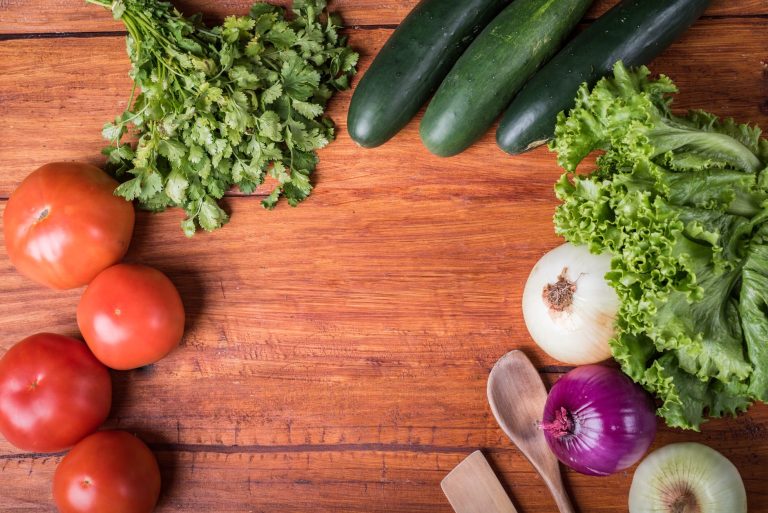
[IMAGE: organic vegetables]
Why gut health is the foundation of a healthy lifestyle
Your gut does far more than digest dinner. It helps absorb nutrients, supports immune function, influences mood, and plays a major role in how satisfied you feel after eating. When digestion is working well, your body can use food more efficiently. When it is not, even a supposedly healthy diet can leave you feeling heavy, foggy, or constantly hungry.
That is why gut health is such a powerful starting point for anyone interested in clean eating or weight loss. Instead of focusing only on calories, you begin to notice food quality, meal timing, fiber intake, hydration, and stress levels. These details matter. In fact, they often matter more than people realize.
Signs your gut may need support
You do not need to diagnose yourself with a complicated condition to notice that your digestion may need attention. The body usually gives clear clues when the balance is off.
- Bloating after meals, especially after simple foods
- Constipation or irregular bowel movements
- Gas, discomfort, or pressure in the abdomen
- Cravings that come on quickly and feel difficult to manage
- Low energy after eating instead of steady focus
- Skin issues that seem to flare when your diet becomes more processed
- A feeling that you are eating enough but still not feeling satisfied
If several of these sound familiar, should you panic? Not at all. A gut-friendly organic food routine is often less about restriction and more about reducing the stress load on your digestive system. That means choosing meals that are simpler, more nourishing, and easier for the body to work with.
Why organic food can help
Organic food is not a cure-all, but it can create a cleaner starting point for a healthier diet. Many people choose organic produce because it reduces exposure to certain pesticide residues. Others prefer organic dairy, eggs, and meat because they want a more transparent food system and often fewer additives in their routine.
For gut health, the benefit is also behavioral. When you shop for organic vegetables, fruit, grains, and proteins, you are often more likely to cook at home and build meals from whole ingredients. That simple shift can improve nutrition almost immediately. You start eating more fiber, more phytonutrients, and fewer ultra-processed foods that may be hard on digestion.
Best organic foods for gut health
There is no single perfect list of foods for everyone, because digestion is personal. Still, there are certain organic foods that consistently support a healthy microbiome, better digestion, and more comfortable meals.
Fermented foods with live cultures
Fermented foods can be a smart addition to a clean eating plan because they provide beneficial bacteria that may support the gut environment. Think of them as a small daily habit with the potential to create meaningful support over time.
- Organic plain yogurt with live cultures
- Organic kefir
- Sauerkraut made with simple ingredients
- Kimchi with minimal additives
- Miso used in soups or dressings
Start small if your digestion is sensitive. A spoonful of sauerkraut or a half cup of yogurt can be enough at first. Why overwhelm a system that is trying to heal?
Fiber-rich vegetables
Fiber is one of the most important nutrients for gut health, and organic vegetables make it easier to build satisfying, nutrient-dense meals. Fiber helps support regularity, feeds beneficial bacteria, and can make weight loss more manageable because it helps you feel full longer.
Excellent organic options include:
- Leafy greens such as spinach, kale, and arugula
- Cruciferous vegetables such as broccoli, cauliflower, cabbage, and Brussels sprouts
- Root vegetables such as carrots, beets, and sweet potatoes
- Zucchini, cucumbers, asparagus, and celery for lighter meals
If raw vegetables bother your stomach, do not force them. Lightly steaming or roasting produce often makes it easier to digest while still preserving valuable nutrition.
Fruits that are gentle and nourishing
Fruit can support a healthy lifestyle in a surprisingly simple way. It adds water, fiber, antioxidants, and natural sweetness without the heavy feeling that often comes from processed desserts. The key is to choose fruits that feel easy on your body and to pair them well when needed.
- Organic berries for antioxidants and fiber
- Apples and pears for a balanced snack
- Kiwi for digestive support and hydration
- Bananas for a portable option that works well with oats or yogurt
- Citrus fruits for freshness and vitamin C
Have you noticed how a bowl of berries feels different from a packaged sweet snack? That difference is not just psychological. It is the combination of water, fiber, and micronutrients doing real work.
Organic oats, seeds, and other steady-energy foods
For many people, a gut-friendly routine becomes easier when breakfast and snacks are built around slow-digesting, steady-energy foods. Organic oats are a classic choice because they provide soluble fiber, which can support digestive comfort. Chia seeds and ground flaxseed are also excellent additions.
- Organic rolled oats or steel-cut oats
- Chia seeds soaked overnight
- Ground flaxseed added to smoothies or porridge
- Quinoa as a gluten-free grain alternative
- Brown rice or buckwheat for simple meals
These foods are especially useful if you are trying to stabilize cravings or support weight loss without feeling deprived. They help you stay full, which can reduce the impulse to graze on less nourishing foods later in the day.
Clean proteins that are easier to work with
Protein is often overlooked in conversations about gut health, yet it is essential for satiety and recovery. If your meals are too low in protein, you may feel hungry soon after eating or struggle with energy crashes. Organic protein sources can help create more balanced meals.
- Organic eggs
- Organic chicken or turkey
- Wild-caught fish
- Organic tofu or tempeh
- Legumes such as lentils, chickpeas, and black beans
Some people digest animal protein easily, while others feel better with plant-based options. The goal is not to follow a rigid rule. The goal is to notice what leaves you energized, clear, and comfortable.
Healthy fats that support satisfaction
Healthy fats help with nutrient absorption and make meals more satisfying. Without enough fat, some clean eating plans can feel too light, leaving you unsatisfied and more likely to snack later.
- Avocados
- Extra-virgin olive oil
- Walnuts and almonds
- Pumpkin seeds
- Nut butters with minimal ingredients
Used well, these foods can help transform a basic salad or bowl into a genuinely satisfying meal rather than a temporary fix.
How to build a gut-friendly organic plate
One of the easiest ways to improve nutrition is to stop thinking in terms of random foods and start thinking in terms of plates. A balanced plate helps reduce the guesswork that often leads to overeating or constant snacking.
Breakfast formula
For a gut-friendly organic breakfast, aim for fiber, protein, and a little healthy fat. This combination supports steady energy and can prevent the mid-morning crash that sends many people looking for coffee and sugar.
- Organic oats with chia seeds, berries, and plain yogurt
- Eggs with sautéed greens and avocado
- Smoothie with spinach, banana, flaxseed, and kefir
If mornings are busy, keep breakfast simple. A balanced meal does not need to be elaborate to be effective.
Lunch formula
Lunch is where many healthy diets fall apart because convenience takes over. A solid lunch should include protein, fiber, color, and enough volume to satisfy you.
- Big salad with leafy greens, chickpeas, cucumber, olive oil, and seeds
- Grain bowl with quinoa, roasted vegetables, salmon, and fermented cabbage
- Soup with lentils, carrots, herbs, and a side of fruit
A helpful question to ask is this: will this meal leave me clear-headed and full for the next few hours, or will I be hungry again almost immediately?
Dinner formula
Dinner is often the place where a healthy lifestyle becomes visible. When you are tired, it is easy to fall back on convenience foods. A well-built organic dinner can be simple and still feel satisfying.
- Roasted vegetables with tofu or chicken and brown rice
- Herbed fish with steamed broccoli and sweet potato
- Vegetable stir-fry with tempeh and quinoa
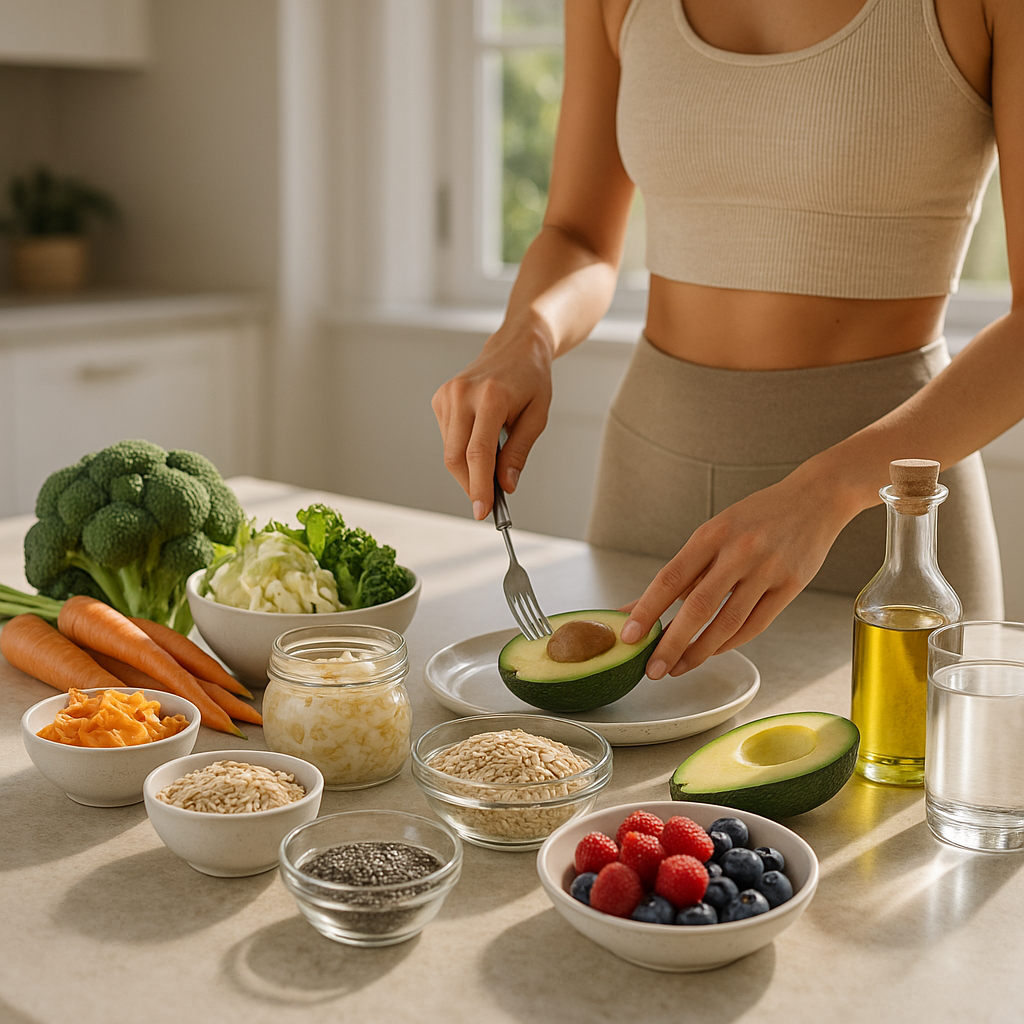
[IMAGE: healthy meal]
Keep dinner portions moderate and ingredients easy to digest. Heavy sauces, excessive cheese, and highly processed sides can undo the calm that a balanced day of clean eating has created.
Clean eating habits that improve digestion beyond food
Food is central, but it is not the only factor that affects digestion. A gut-friendly routine works best when it is supported by the way you eat, sleep, move, and manage stress.
Eat slower than you think you need to
Digestion begins before food even reaches the stomach. Chewing well and eating in a calm state can improve the entire experience of a meal. If you are inhaling lunch between meetings, your body may not have enough time to register fullness or process food comfortably.
- Put utensils down between bites
- Aim to chew until food feels easy to swallow
- Avoid eating while scrolling if possible
- Pause halfway through the meal and check your fullness
This is one of the simplest changes you can make, and yet it often has a surprisingly large impact.
Hydration matters more than most people realize
Water helps move fiber through the digestive system and can reduce the sluggish feeling that sometimes comes from a low-fiber, low-fluid routine. If you are increasing your intake of organic vegetables, seeds, or beans, hydration becomes even more important.
Try these practical habits:
- Drink a glass of water when you wake up
- Carry a bottle during the day
- Add cucumber, mint, or citrus for flavor
- Limit sugary drinks that can disrupt appetite cues
Good hydration does not need to be complicated. It just needs to be consistent.
Sleep and stress are part of nutrition
You can buy the cleanest organic food in the world, but if you are sleep-deprived and constantly stressed, your digestion may still struggle. Stress can change appetite, slow digestion, and make cravings more intense. Sleep deprivation can do the same.
Ask yourself: are you trying to fix your meals while ignoring the rest of your routine? A healthy diet works best when it fits into a healthy lifestyle.
A small daily reset
A 10-minute walk after meals, a screen-free wind-down before bed, and a calmer evening routine can all support digestion more than another complicated food rule ever will. These habits may seem minor, but they create the conditions for better nutrition to actually work.
[IMAGE: fitness lifestyle]
A gentle detox diet approach without extremes
The word detox is everywhere, but it is often misunderstood. Your body already has natural detoxification systems, including the liver, kidneys, and digestive tract. What most people really want is a break from heaviness, excess sugar, and processed food. That is a very different goal from starvation, juice-only plans, or quick-fix cleanses.
If you are interested in a detox diet, the safest and most effective version is a gentle one built on organic food and smart daily habits. Instead of trying to force dramatic change in two days, focus on giving your body the foods it can use well.
- Choose simple organic meals made with whole ingredients
- Emphasize vegetables, fruit, clean protein, and water-rich foods
- Reduce alcohol, sugary snacks, and heavily processed items
- Keep fiber intake steady to support elimination
- Use herbs, citrus, and spices for flavor rather than sugary sauces
A short reset like this may help you notice what foods leave you feeling clear and what foods seem to slow you down. That awareness is valuable. It gives you data about your own body, which is far more useful than any generic list of rules.
A simple three-day reset idea
Here is a realistic structure if you want to feel lighter without going to extremes:
- Day 1: Focus on hydration, vegetables, oats, berries, and light proteins
- Day 2: Add fermented foods, roasted vegetables, soups, and one or two simple snacks
- Day 3: Keep meals steady, reduce added sugar, and prioritize sleep and movement
This is not about punishing yourself. It is about making food feel helpful again.
Organic meal prep ideas for busy weeks
Meal prep is often the difference between a healthy plan that lasts and one that disappears by Wednesday. When your kitchen is stocked with a few ready-to-use organic staples, clean eating becomes much easier to maintain.
Make-ahead staples to keep in the fridge
- Roasted broccoli, carrots, zucchini, and sweet potato
- Cooked quinoa, brown rice, or oats
- Washed greens and chopped cucumber
- Boiled eggs or baked tofu
- Homemade dressing with olive oil, lemon, and herbs
- Fermented vegetables in a small container for easy serving
Example breakfast prep
Make overnight oats with chia seeds, plain yogurt, berries, and cinnamon. In the morning, you have a balanced breakfast that supports digestion and keeps you from grabbing a pastry on the way out the door.
Example lunch prep
Prepare a grain bowl with quinoa, leafy greens, chickpeas, roasted vegetables, avocado, and a simple dressing. It looks fresh, tastes satisfying, and gives you the kind of nutrition that supports both energy and weight loss.
Example snack prep
Wash fruit, portion nuts, and keep hummus or yogurt ready so your snacks are intentional rather than reactive. This is a small habit with a big payoff.
Common organic diet mistakes that can still upset digestion
Organic food is a strong foundation, but even a very healthy plan can backfire if the overall structure is off. Many people assume that if a food is organic, it automatically supports digestion. Not always.
Overdoing raw vegetables
Raw salads are popular in clean eating circles, but they are not ideal for everyone. If you feel bloated or uncomfortable after large raw meals, try steaming, roasting, or sautéing vegetables instead. Digestibility matters just as much as nutrient density.
Relying too much on packaged organic snacks
Organic cookies, bars, chips, and sweetened beverages can still be highly processed. They may look healthier on the label, but your body still experiences them as convenient snack foods, not as the foundation of a healthy diet. Read ingredients, not just marketing claims.
Skipping protein and then wondering why cravings spike
If your meals are mostly fruit, salad, and coffee, you may feel virtuous for a few hours and then suddenly ravenous. Protein helps stabilize appetite and supports a more balanced energy curve. That is essential for anyone pursuing weight loss in a sustainable way.
Thinking organic automatically means low-calorie
Organic nut butter, oils, granola, and dark chocolate can absolutely fit into a healthy lifestyle, but portion size still matters. Healthier ingredients do not erase the need for awareness. The goal is balance, not blind consumption.
When weight loss is part of the goal
Many readers come to organic food because they want to lose weight, but the most successful approach usually happens when weight loss is treated as a side effect of better habits rather than the only goal. When digestion improves and meals feel satisfying, it becomes easier to eat in a way that supports a healthier body composition.
Why gut-friendly eating can support weight loss
A gut-friendly clean eating pattern may help weight loss because it naturally encourages:
- More fiber, which promotes fullness
- More protein, which supports satiety
- Fewer ultra-processed foods, which can be easy to overeat
- Better meal timing, which may reduce impulsive snacking
- More stable energy, which supports activity and consistency
This is not a shortcut, but it is a smart path. It respects the body rather than trying to overpower it.
What sustainable progress actually looks like
Many people expect visible results from a healthy diet within a few days, but the best changes often feel subtle at first. You may notice you are less bloated, more satisfied after meals, or less interested in random snacks. These are wins. They matter.
Ask yourself: would you rather chase rapid changes that fade quickly, or build a routine that helps your body feel better month after month? That question is worth sitting with.
How to shop smarter for organic food
Shopping well is one of the most underrated nutrition skills. A thoughtful grocery list can make your entire week easier. If you want to stick with a healthy lifestyle, the cart you build matters just as much as the recipes you save.
What to put in your cart first
- Leafy greens and colorful vegetables
- Seasonal fruit
- Organic eggs, yogurt, tofu, fish, or poultry
- Oats, quinoa, brown rice, or buckwheat
- Chia seeds, flaxseed, nuts, and olive oil
- Herbs, lemons, garlic, ginger, and spices
- One or two fermented foods
These basics can be mixed and matched into dozens of meals, which means fewer takeout decisions and more control over your nutrition.
How to stay practical if your budget is tight
Not every item needs to be organic all the time. If budget is a concern, prioritize the foods you eat most often and those that are hardest to clean or peel. Buy seasonal produce, frozen organic vegetables, and store-brand staples when needed. A realistic organic food plan is always better than an ideal one that never happens.
Budget-friendly clean eating is about strategy, not perfection. A few thoughtful purchases can go a long way when you use them well.
The kind of eating that lasts
The most powerful nutrition plan is the one you can repeat without feeling trapped by it. Organic food, when used well, can make that possible by giving you cleaner ingredients, simpler meals, and a more intentional relationship with what you eat. The result is not just a healthier plate, but often a calmer digestive system, better energy, and a more grounded healthy lifestyle overall.
If you begin with one habit, make it this: build your next meal from real ingredients that your body can recognize and use. Add vegetables, include protein, keep hydration steady, and let clean eating feel practical instead of extreme. Over time, these choices shape not only how you look, but how you feel moving through the day. If this approach resonates, keep exploring DietOrganic for more articles on organic food, nutrition, weight loss, detox diet ideas, and clean eating strategies that fit real life.
About the Author