
Photo by Mondgesicht on Pixabay
When people talk about organic food, they often focus on pesticides, freshness, or environmental benefits. But one of the most meaningful reasons to choose organic is also one of the most overlooked: your gut. If you are trying to improve digestion, support a healthy lifestyle, and make clean eating feel more natural, the foods you choose every day can change the way your body feels from the inside out. Have you ever finished a meal and felt light, energized, and satisfied, while another meal left you bloated, sluggish, or craving sugar an hour later? That difference is not random. It is often a sign that your gut is responding to what you ate.
The modern diet can be hard on digestion. Ultra-processed snacks, excess sugar, highly refined oils, and constant eating on the go can all put stress on the digestive system. By contrast, organic food tends to bring more of the things your gut loves: natural fiber, antioxidants, plant diversity, and fewer unnecessary additives. That combination makes it easier to build a clean eating routine that feels realistic, not restrictive. In this article, you will learn which organic foods best support gut health, how they connect to detox diet principles without extreme rules, and why they may also help with weight loss, energy, and long-term nutrition.
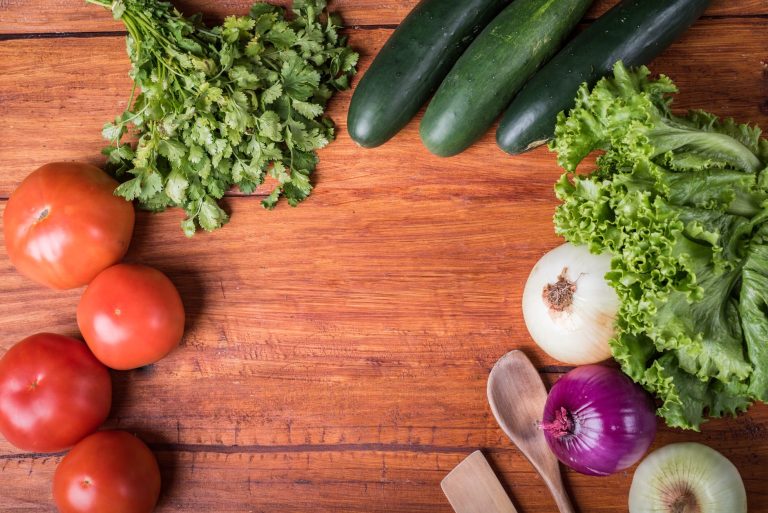
If your goal is to feel better after meals, reduce bloating, and create a healthy diet you can actually follow, the answer may start with a few simple swaps in your kitchen. [IMAGE: organic vegetables]
Why Gut Health Is at the Center of a Healthy Lifestyle
Your gut does far more than break down food. It influences how you absorb nutrients, how stable your energy feels during the day, how often you crave sugar, and even how your immune system responds to stress. Inside the digestive tract lives a vast community of bacteria, fungi, and other microorganisms known as the gut microbiome. When this ecosystem is balanced, it helps support smoother digestion, better nutrient absorption, and a stronger sense of overall wellbeing. When it is disrupted, the body often sends signals such as bloating, irregular bowel movements, skin changes, low energy, or a constant feeling that something is off.
Organic food can support this system in several ways. First, organic produce often encourages a greater intake of fruits and vegetables simply because those foods become the foundation of meals. Second, a clean eating pattern built around organic ingredients naturally reduces the amount of artificial ingredients, preservatives, and added sugars that can make digestion harder. Third, organic farming practices often prioritize soil health, and healthy soil is linked to more nutrient-dense crops. That does not mean every organic food is automatically perfect, but it does mean that choosing organic can be a smart step when your goal is better nutrition and better digestive comfort.
What Happens When Your Digestion Is Struggling?
Digestive trouble does not always show up as a dramatic stomach issue. Sometimes it is subtle. You may feel tired after lunch, wake up puffy, or notice that healthy meals do not seem to satisfy you the way they used to. When digestion is off balance, the body often compensates in ways that make clean eating harder to maintain. Questions begin to pile up: Why do I feel hungry so quickly? Why does a salad sometimes leave me bloated? Why am I craving salty snacks even when I ate enough?
Common signs that your gut may need more support include:
- Bloating after meals
- Infrequent or uncomfortable bowel movements
- Cravings for sugar, refined flour, or salty processed food
- Low energy even when you are eating regularly
- Food sensitivities that seem to appear more often
- A feeling of heaviness or sluggishness after eating
- Skin irritation or dullness that seems connected to diet
These symptoms do not always point to one single cause, but they do suggest that your current routine may benefit from more fiber, more hydration, more whole foods, and less digestive strain. That is where organic food can become a useful part of a practical healthy diet.
The Organic Foods That Best Support Gut Health
If you want to improve digestion without making your diet complicated, start with foods that feed beneficial bacteria, soften the impact of inflammation, and help the digestive tract work more efficiently. The best organic foods for gut health are not exotic or expensive. They are often the same familiar staples you already know, just chosen with more intention.
1. Organic Leafy Greens and Cruciferous Vegetables
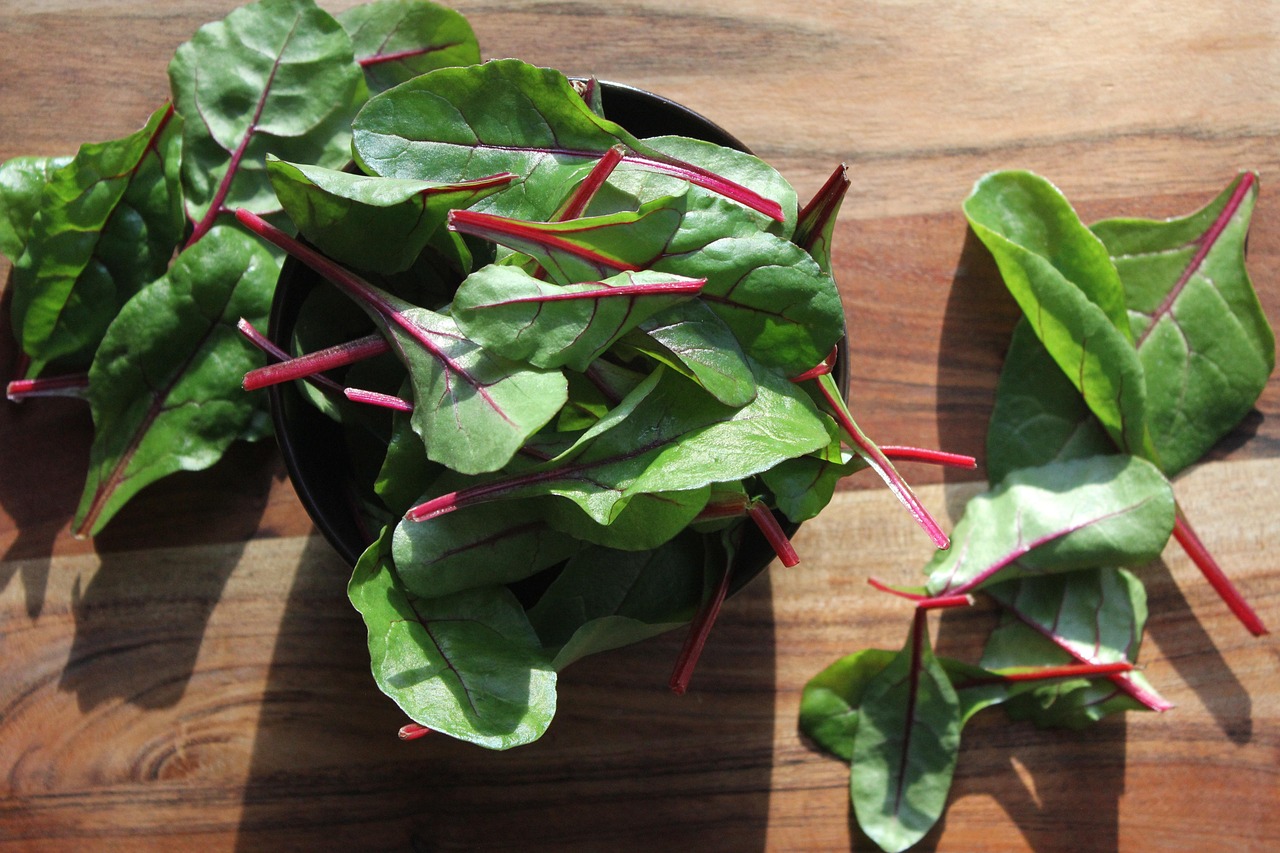
Spinach, kale, arugula, romaine, broccoli, cauliflower, cabbage, and Brussels sprouts are some of the most useful foods for gut support. They are rich in fiber, vitamins, and plant compounds that help support a balanced microbiome. Leafy greens also add volume to meals without piling on heavy calories, which is one reason they are often recommended in weight loss plans and clean eating routines.
Broccoli and cauliflower are particularly valuable because they contain compounds that support the body’s natural detox processes. In a detox diet, that does not mean starving yourself or drinking only juices. It means giving your body the ingredients it needs to process waste efficiently. Organic versions can be a smart choice because these vegetables often have thin, edible skins and are grown in ways that reduce exposure to synthetic chemicals.
2. Fermented Foods with Live Cultures
Fermented organic foods are some of the most direct ways to support the gut microbiome. Yogurt, kefir, sauerkraut, kimchi, miso, and tempeh can all introduce beneficial bacteria or help maintain a favorable environment for digestion. The key is to choose varieties with minimal added sugar and minimal processing. A sugar-loaded flavored yogurt, for example, does not support the same healthy lifestyle as a plain organic yogurt topped with berries and seeds.
Fermented foods are powerful, but they do not need to dominate your plate. Start small if you are new to them. A spoonful of sauerkraut with lunch, a small glass of kefir at breakfast, or a little miso soup in the evening can be enough to help your body adapt. If you are sensitive to fermentation, introduce these foods slowly and notice how you feel. Your gut thrives on consistency, not shock.
3. Prebiotic Vegetables and Fruits
Prebiotics are types of fiber that feed the good bacteria already living in your gut. They are found in foods such as garlic, onions, leeks, asparagus, bananas, apples, and slightly underripe pears. When those bacteria are nourished, they can produce short-chain fatty acids that support the lining of the colon and contribute to healthier digestion.
Organic prebiotic foods are easy to work into everyday meals. Add onions and garlic to soups, roast asparagus alongside salmon or tofu, or keep organic apples in your bag for a fast snack. If your diet has been low in fiber, these foods can make a noticeable difference. Just remember that more fiber should be paired with enough water. Without hydration, fiber can feel heavy rather than helpful.
4. Fiber-Rich Whole Grains and Legumes
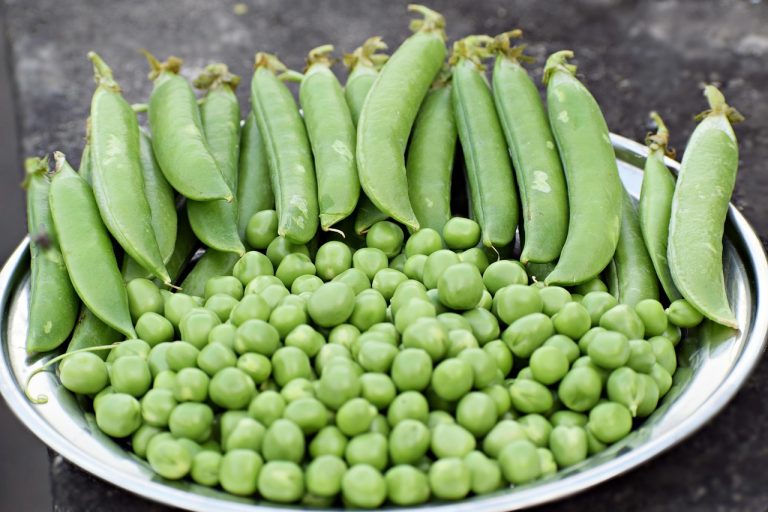
Organic oats, quinoa, brown rice, lentils, black beans, chickpeas, and split peas are reliable staples for digestion and steady energy. They help create satisfying meals that do not leave you hunting for snacks an hour later. They also support weight loss by improving fullness, which can make it easier to eat less without feeling deprived.
Many people assume that healthy food must be extremely low in carbs, but that is not true for most people aiming for gut support. In fact, the right carbohydrates can help feed beneficial bacteria and stabilize appetite. A bowl of organic oatmeal with flaxseed and berries can be far more gut-friendly than a breakfast pastry, and a lentil salad with leafy greens can leave you more satisfied than a processed lunch bar ever could.
A simple rule for shopping
When you are standing in the grocery aisle wondering what to buy, ask yourself a simple question: would this food still feel wholesome if it were served plain, without extra sugar, flavoring, or packaging tricks? If the answer is yes, it is probably a strong candidate for a gut-friendly organic kitchen.
How to Build Gut-Friendly Plates Without Overcomplicating It
One of the biggest mistakes people make with clean eating is assuming it must be complicated. It does not. A healthy diet built around organic food should feel structured enough to be useful and flexible enough to last. You do not need seven supplements, a fancy blender, or a perfect meal plan. You need a few repeatable habits that help your gut feel calm and supported.
Think in terms of balance. A meal that supports digestion usually includes a source of fiber, a source of protein, some healthy fat, and plenty of color. That formula helps keep blood sugar steady and digestion smoother. It also makes meals taste more complete, which matters more than people realize. If food feels satisfying, you are less likely to drift toward mindless snacking later.
A practical plate formula
- Half the plate: organic vegetables, especially leafy greens, cruciferous vegetables, or cooked mixed vegetables
- One quarter of the plate: protein such as eggs, yogurt, fish, chicken, tofu, tempeh, or legumes
- One quarter of the plate: whole grains or starchy vegetables like quinoa, oats, sweet potato, or brown rice
- One small portion: healthy fat from avocado, olive oil, seeds, nuts, or tahini
This formula works because it respects both digestion and appetite. Protein helps satiety. Fiber feeds the microbiome. Healthy fats help with nutrient absorption. And colorful vegetables provide the diversity that gut bacteria love. You can use this structure for breakfast, lunch, and dinner without getting bored.
Organic breakfast ideas that support digestion
Breakfast can set the tone for the entire day. A sweet, refined breakfast often triggers a spike in hunger later on, while a balanced organic breakfast helps stabilize energy and keep cravings in check. Try one of these combinations:
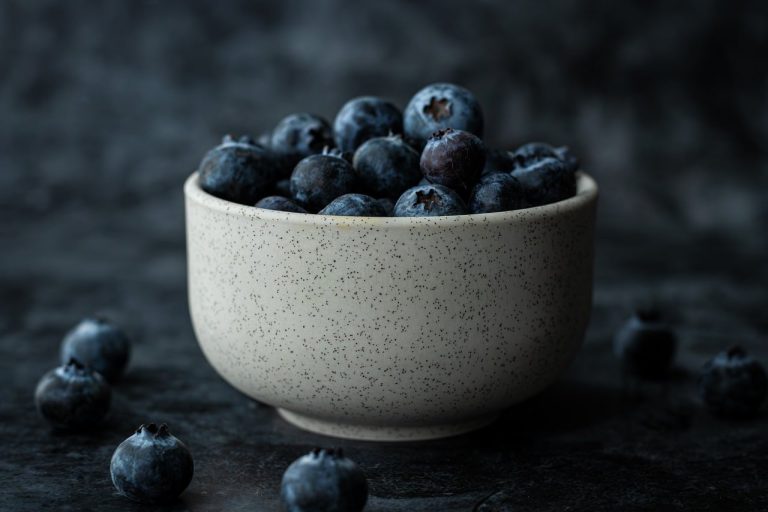
- Organic oatmeal with chia seeds, blueberries, cinnamon, and a spoonful of yogurt
- Scrambled eggs with spinach, onions, and a slice of avocado on whole grain toast
- Kefir smoothie with frozen berries, flaxseed, and a handful of greens
- Chia pudding made with unsweetened almond milk, topped with kiwi and pumpkin seeds
Notice how each option combines fiber and protein. That is the pattern you want. A breakfast that is easy on the gut should not leave you crashing before noon.
Organic lunch and dinner ideas
Lunch and dinner are where many people either succeed or slip. If your meals are busy, rushed, or overly processed, your digestion will often reflect that. Instead, think of these meals as the anchor points of your healthy lifestyle. They do not need to be elaborate. They just need to be intentional.
- Quinoa bowl with roasted broccoli, chickpeas, sauerkraut, cucumber, and tahini dressing
- Grilled salmon with asparagus, sweet potato, and a side salad made with olive oil and lemon
- Lentil soup with carrots, celery, garlic, and a piece of whole grain bread
- Stir-fry with tofu, cabbage, mushrooms, ginger, and brown rice
[IMAGE: healthy meal]
Smart snacks that do not wreck your appetite
Snacking is not the enemy. Random snacking is. If you choose snacks that are satisfying and nutrient-rich, they can support your nutrition instead of disrupting it. Some of the best organic snacks for gut health include:
- Organic apples with almond butter
- Plain yogurt with flaxseed and berries
- Carrot sticks with hummus
- A small handful of walnuts and pumpkin seeds
- Sliced cucumber with avocado and a pinch of sea salt
These snacks keep you from getting so hungry that you reach for processed food out of urgency. That urgency is often what leads to overeating, especially in the afternoon and evening.
Detox Diet Myths: What Helps and What Hurts
The word detox is often misunderstood. Many commercial detox diets promise dramatic results through fasting, juice cleanses, or extreme restrictions. In reality, your body already has a built-in detox system: your liver, kidneys, digestive tract, skin, and lungs. What it needs is support, not punishment. The right organic food can help your body do its job more effectively without creating stress.
A sensible detox diet is really a clean eating pattern that reduces burdens on the body. It prioritizes hydration, fiber, micronutrients, and steady meals. It does not ask you to live on cayenne water and regret. If a detox plan makes you weak, dizzy, or obsessed with food, it is not helping your long-term nutrition.
What a real detox support routine looks like
- Eating more vegetables, especially leafy greens and cruciferous vegetables
- Drinking enough water throughout the day
- Choosing organic foods that are minimally processed
- Reducing added sugar and artificial ingredients
- Including fiber to support regular elimination
- Moving your body gently through walking, stretching, or light workouts
That is the kind of detox support that works because it is sustainable. It supports digestion without creating the rebound effect that often follows extreme diets.
Habits that quietly sabotage your gut
Sometimes the biggest obstacles are the ones that seem harmless. A few habits can quietly irritate digestion and make even healthy food less effective:
- Eating too quickly and not chewing enough
- Skipping meals and becoming overly hungry later
- Relying on sugar-free processed snacks that are still highly refined
- Drinking too much caffeine on an empty stomach
- Having very large meals late at night
- Switching between strict dieting and uncontrolled eating
The gut prefers rhythm. It likes regular meals, enough rest, and food that is easy to digest. If you can improve the pattern of your day, your digestive comfort often improves before you even change every single ingredient.
Organic Food and Weight Loss: The Real Relationship
Organic food is not magic, and it will not erase body fat by itself. But it can absolutely support weight loss when used as part of a thoughtful, balanced healthy diet. Why? Because many organic foods are naturally high in fiber, rich in nutrients, and less likely to come wrapped in a long list of additives that encourage overeating. When your meals are more satisfying, you are less likely to chase snacks, sugary drinks, or oversized portions.
There is also a behavioral side to this. People who commit to clean eating often become more aware of what they eat, when they eat, and how different foods make them feel. That awareness is powerful. It encourages better nutrition choices without the need for guilt or punishment. Have you ever noticed that once you start eating more real food, you naturally want more real food? That is not willpower alone. It is your body responding to better fuel.
Why digestion affects body composition
When digestion is sluggish, people often confuse discomfort with hunger. Bloating can mask satiety, while unstable blood sugar can drive cravings that feel impossible to ignore. By improving gut health, you may also improve appetite regulation. That can make weight loss feel less like a battle and more like a steady, manageable shift in habits.
Better digestion can also support better sleep, and sleep plays a major role in weight regulation. Poor sleep is linked to increased cravings, lower motivation, and more stress eating. So when you support your gut, you may indirectly support your waistline too.
Clean eating habits that support healthy weight loss
- Eat protein at every meal to improve fullness
- Use vegetables as the base of your plate, not an afterthought
- Choose organic foods that are minimally processed and easy to recognize
- Keep liquid calories low unless they are part of a balanced meal
- Plan snacks ahead of time so hunger does not lead to impulsive choices
- Include naturally sweet foods like berries, apples, and pears instead of refined desserts every day
[IMAGE: fitness lifestyle]
Weight loss becomes more realistic when the body is nourished rather than deprived. That is why sustainable clean eating is usually more effective than any short-term crash diet. The goal is not to eat less at all costs. The goal is to eat better in a way that supports energy, confidence, and consistency.
A 7-Day Organic Gut-Friendly Plan
If you want a practical place to begin, this simple seven-day framework can help you ease into a gut-supportive routine. It is not a rigid prescription. It is a model you can adapt to your preferences, budget, and schedule. The aim is to create momentum, not perfection.
Day 1: Reset with fiber and hydration
Start the week with meals that are gentle, colorful, and easy to digest. Focus on water, leafy greens, and a simple breakfast that does not overload your system.
- Breakfast: organic oats with chia seeds, blueberries, and plain yogurt
- Lunch: quinoa salad with cucumber, spinach, chickpeas, and olive oil
- Dinner: baked salmon with broccoli and roasted sweet potato
- Snack: an organic apple with almond butter
Day 2: Add fermented foods
Introduce one fermented food and notice how your digestion responds. Keep the rest of the day balanced and calm.
- Breakfast: eggs with sautéed spinach and sauerkraut on the side
- Lunch: lentil soup with carrots, celery, and garlic
- Dinner: tofu stir-fry with cabbage, mushrooms, and brown rice
- Snack: kefir with a few berries
Day 3: Prioritize prebiotics
Use foods that nourish beneficial bacteria, especially garlic, onions, asparagus, and bananas.
- Breakfast: chia pudding with banana and pumpkin seeds
- Lunch: chicken or chickpea bowl with leeks, asparagus, and quinoa
- Dinner: roasted vegetables with brown rice and a yogurt-herb dressing
- Snack: cucumber slices with hummus
Day 4: Keep meals simple and satisfying
Sometimes the gut responds best when you stop trying to do too much. Use a few ingredients and let the quality speak for itself.
- Breakfast: scrambled eggs, tomatoes, and whole grain toast
- Lunch: salad with mixed greens, avocado, beans, and seeds
- Dinner: turkey, tofu, or tempeh with roasted carrots and cauliflower
- Snack: a small handful of walnuts
Day 5: Support your detox pathways
This is the day to lean on cruciferous vegetables, hydration, and moderate portions. The body appreciates consistency more than extremes.
- Breakfast: green smoothie with spinach, kiwi, flaxseed, and kefir
- Lunch: broccoli and chickpea grain bowl with tahini
- Dinner: grilled fish or tempeh with cabbage slaw and sweet potato
- Snack: pears with cinnamon
Day 6: Eat for stability, not intensity
By now, you may notice fewer cravings or less bloating. Keep the day steady with balanced meals and avoid the temptation to overcomplicate things.
- Breakfast: oatmeal with flax, walnuts, and berries
- Lunch: vegetable soup with beans and whole grain bread
- Dinner: grilled chicken, tofu, or lentils with asparagus and rice
- Snack: yogurt with cucumber or berries
Day 7: Prepare for the week ahead
Use the final day to review what felt easy, what felt satisfying, and what made your energy feel stable. That reflection is part of nutrition too.
- Breakfast: eggs or tofu scramble with greens
- Lunch: leftover grain bowl with vegetables and protein
- Dinner: simple soup or roasted vegetable tray bake
- Snack: fruit and seeds
A week like this can teach you a lot. Which meals kept you full? Which foods made your digestion feel calmer? Which ingredients helped you feel energized instead of sluggish? Those answers are more useful than any trend.
Organic Meal Prep and Grocery Habits That Make Clean Eating Easier
Healthy eating becomes much simpler when your kitchen is stocked with the right basics. If every meal requires a last-minute search, your best intentions can disappear fast. Meal prep does not have to mean spending your entire Sunday cooking elaborate containers of food. It can be as simple as washing produce, cooking one grain, roasting a tray of vegetables, and preparing one protein source in advance.
What to keep on hand each week
- Organic leafy greens
- Broccoli, cauliflower, carrots, and cabbage
- Apples, berries, bananas, and pears
- Oats, quinoa, brown rice, and whole grain bread
- Eggs, plain yogurt, kefir, tofu, tempeh, legumes, fish, or chicken
- Olive oil, tahini, nuts, seeds, and avocados
- Garlic, onions, ginger, and herbs for flavor
A simple meal prep rhythm
Pick one day to prep just a few components. Roast two trays of vegetables, cook one pot of grains, prepare a protein, and wash enough fruit and greens for several days. Then mix and match. A quinoa bowl can become a salad one day and a warm dinner the next. Soup can become lunch, dinner, or a quick recovery meal after a long day.
Meal prep also reduces decision fatigue. That matters because the more tired you are, the more likely you are to choose convenience food that does not support your goals. A prepared kitchen is one of the strongest tools for clean eating.
When Organic Food Alone Is Not Enough
Although organic food is a valuable foundation, gut health is influenced by more than ingredients. Stress, sleep, medication, activity level, hydration, and eating pace all matter. If you eat the healthiest foods in the world but rush every meal, barely sleep, and never hydrate properly, your digestion may still struggle. Ask yourself: am I only changing what I eat, or am I also changing how I live?
Some digestive concerns also deserve professional support. Persistent pain, severe bloating, unexplained weight changes, blood in the stool, or long-term changes in bowel habits should be discussed with a qualified health professional. Clean eating can be powerful, but it is not a substitute for medical guidance when symptoms are ongoing.
Still, for many people, the path to feeling better begins with the basics: more organic vegetables, more fiber, better hydration, balanced meals, and fewer processed foods. Those habits do not demand perfection. They demand repetition.
What a Sustainable Organic Diet Really Looks Like
A sustainable organic diet is not a temporary challenge. It is a pattern you can return to even when life gets busy. It allows room for flexibility while still prioritizing nutrition. It helps you feel well enough to work, move, rest, and enjoy food without constant confusion or guilt. And perhaps most importantly, it can make healthy lifestyle choices feel less like discipline and more like self-respect.
Think about the version of yourself you are trying to build. Is it someone who is always starting over, or someone who has a few dependable habits that make life easier? Organic food can be part of that identity. So can simpler cooking, steadier meals, and a more peaceful relationship with eating. The body often responds quickly when it is fed with intention, and the gut in particular tends to reward consistency with better comfort, better energy, and fewer ups and downs.
If you are ready to go further, keep building your routine one meal at a time, one grocery trip at a time, and one better choice at a time. The most effective healthy diet is the one you can live with, and the most powerful clean eating plan is the one that helps you feel clear, strong, and satisfied long after the meal is over. For more practical ideas on organic food, nutrition, detox diet strategies, and weight loss support, explore more articles on DietOrganic and keep shaping a healthier lifestyle that actually fits your life.
About the Author