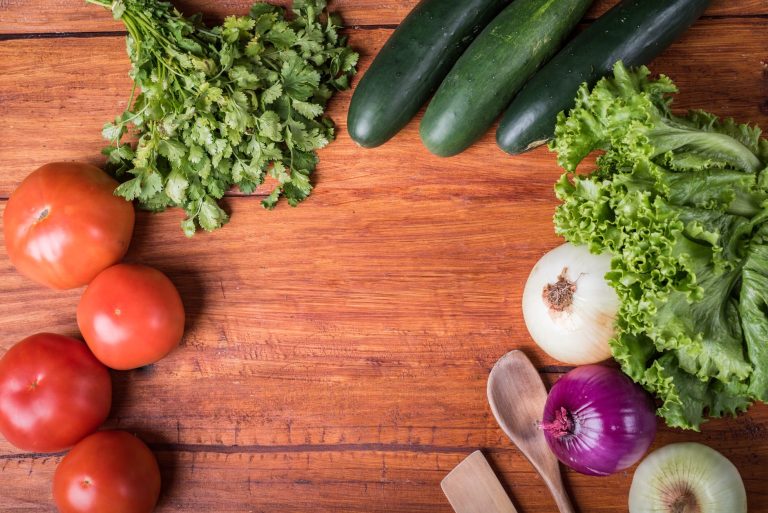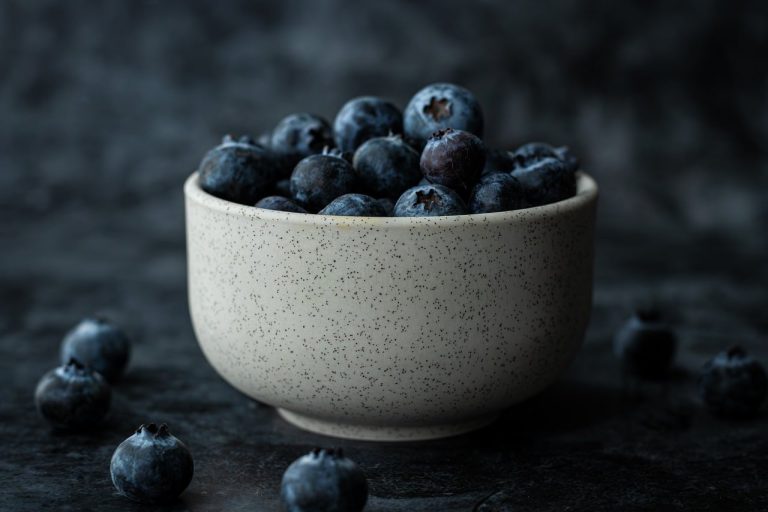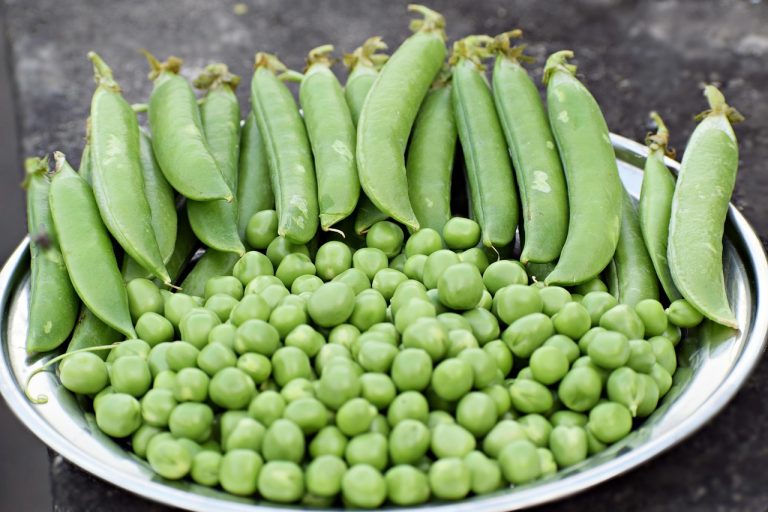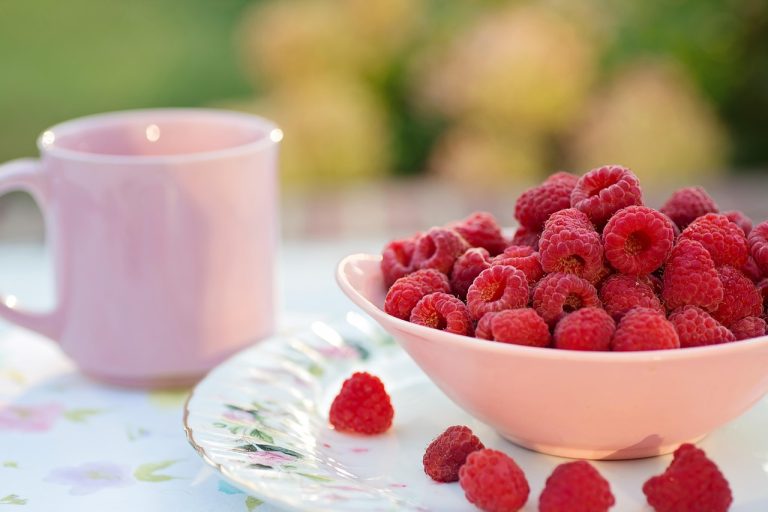

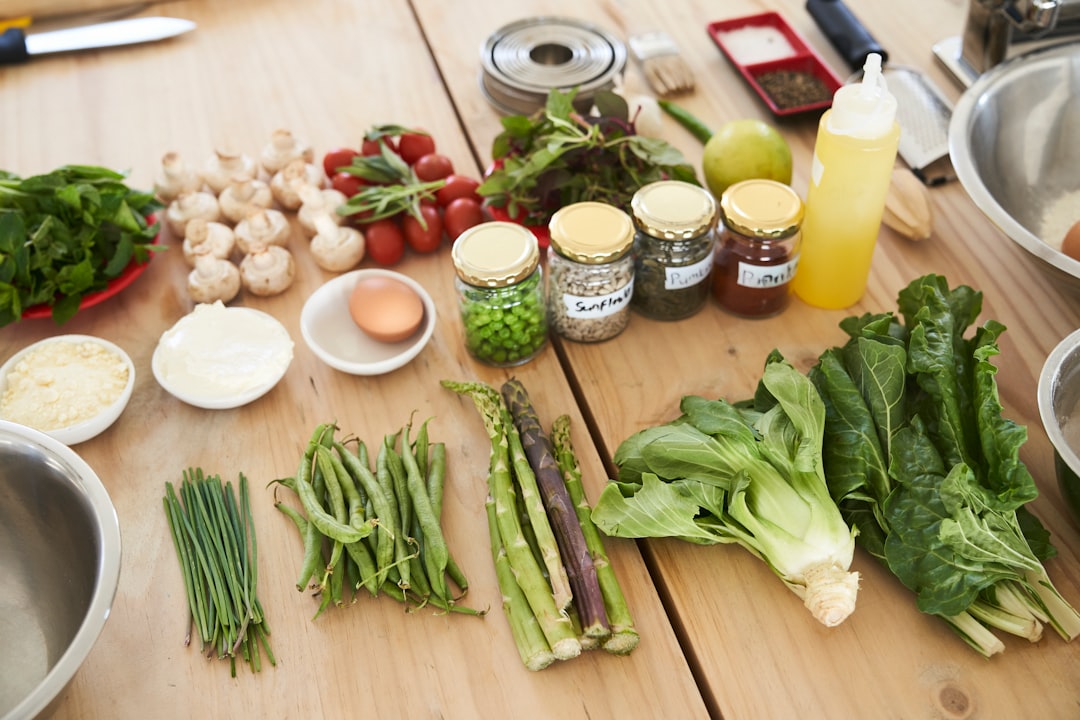
Photo by Gareth Hubbard on Unsplash
What if seven days were enough to reset your routine, simplify your meals, and help you feel lighter without relying on extreme rules? That is the promise of a well-designed organic diet plan: not a crash diet, not a juice-only cleanse, but a realistic, nourishing way to support healthy weight loss and clean eating at the same time. When your plate is built from organic food, whole ingredients, and balanced portions, you stop fighting your habits and start shaping them. And isn’t that the real goal of a healthy lifestyle?
This 7-day plan is designed for people who want structure without stress. It uses fresh organic food, steady nutrition, and simple meal patterns that can fit into busy lives. You will see how to create satisfying breakfasts, energizing lunches, and lighter dinners that help you stay consistent. You will also learn how to keep your kitchen stocked, how to avoid common diet mistakes, and how to make the week feel practical instead of restrictive. If you have ever wondered whether clean eating can actually feel enjoyable, this plan is your answer.
Before you begin, remember one important point: weight loss is not only about eating less. It is about choosing foods that keep you full, energized, and steady enough to avoid unnecessary snacking. Organic produce, quality proteins, healthy fats, and fiber-rich meals can make that easier. That is why this plan focuses on balance rather than perfection. A strong organic diet should feel supportive, not punishing.
Why an Organic Diet Plan Supports Healthy Weight Loss
There is a reason so many people turn to organic food when they want to clean up their eating habits. Organic ingredients often make it easier to build meals around vegetables, whole grains, legumes, lean proteins, and fruit instead of packaged foods that are high in sugar, sodium, and refined oils. When you eat this way consistently, you are more likely to control portions naturally because your meals are more satisfying and nutrient-dense.
In a clean eating approach, quality matters. You may not notice the difference after one meal, but over the course of a week, those differences add up. Better breakfast choices reduce cravings by mid-afternoon. More fiber improves digestion and helps support a healthy appetite. Fresh organic food often inspires more home cooking, which gives you more control over ingredients. Does that mean organic food is magic? Of course not. But it can make healthy habits easier to maintain, and consistency is what drives results.
Cleaner ingredients, fewer cravings
Many highly processed foods are designed to be easy to overeat. They are dense in calories, but light on satiety. By contrast, a meal built from organic vegetables, whole grains, and protein can help you feel full without that heavy, sluggish feeling. When you are full in a steady way, you are less likely to chase snacks out of habit or reach for dessert after every meal.
Ask yourself: are you truly hungry, or are you simply responding to stress, boredom, or convenience? One of the biggest benefits of clean eating is that it creates a natural pause between hunger and impulse. That pause is where better decisions happen.
Better nutrition supports better habits
A healthy diet is easier to stick with when it gives your body what it needs. Vitamins, minerals, protein, fiber, and healthy fats all play a role in energy, mood, and satiety. If your meals are balanced, you are less likely to crash between meals or reach for quick fixes. That stability can make a detox diet style reset feel gentler and far more sustainable.
- Protein helps preserve lean muscle while you lose weight.
- Fiber supports digestion and steadier hunger levels.
- Healthy fats help meals feel satisfying and flavorful.
- Colorful produce adds volume and nutrients without excess calories.
How to Use This 7-Day Organic Diet Plan
This plan is built to be flexible. You do not need to count every calorie or weigh every vegetable. Instead, focus on structure: eat three balanced meals, include one or two intentional snacks if needed, and keep hydration consistent. If you work long hours, choose simple recipes you can repeat. If you exercise often, increase protein and add extra vegetables or whole grains after workouts.
The goal is not to be perfect for seven days. The goal is to create a rhythm that feels natural enough to repeat. That is how an organic diet becomes a lifestyle rather than a temporary challenge.
Simple rules for the week
- Build each meal around one protein source.
- Add at least one high-fiber food to every plate.
- Include healthy fats in small, measured amounts.
- Drink water regularly, especially before meals.
- Keep snacks simple so you do not turn them into mini-meals.
If you want to make the plan easier, do one hour of prep before Day 1. Wash greens, roast vegetables, cook a grain, hard-boil eggs, and portion snack items. With a little prep, clean eating feels less like a chore and more like a habit.
7-Day Organic Diet Plan
Each day below follows the same general structure: a filling breakfast, a balanced lunch, a lighter dinner, and a few smart snack options. You can swap meals between days if needed, but keep the overall logic intact. This is a practical plan for healthy weight loss, not a rigid rulebook.
Day 1: Reset with Simple, Fresh Foods
The first day sets the tone. Keep meals comforting, colorful, and easy to digest. Focus on basic ingredients that remind you how satisfying real food can be. This is where many people rediscover just how good an organic food routine can feel.
[IMAGE: organic vegetables]
Breakfast
Try a bowl of plain Greek yogurt or unsweetened plant yogurt topped with berries, chia seeds, and a small handful of walnuts. If you prefer warm food, choose oatmeal cooked with cinnamon, apple slices, and pumpkin seeds.
Lunch
Build a large salad with organic greens, cucumber, tomato, shredded carrots, avocado, and grilled chicken or chickpeas. Use olive oil and lemon as a simple dressing. Add a slice of whole-grain bread if you need extra fuel.
Dinner
Roasted salmon or baked tofu with steamed broccoli, cauliflower, and a small serving of quinoa creates a balanced plate. The vegetables bring volume, the protein helps with fullness, and the grain supports energy without feeling heavy.
Snack ideas
- Apple slices with almond butter
- Carrot sticks with hummus
- A small handful of mixed nuts
Notice how Day 1 does not try to overwhelm you. Clean eating starts with simplicity, not perfection.
Day 2: Stabilize Your Energy
By day two, many people begin to notice less bloating and more stable energy. That does not happen by accident. It happens because the meals are balanced and the ingredients are easy to digest. If you have ever felt foggy after a heavy breakfast, this day may feel like a welcome change.
Breakfast
Make a vegetable omelet with spinach, mushrooms, and tomatoes, then add a side of sliced avocado. If you do not eat eggs, try a tofu scramble with turmeric and herbs.
Lunch
A grain bowl works well here: brown rice, roasted sweet potato, black beans, kale, and a tahini drizzle. This combination provides fiber, complex carbohydrates, and plant protein in one satisfying meal.
Dinner
Choose a lighter meal such as lentil soup with a side salad or zucchini noodles with turkey meatballs and a basil tomato sauce. The point is to keep dinner nourishing but not overly dense.
Snack ideas
- Cucumber slices with guacamole
- Plain kefir or unsweetened yogurt
- Pear with sunflower seeds
How often do you feel better when you simply stop overeating at night? This day helps you discover that lighter evenings can still feel satisfying.
Day 3: Support Digestion and Reduce Grazing
Clean eating is not only about calories. It is also about how your body feels after meals. On Day 3, the focus shifts to digestion-friendly foods that help you feel comfortable and steady. This is a smart time to emphasize fiber, hydration, and smaller, more intentional snacks.
Breakfast
Prepare overnight oats with chia seeds, blueberries, and grated apple. If you want more protein, stir in a spoonful of plain protein powder or serve with a boiled egg on the side.
Lunch
Have a soup-based lunch such as vegetable soup with white beans and herbs. Pair it with a side salad and a piece of fruit. Soup can be incredibly useful in a healthy diet because it creates fullness without excess calories.
Dinner
Make grilled shrimp, tempeh, or chicken with asparagus and roasted carrots. Add a small baked potato if you are active or need extra energy.
Snack ideas
- Celery with almond butter
- Kiwi or berries
- Roasted chickpeas
If your digestive system feels calmer, you are more likely to stay consistent. That calm is part of what makes an organic diet plan so effective over time.
Day 4: Build a Momentum Day
By now, your body may be getting used to cleaner meals. Day 4 is about momentum: keeping meals delicious enough that you look forward to them. This is also a great day to remind yourself that healthy weight loss is easier when meals feel like something you want, not something you are forcing.
[IMAGE: healthy meal]
Breakfast
Blend a smoothie with spinach, frozen berries, banana, flaxseed, and unsweetened milk. For extra staying power, add a scoop of protein. A smoothie can be a smart breakfast if it includes enough fiber and protein.
Lunch
Wrap sliced turkey, hummus, sprouts, cucumber, and greens in a whole-grain tortilla. Serve with a side of raw vegetables or fruit.
Dinner
Try a stir-fry with organic vegetables, garlic, ginger, and tofu or chicken over cauliflower rice or a small portion of brown rice. This style of meal fits both clean eating and weight loss goals because it is flavorful, high in volume, and easy to adjust.
Snack ideas
- A hard-boiled egg
- Orange slices
- Edamame with sea salt
When dinner is colorful and satisfying, you are less likely to wander into the kitchen later looking for extra snacks. That is a powerful habit shift.
Day 5: Introduce a Gentle Detox Diet Style Rhythm
Let’s be clear: your body already has built-in detoxification systems, especially the liver and kidneys. Still, a detox diet style day can support those systems by reducing processed foods, increasing hydration, and emphasizing nutrient-rich organic food. Day 5 does exactly that without resorting to extremes.
Breakfast
Start with warm lemon water, then eat steel-cut oats topped with sliced pear, cinnamon, and hemp seeds. If you prefer savory food, choose avocado toast with tomatoes and a poached egg.
Lunch
Create a detox-friendly bowl with arugula, cucumber, shredded cabbage, avocado, chickpeas, and pumpkin seeds. Add grilled chicken or baked tofu if you want more protein. Use olive oil, lemon juice, and herbs for dressing.
Dinner
Make a simple vegetable curry using coconut milk in a modest amount, cauliflower, green beans, and lentils. Serve it with a small portion of brown rice or enjoy it as a lighter stew.
Snack ideas
- Unsweetened green tea with a few almonds
- Fresh berries
- Bell pepper strips with hummus
On days like this, hydration matters as much as food. Water, herbal tea, and broth-based meals can help you feel refreshed and grounded.
[IMAGE: fitness lifestyle]
Day 6: Fuel an Active Day
Many people need more fuel toward the end of the week, especially if they exercise or spend long hours on their feet. Day 6 focuses on meals that support movement while still aligning with weight loss and clean eating goals. If you are active, under-eating can backfire. Have you ever noticed that when you skip too much, you end up overeating later?
Breakfast
Make a protein-rich breakfast bowl with scrambled eggs or tofu, roasted sweet potato, spinach, and salsa. This is a strong option before a workout or a busy day.
Lunch
Serve grilled chicken, salmon, or tempeh with a hearty salad and a small serving of lentils or quinoa. This combination is balanced enough to keep your focus steady.
Dinner
Choose whole-grain pasta with a tomato-based sauce, sautéed spinach, mushrooms, and lean protein. Keep the portion moderate and the vegetables generous.
Snack ideas
- Banana with peanut butter
- Greek yogurt with cinnamon
- Trail mix with nuts and seeds
Food should support your life, not shrink it. An effective healthy lifestyle respects energy needs rather than trying to ignore them.
Day 7: Finish Strong Without Feeling Restricted
The final day is not about celebrating with excess. It is about proving to yourself that clean eating can feel normal, satisfying, and repeatable. If you have stayed consistent, you may already notice easier mornings, steadier energy, and fewer cravings. That is the kind of progress that matters.
Breakfast
Make a vegetable frittata or tofu bake with herbs, onions, spinach, and tomatoes. Serve with fruit for a bright finish.
Lunch
Enjoy a Mediterranean-style plate with hummus, cucumber, tomatoes, olives, greens, grilled protein, and a small serving of whole grain pita or farro.
Dinner
Close the week with a nourishing soup or roasted tray meal. Think carrots, Brussels sprouts, onion, broccoli, and chicken sausage or chickpeas, all roasted on one pan with olive oil and herbs.
Snack ideas
- Berries with a spoonful of yogurt
- A small square of dark chocolate
- Herbal tea with walnuts
Ending the week on a calm note teaches your mind that healthy food does not have to feel temporary. It can become your default.
Smart Grocery List for the Week
A plan is only as good as the food you keep at home. If your kitchen is stocked with organic food that supports your goals, it becomes easier to make better decisions without constant willpower. Before you shop, think in categories so you can create meals without overcomplicating the process.
Organic produce
- Spinach, kale, arugula, and mixed greens
- Broccoli, cauliflower, zucchini, carrots, bell peppers
- Apples, berries, pears, citrus, bananas
- Avocados, cucumbers, tomatoes, onions, garlic
Protein sources
- Eggs
- Greek yogurt or unsweetened plant yogurt
- Chicken breast, turkey, salmon, shrimp
- Tofu, tempeh, lentils, beans, edamame
Smart carbs and fats
- Oats, quinoa, brown rice, whole-grain bread
- Sweet potatoes, whole-grain pasta, farro
- Olive oil, nuts, seeds, nut butters
With these ingredients on hand, it is easier to build clean eating meals that do not feel repetitive. Variety matters because boredom is one of the fastest ways to abandon a diet.
Meal Prep Tips That Save Time
Meal prep is not about cooking every single meal in advance. It is about removing friction. If a healthy option is ready to eat, you are much more likely to choose it. That is why the most effective organic diet plans are also the simplest to execute.
Prep in layers
Cook once, reuse smartly. Roast a tray of vegetables, make one grain, prepare one protein, and wash your greens. These components can become salads, bowls, wraps, or quick dinners during the week.
Use versatile sauces
A lemon vinaigrette, tahini dressing, or herb yogurt sauce can change the flavor of several meals without adding much work. Flavor is important because food should feel enjoyable, not monotonous.
Keep snacks visible
Place fruit, cut vegetables, and yogurt at eye level in your refrigerator. Keep chips and sweets out of sight if you are trying to reduce mindless eating. Small environmental changes can make a surprisingly big difference.
Do you know what most people really need? Not more discipline, but a better setup. Make the healthy choice the easy choice, and your results will become more consistent.
Common Organic Diet Mistakes to Avoid
Even a good plan can fail if certain habits quietly undermine it. Many people begin with strong motivation and then lose momentum because they unintentionally make the plan too strict, too vague, or too low in calories. Recognizing these mistakes early can save you frustration later.
1. Eating too little
Severely reducing calories can create short-term weight loss, but it often leads to fatigue, cravings, and rebound eating. A sustainable healthy diet should support your energy, not drain it.
2. Skipping protein
Protein is essential for fullness and muscle maintenance. Without enough of it, even a clean meal may leave you unsatisfied. Make protein part of every meal.
3. Turning snacks into extras
Snacks should bridge hunger, not create another full meal. Portion them intentionally so they support your plan instead of quietly increasing total intake.
4. Overloading on organic sweets and treats
Organic cookies, organic granola, or organic bars can still be calorie-dense. Organic is not the same as unlimited. Clean eating works best when treats stay in perspective.
5. Ignoring hydration
Thirst is often confused with hunger. When you drink enough water, your appetite signals can become clearer and your energy often feels more stable.
- Drink a glass of water before meals.
- Keep a bottle on your desk or in your bag.
- Use herbal tea in the evening to avoid extra snacking.
How to Customize the Plan Without Losing Results
The most effective healthy lifestyle plan is one you can repeat. That means you should adapt this 7-day structure to your schedule, food preferences, and activity level. Personalization is not a weakness. It is what makes a plan sustainable.
If you are vegetarian or vegan
Swap animal proteins for lentils, tofu, tempeh, edamame, beans, quinoa, nuts, seeds, and soy yogurt. Keep protein portions generous and pay attention to meal balance.
If you have a busy work schedule
Choose meals that can be assembled in five minutes. Think salads, grain bowls, soups, and wraps. Batch-cook two proteins and two vegetables so you can mix and match during the week.
If you exercise regularly
Add extra carbohydrates around workouts, especially from oats, fruit, quinoa, or sweet potatoes. Your body needs fuel to recover and perform well. A weight loss plan should never sabotage your training.
If you want a gentler detox diet approach
Emphasize hydration, leafy greens, citrus, berries, herbs, soups, and fiber-rich produce. Reduce alcohol, sugary drinks, and heavily processed foods during the week. That simple shift can help you feel clearer without feeling deprived.
There is no single perfect version of clean eating. There is only the version that you can sustain with confidence and calm.
What Results Can You Expect After Seven Days?
It is important to set realistic expectations. In one week, you may notice reduced bloating, steadier energy, fewer cravings, and better meal awareness. Some people also see modest weight changes, especially if they were previously eating highly processed foods or snacking frequently. But the most valuable result is often behavioral: you start to trust yourself around food again.
That trust matters. When you know you can prepare meals that taste good and support your goals, your healthy diet stops feeling like a temporary effort and starts feeling like a natural rhythm. You may also become more aware of how certain foods affect your digestion, your mood, and your hunger. That awareness is one of the strongest tools for long-term nutrition success.
Weight loss is not only about the scale. It is about energy, focus, confidence, and comfort in your own routine. If those improve, you are already moving in the right direction.
Turning One Week into a Lasting Healthy Lifestyle
What happens after the seven days end? Ideally, you do not return to random eating and constant snacking. Instead, you keep the parts that worked best. Maybe that means a protein-rich breakfast, a daily salad, or a regular meal prep session on Sundays. Maybe it means you now buy more organic vegetables because you know you will actually use them. The week becomes a template, not a one-time event.
The strongest food plans are built on repeatable habits: shopping with intention, cooking with purpose, and eating in a way that supports both health and pleasure. Once those habits are in place, clean eating becomes much easier to maintain. And when healthy choices feel easier, they tend to last longer.
If this plan gave you a clearer way to approach organic food, healthy diet choices, and realistic weight loss, keep exploring more articles on DietOrganic for fresh ideas, practical nutrition tips, and simple ways to make clean eating part of everyday life. The best results usually come from small decisions repeated with confidence, and that is exactly where a stronger healthy lifestyle begins.
About the Author