
Photo by nosolomarcas on Pixabay
When people talk about healthier eating, the conversation often starts with calories, carbohydrates, or the latest diet trend. But the real foundation of lasting wellness is usually much simpler: how well your gut is functioning. If digestion is smooth, your body is more likely to absorb nutrients efficiently, regulate appetite more effectively, and respond better to any clean eating or weight loss plan you follow. That is where organic food becomes especially valuable. It is not a magic cure, but it can be a smart, practical way to reduce unnecessary additives, choose fresher ingredients, and build meals that support a healthier lifestyle from the inside out.
Have you ever noticed how some meals leave you energized, while others make you feel bloated, foggy, or hungry again within an hour? That difference is often linked to food quality, fiber intake, hydration, and the balance of bacteria in the gut. A thoughtful organic diet can help create the conditions your digestive system needs to thrive. In this article, we will look at the best organic foods for gut health, how they support nutrition and weight loss, what a gentle detox diet really looks like, and how to turn clean eating into a sustainable daily habit instead of a short-lived reset.
Why Gut Health Matters More Than Most People Realize
Your gut does far more than process food. It plays a central role in immunity, hormone signaling, nutrient absorption, mood regulation, and even the way your body stores or burns energy. When the digestive system is under strain, the effects can show up everywhere: bloating, irregular appetite, low energy, cravings, skin issues, and slower progress with weight loss. That is why gut health is not just a wellness buzzword. It is a practical priority for anyone who wants to feel better, eat smarter, and create a clean eating routine that actually lasts.
Organic food can support gut health in a few meaningful ways. Fresh organic produce often forms the backbone of a nutrient-dense diet, which means more fiber, more antioxidants, and fewer ultra-processed ingredients that tend to disrupt digestion. Organic dairy, eggs, meats, and pantry staples can also reduce exposure to additives and encourage more mindful food choices. Is organic automatically healthier in every situation? Not always. But when it helps you choose whole foods more consistently, the benefits can be significant.
Digestion, Energy, and Weight Loss Are Deeply Connected
It is difficult to sustain weight loss when digestion is unstable. If you are constantly bloated, hungry, or swinging between energy crashes and cravings, your meals are probably not giving your body what it needs. Fiber, protein, healthy fats, and naturally fermented foods can help stabilize digestion and make it easier to stay satisfied between meals. That means fewer impulsive snacks, less emotional eating, and better control over portions without feeling deprived.
Think about it this way: when your gut is nourished, your whole routine becomes easier. You may notice better focus at work, steadier energy during workouts, and less discomfort after meals. That is one reason clean eating is often more successful when it starts with gut-friendly ingredients instead of rigid rules.
Clean Eating Works Best When It Feels Nourishing, Not Punishing
Many people treat clean eating like a list of restrictions, but the most effective approach is more balanced than that. Clean eating should be about adding real food first: vegetables, fruit, legumes, quality proteins, healthy fats, and nourishing beverages. When you fill your plate with foods that support digestion, there is naturally less room for heavily refined products that can make the gut feel sluggish. A good organic diet is not about perfection. It is about creating reliable habits that support long-term nutrition and a healthier lifestyle.
Instead of asking, What should I cut out? try asking, What can I add that my body will actually use? That question changes everything. It shifts the focus from deprivation to nourishment, which is where sustainable change begins.
The Best Organic Foods for a Healthy Gut
Not every organic food has the same effect on digestion, so it helps to know which categories deserve a place in your regular rotation. The best organic foods for gut health are usually the ones that feed beneficial bacteria, calm inflammation, improve motility, and give the body the raw material it needs to repair and function well. These are not exotic products reserved for special detox diet programs. They are everyday foods that can be built into breakfast, lunch, dinner, and snacks with very little effort.
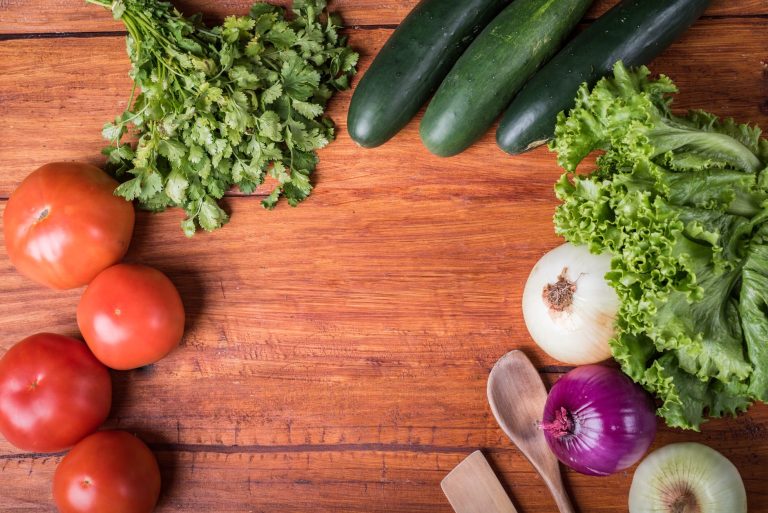
[IMAGE: organic vegetables]
Fiber-Rich Organic Vegetables and Fruits
Fiber is one of the most important nutrients for digestive health. It adds bulk to stool, supports regularity, and helps beneficial bacteria thrive. Organic vegetables and fruits often become the easiest way to increase fiber without dramatically changing your eating style. Cruciferous vegetables such as broccoli, cauliflower, kale, and Brussels sprouts are especially valuable because they offer both fiber and antioxidants. Leafy greens like spinach, arugula, and romaine also provide minerals that support overall nutrition.
For fruit, consider apples, pears, berries, kiwi, and citrus. These choices are naturally sweet, easy to prepare, and rich in compounds that fit beautifully into a clean eating pattern. If you are trying to improve digestion, aim to include at least one fruit and one or two servings of vegetables at every meal. That simple habit can make a major difference.
- Broccoli for fiber and natural detox support
- Spinach for magnesium and easy digestion
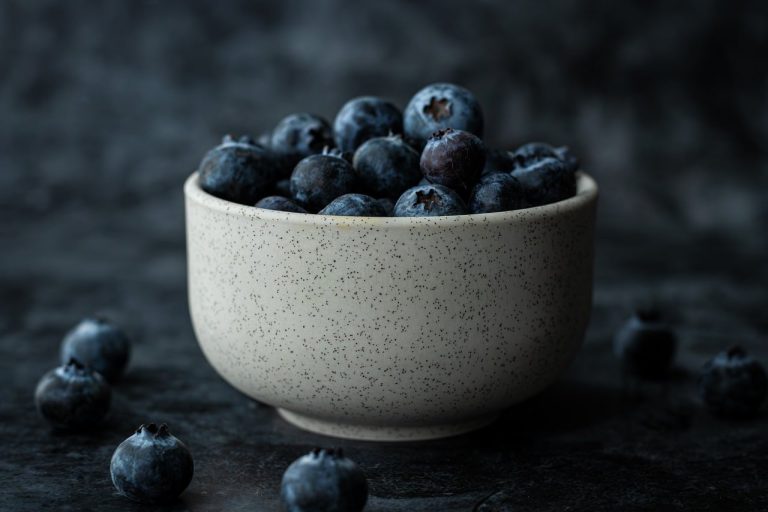
- Blueberries for antioxidants and gentle sweetness
- Apples for pectin, a prebiotic fiber
- Carrots for crunch, color, and gut-friendly variety
Fermented Organic Foods That Feed Beneficial Bacteria
Fermented foods are among the most powerful additions to an organic diet because they contain live cultures that can help diversify the gut microbiome. Yogurt with live cultures, kefir, sauerkraut, kimchi, miso, and tempeh are excellent options. These foods are not a replacement for overall healthy eating, but they can give your digestive system a helpful boost when used consistently.
Start slowly if you are new to fermented foods. A few spoonfuls of sauerkraut or a small serving of kefir may be enough at first. Why begin with a modest amount? Because your gut may need time to adjust, especially if you have been eating a low-fiber or highly processed diet. Small, regular servings tend to work better than dramatic changes.
Prebiotic Foods That Nourish the Gut Microbiome
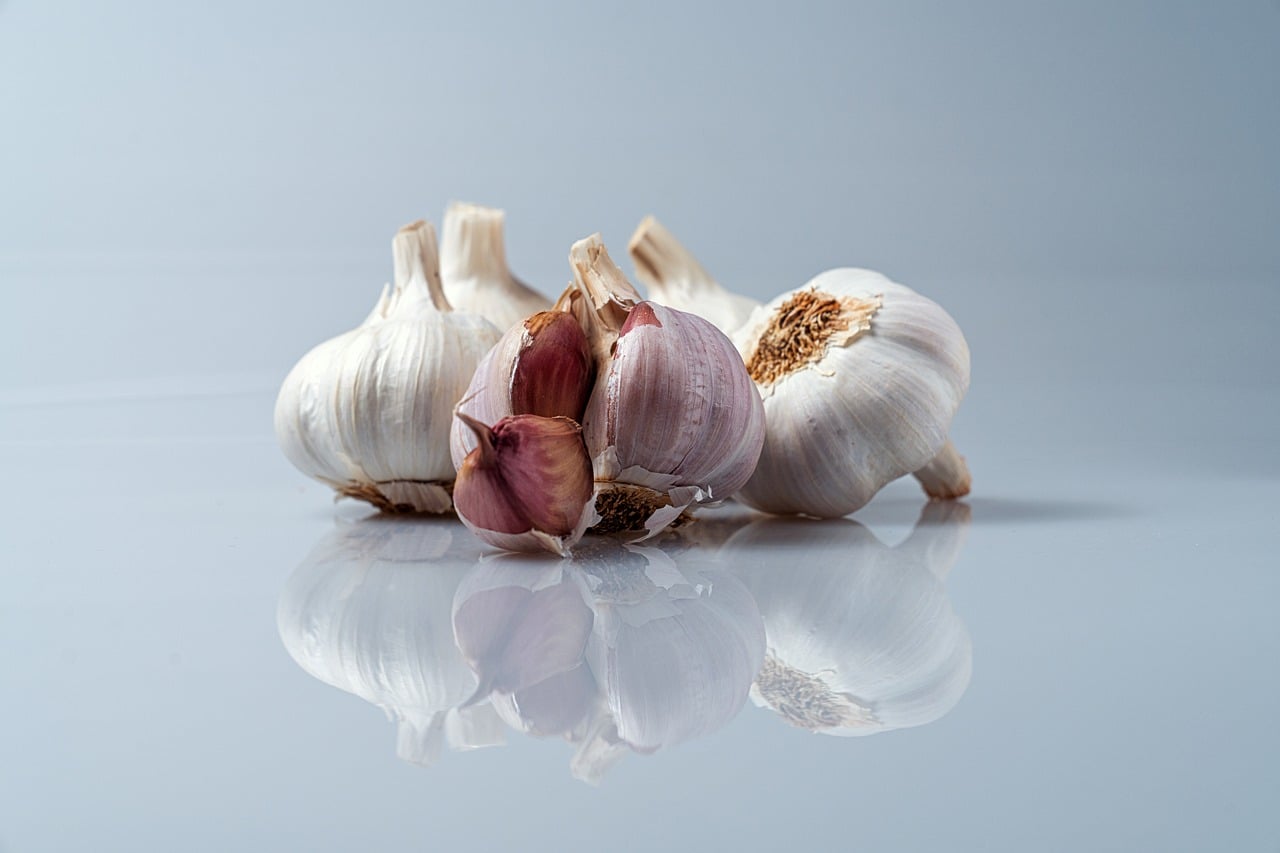
Prebiotics are the fibers and plant compounds that feed beneficial bacteria. Think of them as the fertilizer that helps your microbiome grow stronger. Organic onions, garlic, leeks, asparagus, oats, green bananas, and Jerusalem artichokes are especially useful here. When paired with probiotics from fermented foods, they create a more complete gut-supportive routine.
One practical strategy is to include both prebiotic and probiotic foods in the same day. For example, you might have overnight oats with berries at breakfast, a salad with onions and avocado at lunch, and a dinner featuring miso, garlic, and vegetables. This is a simple way to support digestion without complicating your schedule.
Organic Protein Sources That Support Digestion and Satiety
Protein is often overlooked in gut-health conversations, but it matters for appetite control, metabolism, and tissue repair. Organic eggs, plain Greek yogurt, cottage cheese, tofu, tempeh, lentils, chicken, turkey, and wild fish can all play a role in a balanced plan. The goal is not to eat more protein for the sake of it. The goal is to include enough to help you feel full, stabilize blood sugar, and support your healthy lifestyle goals.
When protein is too low, people often become hungry soon after meals and start reaching for processed snacks. When protein is balanced, meals feel more satisfying, and weight loss tends to feel less forced. That is one of the strongest reasons to build your plate around quality organic food.
Healthy Fats That Soothe and Stabilize
Healthy fats help your body absorb fat-soluble vitamins and can support a calmer digestive rhythm when used in the right amounts. Avocados, olive oil, walnuts, chia seeds, flaxseeds, and small portions of organic nut butters fit well into a clean eating approach. They also add flavor and texture, making it easier to enjoy meals without relying on excess sugar or refined starches.
For some people, too much fat at once can feel heavy. The key is balance. A spoonful of chia in your breakfast, a drizzle of olive oil over vegetables, or a few slices of avocado with lunch can be enough to make your meals more satisfying and nutrient-dense.
How to Build a Gut-Friendly Organic Plate Every Day
The best diet is the one you can repeat without stress. If you want organic food to support your gut health, simplify the way you build meals. A balanced plate does not need to be complicated. It needs fiber, protein, healthy fat, and enough hydration to keep everything moving smoothly. When those pieces are in place, your meals naturally become more supportive of digestion and weight loss.
One of the easiest ways to do this is to use a plate template. Half the plate should come from colorful vegetables, one quarter from protein, and one quarter from slow-digesting carbohydrates or other fiber-rich plants. Add a small amount of healthy fat, and you have a meal that supports both nutrition and satiety.
The Organic Plate Method
- Half the plate: leafy greens, steamed vegetables, roasted cruciferous vegetables, or a fresh salad
- One quarter of the plate: organic protein such as eggs, lentils, tofu, chicken, fish, or yogurt-based dishes
- One quarter of the plate: oats, quinoa, sweet potatoes, brown rice, or other whole-food carbohydrates
- Finishing touch: olive oil, avocado, seeds, or a fermented side dish
This method is especially useful if your goal is weight loss without feeling restricted. It keeps portions intuitive while still giving your gut plenty of nourishment. When meals are satisfying, you are less likely to overeat later in the day. Isn’t that the kind of calm, sustainable structure most people are really looking for?
A Simple Organic Breakfast Formula
Breakfast is often where digestion can either begin well or get thrown off. A gut-friendly organic breakfast should be gentle, filling, and easy to digest. Try combining one source of protein, one source of fiber, and one source of healthy fat. That might look like Greek yogurt with berries and chia seeds, oats cooked with cinnamon and flaxseed, or scrambled organic eggs with spinach and sourdough toast.
If you wake up with a sensitive stomach, avoid starting the day with a heavy sugar load or a giant greasy meal. A lighter breakfast usually supports steadier energy and fewer cravings later on.
Lunch and Dinner Ideas That Keep Digestion Calm
At lunch, focus on color and texture. A large salad with roasted vegetables, lentils, avocado, pumpkin seeds, and a simple olive oil dressing can be incredibly satisfying. For dinner, think warm and grounding: baked salmon with asparagus and sweet potato, tofu stir-fry with ginger and broccoli, or chicken soup with carrots, celery, and herbs. Organic meals do not need to be fancy to be effective. They just need to be real.
Organic Foods That Support Weight Loss Without Extreme Restriction
Weight loss is easier to maintain when your meals support fullness rather than chase short-term calorie cuts. That is where organic food and clean eating can work together beautifully. Instead of focusing only on what to eliminate, focus on foods that help you stay satisfied and consistent. When the gut feels calm and nourished, the body is less likely to drive you toward constant snacking or overeating.
One of the main reasons people regain weight is that their plan was too restrictive to sustain. If you are trying to lose weight while staying healthy, choose foods that naturally work with your appetite. Fiber, protein, water-rich produce, and healthy fats all help reduce the feeling of scarcity. They also support better digestion, which can make your progress feel more comfortable and predictable.
Foods That Help You Feel Full Longer
- Organic oats with berries and seeds
- Vegetable soups with beans or lentils
- Eggs with sautéed greens
- Plain yogurt with cinnamon and walnuts
- Big salads with avocado and lean protein
- Roasted vegetables with quinoa and herbs
These meals have a few things in common: they are nutrient-dense, satisfying, and easy to portion in a balanced way. They also avoid the blood sugar spikes that can make hunger more erratic. If you have ever felt like you were doing everything right but still could not stay on track, this is often the missing piece.
What to Watch for in So-Called Healthy Foods
Not every product labeled organic is automatically helpful for gut health or weight loss. Granola bars, sweetened yogurt, baked snacks, and packaged smoothies can still be loaded with sugar, refined oils, and unnecessary additives. Some organic foods are nutritious, but some are simply organic versions of junk food. That distinction matters.
Check ingredient lists carefully. Ask yourself: Would I recognize these ingredients in my kitchen? Would this food keep me full, or would I be hungry again shortly after? Clean eating works best when you focus on whole foods instead of marketing claims.
A Detox Diet Using Organic Foods, the Smart Way
The phrase detox diet can mean many things, but the healthiest version is not about starving yourself or relying on extreme cleanses. Your body already has detoxification systems built in, especially the liver, kidneys, skin, and gut. What you can do is support those systems with organic food, adequate hydration, fiber, and rest. That is a much more realistic and effective approach than any quick fix.
A smart detox diet is really a reset. It removes some of the common stressors that can burden digestion, such as excess sugar, highly processed snacks, alcohol, and heavily refined meals. In their place, you add clean eating basics: vegetables, fruit, herbs, clean protein, and plenty of fluids. This kind of reset may help you feel lighter, clearer, and more in control without triggering the rebound effect that comes from harsh restrictions.
What to Eat During a Gentle Reset
- Steamed or roasted vegetables with olive oil and herbs
- Soups and broths with organic vegetables and lean protein
- Fresh fruit, especially berries, kiwi, and apples
- Fermented foods in small servings
- Hydrating foods such as cucumber, celery, and leafy greens
- Simple meals with two to four ingredients, not complicated recipes
The goal is not to punish your body. The goal is to make digestion easier so your system can settle and reset. If a detox diet leaves you exhausted, dizzy, or obsessed with food, it is probably too aggressive to be helpful.
What to Reduce for Better Digestive Comfort
For a few days or a week, consider reducing alcohol, added sugar, ultra-processed snacks, fried foods, and overly rich restaurant meals. These can all be part of normal life in moderation, but if you are trying to calm your gut, they may work against you. What happens when you replace them with simple, fiber-rich organic food? Many people notice less bloating, steadier energy, and fewer cravings almost immediately.
[IMAGE: healthy meal]
Common Organic Diet Mistakes That Can Trigger Bloating or Slow Results
Even a well-intentioned clean eating plan can backfire if it is unbalanced. People often think that because a food is organic, they can eat as much of it as they want. Others assume all raw foods are automatically better for digestion. The truth is more nuanced. Gut health depends on the right mix of foods, preparation methods, and consistency.
Eating Too Much Raw Food Too Quickly
Raw vegetables are healthy, but a sudden increase in raw salads, smoothies, and uncooked produce can overwhelm a sensitive digestive system. If you are prone to bloating, try mixing in cooked vegetables as well. Steamed greens, roasted carrots, baked squash, and simple soups are often easier to digest than giant raw bowls all the time.
It may seem counterintuitive, but warm, cooked meals can be especially supportive for people who are new to clean eating. They tend to be gentler on the stomach and more comforting overall.
Not Getting Enough Protein
Many people build their meals around produce but forget protein. Without enough protein, you may feel hungry again quickly, which makes weight loss more difficult. Protein also helps stabilize the body after exercise and keeps your energy more even throughout the day. If your goal is better nutrition, make protein a non-negotiable part of each meal.
Ignoring Hydration and Electrolytes
Fiber cannot do its job properly without water. If you increase vegetables, oats, beans, or seeds but do not drink enough fluids, digestion can slow down. Water, herbal tea, broths, and water-rich produce all matter. A simple habit like starting the morning with a glass of water can help set the tone for better digestion all day long.
Choosing Organic Processed Foods Instead of Real Food
Organic cookies are still cookies. Organic chips are still chips. While some convenience foods can be used occasionally, they should not be the backbone of your diet. If the ingredient list is long and the food is shelf-stable for months, ask whether it truly belongs in a gut-friendly routine. The best organic food is often the least flashy one: vegetables, fruit, herbs, grains, beans, dairy, eggs, and clean protein sources.
A Practical 7-Day Organic Gut-Reset Framework
If you like structure, a simple 7-day framework can help you build momentum without feeling overwhelmed. This is not a strict cleanse. It is a realistic plan for anyone who wants to support digestion, improve nutrition, and make clean eating feel more manageable. The idea is to repeat a few core habits each day while rotating the flavors so the plan stays interesting.
Days 1 and 2: Reset the Basics
Focus on hydration, vegetables, and simple meals. Eat a breakfast that contains protein and fiber. Build lunch and dinner around vegetables and a clean protein source. Keep snacks minimal and only eat them if you are truly hungry. This phase helps calm the digestive system and reduce the noise created by highly processed foods.
Days 3 and 4: Add Variety
Introduce different colors, textures, and fermented foods. Try sauerkraut with lunch, kefir with breakfast, or miso in a soup. Swap leafy greens for cruciferous vegetables or vice versa. Small changes like this can make healthy eating feel less repetitive and help your microbiome encounter a wider range of plant compounds.
Days 5 and 6: Stabilize Energy
Pay attention to how your body responds to different meal timing patterns. Do you feel better with three structured meals, or do you prefer a light snack in the afternoon? The answer is personal. A good organic diet should adapt to your life, not force you into a rigid schedule that creates stress.
Day 7: Review and Repeat What Worked
Notice what helped most. Was it eating more cooked vegetables? Drinking more water? Cutting back on sugar? Adding fermented foods? Weight loss and digestive improvement are easier to maintain when you know which habits make the biggest difference for your body. Use the week as data, not as a test you have to pass.
How Lifestyle Habits Make Nutrition Work Better
Food is powerful, but it is only one piece of the puzzle. Sleep, movement, stress management, and meal pacing all influence how your gut behaves. A healthy lifestyle is not built on one perfect meal. It is built on dozens of small choices that make your body feel safer, calmer, and better supported day after day.
If you eat organic food but sleep poorly, rush through meals, and stay sedentary all day, digestion may still feel off. On the other hand, if you combine clean eating with daily walks, regular sleep, and mindful portions, the effects can be dramatic. This is the kind of sustainable nutrition that feels good enough to keep doing.
[IMAGE: fitness lifestyle]
Walk After Meals When You Can
A short walk after eating can help reduce bloating and support better blood sugar control. You do not need a long workout; even 10 to 15 minutes can be useful. Movement helps the digestive process, and it also supports weight loss by encouraging steady daily activity rather than all-or-nothing exercise habits.
Sleep Is a Gut Health Tool
Most people think of sleep as recovery for the brain, but it also affects appetite hormones, stress response, and digestive regularity. When sleep is poor, cravings tend to increase and meal choices often become less intentional. If you want clean eating to feel easier, start by protecting your sleep as seriously as you protect your grocery list.
Stress Changes the Way Your Gut Feels
High stress can tighten the digestive system and make bloating worse. It can also push people toward mindless eating, especially in the evening. That is why meals are not the only focus of a truly healthy diet. Breathing exercises, quiet breaks, journaling, and a few minutes of stillness before meals can all support better digestion.
When to Pay Closer Attention to Ongoing Digestive Issues
Most occasional bloating or discomfort can improve with better food choices, but persistent symptoms deserve attention. If you regularly experience severe pain, ongoing constipation, diarrhea, unexplained weight loss, blood in stool, or extreme fatigue, it is important to speak with a qualified health professional. Organic food and a healthy diet can support wellness, but they should not be used to ignore possible medical concerns.
Listening to your body is part of clean eating too. The most health-conscious approach is not to guess forever. It is to notice patterns, make thoughtful adjustments, and get support when needed. That kind of care is a sign of wisdom, not weakness.
Frequently Asked Questions About Organic Food and Gut Health
People often have the same questions when they begin exploring gut-friendly organic eating. Is it expensive? Do I need to buy everything organic? What if I am busy? The encouraging answer is that small, strategic changes can still have a big impact. You do not need a perfect kitchen or an unlimited budget to improve your nutrition.
Do I Need to Buy Every Food Organic?
No, and that is important to understand. If your budget is limited, prioritize the foods you eat most often and the produce you use with the peel on. You can also focus on buying organic versions of items that are more likely to be eaten raw or have thinner skins. The goal is to make better choices consistently, not to create financial stress.
Can Organic Food Help With Weight Loss?
It can, especially when it leads you toward more whole foods and fewer processed snacks. Organic food is not a shortcut, but it can make clean eating feel more appealing and more trustworthy. When your meals are built around fiber, protein, and healthy fats, weight loss often becomes easier to sustain because your hunger is more stable.
What If I Have a Sensitive Stomach?
Start gently. Choose cooked vegetables, simple proteins, fermented foods in small amounts, and easy-to-digest starches like oats or sweet potatoes. Avoid overwhelming your system with too much fiber at once. A gradual approach is often the best route to better digestion.
How Soon Will I Notice a Difference?
Some people notice changes in a few days, especially when they reduce processed foods and increase hydration. For others, the improvements are slower and more subtle. What matters most is consistency. Gut health usually improves through repeated habits, not dramatic one-time efforts.
What makes organic eating so effective is not just the ingredients themselves, but the habits they inspire. When you buy more whole foods, cook more often, and pay attention to digestion, you naturally begin to build a healthier relationship with food. That relationship is what keeps weight loss realistic, clean eating enjoyable, and wellness grounded in everyday life rather than in temporary rules.
If you want more expert-backed articles on organic food, clean eating, natural detox diet strategies, and practical nutrition ideas for a healthier lifestyle, keep exploring DietOrganic for more guides that are designed to be both inspiring and genuinely useful.
About the Author