
Photo by Randy Fath on Unsplash
What if the most effective way to support digestion, improve energy, and make weight loss feel less like a battle was not a complicated detox diet, but a return to simple organic food and cleaner daily habits? For many people, the gut is the missing piece in the healthy lifestyle puzzle. When digestion is sluggish, bloating becomes a daily frustration, cravings feel harder to control, and even the healthiest intentions can collapse by mid-afternoon. The good news is that your body often responds beautifully when you feed it the right way.
Organic food is not a magic cure, but it can be a powerful foundation for clean eating, especially when your goal is to calm the digestive system and support sustainable weight loss. The real advantage is not only what you remove from your plate, but what you add back in: fiber, live cultures, phytonutrients, and nourishing meals that help your gut feel safe and balanced. Have you ever noticed how some meals leave you energized and light, while others seem to sit heavy for hours? That difference matters more than most people realize.
This guide explores how organic food supports gut health, which foods deserve a place on your plate, and how to build a healthy diet that feels realistic instead of restrictive. If you are trying to improve digestion, reduce bloating, and create a cleaner relationship with food, you will find practical strategies here that can be used today, not someday.
Why Gut Health Matters More Than Most Diet Trends Admit
The gut is not just a place where food is broken down. It is a complex ecosystem that influences immunity, mood, inflammation, nutrient absorption, appetite, and even how your body stores energy. That is why so many people chasing weight loss eventually discover that eating less is not the answer if the digestive system is under stress. A healthier gut can help food move more efficiently, reduce discomfort, and make nutritious meals feel more satisfying.
When your gut is supported, you often notice changes that go beyond digestion. Energy can stabilize. Sugar cravings may soften. Your skin might appear calmer. Sleep can improve. These benefits happen because the gut communicates with the rest of the body constantly. In other words, clean eating is not only about looking disciplined; it is about helping your body function with less friction.
What the gut microbiome actually does
Your gut microbiome is the community of bacteria and other microorganisms that live in your digestive tract. Some help break down fiber into beneficial compounds. Others assist with vitamin production, immune regulation, and the maintenance of the gut lining. A diverse microbiome tends to perform better than one that is overfed by sugar and ultra-processed food.
When the microbiome becomes imbalanced, the effects can show up in subtle ways first: more bloating, irregular bowel movements, stronger food cravings, less stable energy, or a feeling that every meal seems to trigger discomfort. None of this means something is wrong forever. It often means your digestive system needs more consistent support from nutrient-dense, organic food and less interference from additives, excess sugar, and heavy processing.
Why organic food can be a smart choice for digestion
Organic food is often praised for its lower pesticide exposure and cleaner farming standards, but the digestive benefits go deeper than that. Organic produce is frequently fresher, more flavorful, and easier to incorporate into meals that emphasize whole ingredients. When people switch to a cleaner eating pattern, they usually stop relying on packaged foods that are low in fiber and high in sodium, preservatives, and added sugars.
That shift alone can be transformative. More vegetables, fruit, legumes, seeds, and minimally processed proteins means more nutrients for the gut to work with. For some people, choosing organic also reduces the concern that they are adding one more layer of chemical exposure to an already stressed system. While organic food is not the only route to good health, it can make a clean eating routine feel more intentional and sustainable.
- Organic produce often fits naturally into a whole-food, fiber-rich diet.
- Cleaner ingredient lists make it easier to spot and avoid digestive triggers.
- Better meal quality can support steadier energy and fewer cravings.
- Choosing organic can help many people feel more confident about their healthy lifestyle choices.
The Best Organic Foods for a Happier Gut
If you want a healthier digestive system, the goal is not to eat perfectly. The goal is to create meals that nourish beneficial bacteria, reduce irritation, and keep digestion moving comfortably. That means prioritizing a mix of fiber, hydration, probiotics, prebiotics, and balanced macronutrients. The list below highlights some of the best organic food options for gut health and weight loss support.
Fermented foods that deliver live cultures
Fermented foods are among the most valuable additions to a clean eating plan because they introduce beneficial microbes and help diversify the gut environment. Many people think of them as a niche wellness trend, but they have been part of traditional diets for centuries. If you are wondering what food can be both practical and powerful for digestion, this is a strong place to start.
Try these organic fermented foods
Organic yogurt with live cultures can provide protein and probiotics in a convenient form. Kefir, which is thinner and tangier, is another option if you want something drinkable and easy to digest. Sauerkraut, kimchi, and fermented pickles can add variety and flavor to meals without relying on heavy sauces or sugary condiments. Miso and tempeh are excellent choices for plant-based eaters who want more fermentation in their routine.
Start small if your digestive system is sensitive. A tablespoon of sauerkraut or a half cup of yogurt may be enough at first. Why push your gut too hard when consistency matters more than quantity? Small daily portions often work better than dramatic changes.
- Choose unsweetened organic yogurt to avoid unnecessary sugar.
- Look for fermented foods with live and active cultures.
- Add them to meals gradually to monitor your comfort level.
Fiber-rich produce that feeds beneficial bacteria
Fiber is one of the most important nutrients for gut health, yet many modern diets fall short. When you eat organic food that is rich in fiber, you provide fuel for beneficial bacteria and support regular digestion. Fiber also helps increase satiety, which can be a major advantage for people trying to manage weight loss without feeling deprived.
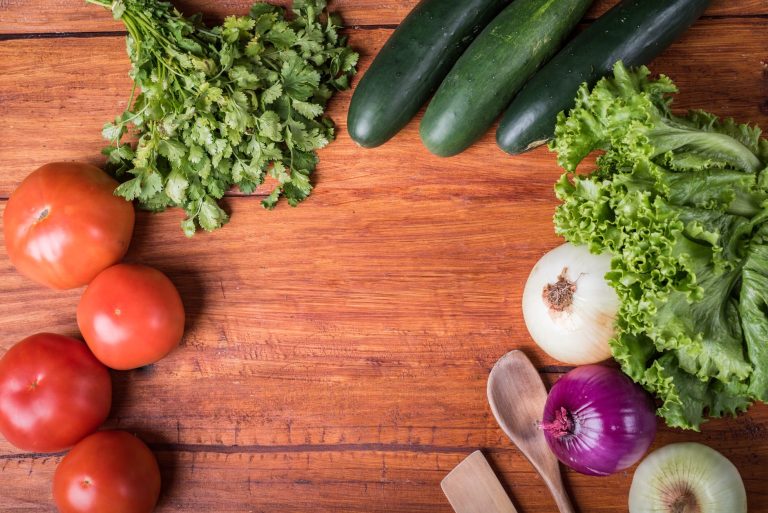
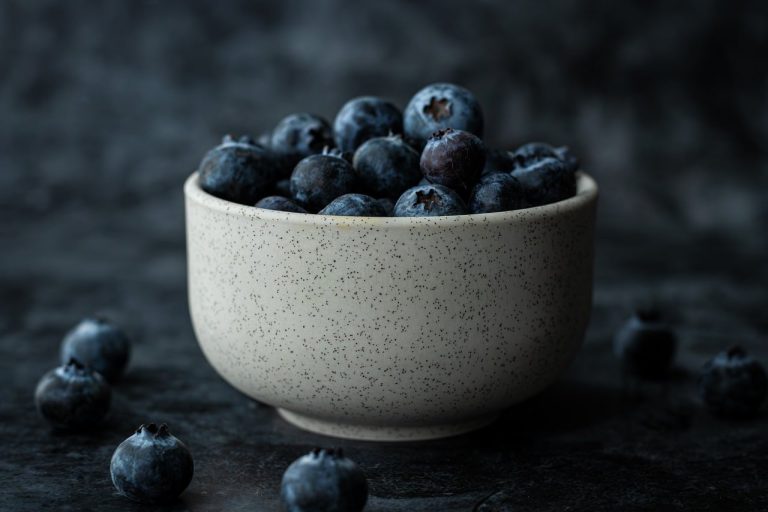
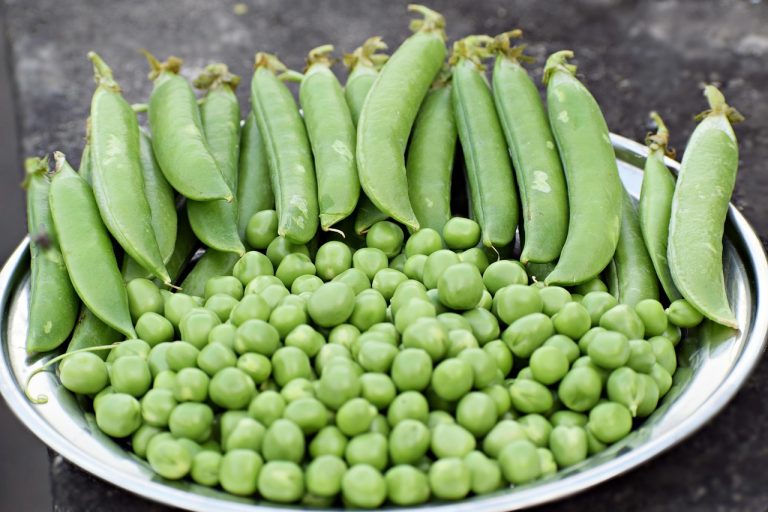
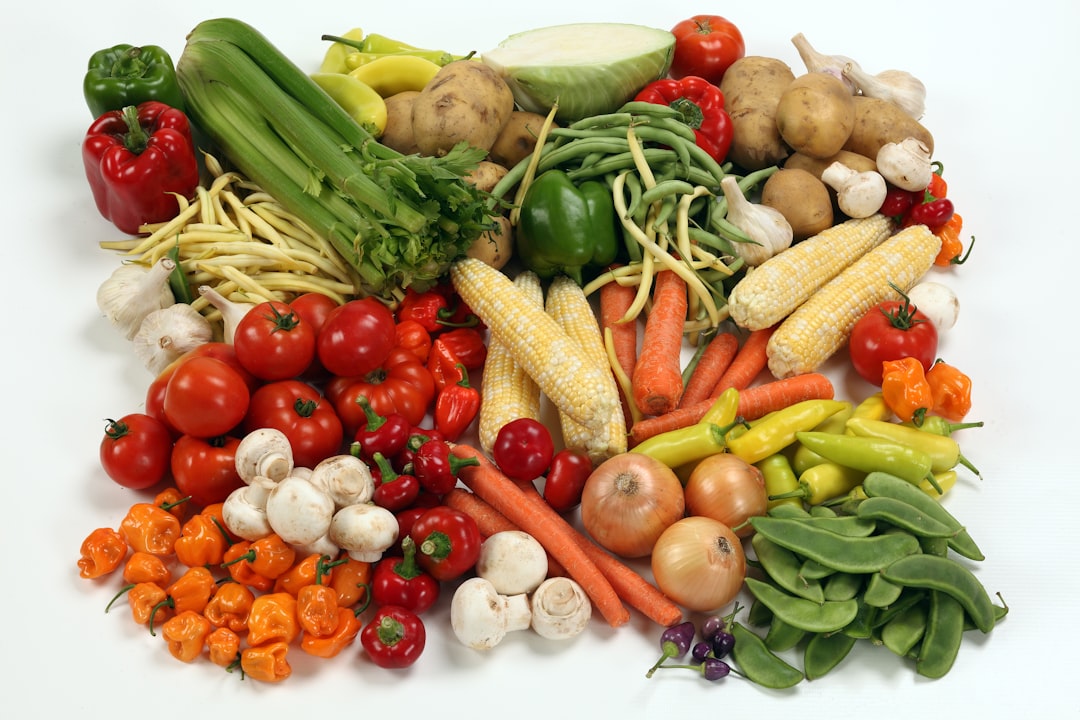
Some of the best options include berries, apples, pears, leafy greens, broccoli, carrots, Brussels sprouts, sweet potatoes, oats, chia seeds, flaxseed, beans, and lentils. These foods do more than fill your stomach; they help regulate blood sugar, support bowel regularity, and contribute to a healthier gut lining.
[IMAGE: organic vegetables]
Think about the difference between a lunch built around refined carbs and one built around vegetables, legumes, and seeds. One may leave you looking for a snack an hour later, while the other keeps digestion steady and hunger under control. That is why clean eating is not about punishment. It is about choosing foods that work with your body rather than against it.
- Berries provide fiber and antioxidants with a naturally low sugar load.
- Leafy greens support mineral intake and gentle digestion.
- Legumes offer a combination of fiber and plant-based protein.
- Chia and flax can be added to smoothies, yogurt, or oatmeal for extra digestive support.
Healthy fats and proteins that help meals feel complete
Many people focus so much on vegetables that they forget about protein and healthy fats. Yet a gut-friendly meal is usually a balanced one. Protein helps maintain muscle while supporting satiety, and healthy fats slow digestion just enough to keep energy stable. When meals are too light or too carb-heavy, cravings often follow.
Organic eggs, plain Greek yogurt, wild-caught fish, tofu, tempeh, avocados, walnuts, pumpkin seeds, and olive oil are all strong choices. They work especially well when combined with vegetables and high-fiber carbs. In practice, this means a salad with salmon and avocado, oats with chia and yogurt, or roasted vegetables served with lentils and olive oil.
How Gut Health and Weight Loss Work Together
Gut health and weight loss are deeply connected, but not in the simplistic way diet ads often suggest. You do not need to starve yourself or chase the latest detox diet to see progress. In many cases, the body responds better to balanced meals, fewer irritants, and a more stable digestive rhythm. Why fight your metabolism when you can support it?
When digestion improves, several things can happen at once. Bloating may decrease, so you feel lighter. Nutrient absorption may improve, so your body can actually use the food you eat. Cravings may become more manageable, so you are less likely to overeat in response to stress or fatigue. These are not glamorous transformations, but they are the ones that last.
Blood sugar balance reduces cravings
One of the most overlooked drivers of weight gain is unstable blood sugar. When meals are built around refined grains, sweet drinks, and low-fiber snacks, blood sugar can rise quickly and then crash. The result is familiar: energy dips, irritability, and a sudden urge for something sweet or salty. Organic food does not automatically solve this, but clean eating patterns often make it much easier to keep blood sugar steady.
To support stable energy, combine protein, fiber, and healthy fats at most meals. For example, organic oatmeal with chia and almond butter will generally keep you fuller than plain toast with jam. A vegetable-rich lunch with lentils and olive oil is likely to support you longer than a white pasta bowl with minimal protein. Small changes add up.
Bloating and inflammation can mask progress
Sometimes people think they are not losing weight when what they are actually experiencing is inflammation, water retention, or digestive sluggishness. A food plan high in processed ingredients can make the abdomen feel swollen and uncomfortable even when calorie intake is moderate. That can be discouraging, especially when you are trying to build confidence through healthier habits.
Cleaner meals, especially those centered on organic food, often reduce the variables that make bloating worse. Less sodium, fewer additives, more whole ingredients, and better hydration all support a calmer digestive process. If you have ever wondered why a wholesome meal feels better than a supposedly light packaged snack, this is usually why.
Satiety is one of the most practical weight loss tools
Satiety matters because it determines whether your healthy diet is easy to maintain. A meal that leaves you satisfied helps prevent grazing, bingeing, and mindless snacking. Gut-friendly foods, especially those rich in fiber and protein, are naturally more satiating than refined foods that digest quickly.
Think of weight loss less as a problem of willpower and more as a question of meal design. Are you eating foods that calm hunger or trigger more hunger? Are you using organic food to build meals that sustain you, or are you relying on foods that look healthy but leave you searching the pantry an hour later?
[IMAGE: healthy meal]
How to Build a Clean Eating Plate That Supports Digestion
A gut-friendly plate does not need to be complicated. In fact, simplicity often works better because it is easier to repeat. The following framework can help you turn the idea of clean eating into a realistic daily habit rather than a short-lived experiment.
Use a simple plate formula
Try building most meals with three core components: fiber-rich plants, a quality protein source, and a source of healthy fat. This combination supports digestion, blood sugar balance, and fullness. When possible, choose organic food for the items you eat most often, especially produce that you consume raw or in large amounts.
- Half the plate: organic vegetables or leafy greens
- One quarter: protein such as eggs, fish, tofu, yogurt, or legumes
- One quarter: whole carbs like quinoa, oats, sweet potato, or brown rice
- Addition: healthy fats such as olive oil, avocado, seeds, or nuts
This structure is flexible enough for breakfast, lunch, or dinner. A breakfast bowl of yogurt, berries, chia seeds, and oats fits the model. So does a lunch salad with chicken, avocado, and quinoa. Even a dinner of roasted vegetables, salmon, and lentils can follow the same logic.
Foods to limit if you want a calmer gut
Not every food needs to disappear from your life, but some categories are worth reducing if your goal is better digestion and more consistent energy. Ultra-processed snacks, sugary drinks, heavy fried foods, and packaged desserts can be difficult for the gut to handle in excess. Artificial sweeteners can also cause discomfort for some people, even when the product is marketed as diet-friendly.
Alcohol is another common issue. A glass now and then may fit many lifestyles, but frequent drinking can irritate the digestive tract and interfere with sleep, hydration, and appetite regulation. If you are trying to improve digestion and support weight loss, it is worth asking: is this food helping me feel better, or just helping me get through the moment?
- Limit packaged snacks made with long ingredient lists.
- Reduce added sugar, especially in drinks and breakfast foods.
- Watch how your body responds to highly processed dairy alternatives or sugar alcohols.
- Pay attention to portion sizes with calorie-dense convenience foods.
Do you need a detox diet?
The word detox diet gets attention because it sounds dramatic, but your body already has built-in detoxification systems through the liver, kidneys, skin, and digestive tract. Rather than forcing your body into an extreme cleanse, a more intelligent approach is to support those natural systems with organic food, hydration, fiber, sleep, and movement. That is where real renewal happens.
Short-term cleanses may create a feeling of reset, but they rarely teach sustainable habits. If you want long-term results, focus on daily behaviors that improve digestion without creating stress. A clean eating routine is more effective than a punishing reset because it can become part of your healthy lifestyle, not just a temporary fix.
A Practical Day of Organic Eating for Gut Support
Sometimes the best way to understand a healthy diet is to see what it looks like in real life. Rather than strict rules, imagine a day built around comfort, nourishment, and digestive balance. The goal here is not perfection. The goal is to show how organic food can fit naturally into a day that supports energy and weight loss without feeling extreme.
Breakfast
A bowl of organic Greek yogurt with blueberries, chia seeds, ground flaxseed, and a spoonful of oats offers protein, fiber, and probiotics in one easy meal. If you prefer warm breakfast options, try oatmeal topped with walnuts, cinnamon, and sliced pears. Both choices help feed the gut and keep you full enough to avoid a mid-morning crash.
Lunch
Build a colorful salad with mixed greens, cucumbers, carrots, chickpeas, avocado, pumpkin seeds, and olive oil with lemon. Add grilled organic chicken, tofu, or salmon if you want extra protein. This kind of meal feels light without being unsatisfying. It supports digestion while providing enough nutrients to carry you through the afternoon.
Snack
If you need something between meals, choose an option that respects your appetite instead of fighting it. Apple slices with almond butter, kefir, carrot sticks with hummus, or a handful of walnuts can be a better choice than a packaged bar that looks healthy but is mostly sugar and additives.
Dinner
Roasted organic vegetables with lentils, brown rice, and tahini dressing can be deeply comforting and easy on the digestive system. If you eat animal protein, salmon with asparagus and sweet potato is another excellent combination. Gentle cooking methods such as roasting, steaming, or simmering are often easier on digestion than heavy frying.
Evening habit
Finish the day with water, herbal tea, or a calm walk instead of a late-night binge on ultra-processed snacks. Small nighttime habits influence digestion more than most people realize. The gut likes routine, and your body often responds best when meals are spaced reasonably and sleep is protected.
Meal Prep Strategies That Make Clean Eating Easier
Many people know what healthy eating looks like in theory, but they struggle with execution. That is where meal prep becomes essential. If your kitchen is stocked with ready-to-eat organic food, clean eating stops feeling like a chore and starts feeling like the easiest option.
Prep ingredients, not just full meals
You do not need to spend Sunday assembling seven identical containers. Sometimes it is smarter to prep building blocks: washed greens, chopped vegetables, cooked grains, roasted sweet potatoes, hard-boiled eggs, and a batch of lentils or chicken. This gives you freedom during the week while reducing the chance of ordering takeout because there is nothing ready to eat.
Keep your digestion in mind when prepping
Not every gut prefers the same texture or temperature. Some people digest cooked vegetables more easily than raw ones. Others do better with smoothies in the morning and warm meals later in the day. Pay attention to your own responses. The best clean eating strategy is the one your body can actually tolerate and enjoy.
- Roast a tray of mixed organic vegetables twice a week.
- Cook a grain such as quinoa or brown rice in advance.
- Prepare one fermented food to use as a topping or side.
- Keep a simple protein ready in the fridge for fast meals.
Stock your pantry for real-life success
A gut-friendly pantry makes a huge difference. When you are hungry and busy, convenience usually wins. If the easiest options at home are organic oatmeal, nuts, canned beans, tuna, olive oil, and spices, your food choices will automatically improve. If the pantry is full of crackers, sweets, and snack foods, even the most motivated person can drift off course.
Choose foods that can be combined into meals quickly. That way, your healthy lifestyle is supported by your environment rather than your willpower alone.
Organic Food on a Budget: Is It Possible?
One of the biggest myths about organic food is that it is only for people with unlimited grocery budgets. In reality, a smart approach can make organic eating accessible. You do not need to buy everything organic to create a meaningful shift in nutrition. The key is to prioritize strategically.
Start with the foods you eat most often and the produce you eat raw. For many households, that means leafy greens, berries, apples, carrots, and certain salad ingredients. Then move toward organic versions of staples you use regularly, such as eggs, yogurt, oats, or nut butter, if they fit your budget.
Where to save and where to splurge
Buying frozen organic vegetables can be a smart compromise because they are often affordable, convenient, and harvested at peak ripeness. Canned organic beans and tomatoes can also stretch your grocery dollars. On the other hand, heavily processed organic cookies or chips are not the best place to invest your budget if your goal is gut health.
- Prioritize organic versions of the foods you eat daily.
- Use frozen organic produce to reduce waste and cost.
- Buy store-brand organic staples when available.
- Focus on quality ingredients, not just the organic label.
Is organic always better?
Organic is often an excellent choice, but not every non-organic food is harmful. A balanced perspective matters. The most important thing is eating more whole foods, more plants, and fewer ultra-processed products. Organic food can strengthen that foundation, but your overall pattern matters more than any single item. A healthy diet built from mostly whole ingredients will usually do far more for your digestion than a perfectly organic but overly processed menu.
Lifestyle Habits That Multiply the Benefits of Clean Eating
Food is the foundation, but it is not the whole story. Digestion is influenced by sleep, stress, movement, hydration, and meal timing. If you only change your food but ignore the rest of your lifestyle, you may not see the results you want. Why stop at the plate if the rest of the day is working against you?
Hydration matters more than people think
Water helps move food through the digestive tract and supports the formation of healthy stool. Many people confuse thirst with hunger, leading to unnecessary snacking. A simple habit like drinking water before meals can support portion awareness and digestion at the same time. Herbal teas, cucumber water, and mineral-rich broths can also help you stay hydrated in a way that feels pleasant rather than forced.
Stress can disrupt even the best diet
The gut and brain are closely linked, which is why stress often shows up as stomach discomfort, appetite changes, or cravings. If your life is running at full speed, even the best organic food plan may struggle to compensate. Simple relaxation practices such as walking, stretching, breathing exercises, or taking a screen break before meals can improve digestion more than people expect.
Movement supports digestion and metabolism
Regular movement helps keep the digestive system active and may also support healthy blood sugar management. You do not need intense training to benefit. A short walk after meals can reduce the feeling of heaviness and support better energy. Resistance training and moderate cardio can also contribute to weight loss by improving muscle mass and metabolic health.
[IMAGE: fitness lifestyle]
Sleep is a digestive tool
When sleep is poor, hunger hormones can become harder to regulate, and cravings often increase. That is one reason people can follow a healthy diet all day and then lose control at night. Protecting sleep is not a luxury; it is part of nutrition. A calmer evening routine, fewer late-night snacks, and a consistent bedtime can help your gut and metabolism work more predictably.
Common Mistakes People Make When Eating for Gut Health
Even a great intention can go off track if the approach is too aggressive or too narrow. The most successful clean eating plans are the ones that support digestion without creating stress, boredom, or nutritional gaps. Here are some common mistakes to avoid.
Changing too much too quickly
If you suddenly triple your fiber intake, your gut may rebel. More is not always better in the short term. Increase beans, greens, and seeds gradually so your digestive system has time to adjust. This makes the process more comfortable and far more sustainable.
Relying on raw vegetables only
Raw vegetables are healthy, but too much raw food can feel harsh for some people, especially if digestion is already sensitive. Cooked vegetables can be gentler and just as nourishing. A blend of raw and cooked produce is often ideal.
Ignoring protein
A clean eating diet built mostly on vegetables and smoothies may look healthy but still leave you hungry. Without enough protein, weight loss can become harder because appetite becomes more difficult to manage. Make sure every major meal has a meaningful protein source.
Assuming every gut reacts the same way
There is no universal perfect food list. Some people thrive on yogurt, while others feel better with plant-based fermented foods. Some do well with oats, while others prefer eggs and sweet potatoes in the morning. The best way to learn is to pay attention. What meals make you feel calm, clear, and satisfied? That is the real question.
Using a detox diet as a shortcut
Extreme detox plans can create temporary novelty, but they rarely build a healthy lifestyle. Your gut needs consistency, not punishment. A steady pattern of organic food, clean eating, hydration, and mindful portions will typically outperform any severe cleanse over time.
How to Stay Consistent Without Feeling Restrained
Consistency comes from designing a routine you can live with on a busy Tuesday, not just on a motivated Monday. The most effective organic food plans are flexible enough to handle work, travel, social events, and ordinary cravings. If a plan requires perfection, it usually fails.
One useful strategy is to build anchor meals. These are a few go-to options you can repeat when life gets busy. Maybe it is yogurt with fruit and seeds for breakfast, a big salad with protein for lunch, and roasted vegetables with salmon or tofu for dinner. When you have anchors, you can vary the details without losing direction.
Ask yourself better questions
Instead of asking, Can I never eat my favorite foods again? ask, How can I make my favorite foods support my gut more often? Instead of asking, What is the fastest detox diet? ask, What habits will help my digestion feel better in a month? These questions shift your mindset from restriction to strategy, which is where long-term change begins.
Clean eating becomes much easier when it feels like self-respect rather than self-denial. That emotional shift matters because habits are not driven by logic alone. They are driven by how sustainable and satisfying the routine feels in daily life.
And if you are still wondering whether organic food is worth the effort, consider this: when your meals are built from ingredients that are fresher, simpler, and more nourishing, your body usually tells you. Energy feels steadier. Digestion feels calmer. Cravings become less chaotic. The process may not be dramatic, but it is often deeply noticeable.
If you want to keep improving your healthy lifestyle, explore more expert articles on DietOrganic for practical ideas that make organic food, clean eating, and sustainable weight loss feel refreshingly simple.
About the Author