
Photo by Mondgesicht on Pixabay
If you have ever stood in the produce aisle wondering which organic food choices actually help with weight loss, you are not alone. The modern wellness world is full of promises, trends, and quick fixes, but clean eating still comes down to a few timeless principles: choose real food, build balanced meals, and make nutrition work with your lifestyle rather than against it. That is exactly where organic food can shine. When you focus on high-quality ingredients, you make it easier to support healthy digestion, steady energy, and long-term weight management without feeling deprived.
This guide is designed for readers who want a practical, realistic path to a healthy diet. No dramatic rules. No confusing fads. Just a clear look at the best organic foods for weight loss, how to use them, and why they can make a meaningful difference in your healthy lifestyle. Whether you are starting a detox diet, trying to improve clean eating habits, or simply looking for a smarter grocery list, the strategies below will help you build meals that feel satisfying and sustainable.
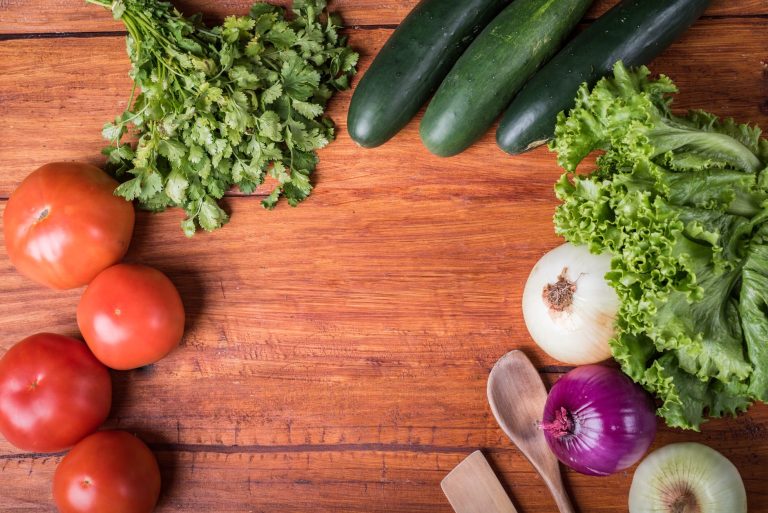
[IMAGE: organic vegetables]
Why organic food can support weight loss
Organic food is not a magical shortcut to a smaller waistline, but it can make healthy choices easier to maintain. When a diet is centered on minimally processed ingredients, it often becomes naturally lower in added sugar, excess sodium, and empty calories. That matters because weight loss is rarely about one single food. It is about the overall quality of your nutrition, your appetite control, and how consistently you can follow a healthy lifestyle.
Many organic foods are rich in fiber, water, vitamins, minerals, and plant compounds that help you feel full on fewer calories. Think about the difference between a bag of sweetened cereal and a bowl of organic oats topped with berries and chia seeds. One may spike hunger shortly after breakfast, while the other offers slow-release energy and more satiety. Which one do you think makes clean eating feel easier at noon?
Organic food can also help people become more intentional about what they eat. When you buy fresher produce, lean proteins, and wholesome pantry staples, you often end up cooking more at home. That simple habit can support weight loss better than any restrictive detox diet ever could, because home-cooked meals are easier to control in terms of portions, ingredients, and preparation methods.
The best organic foods for weight loss
Not every organic product is automatically a weight-loss food. Organic cookies are still cookies. Organic chips are still chips. The real advantage comes from choosing nutrient-dense foods that help you stay full, support metabolism, and keep cravings under control. If your goal is clean eating, these are the organic food categories worth prioritizing.
1. Leafy greens and cruciferous vegetables
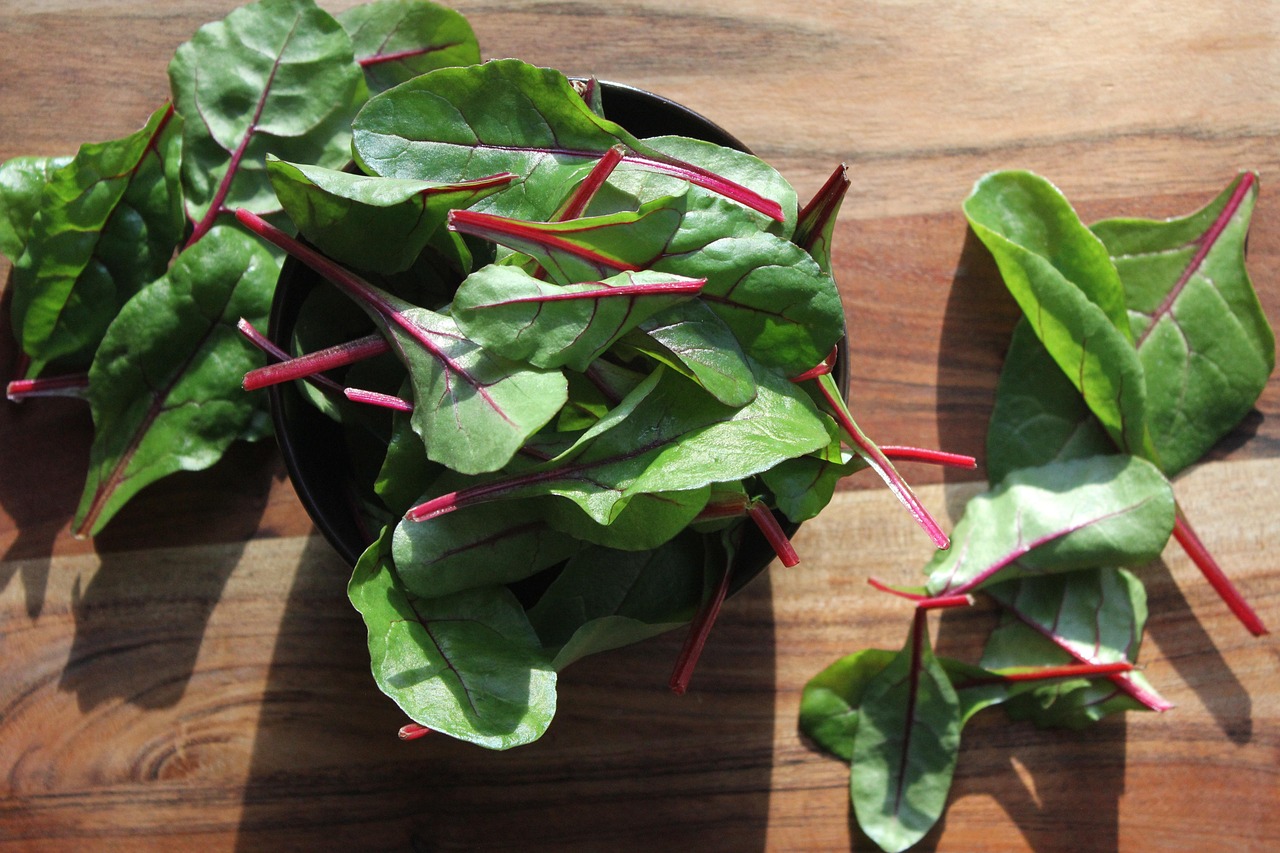
Leafy greens are some of the most reliable foods for weight loss because they are low in calories, high in fiber, and packed with nutrients. Organic spinach, kale, arugula, romaine, and Swiss chard can add bulk to meals without adding much energy density. That means you can eat a generous portion and still stay on track with your healthy diet.
Cruciferous vegetables like broccoli, cauliflower, cabbage, and Brussels sprouts deserve just as much attention. They are filling, versatile, and excellent for meal prep. Roasted cauliflower with olive oil and herbs can replace heavier starches. Broccoli can anchor a stir-fry. A kale salad with avocado and seeds can become a complete lunch. [IMAGE: healthy meal]
Why do these vegetables matter so much? Because weight loss gets easier when your plate is full of volume and nutrients rather than processed emptiness. A large salad with protein can satisfy you in a way that a small, packaged snack never will.
2. Berries and other low-sugar fruits
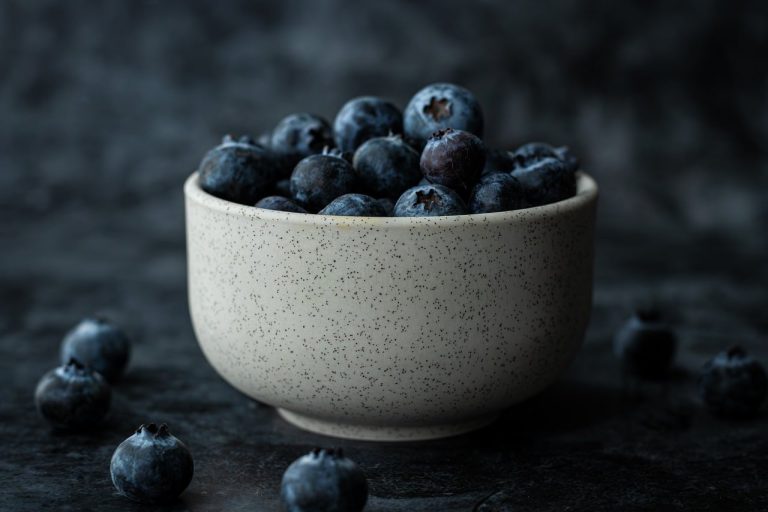
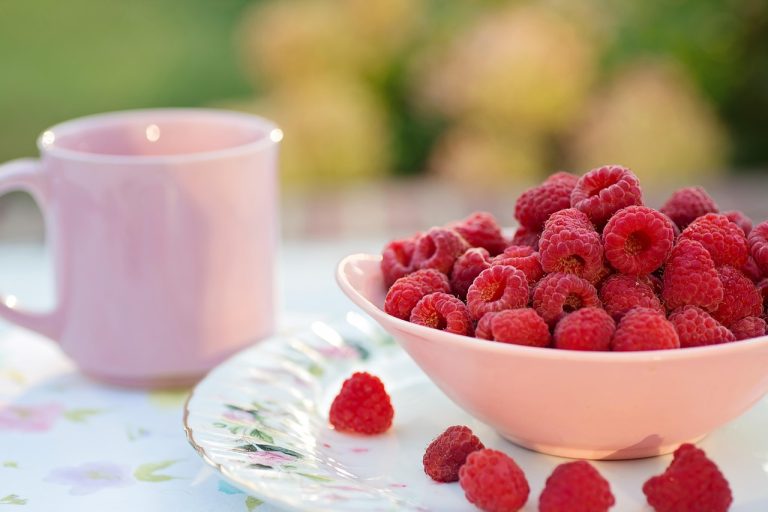
Fruit belongs in a balanced healthy lifestyle, especially when you choose fiber-rich options that are naturally lower in sugar. Organic berries such as blueberries, strawberries, raspberries, and blackberries are excellent for clean eating because they deliver antioxidants and sweetness without overwhelming your daily calorie budget.
Apples, pears, kiwi, grapefruit, and citrus fruits are also strong choices. They travel well, pair easily with protein, and offer a refreshing option when you want something sweet but still aligned with weight loss. The fiber in whole fruit can slow digestion and help reduce the urge to snack constantly.
If you are building a detox diet or trying to break free from sugary habits, fruit can be a gentle transition food. Instead of reaching for desserts or ultra-processed snacks, try organic berries over Greek yogurt or apple slices with almond butter. Would that feel more satisfying than a packaged treat? For many people, the answer is yes.
3. Lean organic proteins
Protein plays a critical role in a healthy diet because it helps with satiety, preserves lean muscle, and supports stable energy throughout the day. Organic protein sources can include eggs, chicken breast, turkey, plain Greek yogurt, cottage cheese, tofu, tempeh, lentils, beans, and fish where appropriate. If your goal is fat loss, protein should be a non-negotiable part of every major meal.
A breakfast with organic eggs and greens can keep you full far longer than a pastry. A lunch salad with grilled chicken and chickpeas can prevent the afternoon crash. A dinner with baked salmon, vegetables, and quinoa can support both recovery and appetite control.
Protein also becomes especially important when you are increasing activity. If you want your healthy lifestyle to include exercise, protein helps you feel stronger and more resilient. That is one reason organic food and fitness often work well together: the right foods help you sustain the habits that make results possible.
4. High-fiber whole grains
Weight loss does not require eliminating grains, especially if you choose them wisely. Organic oats, quinoa, brown rice, buckwheat, barley, and farro can all fit into a clean eating plan. The key is portion size and pairing. Whole grains are most helpful when they are combined with vegetables, protein, and healthy fats rather than served alone in oversized portions.
Oats are particularly useful for breakfast because they digest slowly and support stable blood sugar. Quinoa is a strong lunch or dinner base because it provides protein as well as complex carbohydrates. Brown rice can support meal prep when paired with lean proteins and roasted vegetables. These foods do not cause weight gain on their own; the issue is usually total intake, not the ingredient itself.
5. Healthy fats that promote satiety
It may seem counterintuitive, but healthy fats can be a powerful tool for weight loss. Organic avocados, nuts, seeds, olives, olive oil, chia seeds, flaxseeds, and nut butters can make meals more satisfying and help you avoid mindless snacking. When used thoughtfully, they support a more stable appetite and a calmer relationship with food.
A small amount goes a long way. A tablespoon of chia seeds in a smoothie, a few slices of avocado in a grain bowl, or a drizzle of olive oil over roasted vegetables can improve both taste and fullness. The goal is not to avoid fat. The goal is to use the right fats in the right amounts so your clean eating plan feels nourishing rather than restrictive.
6. Fermented foods for digestion
Healthy digestion is an underrated part of weight loss. If your gut feels sluggish, bloated, or out of balance, even the best food choices may not feel effective. Organic fermented foods such as plain yogurt, kefir, sauerkraut, kimchi, and miso can support digestive comfort and help you feel better overall.
These foods are not a cure-all, but they can be a smart addition to a healthy lifestyle. Pair a spoonful of sauerkraut with a grain bowl. Add kefir to a smoothie. Use miso in a light soup with vegetables and tofu. Small habits often matter more than dramatic changes.
How to build a weight-loss plate with organic food
One of the easiest ways to make clean eating sustainable is to stop thinking in terms of forbidden foods and start thinking in terms of plate structure. A balanced plate can help you manage hunger, stabilize energy, and avoid overeating. The formula is simple: build around protein, add vegetables, include smart carbs, and finish with a measured amount of healthy fat.
The balanced plate method
Use this framework as a starting point for lunch and dinner:
- Half of the plate: organic vegetables, especially leafy greens or non-starchy varieties
- One quarter of the plate: lean organic protein
- One quarter of the plate: whole grains or starchy vegetables
- Small amount: healthy fats such as avocado, olive oil, nuts, or seeds
For example, you might build a plate with roasted broccoli, grilled chicken, quinoa, and a light olive oil dressing. Or perhaps a tofu stir-fry with cabbage, carrots, brown rice, and sesame seeds. Which feels more satisfying: a random snack later, or a meal that actually keeps you full?
Smart breakfast ideas
Breakfast can set the tone for the entire day. If you want a healthy diet that supports weight loss, aim for protein, fiber, and slow-digesting carbohydrates early in the day. That does not mean eating a large meal if you are not hungry. It means choosing something that supports energy instead of triggering a sugar crash.
- Organic oats with berries, chia seeds, and cinnamon
- Scrambled organic eggs with spinach and tomatoes
- Greek yogurt with walnuts, flaxseeds, and sliced strawberries
- Tofu scramble with peppers, onions, and mushrooms
These meals are simple, nutrient-rich, and easy to prepare. They also work well if your goal is to reduce grazing later in the morning. A strong breakfast can make clean eating much easier than relying on caffeine alone.
Lunch and dinner ideas that keep you full
Lunch and dinner should support both satisfaction and recovery. If you skip protein or rely too heavily on refined carbs, cravings often return quickly. A weight-loss meal should leave you pleasantly full, not stuffed and not searching the pantry an hour later.
- Big salad with mixed greens, grilled chicken, avocado, cucumber, and pumpkin seeds
- Roasted vegetables with salmon and quinoa
- Lentil bowl with kale, tomatoes, olive oil, and lemon
- Turkey lettuce wraps with shredded carrots and brown rice on the side
Notice how these meals are built. They are colorful, varied, and practical. They also reflect the principles of a detox diet without becoming extreme. You are feeding your body well, not punishing it.
Organic snacks that support healthy weight loss
Snacking itself is not the problem. Random snacking is. If you prepare organic snacks that combine protein, fiber, and healthy fat, you can stay energized between meals without derailing your progress. The best snacks are the ones that prevent a crash and make you feel in control.
Here are a few smart options:
- Apple slices with almond butter
- Carrot sticks with hummus
- Boiled organic eggs with sea salt
- Plain yogurt with berries
- Handful of almonds and pumpkin seeds
- Cucumber slices with guacamole
- Roasted chickpeas with paprika
Ask yourself: are you hungry, or are you simply bored, stressed, or tired? That question can make a huge difference in how often you snack. A truly healthy lifestyle is not just about what you eat, but why you eat it.
Foods that help curb cravings naturally
Cravings are often a sign that meals are unbalanced, sleep is poor, stress is high, or too many refined foods have crowded out real nutrition. Organic food can help, but only if you choose ingredients that genuinely support appetite control.
Focus on these craving-reducing foods
- Oats for a slow-release breakfast
- Eggs and yogurt for protein-rich satiety
- Avocados for smooth, satisfying fat
- Berries for sweetness without overload
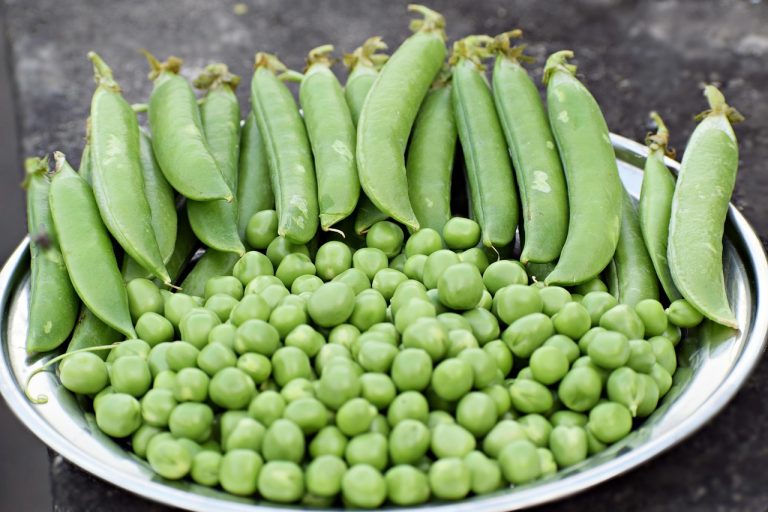
- Legumes for fiber and steadier energy
- Leafy greens for volume and nutrients
One of the most effective ways to manage cravings is to stop arriving at meals too hungry. If your meals are too small or too low in protein, your brain will demand quick energy later. That is not a willpower problem. It is a planning problem. Once you see cravings through that lens, clean eating becomes much more manageable.
How to shop for organic food without overspending
Many people assume an organic food lifestyle is expensive, but that does not have to be true. With a little strategy, you can prioritize the items that matter most and build a healthy diet without wasting money. The key is to shop with purpose instead of chasing every premium label.
Where to save and where to splurge
If your budget is limited, focus on the foods you eat most often and the items you buy in larger quantities. Prioritize organic versions of the produce and staples most important to your routine. For many shoppers, this means leafy greens, berries, apples, oats, eggs, and dairy or protein products if they are in regular rotation.
You may be able to save by choosing conventional options for foods with thicker peels, such as avocados or onions, depending on your priorities and local availability. The goal is not perfection. It is consistency. A thoughtful mix of organic and conventional foods can still support weight loss and clean eating very effectively.
Practical grocery tips
- Shop seasonal produce for better prices and freshness
- Buy frozen organic vegetables and berries for convenience
- Choose store brands when quality is comparable
- Plan meals before shopping to reduce impulse buys
- Keep pantry staples like oats, lentils, quinoa, and olive oil on hand
Frozen organic vegetables are especially valuable. They reduce food waste, make meal prep faster, and are just as useful as fresh produce in soups, stir-fries, and grain bowls. For many busy people, they are the secret to making a healthy lifestyle realistic.
Common clean eating mistakes that stall weight loss
Even with the best intentions, it is easy to make a few mistakes that slow progress. If you feel like you are eating well but not seeing results, one of these issues may be the reason.
1. Eating too little
Severely cutting calories can backfire. You may feel tired, obsess over food, or binge later in the day. A sustainable weight loss plan should feel supportive, not punishing.
2. Overloading on
About the Author

About the Author