
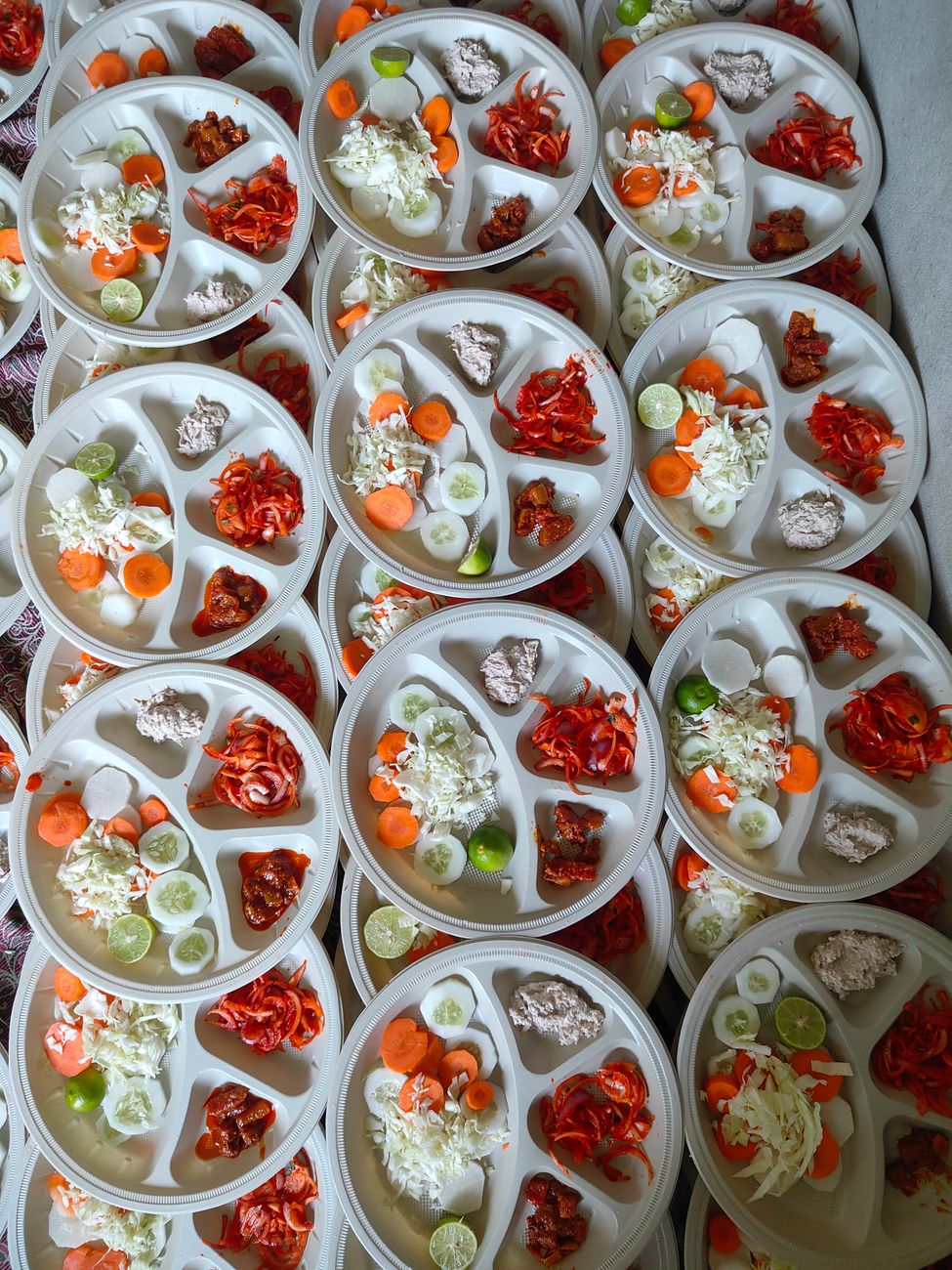
Photo by Munazir Bhat on Pexels
If you have ever tried to lose weight, you already know that the real challenge is not just eating less; it is eating better in a way that feels realistic, nourishing, and sustainable. That is where organic food can make a meaningful difference. When your meals are built around whole, minimally processed ingredients, clean eating becomes simpler, your energy becomes steadier, and your relationship with food often improves in ways that support long-term weight loss rather than short-lived restriction.
This guide explores the best organic foods for weight loss and explains how to use them in a practical, enjoyable routine. You will see why certain foods help support satiety, digestion, blood sugar balance, and healthy metabolism, and how to build meals that feel satisfying without tipping into excess calories. Are you looking for a way to eat for fat loss without constantly feeling deprived? The answer often begins with smarter choices, not smaller portions alone.
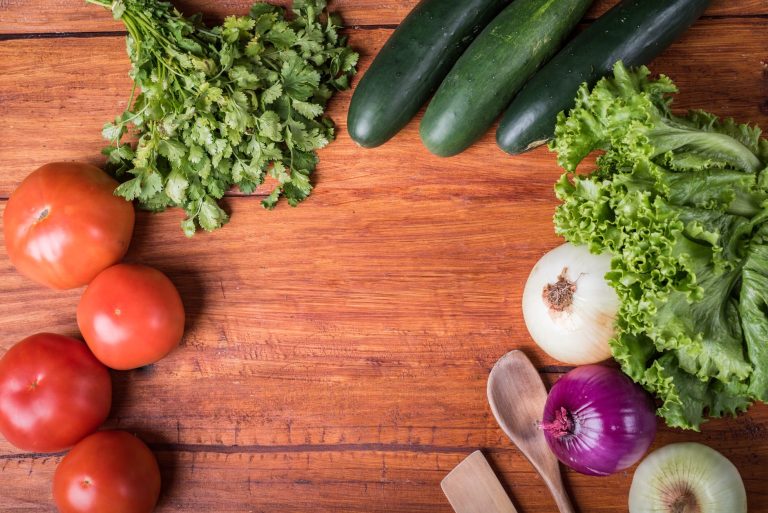
[IMAGE: organic vegetables]
Organic food is not a magic solution, and no single ingredient can replace consistency, movement, sleep, and a balanced mindset. Still, when you choose high-quality organic produce, proteins, healthy fats, and fiber-rich foods, you create a strong foundation for nutrition and weight loss. That foundation matters because the best healthy lifestyle habits are the ones you can repeat day after day.
Why Organic Food Can Support Weight Loss
Weight loss is ultimately about energy balance, but the quality of the food you eat plays a huge role in how easy that balance is to maintain. Organic food often helps people make better choices because it is typically more whole, less processed, and more aligned with clean eating principles. When your plate contains foods that are rich in fiber, protein, vitamins, and minerals, you naturally feel fuller for longer, which can reduce mindless snacking and late-night overeating.
Many people also find that organic foods encourage a more mindful approach to nutrition. Shopping the produce section, reading labels carefully, and preparing meals at home tend to shift habits in a positive direction. Have you noticed how much easier it is to stay on track when your kitchen is stocked with simple, real ingredients instead of ultra-processed convenience foods?
How clean eating changes your appetite
Clean eating is often misunderstood as strict dieting, but at its core, it means choosing foods that are close to their natural form. This approach can help regulate appetite because whole foods usually contain more fiber, water, and nutrients per calorie. As a result, your meals can be more satisfying without becoming calorie heavy.
For example, an organic bowl with leafy greens, grilled chicken, avocado, quinoa, and olive oil is far more filling than a processed snack with similar calories. Why? Because the fiber and protein slow digestion and stabilize hunger. That is one of the simplest secrets to lasting weight loss: keep your body nourished enough that it does not constantly demand more food.
The role of organic produce in a healthy lifestyle
Organic produce is often the easiest place to begin because fruits and vegetables are the foundation of a healthy lifestyle. They are naturally low in calories, high in fiber, and packed with antioxidants that support overall wellness. Whether you are focusing on detox diet principles, energy levels, or fat loss, organic vegetables can anchor your meals with volume and nutrition.
Consider this: when your plate is half filled with vegetables, you can enjoy a generous meal while still keeping calories moderate. That is exactly the kind of balance that makes weight loss feel manageable rather than punishing.
Best Organic Foods for Weight Loss
Not all organic foods contribute equally to weight loss. Some are excellent for volume and satiety, while others are more calorie dense and should be eaten in mindful portions. The goal is not to fear food, but to understand how to combine the right ingredients for satisfying, balanced meals.
1. Leafy greens
Leafy greens such as spinach, kale, arugula, romaine, and Swiss chard are some of the most effective organic foods for weight loss. They are low in calories but high in fiber, water, and micronutrients. This makes them ideal for bulking up salads, smoothies, soups, and sautéed side dishes.
Leafy greens are especially useful if you struggle with portion control. A large salad made with organic greens, cucumber, tomatoes, herbs, and a lean protein can be deeply satisfying without being heavy. Add a small amount of healthy fat, such as olive oil or avocado, to improve absorption of fat-soluble vitamins and enhance flavor.
2. Cruciferous vegetables
Broccoli, cauliflower, Brussels sprouts, cabbage, and bok choy are excellent choices for clean eating and weight loss. These vegetables are high in fiber and create a strong feeling of fullness. They also add texture and variety, which helps prevent diet boredom.
Roasted organic cauliflower or steamed broccoli can easily become the centerpiece of a meal. If you are trying to reduce cravings, these vegetables are especially valuable because they help stretch your meal volume without adding many calories.
3. Berries
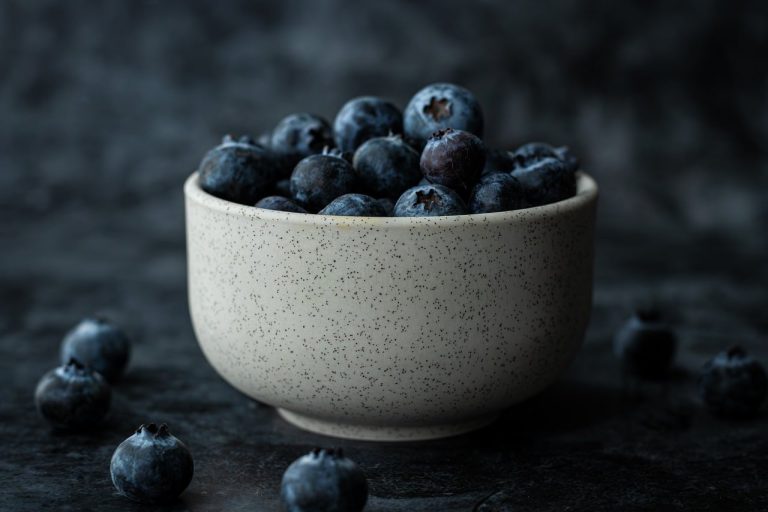
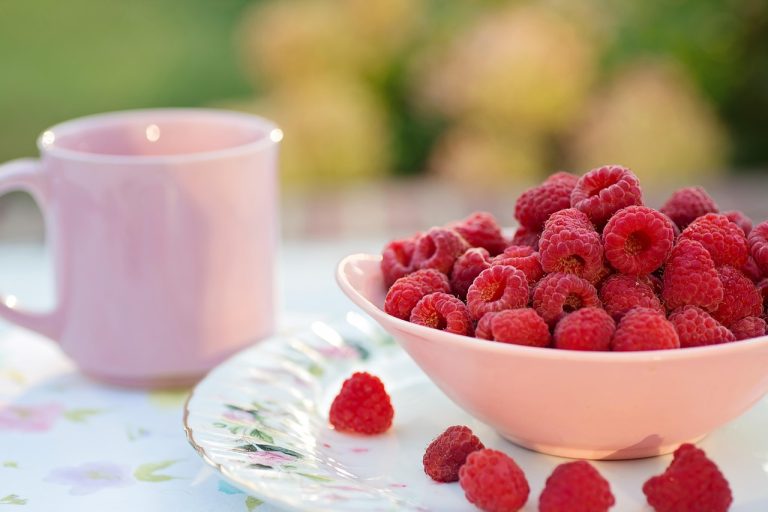
Organic berries such as blueberries, raspberries, blackberries, and strawberries are one of the best sweet options in a healthy diet. They contain fiber, antioxidants, and natural sweetness that can satisfy dessert cravings in a more controlled way. Compared with many sugary snacks, berries deliver flavor without the same blood sugar spike.
Try adding berries to Greek yogurt, chia pudding, oatmeal, or a post-workout smoothie. They offer a simple way to keep your nutrition on track while still enjoying food that feels vibrant and indulgent.
4. Apples and pears
Organic apples and pears are powerful weight loss allies because they are portable, filling, and rich in fiber. When eaten whole rather than juiced, they promote satiety and can help curb appetite between meals. The natural crunch and sweetness also make them a smart replacement for less nutritious snacks.
Ask yourself: do your snacks leave you satisfied or merely occupied? If they do not reduce hunger, they may be making weight loss harder than it needs to be. A whole apple with almond butter can be far more effective than a processed granola bar.
5. Eggs
Organic eggs are a top-tier source of protein for a weight loss plan. Protein helps preserve lean muscle mass during calorie reduction and keeps you feeling full longer. Eggs are also versatile, affordable, and easy to prepare in many clean eating meals.
Whether scrambled with vegetables, boiled for a grab-and-go breakfast, or folded into a vegetable omelet, organic eggs can help you build a stronger nutritional base. If breakfast is where your diet usually falls apart, eggs may be the reset you need.
6. Greek yogurt and kefir
Plain organic Greek yogurt and kefir can be excellent additions to a weight loss routine when chosen without added sugar. They provide protein, calcium, and beneficial probiotics that may support digestion and gut health. Better digestion often means better adherence to a healthy lifestyle, because you feel lighter and more comfortable after meals.
Pair yogurt with berries, chia seeds, and a handful of walnuts for a balanced snack. Or use kefir in smoothies as a tangy, protein-rich base that supports satiety.
7. Legumes
Organic lentils, chickpeas, black beans, and other legumes are rich in fiber and plant protein. They help stabilize blood sugar and are highly satisfying, making them ideal for lunch bowls, soups, salads, and wraps. If you have ever asked whether weight loss and carbs can coexist, legumes are a great example of why the answer is yes.
The combination of fiber and protein is what makes legumes so effective. They digest more slowly than refined carbohydrates, which helps reduce hunger and encourages steady energy throughout the day.
8. Lean organic protein
Chicken breast, turkey, eggs, plain fish, and some dairy products can support weight loss by increasing the thermic effect of food and reducing cravings. Protein also helps maintain muscle while you lose fat, which is important for metabolism and body composition.
For the cleanest results, build each meal around a clear protein source. A plate that contains protein, vegetables, and a modest portion of complex carbohydrates is usually easier to manage than one built around refined starches and sauces.
[IMAGE: healthy meal]
Organic Foods That Help You Feel Full Longer
One of the most overlooked parts of weight loss is fullness. People often focus on calories alone, but if a meal does not satisfy you, you are more likely to overeat later. The best organic foods for weight loss are not simply low in calories; they are also high in satiety.
High-fiber foods that work
Fiber slows digestion, supports blood sugar balance, and helps you feel physically satisfied after eating. This is why foods like oats, chia seeds, flaxseeds, vegetables, beans, and berries are so helpful in a detox diet or clean eating plan. They give your digestive system something to work with while supporting appetite control.
When you build a meal around fiber, you often need less of everything else. That does not mean cutting food drastically. It means choosing ingredients that work with your body instead of against it.
Protein-rich foods that reduce snacking
Protein is essential if you want to lose weight without losing strength. Organic eggs, Greek yogurt, cottage cheese, fish, poultry, tofu, tempeh, and legumes all contribute to satiety. They help prevent the energy crash that often leads to afternoon snacking and evening overeating.
Try this simple test: if you finish a meal and feel hungry again within an hour or two, it may be low in protein or fiber. Adjusting the balance can make your entire day easier to manage.
Healthy fats that support satisfaction
Organic avocados, walnuts, almonds, chia seeds, flaxseeds, and olive oil provide healthy fats that help you feel satisfied. Fat is calorie dense, so portion awareness matters, but the right amount improves flavor and can help you stay on track longer. A small amount of fat often makes a clean eating meal feel complete rather than restrictive.
For example, a salad with greens and tomatoes is healthy, but a salad with greens, tomatoes, grilled salmon, avocado, and olive oil becomes deeply satisfying. That difference can shape your success more than people realize.
How to Build a Weight Loss Plate with Organic Food
Rather than obsessing over individual ingredients, it helps to think in terms of plate structure. A balanced meal pattern gives you consistency, and consistency is one of the strongest predictors of sustainable weight loss. When you know how to assemble a plate, you reduce decision fatigue and make healthy eating far easier.
The simple plate method
A practical structure for organic meals looks like this:
- Half the plate: organic vegetables, especially leafy greens and non-starchy vegetables
- One quarter of the plate: lean protein such as eggs, chicken, fish, tofu, or legumes
- One quarter of the plate: complex carbohydrates such as quinoa, sweet potato, brown rice, or oats
- Small portion of healthy fats: olive oil, avocado, nuts, or seeds
This pattern is flexible enough to fit different diets while still supporting weight loss and clean eating. It also works well if you are trying to manage hunger without counting every bite.
When to add more volume
If you are very active, recovering from intense exercise, or simply have a larger appetite, add more vegetables, an extra source of lean protein, or a slightly larger serving of complex carbohydrates. Organic food supports a healthy lifestyle best when it is adapted to your needs rather than copied from someone else’s plate.
Do you notice that you eat better when a meal looks abundant? Then use that insight. Create bigger salads, larger veggie soups, and hearty bowls that feel satisfying visually and physically.
When to reduce calories without feeling deprived
If your weight loss has stalled, the easiest place to adjust is often the calorie-dense extras: oils, nuts, cheese, dressings, and sugary add-ons. You do not need to remove them entirely. You simply need to measure them more carefully. Small changes in the most concentrated foods can make a meaningful difference over time.
Organic Breakfast Ideas for Energy and Fat Loss
Breakfast can set the tone for the rest of the day, especially if your mornings are busy and decision-making is limited. A strong breakfast should support energy, reduce cravings, and provide enough protein to keep you focused. The right organic breakfast ideas can also prevent the mid-morning slump that leads to overeating later.
High-protein breakfast options
- Organic eggs with spinach, tomatoes, and avocado
- Greek yogurt with berries, chia seeds, and walnuts
- Oatmeal topped with flaxseed, cinnamon, and sliced apple
- Vegetable omelet with a side of fruit
- Smoothie with kefir, greens, berries, and protein powder
These meals combine protein, fiber, and healthy fats in a way that supports satiety. They also taste good, which is important because healthy eating should never feel like punishment.
Why sugar-heavy breakfasts backfire
Pastries, sweetened cereals, and flavored coffee drinks may be convenient, but they often lead to a rapid rise and fall in blood sugar. That crash can trigger cravings and leave you searching for more food by late morning. If your goal is weight loss, an organic breakfast built around real ingredients is usually a much stronger choice.
Think of breakfast as the first signal you send your body. Are you telling it to stay steady, or to brace for a roller coaster?
Healthy Snacking Without Losing Control
Snacking is not the enemy. Unplanned, mindless snacking is. When chosen carefully, organic snacks can support energy, prevent overeating at meals, and make a healthy lifestyle feel more flexible. The key is to snack with intention rather than in response to boredom, stress, or habit.
Smart snack combinations
- Apple slices with almond butter
- Carrot sticks with hummus
- Plain Greek yogurt with berries
- Hard-boiled eggs with cherry tomatoes
- Celery with cottage cheese or nut butter
- A small handful of mixed nuts with a piece of fruit
These combinations work because they include more than one food group. Pairing fiber with protein or fat creates better satiety than eating refined carbohydrates alone.
How to stop emotional snacking
Before reaching for food, pause and ask: am I physically hungry, or am I tired, bored, stressed, or looking for comfort? This question can transform the way you eat. Many people discover that their snack cravings are actually energy, hydration, or emotional needs in disguise.
If stress is a trigger, build a short reset routine before you eat: drink water, take a brisk walk, stretch, or breathe deeply for two minutes. Often the urge passes, and when it does not, you can choose a nourishing snack with greater awareness.
Foods to Limit Even in an Organic Diet
Organic food is still food, and not every organic product is ideal for weight loss. Organic cookies, chips, sugary cereals, candy, and desserts may use higher-quality ingredients, but they can still be calorie dense and low in satiety. The label organic does not automatically make a food supportive of fat loss.
This is an important distinction. Clean eating is not about blindly trusting packaging. It is about understanding ingredients, portions, and how a food makes you feel. If an organic snack repeatedly leaves you hungry or triggers overeating, it may not be serving your goals.
Watch these common traps
- Organic granola with hidden added sugar
- Plant-based snacks with large portions of oil and starch
- Sweetened yogurts and flavored kefirs
- Packaged organic crackers eaten without protein
- Juices that remove fiber and concentrate sugar
Instead of removing all treats, focus on frequency and context. Enjoy them occasionally, not as the foundation of your nutrition plan.
Meal Prep Strategies That Make Clean Eating Easier
If you want weight loss to feel manageable, prepare for success before hunger arrives. Meal prep does not need to be elaborate. A few simple steps can make healthy choices almost automatic, which is one of the best ways to stay consistent with an organic diet.
What to prep each week
- Wash and chop organic vegetables
- Cook one or two lean proteins in advance
- Prepare a grain such as quinoa or brown rice
- Make a homemade dressing or sauce
- Portion snacks into grab-and-go containers
When these basics are ready, you can assemble meals quickly and avoid defaulting to takeout or processed convenience foods. Clean eating becomes easier when healthy options are visible and accessible.
Build three repeatable meals
Instead of planning seven completely different dinners, create three reliable meal templates and rotate them through the week. For example, you might prepare:
- A salmon bowl with greens, cucumber, avocado, and quinoa
- A chicken and roasted vegetable tray bake
- A lentil soup with side salad and fruit
This approach saves time and mental energy while helping you stay committed to your weight loss goals.
[IMAGE: fitness lifestyle]
Organic Foods and Digestion: Why It Matters for Fat Loss
Digestive comfort is often overlooked, yet it has a major impact on the success of a weight loss plan. If you feel bloated, sluggish, or uncomfortable after meals, it becomes much harder to maintain momentum. Organic foods, especially vegetables, fruits, legumes, yogurt, kefir, and seeds, can support digestion by improving fiber intake and gut-friendly nutrition.
The gut-hunger connection
Your digestive system influences appetite more than many people realize. A healthier gut environment may support more predictable hunger signals and better food tolerance. That is one reason clean eating often makes people feel not just leaner, but lighter and more comfortable overall.
Probiotic-rich organic foods such as kefir and plain yogurt can complement prebiotic foods like onions, garlic, leeks, bananas, and oats. Together, they help nurture a digestive environment that supports everyday wellbeing.
Hydration as part of digestion
Water is not glamorous, but it is essential for digestion, metabolism, and appetite regulation. Many people think they are hungry when they are actually underhydrated. Pair organic foods with water-rich ingredients like cucumbers, zucchini, melon, leafy greens, and soups to make hydration easier.
If you are aiming for a detox diet style of eating, remember that the body already detoxifies itself through the liver, kidneys, lungs, and digestive tract. Your job is to support those systems with nutrient-dense food, enough water, and reasonable portions.
How Organic Food Fits Into a Sustainable Weight Loss Plan
The best weight loss plan is the one you can maintain without feeling trapped. Organic food fits beautifully into long-term success because it encourages better habits, more home cooking, and a stronger connection to what you eat. When meals are enjoyable and satisfying, you are less likely to swing between restriction and overindulgence.
Consistency beats perfection
You do not need to eat perfectly every day to make progress. In fact, perfection often leads to frustration and quitting. Instead, aim for steady improvement: more vegetables, more protein, fewer ultra-processed foods, and better awareness of hunger and fullness. Small adjustments, repeated consistently, create visible results.
Would you rather have an intense two-week diet that collapses, or a balanced routine that slowly reshapes your body and habits? The answer is obvious, but the second path requires patience and a little planning.
Let healthy food work for your real life
Busy schedules, family meals, travel, stress, and social events all affect nutrition. A realistic plan includes organic food you can actually buy, prepare, and enjoy. It does not depend on rare ingredients or extreme rules. It works because it respects your life while supporting your goals.
That is why the most successful healthy lifestyle changes are often the most practical. A fridge stocked with vegetables, protein, fruit, and simple snacks can change your week more than any motivational speech ever could.
Sample Day of Organic Eating for Weight Loss
If you are unsure how all of this looks in practice, here is a simple day of eating that supports weight loss while keeping clean eating realistic and satisfying.
Breakfast
Organic eggs scrambled with spinach and tomatoes, served with half an avocado and a side of berries.
Lunch
Grilled chicken salad with mixed greens, cucumber, carrots, chickpeas, olive oil, lemon, and pumpkin seeds.
Snack
Plain Greek yogurt with chia seeds and a few raspberries.
Dinner
Baked salmon with roasted broccoli, cauliflower, and a small serving of quinoa.
Optional evening option
If you are genuinely hungry later, try a small apple or herbal tea with a handful of nuts. The aim is not to eat as little as possible. The aim is to eat in a way that supports fat loss, good nutrition, and stable energy.
Organic Weight Loss Tips That Make a Real Difference
Sometimes the smallest habits create the biggest changes. If you are serious about weight loss, these practical adjustments can help you move forward without overcomplicating the process.
- Start meals with vegetables to increase fullness
- Keep protein visible and easy to access in your fridge
- Choose whole fruit instead of juice whenever possible
- Use herbs, citrus, vinegar, and spices to make food exciting without excess calories
- Prepare snacks before you become overly hungry
- Do not drink your calories unless they are part of a deliberate meal plan
- Eat slowly enough to notice when you feel satisfied
- Sleep well, because poor sleep can increase cravings and reduce self-control
These habits may sound simple, but they add up. That is the real power of nutrition done well: ordinary actions repeated consistently over time.
What Makes This Approach Different from a Typical Diet
Traditional diets often rely on rules, restrictions, and rapid short-term results. An organic food strategy grounded in clean eating takes a different route. It focuses on nourishment, satisfaction, and sustainability. Rather than asking how little you can eat, it asks how well you can feed yourself while still moving toward weight loss.
This distinction matters. When people feel nourished, they are more likely to stay committed. When they are constantly hungry, they are more likely to abandon the plan. The best healthy lifestyle strategy is one that supports both body and mind, not just the number on the scale.
Organic foods can help create that experience because they tend to be closer to their natural state and easier to use in simple home cooking. They encourage meals built around real ingredients, and real ingredients tend to produce real results.
In the end, the best organic foods for weight loss are the ones that help you eat with more awareness, more satisfaction, and less chaos. Fill your plate with vegetables, build meals around lean protein, include fiber-rich carbs and healthy fats in sensible portions, and let your food support the life you actually want to live. If you enjoyed this guide, explore more DietOrganic articles for practical ideas on clean eating, nutrition, detox diet strategies, and healthy lifestyle habits that make wellness feel both elevated and achievable.
About the Author