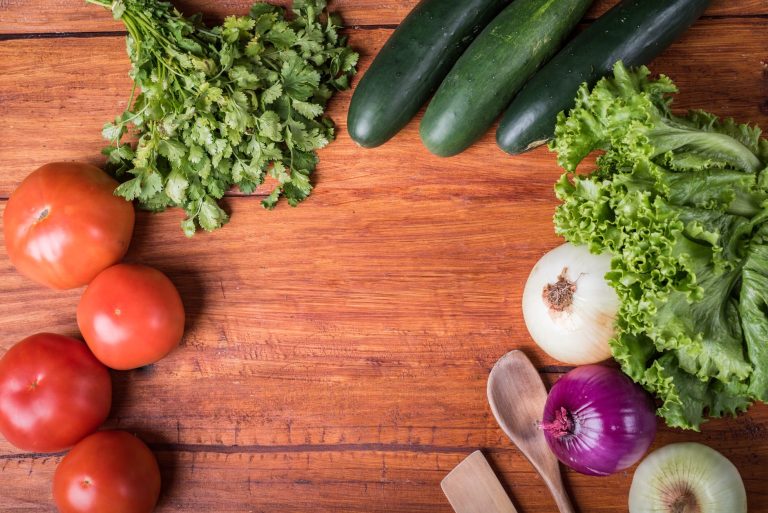


Photo by suju-foto on Pixabay
If you have ever tried to improve your healthy lifestyle only to feel confused by conflicting nutrition advice, you are not alone. One day the focus is on calories, the next it is on macros, and then suddenly the conversation shifts to probiotics, inflammation, and blood sugar balance. But there is one simple idea that keeps showing up in the best clean eating strategies: when your meals are built around organic food, your gut often gets the support it needs to do its job more efficiently. Could something as practical as choosing better produce, grains, and fermented foods be the foundation of a more comfortable digestion routine, steadier energy, and even gradual weight loss? For many people, the answer is yes.
Gut health is not a trendy wellness phrase reserved for influencers and supplement companies. It is the quiet infrastructure behind how you absorb nutrients, how often you feel bloated, how intense your cravings become, and how well your body responds to a detox diet or a long-term healthy diet. When digestion is supported, everything tends to feel easier: mornings feel lighter, meals feel more satisfying, and healthy habits become more sustainable. That is why an organic food approach can be so effective. It is not about perfection, and it is certainly not about restriction for its own sake. It is about choosing ingredients that are closer to their natural form, easier to build meals around, and more compatible with a balanced nutrition plan.
[IMAGE: organic vegetables]
Why Gut Health Deserves More Attention Than Most Diet Trends
Your gut is not just a place where food is broken down. It is where nutrients are absorbed, hormones are influenced, immune activity is coordinated, and much of your daily comfort is decided. If your digestion feels sluggish, your weight loss progress may stall even when your food choices look reasonable on paper. If your gut bacteria are out of balance, you may notice changes in appetite, energy, and even mood. That is why a healthy diet should never be defined only by what is low in calories or high in protein. It should also support the system that helps you use those nutrients well.
Think about the last time you ate a meal that felt nourishing but not heavy. You probably felt clear-headed afterward, not sleepy and overstuffed. That sensation often reflects good digestion and a meal composition that worked with your body rather than against it. Organic food can be a powerful part of that experience because it often comes packaged in simpler, more whole-food forms. Instead of relying on ultra-processed items that contain additives, excess sugar, and low-quality oils, a clean eating pattern built on organic ingredients makes it easier to eat in a way that supports your microbiome and overall wellness.
The gut, immune system, and metabolism connection
Many people think of the gut as a digestive organ alone, but it is connected to far more than bowel movements. A healthy digestive tract helps regulate immune responses and plays a major role in how efficiently your body handles energy. When your gut is stressed, your body may respond with inflammation, water retention, cravings, or irregular hunger cues. Have you ever felt hungrier after a day of processed meals than after a day of simple, balanced eating? That is not a coincidence. The foods you choose can influence how stable or erratic your internal signals feel.
Organic food supports this process in a few practical ways. First, it encourages a more whole-food approach to eating, which naturally increases fiber and micronutrient intake. Second, it often reduces exposure to residues and unnecessary additives that can make clean eating feel less clean. Third, it makes it easier to construct meals around vegetables, fruit, legumes, seeds, and fermented foods that nourish beneficial bacteria. When those bacteria are fed well, they may help improve digestion, reduce bloating, and support better nutrient extraction from the foods you already eat.
Signs your digestion may need extra support
If you are wondering whether your current routine is helping or hurting your gut, pay attention to the signals your body gives you. They often appear in subtle ways long before they become major problems.
- Frequent bloating after meals
- Irregular bowel movements or constipation
- Cravings for sugar or refined carbs shortly after eating
- Low energy that seems unrelated to sleep
- Feeling overly full after modest portions
- Skin issues that seem to flare with digestive discomfort
- That heavy, sluggish feeling after certain foods
If several of these sound familiar, the solution may not be a more extreme detox diet or a complicated supplement stack. It may simply be a return to clean eating built around organic food, fiber, hydration, and consistent meal timing.
Why Organic Food Can Be a Smarter Choice for Gut Health
Not every organic item is automatically healthy, but the organic food category offers a real advantage when you want to simplify your nutrition and reduce unnecessary dietary noise. Many people choose organic products because they want fewer pesticide residues, fewer artificial ingredients, and more confidence in what they are putting on the plate. That matters when the goal is not just short-term weight loss but long-term healthy lifestyle habits that are easier to maintain.
Organic eating also tends to change behavior in a positive direction. When people buy organic vegetables, organic fruit, and organic pantry staples, they often cook more often at home and pay more attention to quality. That shift alone can improve digestion. Why? Because home-cooked meals typically contain less sodium, fewer preservatives, and more room for vegetables, herbs, and healthy fats. In other words, the move toward organic food can naturally pull a person away from the processed convenience foods that often interfere with gut health.
Fewer additives, simpler meals, better digestion
One of the best reasons to use organic ingredients is that they often encourage simplicity. A plate of roasted organic carrots, quinoa, olive oil, and grilled salmon is not flashy, but it is the kind of meal your digestive system can usually handle with ease. Compare that with a heavily processed meal containing multiple sauces, refined starches, emulsifiers, and artificial flavorings. The second meal may be convenient, but it often creates more work for the gut.
Simplicity matters because digestion is partly about workload. The fewer unnecessary ingredients you ask your body to process, the more energy it can direct toward nutrient absorption and repair. This is especially useful if you are trying to reduce inflammation, support a detox diet, or lose weight without feeling deprived. Clean eating becomes more manageable when your meals are not overloaded with hidden extras.
Organic ingredients support mindful eating
There is also a psychological benefit to choosing organic food. People often slow down and become more intentional when shopping, cooking, and eating with higher-quality ingredients. That mindfulness can reduce impulsive snacking and improve portion awareness. If you have ever asked yourself why some meals leave you satisfied while others leave you reaching for more, the answer is often not just calories. It is the quality of the food, the balance of the meal, and the way it was prepared.
Organic eating encourages exactly that kind of awareness. It invites you to ask simple but powerful questions: Is this meal giving me fiber? Does it contain enough protein? Am I eating enough vegetables? Is this snack actually supporting my healthy lifestyle, or is it just convenient? Those questions can dramatically change your nutrition habits without requiring a dramatic overhaul.
The Best Organic Foods for a Gut-Friendly Clean Eating Plan
When people hear the phrase organic food, they sometimes imagine expensive produce with no clear direction. But the truth is that a gut-friendly organic diet can be built from affordable, practical staples. The key is to focus on foods that feed beneficial bacteria, improve digestion, and provide the nutrients your body needs to thrive. A strong healthy diet does not have to be complicated. It just has to be consistent.
Fermented organic foods
Fermented foods are among the most valuable options for gut health because they can introduce live cultures and create a more supportive environment for your microbiome. When available in organic form, they can fit beautifully into a clean eating routine.
- Organic plain yogurt with live cultures
- Organic kefir
- Organic sauerkraut
- Organic kimchi
- Organic miso
- Organic tempeh
Start with small portions if fermented foods are new to you. Not everyone tolerates them in large amounts at first, especially if the gut is sensitive. A spoonful of sauerkraut with lunch or a small serving of kefir at breakfast may be enough to begin. Why force a huge change when a small one is often more sustainable?
Prebiotic-rich organic produce
Prebiotics are the fibers that feed beneficial bacteria. If probiotics are the seeds, prebiotics are the fertilizer. Organic vegetables and fruit can be especially useful here because they are often eaten with the skin on or used in whole form, which preserves more fiber.
- Organic onions
- Organic garlic
- Organic leeks
- Organic asparagus
- Organic apples
- Organic bananas
- Organic oats
- Organic chia seeds
These ingredients work quietly but consistently. Add onions and garlic to soups and sautés, blend banana into breakfast bowls, or stir oats and chia into a breakfast that keeps you full longer. This is the kind of nutrition that supports both digestion and weight loss because it helps curb unnecessary snacking.
Fiber-rich organic staples
Fiber is one of the most underrated tools in any healthy diet. It helps regulate bowel movements, supports satiety, and creates the conditions your gut bacteria need to thrive. If you have been trying to lose weight without feeling constantly hungry, fiber can be the missing piece.
- Organic lentils
- Organic black beans
- Organic chickpeas
- Organic quinoa
- Organic brown rice
- Organic flaxseed
- Organic berries
- Organic leafy greens
The best part is that these foods are versatile. Lentils can become soups, salads, or stews. Berries can top yogurt or chia pudding. Leafy greens can be steamed, sautéed, or blended into smoothies. The more flexible the ingredient, the easier it is to stay consistent with clean eating.
[IMAGE: healthy meal]
How to Build a Clean Eating Plate That Supports Digestion and Weight Loss
People often ask, what does a gut-friendly meal actually look like? It is a fair question because many nutrition plans sound excellent in theory but fall apart in the kitchen. A practical plate is one that combines protein, fiber, healthy fats, and enough color to keep meals interesting. The goal is not to eat less food. The goal is to eat better food in a way that keeps you satisfied.
The simple plate formula
A reliable structure can make healthy meal planning much easier:
- Half the plate: organic vegetables
- One quarter of the plate: clean protein such as eggs, fish, tofu, tempeh, chicken, or beans
- One quarter of the plate: whole grains or starchy vegetables
- Add healthy fats: avocado, olive oil, seeds, or nuts
This formula works because it gives your body enough structure to feel nourished without creating a blood sugar roller coaster. When meals are balanced, cravings often calm down, and the urge to graze between meals becomes less intense. If your current routine leaves you tired an hour after lunch, it may be because your meals are missing protein, fiber, or healthy fats.
Examples of easy gut-friendly meals
Here are a few combinations that fit a clean eating and organic food approach:
- Organic scrambled eggs, spinach, mushrooms, and avocado on the side
- Organic lentil soup with carrots, celery, garlic, and olive oil
- Organic salmon, roasted broccoli, and quinoa with lemon
- Organic Greek yogurt with berries, chia seeds, and crushed walnuts
- Organic tofu stir-fry with brown rice and mixed vegetables
These meals are simple enough for busy days, but they also feel polished and satisfying. Clean eating should never feel like punishment. It should feel like support.
Portion balance without obsession
If you are focused on weight loss, portion awareness matters, but that does not mean measuring every bite forever. In fact, one of the biggest benefits of a nutrient-rich organic food pattern is that it often helps the body self-regulate. When meals are balanced, you are less likely to feel deprived later. Ask yourself after each meal: Did this actually satisfy me? Did I include enough color? Did I eat a real source of protein?
Those questions are more useful than chasing perfection. The healthiest nutrition strategy is the one you can repeat on weekdays, weekends, and stressful days alike.
Organic Food and the Detox Diet: What Actually Helps
The term detox diet gets used in so many ways that it can become confusing. Some people imagine juices and fasting, while others think of expensive cleanses. But your body already has detox systems in place through the liver, kidneys, lungs, skin, and digestive tract. The real task is not to replace those systems. It is to support them. That is where organic food, hydration, fiber, and rest become essential.
What supports natural detoxification
A realistic detox diet is less about deprivation and more about reducing burden. Instead of flooding your body with excess sugar, artificial additives, and highly refined foods, you give it a cleaner internal environment to work with. Organic food is useful here because it tends to be less processed and more aligned with this lighter, simpler style of eating.
- Leafy greens such as kale, spinach, and arugula
- Cruciferous vegetables such as broccoli, cauliflower, and cabbage
- Citrus fruit for hydration and flavor
- Garlic and onions for their prebiotic value
- Herbs like parsley and cilantro
- Filtered water and herbal teas
These foods do not perform magic, but they do support the organs and pathways that already manage detoxification every day. When you eat this way consistently, you may notice less sluggishness, more regular digestion, and fewer cravings for heavily processed snacks.
Why detoxing does not mean starving
One of the most common mistakes people make is assuming a detox diet must be extreme to work. In reality, restriction can backfire by increasing stress, lowering energy, and triggering rebound overeating. A healthy lifestyle should not leave you miserable. It should help you feel stable and capable. That is why a clean eating plan based on organic food, adequate protein, and enough calories is more effective than any crash cleanse.
So ask yourself: do you want short-lived intensity, or do you want a routine that supports your gut health for months and years? The answer usually becomes clearer once the initial hype fades.
Organic Foods That May Help Reduce Cravings
Cravings are often treated like a matter of willpower, but they are frequently a response to undernourishment, unstable blood sugar, poor sleep, or inconsistent eating patterns. A healthy diet that includes enough fiber and protein can do a great deal to calm these signals. Organic food can help here because it often makes the meal itself more nutrient-dense and satisfying.
Foods that create longer-lasting fullness
- Organic eggs for a high-quality breakfast protein
- Organic oatmeal with chia and berries for steady energy
- Organic nuts and seeds in small portions
- Organic hummus with carrots and cucumbers
- Organic cottage cheese or yogurt if dairy works well for you
- Organic beans and lentils for fiber plus protein
These foods are not only nutritious, they are practical. They keep you from reaching the point of desperate hunger where every decision feels harder. Weight loss becomes much more manageable when your meals support satiety instead of fighting it.
How to handle emotional or habitual eating
Sometimes cravings are not about food at all. They are about habit, stress, or fatigue. In those moments, it helps to pause before grabbing the nearest snack. Ask: Am I actually hungry, or am I bored, tense, or tired? Would a glass of water, a short walk, or a protein-rich snack solve this more effectively?
This is where a healthy lifestyle becomes a set of skills, not a set of rules. The more you notice your patterns, the easier it becomes to respond with intention rather than impulse.
Smart Grocery Shopping Tips for Organic Clean Eating
It is easy to get excited about healthy eating and then feel overwhelmed in the grocery store. The solution is to shop with a plan. If your kitchen is stocked with the right basics, the rest becomes much simpler. You do not need a pantry full of specialty products. You need a few reliable ingredients that make clean eating feel easy to repeat.
What to buy organic first
If you are budgeting carefully, you do not need to buy everything organic at once. Start with foods you eat often and foods where skin or outer surfaces are consumed. Many people choose to prioritize these categories first:
- Leafy greens
- Berries
- Apples
- Grapes
- Peppers
- Tomatoes
- Milk and yogurt, if used regularly
- Eggs and staples you buy weekly
From there, build out a list of dependable organic pantry items such as oats, beans, rice, nuts, and seeds. The goal is not to create pressure. The goal is to make clean eating more accessible.
How to read labels without getting lost
A product can look healthy and still be highly processed. When you are shopping, ask a few simple questions:
- How many ingredients does this contain?
- Can I recognize the ingredients immediately?
- Is added sugar high?
- Does it contain unnecessary oils, preservatives, or artificial flavors?
- Would I eat the raw ingredients on their own?
If the label reads like a chemistry experiment, it may not be the best choice for a gut-friendly nutrition plan. Organic food should make life simpler, not more confusing.
Building a pantry that supports healthy habits
A well-stocked kitchen can be the difference between a last-minute processed snack and a nourishing meal. Consider keeping these basics on hand:
- Organic olive oil
- Organic apple cider vinegar
- Organic oats
- Organic canned beans
- Organic brown rice or quinoa
- Organic nut butter
- Herbal teas
- Seeds such as flax, chia, and pumpkin
Once your pantry supports the lifestyle you want, healthy choices become more automatic. That is real nutrition strategy, not just good intentions.
Common Clean Eating Mistakes That Can Undermine Gut Health
Even the most motivated person can accidentally sabotage progress by misunderstanding what a healthy diet should look like. Clean eating is not about removing all pleasure, all carbohydrates, or all convenience. It is about making smarter choices more often. If weight loss or better digestion has been frustrating, one of these mistakes may be part of the reason.
Assuming organic automatically means balanced
An organic cookie is still a cookie. An organic soda is still a sugary drink. Organic food is a tool, not a guarantee. The nutritional value depends on the whole pattern, not just the label. A gut-friendly approach should still include protein, fiber, healthy fat, and enough variety to keep meals satisfying.
Going too low in calories
Many people trying to lose weight cut back aggressively and end up with low energy, irritability, and stronger cravings. If your meals are too small, your body may push back. A better strategy is to build substantial meals with enough nutrients to support metabolism and digestion. Sustainable weight loss usually comes from consistency, not starvation.
Ignoring fiber
Fiber is essential for digestive regularity and satiety, yet it is often under-consumed. If you are trying to improve your gut health, check whether every meal contains a meaningful fiber source. Could you add berries to breakfast, beans to lunch, or vegetables to dinner? Small additions can make a big difference.
Forgetting hydration and movement
Even the most perfect organic food plan will struggle if you are dehydrated and inactive. Water helps move fiber through the system, and daily movement supports natural digestion. You do not need an intense fitness routine to benefit. A walk after meals, stretching in the morning, and steady hydration can all help the gut work more smoothly.
[IMAGE: fitness lifestyle]
Easy Daily Habits That Make Organic Clean Eating Sustainable
The best nutrition plan is the one that fits real life. If your routine only works when you are calm, free, and highly organized, it is probably too fragile. To support a healthy lifestyle, build habits that are easy enough to repeat even on busy days.
Practical habits to start now
- Begin the day with a protein-rich breakfast
- Include at least one organic vegetable at lunch and dinner
- Prepare two or three base ingredients in advance
- Keep healthy snacks visible and processed foods less accessible
- Drink water before reaching for an afternoon snack
- Take a short walk after one meal each day
- Choose one fermented food several times per week
These habits are not dramatic, but they are powerful. They help the body settle into a rhythm where digestion, energy, and appetite all become easier to manage. That is the real promise of clean eating: not a perfect body in two weeks, but a more comfortable, more resilient way of living.
A realistic day of eating for gut support
Imagine a day that begins with organic Greek yogurt, berries, flaxseed, and oats. Lunch might be a large bowl with greens, quinoa, cucumber, roasted vegetables, chickpeas, and olive oil. A snack could be an apple with almond butter. Dinner might feature salmon, broccoli, and sweet potato with a side of sauerkraut. Nothing about this day is extreme, yet it gives the gut fiber, protein, healthy fats, and a steady stream of nutrients. That is the kind of structure that can support weight loss without creating burnout.
Why This Approach Works Better Than Fads
Fads usually promise speed. A better nutrition strategy promises durability. When you focus on organic food, gut health, and clean eating, you are not chasing a trick. You are building conditions that make healthy habits more natural. That is the difference between a temporary detox diet and an actual healthy lifestyle. The first may feel exciting, but the second changes how you live.
Notice how many benefits connect back to the same basics: more vegetables, more whole foods, fewer unnecessary additives, and better awareness of hunger and fullness. That simplicity is reassuring. You do not need to master every new wellness trend to care for your gut. You need a system you can trust, meals you can repeat, and ingredients that genuinely nourish you. If your current routine leaves you bloated, hungry, or mentally foggy, would it not be worth testing a cleaner pattern for a few weeks?
The beauty of this method is that it can be adjusted to almost any preference. It can be vegetarian, omnivorous, dairy-inclusive, or dairy-free. It can support weight loss, maintenance, or simply better daily comfort. It is flexible enough for real life and strong enough to produce meaningful results when practiced consistently.
If you want a healthier gut, a calmer relationship with food, and a cleaner path toward better nutrition, start with the meals you already eat. Upgrade one breakfast, one lunch, or one snack at a time. Buy the organic vegetables you know you will use. Add a fermented food. Drink more water. Walk after dinner. Then keep going. The most impressive transformations often come from ordinary choices repeated with care, and that is exactly the kind of progress worth reading more about at DietOrganic.
About the Author