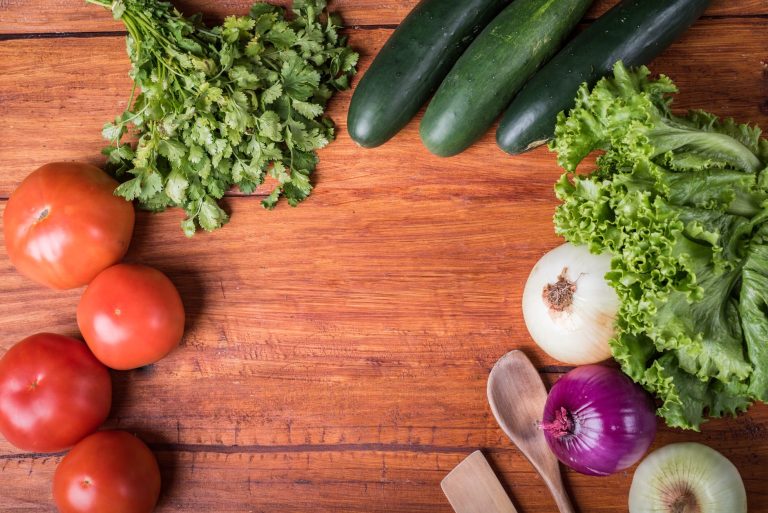


Photo by Sara Scarpa on Unsplash
If you have ever felt bloated after a supposedly healthy meal, battled stubborn cravings in the afternoon, or wondered why your energy rises and falls so unpredictably, your gut may be asking for more attention. The conversation around organic food is often framed around pesticides, sustainability, or premium quality, but there is another reason so many health-focused readers are turning to clean eating: the way food supports digestion, the microbiome, and ultimately the way you feel every single day. Could a more thoughtful organic food routine be the missing link between your nutrition goals and a healthier lifestyle?
For many people, gut health is no longer a niche wellness trend. It sits at the center of weight loss, immune resilience, mood balance, and even skin clarity. When digestion works well, your body can absorb nutrients more efficiently, manage hunger more naturally, and keep inflammation under better control. That is why an organic food approach can be so compelling. It is not just about what is removed from the plate; it is about what is added back in—fiber, diversity, antioxidants, and real nourishment that fits naturally into a clean eating pattern.
[IMAGE: organic vegetables]
This guide explores how organic food can support gut health, which ingredients deserve a place in your kitchen, and how to build a practical routine that also supports weight loss without extreme restriction. Whether you are trying to improve digestion, reduce bloating, or design a more sustainable healthy diet, the goal is the same: feed your body in a way that feels balanced, enjoyable, and easy to maintain. And if you have ever asked yourself,
About the Author