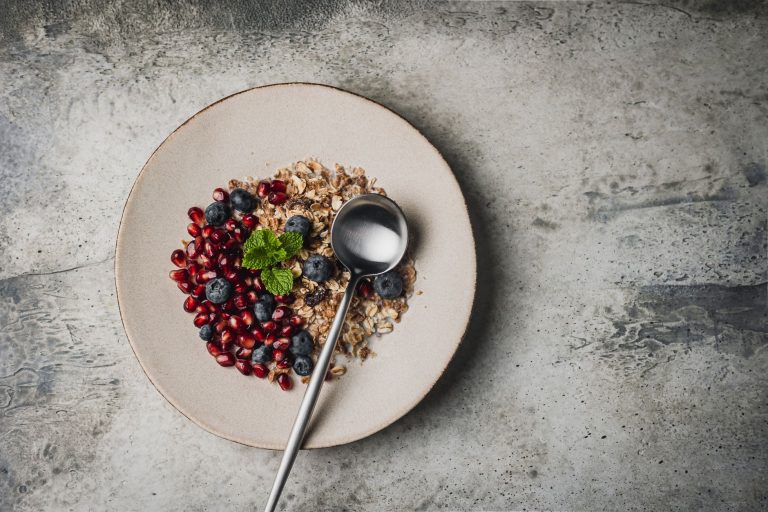


Photo by Munazir Bhat on Pexels
If you have been trying to improve your digestion, manage your weight, and feel more energized without falling into the trap of extreme dieting, your gut may be the best place to start. The relationship between organic food, nutrition, and a healthy lifestyle is far more powerful than many people realize. When your meals are built around clean eating and high-quality ingredients, your body has a better chance to absorb nutrients efficiently, support a balanced microbiome, and keep cravings under control. Could a few simple swaps in your kitchen really make that much difference? For many people, the answer is yes.
This guide explores how organic food can support gut health, why digestion affects everything from mood to metabolism, and how a thoughtful detox diet can be practical rather than punishing. Instead of relying on fads, you will learn how to choose foods that nourish your body, reduce digestive stress, and make weight loss feel more sustainable. Think of this as a high-end, real-world approach to clean eating: elegant, effective, and designed to fit into daily life.
Why Gut Health Matters More Than You Think
Your gut does much more than break down food. It helps regulate immunity, influences inflammation, plays a role in nutrient absorption, and even affects energy levels and appetite. When digestion is working well, you often notice it quickly: less bloating, more stable energy, fewer cravings, and better mental clarity. When it is not, the signs can show up everywhere. Fatigue, irregular digestion, skin issues, sugar cravings, and stubborn weight gain may all be part of the same story.
The gut microbiome, which is the community of bacteria living in your digestive tract, thrives on variety, fiber, and consistency. A healthy diet gives beneficial bacteria what they need to grow, while a diet built on processed food, excess sugar, and low-quality oils can push the system out of balance. If you have ever wondered why one person seems to lose weight easily on a new plan while another struggles, gut health may be a major reason. Nutrition is not just about calories; it is also about how your body processes what you eat.
The Microbiome, Cravings, and Weight Loss
When your microbiome is supported by organic food and clean eating habits, your appetite signals tend to become more stable. That matters because many cravings are not really about willpower. They are often the result of blood sugar swings, poor digestion, or a lack of fiber and protein at meals. A gut-friendly pattern can help smooth those spikes and dips, which makes weight loss feel less like a battle and more like a natural outcome of balanced nutrition.
Ask yourself this: after a meal, do you feel calm and satisfied, or tired and searching for something sweet an hour later? That post-meal pattern can reveal a lot. Meals rich in organic vegetables, quality protein, healthy fats, and fermented foods give your body a steady source of fuel. Over time, that steadiness can help reduce overeating, support metabolism, and improve the sense of control many people want when they begin a healthy lifestyle journey.
Signs Your Gut May Need Support
Not everyone has obvious digestive symptoms, but subtle signs often appear long before larger problems do. If you regularly experience bloating, constipation, loose stools, gas, low energy after meals, or difficulty tolerating certain foods, your gut may be asking for more care. Even poor skin, brain fog, and frequent sugar cravings can be part of the picture.
- Bloating after meals
- Irregular digestion or discomfort
- Energy crashes in the afternoon
- Strong cravings for sugar or refined carbs
- Feeling hungry soon after eating
- Sluggish progress with weight loss
These symptoms do not mean something is wrong with you. They simply suggest that your current nutrition pattern may not be giving your digestive system enough support. Small changes can create a surprisingly large shift.
[IMAGE: organic vegetables]
Why Organic Food Can Be a Smart Choice for Sensitive Digestion
Organic food is not a magic solution, but it can be a meaningful part of a clean eating strategy. Organic produce is grown without many synthetic pesticides, and organic standards also limit the use of certain additives and genetically modified ingredients. For people with sensitive digestion, that matters. The goal is not perfection; the goal is to reduce unnecessary stress on the body so nutrition can do its job more effectively.
When your meals are built around high-quality organic ingredients, you often end up eating more whole food and fewer heavily processed items. That shift alone can improve gut health. After all, a healthy lifestyle is not built on a single superfood. It is created through repeated choices that support your body day after day. Organic food can be one of those choices, especially if you are trying to build a detox diet that feels nourishing rather than restrictive.
What Organic Standards Can Reduce
Many people choose organic food because they want to limit exposure to pesticide residues and artificial ingredients. While there is no reason to fear every conventional item, reducing overall chemical load can be helpful for those looking to simplify their nutrition. This is especially important if you are eating produce daily, as most healthy diet plans encourage.
Organic standards also tend to favor more transparent production methods. That does not make every organic product automatically healthy, but it often means fewer hidden extras. When you focus on foods that are closer to their natural state, your meals become easier to digest, easier to plan, and easier to trust. And that trust is a valuable part of lasting weight loss.
When Organic Matters Most
If you are on a budget, you do not need to buy every single item organic. A strategic approach works well. Start with foods you eat often and foods that are typically eaten with the skin or outer layer intact. Leafy greens, berries, apples, celery, and peppers are common priorities. If you drink smoothies, make soups, or snack on raw produce daily, those are especially smart places to invest in organic quality.
Organic food can also be worth prioritizing for items that are part of your regular detox diet or your everyday meal prep. If a food appears in your kitchen repeatedly, it has a bigger impact on your nutrition pattern than an occasional indulgence. Would you rather buy every item from the grocery store at random, or focus on the foods that most directly support your gut and your goals?
Best Organic Foods for Gut Health
Some foods are especially effective at helping the digestive system function well. The best organic foods for gut health tend to be rich in fiber, naturally fermented, or packed with compounds that feed beneficial bacteria. These ingredients help nourish the microbiome while supporting regularity, satiety, and stable energy. The result is a clean eating pattern that feels satisfying rather than punishing.
Fermented Foods That Support Beneficial Bacteria
Fermented foods are a cornerstone of many nutrition-focused healthy lifestyle plans because they can introduce live cultures that support microbial diversity. Depending on the food and how it is prepared, these ingredients may help your body maintain a more balanced digestive environment. If you have never made fermented food a regular part of your meals, starting small is the smartest approach.
- Organic yogurt with live cultures
- Kefir made from quality milk or plant-based ingredients
- Sauerkraut with minimal ingredients
- Kimchi with no unnecessary additives
- Miso added to soups or dressings
Try adding just one fermented item a day. A spoonful of sauerkraut with lunch or a small bowl of yogurt in the morning can be enough to begin. The key is consistency, not quantity.
Fiber-Rich Organic Produce
Fiber feeds your gut bacteria and helps keep digestion moving smoothly. It also contributes to fullness, which is one reason fiber-rich organic food is so helpful for weight loss. When you build meals around produce, legumes, seeds, and whole grains, your body tends to feel more satisfied with less temptation to overeat. That is the quiet power of clean eating done well.
- Leafy greens like spinach, kale, and arugula
- Cruciferous vegetables such as broccoli and cauliflower
- Berries, especially blueberries and raspberries
- Apples and pears
- Chia seeds, flaxseeds, and hemp seeds
- Beans, lentils, and chickpeas if you tolerate them well
If your digestive system is sensitive, increase fiber gradually and drink more water. Too much too fast can leave you bloated, even if the foods are healthy. The goal is comfort, not overload.
Polyphenol-Rich Foods That Nourish the Microbiome
Polyphenols are natural plant compounds found in colorful foods, herbs, tea, and certain fruits. They have become increasingly interesting in nutrition science because they appear to interact with the microbiome in ways that support overall balance. In simple terms, the more variety of plant colors you eat, the more you may help your gut thrive.
Great choices include organic blueberries, blackberries, cacao, green tea, extra-virgin olive oil, and herbs like rosemary and oregano. These ingredients not only add flavor, but also make clean eating more enjoyable. Who says a healthy diet has to be bland?
Prebiotic Staples That Feed Good Bacteria
Prebiotics are fibers that feed beneficial bacteria already living in the gut. They are not glamorous, but they are powerful. Many prebiotic foods are simple kitchen staples that fit easily into a detox diet or weight loss meal plan. Think of them as the fuel that helps your microbiome stay active and resilient.
- Garlic
- Onions
- Leeks
- Asparagus
- Bananas that are slightly underripe
- Oats
- Cooked and cooled potatoes or rice in moderation
These foods are easy to build into soups, salads, breakfast bowls, and simple dinners. The beauty of organic food is that it often tastes more vibrant, which makes these everyday ingredients feel more special.
How to Build a Clean Eating Plate That Supports Digestion
A healthy diet becomes much easier when you stop thinking in terms of restriction and start thinking in terms of structure. A gut-friendly plate generally includes protein, fiber, healthy fats, and a modest amount of slow-digesting carbohydrates. This balance helps stabilize blood sugar, improve satisfaction, and make weight loss more realistic over time. It also reduces the urge to snack on ultra-processed foods later in the day.
A simple formula can help. Imagine your plate divided into three parts: one half organic vegetables, one quarter protein, and one quarter complex carbohydrates or starchy vegetables, with a small amount of healthy fat added on top. That kind of meal is easy to digest, easy to repeat, and easy to personalize. Clean eating becomes less about rules and more about rhythm.
A Sample Meal Structure
- Breakfast: Organic yogurt, berries, chia seeds, and walnuts
- Lunch: Mixed greens, grilled salmon or chickpeas, avocado, cucumber, and olive oil dressing
- Dinner: Roasted vegetables, quinoa, and organic chicken or tofu
- Snack: Apple slices with almond butter or a small bowl of kefir
When meals are built this way, your digestive system gets a break from constant sugar spikes and heavy processing. You may notice less bloat, more consistent energy, and a gentler relationship with hunger.
Breakfast Ideas That Set the Tone for the Day
Morning meals matter more than many people realize. A breakfast built mostly on sugar can set off cravings early, while a more balanced plate can help you stay focused and calm. Organic food makes this easier because simple ingredients tend to have better flavor and texture. Try oatmeal with flaxseeds and berries, eggs with sautéed greens, or a smoothie made with organic spinach, banana, and protein.
Lunch and Dinner Ideas That Keep Digestion Light
Lunch and dinner should leave you nourished, not sluggish. If you regularly feel heavy after eating, the issue may be portion size, food quality, or both. Light but satisfying meals often include roasted vegetables, broth-based soups, grain bowls, and proteins that are easy for your body to process. This is where a clean eating approach truly shines. You are not starving yourself; you are making digestion easier.
[IMAGE: healthy meal]
Organic Foods That Help Weight Loss Feel Sustainable
Many people start a healthy diet because they want to lose weight, but they stay with it because it improves how they feel. Organic food can support that process by making meals more filling, reducing reliance on processed snacks, and encouraging better overall nutrition. Weight loss becomes less about cutting and more about tuning. What if your body did not need to fight your food choices every day?
Several organic foods are especially useful because they help you feel satisfied longer. Protein-rich foods like eggs, Greek yogurt, tofu, tempeh, fish, and legumes can reduce hunger between meals. Fiber-rich vegetables and fruit help slow digestion. Healthy fats from avocado, nuts, seeds, and olive oil add flavor and satiety. Together, these foods create the kind of momentum that supports lasting change.
Why Satiety Matters More Than Willpower
People often blame themselves when weight loss stalls, but the issue is frequently biological. If your meals are too light on protein or too low in fiber, your body will look for energy elsewhere. That usually means cravings, snacking, and frustration. A clean eating pattern that includes satisfying organic food can lower that tension.
- Protein helps keep hunger under control
- Fiber supports fullness and regular digestion
- Healthy fats make meals more satisfying
- Complex carbohydrates support stable energy
When all four elements are present, your body is less likely to feel deprived. And when you feel deprived, the chance of abandoning your plan rises quickly. Sustainable weight loss depends on making the healthy choice the easier choice.
Blood Sugar Balance and Craving Control
Blood sugar swings can drive a surprising amount of eating behavior. If you begin the day with refined carbs alone, you may feel hungry again not long afterward. Organic food that includes fiber, protein, and fat helps moderate that effect. Over time, you may find that you think about food less obsessively. That mental relief is just as valuable as the physical results.
Many people notice that when they adopt a more thoughtful nutrition pattern, dessert stops feeling urgent. They still enjoy treats, but they no longer feel pulled into constant grazing. That is what makes clean eating and weight loss compatible with real life.
What to Limit During a Gentle Detox Diet
The word detox is often misunderstood. Your body already has natural detoxification systems, especially the liver, kidneys, and digestive tract. A smart detox diet is not about extreme cleansing or deprivation. It is about reducing the load of foods that complicate digestion while increasing the nutrients that help your body do its work efficiently. That means less chaos, more nourishment.
Foods That May Make Digestion Harder
Some foods are fine occasionally but difficult to depend on if your goal is better gut health. Highly processed snacks, sugary drinks, alcohol, and fried foods can all interfere with balance when they become too frequent. They are usually low in fiber and high in ingredients that do not offer much nutritional value.
- Sugary cereals and pastries
- Fried fast food
- Artificially sweetened drinks in excess
- Packaged snacks with long ingredient lists
- Alcohol consumed often or in large amounts
Limiting these foods is not about moral judgment. It is about making space for better nutrition. If you remove the most inflammatory or disruptive choices, your gut often has room to recover and function more smoothly.
Better Swaps for Everyday Meals
Instead of focusing on what you cannot eat, make the plan rewarding. Swap sugary drinks for sparkling water with lemon. Choose organic fruit instead of candy. Replace chips with roasted chickpeas or vegetables with hummus. Replace heavy takeaway meals with simple bowls built from fresh produce, grains, and protein. These choices are practical, and they still feel satisfying.
A detox diet works best when it is gentle and repeatable. If it is too strict, it becomes stressful; if it is too loose, it becomes meaningless. The sweet spot is a pattern that challenges bad habits without making you miserable.
A One-Day Organic Menu for Gut Support and Weight Loss
If you are wondering how to put these ideas into action, a model day can help. This is not a rigid rulebook. It is a realistic framework that shows how organic food, clean eating, and good nutrition can work together in a way that feels calm and doable.
Morning
Start with a glass of water, then eat a breakfast that combines protein, fat, and fiber. For example, a bowl of organic yogurt with blueberries, pumpkin seeds, and ground flaxseed offers a satisfying balance. If you prefer a warm meal, try scrambled eggs with spinach, mushrooms, and a slice of whole-grain toast. The goal is to begin the day with stable energy rather than a sugar surge.
Midday
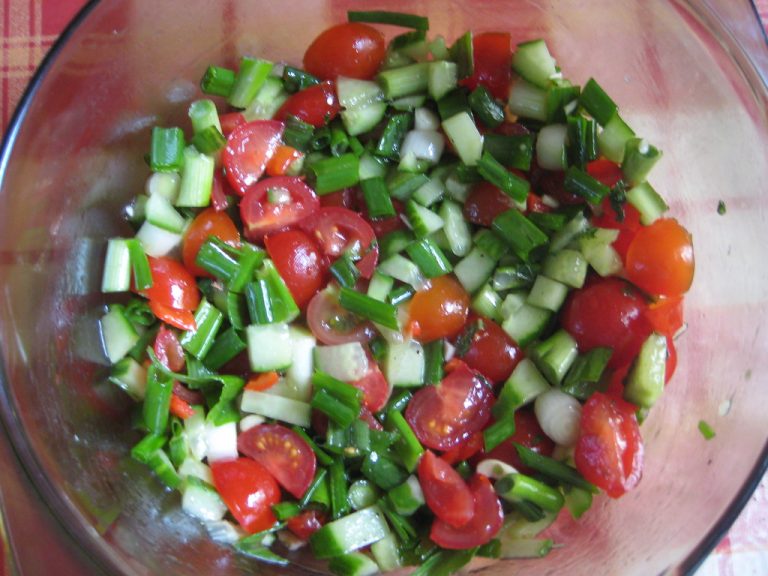
For lunch, build a colorful salad or grain bowl with mixed greens, cucumbers, tomatoes, roasted sweet potato, chickpeas or grilled chicken, and olive oil dressing. Add sauerkraut on the side if you enjoy it. This kind of meal is nutrient-dense but not heavy, which makes it ideal for digestion and afternoon focus. Do you notice how much easier it is to stay on track when lunch actually tastes good?
Afternoon
If you need a snack, keep it simple and balanced. An apple with nut butter, a handful of walnuts, or a small kefir smoothie can help bridge the gap without sending your blood sugar into a spiral. Small, mindful choices are often what keep the whole day on course.
Evening
Dinner can be comforting and still support your goals. Try baked salmon with roasted broccoli and quinoa, or a lentil and vegetable stew with fresh herbs. Finish with herbal tea if you like a calming ritual. Your last meal does not need to be tiny; it needs to be complete.
[IMAGE: fitness lifestyle]
Lifestyle Habits That Turn Nutrition Into Results
Food matters, but it is not the whole story. A healthy lifestyle also includes rest, movement, stress management, and hydration. If you eat beautifully but sleep poorly, sit all day, and remain constantly stressed, your digestion may still struggle. That is why the most effective approach combines organic food with supportive habits that reinforce one another.
Sleep Affects Digestion and Weight
People often underestimate how much sleep influences hunger and food choice. Poor sleep can increase cravings, reduce energy, and make it harder to regulate appetite. When you are well rested, your body is more likely to respond positively to clean eating. Aim for a consistent sleep schedule, a cool and dark room, and a lower-stimulation routine before bed.
Movement Helps the Gut Work Better
You do not need extreme workouts to improve digestion. Walking after meals, stretching, yoga, and moderate strength training can all support a healthier gut and a better metabolic response. Movement helps circulation, lowers stress, and can ease bloating. Even a 15-minute walk after dinner can make a noticeable difference. Why not use movement as part of your daily nutrition strategy?
Stress Management Supports the Microbiome
Chronic stress can change how you digest food and how hungry you feel. If your nervous system is always on alert, your body may not absorb and process food as efficiently. Small calming habits can help: breathing exercises, journaling, time outdoors, or simply eating without distractions. These may sound simple, but simple habits are often the ones that last.
Hydration Is Not Optional
Fiber only works properly when you drink enough water. If you increase your intake of vegetables, seeds, and legumes without increasing fluids, you may feel more bloated or sluggish. Keep water nearby during the day, and consider herbal teas or mineral-rich broths if you enjoy warm drinks. Hydration is one of the easiest ways to support both digestion and energy.
Common Clean Eating Mistakes to Avoid
Even a well-intentioned nutrition plan can backfire if it is too rigid or unbalanced. Many people embrace clean eating with enthusiasm, but then make changes that are hard to sustain. The result is frustration, not freedom. Knowing the most common mistakes can help you avoid unnecessary setbacks.
Too Much Fiber Too Quickly
Fiber is beneficial, but jumping from a low-fiber diet to a high-fiber one overnight can cause bloating and discomfort. Increase fiber gradually, especially if you are new to organic food and plant-heavy meals. Give your digestive system time to adapt.
Relying on Packaged Health Foods
Not every item marketed as healthy is actually supportive. Some bars, shakes, and snacks contain a surprising amount of sugar or additives. Always read labels. Clean eating works best when you focus on real food more often than packaged substitutes.
Ignoring Protein
It is easy to fill a plate with vegetables and still feel unsatisfied an hour later if protein is missing. Protein helps with satiety, muscle maintenance, and overall nutrition. Include a quality source at each meal whenever possible.
Trying to Be Perfect
Perfection is one of the fastest ways to quit. If you eat one less-than-ideal meal, do not treat the day as ruined. A healthy diet is built across weeks and months, not a single afternoon. Progress matters more than flawless execution.
How to Shop Organic Without Overspending
One of the most common barriers to organic food is cost, but a smart strategy can make it more accessible. You do not need every pantry item organic from the start. Focus on the foods that matter most to your routine and your digestion. Prioritize fresh produce, items eaten raw, and ingredients you buy repeatedly. This gives you the most nutritional return for your budget.
- Buy seasonal produce whenever possible
- Choose frozen organic vegetables and berries for convenience and value
- Shop at local markets or co-ops
- Use canned organic beans and tomatoes for affordable meal prep
- Build meals around staples like oats, rice, lentils, eggs, and greens
Another smart move is to plan meals before shopping. A list reduces impulse purchases and makes it easier to stay focused on the ingredients that support your goals. Organic food does not need to be luxurious to be effective; it just needs to be intentional.
Making Gut-Friendly Eating a Long-Term Habit
The best nutrition plan is the one you can repeat. That sounds simple, but it is the heart of real change. A gut-friendly, organic food approach works because it is not built on punishment. It is built on nourishment, balance, and enough flexibility to handle ordinary life. That means allowing room for family meals, social events, and occasional treats without losing your direction.
Instead of asking, What diet can I force myself to follow for two weeks? ask, What pattern can I live with for the next six months? The answer usually includes more organic vegetables, more fiber, more water, more movement, and fewer ultra-processed foods. It may also include better sleep, less stress, and more attention to how different meals actually make you feel. That is how clean eating evolves from an idea into a lifestyle.
When you support your gut, you are not only improving digestion. You are creating the internal conditions that make energy steadier, cravings quieter, and weight loss more achievable. You are also giving your body a stronger base for immunity, mood, and daily performance. Explore more expert articles on DietOrganic to keep building a healthier, cleaner way of eating, one practical choice at a time.
About the Author