

Photo by I Love Egg on Openverse
When people talk about weight loss, the conversation usually jumps straight to calories, carbs, or the latest detox diet trend. But what if the real starting point is your gut? The balance of your digestion, the quality of your nutrition, and the foods you choose every day can influence energy, cravings, bloating, and even how easily your body releases excess weight. That is where organic food and clean eating become more than a lifestyle preference. They become a practical strategy for building a healthy diet that feels sustainable instead of restrictive.
If you have been trying to improve your healthy lifestyle without getting the results you want, it may be time to look deeper than food rules. Are your meals helping your digestion, or are they creating more inflammation and discomfort? Are you eating in a way that supports your gut microbiome, or are you constantly fighting bloating and energy crashes? A gut-focused approach does not promise overnight change, but it can create the kind of steady progress that lasts.
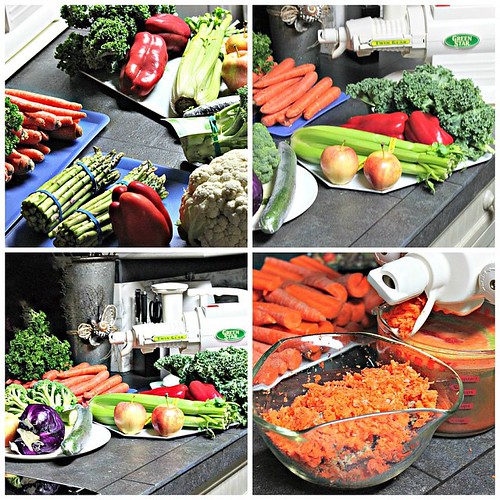
[IMAGE: organic vegetables]
Why Gut Health Matters More Than Most Diets Admit
The gut is often described as the center of overall wellness for a reason. It is where nutrients are absorbed, where your body responds to fiber and fats, and where trillions of microbes help shape digestion, immunity, and appetite regulation. When your gut is in balance, you are more likely to feel satisfied after meals, experience fewer sugar cravings, and maintain better energy throughout the day. When it is out of balance, even a seemingly healthy diet can feel frustratingly ineffective.
This is why organic food can be especially useful in a clean eating plan. While organic foods are not magic, many people choose them to reduce exposure to certain pesticides, improve the quality of their meals, and prioritize fresher whole foods over ultra-processed products. For someone focused on weight loss, that shift matters. A diet built around nutrient-dense organic vegetables, fruit, legumes, seeds, and quality proteins naturally tends to be more filling and more supportive of long-term nutrition than a menu full of packaged snacks.
The gut is not a side note
It is easy to think of digestion as something that simply happens in the background, but the gut influences far more than restroom habits. A healthy digestive system helps regulate hunger hormones, supports stable blood sugar, and can reduce the tendency to overeat. If you often feel tired after meals or hungry again an hour later, the issue may be less about willpower and more about meal composition and digestion.
Ask yourself a simple question: do your meals leave you calm, energized, and comfortably full, or do they leave you bloated and searching for snacks? That answer often reveals whether your nutrition strategy is truly working.
Why organic food can make a difference
Choosing organic food is not about perfection. It is about creating a cleaner baseline for your healthy lifestyle. Many people prefer organic produce because it often encourages them to buy more fresh vegetables, more fruit, and fewer heavily processed foods. That alone can improve the quality of a detox diet or a clean eating routine. Organic options may also feel like a more intentional choice, which can lead to better meal planning and more mindful eating habits overall.
In practical terms, the biggest benefit of organic food is usually consistency. When your kitchen is stocked with nourishing ingredients that you actually want to eat, it becomes much easier to stay on track with weight loss goals without feeling deprived.
The Organic Foods That Support a Healthier Gut
Not every healthy diet needs to look the same, but the most effective ones usually share one thing in common: they are built from real food. For gut health, the goal is not to chase the newest supplement or restrict entire food groups unnecessarily. It is to feed beneficial bacteria, support digestion, and make meals satisfying enough that you can stick with them. The best organic foods for this purpose tend to fall into a few key categories.
Fermented foods for microbial diversity
Fermented foods are among the most valuable additions to a gut-friendly menu. They contain live cultures or fermentation byproducts that can support microbial diversity and help the digestive system function more efficiently. If you are new to this food category, start slowly. A small amount can be enough to make a difference, especially if your body is not used to fermented flavors.
- Organic plain yogurt or kefir with minimal added sugar
- Sauerkraut made with simple ingredients
- Kimchi with a short ingredient list
- Miso added to soups or dressings
- Tempeh as a protein-rich plant-based choice
These foods can fit into breakfast, lunch, dinner, or snacks. The key is quality. When possible, choose versions with fewer additives and more recognizable ingredients.
Fiber-rich organic vegetables and fruit
Fiber is one of the most important nutrients for gut health and weight loss. It helps move food through the digestive system, supports regularity, and contributes to satiety. Organic vegetables like broccoli, carrots, kale, spinach, zucchini, asparagus, and Brussels sprouts are excellent choices because they can be used in large portions without adding many calories. That means you can build a meal that feels generous while still supporting your goals.
Fruit matters too, especially when you focus on whole fruit instead of juice. Berries, apples, pears, kiwi, and citrus fruits provide fiber along with vitamins and antioxidants. In a clean eating plan, whole fruit can satisfy a sweet craving while still supporting nutrition and digestion. If you have a tendency to snack between meals, adding more fiber at breakfast and lunch can make a noticeable difference by the afternoon.
Prebiotic foods that feed beneficial bacteria
Prebiotics are the food source your beneficial gut bacteria rely on. Think of them as fuel for the ecosystem inside your digestive tract. Organic foods high in prebiotic fibers can help create a more supportive gut environment over time, especially when combined with fermented foods.
- Garlic
- Onions
- Leeks
- Asparagus
- Bananas that are slightly green
- Oats
- Chia seeds
- Flaxseed
These ingredients are easy to work into everyday meals. Add onions and garlic to soups, use oats in breakfast bowls, or mix chia seeds into yogurt. Small changes often create the biggest long-term impact because they are easier to repeat.
A simple rule for each plate
Try building each meal around three elements: a high-fiber plant food, a quality protein source, and a healthy fat. This combination helps stabilize blood sugar, supports satiety, and reduces the urge to overeat later. It also makes your meals look and feel complete, which is important when you are trying to maintain a healthy diet instead of following a temporary plan.
For example, roasted organic vegetables with salmon and olive oil, or lentils with greens and avocado, can be far more satisfying than a low-calorie plate that leaves you hungry one hour later. The goal is not to eat less food. The goal is to eat better food.
Clean Eating Without Extremes
Clean eating has become a popular phrase, but it is often misunderstood. It does not mean eating perfectly, avoiding every indulgence, or cutting out entire food groups for no reason. At its best, clean eating means choosing ingredients that are closer to their natural state, preparing meals with fewer unnecessary additives, and paying attention to how food makes you feel. That is a realistic approach for anyone who wants better nutrition, improved digestion, and steady weight loss support.
The best clean eating plans are flexible enough to fit real life. You should be able to eat well at home, at work, while traveling, and during busy weeks. If your plan collapses the moment your schedule changes, it is too rigid. A sustainable healthy lifestyle has to work outside ideal conditions.
What clean eating actually means
Clean eating is not about shame. It is about awareness. A cleaner diet usually emphasizes whole foods such as organic produce, beans, seeds, nuts, lean protein, and minimally processed grains. It limits excess sugar, refined oils, artificial flavors, and ultra-processed snacks that are designed to be overeaten. When you reduce those foods, you often notice fewer cravings and better appetite control.
Many people also find that clean eating improves their relationship with food. When meals are built from ingredients you recognize and enjoy, eating becomes less emotional and more nourishing. That shift can be especially helpful for weight loss, because it reduces the cycle of restriction and rebound eating that derails so many diets.
Foods to minimize
You do not need to ban anything forever, but it helps to understand which foods commonly work against a gut-friendly plan. The issue is not only calories. It is also how these foods affect satiety, inflammation, and digestion.
- Highly refined snacks with little fiber
- Sugary breakfast cereals and pastries
- Sweetened drinks and energy beverages
- Deep-fried foods eaten often
- Packaged desserts with long ingredient lists
- Alcohol in excess, especially when paired with poor sleep
If these foods dominate your routine, your gut may never get the consistency it needs to recover. The point is not guilt. The point is to make room for foods that help your body function better.
Better swaps
Sometimes the easiest way to improve clean eating is to make direct swaps instead of trying to change everything at once.
- Swap flavored yogurt for plain organic yogurt with berries
- Swap chips for roasted chickpeas or seeds
- Swap sugary drinks for sparkling water with lemon
- Swap white toast for sprouted or whole grain bread
- Swap dessert-heavy breakfasts for oats, nuts, and fruit
These changes do not feel extreme, and that is exactly why they work. You are more likely to sustain a healthy diet when it feels practical rather than punishing.
A Healthy Diet Pattern That Supports Weight Loss Naturally
Weight loss is often discussed as if it were only about discipline, but the structure of your meals matters just as much. A gut-friendly organic food plan can help you lose weight more comfortably because it prioritizes fullness, stable energy, and fewer cravings. When the body is well nourished, it is less likely to push back with urgent hunger and rebound eating.
The most effective diets are rarely the most dramatic. They are the ones that make ordinary days easier. If your meal plan helps you feel calm, focused, and satisfied, you are much more likely to stay consistent long enough to see results.
Build meals around protein, fiber, and healthy fat
Protein supports muscle maintenance and satiety. Fiber supports digestion and fullness. Healthy fats support satisfaction and help absorb fat-soluble nutrients. When all three are present, a meal tends to work better than a plate built mostly from refined carbohydrates alone.
Good organic food choices for this pattern include eggs, Greek yogurt, chicken, turkey, tofu, tempeh, beans, lentils, avocado, olive oil, nuts, and seeds. Pair these with vegetables and fruit to make meals that feel balanced. A nutrient-dense breakfast, for example, can reduce overeating later in the day more effectively than a low-calorie breakfast that leaves you hungry by midmorning.
Why satiety beats restriction
Many weight loss plans fail because they make people feel deprived. The body does not respond well to endless restriction. It responds better to regular nourishment, predictable meal timing, and foods that naturally keep hunger under control. This is where clean eating becomes powerful. Instead of trying to rely on motivation alone, you build meals that do some of the work for you.
When satiety improves, your nutrition becomes easier to manage. You are less likely to grab random snacks, more likely to stop eating when satisfied, and more able to follow your plan without constant mental effort. That is a major advantage for anyone seeking long-term healthy lifestyle change.
The plate method
A simple way to apply this is to use the plate method at lunch and dinner:
- Half the plate: non-starchy vegetables
- One quarter: protein
- One quarter: whole carbohydrates or extra vegetables
- Add a small amount of healthy fat
This structure works well for a detox diet-style reset too, because it naturally reduces processed food while still providing enough energy to feel good. It is not about starvation. It is about balance.
[IMAGE: healthy meal]
Daily Habits That Strengthen Nutrition and Digestion
Food is only one part of the equation. Your digestion is also influenced by movement, sleep, hydration, and stress. Even the best organic food can be undermined by poor habits elsewhere. If you want better gut health and more efficient weight loss, think of your routine as a system rather than a single meal plan.
A healthy lifestyle often comes down to a collection of small practices repeated consistently. You do not need an intense wellness routine. You need a few reliable habits that support your body every day.
- Eat at regular times when possible
- Chew slowly and avoid rushing meals
- Drink water throughout the day
- Walk after meals to support digestion
- Limit late-night heavy eating when you can
- Protect sleep as part of nutrition, not separate from it
Hydration and movement
Water helps keep digestion moving, especially when your diet includes more fiber. If you increase vegetables, legumes, or seeds without increasing water intake, you may feel more bloated instead of better. Hydration also supports energy and can help prevent mistaking thirst for hunger. That matters when you are trying to avoid unnecessary snacking.
Movement is equally important. A short walk after meals can improve digestion and gently support blood sugar regulation. You do not need a perfect fitness routine to benefit. Even 10 to 15 minutes of movement can make a difference. This is one reason nutrition and fitness lifestyle habits belong together; they reinforce one another.
Sleep and stress
Stress can disrupt digestion, increase cravings, and interfere with healthy weight management. Poor sleep can do the same. If you are eating well but feeling constantly depleted, your body may be asking for rest, not more restriction. Creating a calming evening routine, reducing screen time before bed, and eating dinner at a reasonable hour can all support better recovery.
There is nothing glamorous about sleep hygiene, but it is often the missing piece. A healthy diet works best when the rest of your life is not fighting against it.
[IMAGE: fitness lifestyle]
A Sample Gut-Friendly Day of Eating
It is much easier to imagine a healthy diet when you see it in practice. This sample day is not a strict prescription. It is a model for how organic food, clean eating, and weight loss support can come together in real life without feeling bland or repetitive.
Breakfast
Start with organic Greek yogurt or kefir, topped with blueberries, chia seeds, and a small handful of walnuts. If you prefer a savory breakfast, try eggs with spinach, sautéed onions, and avocado on whole grain toast. Both versions offer protein, fiber, and healthy fats, which help stabilize appetite for the morning.
Lunch
Build a bowl with mixed greens, roasted organic vegetables, chickpeas or grilled chicken, cucumber, olive oil, lemon, and a spoonful of sauerkraut or fermented vegetables on the side. This style of meal supports digestion while delivering enough volume to feel satisfying. It is a great example of how clean eating can be both nourishing and visually appealing.
Snack
Choose one option that genuinely satisfies you rather than eating out of habit. Good choices include an apple with almond butter, carrots with hummus, a small serving of pumpkin seeds, or plain yogurt with cinnamon. If you are not actually hungry, try water or herbal tea first. Often, the body is asking for hydration, movement, or a short break rather than another snack.
Dinner
Try baked salmon or tofu with roasted Brussels sprouts, carrots, and quinoa. Add garlic and herbs for flavor without relying on heavy sauces. This kind of dinner is comforting, nutrient-rich, and supportive of both gut health and weight loss because it gives your body what it needs without excess processed ingredients.
What to drink
Water should be your main beverage. Herbal teas like peppermint, ginger, or chamomile can also be useful, especially if you want something calming after meals. If you enjoy coffee, keep it balanced and avoid turning it into a sugar-heavy dessert in a cup. A clean eating plan works best when drinks are aligned with your nutrition goals.
Organic Grocery List for Gut Health and Weight Loss
Shopping well is one of the easiest ways to improve your results. When the kitchen is stocked with the right organic food, healthy decisions become almost automatic. You do not have to overthink every meal if the ingredients are already in place.
- Organic spinach, kale, and mixed greens
- Broccoli, cauliflower, zucchini, asparagus, carrots
- Berries, apples, pears, kiwi, lemons
- Plain yogurt or kefir with live cultures
- Sauerkraut or kimchi with simple ingredients
- Eggs, chicken, salmon, turkey, tofu, tempeh
- Oats, quinoa, brown rice, lentils, beans
- Chia seeds, flaxseed, walnuts, almonds, pumpkin seeds
- Olive oil, avocado, garlic, onions, herbs, spices
With these ingredients on hand, you can prepare breakfast, lunch, dinner, and snacks without relying on packaged foods. That alone can change the rhythm of your week.
Mistakes That Keep People Bloated and Stuck
Many people try to improve their nutrition but still feel frustrated because they make a few common mistakes. These are not character flaws. They are simply habits that are easy to overlook when you are focused on weight loss or trying to start a detox diet.
Too much too soon with fiber
Fiber is helpful, but increasing it too quickly can cause bloating, gas, and discomfort. If you have been eating a low-fiber diet, let your body adjust gradually. Add one or two high-fiber foods at a time and increase water intake along with them. Sustainable change is gentler than dramatic change.
Relying on organic junk food
Organic cookies are still cookies. Organic chips are still chips. Organic sugar can still behave like sugar. The label matters, but the overall food quality matters more. A healthy lifestyle depends on nutrient density, not just ingredient marketing. If most of your meals are still packaged and low in fiber, you will not get the digestive support you are hoping for.
Ignoring digestion signals
If certain foods repeatedly leave you bloated, sluggish, or uncomfortable, pay attention. Some people struggle with dairy, others with large amounts of raw vegetables, and others with specific grains or legumes. A gut-friendly approach is personal. It is not about forcing yourself to tolerate foods that consistently make you feel worse. Good nutrition should help, not confuse you.
Under-eating
Severe calorie restriction often backfires. When you under-eat for too long, cravings rise, metabolism can adapt, and your relationship with food becomes more stressful. Clean eating works best when it supports energy and satisfaction. If your meals are too small, you may lose weight briefly but struggle to maintain it. A more balanced approach is often more effective in the long run.
How to Make This Sustainable
Long-term success usually comes from a few repeatable systems, not from dramatic motivation. If you want the benefits of organic food, clean eating, and better gut health to last, make the plan easier to live with. The more your routine fits your real life, the more likely you are to keep it.
Start with 3 upgrades
Instead of overhauling everything at once, choose three upgrades for the next two weeks. For example, you could add one fermented food per day, replace one processed snack with fruit and nuts, and include vegetables at two meals. These small changes are manageable and measurable. They also build confidence, which is often more important than intensity.
Use a weekly reset
Set aside time once a week to wash produce, prep proteins, cook grains, and portion snacks. A weekly reset removes friction from healthy choices. When the fridge is ready, your plan becomes easier to follow, even on busy days. This is one of the simplest ways to keep a healthy diet from falling apart midweek.
Track real wins
Weight loss is only one sign of progress. Better energy, fewer cravings, less bloating, improved digestion, and steadier moods are all meaningful signs that your nutrition is working. Paying attention to these wins can keep you motivated when the scale moves slowly. That is important, because true healthy lifestyle change usually happens quietly before it becomes visible.
If you can create a routine where organic food is the default, clean eating feels natural, and your meals consistently support digestion, then you are not just following another diet. You are building a system that helps your body function better every day. That kind of approach is far more powerful than chasing perfection, and it is exactly why a gut-first healthy diet can become one of the most effective and sustainable paths to weight loss. If this style of eating speaks to you, explore more articles on DietOrganic and keep building a nutrition routine that feels elegant, realistic, and truly worth repeating.
About the Author