

Photo by Gustavo Fring on Pexels
Your gut does far more than digest a meal. It helps shape your energy, your immune response, your mood, and even how easily your body maintains a healthy weight. When digestion feels off, everything else often follows: bloating, sluggishness, cravings, brain fog, and that uncomfortable sense that your healthy diet is not working the way it should. The encouraging part is that small, consistent changes can create a noticeable shift. By choosing the right organic food and building a clean eating routine around it, you can support better digestion without turning your life into a complicated nutrition experiment.
That is where an organic gut health approach stands out. Instead of relying on extreme trends, you focus on real food, natural fiber, live cultures, and ingredients that help the body do what it already knows how to do. Can a simple plate of vegetables, fermented foods, and smart hydration really make that much difference? For many people, the answer is yes. A gentle, well-designed detox diet built around organic foods can reduce the burden on the digestive system, while also supporting weight loss, steadier appetite, and a more energized healthy lifestyle.
Category: Organic Diet
[IMAGE: organic vegetables]
Why gut health matters more than most people realize
The digestive system is often treated like a background player, but it is one of the most important systems in the body. Inside the gut lives a complex community of bacteria, enzymes, and other microorganisms known as the microbiome. When that ecosystem is well balanced, food is broken down more efficiently, nutrients are absorbed more effectively, and the body tends to feel calmer and more resilient. When the balance is off, even a high-quality healthy diet can feel like it is not delivering the results you want.
Think about the symptoms people often dismiss as normal: occasional bloating after meals, irregular digestion, stubborn cravings, low energy in the afternoon, or a swollen feeling after eating processed snacks. These are not random inconveniences. They can be signs that your gut needs more support. That support does not have to come from expensive supplements or rigid rules. It can begin with organic food choices that are easier for the body to recognize, process, and use.
For anyone focused on weight loss, gut health matters even more. A well-functioning digestive system can support fullness, help regulate appetite, and make clean eating feel more sustainable. When meals contain fiber, good fats, and natural nutrients in the right balance, your body often responds with better satiety and fewer cravings. That is why gut-friendly eating is not just a wellness trend. It is a practical strategy for daily life.
The gut and the rest of your body are closely connected
Many people imagine digestion as a simple process of eating and eliminating food, but it is far more dynamic. Your gut communicates with your immune system, your hormones, and your nervous system. If meals are too heavy, too processed, or too low in nutrients, the whole network can feel strained. On the other hand, when you eat organic foods that are rich in fiber and free from unnecessary additives, you give your body a calmer internal environment.
That can show up in ways you may not expect:
- More stable energy after meals
- Less bloating and discomfort
- Better appetite control during weight loss
- Improved regularity and digestion
- A more consistent sense of well-being
These benefits are one reason so many nutrition experts encourage people to stop chasing quick fixes and start building meals that support the gut every day. A strong digestive foundation is not glamorous, but it may be the smartest clean eating habit you ever build.
The best organic foods for gut health
If your goal is to improve digestion, not every healthy food will have the same effect. Some ingredients are particularly useful because they supply prebiotic fiber, natural probiotics, or soothing compounds that help the digestive tract function more smoothly. Choosing organic food can be especially valuable here because it reduces exposure to synthetic pesticides and keeps your meals closer to their natural state.
1. Fermented organic foods
Fermented foods are among the most talked-about gut health staples for good reason. They contain live cultures that can support microbial diversity in the digestive system. Organic versions often feel like a cleaner choice because they usually rely on simpler ingredients and traditional preparation methods.
Some of the most useful options include:
- Organic yogurt with live cultures
- Organic kefir
- Sauerkraut made from simple ingredients
- Kimchi with minimal added sugar
- Miso and tempeh
These foods can be added in small amounts at first. If your digestive system is sensitive, starting slowly is wise. Why overwhelm your gut when a few spoonfuls a day can already make a difference?
What to look for on the label
Not all fermented products are equal. Look for short ingredient lists, live or active cultures, and low added sugar. A product can look healthy and still be loaded with sweeteners or preservatives that work against your goals. Clean eating means reading labels with care, especially when the word natural is doing a lot of marketing work.
2. Fiber-rich organic vegetables
Vegetables are the backbone of any gut-supportive healthy diet. They provide both soluble and insoluble fiber, which helps move food through the digestive tract while also feeding beneficial bacteria. Organic vegetables are particularly appealing for people building a detox diet or trying to reduce their chemical load while eating more plants.
Excellent choices include:
- Leafy greens such as spinach, kale, and arugula
- Cruciferous vegetables such as broccoli, cauliflower, and Brussels sprouts
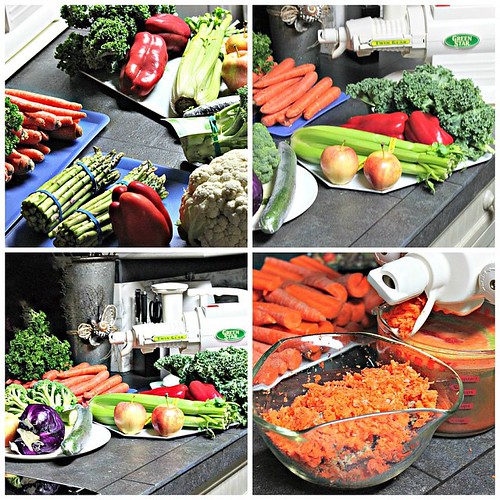
- Root vegetables such as carrots, beets, and sweet potatoes
- Squash, zucchini, and cucumbers
- Artichokes and asparagus
These foods can be roasted, steamed, blended into soups, or tossed into grain bowls. The key is consistency. A gut-friendly plate does not need to be perfect, but it should appear often enough that your digestive system has a reliable source of plant fiber.
[IMAGE: healthy meal]
3. Prebiotic foods that feed good bacteria
Prebiotics are fibers that feed the beneficial bacteria already living in your gut. If probiotics are the seeds, prebiotics are the fertilizer. You need both. Organic foods that naturally provide prebiotic fibers can be a simple way to strengthen your foundation without changing your entire routine.
Good prebiotic choices include:
- Onions
- Garlic
- Leeks
- Asparagus
- Bananas that are slightly underripe
- Oats
- Chicory root
These ingredients are easy to use in everyday cooking. Garlic and onions can go into soups and sautés. Oats make a comforting breakfast. Asparagus can be roasted in minutes. The goal is not to chase superfoods as if they are magic, but to create a steady supply of nourishment that supports digestion over time.
4. Healthy fats that soothe and satisfy
Healthy fats are often overlooked in gut health conversations, but they matter. They help with the absorption of fat-soluble vitamins and contribute to the feeling of satisfaction that prevents overeating. In a weight loss plan, this is especially useful because a meal that leaves you satisfied is much easier to stick with than one that sends you searching for snacks an hour later.
Useful organic sources of healthy fat include:
- Avocados
- Extra-virgin olive oil
- Chia seeds
- Ground flaxseed
- Walnuts
- Almonds
These ingredients also work beautifully in clean eating recipes. A salad with olive oil and avocado feels nourishing. Oatmeal with chia seeds becomes more filling. A handful of walnuts can provide a much better afternoon option than a packaged bar full of additives.
5. Gentle proteins that support balance
Protein is not only for athletes. It is also important for blood sugar stability, muscle maintenance, and satiety. When blood sugar swings too wildly, digestion and appetite often become harder to manage. Balanced organic protein sources help create steadier meals that are easier on the body.
Consider adding:
- Organic eggs
- Plain Greek yogurt
- Wild-caught fish
- Organic chicken
- Tofu and tempeh
- Beans and lentils in well-tolerated amounts
The best approach is to combine protein with fiber and healthy fats. That combination helps create meals that support digestion while also keeping hunger in check. If your weight loss plan leaves you constantly hungry, it may not be balanced enough.
Foods that often work against gut health
Supporting digestion is not only about what you add. It is also about what you reduce. Many people try to improve their gut while still consuming processed foods that irritate the system, feed cravings, or crowd out the nutrient-dense ingredients the body actually needs. A clean eating strategy becomes far more effective when you remove the most common obstacles.
Ultra-processed foods
Packaged snacks, instant meals, and highly refined products often contain artificial flavors, emulsifiers, excess sugar, and low-quality fats. These ingredients can make meals more convenient, but they may also leave the gut undernourished and overworked. If your diet is built around convenience rather than nourishment, digestion may be paying the price.
Ask yourself: how often do you eat something because it is easy, not because it truly supports your healthy lifestyle? That question can be revealing. Even one or two daily swaps can reduce the digestive strain significantly.
Too much added sugar
Excess sugar does not just affect energy and weight loss goals. It can also influence the balance of gut bacteria. Sweetened yogurts, dessert-style smoothies, cereal bars, and flavored drinks often look harmless but may deliver more sugar than your body can comfortably handle. When possible, choose plain organic foods and sweeten them naturally with fruit, cinnamon, or small amounts of honey if needed.
Alcohol and frequent fried foods
Although many people enjoy these foods occasionally, frequent intake can disrupt digestion and increase discomfort. Fried foods can feel heavy, while alcohol may irritate the gut lining and affect hydration. If your goal is to support a detox diet or improve digestion, these are areas worth watching. You do not need perfection, but you do need awareness.
A simple organic gut-friendly day of eating
Sometimes the easiest way to understand healthy eating is to see it in action. A gut-friendly day should feel satisfying, realistic, and flexible enough to fit real life. It should not require a chef, a supplement cabinet, or a schedule that nobody can maintain.
Breakfast
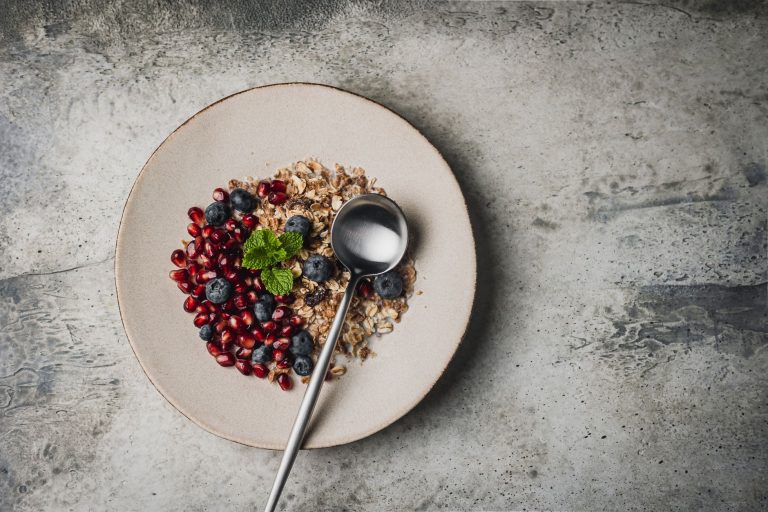
Start with a bowl of organic oats topped with chia seeds, blueberries, and a spoonful of plain yogurt. If you prefer savory meals, try organic eggs with sautéed spinach and avocado on the side. Both options provide fiber, protein, and healthy fats that help steady your energy.
Lunch
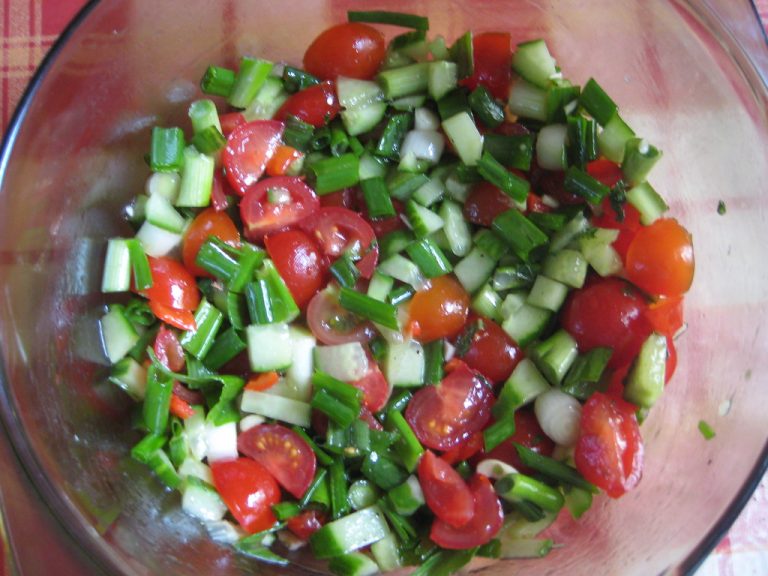
Create a grain bowl with quinoa, roasted carrots, leafy greens, cucumbers, pumpkin seeds, and grilled chicken or tofu. Add olive oil and lemon dressing for flavor without relying on heavy sauces. This type of meal is easy to digest and deeply nourishing.
Snack
An apple with almond butter, a small bowl of kefir, or a handful of walnuts can keep you comfortable between meals. The best snack is not the one that tastes the most exciting for five seconds. It is the one that supports stable energy and prevents overeating later.
Dinner
Try salmon with roasted broccoli and sweet potato, or a vegetable soup with lentils and herbs. Warm, simple meals are often very digestive-friendly, especially in the evening. They can help you feel grounded rather than overly full before bed.
[IMAGE: fitness lifestyle]
How a gentle detox diet can support digestion without extremes
The word detox is often used in exaggerated ways, but the reality is simple: your body already has built-in detoxification systems, including the liver, kidneys, and digestive tract. The role of food is not to do the job for the body, but to make the process easier. A thoughtful detox diet based on organic foods can reduce the intake of heavily processed ingredients and replace them with meals that are easier to digest and more nutrient-dense.
This is where clean eating becomes practical rather than ideological. You are not punishing yourself. You are clearing space for foods that help you feel lighter, more balanced, and more comfortable. If you have ever wondered why a week of vegetables, soups, fruit, and simple proteins makes you feel better, that is your body responding to less friction and more support.
Smart detox support looks like this
- Hydrating with water, herbal tea, and broth
- Eating more vegetables and fewer refined snacks
- Using herbs and spices such as ginger, turmeric, and fennel
- Choosing organic ingredients when possible
- Keeping meals simple and consistent
These habits do not need to be extreme to be effective. In fact, the gentler the plan, the more likely you are to stick with it. Sustainable nutrition is usually more powerful than short-lived intensity.
Practical clean eating habits that make digestion easier
Gut health is not only about recipes. It is also about how you eat, when you eat, and the environment you create around meals. Even the best organic food can feel less helpful if you rush through it, eat while distracted, or leave yourself under-hydrated all day.
Eat slower than you think you need to
Chewing is part of digestion, and many people underdo it. Eating slowly gives your body time to signal fullness, which can help with weight loss and reduce the tendency to overeat. It also allows the stomach to work with food that has been broken down more thoroughly. Why not make meals feel more intentional and less like a race?
Drink enough water, but not in a chaotic way
Hydration matters, but chugging large amounts of water during meals can leave some people feeling uncomfortable. A better approach is steady hydration throughout the day. Herbal teas, citrus-infused water, and brothy soups can all contribute to a more supportive routine.
Keep meal timing consistent
Your digestive system often appreciates rhythm. While flexibility matters, wildly irregular meal patterns can make hunger and energy harder to predict. A healthy lifestyle usually works best when meals happen at roughly similar times each day. That does not mean rigidity. It means giving your body enough structure to relax.
Build your plate around balance
Whenever possible, include:
- One source of protein
- One or two sources of fiber-rich vegetables
- A modest serving of healthy fats
- A satisfying carbohydrate if needed
This formula keeps meals from becoming too extreme in any one direction. A plate that is too low in calories may leave you hungry. A plate with too many refined carbs may leave you sluggish. Balance is what makes clean eating realistic.
How organic food choices can support weight loss naturally
Weight loss is often approached through restriction, but digestion-friendly eating works differently. Instead of obsessing over every calorie, you build meals that are more satisfying, nutrient-rich, and easier on the body. That can make weight loss feel less stressful and more sustainable. People often underestimate how much a calmer digestive system influences adherence. If meals feel good, you are more likely to continue making healthy choices.
Why gut-friendly meals help with appetite
Fiber, protein, and healthy fats slow digestion in a helpful way, promoting fullness and reducing the likelihood of mindless snacking. Organic food that is minimally processed tends to be more filling than packaged alternatives because it retains more of its natural structure. A baked sweet potato satisfies differently from a bag of chips, even if both are technically carbohydrates.
Weight loss becomes more manageable when you feel satisfied
This is the part people often miss. Sustainable weight loss is not only about eating less. It is about eating better so you do not feel deprived. A clean eating routine built around organic vegetables, lean proteins, fermented foods, and smart snacks can support the gradual changes many people are looking for without creating burnout.
If you have been trying to lose weight while still feeling bloated, tired, or constantly hungry, the issue may be less about willpower and more about food quality and digestion. That is a powerful shift in perspective, because it moves the focus from blame to strategy.
A realistic organic shopping list for better gut health
A useful plan starts at the store. When your kitchen is stocked with the right ingredients, healthier meals become easier by default. You do not need to buy everything on a perfect list, but a smart baseline can make clean eating much more automatic.
Produce
- Spinach
- Kale
- Broccoli
- Carrots
- Sweet potatoes
- Apples
- Blueberries
- Bananas
- Avocados
- Asparagus
Protein and dairy
- Organic eggs
- Plain Greek yogurt
- Kefir
- Organic chicken
- Salmon
- Tofu
- Tempeh
Pantry staples
- Oats
- Quinoa
- Chia seeds
- Ground flaxseed
- Olive oil
- Walnuts
- Almond butter
- Herbal teas
Keeping these ingredients on hand makes it much easier to prepare meals that support nutrition and digestion instead of defaulting to convenience foods. A well-stocked kitchen is one of the simplest health tools available.
Common mistakes people make when trying to improve gut health
Even with good intentions, many people accidentally sabotage their own progress. The issue is often not a lack of effort. It is a lack of strategy. Recognizing the most common mistakes can save time and frustration.
Changing too much too quickly
Adding enormous amounts of fiber overnight can lead to discomfort. If your body is used to low-fiber meals, increase vegetables and beans gradually. A healthy lifestyle should feel supportive, not punishing.
Ignoring food quality while focusing only on calories
Two meals can contain the same calories and have very different effects on digestion. A meal built from organic food, fiber, and protein is usually more helpful than a processed meal with the same energy value. Nutrition is about more than math.
Relying too heavily on packaged health foods
Protein bars, flavored yogurts, and convenience snacks may seem healthy, but they often contain added sugar or fillers. Read labels carefully. Clean eating means questioning the health halo on the package.
Not paying attention to your own body
Some foods that are praised online may not work for you personally. That does not mean they are bad. It means your digestive system is unique. Notice how you feel after meals. Do you feel energized or sluggish? Light or heavy? Calm or bloated? Those signals matter.
How to turn gut-friendly eating into a daily habit
Knowledge helps, but habits create results. The most effective way to support gut health is to make the right choice easier to repeat. That might mean prepping vegetables on Sunday, stocking the fridge with yogurt and berries, or making a rule that every lunch includes at least one green vegetable. Small systems matter.
Start with one meal per day
If your routine feels overwhelming, begin with breakfast or lunch. Create one consistent gut-friendly meal you enjoy and repeat it during the week. Repetition is not boring when it reduces decision fatigue and builds momentum.
Use flavor to stay consistent
Healthy food should not feel like a punishment. Add herbs, lemon, cinnamon, ginger, parsley, basil, and garlic. These ingredients bring food to life while also supporting a more interesting, satisfying plate. A nourishing meal is far easier to sustain when it tastes good.
Make room for flexibility
No healthy diet is improved by guilt. If you enjoy dinner out, a family celebration, or a weekend treat, allow it. The goal is not to create a fragile system that collapses after one imperfect meal. The goal is to build a strong baseline that recovers quickly and stays steady.
What a healthy gut-focused lifestyle really looks like
There is a tendency to think wellness must look dramatic to be real. In truth, the most effective healthy lifestyle choices are often quiet and repeatable. They show up in the meals you prepare, the water you drink, the products you leave on the shelf, and the way you listen to your body after eating. A person who eats organic food most days, includes fiber and fermented foods, and avoids constant processed snacking is already doing a great deal for their gut.
[IMAGE: organic vegetables]
That is the broader lesson here: digestion improves when the body is given less noise and more nourishment. Your meals do not need to be expensive or complicated to support that shift. They just need to be intentional. If you have been looking for a more grounded way to approach weight loss, clean eating, or a detox diet that does not feel extreme, gut health is one of the best places to begin. And once that foundation is in place, the rest of your nutrition plan tends to feel more natural, more satisfying, and much easier to maintain. If you are ready for more practical, high-quality guidance on organic food and healthy living, explore more articles on DietOrganic and keep building the routine that helps you feel your best every day.
About the Author