
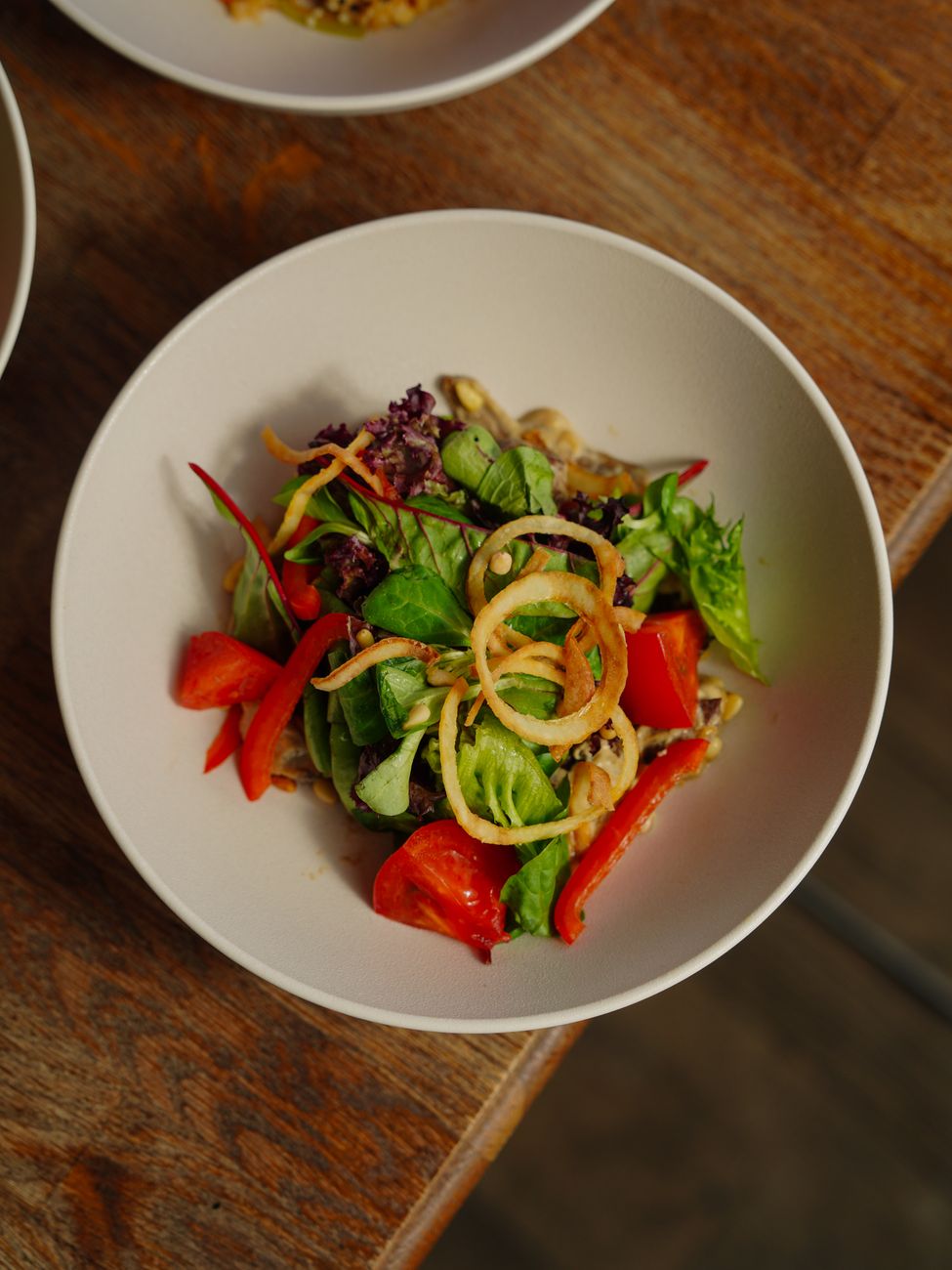
Photo by Nadin Sh on Pexels
If you have ever felt bloated after meals, sluggish in the afternoon, or frustrated by weight loss efforts that never seem to stick, your gut may be trying to tell you something. A healthy digestive system influences far more than comfort after eating. It shapes how well you absorb nutrition, how steady your energy feels, how balanced your cravings are, and even how easily your body can maintain a healthy weight. That is why organic food is becoming a cornerstone of clean eating for people who want results that feel sustainable, not restrictive.
When you choose organic food with gut health in mind, you are not just avoiding unnecessary additives. You are building meals around ingredients that are often richer in fiber, fresher in taste, and less likely to come packaged with the excess sugar, artificial sweeteners, and refined oils that can disrupt digestion. Could a few thoughtful food swaps really change the way you feel every day? For many people, the answer is yes.
This guide takes a practical look at how organic foods can support a healthier microbiome, better digestion, and more effective weight loss. You will find clear advice, meal-building strategies, and a gentle organic detox diet approach that fits real life. Whether you are new to clean eating or ready to refine your healthy lifestyle, this is a place to start with confidence.
Why Gut Health Is the Foundation of Clean Eating and Weight Loss
Your gut does much more than break down food. It is home to trillions of microorganisms that influence digestion, immunity, inflammation, mood, and metabolic health. When this internal ecosystem is balanced, you are more likely to feel satisfied after meals, digest food efficiently, and maintain steady energy. When it is out of balance, the signs can show up in many ways: bloating, gas, irregular bowel movements, cravings, brain fog, and even stubborn weight gain.
What does that mean for your healthy diet? It means that the best weight loss strategy is not simply eating less. It is eating in a way that supports the gut so your body can use nutrition well. Organic food can play an important role here because it often fits naturally into a cleaner, less processed pattern of eating.
The microbiome-weight connection
Research continues to show that the composition of your gut microbiome affects how your body stores fat, responds to insulin, and regulates hunger. If you are trying to lose weight, a diverse microbiome matters. A diverse microbiome tends to thrive on fiber, plant variety, and consistent nourishment rather than extreme restriction.
That is one reason clean eating often works better long term than diet rules built on cutting entire food groups. A gut-friendly plan gives your microbes the food they need to help you feel full and metabolically stable. Have you noticed that some meals leave you satisfied for hours while others make you hungry again almost immediately? The difference may be more about digestive quality than calorie count alone.
Why organic food can matter for digestion
Organic food is not a magic solution, but it can reduce exposure to certain pesticides and synthetic additives that some people prefer to minimize. More importantly, organic produce often encourages a diet centered on vegetables, fruits, legumes, nuts, seeds, and whole grains. Those foods are naturally rich in fiber, antioxidants, and micronutrients that support healthy digestion.
When you build meals around organic ingredients, you are also more likely to cook at home, choose simpler foods, and pay attention to portion quality. That shift alone can make a big difference for anyone following a clean eating or detox diet style of eating.
The Best Organic Foods for a Healthy Gut
Not every healthy food affects the gut in the same way. Some foods feed beneficial bacteria. Others help move waste through the digestive tract. Still others may calm irritation and support the intestinal lining. The smartest approach is variety. The more colors, textures, and plant compounds you eat, the more resilient your gut ecosystem becomes.
Fiber-rich vegetables
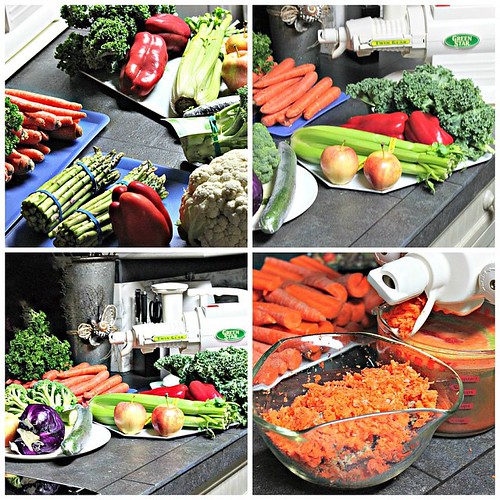
Vegetables are the backbone of a gut-friendly organic diet. Fiber helps regulate bowel movements, supports satiety, and gives beneficial microbes the fuel they need to thrive. Organic vegetables are especially useful because they can be eaten in larger daily amounts without requiring complicated preparation.
- Leafy greens such as spinach, arugula, kale, and romaine
- Cruciferous vegetables such as broccoli, cauliflower, cabbage, and Brussels sprouts
- Root vegetables such as carrots, beets, turnips, and sweet potatoes
- High-water vegetables such as cucumbers, zucchini, celery, and asparagus
If you are sensitive to raw vegetables, try cooking them lightly. Steaming, roasting, or sautéing can make fiber easier to tolerate while still keeping nutrition intact.
Fermented foods that support microbial diversity
Fermented foods are some of the most valuable ingredients in a gut-supportive healthy diet. They provide naturally occurring probiotics that may help populate the digestive tract with beneficial bacteria. Not everyone tolerates them equally, so start small and notice how your body responds.
- Organic plain yogurt with live cultures
- Kefir
- Sauerkraut
- Kimchi
- Miso
- Tempeh
Fermented foods work best when paired with fiber. In other words, probiotics need prebiotic fuel to thrive. That is where the next group of foods becomes essential.
Prebiotic foods that feed good bacteria
Prebiotics are the fibers and plant compounds that feed beneficial microbes. If probiotics are the seeds, prebiotics are the soil. Without both, your gut support plan is incomplete. Organic foods are a great source of prebiotic fiber because they are usually less processed and more likely to be consumed in whole form.
- Onions and garlic
- Leeks
- Asparagus
- Bananas, especially slightly green ones
- Oats
- Apples with the skin on
- Chia seeds and flaxseeds
These foods do more than feed your microbes. They also help stabilize appetite, which can make weight loss feel less like a battle.
Berries, citrus, and other polyphenol-rich fruits
Fruit often gets unfairly blamed in weight loss conversations, but the right fruits can be powerful allies in a clean eating plan. Organic berries, in particular, offer fiber, antioxidants, and polyphenols that may support both gut health and inflammation control. Citrus fruits, kiwi, pears, and pomegranates are also excellent choices.
- Blueberries
- Raspberries
- Blackberries
- Strawberries
- Kiwi
- Oranges and grapefruit
- Pomegranate seeds
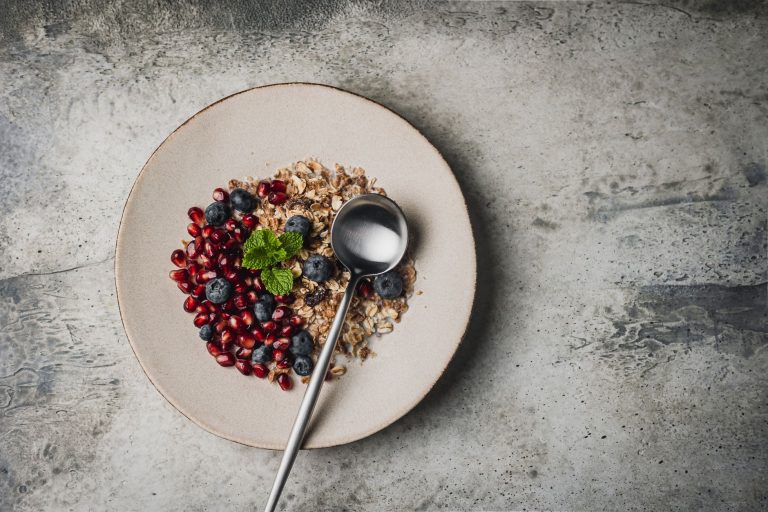
A small bowl of berries with organic yogurt is a simple breakfast that can support digestion without the blood sugar spike many packaged breakfast foods cause.
Healthy fats and proteins that are easy on the gut
The gut is not supported by plants alone. Protein helps maintain muscle during weight loss, while healthy fats keep meals satisfying and can help reduce the urge to snack constantly. The key is choosing organic, minimally processed sources that are easier to digest than heavily fried or ultra-processed alternatives.
- Organic eggs
- Wild-caught fish
- Organic chicken or turkey
- Tempeh and tofu
- Walnuts, almonds, and pumpkin seeds
- Avocados
- Extra virgin olive oil
For many people, a balanced plate that includes protein, fiber, and healthy fat is the most reliable way to feel nourished and avoid digestive swings.
[IMAGE: organic vegetables]
How to Build a Gut-Friendly Clean Eating Plate
It is easy to feel overwhelmed by nutrition advice, but gut-friendly eating becomes much simpler when you use a repeatable structure. Instead of asking, What is the perfect diet? ask, What combination will support digestion, satisfaction, and steady energy today?
The 3-part plate method
A reliable clean eating plate for gut health can be built with three basic elements:
- Half the plate: non-starchy vegetables or a mix of vegetables and salad greens
- One quarter: protein such as eggs, fish, chicken, tofu, tempeh, or legumes
- One quarter: fiber-rich carbohydrates like quinoa, oats, sweet potato, brown rice, or lentils
Add a small amount of healthy fat, such as avocado, olive oil, seeds, or nuts, and you have a meal that can support digestion and weight loss without making you feel deprived.
Examples of gut-friendly meal combinations
- Grilled salmon, roasted broccoli, quinoa, and lemon-olive oil dressing
- Organic eggs with spinach, mushrooms, and avocado on sprouted grain toast
- Turkey and vegetable soup with beans and herbs
- Tempeh bowl with brown rice, cabbage, carrots, and sesame seeds
- Greek yogurt with berries, chia seeds, and crushed walnuts
These meals are not only nutritious. They are practical. They work for lunch at home, dinner after work, or meal prep for the week ahead.
Portion habits that help digestion
Even the best ingredients can feel heavy if portion sizes are excessive or meals are rushed. Digestive comfort often improves when you eat with intention. Try these habits:
- Eat slowly and chew thoroughly
- Stop when you are comfortably satisfied, not stuffed
- Avoid multitasking during meals whenever possible
- Leave enough time between your last meal and bedtime
- Drink water consistently throughout the day instead of chugging large amounts during meals
A healthy lifestyle is built from small habits practiced repeatedly. What if eating calmly became part of your weight loss strategy? For many people, that simple shift changes everything.
Foods That May Disrupt Digestion Even When They Seem Healthy
One of the most confusing parts of clean eating is that not all foods marketed as healthy actually feel good in the body. A food can be organic and still not be ideal for every person at every stage. Listening to your body is just as important as reading the label.
Common digestion disruptors
- Protein bars with sugar alcohols or long ingredient lists
- Smoothies loaded with too much fruit and not enough fiber or protein
- Large amounts of raw cruciferous vegetables if you are sensitive to them
- Very spicy foods when your stomach is already irritated
- Too much caffeine on an empty stomach
- Packaged gluten-free snacks that are still highly processed
- Organic chips, sweets, or baked goods eaten in large amounts because they feel safer than conventional versions
Have you ever noticed bloating after a meal that seemed perfectly healthy on paper? That is a sign to look beyond trends and focus on how food actually feels in your body.
The mistake of replacing one processed habit with another
Many people start a detox diet or clean eating plan by swapping soda for fruit juice or processed cereal for organic granola. The intention is good, but the body still receives a high sugar load and not enough satiety. The more useful shift is moving toward whole foods that combine fiber, protein, and healthy fat.
A genuinely healthy diet is not just about what is absent. It is about what is present in enough quality and quantity to support your energy, your gut, and your long-term weight loss goals.
A Gentle 3-Day Organic Detox Diet Reset for Better Digestion
The word detox can sound extreme, but your body already has remarkable detoxification systems through the liver, kidneys, intestines, and skin. A gentle detox diet using organic foods is less about starvation and more about reducing the digestive burden while increasing nutrient density. Think of it as a reset, not a punishment.
Day 1: light, hydrated, and balanced
- Breakfast: Organic oatmeal with chia seeds, blueberries, and cinnamon
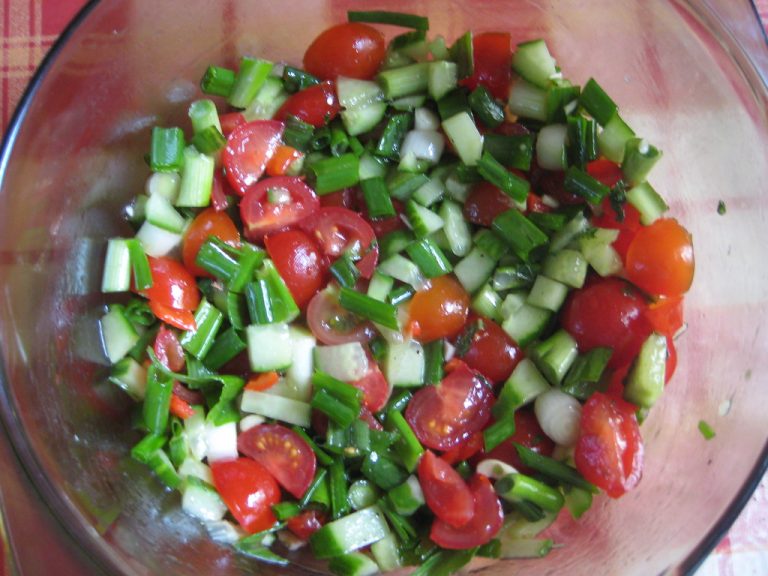
- Lunch: Mixed greens with cucumber, avocado, grilled chicken, and olive oil dressing
- Snack: Apple slices with almond butter
- Dinner: Vegetable soup with carrots, celery, zucchini, and lentils
This first day focuses on fiber, water-rich foods, and moderate portions so your system can settle into a cleaner rhythm.
Day 2: probiotic and prebiotic support
- Breakfast: Plain organic yogurt with raspberries, flaxseed, and walnuts
- Lunch: Brown rice bowl with steamed vegetables, tempeh, and sauerkraut
- Snack: Kiwi and a handful of pumpkin seeds
- Dinner: Baked salmon with asparagus and sweet potato
This day pairs fermented foods with fiber-rich ingredients to nourish the microbiome from both sides.
Day 3: anti-inflammatory simplicity
- Breakfast: Green smoothie with spinach, cucumber, banana, chia, and unsweetened kefir
- Lunch: Lentil salad with parsley, tomatoes, carrots, and lemon
- Snack: Pear slices and a few almonds
- Dinner: Turkey or tofu lettuce wraps with shredded cabbage and avocado
This final day helps you end the reset feeling lighter without resorting to a harsh cleanse.
[IMAGE: healthy meal]
Organic Meal Prep Ideas That Make Gut Health Easier
Healthy habits usually fail when they are inconvenient. If you want a clean eating plan that supports weight loss and digestion, meal prep is one of the simplest tools available. A few hours of planning can save you from grabbing random snacks when you are tired, busy, or overly hungry.
Batch-cook the basics
- Roast a tray of mixed organic vegetables
- Cook a pot of quinoa, brown rice, or lentils
- Prepare grilled chicken, baked tofu, or hard-boiled eggs
- Wash and store greens for quick salads
- Make one simple dressing with olive oil, lemon, and herbs
With these building blocks, you can assemble lunches and dinners in minutes rather than reaching for packaged food.
Keep gut-friendly snacks visible
If a healthy lifestyle is your goal, make the easiest option the best one. Place washed berries in the front of the fridge, keep hummus and sliced vegetables at eye level, and stock nuts in small containers. Convenience matters. When healthy options are visible, you are far more likely to choose them.
Use freezer-friendly staples
Frozen organic vegetables, wild berries, soup portions, and cooked grains can be lifesavers on hectic days. They make clean eating realistic for busy professionals, parents, and anyone who wants nutrition without daily stress.
What a Gut-Friendly Grocery List Looks Like
Before you can eat in a way that supports digestion, it helps to shop with purpose. A good grocery list prevents decision fatigue and keeps your kitchen aligned with your goals. The key is variety, color, and simplicity.
Produce
- Spinach, kale, arugula, romaine
- Broccoli, cauliflower, Brussels sprouts
- Carrots, beets, sweet potatoes, zucchini
- Cucumbers, celery, asparagus, mushrooms
- Blueberries, raspberries, strawberries, kiwi, apples, bananas
- Lemons, limes, oranges, pomegranates
Protein and dairy alternatives
- Organic eggs
- Greek yogurt or kefir with live cultures
- Wild-caught fish
- Organic chicken or turkey
- Tempeh, tofu, lentils, chickpeas
Pantry staples
- Oats, quinoa, brown rice
- Chia seeds, flaxseeds, pumpkin seeds
- Olive oil, apple cider vinegar, tahini
- Low-sodium broth and canned beans
- Herbs and spices such as turmeric, ginger, cinnamon, parsley, and cumin
These ingredients make it easier to create meals that support both gut health and weight loss without feeling repetitive.
Lifestyle Habits That Strengthen the Benefits of Organic Food
Food is powerful, but it works best when the rest of your routine supports it. Digestion is deeply affected by stress, sleep, movement, and hydration. If you are eating beautifully but living in constant tension, your gut may still struggle.
Manage stress to protect digestion
Stress can slow digestion, increase cravings, and make bloating worse. Even a nutrient-dense meal may feel heavy if your body is in a constant fight-or-flight state. Simple stress tools can make a surprising difference:
- Take five deep breaths before meals
- Walk for ten minutes after eating
- Use a short evening screen break to prepare for sleep
- Stretch or meditate for a few minutes each day
What would happen if you treated calmness as part of your nutrition plan?
Sleep and digestion go hand in hand
Poor sleep can disrupt hunger hormones and increase the desire for quick energy foods. That often means more sugar, more snacking, and more digestive discomfort. A regular bedtime, a cooler room, and less late-night eating can support both metabolism and gut repair.
Move your body in a way that feels sustainable
Exercise does not need to be extreme to support digestive health and weight loss. Walking, cycling, strength training, yoga, and gentle mobility work can all help. Movement encourages circulation and can reduce constipation, but overtraining may have the opposite effect. The best healthy lifestyle is one you can maintain.
[IMAGE: fitness lifestyle]
Simple Organic Recipes for Everyday Gut Support
If you are wondering how to put all this into practice, simple recipes are the answer. The best meals are usually not complicated. They are thoughtful combinations of the right ingredients, prepared in a way that makes you want to eat them again and again.
1. Berry yogurt bowl
Combine plain organic Greek yogurt with blueberries, raspberries, chia seeds, walnuts, and a light sprinkle of cinnamon. This breakfast offers protein, probiotics, fiber, and antioxidants in one bowl.
2. Roasted vegetable quinoa bowl
Roast broccoli, carrots, zucchini, and red onion with olive oil and herbs. Serve over quinoa with chickpeas, avocado, and lemon-tahini dressing. It is filling, colorful, and ideal for meal prep.
3. Ginger carrot soup
Sauté onions and garlic, add chopped carrots, celery, ginger, and vegetable broth, then simmer until soft and blend smooth. This soup is gentle on the stomach and easy to digest, especially during a detox diet reset.
4. Salmon and asparagus plate
Bake salmon with lemon and dill, then serve with steamed asparagus and a side of sweet potato. The protein and omega-3 fats help keep meals balanced while supporting inflammation control.
5. Green smoothie with structure
Blend spinach, cucumber, half a banana, kefir or yogurt, chia seeds, and ice. The key is balance: enough fiber and protein to prevent the sugar crash that can come from oversized fruit smoothies.
How to Know If Your Gut-Friendly Plan Is Working
One of the most important parts of any nutrition change is paying attention to feedback. The body usually tells you when a plan is helping. It also tells you when something needs to be adjusted.
Signs your digestion may be improving
- Less bloating after meals
- More regular bowel movements
- Steadier energy through the day
- Fewer intense cravings
- Better satisfaction from meals
- Less reliance on snacks to get through the afternoon
Signs you may need to make adjustments
- Persistent discomfort after specific foods
- Too much constipation or loose stool
- Feeling overly full from meals that are too large
- Headaches or fatigue from not eating enough
- Cravings that increase when your meals are too low in protein or fat
There is no need to force every organic food into your routine. The goal is to build a diet that supports your real body, not an idealized version of it.
Common Organic Diet Mistakes to Avoid
Even a well-intentioned healthy diet can go off track if you are not careful. Organic ingredients are valuable, but they still need to be used wisely.
1. Assuming organic automatically means healthy
Organic cookies are still cookies. Organic chips are still chips. Organic labels can be helpful, but they do not replace common sense or portion awareness.
2. Eating too little fiber
Some people focus so much on protein or calorie control that they accidentally underconsume vegetables, beans, and whole grains. If your gut health is the priority, fiber should not be an afterthought.
3. Skipping protein
Meals that are only vegetables can leave you hungry, which increases the chance of overeating later. Protein helps stabilize appetite and makes clean eating more sustainable.
4. Changing too much at once
A sudden overhaul can create digestive upset, especially if you go from a very processed diet to a very high-fiber one overnight. Increase plant foods gradually, drink enough water, and allow your body to adapt.
5. Ignoring stress and sleep
No diet can fully compensate for chronic stress and poor sleep. If your goal is weight loss and better digestion, lifestyle changes matter just as much as the ingredients on your plate.
Clean eating does not need to be rigid. In fact, the healthiest approach is often the one you can repeat without burnout. When you choose organic food that supports your digestion, your meals become more satisfying, your cravings often become easier to manage, and weight loss can feel less like a short-term fix and more like a natural outcome of better habits. If you are ready to keep building a healthier routine, explore more expert articles on DietOrganic and continue shaping a way of eating that feels nourishing, realistic, and truly sustainable.
About the Author