
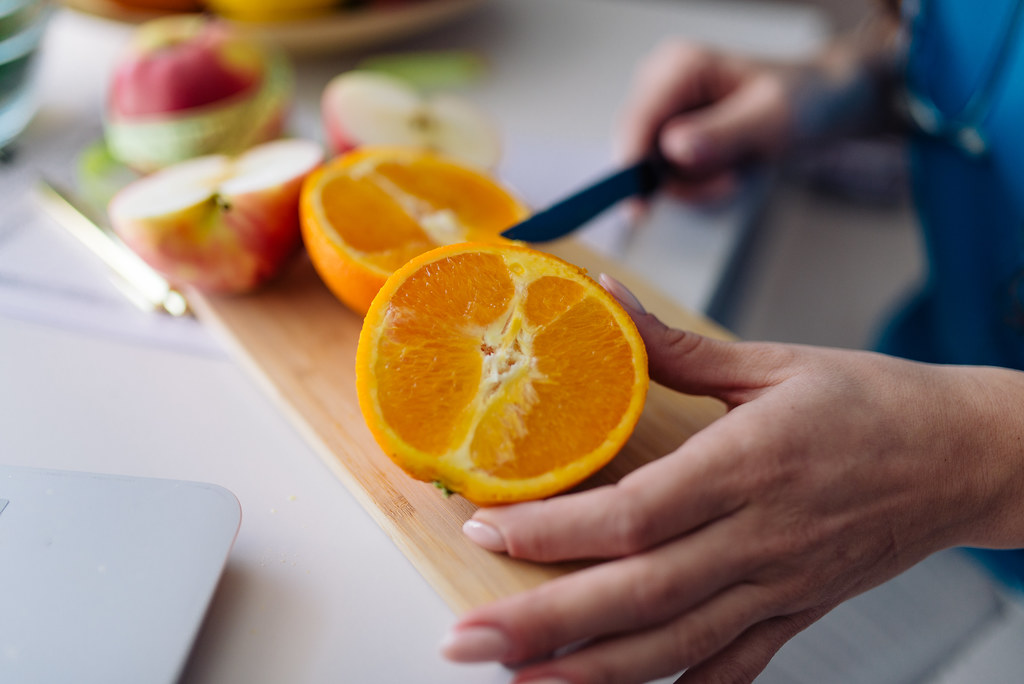
Photo by nenadstojkovicart on Openverse
When people think about weight loss, they often imagine strict rules, tiny portions, and endless willpower. But lasting change usually starts with something far simpler: choosing better food. Organic food can make that shift feel more natural, more satisfying, and far less punishing. Instead of chasing a quick fix, you can build a healthy diet around real ingredients that support energy, digestion, and steady progress. Isn’t that the kind of approach most of us actually want?
Clean eating is not about perfection. It is about making food choices that leave you feeling nourished rather than drained. When organic vegetables, fruits, whole grains, legumes, and quality proteins take center stage, weight loss often becomes a result of better habits, not a battle against hunger. That is why this approach works so well for people who want a healthier lifestyle without sacrificing flavor or enjoyment.
In this guide, you will discover the best organic foods for sustainable weight loss, how to build meals that keep you full, and how to avoid the common mistakes that can stall progress. You will also see how a gentle detox diet mindset, smart nutrition choices, and practical meal planning can support your goals without making food feel like a punishment.
Why organic food can make weight loss feel easier
Weight loss becomes more manageable when meals are built from foods that naturally support fullness, stable energy, and better digestion. Organic food does not have magical fat-burning powers, but it often encourages a more mindful relationship with eating. Because organic ingredients are usually closer to their natural form, they tend to work better inside a clean eating pattern that prioritizes simplicity and quality.
There is also a psychological benefit. People who choose organic food often become more aware of what is on their plate. That awareness alone can reduce mindless snacking, late-night overeating, and the habit of filling meals with processed extras. When your kitchen is stocked with fresh produce and nourishing staples, you are more likely to prepare food that actually supports your healthy diet.
Less exposure to unnecessary additives
Organic food is often chosen by people who want fewer synthetic pesticides and fewer artificial additives in their diet. While no food choice alone guarantees weight loss, reducing heavily processed ingredients can make clean eating feel easier and more consistent. Many packaged foods are designed to be highly palatable, which makes them easy to overeat. Whole organic foods are less likely to trigger that spiral.
Think about the difference between eating a bowl of fresh berries and eating a heavily sweetened snack bar. One gives you fiber, water, and natural flavor. The other often delivers more sugar than satiety. Which one would you rather build your healthy lifestyle around?
More satisfying meals with real flavor
Fresh organic food can be surprisingly satisfying because it tastes like food should taste. Crisp greens, ripe tomatoes, fragrant herbs, and sweet seasonal fruit can transform simple meals into something you genuinely look forward to eating. That matters because weight loss plans fail when meals feel boring and restrictive. If your food is enjoyable, you are more likely to stay consistent.
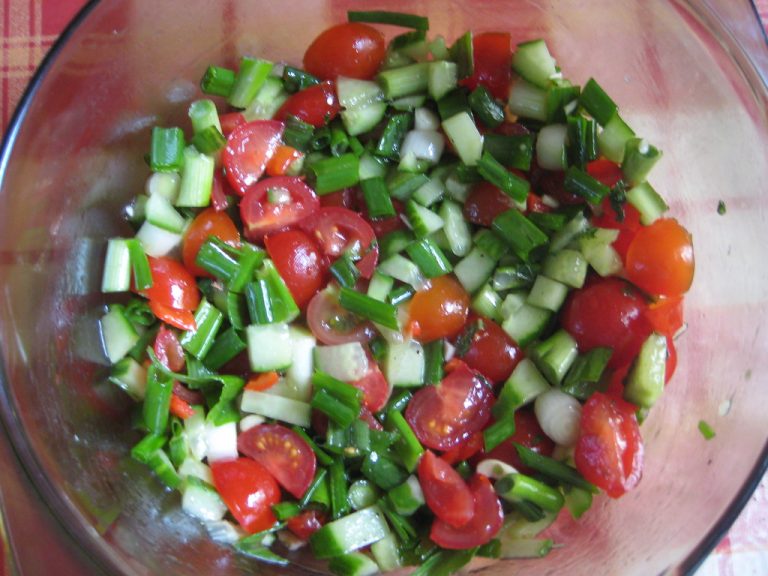
When meals feel rich in flavor, you do not have to rely on oversized portions or constant grazing to feel content. A well-made salad with organic vegetables, avocado, seeds, and a clean protein source can be far more satisfying than a convenience meal with empty calories.
Why clean eating beats restriction
Many people try to lose weight by cutting out entire food groups or following severe rules. That often leads to frustration, cravings, and rebound eating. Clean eating takes a different path. Instead of obsessing over what is forbidden, it focuses on what is worth adding: fiber-rich produce, lean proteins, healthy fats, and simple whole foods that make the body feel supported.
A clean eating approach built around organic food is easier to repeat, and repetition is what creates results. You do not need a perfect detox diet or a dramatic reset to feel better. You need meals that are balanced enough to keep you steady and realistic enough to fit your real life.
The best organic foods for sustainable weight loss
The most effective foods for weight loss are not mysterious. They are the foods that help you stay full, protect muscle, reduce cravings, and provide steady nutrition. Organic versions of these foods can fit beautifully into a healthy diet. Below are the categories worth prioritizing if your goal is to lose weight while keeping your energy high.
Leafy greens
Spinach, kale, arugula, romaine, and Swiss chard are low in calories but rich in volume, fiber, and micronutrients. That makes them ideal for weight loss because you can eat a satisfying portion without consuming too much energy. They also pair easily with protein and healthy fats, which makes meals feel more complete.
Try adding leafy greens to smoothies, omelets, soups, grain bowls, and salads. Their mild flavor and high water content help create meals that feel generous rather than restrictive.
Cruciferous vegetables
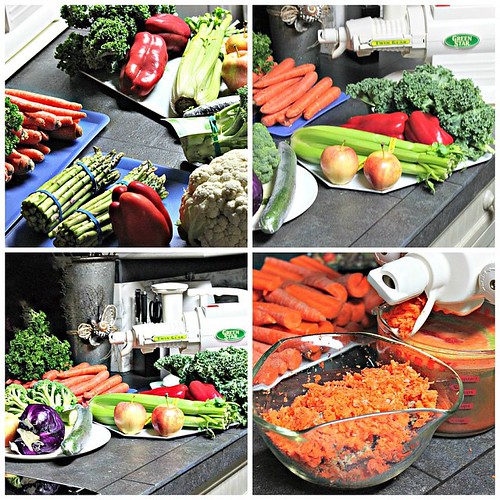
Broccoli, cauliflower, cabbage, Brussels sprouts, and kale deserve a regular place in an organic food plan. They are deeply nourishing, high in fiber, and excellent for people who want a healthier relationship with food. Their crunch and structure also help meals feel more substantial.
Roast them with olive oil and herbs, steam them as a side dish, or use cauliflower rice instead of refined grains when you want a lighter plate. This is one of the simplest clean eating swaps you can make.
Berries
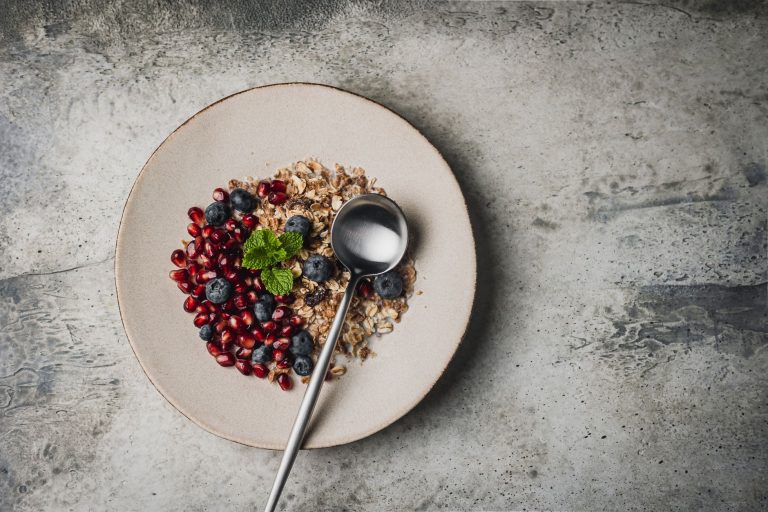
Organic berries are a sweet, colorful addition to a healthy diet. Strawberries, blueberries, raspberries, and blackberries provide antioxidants, fiber, and natural sweetness without the heavy calorie load of desserts. They can satisfy a sugar craving while still supporting weight loss.
They are especially useful at breakfast or as a snack after exercise. Pair them with yogurt, chia seeds, or a handful of nuts for a more balanced option.
Apples and pears
These fruits are simple, portable, and filling. Their fiber content helps slow digestion, which can make them a smart choice when hunger strikes between meals. Organic apples and pears also bring a clean sweetness that feels more satisfying than processed snacks.
Slice them with nut butter, add them to oatmeal, or enjoy them whole when you need something easy and refreshing. Sometimes the best nutrition choices are the most practical ones.
Avocados
Avocados are rich in monounsaturated fat, which can support satiety and make meals feel more satisfying. For people following a healthy lifestyle, a little avocado can go a long way. It adds creaminess to salads, toast, wraps, and bowls without relying on heavy sauces.
Because weight loss is often about controlling hunger, the healthy fats in avocado can be incredibly useful when used in moderation. The key is balance, not elimination.
Organic eggs
Eggs are one of the most versatile protein sources available. Organic eggs can be part of a weight-loss-friendly breakfast, lunch, or dinner because they provide high-quality protein that helps preserve lean muscle while keeping appetite under control.
Scramble them with vegetables, boil them for a grab-and-go snack, or serve them over greens with avocado. A protein-rich meal can set the tone for the entire day.
Greek yogurt and kefir
Plain organic Greek yogurt and kefir offer protein and, in many cases, probiotics that support gut health. When your digestion feels balanced, your healthy diet becomes easier to maintain. These foods also work well as a base for berries, seeds, and cinnamon instead of sugary toppings.
Choose unsweetened versions whenever possible. That small decision can dramatically reduce added sugar while keeping your meals satisfying.
Legumes and lentils
Lentils, chickpeas, black beans, and other legumes are affordable, filling, and rich in plant-based protein and fiber. They help create meals that last, which is essential for weight loss. A lunch that keeps you full for five hours is far more useful than one that leaves you hungry in ninety minutes.
Legumes also fit beautifully into a detox diet mindset because they support digestive regularity and are easy to pair with vegetables, herbs, and healthy fats.
Oats and quinoa
Whole grains are not the enemy of weight loss when they are chosen wisely and eaten in the right portions. Organic oats and quinoa provide complex carbohydrates, fiber, and structure to meals. They can keep energy stable and reduce the urge to reach for refined snacks later in the day.
Oatmeal with berries and seeds is a classic breakfast for a reason. Quinoa bowls with vegetables and protein are just as effective for lunch or dinner.
Nuts and seeds
Almonds, walnuts, chia seeds, flaxseed, pumpkin seeds, and hemp seeds are compact nutrition powerhouses. They add crunch, healthy fats, and extra staying power to meals. Because they are calorie-dense, portion awareness matters, but they are still among the smartest additions to a clean eating routine.
Use them in small amounts to improve satisfaction and texture. A spoonful of seeds can transform a simple bowl into a more complete meal.
Organic tofu and tempeh
For plant-forward eaters, organic tofu and tempeh offer versatile protein that works in stir-fries, salads, grain bowls, and wraps. Protein is critical during weight loss because it helps preserve muscle and supports a more stable appetite. When protein is too low, cravings often rise.
Season tofu generously and cook it well. Tempeh brings a firm texture and nutty flavor that many people love once they try it in the right recipe.
[IMAGE: organic vegetables]
How to build meals that support fat loss and energy
One of the biggest mistakes people make is eating healthy ingredients in a way that still leaves them unsatisfied. A meal can be organic and still not work for weight loss if it lacks structure. The goal is to combine foods in a way that supports fullness, steady energy, and easy digestion.
At the simplest level, every meal should include protein, fiber, and a moderate amount of healthy fat. This trio slows digestion enough to keep hunger under control without making meals heavy or sluggish.
The 3-part plate method
Visualizing your plate can make clean eating much easier than counting every detail. A balanced plate for weight loss usually includes the following:
- Half the plate: organic vegetables or salad greens
- One quarter of the plate: protein such as eggs, yogurt, tofu, legumes, chicken, or fish
- One quarter of the plate: whole grains or starchy vegetables
- A small serving of healthy fat: olive oil, avocado, seeds, or nuts
This simple structure supports nutrition without making meals feel complicated. It also helps you avoid the common trap of eating mostly carbs with just a token amount of protein.
A simple formula you can repeat
Ask yourself before each meal: Where is my protein? Where is my fiber? What is adding flavor and satisfaction? If you can answer those three questions, you are already ahead of most diets. Clean eating becomes much easier when you are not relying on guesswork.
For example, a roasted vegetable bowl with quinoa, chickpeas, avocado, and pumpkin seeds provides a strong balance of nutrients. It is colorful, filling, and easy to prepare in batches. A meal like that works because it supports both nutrition and practicality.
A realistic day of organic clean eating
Many people struggle with weight loss because they picture a diet that is too rigid to follow in real life. A better approach is to create a simple daily rhythm that uses organic food in flexible, satisfying ways. Here is one example of what that can look like.
- Breakfast: Organic Greek yogurt with berries, chia seeds, and cinnamon
- Mid-morning option: An apple with almond butter or a boiled egg
- Lunch: Leafy green salad with roasted vegetables, lentils, avocado, and olive oil dressing
- Afternoon snack: Carrot sticks with hummus or a handful of walnuts
- Dinner: Grilled tofu or eggs with broccoli, quinoa, and herbs
This kind of eating pattern works because it is not extreme. It gives your body enough energy while keeping portions and ingredients intentional. If you are trying to lose weight, that balance matters more than cutting every pleasure from your plate.
[IMAGE: healthy meal]
Organic foods that support digestion and metabolism
Weight loss is not only about eating less. It is also about helping your body work well. Digestive comfort, stable blood sugar, and efficient nutrient absorption all matter. That is where certain organic foods can be especially helpful. When your digestion feels better, healthy eating becomes far easier to sustain.
Fermented foods and gut-friendly choices
Organic yogurt, kefir, sauerkraut, kimchi, and other fermented foods may support a healthier gut environment. While they are not magic solutions, they can be a useful part of a nutrition plan designed for long-term wellness. A balanced gut often translates into better digestion, fewer cravings, and a stronger sense of well-being.
Combine fermented foods with fiber-rich vegetables and legumes. The combination can be particularly useful if you are creating a detox diet style of eating that prioritizes whole, minimally processed ingredients.
Spices and herbs that add more than flavor
Turmeric, ginger, cinnamon, parsley, cilantro, mint, and cayenne can bring life to organic meals while supporting the overall quality of your diet. These ingredients make healthy food more enjoyable, which is one of the most underrated parts of weight loss. When food tastes good, consistency improves.
Use spices to reduce reliance on sugary sauces and heavy dressings. A simple meal seasoned well often feels more indulgent than a complicated dish that is bland.
Hydration and gentle detox support
Many people turn to a detox diet because they want to feel lighter, less bloated, and more in control. The best detox support, however, usually comes from basic habits: drinking enough water, eating enough fiber, and reducing ultra-processed foods. Organic vegetables, fruits, herbal teas, and soups can all help you feel refreshed without harsh cleansing rules.
Ask yourself: Are you truly hungry, or are you thirsty, tired, or stressed? That one question can prevent a surprising amount of unnecessary snacking.
Grocery shopping strategies for a budget-friendly organic diet
Many people assume organic food is too expensive for everyday use, but strategic shopping makes a big difference. You do not have to buy everything organic at once. A smarter plan is to prioritize the foods you eat most often and the ingredients that matter most to your routine.
For many households, that means choosing organic versions of the following:
- Leafy greens and salad vegetables
- Apples, berries, and other frequently eaten fruit
- Eggs and dairy products
- Foods eaten raw or with little cooking
When you are buying produce, look for seasonality. Seasonal fruits and vegetables are often more affordable, fresher, and more flavorful. Frozen organic vegetables can also be an excellent option because they reduce waste and make meal prep easier.
How to shop like a clean eating pro
Before you head to the store, plan a few meals around the same core ingredients. For example, spinach, quinoa, eggs, lentils, and berries can be used in multiple ways throughout the week. This prevents waste and reduces the temptation to buy convenience foods that do not support your goals.
- Shop with a list, not with hunger
- Buy produce in versatile forms you can use all week
- Choose store brands for organic staples when possible
- Batch cook grains and legumes once or twice a week
When the kitchen is ready before the week begins, healthy decisions become much easier. That is where weight loss often starts: not with discipline at 8 p.m., but with preparation on Sunday afternoon.
[IMAGE: organic vegetables]
Common organic diet mistakes to avoid
Even with the best intentions, people can make mistakes that slow progress. Organic food is a powerful tool, but it still needs to be used intelligently. If your meals are unbalanced or your portions are inconsistent, weight loss can stall even if the ingredients are high quality.
Overeating so-called healthy foods
Nuts, nut butters, granola, dried fruit, avocado, and smoothies can absolutely belong in a healthy diet, but portion size matters. Organic does not automatically mean low calorie. A large smoothie or a handful of trail mix can be more energy-dense than expected. Awareness is part of clean eating.
A good question to ask is: Does this food help me feel satisfied, or am I just eating it because it seems healthy?
Skipping protein
Some people build meals around salads, fruit, or grains and forget the protein. That can lead to hunger, cravings, and loss of muscle over time. Protein is one of the most important nutrients for weight loss because it supports fullness and recovery, especially if you are active.
Every major meal should include a meaningful protein source. If you are unsure whether you have enough, you probably need more.
Turning clean eating into an all-or-nothing rule
Clean eating works best when it is flexible. If you decide one off-plan meal means the entire day is ruined, you will likely spiral into overeating or guilt. Sustainable weight loss depends on consistency across weeks and months, not a single perfect day.
The goal is progress, not punishment. Organic food can support that mindset because it encourages thoughtful choices without demanding perfection.
Neglecting sleep and movement
Even the best nutrition plan cannot compensate for chronic sleep loss or a sedentary routine. A healthy lifestyle includes regular movement, stress management, and enough rest for recovery. Organic food provides the foundation, but your daily habits complete the picture.
Think of nutrition as one piece of the puzzle. Weight loss becomes much smoother when your whole life supports the process.
How clean eating fits a healthy lifestyle
Clean eating is not a short-term strategy reserved for January. It is a practical lifestyle framework that can work long after motivation fades. When your meals are built from organic food, you often feel more energized, more in control, and more connected to your body’s signals.
That does not mean every meal must be elaborate. In fact, some of the most effective meals are the simplest ones. A bowl of soup, a salad with protein, roasted vegetables with grains, or yogurt with fruit can all support a healthy diet if they are assembled with intention.
Movement makes nutrition work better
Weight loss is easier to maintain when food and movement work together. That does not mean you need intense workouts every day. A brisk walk, strength training, yoga, cycling, or even regular stretching can help improve insulin sensitivity, support mood, and encourage better appetite regulation.
[IMAGE: fitness lifestyle]
Ask yourself this: If you are already choosing organic food and clean eating, what would happen if you added more movement to your week? Even a modest increase in activity can improve results and help you feel more confident in your body.
Stress management matters more than people think
Stress often drives overeating, sleep disruption, and emotional eating. A healthy lifestyle includes tools for calming the nervous system, whether that means breathing exercises, journaling, walking outside, or protecting your evening routine. When you are calmer, food choices become clearer.
Organic food can support this process by reducing the chaos of processed eating and giving your body more predictable fuel. The more consistent your meals are, the easier it is to manage cravings and energy dips.
Do you need a detox diet?
The word detox is often overused, especially in marketing. Your body already has natural detoxification systems through the liver, kidneys, lungs, skin, and digestive tract. That means the real question is not whether you need a dramatic cleanse, but whether your diet is helping or hindering those systems.
A practical detox diet is really a clean eating reset: more water, more fiber, more vegetables, more whole foods, and fewer highly processed items. Organic food fits beautifully into that kind of plan because it naturally emphasizes freshness and simplicity.
What a real reset looks like
If you want to feel lighter and more energized, focus on meals that include:
- Plenty of organic vegetables
- Fresh fruit in reasonable portions
- Lean or plant-based protein
- Whole grains and legumes
- Water, herbal tea, and soups
When people say they feel better after a detox diet, they are often responding to the removal of excess sugar, refined grains, and ultra-processed snacks. You can achieve that feeling without extreme restrictions. In many cases, the best detox is simply a smarter way of eating.
Why gentle consistency beats aggressive cleansing
Harsh detoxes may produce short-term weight loss, but they rarely teach the habits needed to keep results. A gentle, organic approach builds confidence instead of frustration. It allows you to keep living your life while still making measurable progress.
Would you rather lose weight in a way that feels temporary, or build a routine you can actually sustain? That answer matters more than any trend.
Organic food can change the way weight loss feels. Instead of chasing extreme rules, you can rely on clean eating, smart nutrition, and meals that are naturally satisfying enough to keep going. If you focus on the right foods, watch your portions without becoming obsessive, and support your healthy lifestyle with movement and rest, the process becomes more human and far more sustainable. For more practical ideas, meal inspiration, and expert guidance, keep exploring DietOrganic and let each article bring you one step closer to a way of eating that truly fits your life.
About the Author