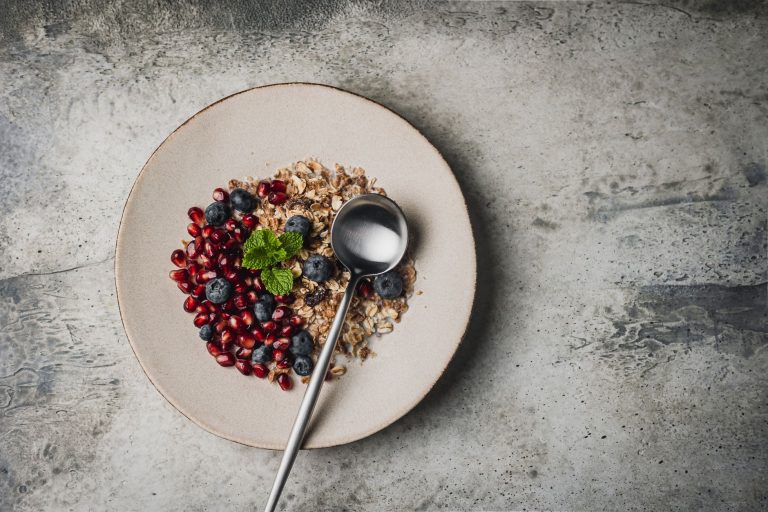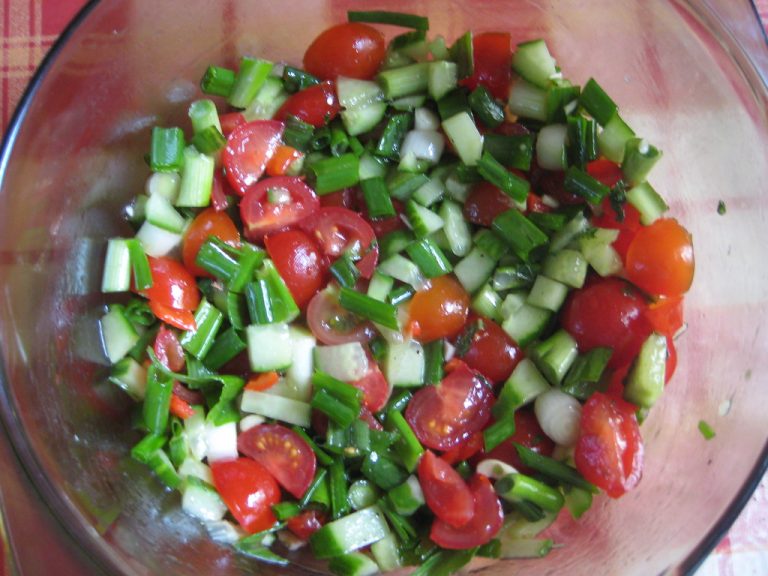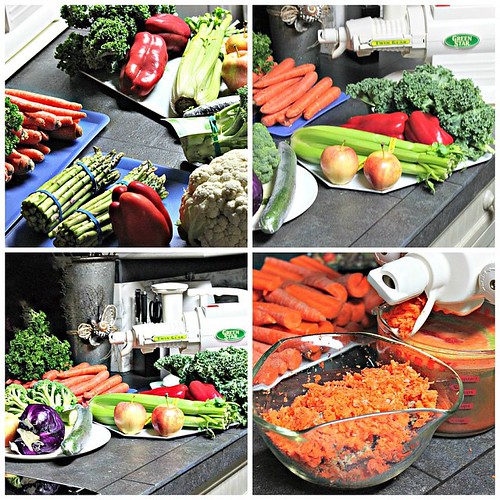


Photo by Sharon Pittaway on Unsplash
Your gut does far more than process lunch and dinner. It helps regulate energy, appetite, immunity, skin health, mood, and even how satisfied you feel after a meal. That is why so many people who switch to organic food and clean eating notice more than easier digestion. They often feel lighter, calmer, and more in control of their weight loss goals. But the real secret is not a single superfood or a trendy detox diet. It is the consistent habit of choosing foods that support the body from the inside out.
If you have ever wondered why some meals leave you energized while others trigger bloating, cravings, or fatigue, the answer often begins in the gut. The good news? A healthy lifestyle does not require extreme rules or expensive supplements. It starts with thoughtful nutrition, better ingredients, and a practical understanding of what your digestive system actually needs. In this guide, you will learn how organic food can support gut health, which foods deserve a regular place in your kitchen, and how to build a realistic routine that feels nourishing rather than restrictive.
Think of this as a clean eating roadmap for better digestion, steadier energy, and more sustainable weight loss. What would happen if every meal worked a little harder for your health? What if the foods on your plate helped reduce inflammation, improve regularity, and make healthy eating feel natural instead of forced? That is the kind of transformation that happens when organic food becomes part of a smarter daily rhythm.
Why gut health deserves a central place in your healthy diet
The gut is home to trillions of microbes that influence digestion, nutrient absorption, immune defenses, and more. When the microbiome is diverse and balanced, the body tends to digest food more efficiently and respond better to stress. When that balance is disrupted, people often notice common signs such as bloating, irregularity, discomfort after meals, sugar cravings, skin flare-ups, or low energy. In other words, gut health is not a side issue. It is a foundation of wellness.
This is one reason organic food and clean eating have become so popular among people who want a healthier lifestyle. A diet built around real ingredients gives the digestive system fewer obstacles to process and more of the fiber, antioxidants, and natural compounds it needs. Instead of overloading the body with highly processed food, you give it a chance to work in a calmer, more efficient way. And when your digestion improves, everything else often starts to feel easier too.
How the gut affects weight loss and energy
Many people think weight loss is only about calories, but the gut plays a major role in hunger signals, blood sugar balance, inflammation, and nutrient use. If your digestion is sluggish or your meals are too low in fiber and protein, cravings often rise later in the day. If your microbiome is out of balance, you may also feel less satisfied after eating, which can lead to snacking that is more emotional than physical.
Here is the encouraging part: a nutrient-rich, organic food pattern can help support satiety and make weight management feel more natural. Foods high in fiber slow digestion, protein helps preserve lean mass, and healthy fats add staying power. Put those together and you create meals that are more stable, more satisfying, and less likely to send you searching for sugar an hour later. Is it any surprise that people often feel better when they stop eating in a rushed, processed way and start eating with intention?
Some of the most noticeable benefits of a gut-friendly diet include:
- Less bloating after meals
- More regular digestion
- Fewer cravings for processed snacks
- Steadier energy throughout the day
- Better satiety, which supports weight loss
- Improved overall nutrition from more diverse foods
Why organic food makes sense for digestive wellness
Organic food is not a magic cure, and it should never be treated as a shortcut. Still, it can play a valuable role in a gut-friendly routine. Choosing organic produce, dairy, eggs, and grains when possible may help reduce exposure to synthetic pesticide residues and support a cleaner, less processed eating pattern overall. For many people, that alone is enough to make a noticeable difference in how meals feel.
Another important advantage is behavioral. When you commit to organic food, you often become more intentional about the rest of your diet. You shop more carefully, cook more often, and pay more attention to ingredients. That shift toward clean eating can have a ripple effect across every part of your healthy lifestyle, from hydration to meal timing to snack choices. You are not just buying a label. You are building a habit that encourages better nutrition.
What organic does and does not mean
It helps to be realistic. Organic food can still be processed, sugary, or heavy in refined ingredients. Organic cookies are still cookies. Organic chips are still chips. For gut health, the bigger question is not only whether a product is organic, but whether it is built from whole, nourishing ingredients that support digestion and balanced energy.
That is why the best approach combines organic choices with a clean eating mindset. Focus first on the foods that naturally bring fiber, vitamins, minerals, and phytonutrients to the table. Then treat organic packaged products as occasional extras rather than the foundation of your diet. This is a simple shift, but it can dramatically improve the quality of your nutrition and help make a detox diet style of eating feel sustainable instead of extreme.
In practical terms, organic food works best when it is part of a pattern that includes:
- Mostly whole foods
- Plenty of plant fiber
- Thoughtful protein at each meal
- Healthy fats in moderate amounts
- Regular hydration
- Minimal ultra-processed foods
[IMAGE: organic vegetables]
The best organic foods for gut health
If you want to improve digestion, it helps to know which ingredients truly earn their place on the plate. The best foods for gut health are not necessarily exotic or expensive. In many cases, they are everyday staples that have simply been chosen with more care. Organic vegetables, fruits, legumes, whole grains, fermented foods, and quality proteins can all contribute to better digestive balance when they are used consistently.
The key is variety. A diverse gut microbiome tends to thrive when it receives a wide range of plant fibers and natural compounds. So instead of eating the same few items every day, think about rotation. Different colors, textures, and food families all support your body in slightly different ways. Could your weekly grocery list use a little more range?
Leafy greens and cruciferous vegetables
Organic leafy greens such as spinach, arugula, kale, romaine, and Swiss chard are some of the easiest foods to add to a gut-friendly routine. They are rich in fiber, folate, magnesium, and antioxidants. Cruciferous vegetables like broccoli, cauliflower, Brussels sprouts, and cabbage also support digestion through their fiber content and plant compounds. For many people, these foods help create a feeling of lightness and regularity.
If raw greens sometimes feel too aggressive for your system, try them lightly cooked. Sautéed kale with olive oil, roasted broccoli, or steamed cabbage can be easier to digest while still providing excellent nutrition. The goal is not to force giant salads if they leave you uncomfortable. The goal is to find the form that works for your body.
Fermented organic foods
Fermented foods are among the most valuable additions to a gut-health routine because they can introduce helpful bacteria and support microbial diversity. Organic yogurt, kefir, sauerkraut, kimchi, miso, tempeh, and some varieties of kombucha can all play a role in a balanced diet. Many people notice that even a small serving with a meal improves satiety and digestion.
That said, more is not always better. Start slowly if your digestive system is sensitive. A tablespoon of sauerkraut or a few sips of kefir can be enough at first. The point is consistency, not force. A gentle introduction gives your body time to adjust and helps you identify which fermented foods feel good and which ones do not.
Prebiotic-rich staples
Prebiotics are the fibers that feed beneficial gut bacteria. They are essential if you want your microbiome to flourish. Excellent organic prebiotic foods include onions, garlic, leeks, asparagus, oats, flaxseed, apples, and slightly green bananas. These foods help create an internal environment where good bacteria can thrive.
One easy way to use prebiotics is to include them in simple daily meals. Add garlic and onions to soups, stir flaxseed into yogurt, layer apple slices into oatmeal, or roast asparagus with dinner. These are small choices, but they add up quickly. Clean eating often works best when it looks effortless.
Colorful fruits that support regularity
Organic berries, kiwi, papaya, pears, and citrus fruits can be especially helpful for digestion because they provide water, fiber, and antioxidant support. Berries are also a smart choice for people focused on weight loss because they satisfy the desire for something sweet without the heavy sugar load of many processed desserts. Kiwi, in particular, is often praised for supporting regular bowel movements.
If you are trying to eat in a more gut-friendly way, aim to include fruit with meals or as part of balanced snacks rather than eating sweet foods alone. Pairing fruit with protein or fat can support steadier energy and make your healthy diet feel more satisfying.
High-quality proteins and healthy fats
Protein matters more than many people realize. It supports tissue repair, helps maintain lean muscle, and keeps blood sugar from swinging too wildly. Organic eggs, plain Greek yogurt, lentils, chickpeas, tofu, tempeh, wild-caught fish, pasture-raised poultry, walnuts, chia seeds, and hemp seeds are all useful options. Pair them with vegetables and you create meals that are easier to digest and more effective for healthy weight loss.
Healthy fats also matter because they help with satiety and nutrient absorption. Avocado, extra-virgin olive oil, olives, walnuts, and seeds bring richness without the heaviness of deep-fried or heavily processed foods. A balanced meal that includes protein, fiber, and healthy fat is one of the simplest tools for better nutrition.
Some of the most reliable organic foods for gut health include:
- Spinach, kale, arugula, and other leafy greens
- Broccoli, cabbage, cauliflower, and Brussels sprouts
- Sauerkraut, kimchi, yogurt, kefir, and miso
- Onions, garlic, leeks, asparagus, oats, and flaxseed
- Berries, kiwi, pears, apples, and papaya
- Organic eggs, lentils, tofu, salmon, walnuts, and avocado
Foods that can quietly sabotage digestion, even in an organic pantry
One of the most common mistakes in clean eating is assuming that any food with an organic label automatically supports gut health. The label matters, but the ingredient list matters more. A pantry full of organic snacks can still be a problem if those snacks are highly processed, low in fiber, and loaded with added sugar. Your digestive system does not care nearly as much about the marketing as the material.
In fact, some people feel worse on an organic diet simply because they have replaced conventional processed foods with organic processed foods. The result is still poor nutrition. If you want real digestive improvement and healthier weight loss, the focus has to remain on food quality, not just the word organic.
The biggest culprits to watch
- Refined sugar and sweetened drinks
- Deep-fried foods, even when organic
- Large amounts of alcohol
- Packaged baked goods with long ingredient lists
- Eating too quickly and swallowing air
- Skipping meals and then overeating later
- Low-fiber snacks that do not keep you full
Some people are also sensitive to large quantities of raw vegetables, even though those foods are healthy in principle. If your digestion feels unsettled after oversized salads or raw cruciferous vegetables, try cooking them more often. Clean eating should support your body, not punish it.
Ask yourself a simple question: does this food help me feel steady and nourished, or does it leave me chasing relief an hour later? That kind of honest check can be more useful than any trendy detox diet plan.
A simple organic meal structure that supports digestion and healthy weight loss
One of the easiest ways to improve nutrition is to stop thinking about meals as isolated items and start thinking about balance. A gut-friendly plate should feel satisfying enough to prevent random snacking, but light enough to digest comfortably. That means including a few core elements at most meals.
A practical formula looks like this: one quality protein, two servings of fiber-rich plants, one source of healthy fat, and optionally one fermented element. This structure works for breakfast, lunch, and dinner, and it can be adapted to many food preferences. It is simple, flexible, and powerful.
Breakfast ideas that support energy and digestion
Breakfast is often where people either set the tone for the day or get off track immediately. A sugary pastry or a heavily refined breakfast cereal can create a blood sugar spike, followed by a crash and more cravings. By contrast, a breakfast built around organic food can stabilize energy and support appetite control all morning long.
Try these combinations:
- Organic Greek yogurt, berries, chia seeds, and cinnamon
- Oatmeal with flaxseed, walnuts, and sliced pear
- Vegetable omelet with spinach, mushrooms, and avocado
- Kefir smoothie with kiwi, cucumber, ginger, and a handful of greens
These meals are nourishing, fast to prepare, and easy to adjust based on your preferences. If you need a breakfast that supports weight loss, keep added sugar low and prioritize protein plus fiber. That combination tends to do more for fullness than almost anything else.
Lunch ideas for a calm gut and stable afternoon
Lunch should leave you energized, not sleepy. A strong organic lunch typically includes plenty of vegetables, a satisfying protein, and enough healthy fat to keep you full until dinner. Grain bowls, salads, soups, and wraps can all work well if they are built thoughtfully.
Examples include a quinoa bowl with roasted broccoli, chickpeas, avocado, and sauerkraut; a lentil soup with carrots and leafy greens; or a big salad with salmon, cucumber, pumpkin seeds, and olive oil dressing. If you prefer something warm, roasted vegetables with tofu and brown rice can be comforting without feeling heavy.
Dinner ideas that support recovery and relaxation
Dinner is a chance to calm the system and give your body the nutrients it needs for repair. A balanced evening meal often works best when it is colorful, moderately sized, and not too late. Think roasted vegetables, a quality protein, and a digestible starch such as sweet potato or quinoa.
Here are a few options to consider:
- Baked salmon with broccoli and sweet potato
- Tofu stir-fry with cabbage, carrots, and ginger
- Organic chicken with roasted zucchini and brown rice
- Lentil stew with herbs and a small side of sauerkraut
[IMAGE: healthy meal]
How a gentle detox diet can fit into a gut-health routine
The phrase detox diet is often used in ways that are exaggerated or misleading. Your body already has built-in detoxification systems through the liver, kidneys, digestive tract, skin, and lungs. What food can do is either support or strain those systems. A sensible detox diet is not about starvation, juice-only days, or punishing rules. It is about reducing the burden of inflammatory, heavily processed foods and giving your body a cleaner, more supportive nutritional environment.
When people talk about a reset or detox, what they often need most is a return to simple, whole foods. That means more hydration, more fiber, more green vegetables, more plant variety, and fewer ultra-processed products. Done properly, this kind of reset can make your stomach feel calmer and your energy more consistent without pushing your body into stress mode.
What a gentle reset can include
- Warm lemon water or ginger tea in the morning
- Cooked vegetables instead of heavy fried meals
- Berries, cucumber, and leafy greens for freshness and hydration
- Chia seeds or flaxseed for fiber support
- Early, lighter dinners that are easier to digest
- No alcohol, sugary drinks, or packaged junk food for a short period
A gentle detox diet can be helpful if it leads to better habits, not if it becomes a temporary punishment. The best reset is one that leaves you feeling more in tune with your appetite, more aware of your energy, and more motivated to keep eating well after the plan ends. If it is too strict to sustain, it is probably too strict to help.
Hydration also matters more than many people realize. Water, herbal tea, and water-rich foods all support elimination and can reduce the false hunger signals that sometimes look like cravings. Many people discover that when they drink enough and eat enough fiber, their digestion improves without complicated supplements.
Clean eating habits that make organic nutrition easier to maintain
Knowledge is useful, but habits are what create real change. If you want to make organic food a regular part of your healthy lifestyle, you need a system that works on busy days, stressful days, and days when motivation is low. The goal is not perfection. It is consistency with a realistic structure.
Clean eating becomes much easier when you plan ahead, simplify your meals, and remove a few common friction points. This means fewer emergency takeout orders, fewer random packaged snacks, and fewer moments when you open the fridge with no idea what to eat. A little preparation can make nutrition feel effortless.
1. Shop with a plan
Before you go to the store, decide what breakfast, lunch, dinner, and snacks will look like for the next few days. Build your list around those meals. This reduces impulse purchases and helps you buy the organic food that actually gets used. Seasonal produce is often fresher, more affordable, and more flavorful, which makes it easier to enjoy healthy eating.
2. Prep once, eat well all week
You do not need to cook everything from scratch every day. Instead, prep a few components at once. Wash greens, roast vegetables, cook a grain or two, and prepare a simple protein. Store them in clear containers so that putting together a meal feels almost automatic. This is one of the most effective ways to stay committed to clean eating without feeling trapped in the kitchen.
3. Read labels carefully
Organic labels can be helpful, but ingredient lists are still essential. Watch for added sugar, unnecessary fillers, refined starches, and long lists of gums or additives. The shorter and more recognizable the ingredient list, the more likely it is to support nutrition rather than undermine it. A package can look health-focused and still work against your goals.
4. Eat slower than your schedule
One of the simplest digestive tools is also one of the most overlooked: slow down. Chew thoroughly. Put the fork down between bites. Avoid eating while scrolling or rushing between tasks. Your brain and gut need time to communicate, and that communication helps regulate fullness. Have you ever noticed how often you feel better after a meal when you actually sit down and enjoy it?
5. Build around progress, not punishment
A healthy diet should feel supportive, not stressful. If one meal is less ideal, the answer is not guilt. The answer is the next balanced meal. That mindset is especially important for weight loss, because people often sabotage themselves by expecting extreme discipline. Sustainable nutrition comes from steady choices, not harsh rules.
[IMAGE: organic vegetables]
Common mistakes people make with organic food and gut health
Even with the best intentions, it is easy to make a few mistakes that slow progress. The first is assuming organic automatically means healthy. The second is underestimating how much fiber, hydration, and consistency matter. The third is focusing so hard on food purity that stress levels climb, which can itself affect digestion. A healthy lifestyle should be supportive enough to lower stress, not add to it.
Another common issue is moving too quickly from a standard diet to an extremely high-fiber plan. If your body is not used to beans, cruciferous vegetables, or fermented foods, an abrupt shift can lead to gas or discomfort. Start gradually. Add one new food at a time. Notice how you feel. This is far more useful than forcing a dramatic change and then giving up because it felt too intense.
Watch out for these missteps:
- Relying on supplements instead of food
- Cutting calories too aggressively
- Using organic processed snacks as daily staples
- Ignoring sleep and stress, both of which affect digestion
- Expecting immediate results from a detox diet
- Eating large portions of foods your body does not tolerate well
The most effective nutrition plans are the ones that fit your actual life. If your meals are delicious, simple, and satisfying, you are much more likely to repeat them. And repetition, not novelty, is what builds real gut health over time.
How to tell if your gut-friendly routine is working
People often focus on the scale first, but there are many signs of progress that show up before weight changes do. In fact, some of the most meaningful improvements involve how you feel rather than how you look. Better digestion, steadier energy, and fewer cravings are all meaningful indicators that your body is responding well to your new routine.
Ask yourself these questions after a week or two of consistent clean eating: Are you less bloated after meals? Do you feel more satisfied between meals? Is your energy more stable in the afternoon? Are you relying less on sugar or caffeine to push through the day? Those changes matter. They tell you that your nutrition is becoming more supportive, not just more controlled.
Signs your organic food strategy may be working include:
- More regular digestion
- Less heaviness after eating
- Reduced cravings for processed foods
- Better focus and mental clarity
- Improved skin appearance for some people
- Greater confidence in food choices
Weight loss can also become more manageable when your meals are balanced and your digestion is calmer. That is because you are less likely to overeat out of hunger or fatigue. Instead, you begin to recognize real hunger, real fullness, and the difference between nourishment and habit. That awareness is one of the most powerful skills in long-term health.
Building a healthy lifestyle around gut-friendly eating
Food matters deeply, but it is only one part of the equation. Your digestive system responds to movement, sleep, stress, hydration, and daily rhythm. That is why the most successful healthy lifestyle changes are the ones that combine organic food with a broader sense of balance. A walk after dinner, better sleep, or a calmer morning routine can be just as helpful as a new recipe.
Regular movement supports circulation and digestion, especially simple habits like walking after meals, stretching, or light strength training. Sleep helps regulate appetite hormones and cravings. Stress management matters because the gut is highly responsive to tension. If you have ever felt your stomach tighten during a difficult week, you have already experienced the mind-gut connection firsthand.
Here are a few lifestyle habits that pair well with a gut-focused organic food pattern:
- Take a 10 to 15 minute walk after meals when possible
- Keep a consistent sleep schedule
- Hydrate before you feel thirsty
- Use breathing exercises to slow down before eating
- Include strength and mobility work in your week
- Make room for enjoyment so your healthy diet does not feel restrictive
[IMAGE: fitness lifestyle]
When these habits work together, the result is more than better digestion. It is a more stable relationship with food, a stronger sense of energy, and a deeper trust in your own body. That trust is what allows healthy choices to become second nature instead of a constant struggle.
Organic food can be one of the most practical tools for improving gut health, but it works best when it is part of a bigger commitment to clean eating, mindful meal structure, and a realistic healthy lifestyle. Choose whole foods more often, respect your digestion, and give your body the consistency it needs to thrive. If you want more expert guidance, seasonal ideas, and smart nutrition strategies, keep exploring the latest articles on DietOrganic and build your next meal with intention.
About the Author