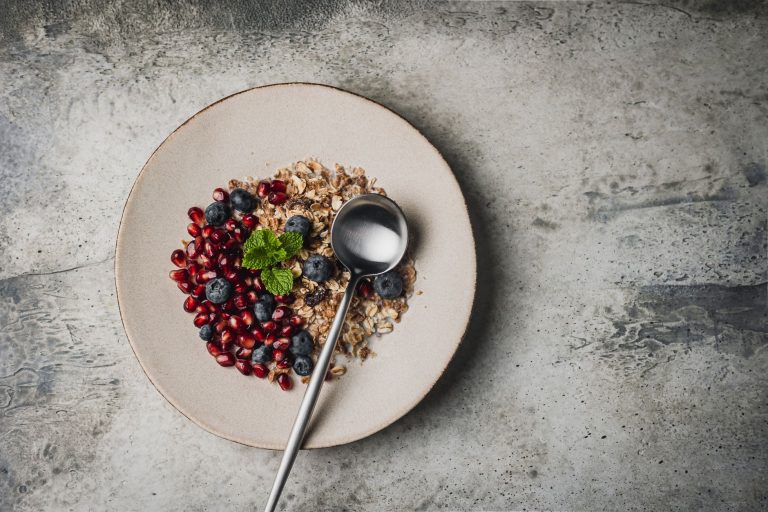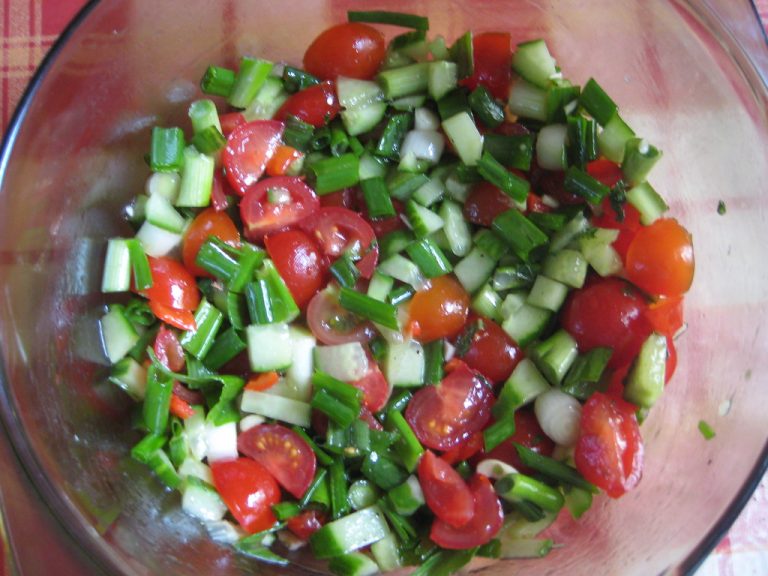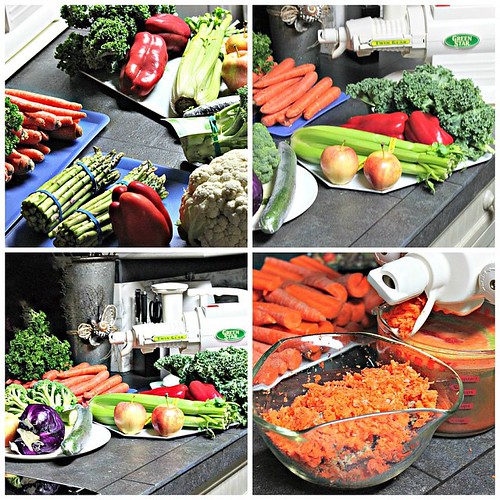

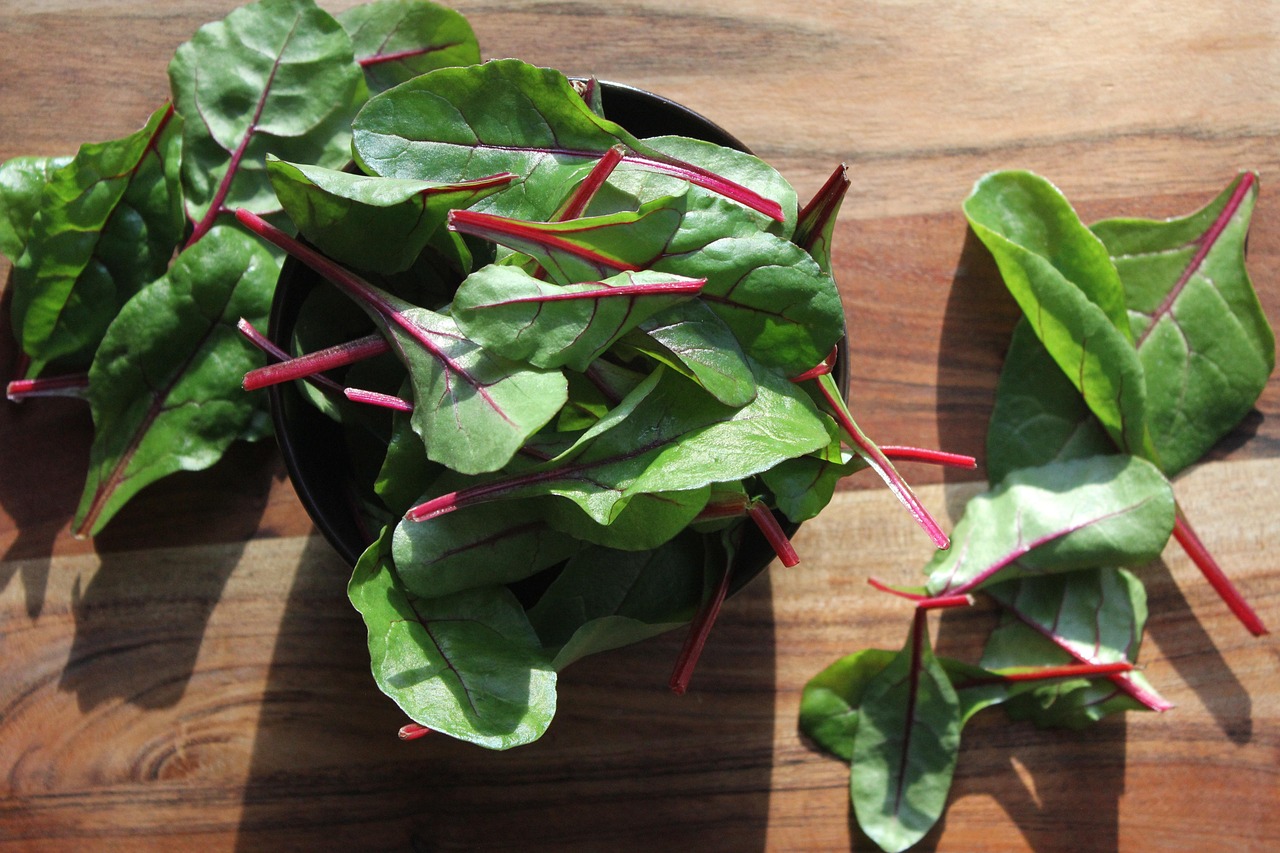
Photo by Mondgesicht on Pixabay
If you have ever wondered why some people seem to have steady energy, fewer cravings, and a lighter feeling after meals, the answer often starts in the gut. Digestion is not just a background function quietly doing its job; it influences how you absorb nutrients, how your body handles inflammation, how satisfied you feel after eating, and even how your mood changes throughout the day. That is why organic food has become such an important part of the conversation around clean eating, nutrition, weight loss, and long-term healthy lifestyle habits.
When you choose organic food more often, you are not just buying produce with a cleaner label. You are building meals around ingredients that are typically closer to their natural form, less dependent on heavy processing, and easier to fit into a balanced routine. For many people, that shift is a quiet but powerful way to support digestion without extreme rules, dramatic detox diet promises, or restrictive plans that are impossible to maintain. Could a simpler plate really change how your body feels every day? In many cases, yes.
Gut health is also deeply connected to consistency. A single green smoothie will not transform your digestion overnight, but a steady pattern of fiber-rich organic vegetables, fermented foods, nourishing protein, healthy fats, and enough hydration can make a noticeable difference over time. The good news is that this does not require perfection. It requires smart choices, a little planning, and a clear understanding of what your body actually needs.
Why Gut Health Deserves More Attention Than Most Diets Give It
Most people think about food in terms of calories, macros, or how quickly a plan might lead to weight loss. Those details matter, but they only tell part of the story. Your gut is where digestion begins, where nutrients are absorbed, and where billions of bacteria help influence everything from immune function to appetite regulation. If your digestive system feels off, even the healthiest diet can feel frustrating because your body is not getting the full benefit of what you eat.
A healthy gut also plays a practical role in daily energy. If you often feel sluggish after meals, struggle with bloating, or notice that cravings hit hard in the afternoon, your digestion may be asking for more support. And while there are many ways to improve gut health, clean eating built around organic food is one of the most sustainable approaches because it focuses on whole ingredients instead of quick fixes.
What a balanced gut actually does for you
The digestive system is involved in more than breaking down food. It helps your body regulate blood sugar, supports immune defense, and communicates with the brain through the gut-brain axis. That connection is one reason a poor diet can show up as low energy, poor concentration, or even changes in mood. When your meals are built around nutrition-rich organic food, the gut gets more of the fuel it needs to function smoothly.
Think about the difference between a processed snack that leaves you hungry an hour later and a plate of organic vegetables, protein, and healthy fats that keeps you satisfied. Which one gives your body a chance to stabilize, recover, and work efficiently? The answer is obvious once you pay attention to how you feel after each meal.
Signs your digestion may need more support
If you are unsure where to begin, your body often gives you hints. Digestive discomfort does not always mean something is wrong, but it can signal that your routine needs adjustment. Common signs include:
- Frequent bloating after meals
- Irregular bowel movements
- Cravings for sugar or ultra-processed foods
- Low energy, especially after eating
- Feeling overly full after small portions
- Skin issues that seem to flare alongside digestive problems
- A sense that your meals are not satisfying, even when you eat enough
If a few of those sound familiar, the solution does not have to be dramatic. A more thoughtful clean eating routine built on organic food can help the gut settle down and work more efficiently.
Why Organic Food Can Be a Smarter Choice for the Gut
Organic food is often discussed in terms of environmental values or pesticide exposure, but it can also be a practical choice for digestive wellness. While no single food is magical, the overall pattern matters. Organic produce and minimally processed organic staples can make it easier to eat more fiber, fewer additives, and fewer heavily refined ingredients that tend to crowd out nutrition.
That matters because the gut thrives on regular nourishment. It prefers fiber, diversity, hydration, and a rhythm of balanced meals. Organic food fits naturally into this pattern because it encourages more whole-food cooking and less dependence on packaged products that are low in nutrients but high in salt, sugar, or artificial ingredients.
Less exposure to unnecessary extras
Many people choose organic food because they want to reduce exposure to synthetic pesticides and other agricultural inputs. Whether that is your primary motivation or simply part of your clean eating philosophy, the result is often the same: your kitchen becomes more centered on ingredients that look like food, taste like food, and behave like food in your body.
That shift is important because digestive comfort is often affected by what is added to food, not just what is missing from it. A diet filled with highly processed items can crowd out the natural fiber and micronutrients that support a healthy microbiome. Swapping even a few items for organic food can make your meals feel more vibrant and satisfying.
More whole-food habits, less diet confusion
One of the hidden strengths of organic food is that it naturally guides people toward better habits. When you buy organic vegetables, organic fruit, organic grains, and organic protein sources, you often end up cooking more at home. That alone can improve nutrition and support healthy weight loss because home-cooked meals are easier to balance and portion thoughtfully.
People often ask, is the benefit really the label or the lifestyle that comes with it? In many cases, it is both. Organic food can act like a practical nudge toward clean eating, helping you choose meals that are simpler, fresher, and more supportive of digestion.
What a gut-friendly organic pattern looks like
A gut-friendly organic diet usually includes:
- Organic vegetables at most meals
- Organic fruits with natural fiber
- Fermented foods such as sauerkraut, kefir, or yogurt if tolerated
- Whole grains like oats, brown rice, or quinoa
- Beans, lentils, and other plant proteins
- Healthy fats from avocado, olive oil, seeds, and nuts
- Enough water and herbal teas to keep digestion moving comfortably
This is not a detox diet in the extreme sense. It is a realistic, nourishing way to help your digestive system do its job.
[IMAGE: organic vegetables]
The Best Organic Foods for Gut Health
If you want to support digestion without overcomplicating your routine, the best strategy is to focus on a few categories of organic food that naturally work well together. You do not need a long list of superfoods you cannot pronounce. You need ingredients that support the microbiome, feed good bacteria, and make meals feel satisfying enough to keep cravings under control.
Let’s break down the foods that deserve a place in a clean eating plan for gut health and weight loss.
Organic vegetables that feed the microbiome
Vegetables are the backbone of any healthy diet, especially when your goal is better digestion. Organic leafy greens, carrots, broccoli, cauliflower, zucchini, asparagus, and beets bring fiber, water, minerals, and plant compounds that nourish the gut. They also tend to be low in calories and high in volume, which can help with weight loss without making you feel deprived.
Try to build meals around vegetables that are easy to digest for you personally. Some people feel great with raw salads; others do better with lightly steamed greens, roasted root vegetables, or blended soups. The best choice is the one your body can comfortably handle and enjoy.
Organic fruits that satisfy without spiking cravings
Fruit can be a valuable part of clean eating when you choose it wisely. Organic berries, apples, pears, kiwi, and citrus fruits offer fiber and antioxidants that support gut health. Berries in particular are a smart choice because they are nutrient-dense and naturally lower in sugar than many other sweet snacks.
Instead of reaching for a processed dessert when cravings hit, try a bowl of organic berries with yogurt, a sliced apple with almond butter, or kiwi with a handful of seeds. These small swaps can improve nutrition while keeping your energy steady.
Fermented foods that bring beneficial bacteria
Fermented foods are especially interesting for gut health because they can provide live cultures that may help support a healthier microbiome. Organic kefir, plain yogurt, kimchi, sauerkraut, miso, and certain probiotic drinks can all fit into a balanced diet if they agree with your digestion.
If you are new to fermented foods, start with small portions. Your gut may need time to adapt. A spoonful of sauerkraut with lunch or a few tablespoons of kefir in a smoothie can be enough to begin with. More is not always better. Consistency is what matters most.
Prebiotic foods that feed the good bacteria
Prebiotics are the fibers that feed beneficial gut bacteria. Organic oats, garlic, onions, leeks, asparagus, green bananas, chia seeds, flaxseeds, and legumes are excellent examples. These foods help create a digestive environment where beneficial bacteria can thrive.
If you want your organic diet to do more than simply avoid processed food, make sure it includes these prebiotic staples. They are one of the most overlooked parts of a truly effective nutrition plan.
Soothing foods for sensitive digestion
Sometimes gut health is not about adding more and more ingredients. Sometimes it is about choosing foods that are gentle, calming, and easy to digest. Warm oatmeal, cooked carrots, bone broth if you consume it, bananas, ginger, and plain rice can be useful when your stomach feels unsettled.
People often assume a healthy lifestyle means eating only raw produce and green juice, but digestion is more nuanced than that. The best organic food plan respects your individual tolerance and supports your gut rather than challenging it unnecessarily.
Ask yourself: do your meals leave you comforted and energized, or heavy and restless? That answer can guide your food choices better than any trend ever will.
How Organic Food Supports Weight Loss Without Harsh Rules
Weight loss is often marketed as a battle of willpower, but sustainable results usually come from better habits, not punishment. Organic food can support weight loss in a healthier way because it encourages you to eat more nutrient-dense meals that keep hunger in check. When digestion improves, cravings often become easier to manage, and that makes clean eating feel less like a struggle.
It is important to remember that the goal is not to eat as little as possible. The goal is to eat in a way that gives your body what it needs while naturally reducing the urge to overeat. A gut-friendly organic diet can do exactly that.
Fiber increases fullness and reduces snacking
One of the biggest advantages of organic vegetables, fruits, legumes, and whole grains is fiber. Fiber helps slow digestion, supports regularity, and creates a sense of fullness after meals. That means you are less likely to wander toward the pantry an hour later looking for something to fill a gap that should have been covered at lunch.
If you have been stuck in a cycle of snacking, ask yourself whether your meals are truly balanced. A plate made from organic food that includes fiber, protein, and fat is far more effective than a meal that is low-calorie but unsatisfying.
Blood sugar stability matters more than perfection
Blood sugar swings are one of the hidden reasons people struggle with weight loss. When meals are built around refined carbohydrates and little else, energy rises fast and then drops just as quickly, often leading to more hunger and more cravings. Organic food can help because it naturally leans toward more whole grains, vegetables, nuts, seeds, and proteins that digest more gradually.
The result is not just fewer cravings. It is steadier energy, clearer thinking, and a better mood throughout the day. Who does not want that from a healthy diet?
Clean eating reduces emotional eating triggers
When your food environment is full of packaged snacks and highly processed options, overeating becomes almost effortless. Clean eating changes that environment. It makes the default choice more nourishing and the impulsive choice less frequent. Over time, this can help reduce emotional eating by creating structure and predictability around meals.
That structure is especially useful if you are trying to lose weight without feeling deprived. The more dependable your meals are, the less mental energy you spend debating what to eat next.
A detox diet done the smart way
The phrase detox diet can be misleading because your body already has its own detoxification systems through the liver, kidneys, skin, and digestive tract. Still, many people use the term to describe a period of eating more cleanly, drinking more water, and reducing ultra-processed foods. In that sense, a detox diet based on organic food can be a useful reset, as long as it is safe, balanced, and realistic.
Instead of a crash cleanse, try a gentle reset built around:
- Organic vegetables at every meal
- Simple proteins such as eggs, fish, tofu, yogurt, or beans
- Hydrating foods like cucumber, melon, citrus, and soups
- Herbal teas and plenty of water
- Reduced intake of refined sugar and heavily processed snacks
That approach is more likely to support digestion and weight loss than any extreme short-term detox program.
[IMAGE: healthy meal]
Clean Eating Habits That Help Digestion Every Day
It is easy to get excited about the best organic foods and forget that habits matter just as much as ingredients. If you want lasting results, your kitchen routine, meal timing, hydration, and even your stress levels all deserve attention. Clean eating works best when it becomes part of a larger healthy lifestyle instead of a temporary project.
Build a plate that supports the gut
A simple plate formula can make meals easier to plan. Aim to include:
- Half the plate in organic vegetables
- One quarter with quality protein
- One quarter with smart carbohydrates such as quinoa, oats, brown rice, or sweet potato
- A source of healthy fat such as olive oil, avocado, seeds, or nuts
This balance helps with fullness, digestion, and stable energy. It also makes healthy eating feel more automatic because you are no longer guessing what should go where.
Do not underestimate hydration
Water is one of the simplest tools for better digestion, yet it is often neglected. Fiber works best when you drink enough fluid, and the gut generally functions more smoothly when hydration is consistent. If you are focusing on organic food but still feel sluggish, check your water intake before you blame the meal plan.
Start the day with a glass of water. Sip through meals. Add herbal teas if they help. Choose soups, broths, and water-rich fruits and vegetables when you need more support. These small habits matter more than people realize.
Eat in a way that respects your nervous system
Stress can affect digestion more than many people expect. Eating quickly, skipping meals, or constantly rushing from one task to the next can interfere with how well your body processes food. A clean eating plan works better when you slow down enough to notice hunger, chew properly, and give your body a calm environment.
Try this simple reset during one meal each day:
- Put your phone away
- Take three slow breaths before eating
- Chew each bite more thoroughly than usual
- Pause halfway through to check your fullness level
These are small actions, but they can improve digestion and help you eat in a more mindful way.
Meal prep makes clean eating realistic
If your schedule is busy, meal prep is not optional; it is the bridge between good intentions and actual results. Wash and chop organic vegetables in advance. Cook a batch of quinoa or brown rice. Prepare a jar of overnight oats. Keep yogurt, berries, seeds, and simple proteins ready to go.
When healthy food is easy to reach, you are much more likely to eat it. That is one of the most powerful secrets behind sustainable weight loss and a calmer digestive routine.
A One-Day Organic Gut-Friendly Menu You Can Actually Use
One of the biggest reasons people fail with nutrition plans is that they are too complicated. A gut-friendly organic diet does not need to be elaborate. It needs to be practical. The menu below is only a starting point, but it shows how to combine organic food, clean eating, and digestion-friendly ingredients without feeling restricted.
Breakfast: steady energy from the start
Try organic oatmeal cooked with water or milk of choice, topped with blueberries, chia seeds, cinnamon, and a spoonful of almond butter. If you prefer a savory breakfast, choose scrambled eggs with spinach, tomatoes, and avocado on the side. Both options offer protein, fiber, and healthy fats that help prevent mid-morning cravings.
Want something lighter? A smoothie made with organic kefir, berries, flaxseed, and a handful of greens can work well too, especially if your gut tolerates dairy.
Lunch: balanced, filling, and easy to digest
A lunch bowl could include grilled salmon or chickpeas, organic quinoa, roasted vegetables, leafy greens, and olive oil with lemon. This type of meal delivers protein and fiber without feeling heavy. It is also ideal for healthy weight loss because it keeps you satisfied for hours.
If you eat on the go, wrap the same ingredients in a whole-grain tortilla or pack them in a container for quick access at work.
Snack: support the gut, avoid the crash
Choose one organic apple with nut butter, a small bowl of yogurt with seeds, or carrots with hummus. These snacks are simple, portable, and more supportive than a sugar-heavy bar that leaves you hungry again soon after.
Dinner: calm digestion before the night
A dinner of baked cod, roasted sweet potatoes, and steamed broccoli can be both comforting and light. If you prefer plant-based meals, try lentil stew with carrots, celery, onions, and herbs. Add a side of fermented vegetables if they work for you, but keep the portion small if you are new to them.
For many people, dinner is where digestion gets overlooked. Choosing a slightly lighter, well-balanced meal in the evening can make a noticeable difference in how you feel the next morning.
Common Organic Diet Mistakes That Can Still Hurt Gut Health
Even when people switch to organic food, they sometimes miss the bigger picture. Organic does not automatically mean balanced, and a healthy lifestyle still depends on variety, portion awareness, and digestive comfort. If you have been eating cleaner but still feel off, one of these mistakes may be the reason.
Going too hard on fiber too fast
Fiber is excellent for gut health, but a sudden increase can lead to bloating, gas, or discomfort. If you are moving from a low-fiber diet to a high-fiber one, increase vegetables, beans, and seeds gradually. Your digestive system may need time to adjust.
A practical approach is to add one new high-fiber food at a time and pay attention to how your body responds. This is especially important if you are starting a detox diet style reset or a major clean eating overhaul.
Forgetting protein and healthy fats
Some people make the mistake of filling their plate with produce but forgetting protein and fats. That can leave you hungry, tired, and more likely to snack. The gut benefits from balance, not just volume. Organic food works best when the meal includes all the pieces your body needs to stay satisfied.
Assuming organic processed snacks are always healthy
A cookie is still a cookie, even if it is organic. An organic label does not erase the effects of added sugar, refined flour, or excessive calories. Clean eating means looking at the full ingredient list and asking whether the food supports your goals.
If a product is marketed as healthy but behaves like dessert in your body, it may not belong in your regular routine.
Ignoring sleep and stress
Gut health is not separate from the rest of life. Poor sleep can increase cravings and reduce digestion quality. Chronic stress can cause discomfort no matter how carefully you choose your meals. If your food is excellent but your routine is exhausting, progress may still feel slow.
Ask yourself: are you giving your body enough time to rest, recover, and digest? That question is just as important as what you put on your plate.
- Prioritize regular sleep times
- Take short walks after meals
- Limit mindless eating in front of screens
- Plan at least one calm meal each day
How to Turn This Into a Real Healthy Lifestyle
The most effective nutrition plans are the ones you can actually repeat. A gut-friendly organic food routine does not need to be extreme to be transformative. It simply needs to be steady. If you can keep your meals simple, nourishing, and realistic, your digestion often has a chance to improve without constant effort.
Start with three easy swaps
Instead of trying to change everything at once, focus on three shifts that would make the biggest difference:
- Swap one processed snack for organic fruit and nuts
- Replace one refined side dish with organic vegetables or whole grains
- Add one fermented food or prebiotic food to your day
These small changes may sound modest, but they create momentum. Momentum is what turns a temporary plan into a lifestyle.
Pay attention to how your body feels
Healthy eating becomes easier when you notice the connection between food and feeling. Which meals leave you energized? Which ones cause discomfort? Which foods help you stay full until your next meal? The more closely you listen, the more personal and effective your clean eating routine becomes.
That is one reason organic food is so useful for long-term wellness. It often encourages you to slow down and choose ingredients intentionally instead of eating on autopilot.
Combine food with movement and recovery
Digestion does not happen in isolation from the rest of your life. Light physical activity such as walking, stretching, or yoga can support regularity and reduce that heavy feeling after meals. Strength training and regular movement also support weight loss by improving metabolic health and helping you feel more capable in your own body.
But recovery matters too. A healthy lifestyle includes sleep, relaxation, and a pace that does not constantly push your nervous system into overdrive. If you want your gut to thrive, give it more than food. Give it a calmer environment to work in.
[IMAGE: fitness lifestyle]
What a Better Digestive Routine Can Feel Like
When people begin eating more organic food and adopting cleaner habits, they often notice changes that go beyond digestion. Meals feel more satisfying. Afternoon energy dips become less dramatic. Cravings do not control the day in the same way. That does not mean every issue disappears, but it does mean your body may feel more supported and more predictable.
That predictability is valuable. It makes nutrition less stressful. It makes weight loss feel more manageable. It turns clean eating from a trend into a practical system you can use while living your actual life.
There is also a psychological benefit. When your meals look colorful, intentional, and grounded in real organic food, you often feel more in charge of your choices. That sense of control can be just as important as any ingredient on the plate.
The real goal is not to follow a perfect detox diet or chase a flawless version of health. It is to create a routine where your gut feels respected, your meals feel satisfying, and your body has the nutrition it needs to function well day after day. If you keep making those choices, the results tend to show up in the way you move, think, and live.
And if you are ready to keep building that routine, explore more articles on DietOrganic for fresh ideas on organic food, clean eating, nutrition, and healthy lifestyle strategies that make everyday wellness feel practical rather than overwhelming.
About the Author