
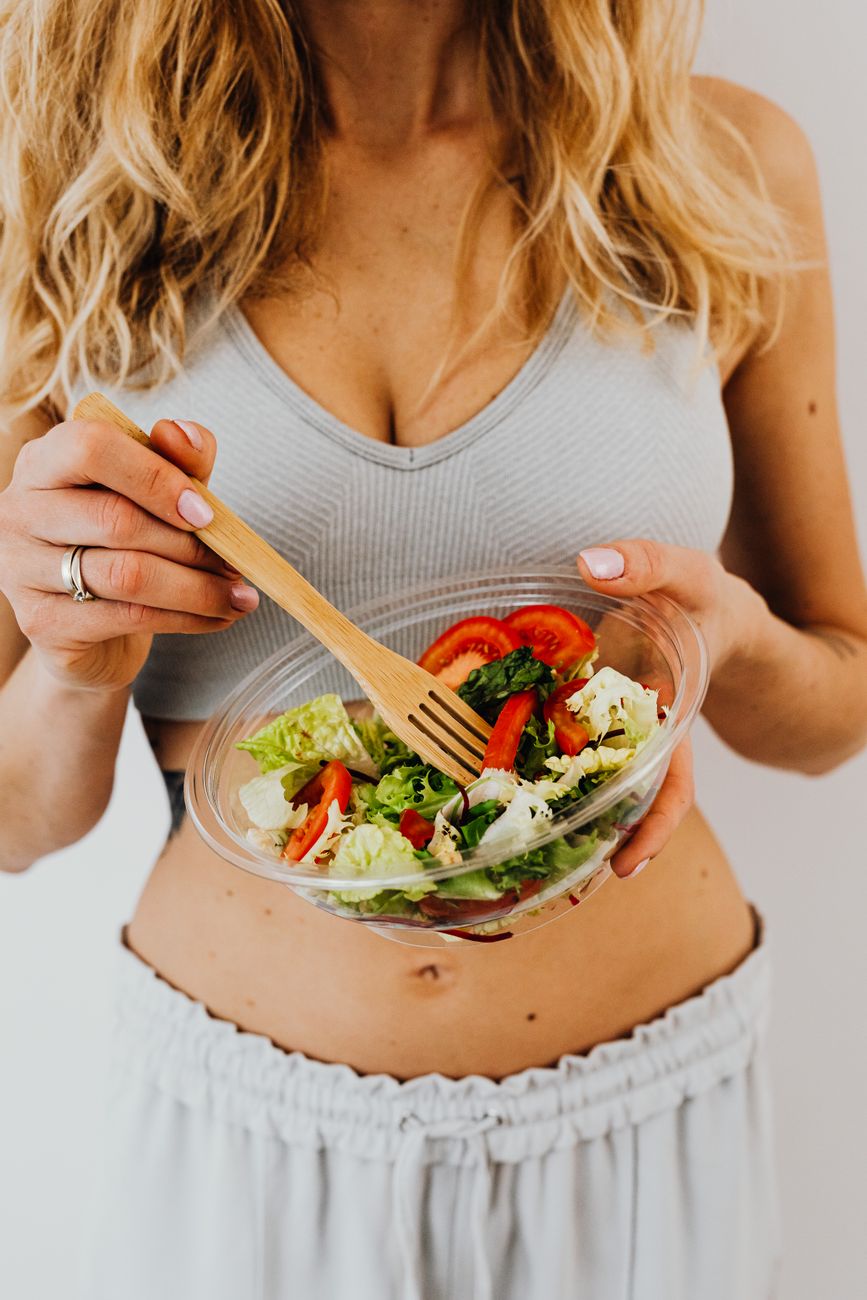
Photo by www.kaboompics.com on Pexels
Gut health is having a well-deserved moment, but the truth is simple: when your digestion works well, almost everything else feels easier. Energy becomes steadier, cravings are easier to manage, and clean eating stops feeling like a punishment and starts feeling like a natural rhythm. That is why organic food has become such a powerful part of the conversation around nutrition, healthy lifestyle habits, and sustainable weight loss. If your meals are built on real ingredients, your body has a much better chance of doing what it was designed to do.
Think about how often people focus on calories alone while ignoring the real engine behind metabolism, appetite, and nutrient absorption. Your gut is not just a food-processing system. It is closely tied to immunity, mood, inflammation, and how satisfied you feel after meals. So what happens when you choose more organic food, more fiber, more fermented foods, and fewer ultra-processed ingredients? You create a daily environment that supports balance rather than strain. And isn’t that what a healthy diet should do?
This guide takes a practical look at organic foods for gut health, with a special focus on clean eating, digestion, and realistic weight loss support. You will learn which foods matter most, how to build meals that are gentle on the stomach, and how to turn a simple grocery list into a long-term healthy lifestyle plan. Along the way, you will also see how a thoughtful detox diet can be rooted in nourishment rather than restriction.
Why Gut Health Deserves More Attention Than It Gets
The gut is where many of the body’s most important processes begin. It breaks down food, absorbs nutrients, hosts trillions of bacteria, and helps regulate everything from immunity to inflammation. When digestion is smooth, you usually feel lighter, clearer, and more in control of your appetite. When it is not, even the healthiest diet can feel frustrating.
That is why gut health matters so much in any conversation about organic food and weight loss. If you are eating less but still feeling bloated, tired, or constantly hungry, the issue may not be discipline. It may be that your digestive system needs more support. Are you eating enough fiber? Are you getting enough hydration? Are your meals too rushed or too processed? These are the kinds of questions that reveal the real story behind nutrition.
Digestion, Absorption, and Everyday Energy
Digestion is not only about comfort; it determines how well your body uses the nutrients you eat. A healthy gut helps break down carbohydrates, proteins, fats, vitamins, and minerals efficiently. If digestion is sluggish, you may absorb less of the nutrition you are paying for, even if your meals look healthy on paper.
Organic food often fits well into a gut-friendly pattern because it usually comes in more whole, recognizable forms. Fresh vegetables, fruit, legumes, grains, nuts, seeds, and fermented foods are all staples of a clean eating approach that supports digestion without making meals feel complicated.
The Gut and Weight Loss Connection
Weight loss is often framed as a calorie equation, but appetite is more complex than that. When your gut is balanced, you tend to feel satisfied more quickly and more consistently. Blood sugar can become more stable, cravings can calm down, and the urge to snack mindlessly may fade. That does not mean weight loss becomes effortless, but it can become far more sustainable.
There is a reason many people notice that clean eating feels easier when it is built around organic food and simple ingredients. Meals with more fiber, healthy fats, and protein tend to support fullness. Meals with fewer additives tend to be easier on the digestive system. The result is not just a leaner plate, but a calmer relationship with food.
Why Organic Food Can Support a Healthier Gut
Organic food is not magic, and it is not a requirement for good digestion. But it can play a meaningful role in a healthy lifestyle when the goal is to eat more real food and fewer chemical-laden convenience items. Choosing organic often encourages people to shop the perimeter of the store, cook more at home, and read labels more carefully. Those habits alone can transform nutrition.
When your pantry is filled with organic staples, it becomes easier to create meals that feel nourishing rather than heavy. You are more likely to build plates around vegetables, grains, legumes, fruit, nuts, and simple proteins. That is where the gut benefits begin to add up.
Fewer Unnecessary Additives
Many packaged foods contain emulsifiers, artificial sweeteners, preservatives, and other ingredients that may not agree with sensitive digestive systems. While not every additive is harmful, a diet built around whole organic food tends to minimize exposure to ingredients that can complicate a detox diet or interfere with clean eating goals.
Think of it this way: if you are trying to calm your digestion, do you really want every meal to come with a long ingredient list you cannot pronounce? Whole organic ingredients make it easier to keep meals simple, transparent, and satisfying.
More Intentional Eating Habits
People who choose organic food often become more mindful of how they eat. They plan meals in advance, cook more often, and pay closer attention to hunger and fullness. This is one of the most underrated benefits of an organic diet. The food itself matters, but the habits around the food matter too.
Healthy weight loss rarely happens when meals are random and rushed. It happens when eating becomes intentional. Organic meals can help create that shift because they naturally invite more structure, more color, and more variety.
Better Alignment With a Clean Eating Lifestyle
Clean eating is not about perfection. It is about choosing foods that are minimally processed, nutrient-dense, and easier for the body to use. Organic food fits beautifully into that framework. Whether you are making a detox diet more balanced or simply trying to eat with more awareness, organic ingredients can help you build meals that support your goals without feeling restrictive.
[IMAGE: organic vegetables]
Best Organic Foods for Gut Health
Not every organic food has the same effect on the gut. Some ingredients feed beneficial bacteria, some support regularity, and some help reduce the sense of heaviness that can come from overly processed meals. The best approach is to combine fermented foods, prebiotic-rich plants, fiber, and healthy fats into an everyday pattern.
Organic Fermented Foods
Fermented foods contain live cultures that may help support a more balanced gut environment. If you are building a healthy diet for digestion, these foods are worth paying attention to. Choose organic versions when possible to keep the clean eating approach consistent.
- Organic yogurt or kefir: Look for unsweetened options with live and active cultures.
- Sauerkraut: A small serving can add tang and probiotics to meals.
- Kimchi: Spicy, flavorful, and useful for adding variety to a gut-friendly plate.
- Miso: Best used in soups or dressings, but avoid heating it too aggressively to preserve cultures.
- Tempeh: A fermented soy food that also provides protein.
Start with small portions if fermented foods are new to you. Too much too soon can feel uncomfortable, especially if your gut is sensitive.
Organic Prebiotic Foods
Prebiotics are the fibers that feed beneficial gut bacteria. If probiotics are the helpful guests, prebiotics are the food that keeps them thriving. This is where many organic foods shine, especially vegetables, fruit, and whole grains.
- Garlic and onions: Flavorful, budget-friendly, and rich in prebiotic compounds.
- Leeks and asparagus: Excellent for soups, sautés, and roasted dishes.
- Bananas: Especially useful when slightly underripe.
- Apples: Great for snacks and added fiber.
- Oats: A classic breakfast base that supports steady digestion.
- Chicory root: Often found in teas or fiber blends.
Prebiotic foods can help create a stronger foundation for a detox diet built around nourishment instead of deprivation. They also support satiety, which matters if your broader goal includes weight loss.
Organic Fiber-Rich Produce
Fiber is one of the most powerful nutrients for digestive health, yet many people fall short of getting enough. Organic vegetables, fruits, and legumes make it easier to increase fiber naturally without relying on supplements or processed bars.
- Leafy greens: Spinach, kale, arugula, and chard add volume and micronutrients.
- Berries: High in antioxidants and gentle enough for many people.
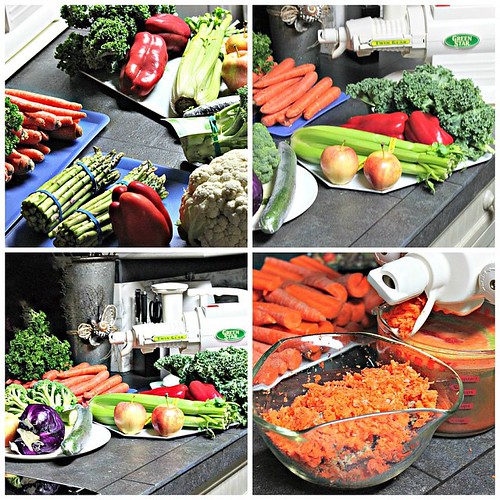
- Carrots and beets: Great roasted or raw for texture and sweetness.
- Artichokes: One of the most fiber-rich vegetables available.
- Sweet potatoes: Filling and versatile for meals or snacks.
- Legumes: Lentils, chickpeas, and beans offer fiber plus plant protein.
Fiber supports regular bowel movements, helps control appetite, and can assist with blood sugar stability. If you are trying to lose weight in a sustainable way, these are not optional extras—they are foundational.
Healthy Fats That Keep Meals Satisfying
Gut health is not only about fiber. Healthy fats help meals feel complete and can reduce the temptation to keep snacking an hour later. Organic versions of these foods are easy to work into a clean eating routine.
- Avocados: Creamy, filling, and ideal in salads or on toast.
- Chia seeds: Helpful in puddings, smoothies, or yogurt bowls.
- Ground flaxseed: A convenient way to add fiber and texture.
- Walnuts and almonds: Smart snack options when portions are moderate.
- Olive oil: Useful for dressings and simple cooking.
When healthy fats are paired with fiber and protein, the result is a more balanced meal. That balance can make a major difference in energy, cravings, and digestive comfort.
[IMAGE: healthy meal]
How to Build a Gut-Friendly Organic Plate
A healthy plate does not need to be exotic, expensive, or complicated. In fact, the simplest organic meals are often the most effective. The goal is to create a structure that supports your digestion while still tasting good enough to enjoy every day.
The Easiest Plate Formula
Try this basic formula when planning meals:
- Half the plate: Organic non-starchy vegetables
- One quarter: Protein such as organic eggs, tofu, tempeh, fish, chicken, or legumes
- One quarter: Whole grains or starchy vegetables
- Plus: A source of healthy fat like avocado, seeds, nuts, or olive oil
This structure helps keep meals satisfying without becoming too heavy. It also makes clean eating feel less like guesswork and more like a repeatable habit.
Breakfast Ideas That Support Digestion
Breakfast can set the tone for the rest of the day. If you start with sugar-heavy foods, you may feel hungry again quickly. If you start with a balanced organic meal, your blood sugar and appetite are more likely to stay steady.
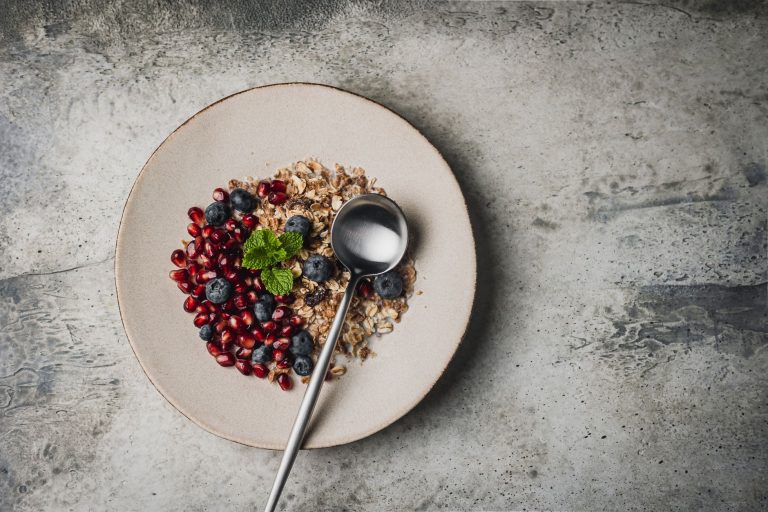
- Organic Greek yogurt with berries, chia seeds, and cinnamon
- Overnight oats with flaxseed, walnuts, and sliced banana
- Veggie omelet with spinach, mushrooms, and avocado
- Smoothie made with kefir, greens, frozen fruit, and nut butter
What breakfast habit would make the biggest difference for you right now: more protein, more fiber, or less sugar?
Lunch and Dinner Ideas That Feel Light but Filling
For lunch and dinner, aim for warm, colorful, and easy-to-digest meals. A heavy meal does not automatically mean a satisfying meal. Often, what the body wants most is balance.
- Quinoa bowl with roasted vegetables, chickpeas, and tahini dressing
- Salmon with steamed broccoli, sweet potato, and olive oil
- Lentil soup with carrots, celery, onions, and herbs
- Stir-fry with tempeh, bok choy, ginger, and brown rice
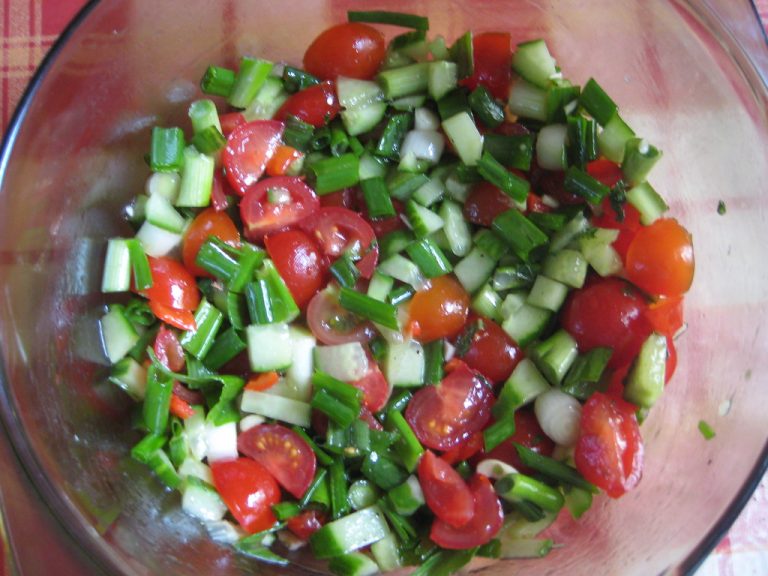
- Big salad with leafy greens, cucumber, avocado, seeds, and grilled chicken
If your meals leave you tired instead of energized, the problem may be portion balance or ingredient quality. Organic food cannot fix everything, but it can make a clean eating pattern much easier to sustain.
Smart Snacks for a Sensitive Gut
Snacking is not the enemy. The problem comes when snacks are chosen out of habit rather than hunger. A gut-friendly snack should be simple, satisfying, and made from recognizable ingredients.
- Apple slices with almond butter
- Carrot sticks with hummus
- Plain yogurt with berries
- A handful of walnuts and pumpkin seeds
- Cucumber slices with guacamole
These choices support a healthy lifestyle because they do more than silence hunger for ten minutes. They nourish, stabilize, and help prevent the crash that often leads to overeating later.
Organic Food and Weight Loss: What Actually Works
Many people hope that organic food will somehow automatically lead to weight loss. The reality is more nuanced. Organic ingredients alone do not cause fat loss, but they can support the conditions that make it easier: fewer cravings, better digestion, better satiety, and less dependence on processed food.
Weight loss becomes more manageable when the body is not constantly bouncing between spikes and crashes. That is where organic food, clean eating, and gut health work together. The more stable your meals, the less likely you are to feel out of control around food.
Why Better Digestion Helps With Appetite
When digestion is sluggish, it is easy to mistake discomfort for hunger. Bloating can make you crave
About the Author