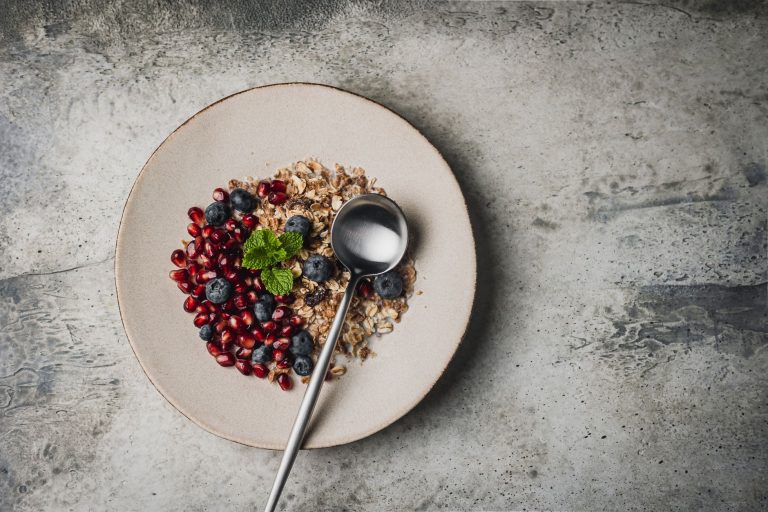

Photo by Anna Pelzer on Unsplash
If you have ever tried to lose weight while feeling constantly hungry, frustrated, or overwhelmed by food rules, you are not alone. Many people want a healthier body, steadier energy, and a simpler approach to nutrition, but they do not want to rely on restrictive plans that are impossible to maintain. That is where organic food and clean eating come together in a way that feels realistic, nourishing, and sustainable. Could a weight loss approach be both satisfying and genuinely enjoyable? Absolutely, when it is built on the right foods and a smarter daily rhythm.
This guide explores the best organic foods for weight loss, how they fit into a healthy lifestyle, and why choosing cleaner ingredients can make your nutrition habits easier to stick with. You will learn how to build balanced meals, what to keep in your kitchen, which foods deserve a regular place on your plate, and how to avoid the common mistakes that slow progress. If your goal is to feel lighter, stronger, and more in control of your eating, the answer may not be eating less. It may be eating better.
Why Organic Food Can Support Weight Loss
Organic food is not a magic shortcut, and it should never be presented as one. Weight loss still depends on overall energy balance, movement, sleep, and consistency. But organic food can make clean eating easier by reducing your exposure to highly processed ingredients, improving the quality of your meals, and making it simpler to build a nutritious routine you actually enjoy.
When people shift toward organic eating, they often notice that their meals become more centered on whole foods: vegetables, fruit, legumes, eggs, plain yogurt, lean proteins, nuts, seeds, and minimally processed grains. These foods tend to be richer in fiber, protein, water, and micronutrients, all of which support satiety and better portion control. That matters, because feeling full and energized is one of the biggest factors in long-term weight loss success.
Organic food encourages cleaner ingredient choices
Have you ever read the label on a packaged snack and seen a long list of additives, sweeteners, and oils you can barely pronounce? Organic food naturally pushes many people away from that pattern. Instead of relying on convenience products, you begin choosing real ingredients. That shift alone can transform your healthy diet into something more stable and satisfying.
Whole-food meals are easier to portion wisely
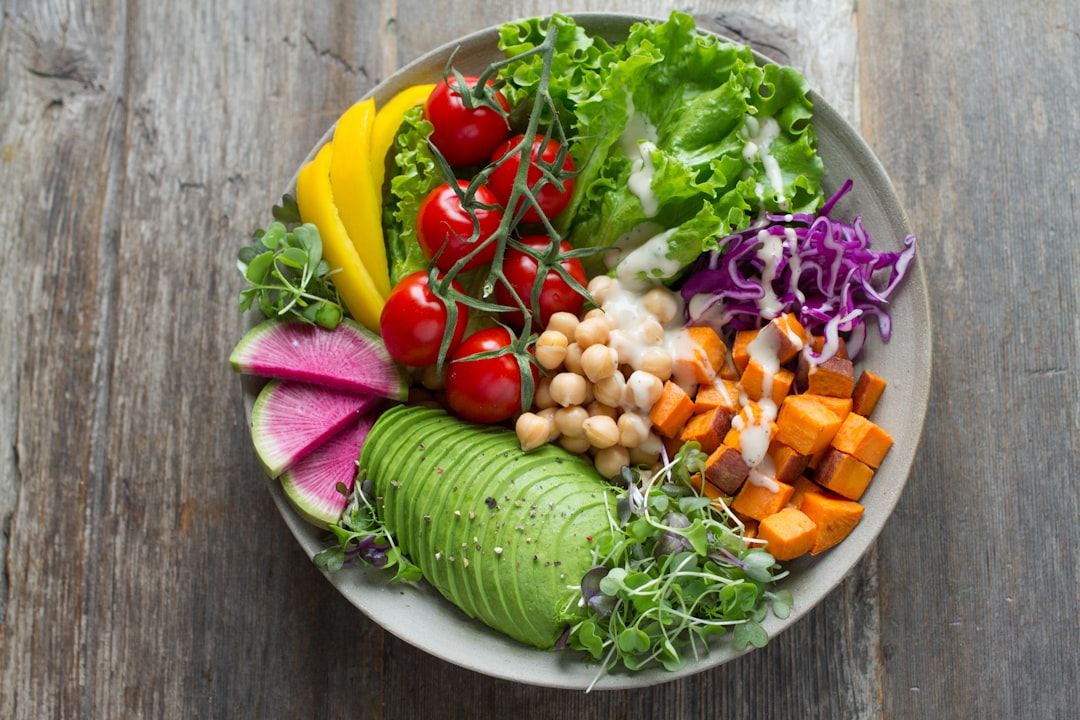
A bowl of organic vegetables, grilled protein, avocado, and seeds is naturally more filling than a processed meal with refined flour and added sugar. Why? Because protein, fiber, and healthy fats help slow digestion and keep cravings under control. When meals are built from real nutrition, your body gets the signal that it has been fed properly, not just temporarily distracted.
Clean eating reduces the urge to overeat
Many people overeat because their meals are too light on nutrients and too heavy on sugar or refined starch. Clean eating can help reset that cycle. If breakfast includes eggs, spinach, berries, and oats instead of a sweet pastry, hunger is usually much more manageable later in the day. The result is not just fewer calories, but better appetite regulation.
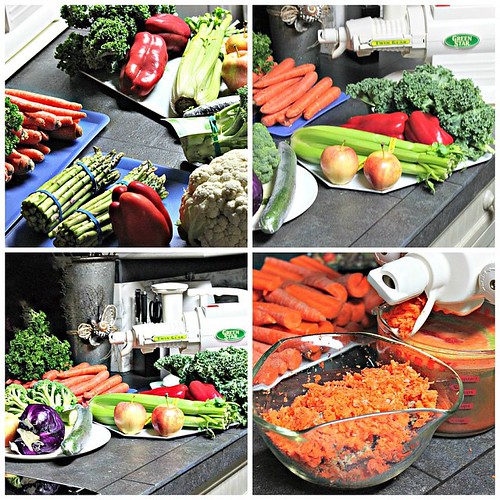
[IMAGE: organic vegetables]
The Best Organic Foods for Weight Loss
Not all healthy foods serve the same purpose. Some are excellent for satiety, some help stabilize blood sugar, and others make meals more satisfying without adding too many calories. The smartest organic food choices for weight loss are the ones that support fullness, nutrient density, and consistency.
Leafy greens
Organic spinach, kale, arugula, romaine, and mixed greens are some of the most valuable foods for a clean eating plan. They are extremely low in calories, but they provide fiber, water, vitamin C, folate, magnesium, and phytonutrients. They are also versatile. You can use them in salads, smoothies, sautés, omelets, wraps, and soups.
If weight loss is your focus, leafy greens help you build larger meals without excessive calories. That means more volume, more nourishment, and less likelihood of searching for snacks shortly after eating.
Cruciferous vegetables
Broccoli, cauliflower, cabbage, Brussels sprouts, and bok choy are powerful staples in an organic diet. These vegetables are naturally high in fiber and create the kind of meal structure that supports steady nutrition. They are ideal for roasting, steaming, air frying, or adding to stir-fries. They also bring satisfying texture, which many people overlook when trying to eat healthier.
Want a simple rule? Fill at least half your lunch and dinner plate with vegetables, and let cruciferous choices do a lot of the heavy lifting.
Berries
Organic blueberries, raspberries, strawberries, and blackberries offer natural sweetness without the heavy sugar load of desserts. They are rich in antioxidants and fiber, making them one of the best fruit categories for a healthy lifestyle. Berries work beautifully in yogurt bowls, smoothies, salads, and overnight oats.
For people who struggle with sweet cravings, berries can be a practical bridge between comfort and discipline. They taste indulgent, but they still fit neatly into a balanced nutrition plan.
Apples and pears
These fruits are simple, portable, and naturally satisfying. The fiber content helps you feel full, and the crunch can make a healthy snack feel more substantial. Pair an apple with almond butter, or enjoy a pear with a handful of walnuts for a snack that keeps energy stable between meals.
Organic eggs
Eggs are one of the most efficient proteins for weight loss because they are affordable, versatile, and highly satiating. Organic eggs can be scrambled, boiled, poached, or baked into vegetable-packed muffins. If you want a breakfast that supports energy and appetite control, eggs are hard to beat.
Protein is essential in any healthy diet because it helps preserve lean mass while you lose fat. That matters more than many people realize. A weight loss plan that protects muscle is a weight loss plan that works better long term.
Plain Greek yogurt and kefir
Unsweetened organic Greek yogurt and kefir provide protein, calcium, and beneficial cultures that can support digestion. They are especially helpful if your mornings are hectic or if you need a snack that feels creamy without being overly processed. Add berries, chia seeds, or cinnamon instead of flavored versions loaded with sugar.
Legumes
Lentils, chickpeas, black beans, and split peas are some of the most underrated foods in a clean eating approach. They are rich in fiber and plant protein, which can help reduce appetite and support gut health. They are also budget-friendly, which makes healthy eating more practical over time.
Try lentil soup, chickpea salads, or black bean bowls if you want meals that are filling without being heavy. These foods can anchor lunch or dinner in a way that feels both nourishing and satisfying.
Nuts and seeds
Almonds, walnuts, pumpkin seeds, chia seeds, flaxseeds, and hemp seeds add healthy fats, texture, and minerals to your meals. Because they are calorie-dense, portion awareness matters, but they are still valuable for appetite control and long-term nutrition. A tablespoon or two can improve a smoothie, salad, or oatmeal bowl immediately.
When chosen in sensible portions, nuts and seeds help create meals that feel complete rather than skimpy. That sense of satisfaction can make a huge difference in weight loss adherence.
Quinoa, oats, and other whole grains
Organic whole grains do not need to be avoided on a healthy diet. In fact, many people lose weight more successfully when they include the right portions of whole grains instead of swinging between overrestriction and overeating. Quinoa, steel-cut oats, brown rice, and buckwheat provide fiber and slow-release energy.
The key is moderation and pairing. Whole grains work best with protein, vegetables, and healthy fat. That combination supports better nutrition and keeps blood sugar steadier throughout the day.
Avocados
Avocados are rich, creamy, and filling. They contribute healthy monounsaturated fats and make salads, bowls, and toast feel more satisfying. Because they are so nutrient-dense, a small amount goes a long way. If you often feel unsatisfied after meals, adding avocado may help you stay on track without feeling deprived.
How to Build a Clean Eating Plate That Supports Weight Loss
One of the simplest ways to make organic food work for weight loss is to stop thinking in terms of
About the Author